17 Forests With Their Own Ecosystems, Weather, or Laws
Forests are far more than just collections of trees. They’re complex living systems with incredible diversity and sometimes their own internal rules—both natural and human-made.
These woodland realms can develop such distinct characteristics that they essentially become worlds unto themselves, with unique weather patterns, specialized ecosystems, or even separate legal frameworks that set them apart from surrounding areas. Here is a list of 17 remarkable forests around the world that have developed their own ecosystems, weather patterns, or legal systems that make them truly one-of-a-kind:
Amazon Rainforest
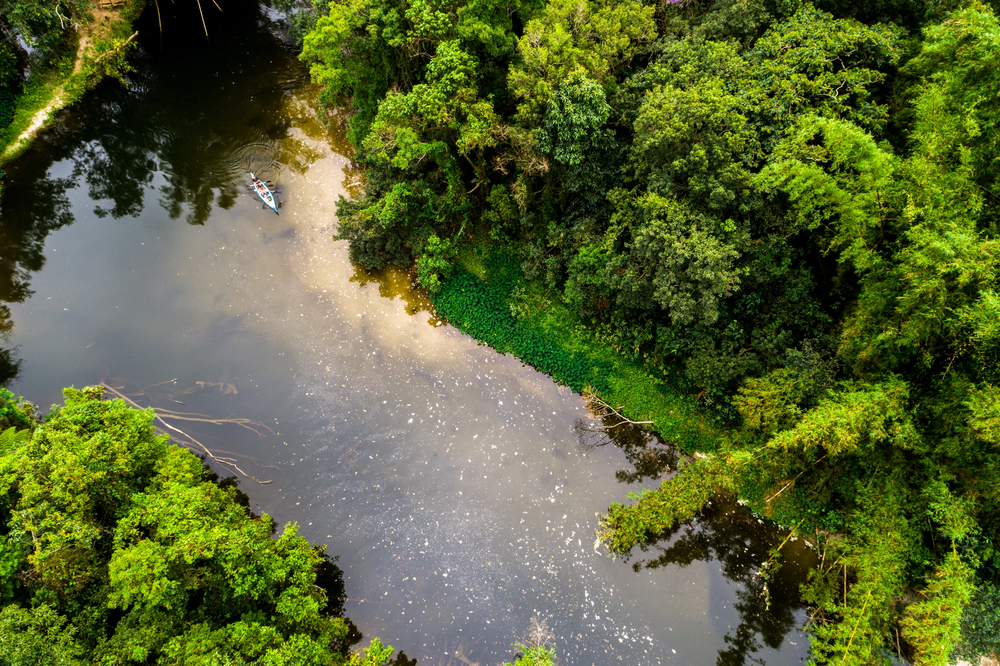
The Amazon creates its own rainfall through a process called evapotranspiration, where trees release water vapor that forms clouds and precipitation. This self-sustaining water cycle generates about half of the Amazon’s rainfall, making it essentially a massive water pump that maintains its own climate.
The forest contains an estimated tree species and billion individual trees, creating countless microhabitats throughout its million square miles.
Białowieża Forest
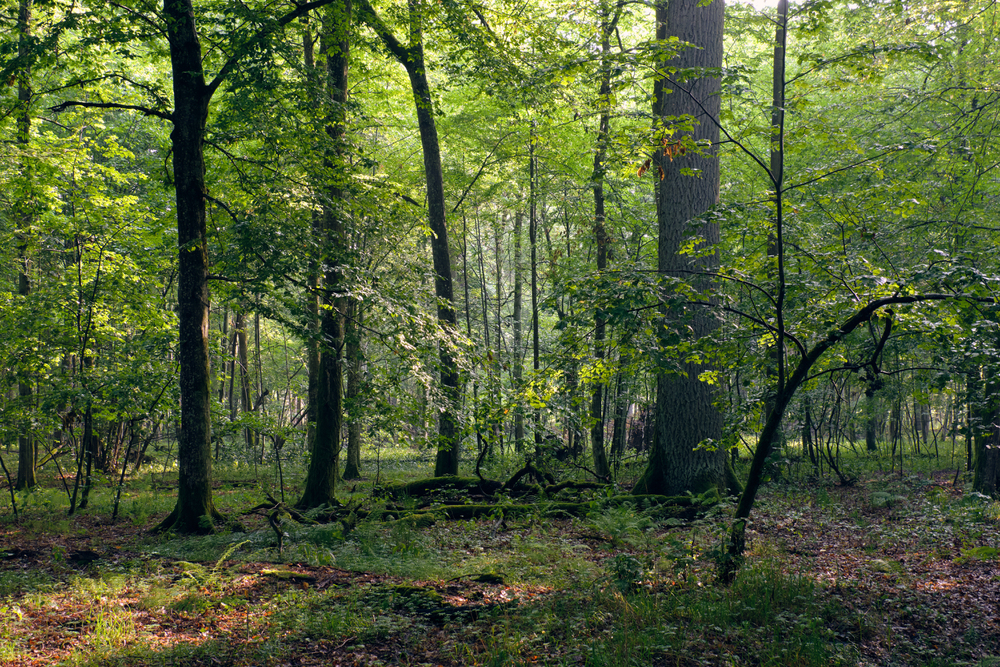
Straddling Poland and Belarus, Białowieża is Europe’s last remaining primeval forest, operating under its own natural laws largely unchanged for thousands of years. It functions as a living laboratory of natural processes with minimal human intervention, protected by UNESCO status and special legal frameworks in both countries.
The forest harbors mammal species, including Europe’s largest bison population, with trees often reaching years of age.
Like Go2Tutors’s content? Follow us on MSN.
Bosque de Chapultepec
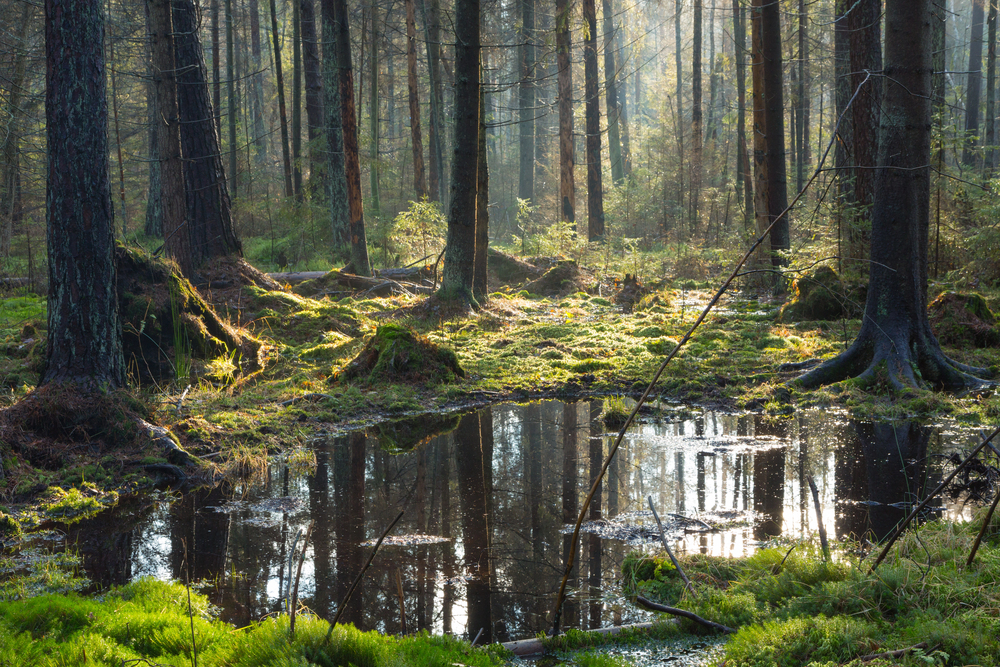
This Mexico City forest operates under its own legal framework as a protected ecological reserve within one of the world’s largest cities. The forest has unique microclimates that help filter pollution and moderate temperatures in the surrounding urban area.
Its special legal status dates back to Aztec times when it was declared a sacred space, and today it’s governed by specific conservation laws distinct from those of the surrounding metropolis.
Daintree Rainforest
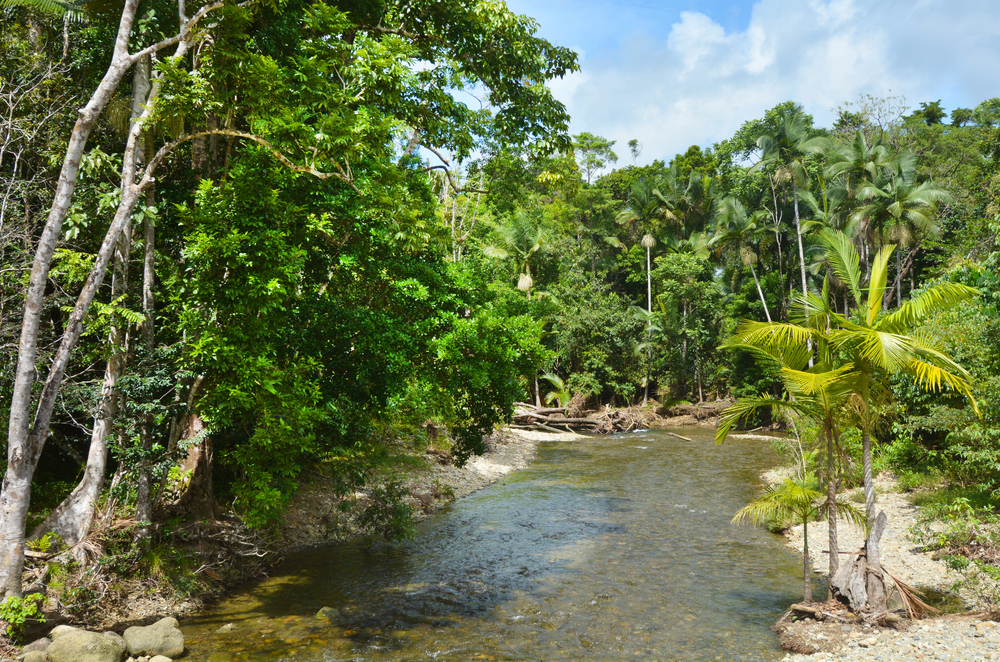
This Australian forest contains plant lineages dating back million years, essentially maintaining evolutionary patterns from the age of dinosaurs. The Daintree operates under dual management with both Australian conservation law and indigenous Kuku Yalanji ownership and traditional governance.
Its unique ecosystem includes of Australia’s frog species, of butterfly species, and of reptile species in an area covering just of the continent.
Great Bear Rainforest
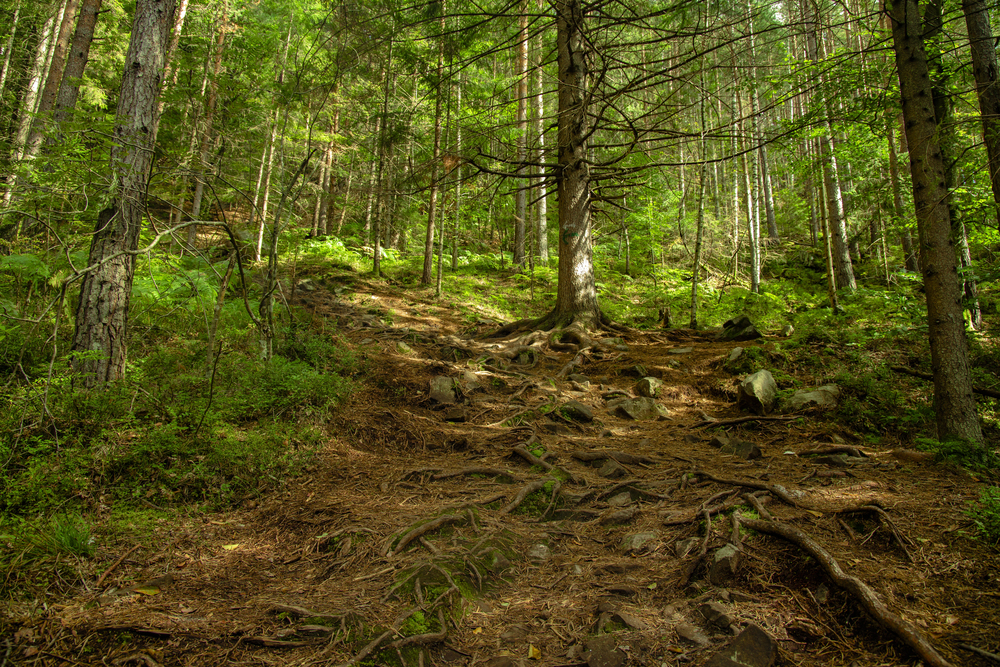
This Canadian temperate rainforest operates under innovative “ecosystem-based management” laws developed through agreements between indigenous First Nations, the government, and conservation groups. It’s home to the rare white ‘spirit bear,’ a genetic variant of the black bear found almost nowhere else on Earth.
The forest’s distinct legal framework creates protected areas while allowing sustainable economic activity, representing one of North America’s most comprehensive conservation agreements.
Like Go2Tutors’s content? Follow us on MSN.
Hoh Rainforest
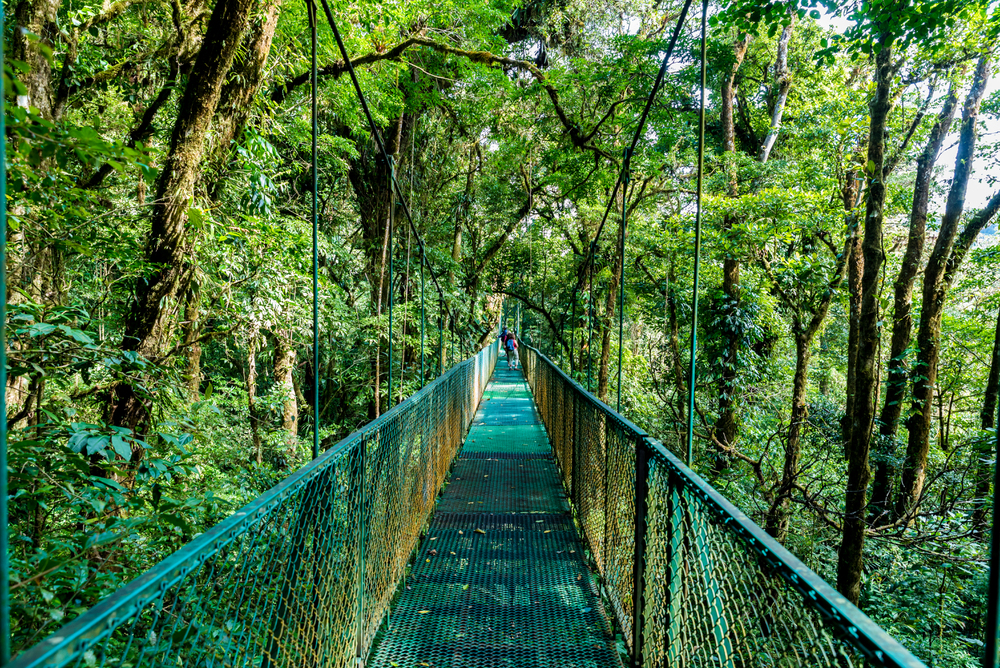
Located in Washington’s Olympic National Park, the Hoh receives over inches of rain annually, creating its own perpetually damp microclimate. This forest contains one of the world’s largest temperate rainforest ecosystems with trees draped in unique moss and lichen communities that have adapted to the constant moisture.
The Hoh is also home to One Square Inch of Silence, legally recognized as one of the most noise-free outdoor locations in the United States.
El Yunque National Forest
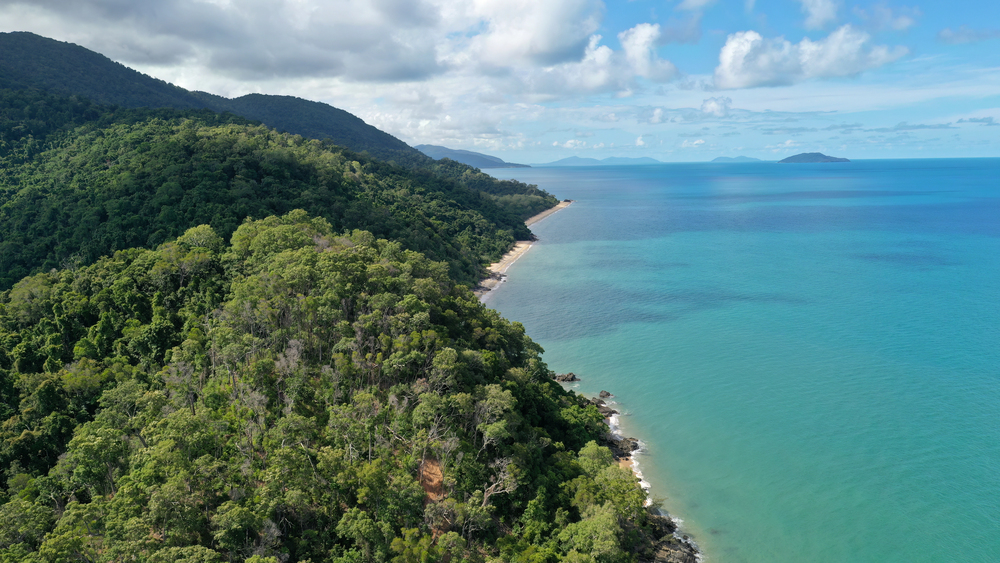
As the only tropical rainforest in the U.S. National Forest system, El Yunque operates under special federal protections with its own distinct management plan. The forest generates its own daily rainfall pattern through orographic lifting—air forced up its mountains cools and condenses, creating predictable afternoon showers.
This reliable weather system sustains unique species found nowhere else, including the tiny coquí frog that has become a symbol of Puerto Rico.
Sundarbans Mangrove Forest
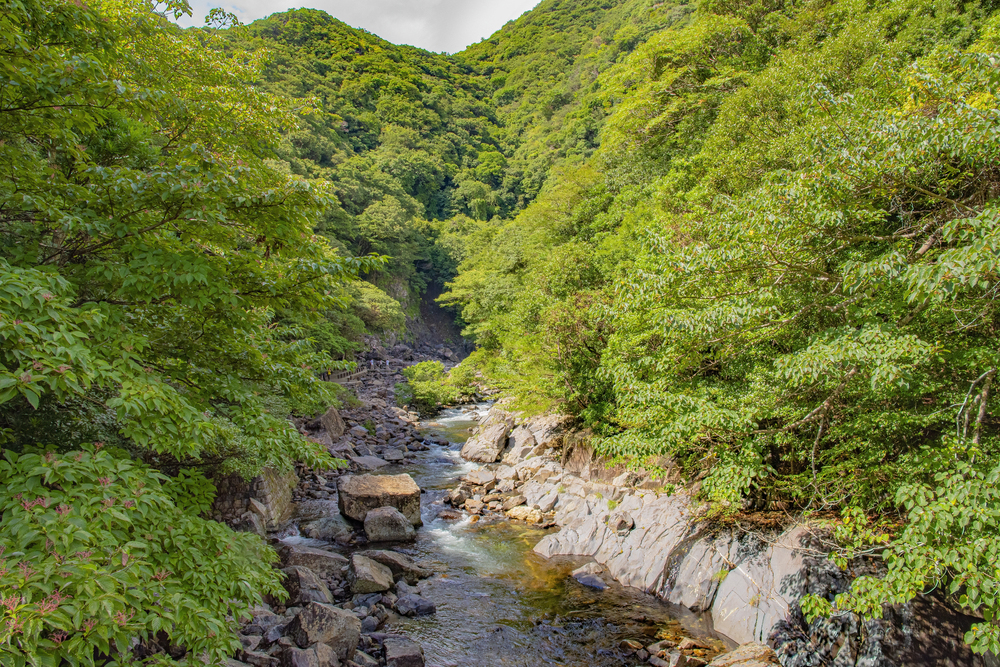
Spanning Bangladesh and India, this forest creates its own ecosystem at the interface between land and sea. It’s governed by complex international agreements and local laws designed to protect both its biodiversity and human inhabitants.
The forest’s mangroves build their own land by trapping sediment, essentially creating new terrain while serving as a critical buffer against cyclones and rising sea levels for millions of people in the Bengal region.
Like Go2Tutors’s content? Follow us on MSN.
Yakushima Forest
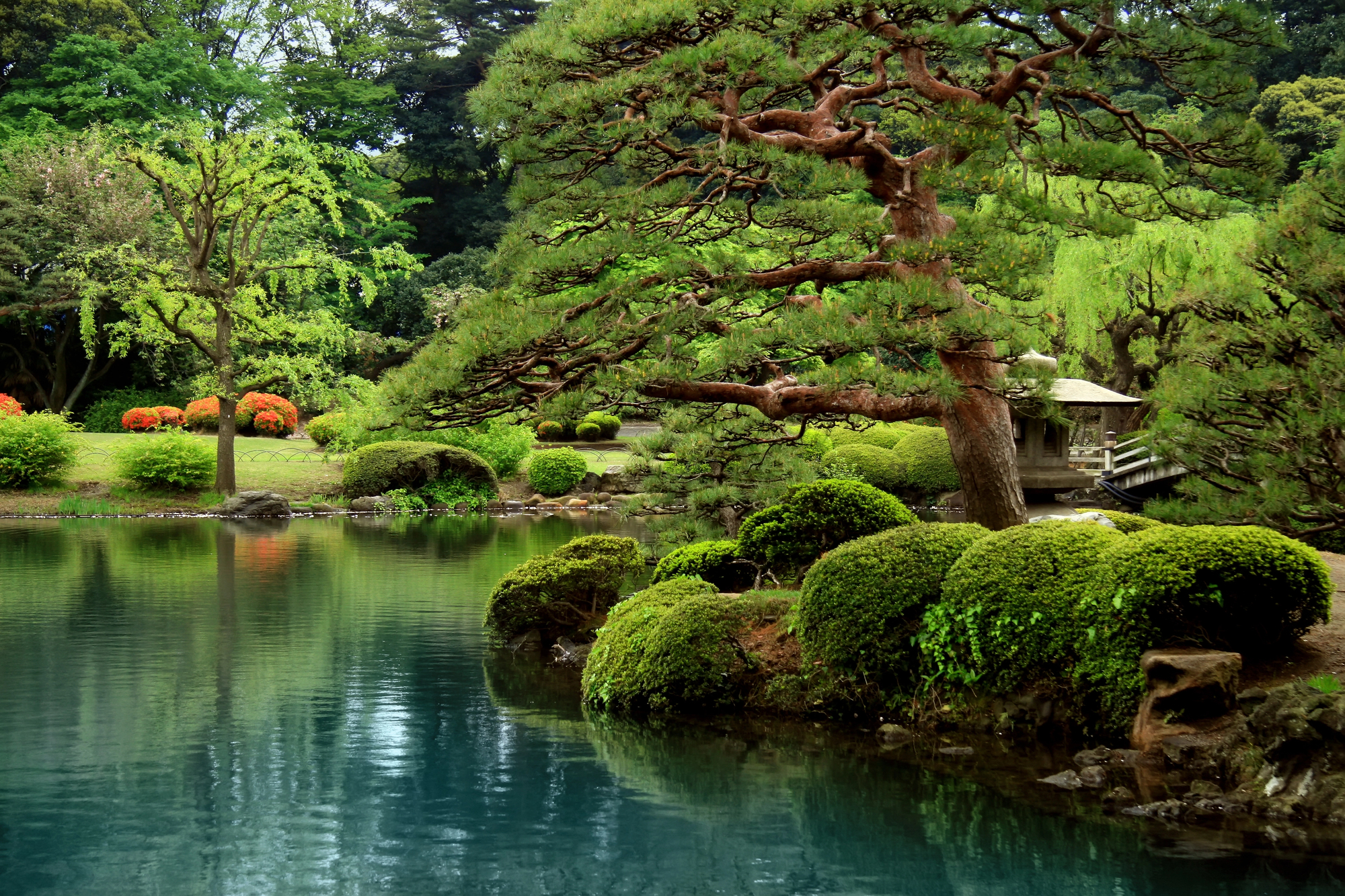
This Japanese island forest creates its own microclimate so wet that locals say it rains “days a month.” The forest holds special legal status as both a UNESCO site and under Japanese conservation law, with ancient cedars that have their own individual protections.
Yakushima’s famous moss-covered landscape inspired the settings in the animated film ‘Princess Mononoke’ and harbors trees estimated to be over years old.
Black Forest
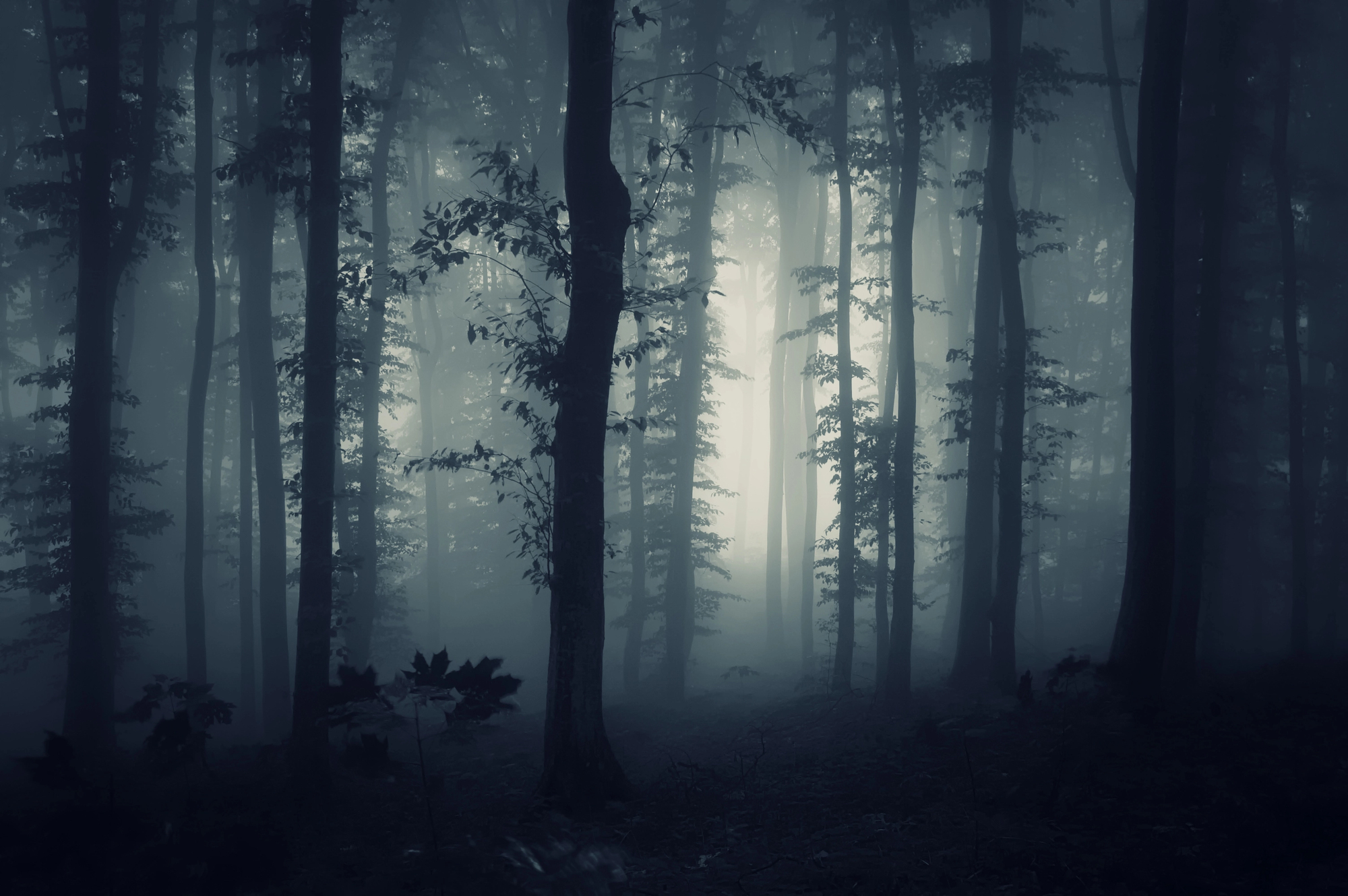
This German woodland has its own distinct weather pattern known as ‘Black Forest effect,’ where dense tree cover creates fog patterns and temperature inversions unique to the region. The forest operates under special German forestry laws aimed at sustainable management while preserving its cultural heritage.
Its distinctive ecosystem inspired countless fairy tales and continues to maintain biodiversity through legally mandated sustainable forestry practices dating back over years.
Cloud Forests of Costa Rica
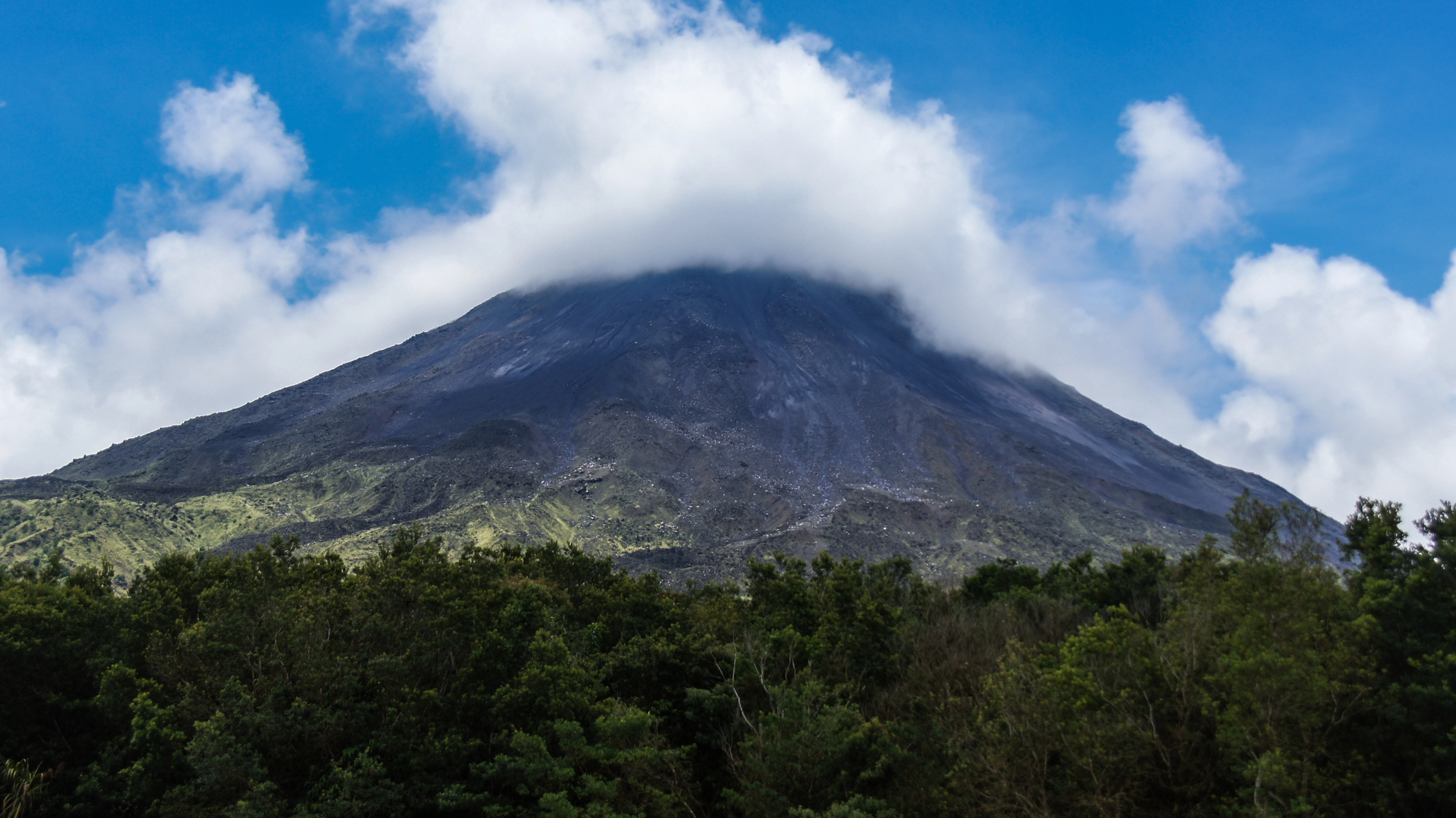
These high-altitude forests create their own weather as clouds move through the trees, bathing everything in persistent mist. Monteverde Cloud Forest Reserve operates under private conservation laws outside the national park system, established by Quaker settlers in the s.
The forest canopy captures water directly from clouds, creating a hydrological system that feeds watersheds serving both wildlife and human communities across the region.
Like Go2Tutors’s content? Follow us on MSN.
Arashiyama Bamboo Forest
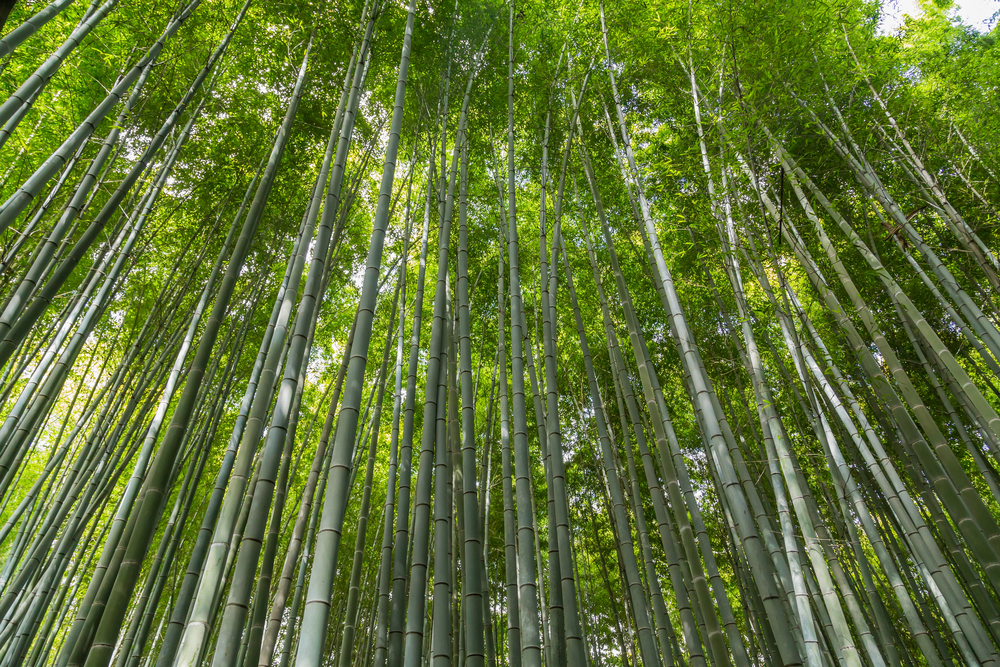
This Japanese forest near Kyoto maintains its own ecosystem and operates under special cultural protection laws as a designated Place of Scenic Beauty. The bamboo creates a distinctive sound when wind passes through—officially recognized by Japan’s Ministry of Environment as one of the country’s ‘Soundscapes’ worth preserving.
This formal recognition gives the forest’s acoustic environment legal protection alongside its physical features.
Tongass National Forest
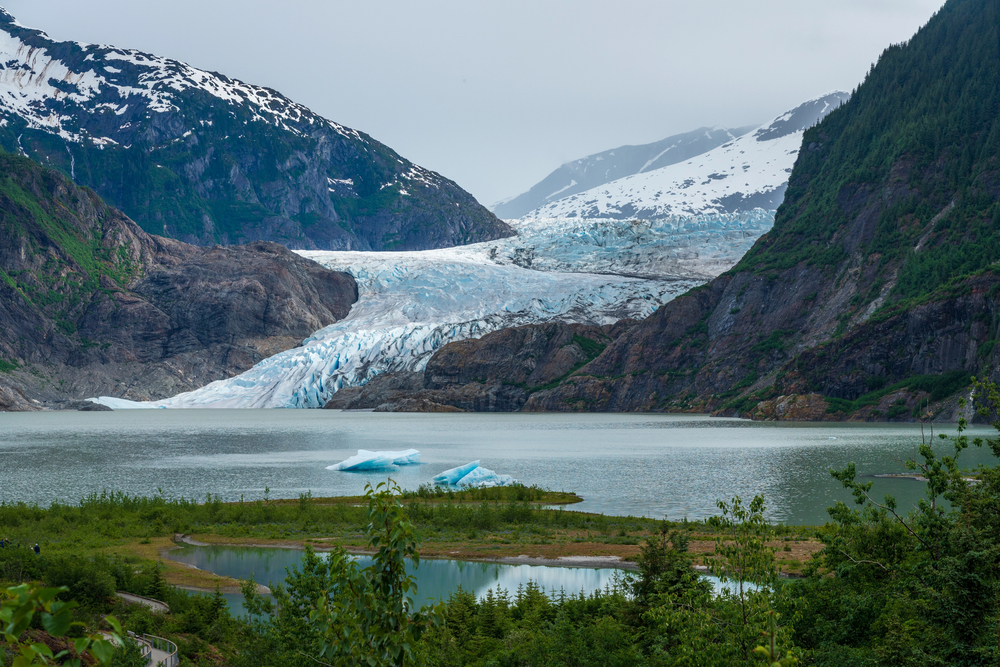
America’s largest national forest operates under its own management plan with unique legal protections. The forest’s ecosystem captures and stores vast amounts of carbon, with some of the highest carbon densities on Earth.
Recent legal changes have restored protections to prevent roads and development in over million acres of this Alaskan temperate rainforest, recognizing its critical role in climate regulation.
Great Otway Forest
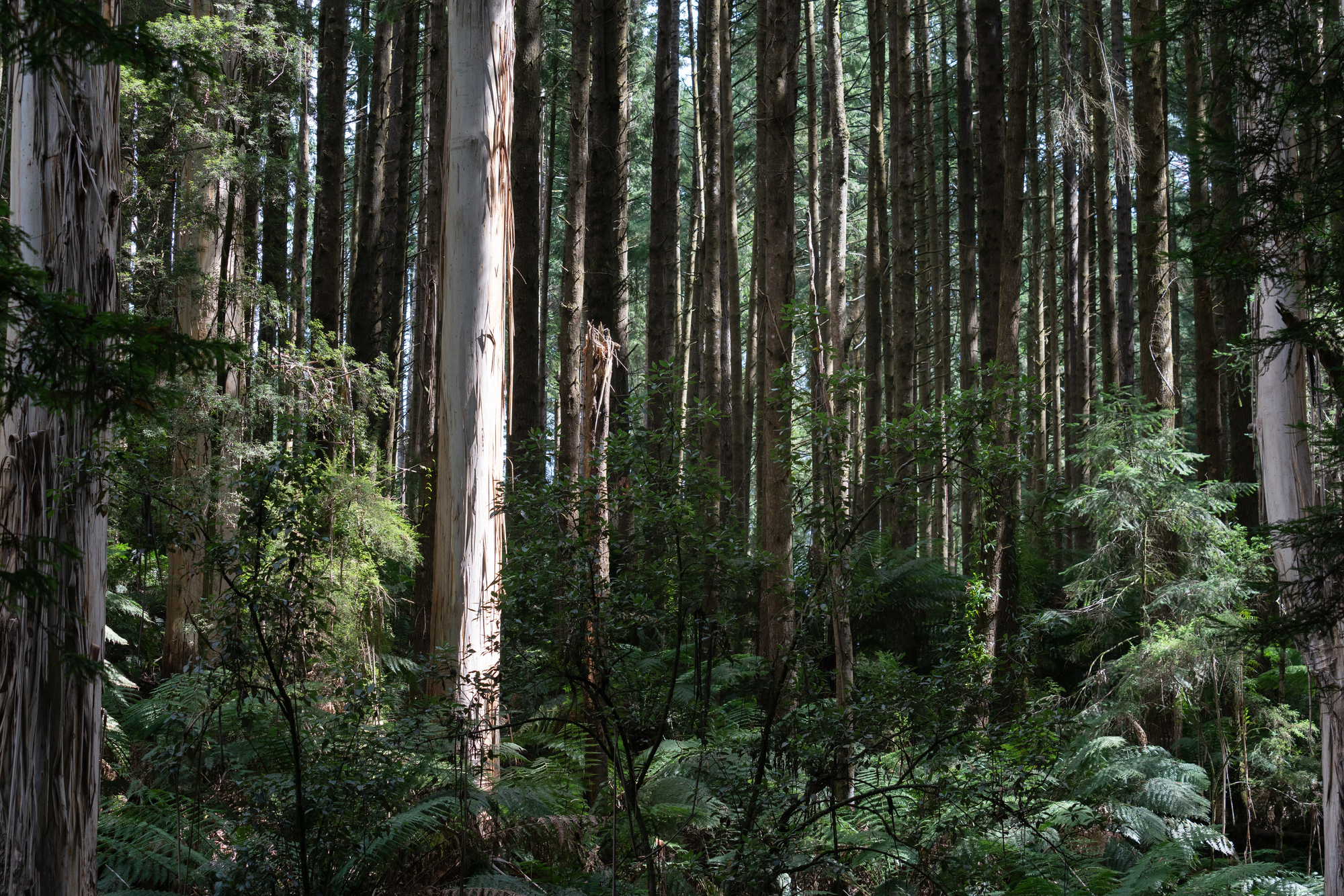
This Australian rainforest creates its own internal climate, with the canopy maintaining humidity levels that allow specialized ferns and mosses to thrive. The forest operates under mixed management including national park status and traditional owner involvement through the Eastern Maar Aboriginal Corporation.
Its ecosystem is so distinct that it harbors glowworms and fungi that create natural bioluminescence, making parts of the forest glow at night.
Like Go2Tutors’s content? Follow us on MSN.
Transylvanian Forests
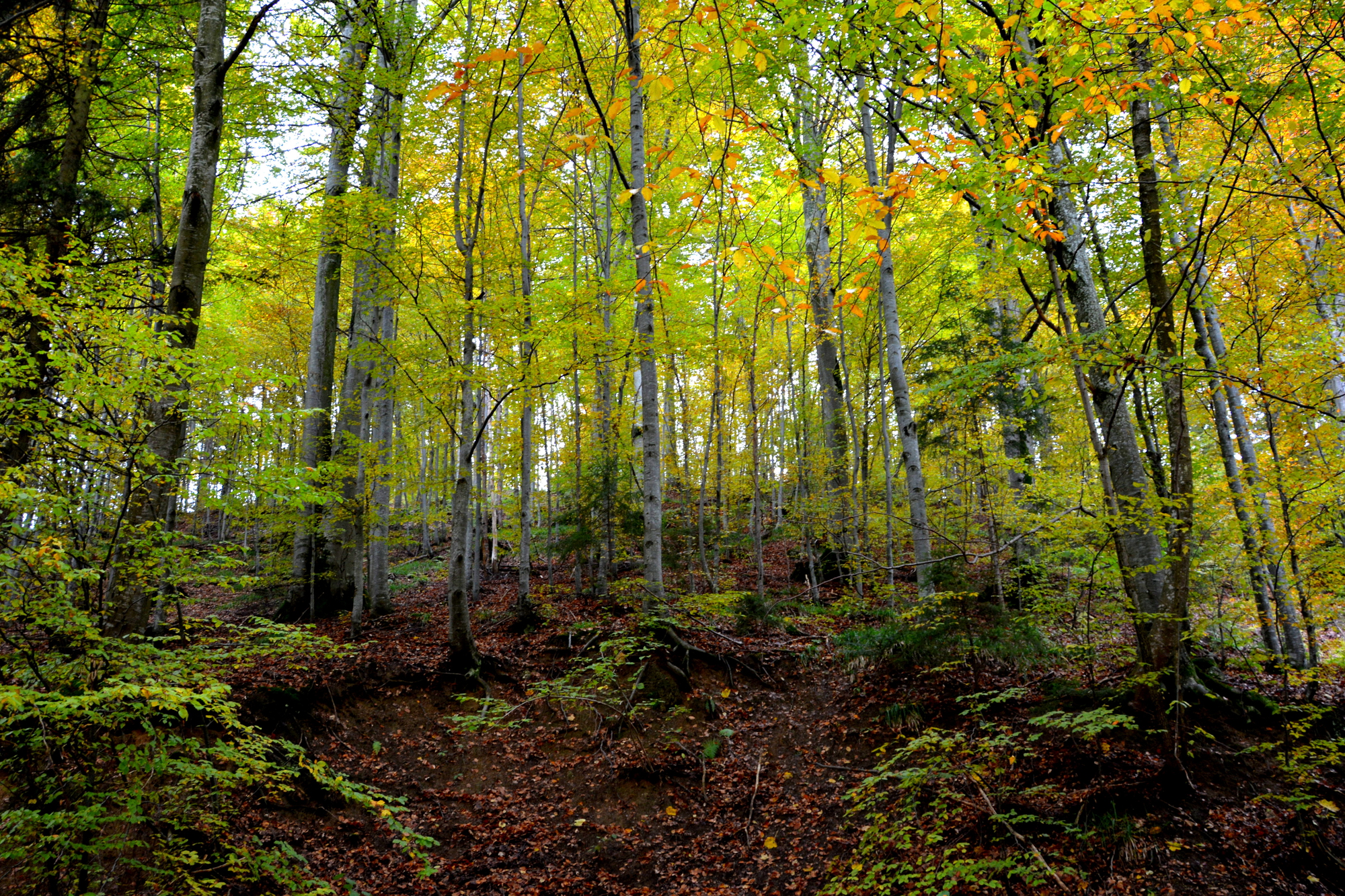
These Romanian woodlands operate under strict European Union Natura protections alongside traditional usage rights dating back centuries. The forests contain Europe’s largest remaining areas of virgin forest with their own self-regulating ecosystems relatively untouched by human activity.
Their special status stems from their role in hosting Europe’s largest populations of brown bears, wolves, and lynx outside of Russia.
Crooked Forest
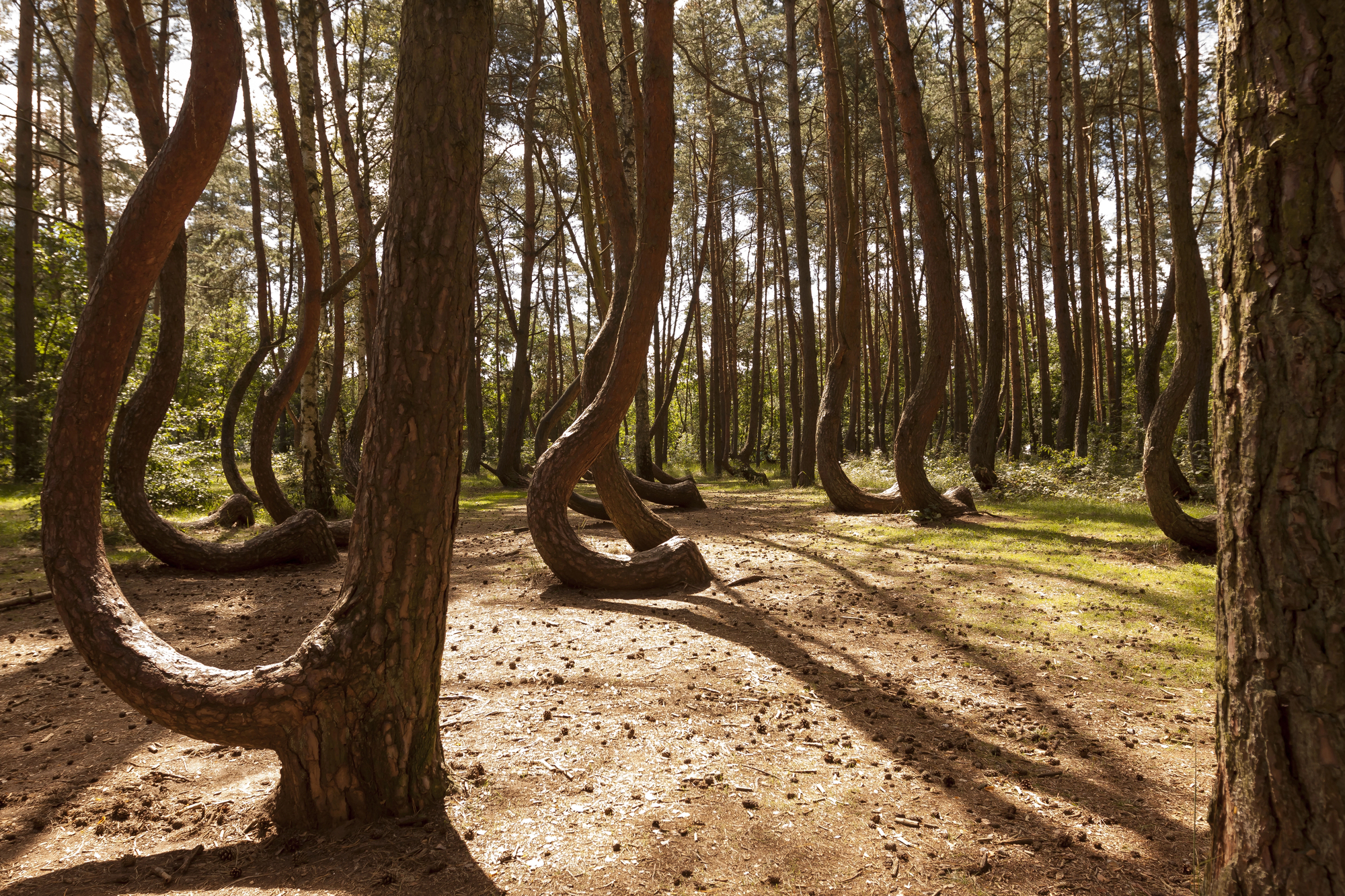
This Polish grove of oddly bent pine trees creates its own distinctive microhabitat and operates under special protection as a natural monument. All trees in this forest feature the same unusual -degree bend at their base, creating a unique ecosystem structure found nowhere else.
Though the exact cause remains debated, the forest has special legal status preventing anyone from altering the trees or revealing their exact location to protect them from excessive tourism.
Bwindi Impenetrable Forest
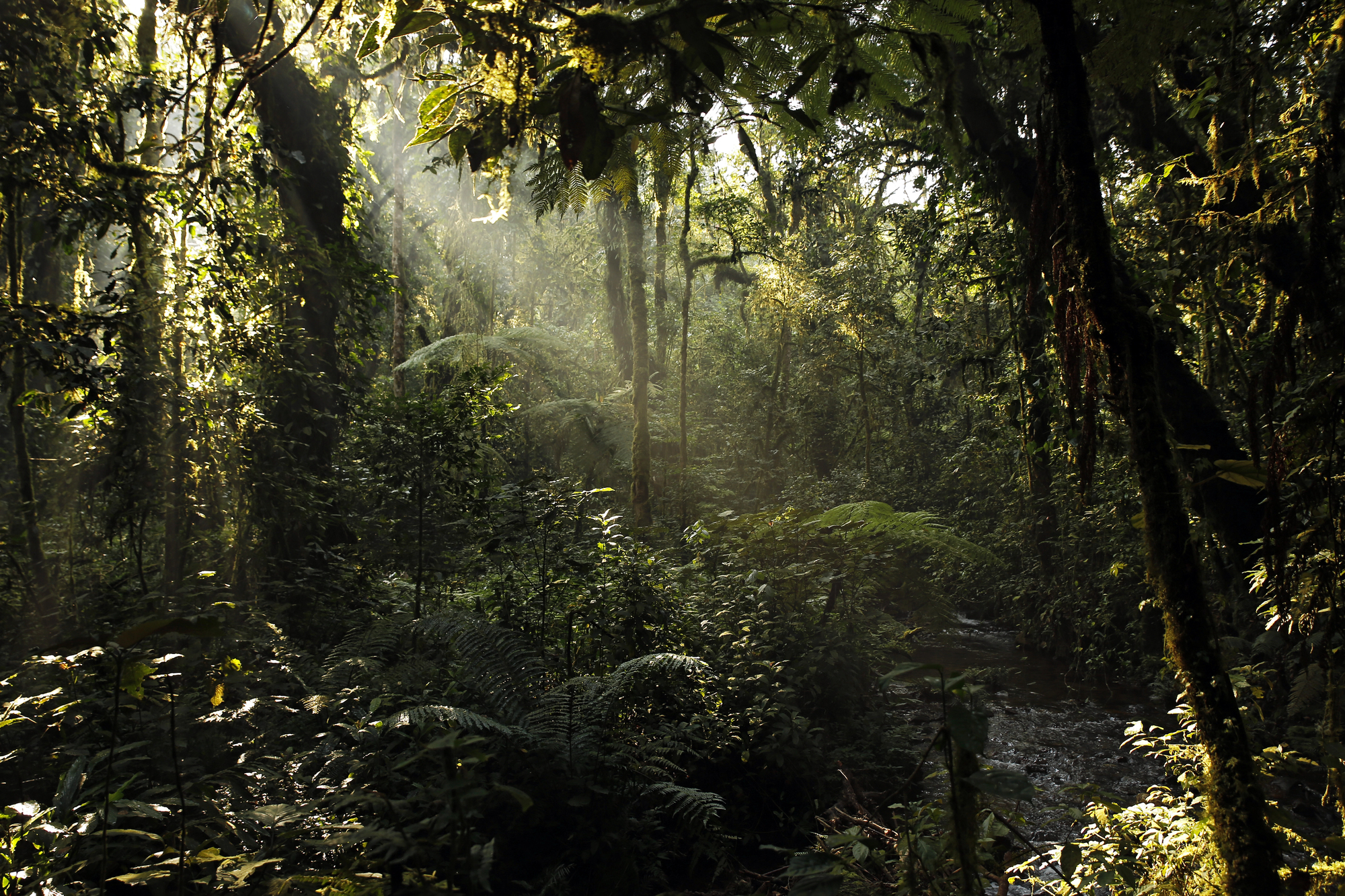
This Ugandan forest creates its own microclimate and operates under multiple layers of protection as both a national park and a UNESCO World Heritage Site. The forest’s ecosystem hosts roughly half of the world’s remaining mountain gorillas, with special legal frameworks governing research and tourism activities.
Its name ‘Impenetrable’ refers to the dense undergrowth and steep terrain that has helped preserve its unique biodiversity by limiting human access throughout history.
Like Go2Tutors’s content? Follow us on MSN.
Guardians of the Green
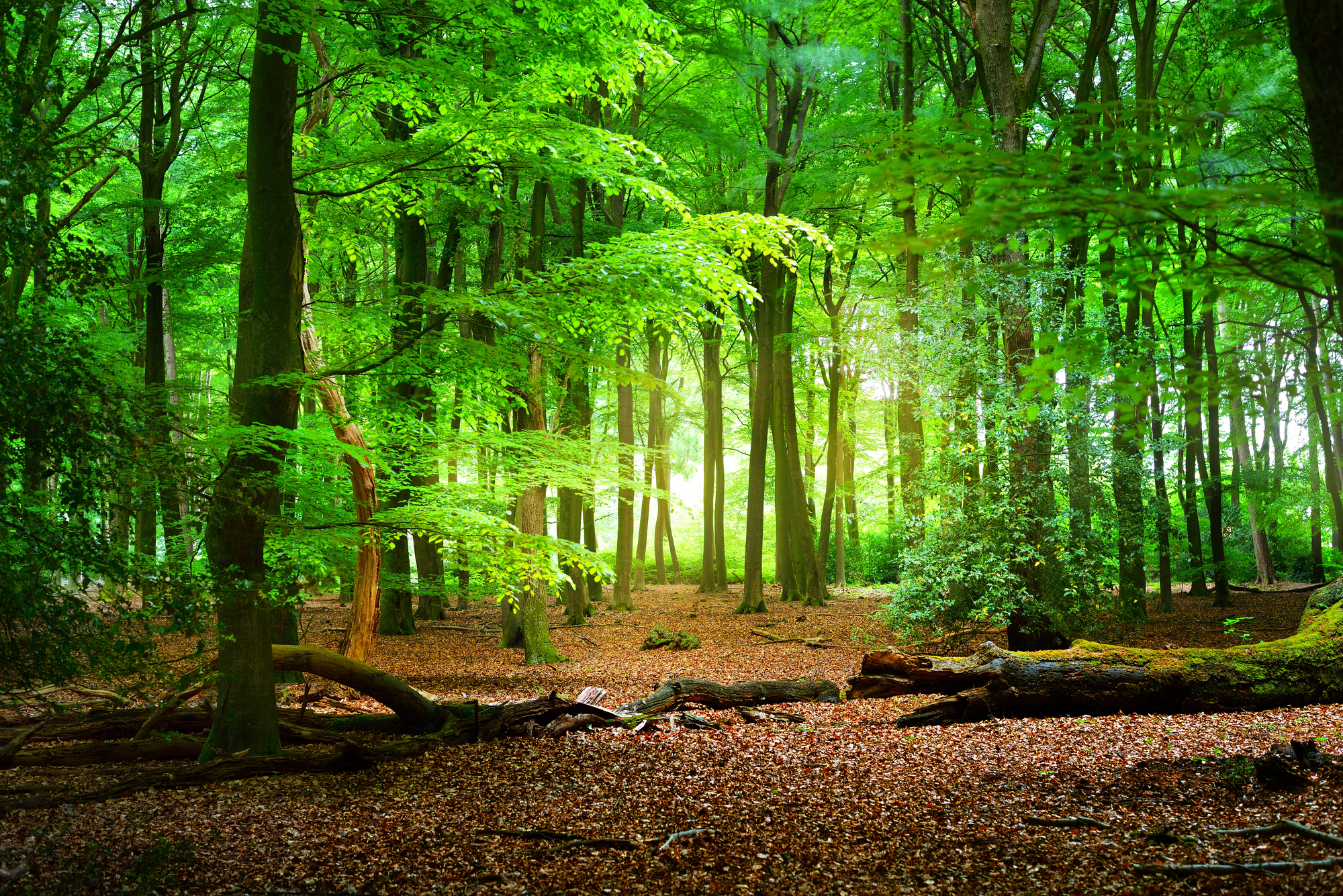
These remarkable forests remind us that nature often operates by its own rules, creating systems far more complex than they might initially appear. From weather-generating giants like the Amazon to specially protected cultural landmarks like Arashiyama, forests demonstrate remarkable diversity in both their natural functions and how humans choose to protect them.
As we face growing environmental challenges, these self-sustaining systems offer valuable lessons about resilience and the importance of letting nature follow its own course—sometimes the best management approach is simply providing legal protection and then stepping back to let the forest be itself.
More from Go2Tutors!

- 18 Unexpectedly Valuable Collectibles You Might Have Lying Around
- 20 Little-Known Historical Battles That Had Huge Consequences
- 20 Historical Artifacts That Scientists Can’t Explain
- 15 Inventions That Were Immediately Banned After Being Created
- 20 Actors Who Were Almost Cast in Iconic Roles
Like Go2Tutors’s content? Follow us on MSN.