20 Biggest Scams in History
People have been tricking each other out of money since coins were invented. Some schemes were so clever that even smart folks fell for them.
Others were just bold lies that worked because people wanted to believe. These cons changed laws, ruined lives, and sometimes even shifted how entire countries did business.
Let’s look at some of the most outrageous tricks that fooled millions of people and made their creators either rich or infamous.
Charles Ponzi’s Promise

Charles Ponzi told investors he could double their money in 90 days by trading international postal reply coupons. The truth was simpler and darker.
He just paid early investors with money from new ones. When the scheme collapsed in 1920, people lost about $20 million, which would be hundreds of millions today.
Ponzi’s name became shorthand for this type of fraud, and it still happens in different forms all over the world.
Bernie Madoff’s Wall Of Lies

Bernie Madoff ran the largest Ponzi scheme ever recorded, stealing roughly $65 billion from thousands of investors over decades. He was a respected Wall Street figure, which made people trust him without asking hard questions.
His clients included celebrities, charities, and retirement funds. The scheme fell apart during the 2008 financial crisis when too many people wanted their money back at once.
Madoff died in prison in 2021, but the damage he caused still affects families today.
The South Sea Bubble

Back in 1720, a British company called the South Sea Company convinced people it would make huge profits trading with South America. Government officials promoted the stock, and prices shot up like a rocket.
The company had almost no real business happening, just hype and speculation. When reality hit, the bubble burst and wiped out fortunes across England.
Even Isaac Newton lost money and reportedly said he could calculate the movement of stars but not the madness of people.
Enron’s Accounting Tricks
Enron was one of America’s biggest energy companies until executives hid billions in debt through complicated accounting methods. They created fake partnerships and inflated profits on paper while the company rotted from inside.
Employees lost their retirement savings, and investors lost everything when Enron declared bankruptcy in 2001. The scandal led to new laws about corporate accountability.
Several top executives went to prison, including CEO Jeffrey Skilling.
The Tulip Mania Crash

During the 1630s in the Netherlands, tulip bulbs became status symbols and their prices climbed to ridiculous levels. Some rare bulbs cost as much as a nice house in Amsterdam.
People borrowed money and sold property to buy bulbs, thinking prices would keep rising forever. Then suddenly everyone realized tulips were just flowers, and the market crashed hard.
Families went broke overnight, and the Dutch economy took years to recover.
Victor Lustig Sells The Eiffel Tower

A con man named Victor Lustig actually sold the Eiffel Tower to a scrap metal dealer in 1925. He posed as a government official and said Paris wanted to tear down the tower because it was too expensive to maintain.
The dealer paid Lustig a huge bribe to get the contract, then felt too embarrassed to report the crime. Lustig was so pleased with himself that he came back a month later and almost sold the tower again to someone else.
He eventually got caught for counterfeiting money years later.
Elizabeth Holmes And Theranos

Elizabeth Holmes claimed her company Theranos could run hundreds of medical tests from a single drop of blood. Investors poured over $700 million into the company based on promises that turned out to be completely false.
The technology never worked properly, but Holmes kept lying to investors, patients, and business partners. Walgreens and Safeway had put Theranos machines in their stores before the truth came out.
Holmes was convicted of fraud in 2022 and sentenced to more than 11 years in prison.
The Albanian Pyramid Schemes

During the 1990s, pyramid schemes took over Albania’s entire economy after communism fell. Companies promised returns of 25% per month, and about two-thirds of the population invested their savings.
The government knew what was happening but didn’t stop it because officials were getting rich too. When the schemes collapsed in 1997, people lost roughly $1.2 billion and riots broke out across the country.
The chaos nearly turned into civil war, and it took years for Albania to stabilize.
Frank Abagnale’s Many Faces
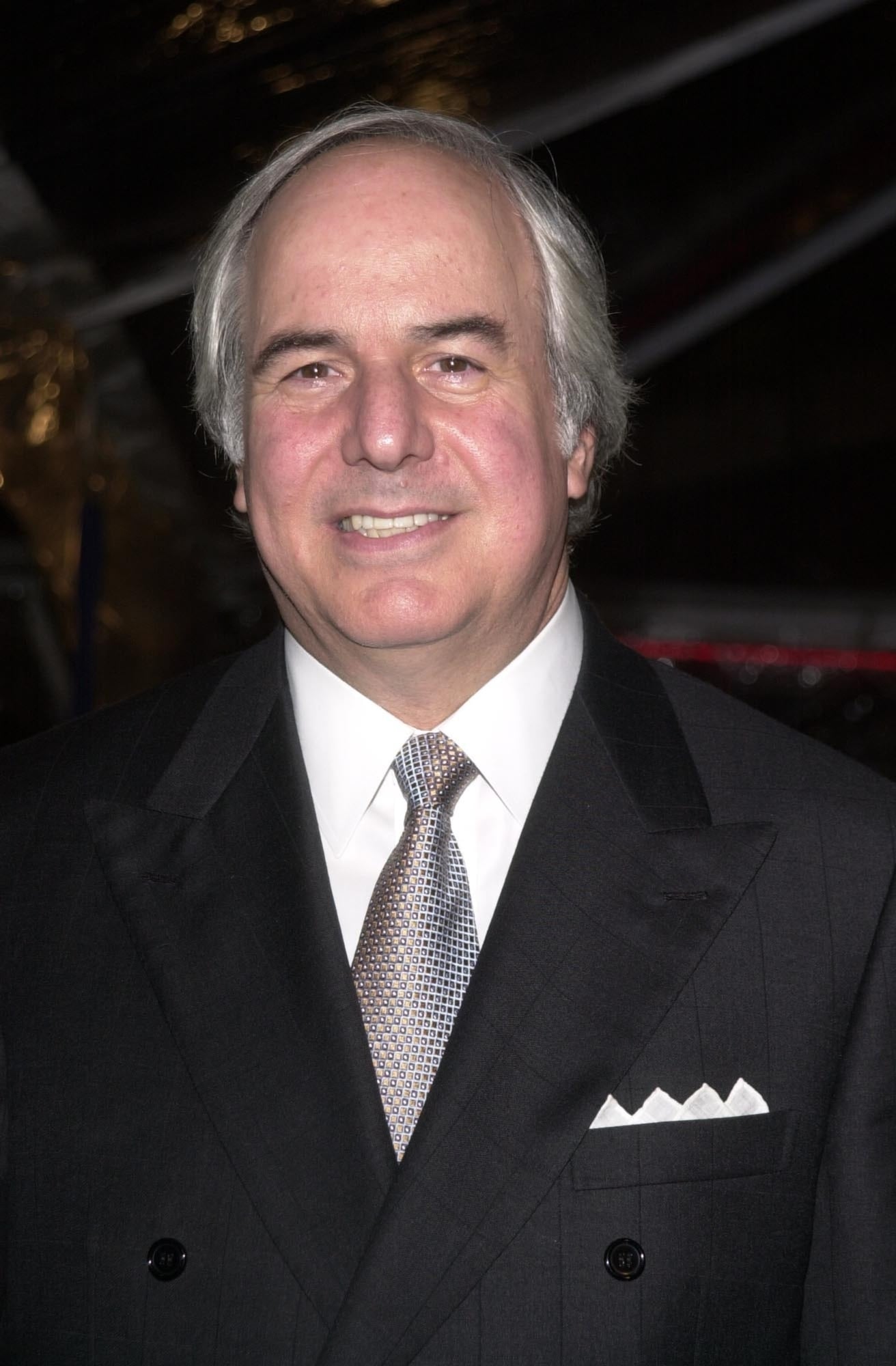
Frank Abagnale pretended to be an airline pilot, a doctor, and a lawyer before he turned 21. He flew over a million miles for free by wearing a fake Pan Am uniform and forged checks worth millions.
Abagnale wasn’t violent, just incredibly convincing and smart about exploiting trust. He got caught eventually and went to prison, but later worked with the FBI to catch other fraudsters.
His story became the movie ‘Catch Me If You Can,’ though he probably exaggerated some of his exploits.
The Fyre Festival Disaster

Promoters promised a luxury music festival in the Bahamas with famous performers and fancy accommodations in 2017. They sold thousands of tickets for up to $12,000 each using slick marketing and influencer posts.
When people arrived, they found disaster relief tents, cheese sandwiches, and no concerts. The organizer Billy McFarland had spent the money and never planned anything properly.
He went to prison for fraud, and the festival became a symbol of social media hype gone wrong.
Gregor MacGregor’s Fake Country

A Scottish adventurer named Gregor MacGregor invented an entire country called Poyais in the 1820s. He claimed it was a tropical paradise in Central America with rich soil, gold mines, and a welcoming government.
MacGregor sold land certificates and even government bonds for this place that didn’t exist. Hundreds of people sailed to the location and found only jungle and swamps.
Many died from disease and starvation before ships could rescue them.
The Bre-X Mining Hoax

A Canadian company called Bre-X claimed to have found massive gold deposits in Indonesia during the 1990s. Stock prices soared and the company was worth billions on paper.
Geologists had been salting samples with gold dust to fake the test results. When the truth came out in 1997, the stock became worthless overnight and investors lost about $6 billion.
The geologist who ran the scheme supposedly fell from a helicopter over the jungle, though his body was never properly identified.
Martin Shkreli’s Drug Price Scheme

Martin Shkreli bought the rights to a life-saving drug called Daraprim and raised the price from $13.50 to $750 per pill overnight. He defended this by saying drug companies need to make profits, but he was just being greedy.
Patients and hospitals struggled to afford treatment while Shkreli bragged about his wealth online. He eventually went to prison for defrauding investors in his hedge funds, not for the drug pricing.
The case sparked a national conversation about pharmaceutical costs that continues today.
The Bayou Hedge Fund Lies

Samuel Israel ran a hedge fund called Bayou that lost money almost from the start in the 1990s. Instead of admitting failure, he created a fake accounting firm to produce phony audit reports.
Israel kept telling investors they were making great returns while secretly gambling their money away. When the fund collapsed in 2005, investors lost about $450 million.
Israel faked his own death at first, then turned himself in and went to prison.
Robert Vesco Disappeared Without A Trace

A crook named Robert Vesco took more than two hundred million dollars from people who trusted him during the 1970s. After the theft, he left the U.S., slipping away just ahead of law enforcement.
From there, he jumped from one nation to another – places that refused to hand him over. While those cheated struggled to get even a fraction back, he lived large overseas.
Attempts to buy favor with American officials led nowhere. By 2007, death found him in Cuba – a man without a country, untouched by courtrooms.
Borders had shielded him; wealth kept him moving until it didn’t.
The Salad Oil Scam

Oil sat barely visible atop gallons of water inside metal containers near New York City – nobody knew at first. Banks believed those tanks held fortunes in liquid gold, thanks to words spoken by Tino De Angelis.
Loans poured in after paperwork promised full storage, though truth hid beneath false numbers. He moved borrowed cash like it was endless, while real reserves stayed almost empty.
Firms lost close to 175 million before anyone checked the tank levels properly. American Express wobbled under debt built on lies painted as facts.
Markets trembled for weeks when the story broke across newspapers. Years followed behind bars for De Angelis; jail time did not change his stance.
Regret? He shrugged it off like rain, even when asked face-to-face. Empty promises floated longer than the oil ever did.
Stanford’s Caribbean Con

Allen Stanford ran a bank in Antigua that promised impossibly high returns on certificates of deposit. He used new deposits to pay interest to existing customers while secretly spending billions on mansions, private jets, and cricket tournaments.
Stanford bribed regulators in Antigua to look the other way for years. When American authorities finally shut him down in 2009, investors had lost about $7 billion.
Stanford got 110 years in prison and told reporters he was innocent right up until his sentencing.
The Cassie Chadwick Inheritance Lie

Cassie Chadwick convinced bankers in Ohio that she was Andrew Carnegie’s illegitimate daughter in the early 1900s. She showed them fake documents and borrowed millions based on her supposed future inheritance.
Chadwick lived an incredibly lavish lifestyle and kept borrowing until banks started asking Carnegie about her. Carnegie had never heard of her, and the whole scheme unraveled quickly.
She died in prison before serving her full sentence, leaving creditors with huge losses.
Mckesson And Robbins Fake Inventory

One morning, a man once known as Philip Musica vanished – replaced by someone new who stepped into the head of McKesson & Robbins during the 1920s. Behind closed doors, he built phantom companies across Canada, each claiming vast stores of goods and debts owed.
Instead of checking facts, auditors simply nodded along, believing what leaders told them. Years passed without questions until, in 1938, curious eyes arrived and opened warehouse doors to find nothing inside – or sometimes, no building at all.
What followed rewrote audit rules: now, seeing meant verifying, not guessing. Standards tightened after that, shaped by one lie too big to ignore.
Wirecard’s Missing Billions

A once-prominent German firm named Wirecard said it managed payments for big global companies. Instead of showing real funds, its reported $2 billion in Asian banks turned out to be unconfirmed by auditors.
By 2020, the business confessed those balances likely didn’t exist from the start. Its top executive vanished overseas just before everything fell apart completely.
Bankruptcy followed fast after trust evaporated entirely. Oversight bodies in Germany were later blamed heavily due to long-standing neglect and missed red flags.
Betrayal Lives Here Instead

Truth twists when cash calls. Folks dream big, then lie bigger, hoping no one checks.
Simple tricks mix with tangled plots – both sell dreams that vanish like smoke. Rules grow thicker after every crash, still the cycle spins; hunger for more ignores laws.
Easy wins? They rarely land where promised. A deal glowing bright might hide shadows underneath.
More from Go2Tutors!

- The Romanov Crown Jewels and Their Tragic Fate
- 13 Historical Mysteries That Science Still Can’t Solve
- Famous Hoaxes That Fooled the World for Years
- 15 Child Stars with Tragic Adult Lives
- 16 Famous Jewelry Pieces in History
Like Go2Tutors’s content? Follow us on MSN.



