Healthiest Fast Food Orders You Should Actually Know About
Fast food gets a bad reputation, and a lot of it is deserved. But the reality is that most people eat it anyway — on road trips, long workdays, or just when there’s nothing else around.
The good news is that the menu isn’t entirely a minefield. With a little know-how, you can walk out of almost any fast food chain with something that won’t derail your health entirely.
Grilled Beats Fried Every Time
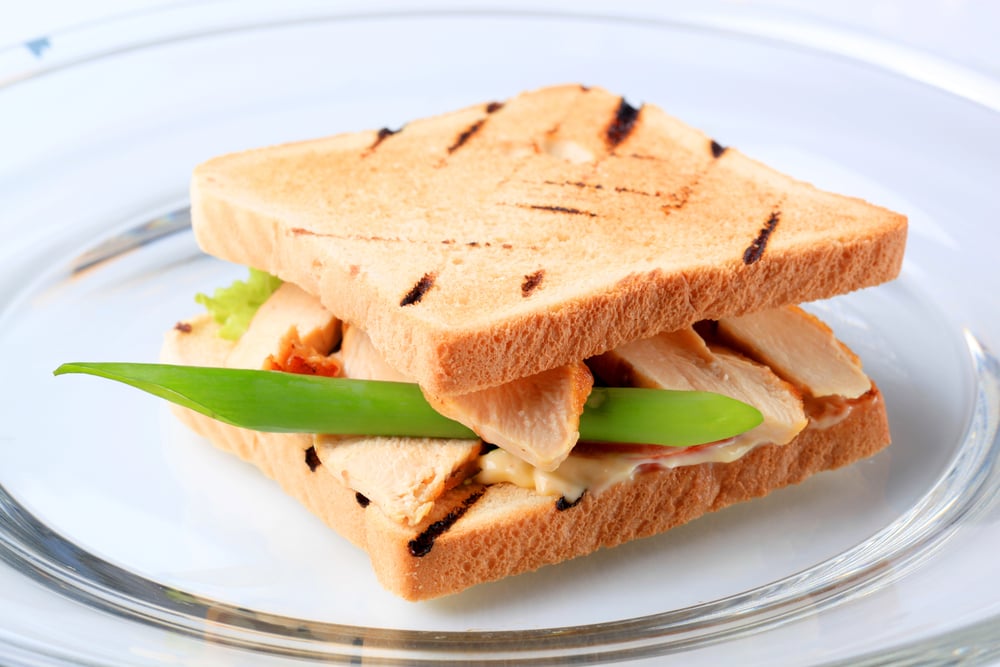
This is the single most useful rule you can apply across every fast food chain. When there’s a grilled version of something, get it.
The calorie difference between a fried and grilled chicken sandwich can be anywhere from 200 to 400 calories, and the sodium and fat difference is just as significant. Most chains now offer grilled options because enough people ask for them. Use that.
The Salad Trap

Salads look like the obvious healthy choice. Sometimes they are.
But a lot of fast food salads — especially when you add the included dressing — clock in at more calories than a burger. The culprits are usually croutons, crispy chicken, shredded cheese, and dressings loaded with sugar.
If you’re getting a salad, ask for the dressing on the side and use a fraction of it. Skip the crispy toppings. A good fast food salad with grilled protein and light dressing is genuinely one of the better things you can order.
McDonald’s: Go for the McChicken or Filet-O-Fish
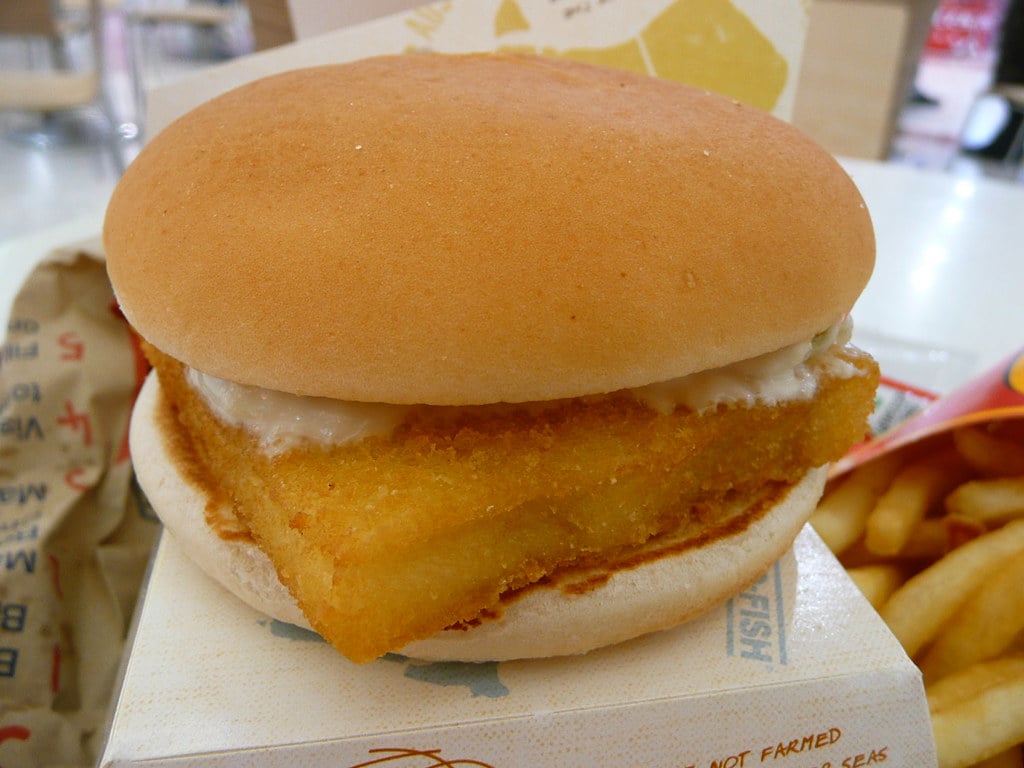
McDonald’s isn’t exactly a nutritionist’s dream, but there are workable options. The Egg McMuffin is one of the best breakfast options in the fast food world — around 300 calories, with real egg, Canadian bacon, and some protein to keep you going.
For lunch or dinner, the Filet-O-Fish is lower in calories and saturated fat than most of the burgers. A basic McChicken, without extra sauce, is another decent pick. The key at McDonald’s is avoiding the combo meals that pile on fries and a large soda automatically.
Chipotle: Build It Right
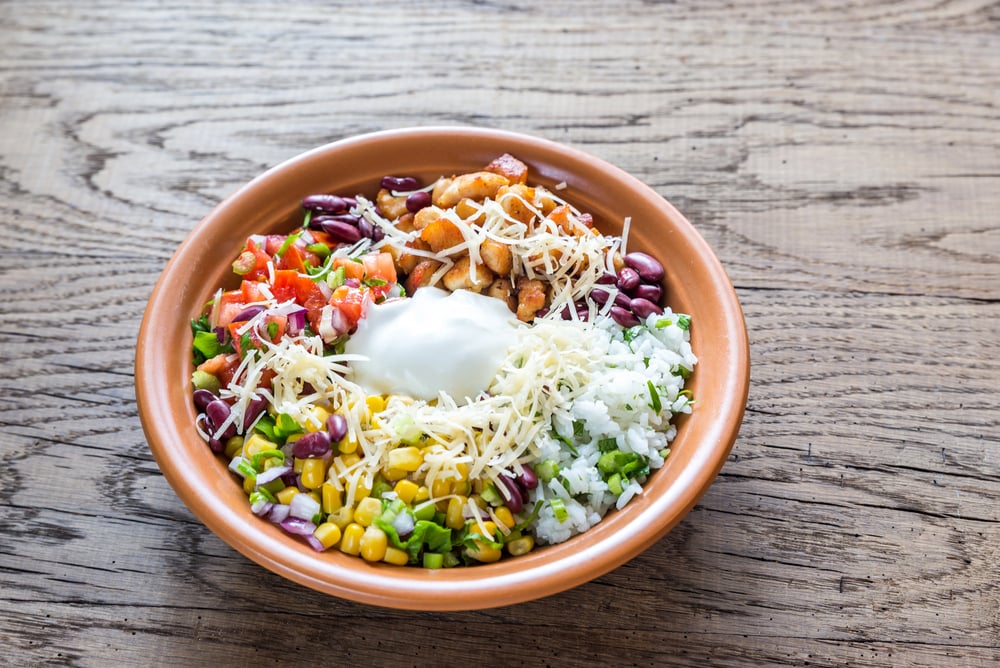
Chipotle is probably the easiest fast food spot to eat well at, because you control everything. A burrito bowl with brown rice, black beans, grilled chicken or steak, fresh salsa, and lettuce is a solid, protein-rich meal.
The problem comes when you add sour cream, cheese, queso, and extra guac on top of each other. Guacamole is healthy fat, but it adds 230 calories on its own.
Pick one or two toppings and stick to them. A burrito bowl built with some restraint is genuinely nutritious.
Subway: Watch What Goes on the Bread
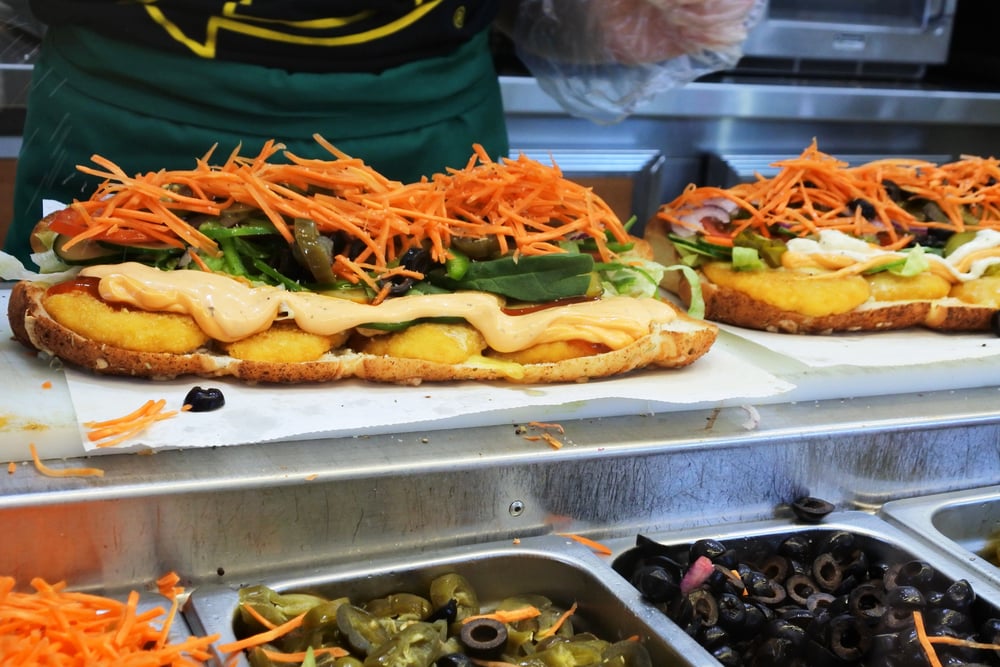
Subway markets itself as a health-forward option, and it can be — but it depends entirely on your choices. A six-inch turkey or chicken sandwich on whole wheat bread, loaded with vegetables and light on dressing, is one of the better fast food lunches available.
The problem is the sauces. Mayonnaise, ranch, and the chipotle southwest sauce add hundreds of calories before you notice. Ask for mustard or a small amount of oil and vinegar instead. Also, skip the footlong unless you’re genuinely that hungry.
Taco Bell: Fresco Style Is Your Friend

Taco Bell has a “Fresco” option where you can swap cheese and sauces for fresh tomato salsa. It sounds minor, but it cuts significant calories from most items.
The Fresco Soft Tacos with chicken or beef are among the lower-calorie options at any fast food chain. The Power Menu Bowl — minus the sour cream — is also a solid choice with decent protein and fiber.
Taco Bell’s portions tend to be smaller than they look, which works in your favor if you’re watching intake.
Chick-fil-A: Grilled Nuggets Over Everything
Chick-fil-A’s grilled chicken nuggets are one of the most legitimately healthy fast food items out there. A 12-count serving has around 200 calories and 38 grams of protein.
Pair it with a side salad instead of waffle fries, and you have a meal that most nutritionists would approve of. The Grilled Chicken Sandwich is another strong option.
If you want the waffle fries anyway, just get the small — they’re good enough that it’s worth having a little.
Burger Joints: Customize Your Order

At places like Burger King or Wendy’s, the default burger comes with everything — sauces, cheese, extra buns, and all of it adds up fast. The smarter move is to customize.
Ask for no mayo, skip the cheese if you can, and consider getting a single patty instead of a double. Wendy’s Chili is a genuinely underrated option — it’s high in protein and fiber, and comparatively low in calories.
A plain hamburger at most burger chains, without extras, is around 250-300 calories, which is reasonable.
The Drink Problem

The drink is where a lot of people quietly double their calorie intake without realizing it. A large soda at most chains is somewhere between 300 and 500 calories of pure sugar.
Water is the obvious answer. Unsweetened iced tea is another. If you want something with flavor, diet options exist and don’t add calories, though some people prefer to avoid artificial sweeteners.
Either way, skipping the soda is one of the highest-impact changes you can make at a fast food restaurant.
Sauces and Dressings: The Hidden Calories

Fast food restaurants don’t always make it easy to know what’s in their sauces, but most are carrying more calories than they appear to. Ranch, honey mustard, BBQ sauce, and special burger sauces can add 100-200 calories per packet.
If you like dipping sauces, consider using half a packet instead of the whole thing. Mustard and hot sauce are generally very low in calories and add a lot of flavor. Salsa is another good alternative.
Breakfast: Better Than Dinner, Usually

Fast food breakfast menus are often less processed than the lunch and dinner options. Egg-based items provide protein, and the portions tend to be smaller.
Avoid the breakfast sandwiches that stack multiple meats and cheese. A single egg and cheese biscuit or English muffin is manageable.
Oatmeal, where available, is also a solid choice — just watch for added brown sugar or toppings that load it with sweetener.
Sides That Don’t Hurt You

Most fast food sides are fries, and most fries aren’t doing you any favors in large quantities. But there are alternatives at most chains if you look.
Apple slices at McDonald’s. Side salads at Wendy’s and Chick-fil-A.
A cup of black beans at Chipotle instead of chips. Fruit cups where available.
These swaps don’t feel exciting, but they make a real difference when you’re eating fast food regularly. The small portion of fries — if you want fries — is a reasonable middle ground.
Portion Size Is Doing a Lot of Work

Many quick-service menu picks aren’t too bad by themselves. Yet the real shift happens when meals come bundled. Instead of staying separate, portions get pulled into bigger sets.
What seems like a regular side often turns out much larger than expected. Fries listed as medium pack more than most realize.
Those oversized cups hold far more liquid sugar than anyone needs. Picking single items means you choose exactly what goes on your plate.
That kind of choice often costs less, too – nice when watching spending.
When You’re Traveling

Road trips mean grabbing meals where you can find them – gas station fare often falls short compared to standard chains, yet smart choices still matter. Choose grilled instead of fried whenever possible, swap soda for water, stay clear of foods served in buckets.
When stuck at a convenience store, reach for items like nuts, string cheese, hard-boiled eggs, or fresh fruit. Perfect eating rarely happens while driving long distances.
Managing something reasonably healthy makes far more sense along the way.
What to Avoid Everywhere

Not every bite makes sense when you think about your body. A burger piled three high, fries drenched in toppings, thick shakes, sweets fried until crisp, or any dish called “loaded” often pushes meals into risky territory.
That does not shut the door on eating those foods completely – only that they fit better now and then, not every time. One combo – two-patty beef with bacon, heavy sauce, big fries, oversized soda – can match what some need all day, packed into one stop.
Eating Fast Food Without Overthinking
Worrying too much about every bite at a drive-thru misses the point. What matters is picking one option that nudges things in a better direction when there are several on display.
Choose grilled if frying is also available. Pick water when soda sits nearby. Leave behind the extra sauce waiting on the side.
None of these moves feel extreme – each simply bends the habit without breaking it. People will keep eating fast food, now and then. Cravings show up whether planned or not.
Sticking with what actually happens beats acting like flawless meals happen every day.
More from Go2Tutors!

- The Romanov Crown Jewels and Their Tragic Fate
- 13 Historical Mysteries That Science Still Can’t Solve
- Famous Hoaxes That Fooled the World for Years
- 15 Child Stars with Tragic Adult Lives
- 16 Famous Jewelry Pieces in History
Like Go2Tutors’s content? Follow us on MSN.