19 Bathroom Inventions With Surprising Origins
Nobody wakes up hoping to be impressed by a toothbrush or a roll of toilet paper. Yet nearly every item in a modern bathroom began as a side project, a jailhouse hobby, a medical workaround, or an outright joke.
The backstories are stranger than the products themselves. Behind the most ordinary fixtures sit courtiers, watchmakers, convicts, and one famous newspaper columnist with a mischievous streak.
The Flush Toilet Began as a Courtier’s Joke Book
Sir John Harington, a godson of Queen Elizabeth I, described a flushing water closet in 1596 in a book titled A New Discourse of a Stale Subject, called the Metamorphosis of Ajax. The title was a pun on “a jakes,” a slang term for a privy.
Harington built a working version at his home near Bath. The design then sat largely ignored for generations.
A Watchmaker Patented the S-Shaped Pipe
Alexander Cumming, a Scottish watchmaker, received a patent in 1775 for a toilet fitted with an S-shaped trap that kept sewer gases from drifting back up. The curved pipe still sits beneath nearly every toilet today.
Thomas Crapper, the plumber who often gets the credit, did not invent the flush toilet at all. His real contribution was improving plumbing fixtures and running a famous showroom in London.
Toilet Paper Debuted as a Medicine
Joseph Gayetty sold his Medicated Paper in New York in 1857 as a remedy for hemorrhoids. Each sheet carried his name watermarked in the paper, which made it one of the earliest commercial toilet papers in the United States.
It arrived in flat packs rather than rolls and cost far more than the pages of old almanacs and catalogs that many households used instead. Buyers apparently needed convincing that paper made for the purpose was worth paying for.
Perforations Turned Paper Into a Roll
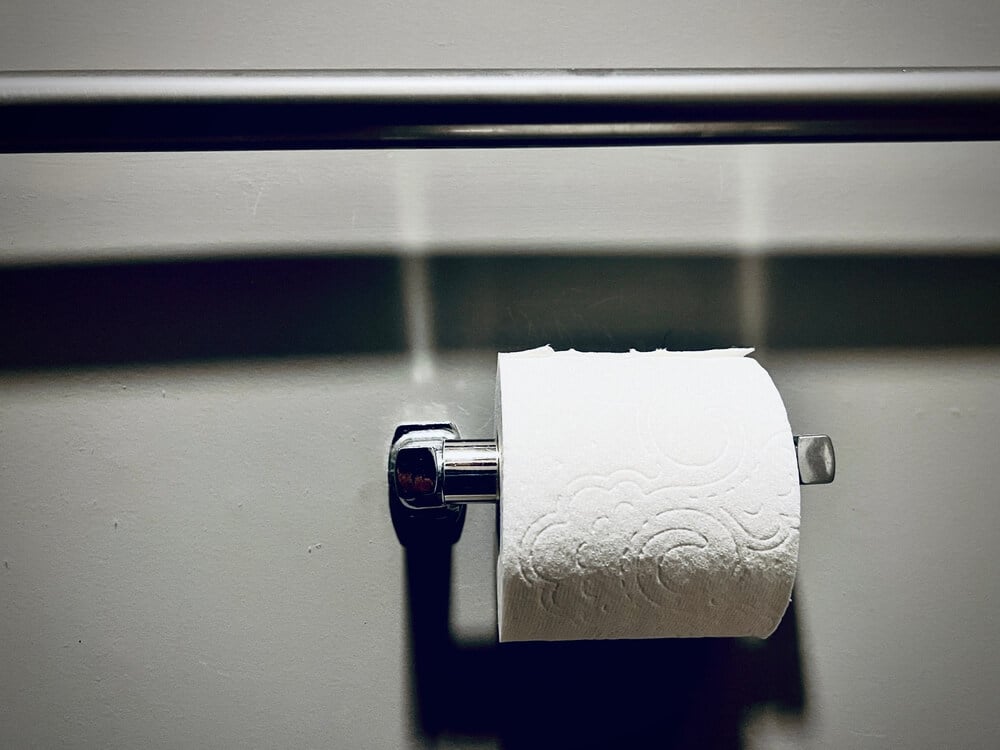
Seth Wheeler of Albany, New York, earned patents for perforated rolled paper in the 1870s and 1880s, including one issued in 1883. His company mainly produced wrapping paper, so the tear-off roll was almost a sideline.
The idea of pre-cut sheets on a spool eventually became a household standard. Wheeler is now remembered by historians as a key figure in the way modern toilet paper is sold.
America’s First Bathtub Story Was a Newspaper Prank
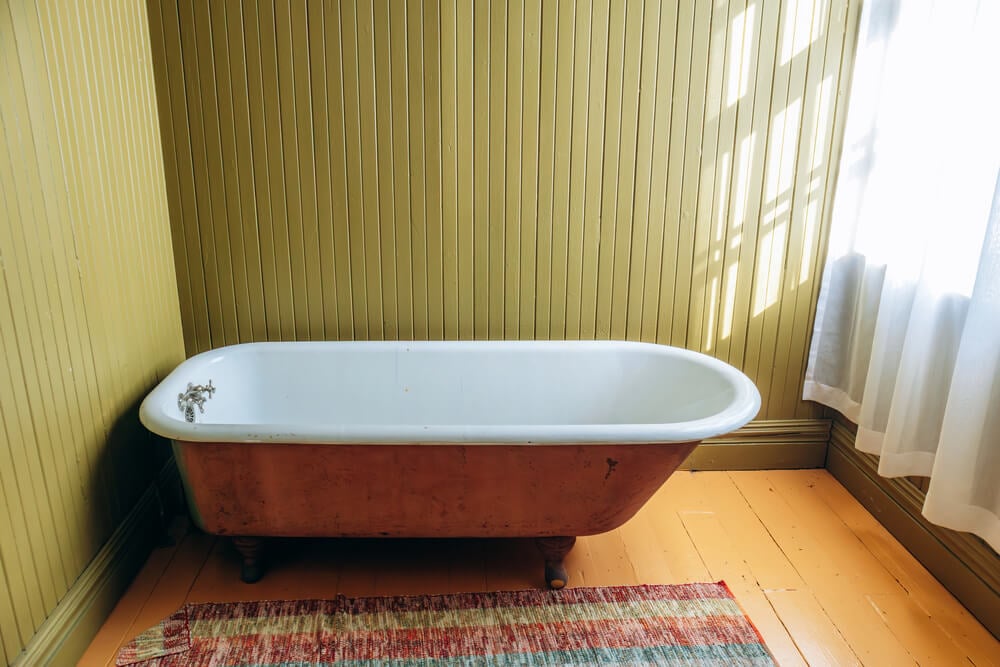
On December 28, 1917, journalist H. L. Mencken published an article in the New York Evening Mail claiming that a Cincinnati merchant named Adam Thompson installed the first American bathtub in 1842. The piece added that President Millard Fillmore had one put into the White House in 1850.
Mencken later admitted he had made the entire thing up for fun, but the tale spread through reference books and speeches for years afterward.
A Prisoner Made the First Mass-Produced Toothbrush
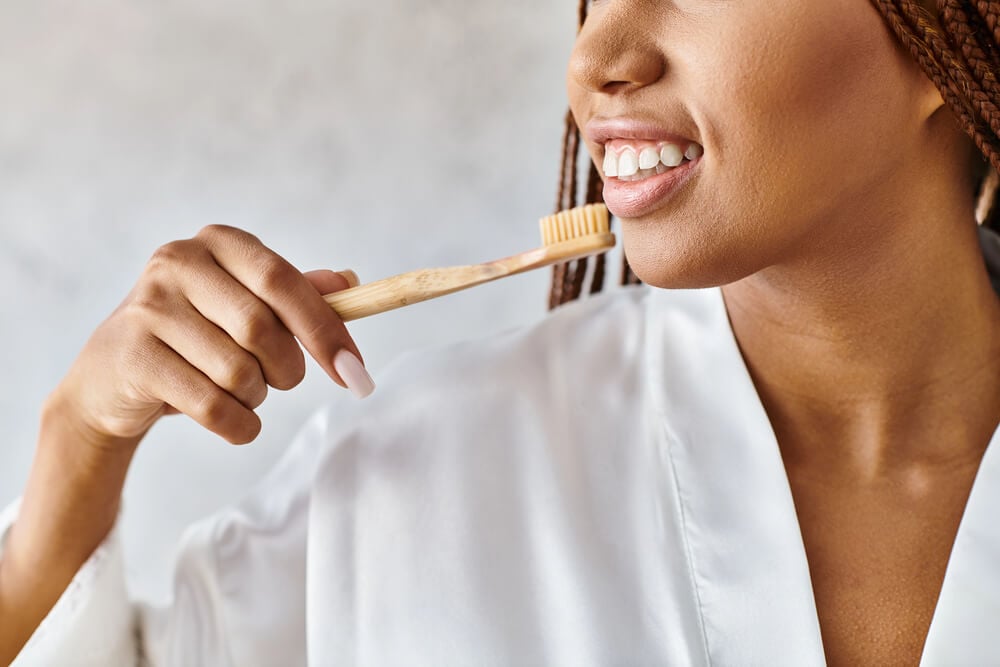
William Addis of London is credited with producing the first mass-produced toothbrush around 1780, using a bone handle with bristles tied into small perforations. He opened a business to sell the brushes.
The company he founded grew into a well-known English brand.
The Toothpaste Tube Borrowed From Painters
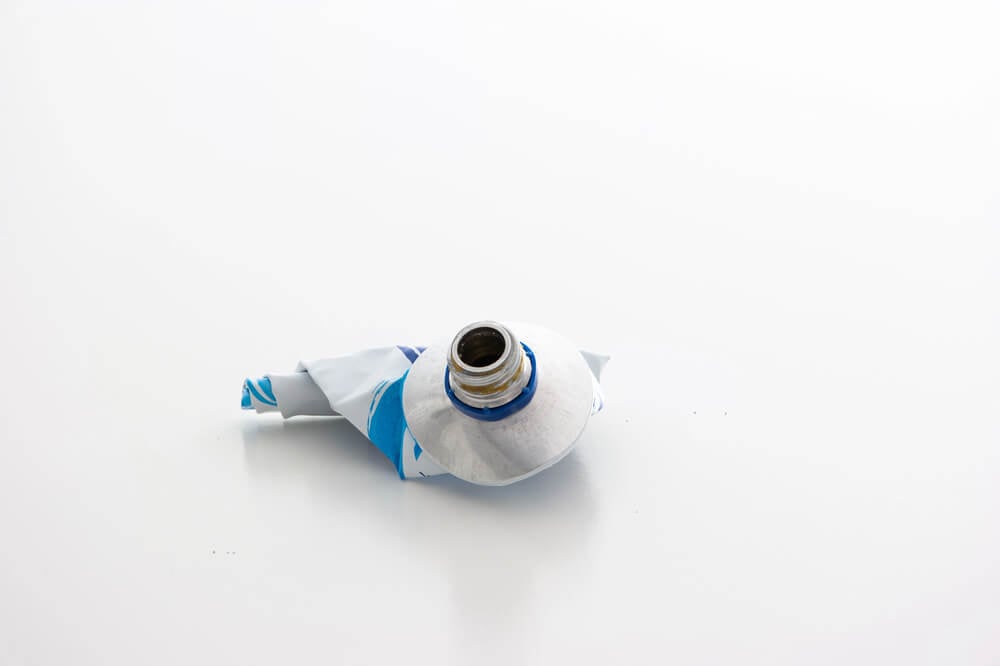
Dr. Washington Sheffield, a dentist in New London, Connecticut, introduced toothpaste in a collapsible tube in 1892. His inspiration came from the metal tubes artists used for oil paint, which his son had seen during a visit to Europe.
Before that, toothpaste was usually sold in jars or tins and scooped out with fingers or a brush. The squeezable tube changed how people kept and carried dental products almost overnight.
The Japanese Washlet Grew From an American Medical Device
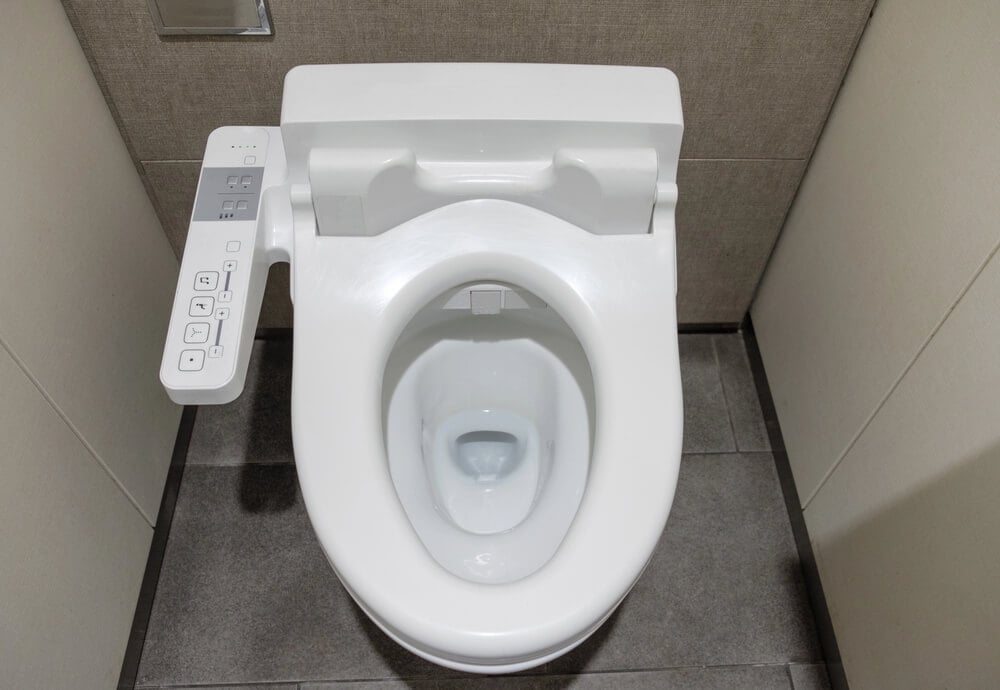
The electronic bidet seat became famous through Toto’s Washlet, launched in Japan in 1980. Its roots trace back to an American product made for medical patients and sold through a company run by Arnold Cohen.
Toto studied that design and adapted it for everyday bathrooms. Today the Washlet is considered a staple of Japanese homes, hotels, and public restrooms.
The Cotton Swab Began With a Wife and a Toothpick
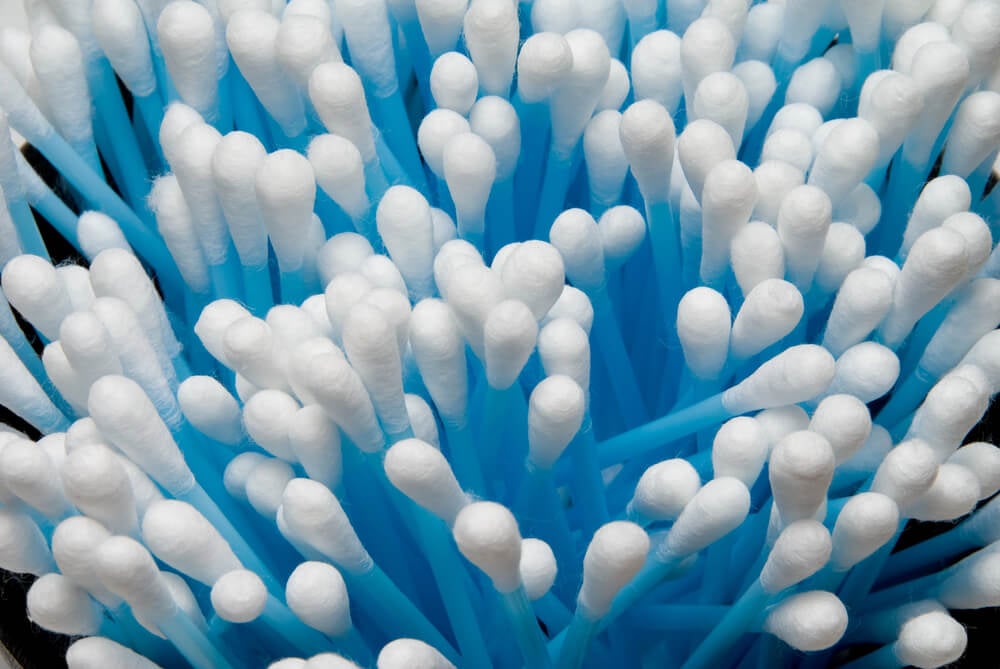
Leo Gerstenzang, a Polish-born American, introduced a cotton-tipped stick for cleaning babies’ ears in the 1920s. The product was renamed Q-tips, with the Q standing for quality.
The product became so popular that the brand name is now a generic term.
Listerine Was a Surgical Antiseptic Before It Was a Mouthwash
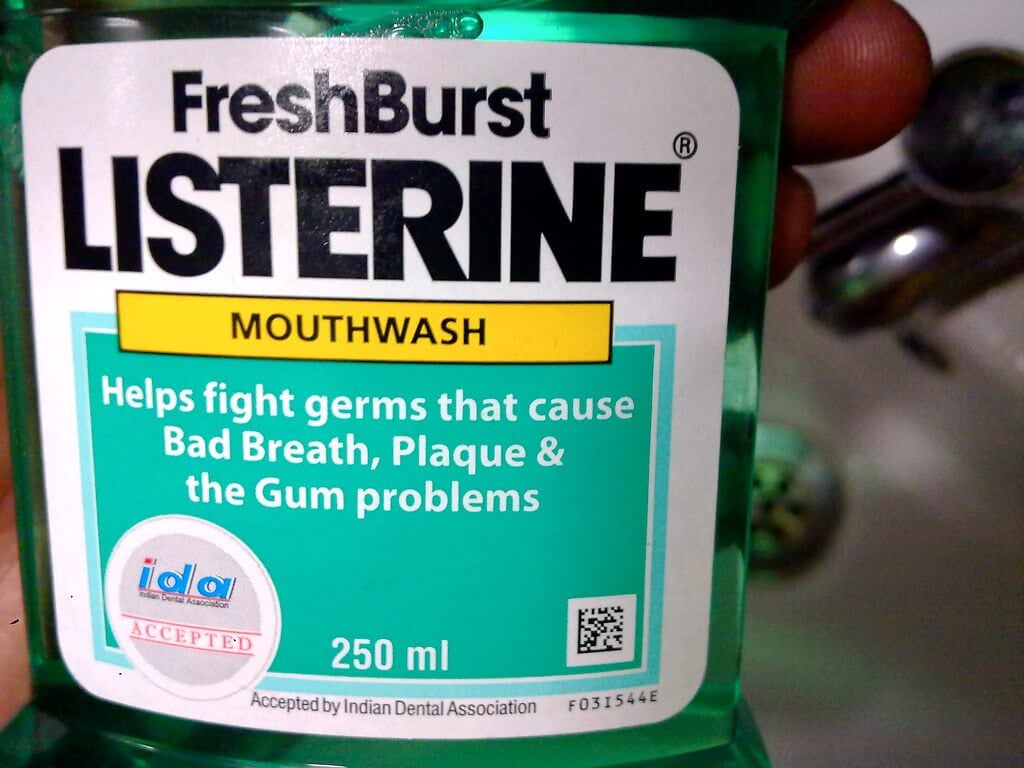
Listerine was developed in 1879 and named in honor of Joseph Lister, the pioneer of antiseptic surgery. Early marketing pitched it as a surgical antiseptic, and it was also promoted as a floor cleaner.
Only later did advertisers push it as a cure for bad breath, helping to popularize the medical word halitosis. The liquid was reinvented several times before it settled into its familiar role in the medicine cabinet.
The First Hair Dryer Was a Salon Hood

French hairdresser Alexandre Godefroy invented an early electric-style hair dryer in 1888 for use in his salon. His design was a seated hood that blew warm air over the head, tethered to a chimney-like heating unit.
It was bulky and stationary, so handheld models did not become common until the 1920s. The original was less a personal gadget than a piece of salon furniture.
Dental Floss Was First Recommended as Silk Thread
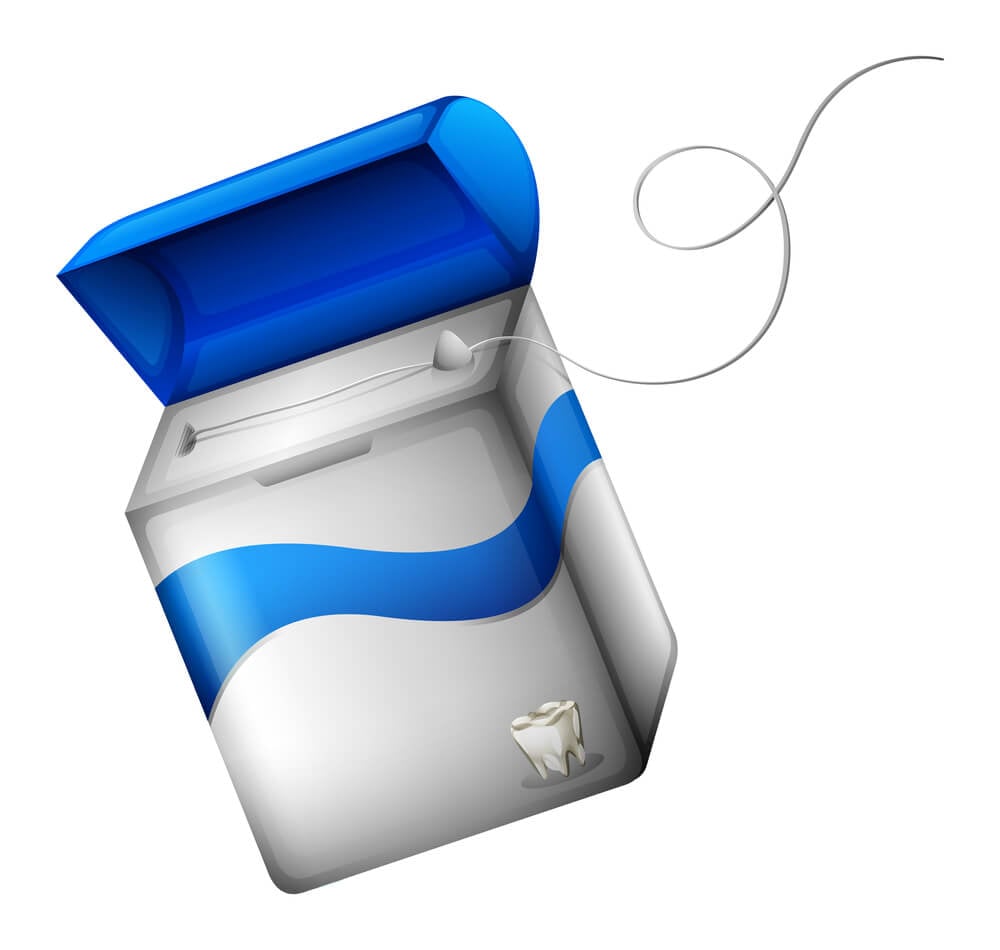
Levi Spear Parmly, a dentist in New Orleans, recommended cleaning between the teeth with waxed silk thread in 1815. He is often credited as the father of modern floss.
The product did not become widely sold for decades, and it stayed a niche habit well into the twentieth century. Nylon eventually replaced silk as the standard material for the thread.
Ivory Soap Floats Because of a Reported Mistake
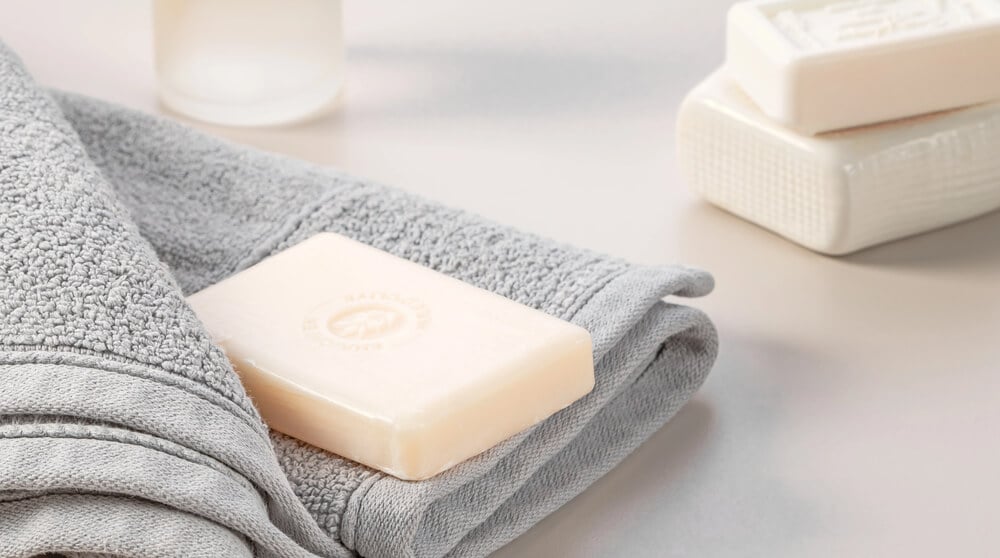
Procter and Gamble introduced Ivory soap in 1879 and advertised it as 99 and 44/100 percent pure. The bars floated because extra air was whipped into the batch, and customers loved the feature.
P&G leaned into the quirk, and the floating feature became a selling point for generations.
Shampoo Came to England Through a Brighton Bathhouse

Sake Dean Mahomed, born in Patna in India, opened a bathhouse in Brighton in the early nineteenth century that offered medicated steam baths and massage. The word shampoo comes from the Hindi champo, which referred to a kind of head massage.
Mahomed later became known as a shampooing surgeon to King George IV and King William IV. His establishment helped bring the practice into British fashion.
The Whirlpool Bath Began as Therapy for a Child

Candido Jacuzzi, whose family had first built aircraft propellers, developed a portable hydrotherapy pump in 1956 to help treat his young son’s rheumatoid arthritis. The device could be placed in an ordinary bathtub to circulate warm water around the body.
It was later redesigned for relaxation rather than medicine. A built-in whirlpool bath followed in 1968, and the family name became shorthand for the entire category.
The Earliest Commercial Deodorant Was a Cream
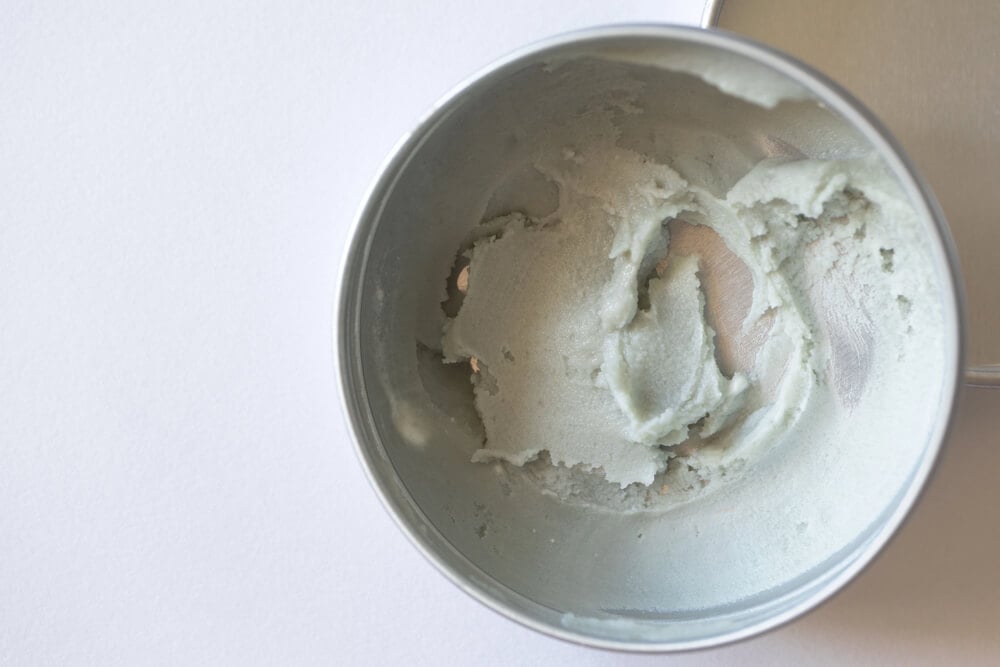
A Philadelphia inventor named Edna Murphey created Mum in 1888, widely cited as the first commercial deodorant. It was a cream that users applied by hand, which made it very different from the sticks and sprays that came later.
The product was trademarked and sold across the United States for decades. Its messy application left room for easier formats to arrive.
The Electric Toothbrush Was Made for Patients
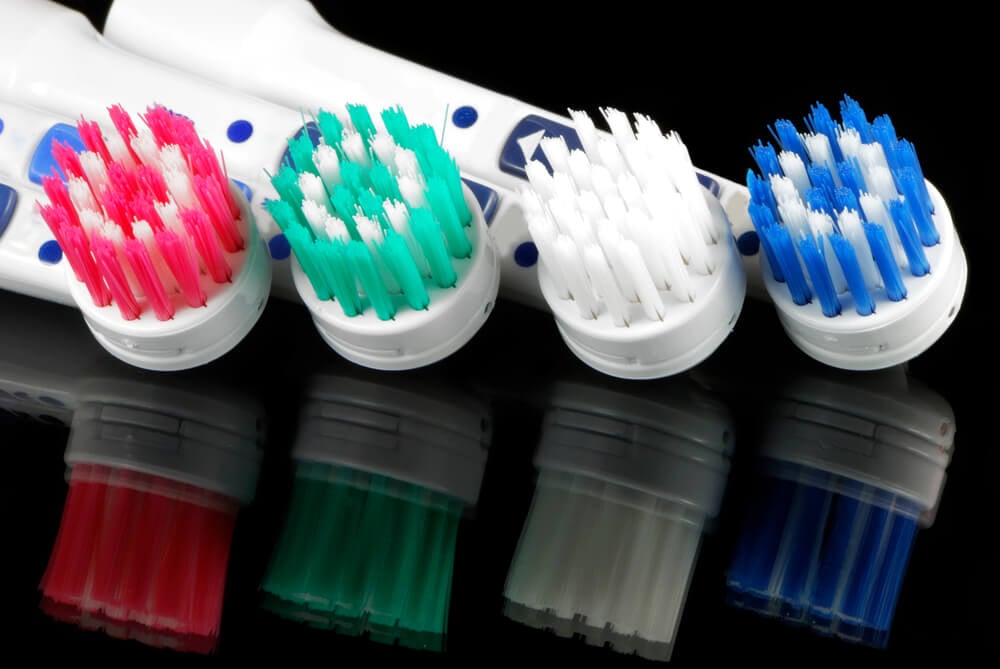
The Broxodent, introduced in Switzerland in 1954, was created for people with limited motor skills who struggled to brush manually. Doctors saw the device as a clinical aid rather than a consumer gadget.
It later reached American shoppers through the pharmaceutical company Squibb. Only afterward did it become an everyday convenience for people with no medical need at all.
The Disposable Razor Idea Came From a Bottle Cap Inventor
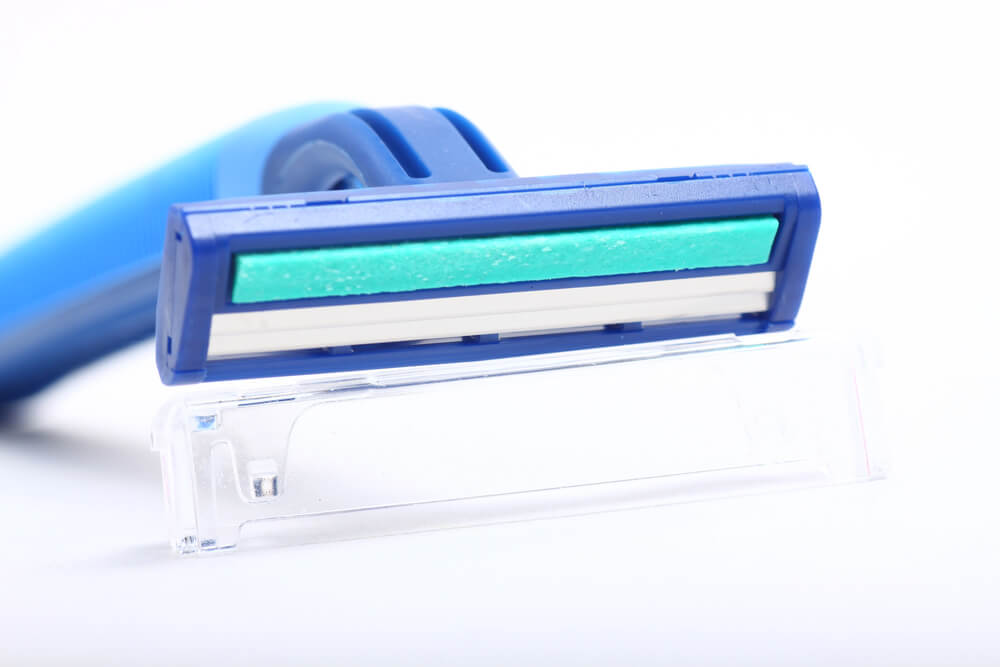
King Camp Gillette patented his safety razor with a replaceable blade in 1904, building a business around a product customers would use up and buy again. The model of selling a cheap handle and endless refills grew straight from that idea.
The Bidet Is Named After a Pony
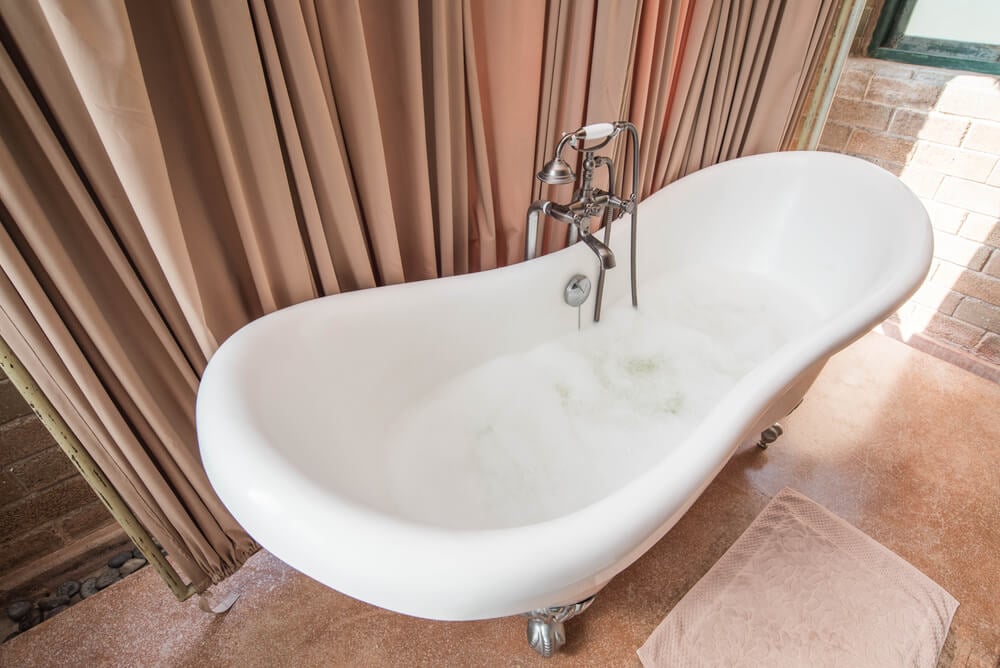
The bidet appeared in France in the early eighteenth century, and its name is the French word for a small horse. The comparison came from the way a user straddles the fixture, much like riding.
Early versions were sold as furniture and sat in bedrooms rather than bathrooms. Over time it moved into the washroom and spread to Italy, Japan, and beyond.
Small Problems Make the Best Inventions
A pattern runs through these stories: nearly every bathroom staple began as a fix for something unrelated. A pun, a prison sentence, a medical need, a draft of a column, or a stray remark about bottle caps was often enough to launch the process.
The people involved rarely guessed how permanent their ideas would become. The result is a room full of products that look obvious in hindsight.
Each one has a record of mistakes, false turns, and good luck behind it. The next time a faucet turns on or a bar of soap floats, there is a good chance somebody’s accident is doing the work.
More from Go2Tutors!

- 27 Silver Dollars and Half Dollars Worth Keeping
- 28 Restaurant Menu Items Nobody Orders Anymore
- 17 Places Built in Seemingly Impossible Spots
- 27 Vintage Rings Worth More Than They Look
- 25 Restricted Sites Tourists Can’t Enter
Like Go2Tutors’s content? Follow us on MSN.