World’s Most Stunning Beaches
There’s something about a perfect beach that makes you want to quit your job and become one of those people who just travels around collecting sand in jars (okay, maybe not the jar part, but you get it). The thing is, not all beaches are created equal.
Some have water so clear you can see fish swimming around your ankles, some have sand that’s actually pink or black, and some are surrounded by cliffs or jungles that make you feel like you’ve stumbled onto a movie set. And then there are the beaches that look amazing in photos but are actually crowded tourist traps where you can barely find a spot to put your towel (we’ll try to warn you about those).
Let’s look at some beaches that are actually worth the hype and the plane ticket.
Whitehaven Beach, Whitsunday Islands, Australia
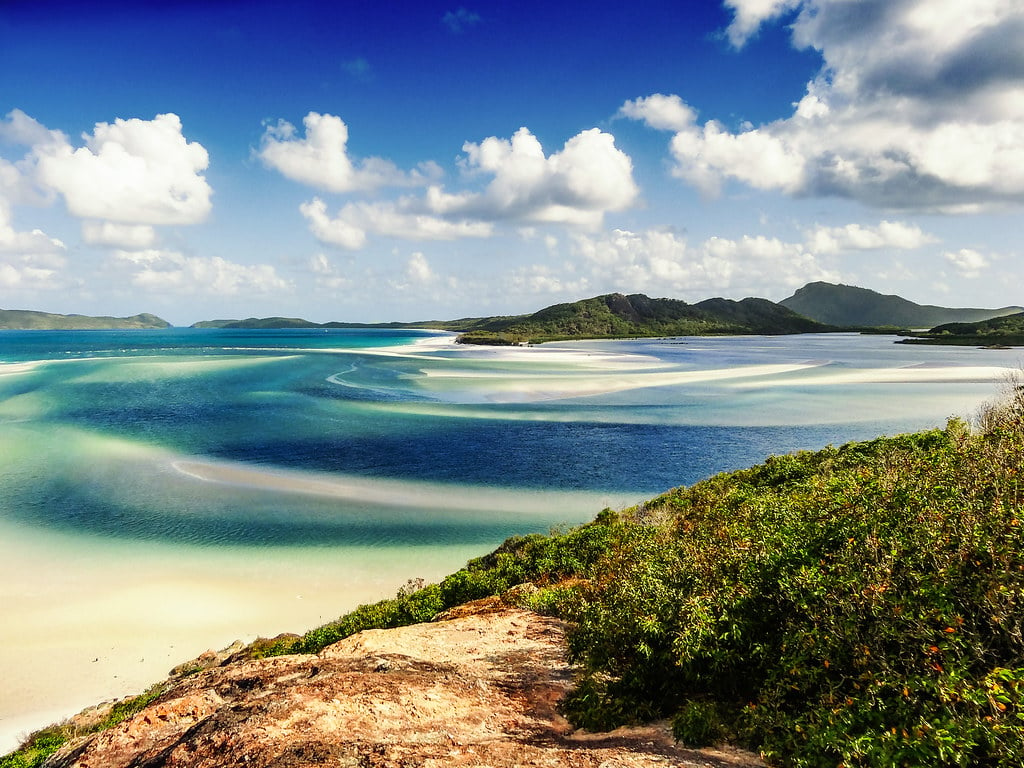
The sand at Whitehaven is 98% pure silica, which makes it brilliantly white and cool to the touch even in the blazing Australian sun. It’s located in the Whitsundays off the coast of Queensland, and you can only reach it by boat, seaplane, or helicopter (which keeps the crowds somewhat manageable).
The seven-kilometer stretch of beach swirls into Hill Inlet at the northern end, creating these marbled patterns of white sand and turquoise water that look unreal from above. The sand doesn’t retain heat and it’s so fine that it squeaks when you walk on it (genuinely squeaks, like you’re walking on Styrofoam).
People say it’s one of the most photographed beaches in the world, and honestly, the photos don’t even do it justice.
Navagio Beach, Zakynthos, Greece
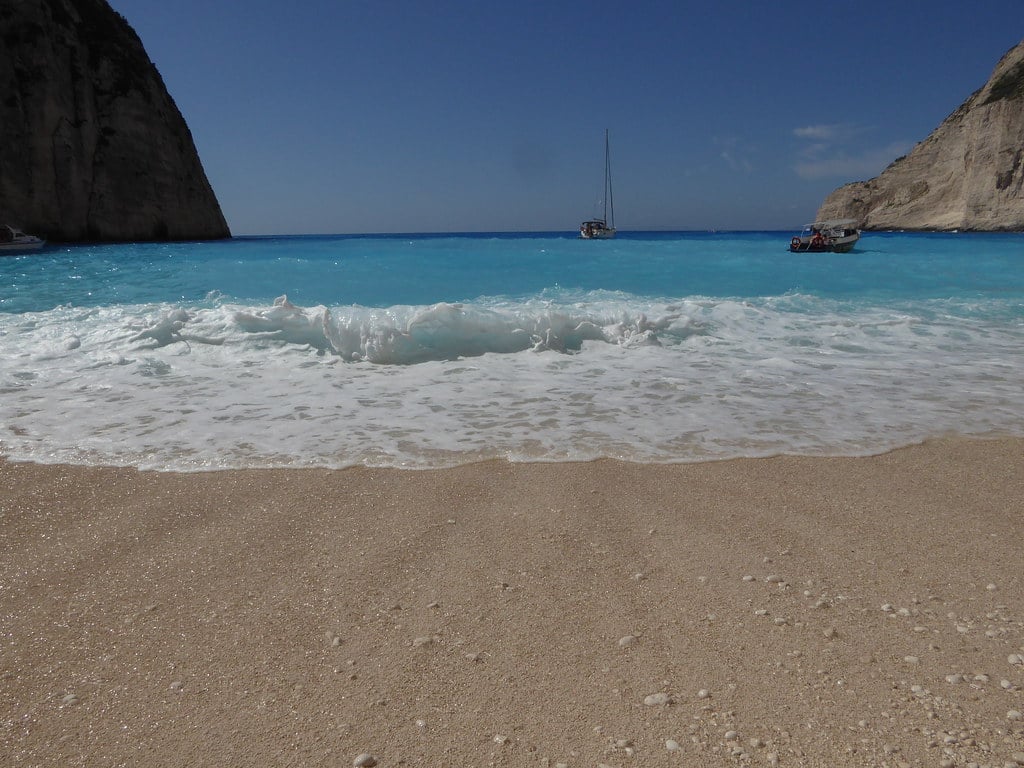
Also called Shipwreck Beach because there’s literally a rusted smuggler’s ship abandoned on the sand (it ran aground in 1980, reportedly carrying contraband cigarettes). The beach is surrounded by massive limestone cliffs that you can only see from above or by boat—there’s no land access.
The water is this impossibly bright turquoise-blue color that almost looks fake. It became super famous on Instagram a few years ago, and now it gets absolutely mobbed with tourists during peak season.
The cliffs are unstable and there have been rockfalls, so they sometimes close beach access for safety.
Anse Source d’Argent, La Digue, Seychelles
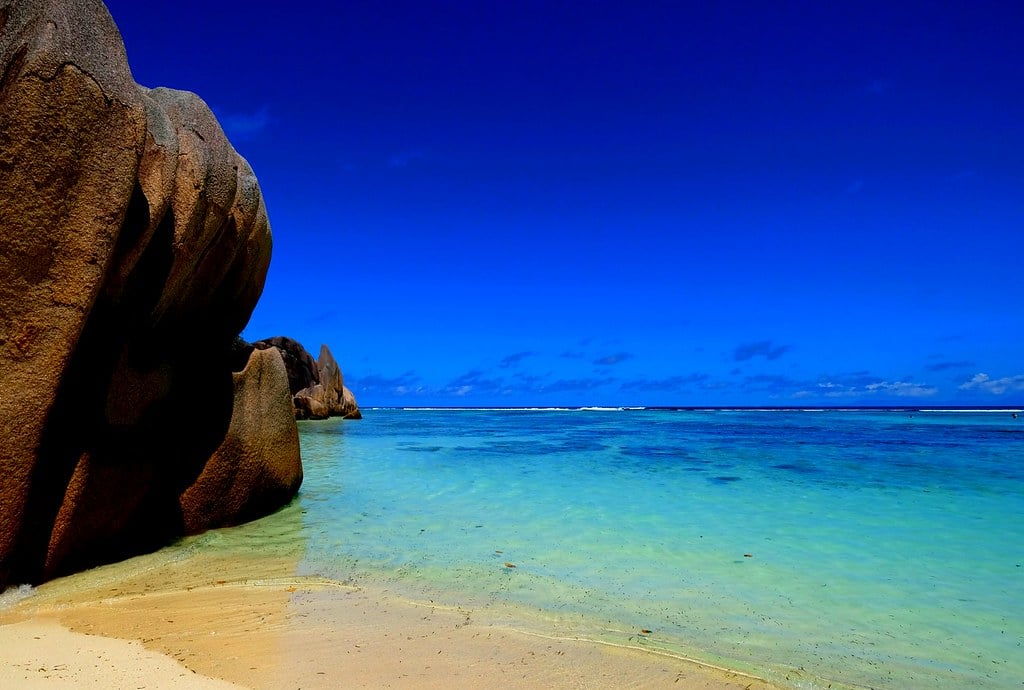
This beach has giant pink-gray granite boulders scattered along the shore like a giant’s playground, creating little private coves and crystal-clear shallow pools. It’s on La Digue island in the Seychelles, which you reach by plane to Mahé, then a ferry, then usually a bicycle (cars are rare on La Digue, so everyone bikes around). The beach has been used in countless movies, ads, and magazine shoots—it’s got that pristine tropical island vibe that barely seems real when you’re standing there.
The granite formations are ancient, like millions of years old, and they’re unique to the Seychelles. You need to pay a small entrance fee to get into the L’Union Estate to access the beach.
Pink Sands Beach, Harbour Island, Bahamas
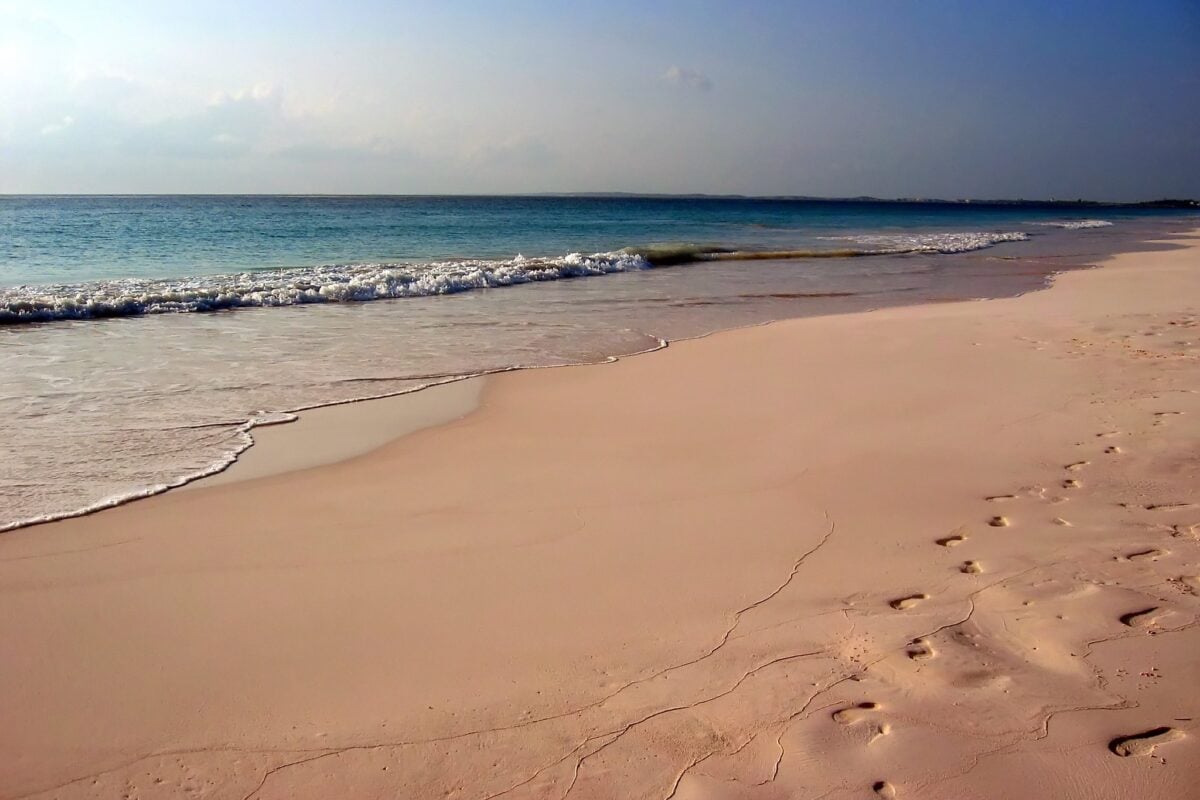
The sand is actually pink, not like hot pink but a soft coral-pink color that comes from tiny organisms called foraminifera (their red and pink shells mix with the white sand). It stretches for about three miles along the eastern side of Harbour Island, and the water is calm and clear.
Harbour Island is off the coast of Eleuthera in the Bahamas, and it has this old-world Caribbean charm with pastel-colored houses and golf carts instead of cars. The beach is never crowded even during high season, and there are some seriously fancy resorts along it (like The Dunmore and Pink Sands Resort).
It’s expensive to get there and expensive to stay, but if you’ve got the budget, it’s worth it.
Matira Beach, Bora Bora, French Polynesia
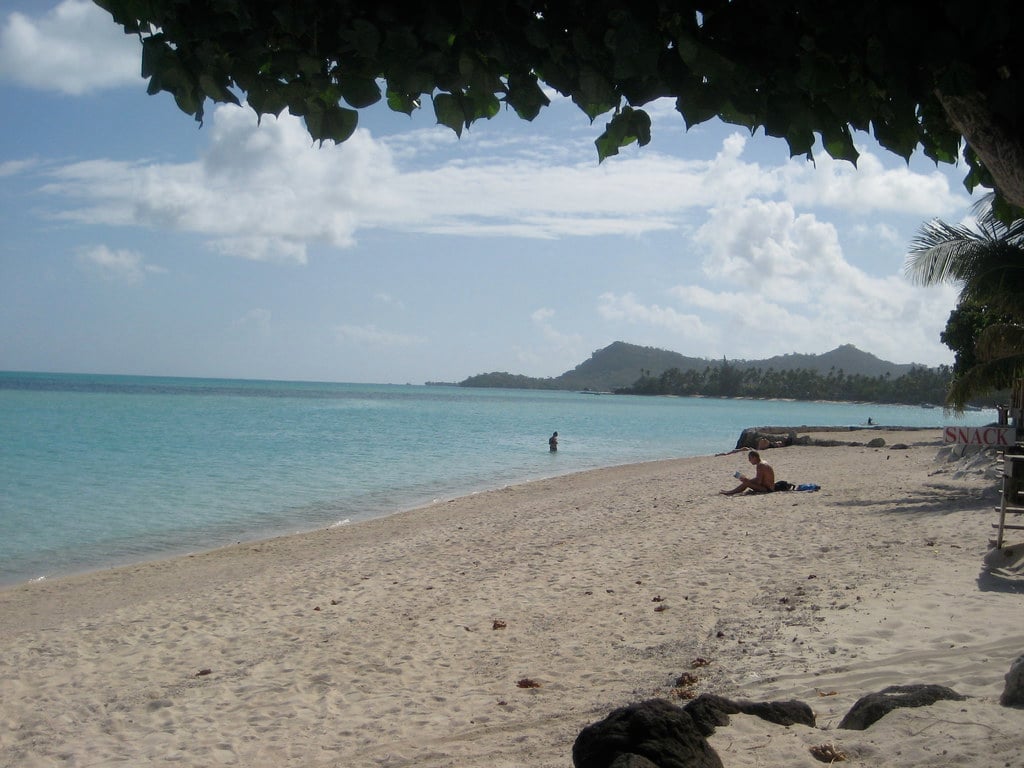
Bora Bora is already one of those places that seems too beautiful to be real, and Matira Beach is the best public beach on the island (most of the coastline is taken up by resorts with overwater bungalows). The water transitions from pale turquoise to deep blue, and you can see the lagoon extending out to the reef.
Mount Otemanu rises up in the background, this dramatic volcanic peak covered in green. The sand is white and powdery. Honestly, the whole place feels like a screensaver come to life.
Reynisfjara, Iceland
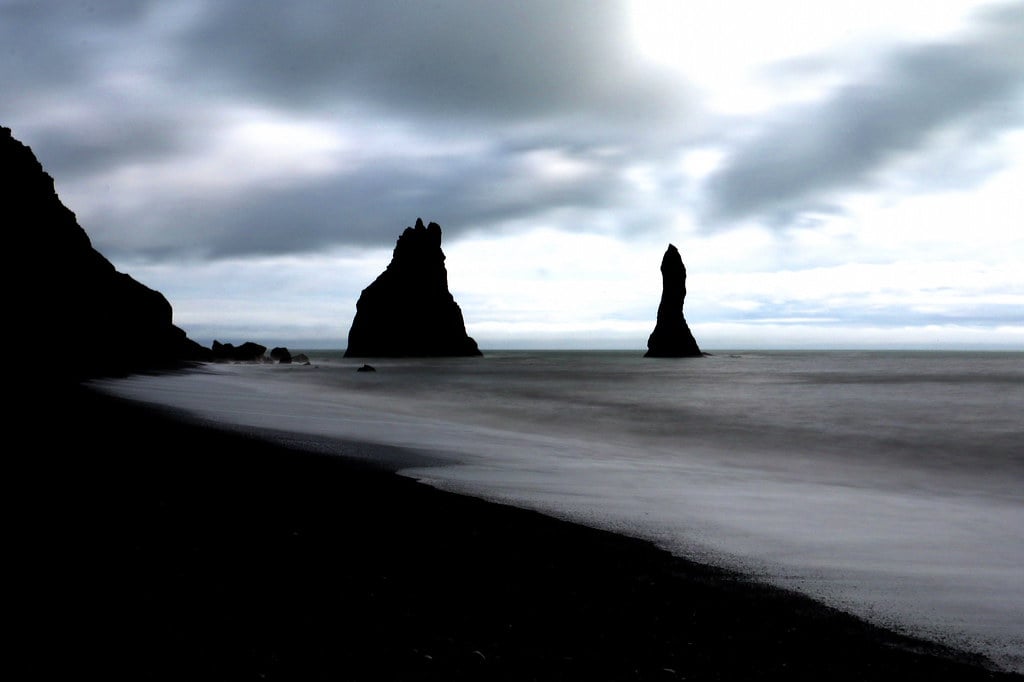
This is a black sand beach near the village of Vík on Iceland’s south coast, and it’s completely different from your typical tropical beach fantasy. The sand is black volcanic rock crushed into fine grains, and there are these massive basalt columns that look like they were carved by giants (Icelandic folklore says they’re trolls who were turned to stone).
The waves here are dangerous—they’re called “sneaker waves” because they come out of nowhere and are much bigger than the previous waves, and people have died getting too close to the water. There are warning signs everywhere.
But the beach is stunning in a dark, dramatic way, especially with the sea stacks rising out of the water offshore (Reynisdrangar). The weather is usually cold and windy even in summer.
Grace Bay, Providenciales, Turks and Caicos
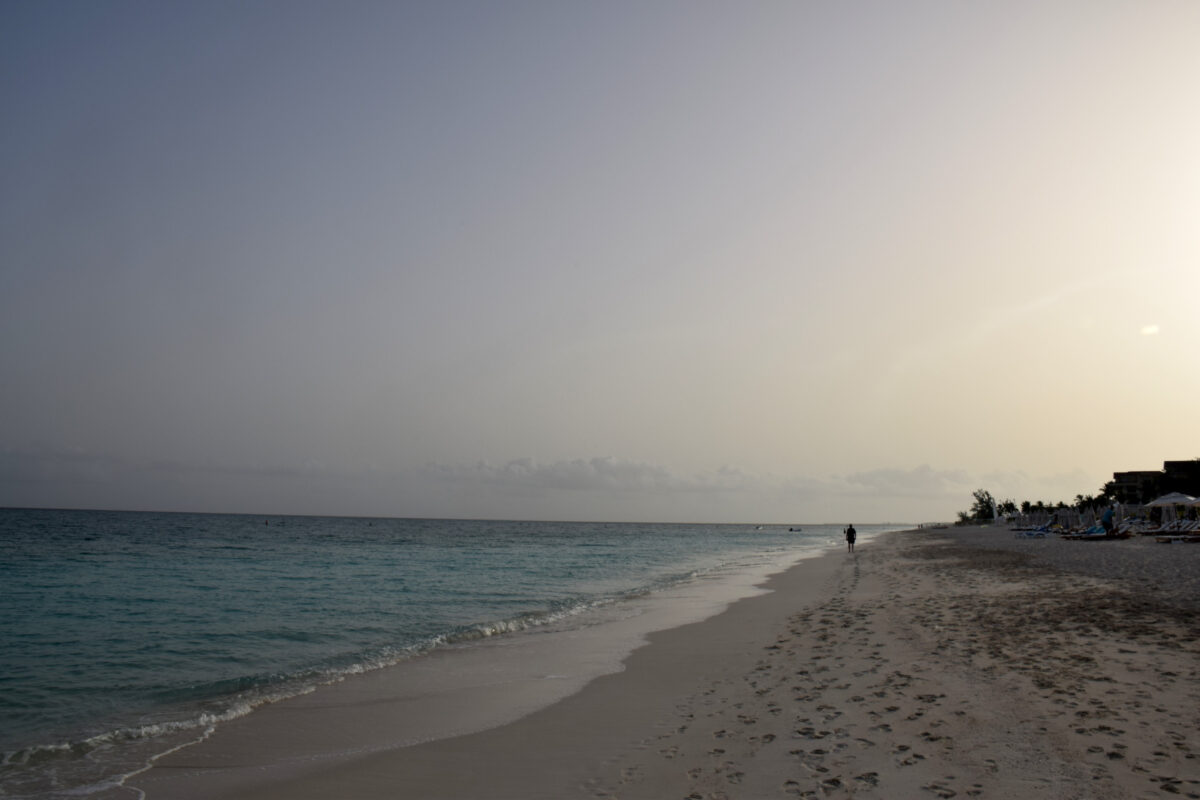
Grace Bay has won a bunch of “world’s best beach” awards, and it’s easy to see why—12 miles of white sand, calm turquoise water, and barely any seaweed or rocks. It’s on the island of Providenciales (everyone calls it Provo), which is in the Turks and Caicos Islands in the Caribbean.
The beach is lined with resorts and condos, but it’s all low-rise development so it doesn’t feel overwhelming. The water is warm and clear, great for swimming and snorkeling.
The coral reef is a bit offshore which keeps the water calm. It’s kind of the platonic ideal of a Caribbean beach—not dramatic or unique, just consistently perfect.
Playa del Amor, Marieta Islands, Mexico
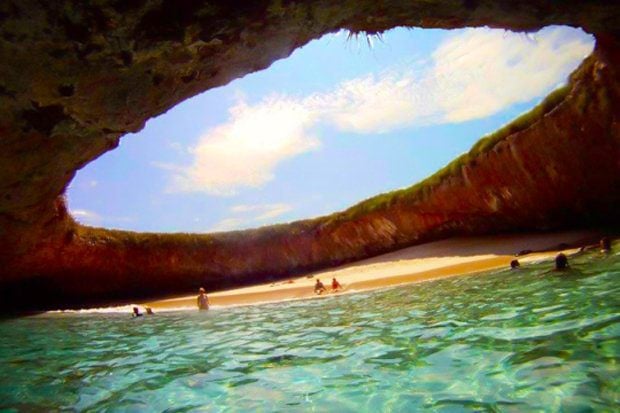
Also called the Hidden Beach because it’s literally inside a crater that’s open to the sky. You have to swim or kayak through a tunnel when the tide is right to get into this secret beach that’s hidden inside one of the Marieta Islands off Puerto Vallarta. The islands were used for military testing in the early 1900s (explosions created the crater), and now they’re a protected national park.
The beach became famous after photos went viral online, and then it got so overcrowded that the Mexican government had to limit visitors and eventually closed it for a while to let the ecosystem recover. It’s open again now but with strict visitor limits and you need to book in advance with an authorized tour operator.
Elafonissi Beach, Crete, Greece
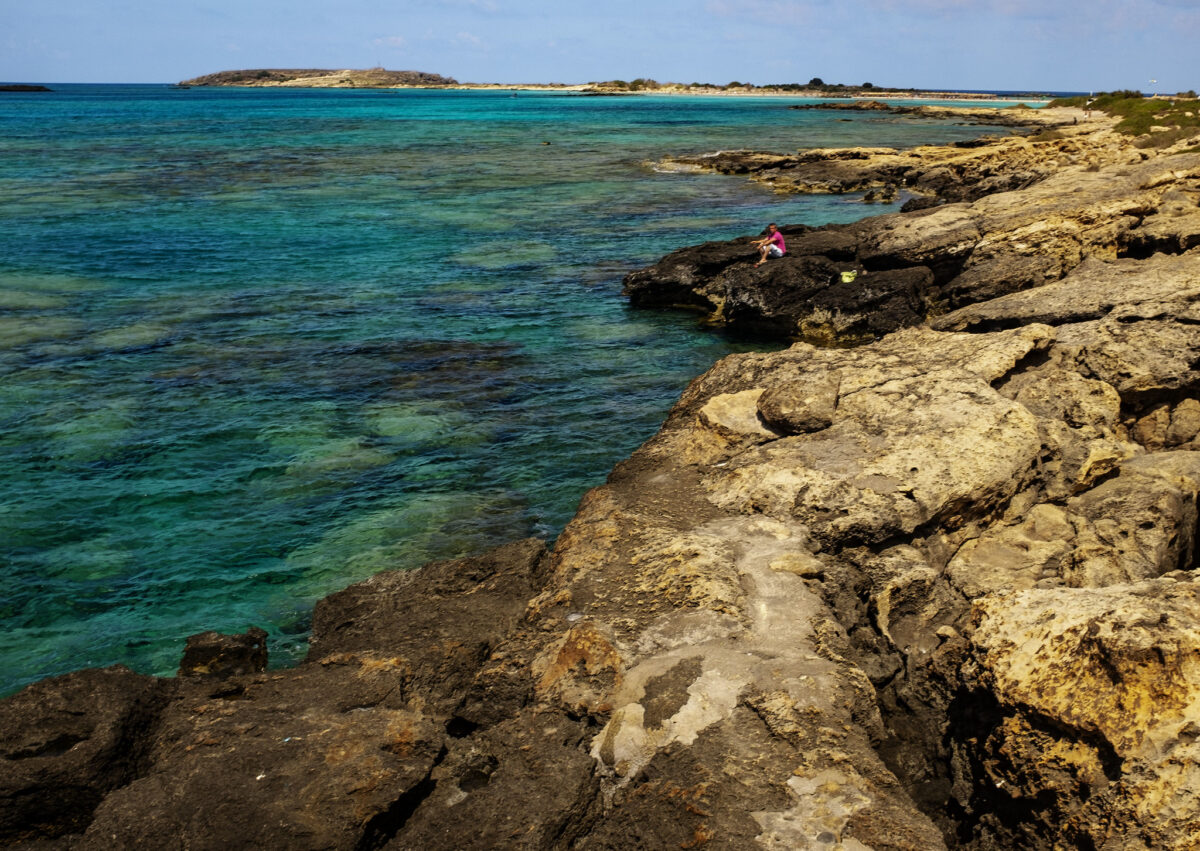
The sand here has a pinkish tint from crushed shells, and at low tide you can walk across a shallow lagoon to Elafonissi island (it’s barely an island, more like a big sandbar). The water is warm and calm, perfect for kids. It’s on the southwestern coast of Crete, which means it’s a bit of a drive from the main tourist areas but that keeps it from being completely overrun (though it still gets busy in July and August).
There are protected sand dunes with some rare plants and it’s part of the Natura 2000 network. The beach has this wild, natural feel compared to the more developed beaches on other parts of Crete.
Cedar trees grow near the shore which is unusual for a beach.
Baia do Sancho, Fernando de Noronha, Brazil
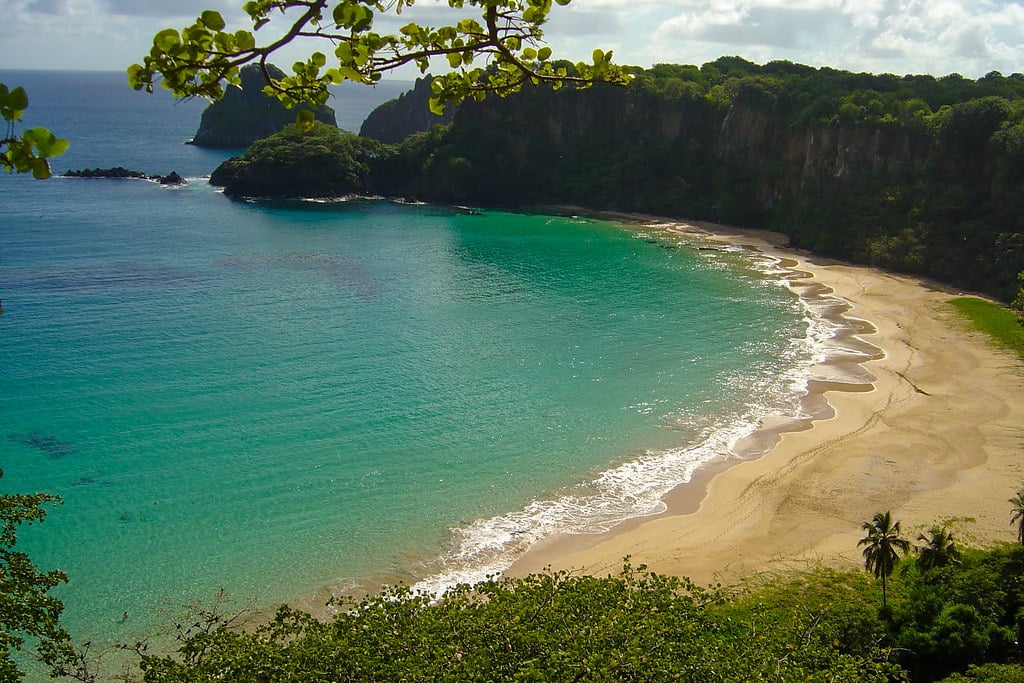
This beach is at the bottom of a cliff, and you access it by climbing down a ladder through a narrow rock crevice, which immediately makes it feel like an adventure. Fernando de Noronha is an archipelago off the coast of Brazil, a UNESCO World Heritage site with strict environmental protections.
The number of tourists allowed on the islands at any given time is limited, and you pay a daily environmental preservation fee. Baia do Sancho has incredibly clear green-blue water, and the bay is protected by cliffs on both sides.
You’ll often see sea turtles and dolphins. It regularly tops “best beaches in the world” lists, and it genuinely deserves the recognition (though getting there requires flying from either Recife or Natal, and it’s not cheap).
Trunk Bay, St. John, U.S. Virgin Islands
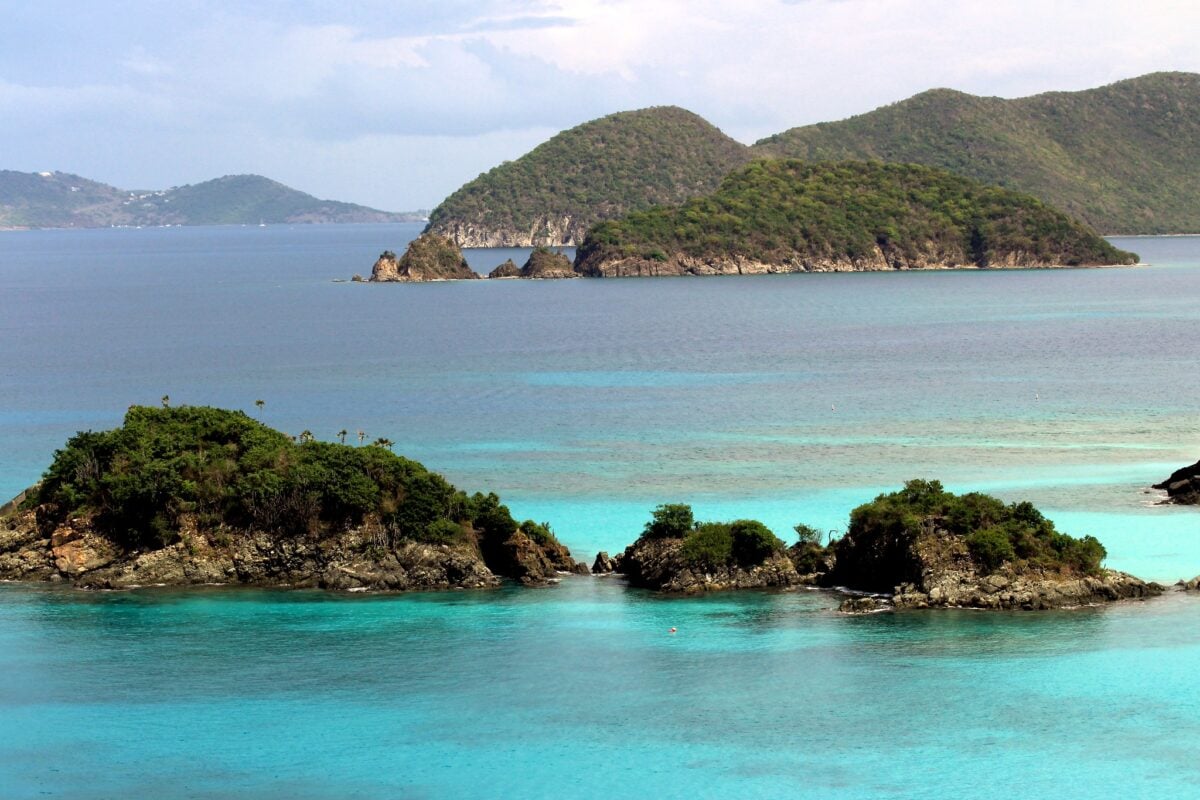
Trunk Bay has an underwater snorkeling trail with signs identifying different coral and fish species, which is pretty cool for people who are new to snorkeling. The beach itself is a classic Caribbean crescent of white sand with palms and turquoise water.
It’s located within Virgin Islands National Park, which covers about two-thirds of St. John. There’s an entrance fee to use the beach. It gets crowded when cruise ships are in port at nearby St.
Thomas (the passengers take ferries over), so timing matters if you want to avoid the crowds. Early morning or late afternoon is best.
Tulum Beach, Mexico
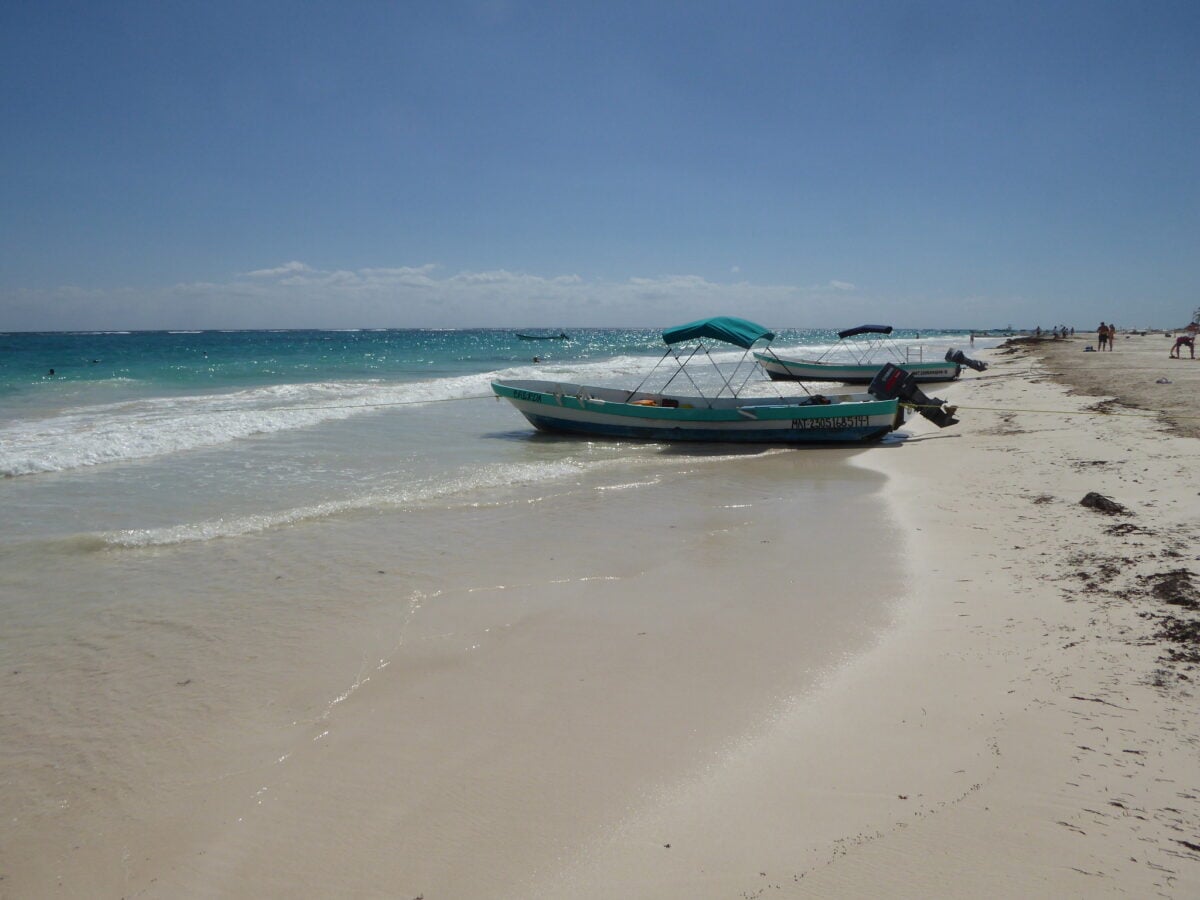
The beach at Tulum is backed by Mayan ruins perched on cliffs overlooking the Caribbean, which makes for pretty dramatic scenery (and explains why everyone takes the same photo of the temple with the beach below). The sand is white, the water is that clear turquoise you expect from the Mexican Caribbean, and there are tons of beach clubs and boutique hotels along the shore.
But let’s be honest, Tulum has gotten very crowded and expensive in recent years, it’s become one of those influencer hotspots where everything is curated for Instagram. The beach is still beautiful, the setting with the ruins is unique, but it’s not exactly a hidden gem anymore (and the seaweed problem in the Caribbean has affected this area too, though they clean it up regularly).
Horseshoe Bay, Bermuda
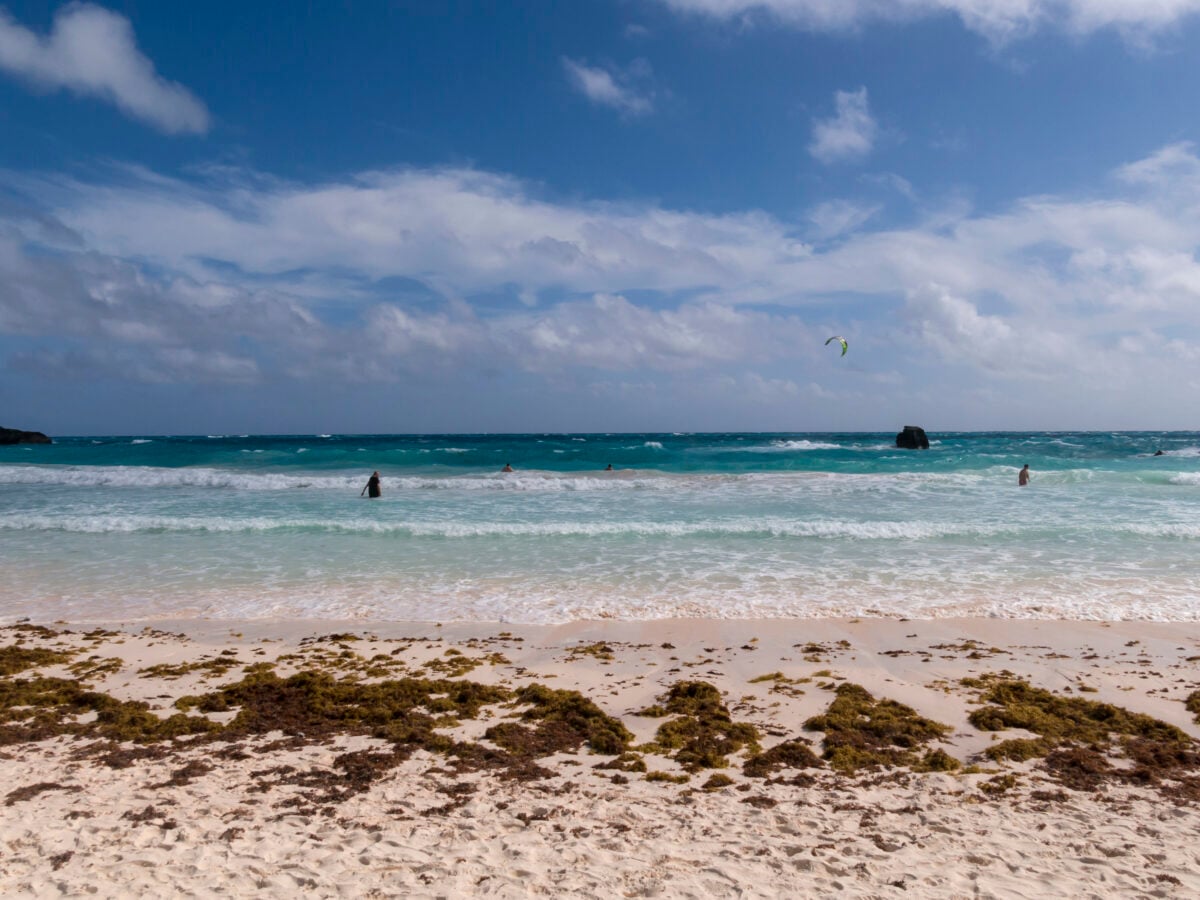
The pink sand comes from calcium carbonate shells and skeletons of tiny marine invertebrates and red coral getting mixed with white sand. Horseshoe Bay is on the south shore of Bermuda, with gentle curves and rock formations at both ends creating a horseshoe shape (hence the name, which is not very creative but accurate).
The water is clear and blue, and the beach has facilities like restrooms, changing rooms, and a snack bar. It gets very crowded during cruise ship days and peak summer months.
There are smaller, quieter beaches nearby like Warwick Long Bay if you want something less touristy.
Cathedral Cove, Coromandel Peninsula, New Zealand
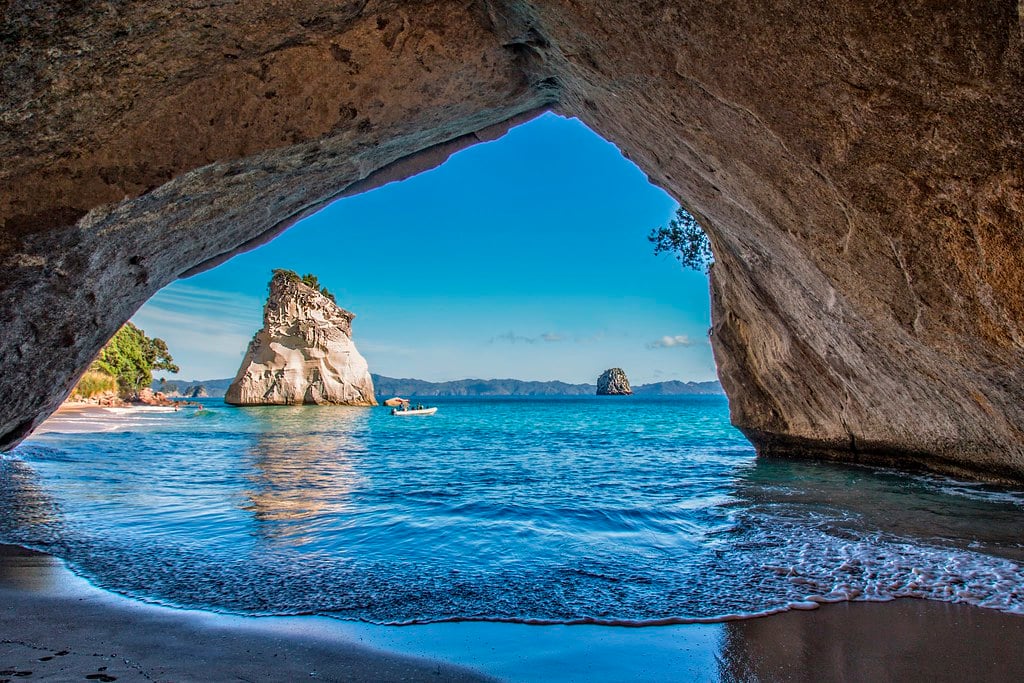
You have to hike about 30-40 minutes from the parking area to reach Cathedral Cove, or you can kayak there from Hahei Beach (which is actually more fun if the weather’s good). The cove is named for the massive natural rock arch that looks like a cathedral entrance.
The water is clear, there are interesting rock formations, and it’s just this picturesque spot that feels worth the effort to reach. It was featured in “The Chronicles of Narnia: Prince Caspian” movie.
The trail can be muddy and slippery after rain, and the beach disappears at high tide. It’s also been closed at times due to rockfall risks from the cliffs, so check before you go.
Where the Ocean Meets Perfection (Or At Least Really Good Marketing)
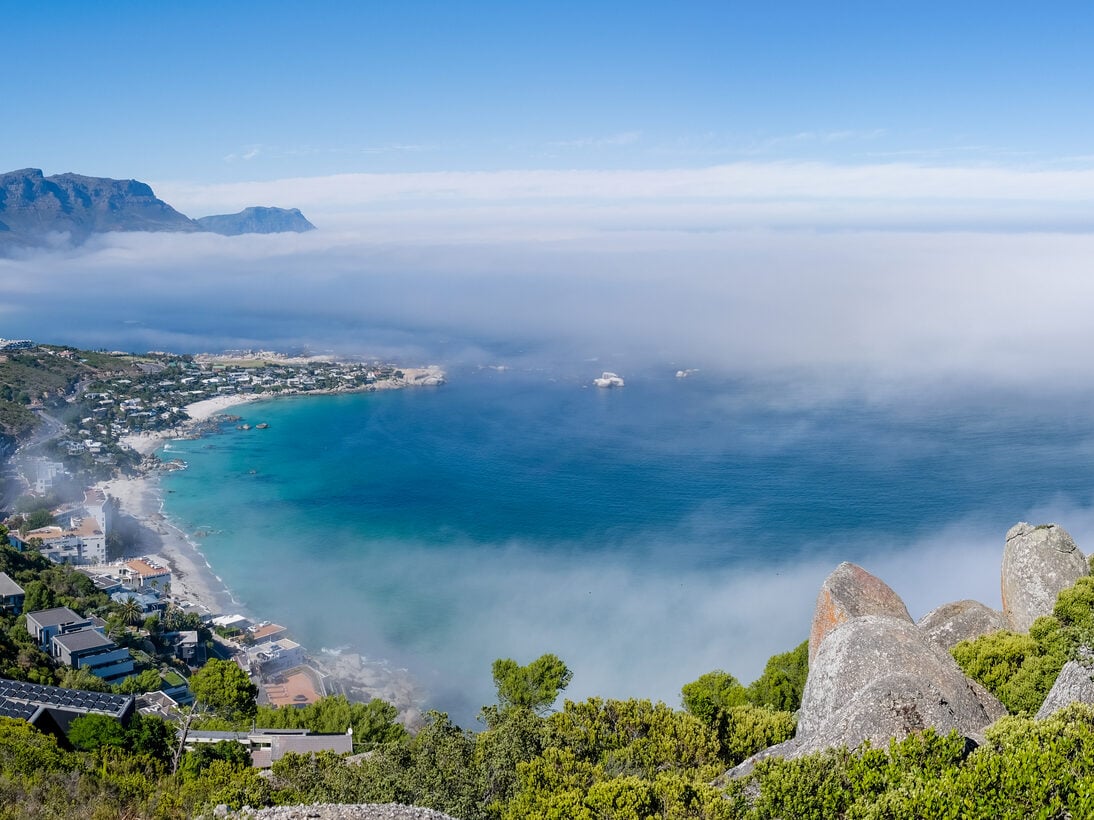
The truth is, what makes a beach “stunning” is subjective—some people want pink sand and calm water, others want dramatic black cliffs and crashing waves. Instagram has definitely shaped what we consider beautiful (all those drone shots of turquoise water and white sand), and sometimes the most photographed beaches are actually the most disappointing in person because they’re overcrowded or the photos were heavily edited.
But there’s still something magical about finding a beach that matches your specific idea of paradise, whether that’s a hidden cove you have to hike to reach or a perfectly maintained resort beach where someone brings you drinks. The stunning beaches aren’t necessarily the most remote or the most famous—they’re the ones that make you stop and think “okay, this is worth it” right before you dive in.
More from Go2Tutors!

- The Romanov Crown Jewels and Their Tragic Fate
- 13 Historical Mysteries That Science Still Can’t Solve
- Famous Hoaxes That Fooled the World for Years
- 15 Child Stars with Tragic Adult Lives
- 16 Famous Jewelry Pieces in History
Like Go2Tutors’s content? Follow us on MSN.



