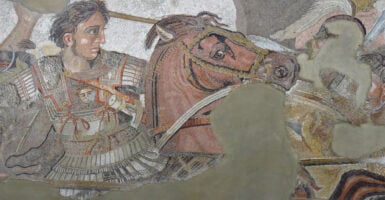
Photos Of Everyday Objects Designed for War
Cars once built for farms ended up racing across deserts with guns mounted on rooftops. A simple fabric strap meant for soldiers’ rifles became today’s popular shoulder bags without anyone really noticing the shift.
Backpacks designed to carry rations through jungles now sit inside classrooms filled with textbooks instead. Even boots made for trench mud somehow found their way onto city sidewalks, still tough but no longer stained with battlefield dirt.
Out of need came clever fixes – each one a tool first shaped by war. From battlefields they traveled, landing later in kitchens, desks, drawers.
What began as gear for survival slowly slipped into daily routines. Some were meant to protect, others to communicate fast under pressure.
Over time, their purpose bent toward comfort instead of crisis. Now we hold them without knowing their past.
Each found peace far from where it started.
Duct Tape

Water slid off the surface like rain on a pond – that was the idea behind the tape American forces wanted in World War II. A thick cloth base coated with polyethylene made it tough enough to handle damp jungle air.
Soldiers found they could rip strips free without tools, just fingers pulling through the weave. It stuck firm even when wet, sealing crates full of rounds against moisture seeping into every seam.
Boots, gear, broken parts – whatever cracked or split ended up bound by the stuff. Troops called it duck tape since droplets beaded and bounced away fast.
Once peace came, the shade shifted from forest green to shiny gray. Homes used it next, patching furnace pipes where heat slipped out quietly.
Name followed function, slowly shifting syllable by syllable into what people say today.
Cargo Pants
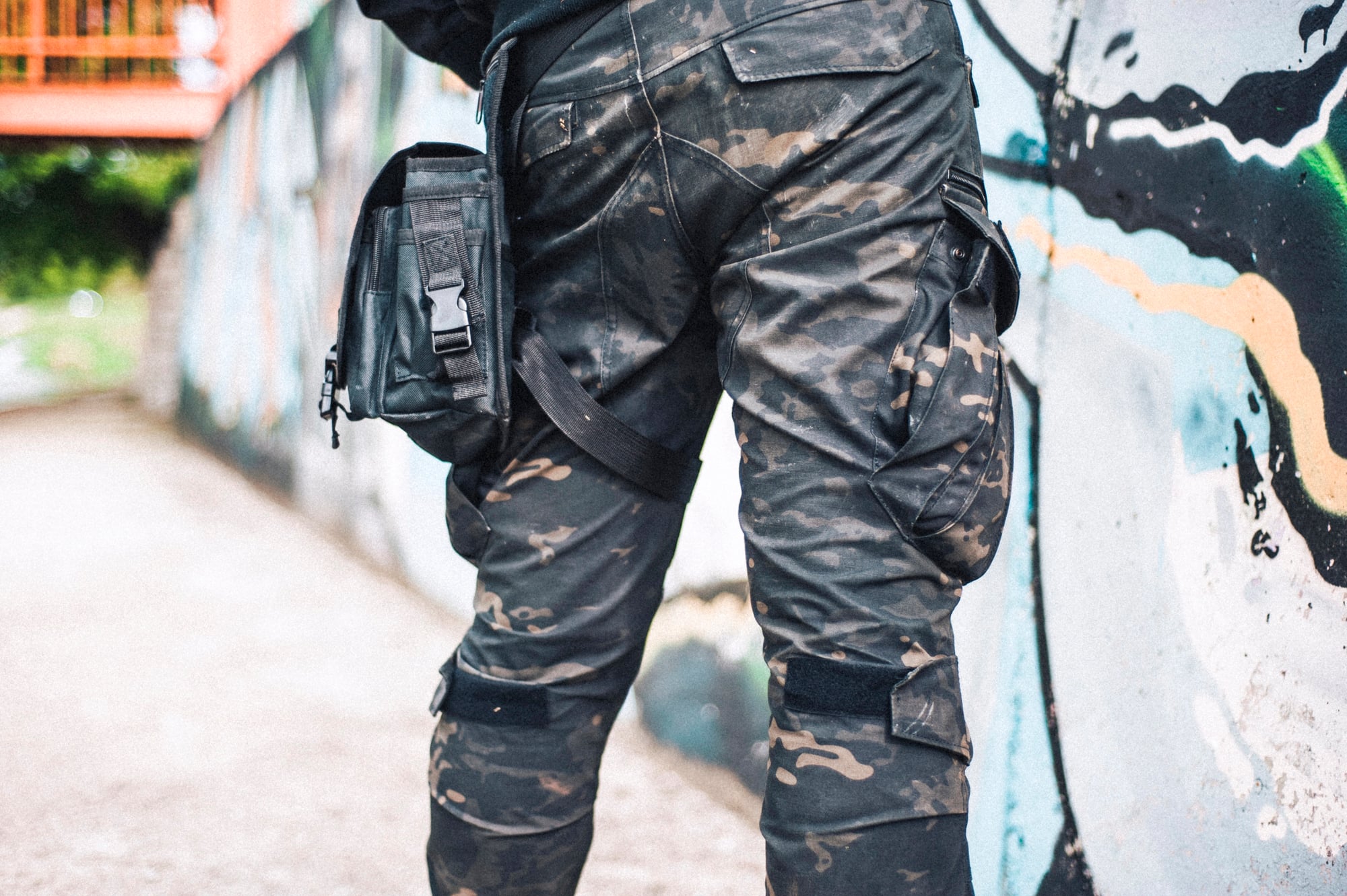
Back in the 1930s, British troops got a new kind of trouser built for those jumping from planes or hauling loads. Pockets big enough for maps, ammo, and tools sat right on the legs, so gear stayed handy but off the belt.
U.S. soldiers started wearing something much like them once war broke out again in Europe. Pretty soon, armies everywhere issued these roomy pants as regular kit.
Come the nineties, people outside the military began wearing them just to get around town – still bulky, still useful.
Canned Food

A prize was Napoleon Bonaparte’s idea, meant for whoever cracked long-term food storage for troops – Nicolas Appert claimed it in 1809 with a method later known as canning. Tin replaced glass when British forces reworked the container, cutting weight while boosting durability on rough journeys.
Meals stayed edible for ages, sometimes years, letting soldiers march farther without worrying about rot. Though regular people waited till the late nineteenth century to see these tins widely, today they line every supermarket shelf.
Trench Coats

Out in the cold trenches, British officers had to find outerwear tough enough for endless damp and muck. A long coat by Thomas Burberry came made from tightly woven cotton, keeping water out without trapping heat.
Epaulets held rank markers, D-rings carried tools, one sturdy belt let men cinch it closed when wind cut through. Its reach went down far enough to block grime yet stayed loose at the hips for walking or climbing.
Once peace arrived, those military coats got reworked slightly – then sold beyond army circles. Now decades later, similar shapes appear season after season, tucked among modern collections.
Jeeps

Back in 1940, the U.S. Army asked for a small vehicle able to move fast across tough ground while being quick to build. Instead of waiting long, Willys-Overland showed up with a tight, rugged machine on four wheels – better than anyone thought possible.
Because it worked so well, troops used it everywhere: hauling gear, pulling guns, sometimes even moving wounded men when needed. Once peace returned, those same Jeeps began showing up outside military bases, built now for regular people.
Over time, what started as battlefield transport quietly shaped nearly every large car seen driving through towns now.
Aviator Sunglasses

Army Air Corps pilots in the 1930s struggled with glare and eye fatigue at high altitudes, so Bausch & Lomb developed dark-tinted, teardrop-shaped glasses that blocked intense sunlight. The design covered more of the pilot’s field of vision than regular sunglasses and reduced eye strain during long flights.
These ‘Ray-Ban Aviators’ became standard military issue and helped countless pilots complete their missions safely. Hollywood stars adopted the style after World War II, and aviators have been cool ever since, even if most wearers have never set foot in a cockpit.
Tampons

Field medics during World War I desperately needed better ways to stop wounding from gunshot wounds and shrapnel injuries. Nurses discovered that Cellucotton, a super-absorbent material Kimberly-Clark developed for bandages, worked incredibly well for managing their own menstrual flow.
The company saw an opportunity and started marketing these products as Kotex pads after the war, then later developed the internal version. The medical origins explain why these products are still found in the health and hygiene aisles of every store.
Digital Cameras

The U.S. government funded early digital imaging technology in the 1960s to help spy satellites capture pictures without using film that had to be physically retrieved. Kodak engineer Steven Sasson built the first portable digital camera in 1975, but the military and intelligence communities had been using similar technology for years before that.
The ability to instantly transmit images without developing film gave reconnaissance teams a huge advantage. Consumer digital cameras didn’t take off until the 1990s, but now film photography feels like ancient history to most people.
Microwave Ovens
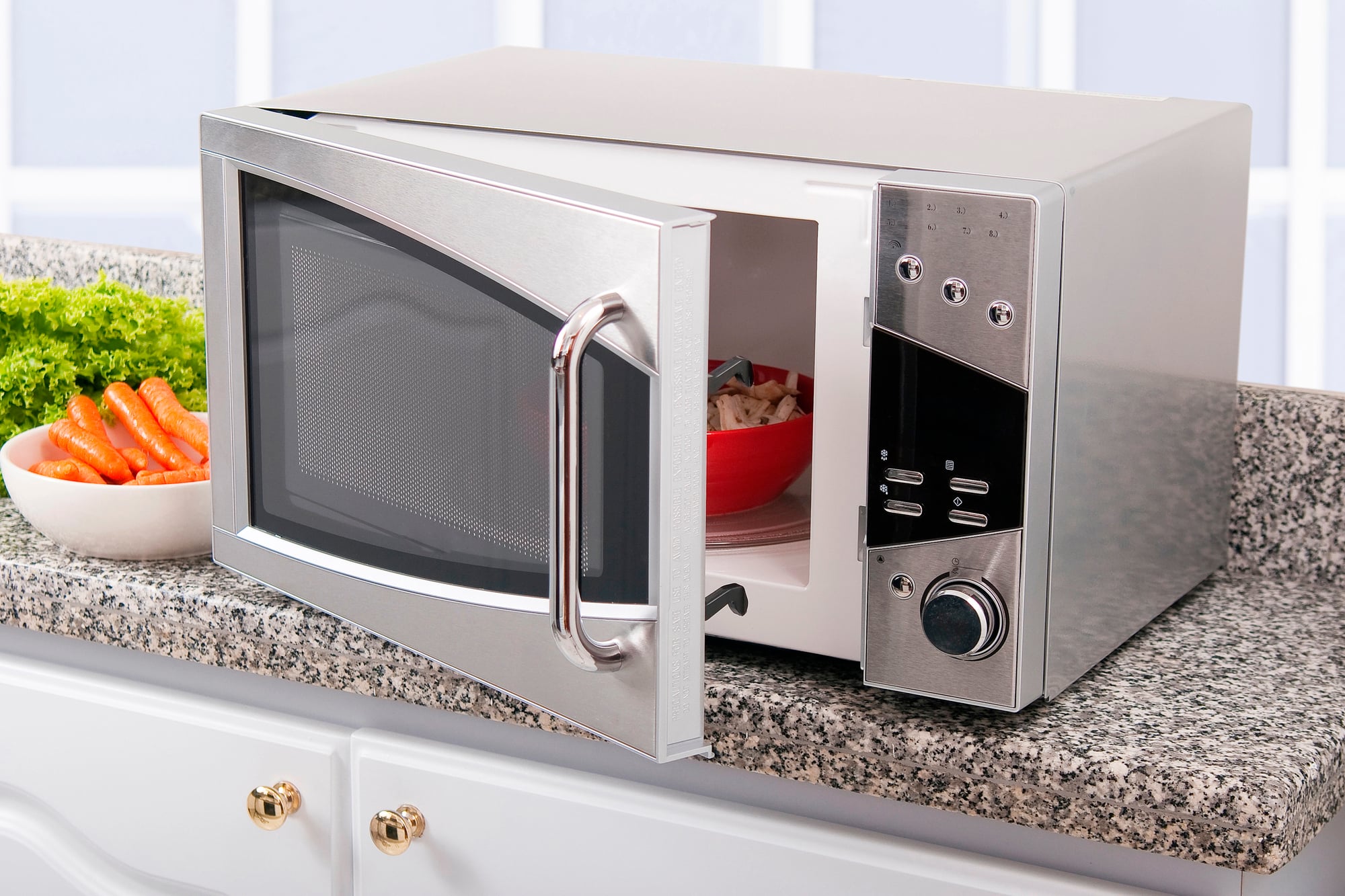
Percy Spencer was working on radar technology for Raytheon during World War II when he noticed that a magnetron tube melted the chocolate bar in his pocket. The company realized that the same microwave radiation used to detect enemy aircraft could also heat food incredibly fast.
Raytheon built the first commercial microwave oven in 1947, but it weighed 750 pounds and cost as much as a car. Decades of development made them small and affordable enough for home kitchens, where they’ve saved countless people from cold leftovers.
Zippers
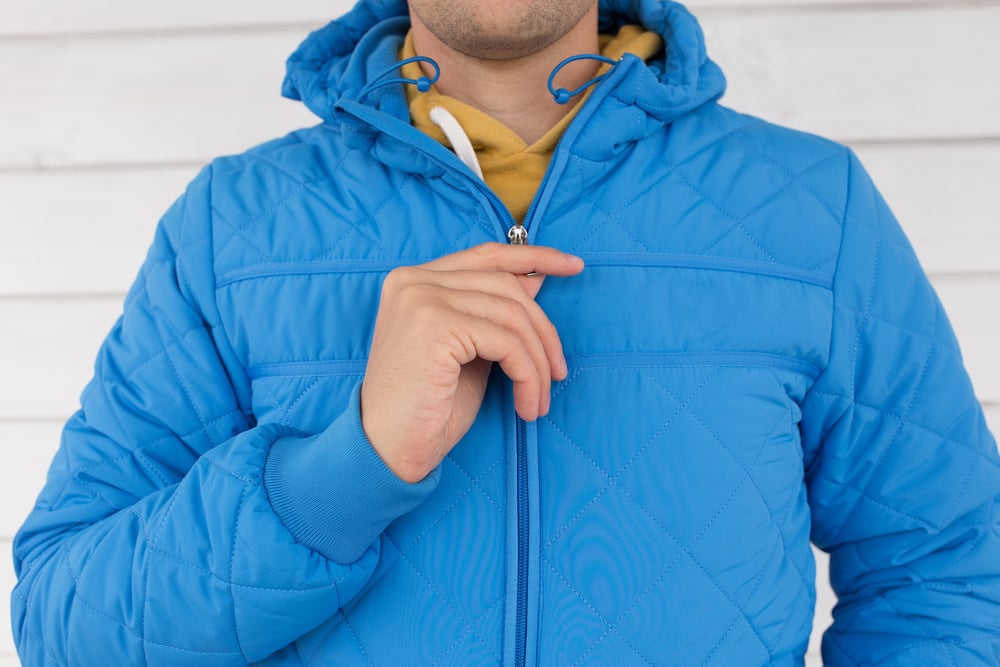
The U.S. military adopted zippers for uniforms and gear during World War I because buttons took too long to fasten and often fell off. B.F. Goodrich Company popularized the name ‘zipper’ when they used the fasteners on rubber boots for troops.
The reliable, quick-fastening design proved perfect for flight suits, sleeping bags, and field jackets. Fashion designers started using zippers on civilian clothing in the 1930s, and now they’re so common that people rarely think about how they work.
GPS Technology
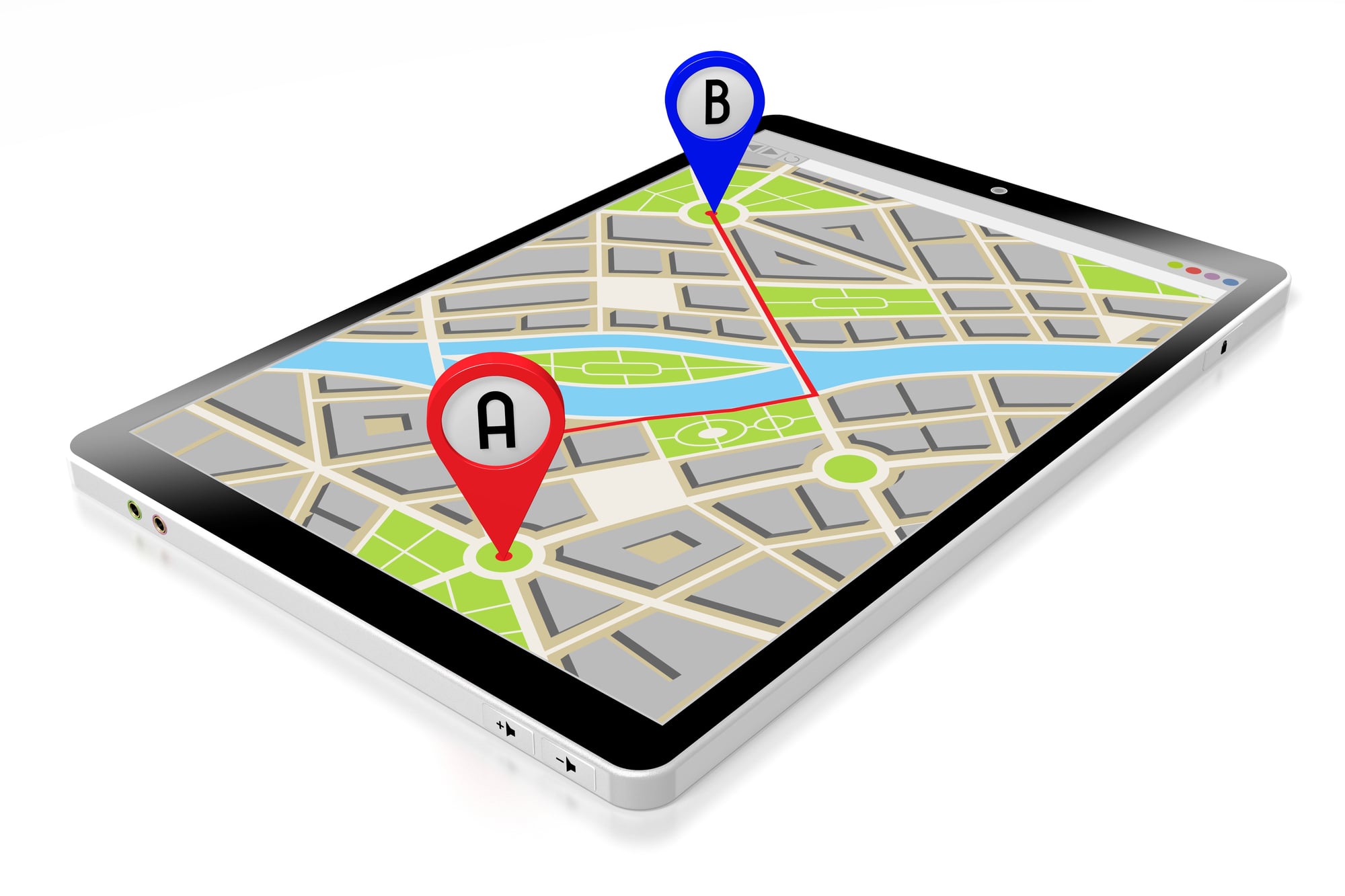
The Department of Defense launched the first GPS satellites in 1978 to help the military navigate and coordinate operations anywhere on Earth. The system gave troops precise location data that was impossible to jam or intercept, which changed modern warfare completely.
The government opened GPS up for civilian use in the 1980s, though the military kept the most accurate signals restricted until 2000. Now GPS guides everything from phones to cars to farming equipment, and getting lost is almost a choice rather than an accident.
Teflon

Chemist Roy Plunkett accidentally created polytetrafluoroethylene in 1938 while working on refrigerants for DuPont, but the military immediately classified his discovery. The Manhattan Project used Teflon to handle the highly corrosive uranium hexafluoride needed for atomic bombs.
The material’s ability to resist heat and chemicals made it invaluable for military and aerospace applications throughout the 1940s and 1950s. French engineer Marc Grégoire figured out how to bond Teflon to aluminum in the late 1950s, which led to nonstick cookware that changed how people approach breakfast.
Wristwatches

Pocket watches were standard for men until World War I, when soldiers realized that digging out a watch during combat was both slow and dangerous. Military officials started issuing watches with leather straps that troops could wear on their wrists for quick time checks during coordinated attacks.
The practical design caught on so fast that pocket watches became old-fashioned almost overnight. Switzerland dominated the wristwatch market for decades afterward, building an entire industry on a design born in the trenches.
Super Glue
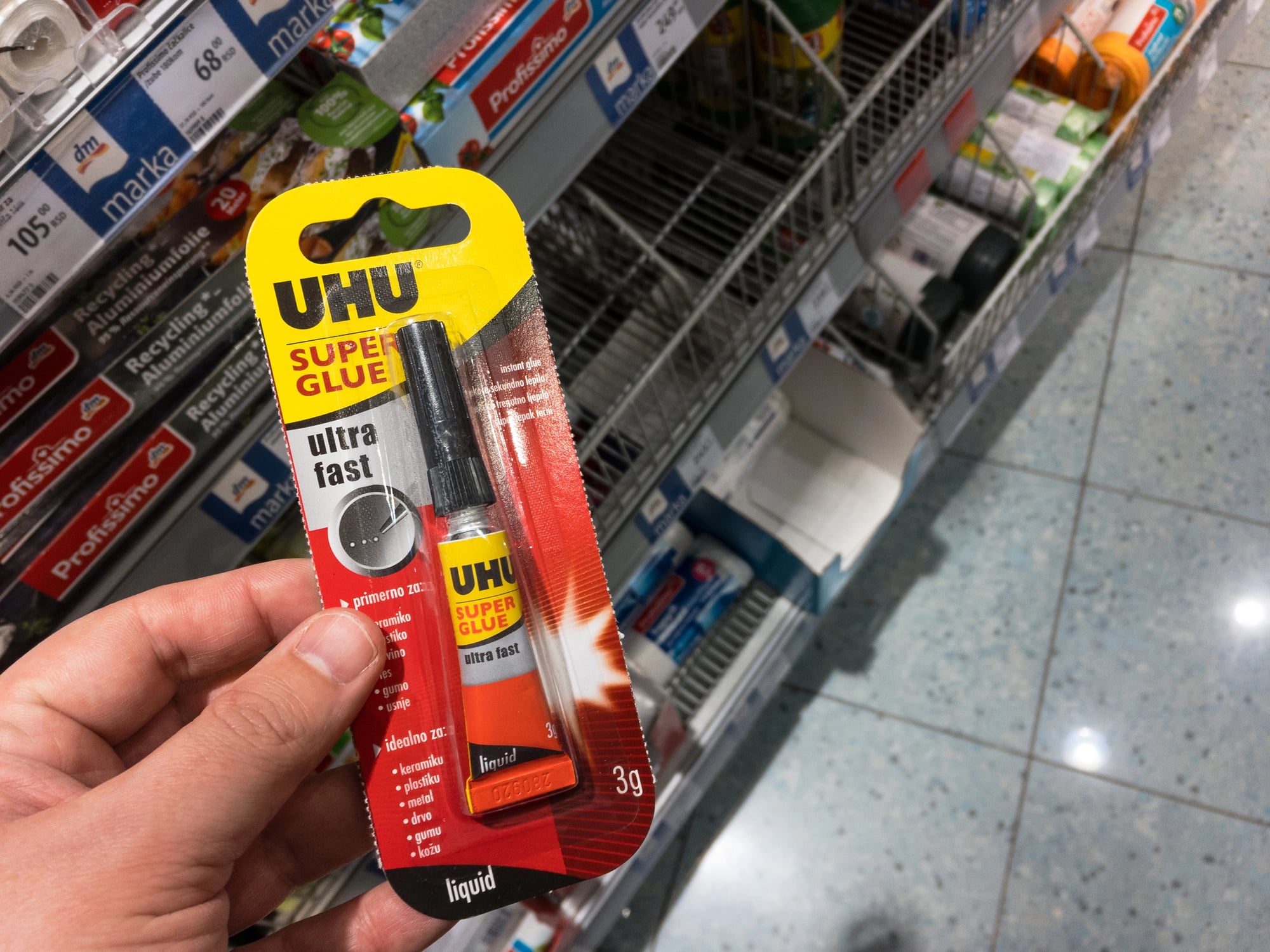
Researchers trying to develop clear plastic gun sights during World War II created cyanoacrylate, a substance so sticky it ruined their equipment. Eastman Kodak shelved the formula until 1951, when chemist Harry Coover realized the adhesive could bond almost anything instantly without heat or pressure.
The military started using it in Vietnam to close wounds when medics couldn’t get soldiers to proper medical facilities in time. Hardware stores started selling it to regular people in the late 1950s, and now it fixes everything from broken ceramics to split fingernails.
EpiPens

Military research into autoinjectors started during the Cold War to give soldiers a fast way to treat nerve agent exposure. The spring-loaded design let troops inject atropine into their thighs through clothing without looking, which could save their lives in a chemical attack.
Sheldon Kaplan adapted the technology in the 1970s to deliver epinephrine for severe allergic reactions. The EpiPen became commercially available in 1987 and has since saved thousands of people from anaphylactic shock, though the basic mechanism still comes straight from those military autoinjectors.
From Battlefields To Daily Life
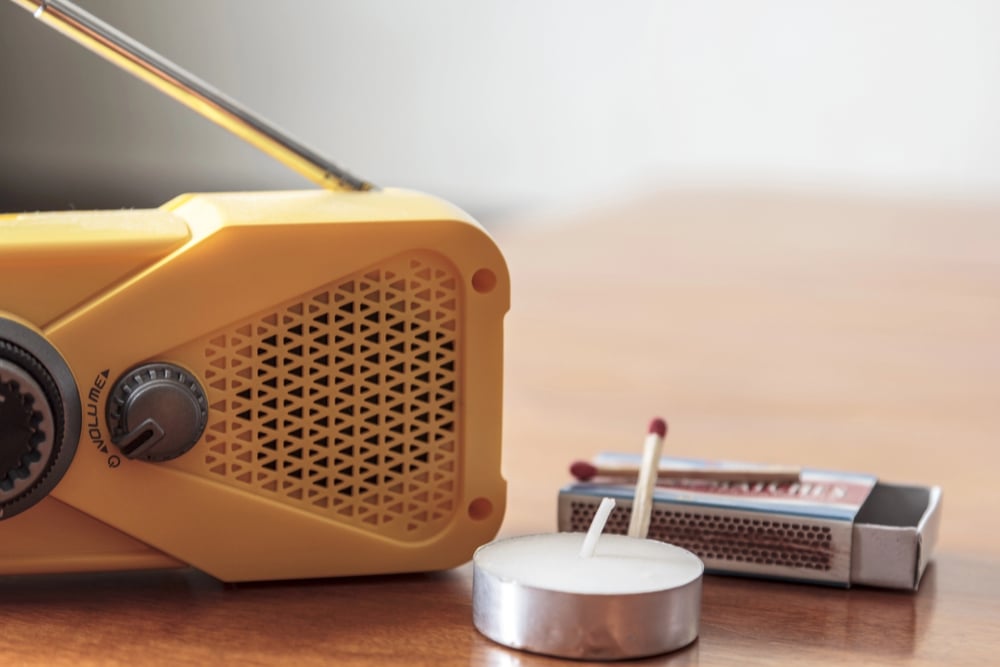
These objects started as solutions to wartime problems but ended up changing how everyone lives. The same creativity and urgency that drives military innovation often produces things that work better than what came before.
Looking around at common items with fresh eyes reveals just how much modern convenience owes to conflicts that happened decades or even centuries ago. War may bring out the worst in humanity, but it also forces people to think differently about the tools they need to survive and succeed.
More from Go2Tutors!

- The Romanov Crown Jewels and Their Tragic Fate
- 13 Historical Mysteries That Science Still Can’t Solve
- Famous Hoaxes That Fooled the World for Years
- 15 Child Stars with Tragic Adult Lives
- 16 Famous Jewelry Pieces in History
Like Go2Tutors’s content? Follow us on MSN.