Countries That Are Lagging Behind in Technological Advancement
Technology shapes how nations grow, compete, and care for their people. While some countries race ahead with artificial intelligence, renewable energy, and advanced infrastructure, others struggle to provide basic internet access or reliable electricity.
The gap isn’t just about having the latest gadgets. It reflects deeper challenges like limited funding, political instability, and geographic isolation that prevent millions from accessing tools the rest of the world takes for granted.
Let’s look at the countries where technology still feels like a distant dream rather than everyday reality.
Eritrea
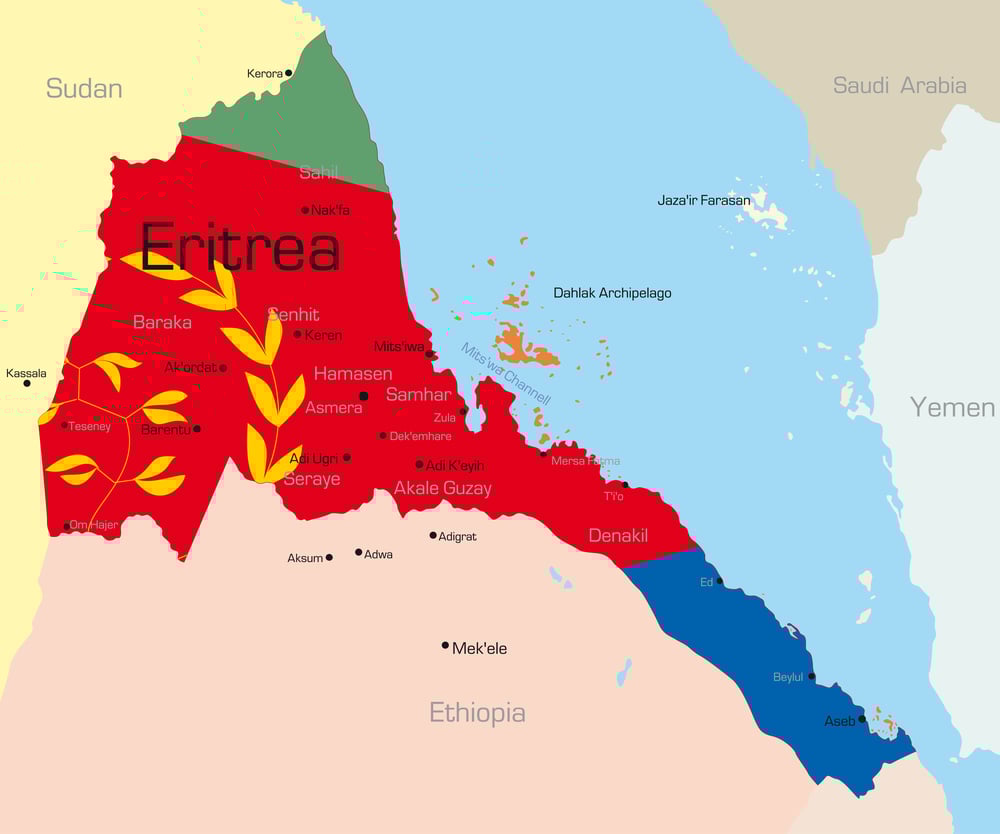
Eritrea ranks as one of the least connected nations on Earth. The government tightly controls internet access, and only about 1% of the population can get online.
Most people have never sent an email or searched the web. The country’s isolation isn’t just about infrastructure. Political restrictions and economic hardship keep technological progress at a standstill, leaving an entire generation cut off from the digital revolution happening everywhere else.
South Sudan
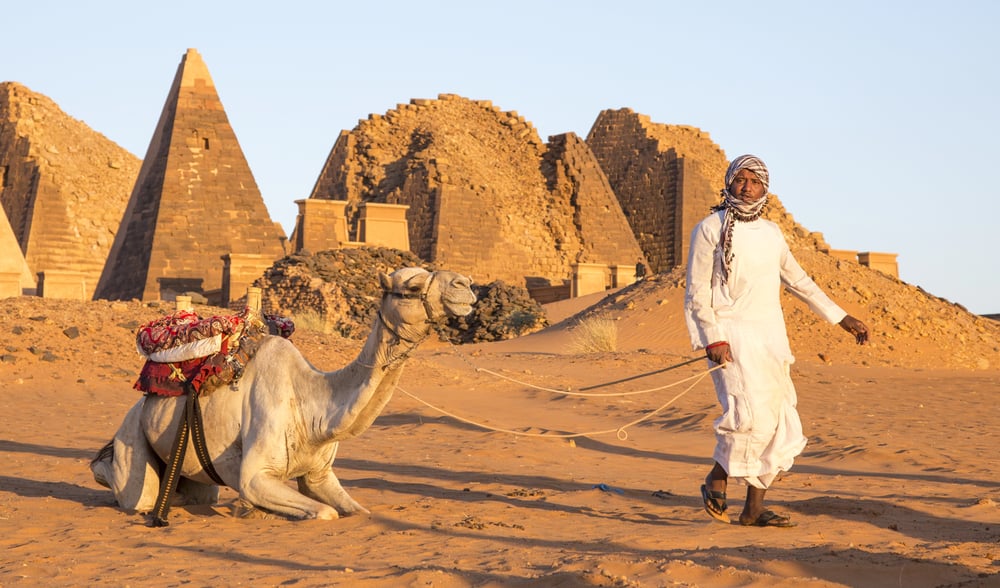
South Sudan became the world’s newest country in 2011, but it inherited almost no technological infrastructure. Years of conflict destroyed what little existed before independence.
Electricity reaches only 7% of the population, making it nearly impossible to charge a phone, let alone run a computer. Schools lack basic equipment, hospitals operate without modern medical devices, and most roads remain unpaved, making it hard to transport technology even when it’s available.
Chad
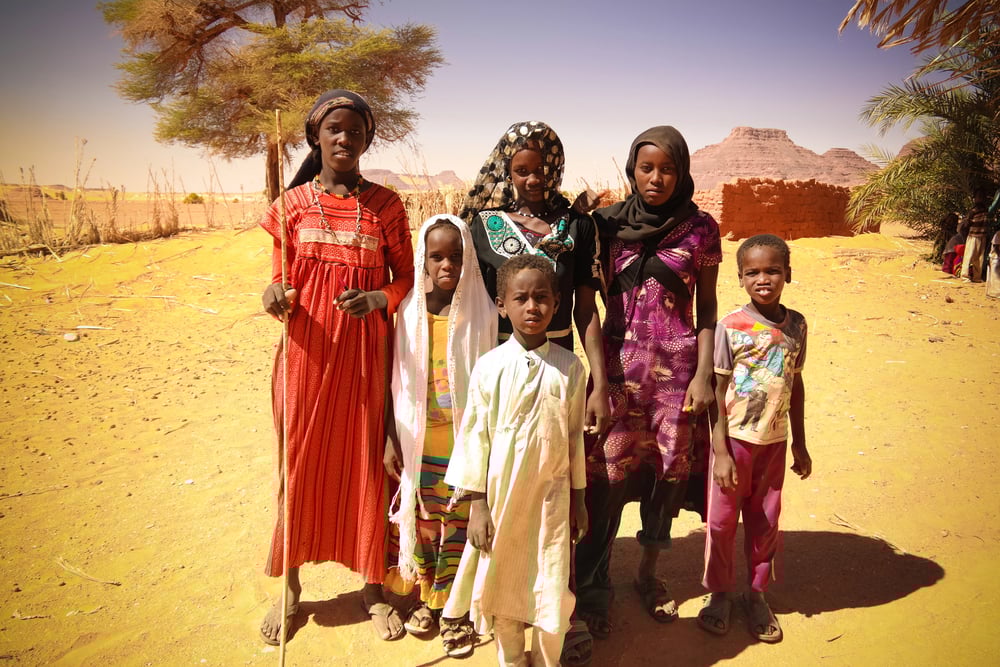
Chad faces a perfect storm of technological barriers. The country sits in the middle of the Sahara Desert, far from undersea internet cables that connect most of the world.
Building infrastructure costs more here than almost anywhere else. Less than 10% of people have internet access, and mobile networks barely function outside the capital city. Poverty keeps most families focused on survival rather than saving up for smartphones or laptops that seem like luxury items.
Niger
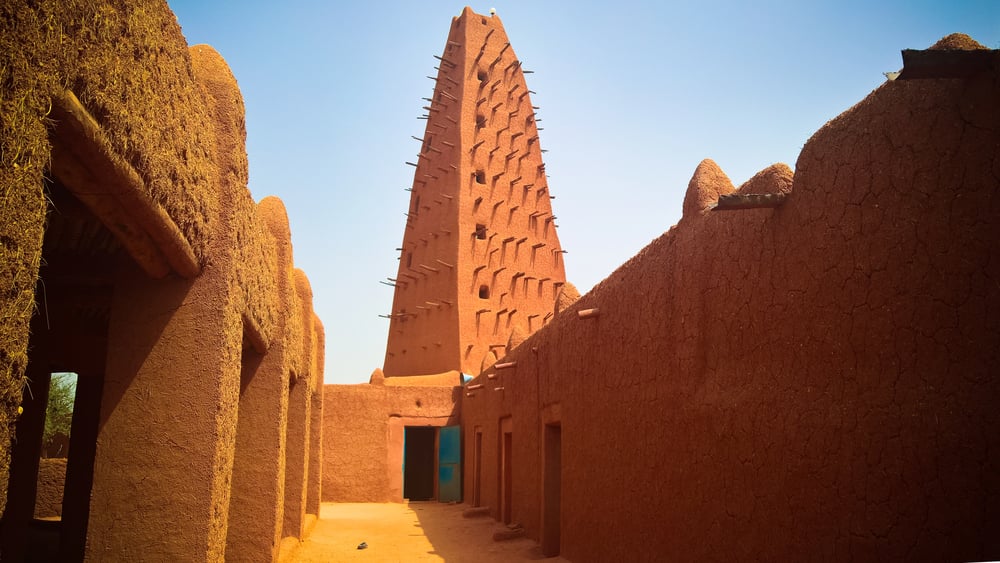
Niger struggles with one of the world’s lowest literacy rates, which creates a barrier to technology adoption that goes beyond just having devices. Even when people get access to computers or phones, many can’t read the instructions or navigate digital platforms.
The country also battles extreme poverty and food insecurity. When families choose between feeding their children and buying a mobile phone, technology loses every time.
Burundi

Burundi’s internet penetration sits below 6%, making it one of Africa’s least connected countries. The average person would need to work for months just to afford a basic smartphone.
Political turmoil over the past decade scared away foreign investors who might have built telecommunications infrastructure. Power outages happen constantly, and many rural areas have never had electricity at all, making charging devices a daily challenge that wears people down.
Central African Republic
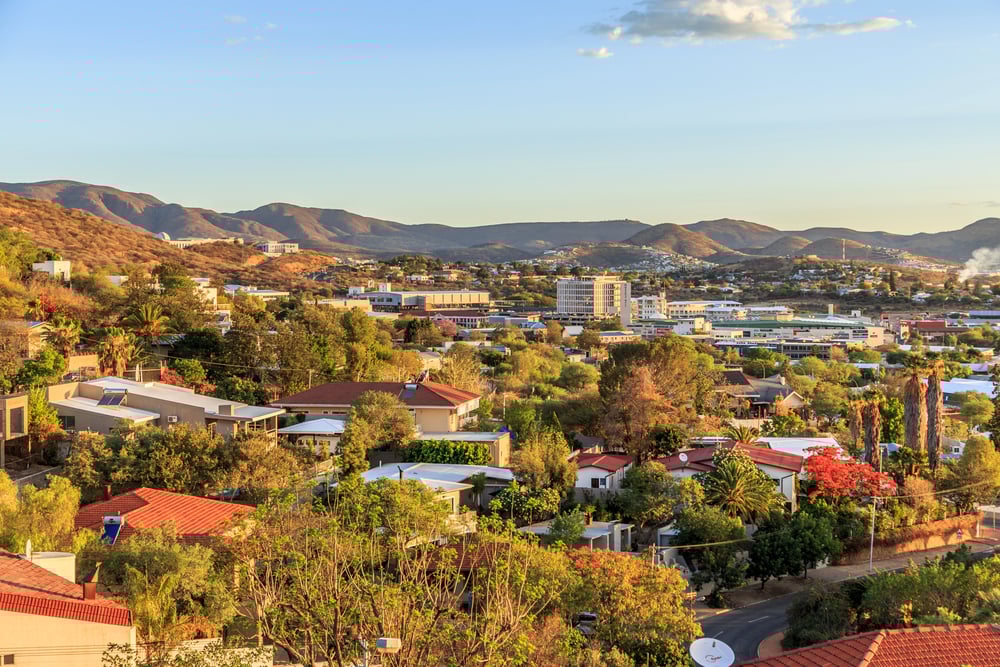
The Central African Republic has endured years of civil war that destroyed roads, bridges, and communication towers. Rebel groups still control large portions of the country, making it dangerous for companies to install new technology.
Only the capital city has somewhat reliable internet, and even there, connections are slow and expensive. Most people live in areas where the cell phone signal doesn’t reach, leaving entire communities isolated from the digital world.
Malawi

Malawi depends heavily on agriculture, but farmers rarely have access to technology that could improve crop yields or market prices. The country has limited electricity generation capacity, and frequent blackouts make running technology-dependent businesses nearly impossible.
Internet speeds rank among the slowest globally, frustrating the small percentage of people who do have access. Young people with technical skills often leave for neighboring countries where opportunities actually exist.
Madagascar
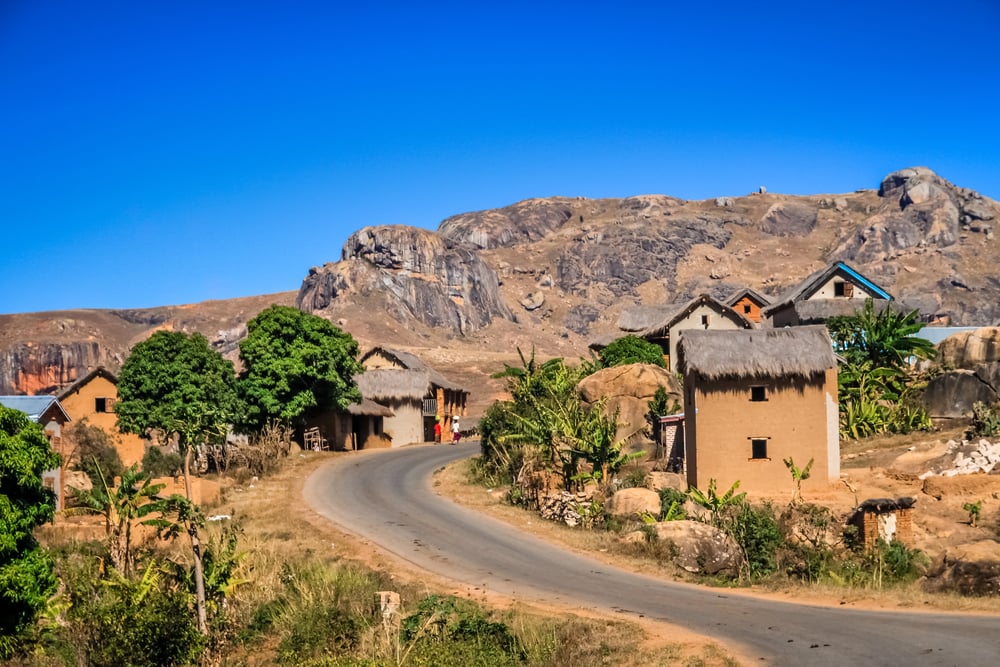
Madagascar’s island location creates unique technological challenges. Connecting to international internet cables requires expensive undersea infrastructure that the government can’t afford.
Cyclones regularly damage what little infrastructure exists, forcing communities to start over after each storm season. Rural areas, where most people live, remain completely disconnected from digital services.
The country has talent and potential, but geography and poverty create obstacles that seem impossible to overcome.
Guinea
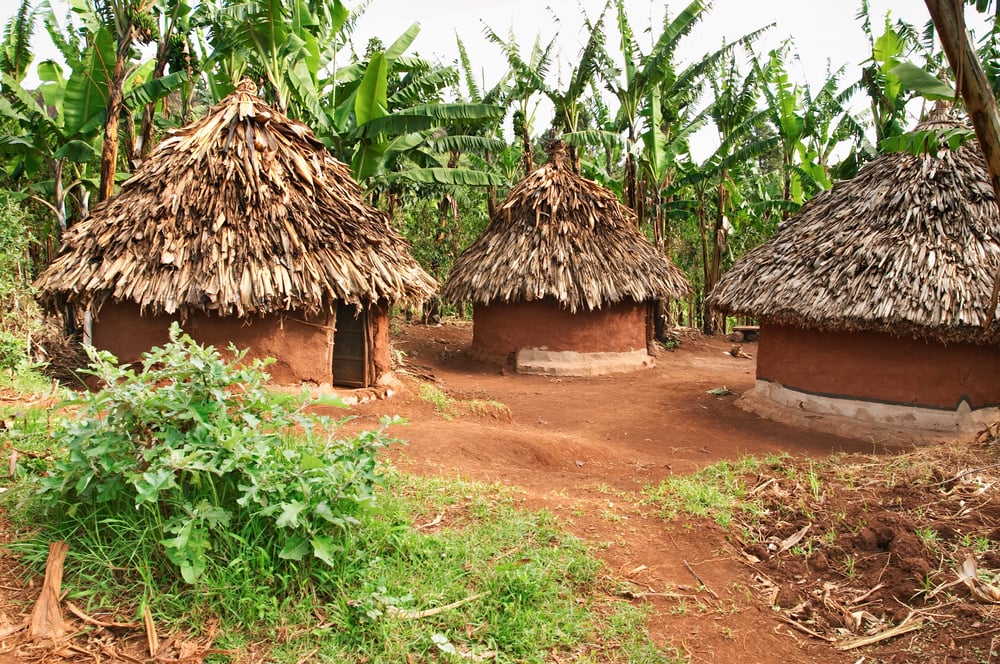
Guinea sits on massive mineral deposits worth billions, yet most citizens live without basic technology. Corruption and mismanagement prevent resource wealth from funding infrastructure development.
Internet cafes in the capital charge prices that average workers can’t afford for even an hour online. Mobile money services, which transformed economies in countries like Kenya, barely exist here because the networks aren’t reliable enough to process transactions consistently.
Liberia
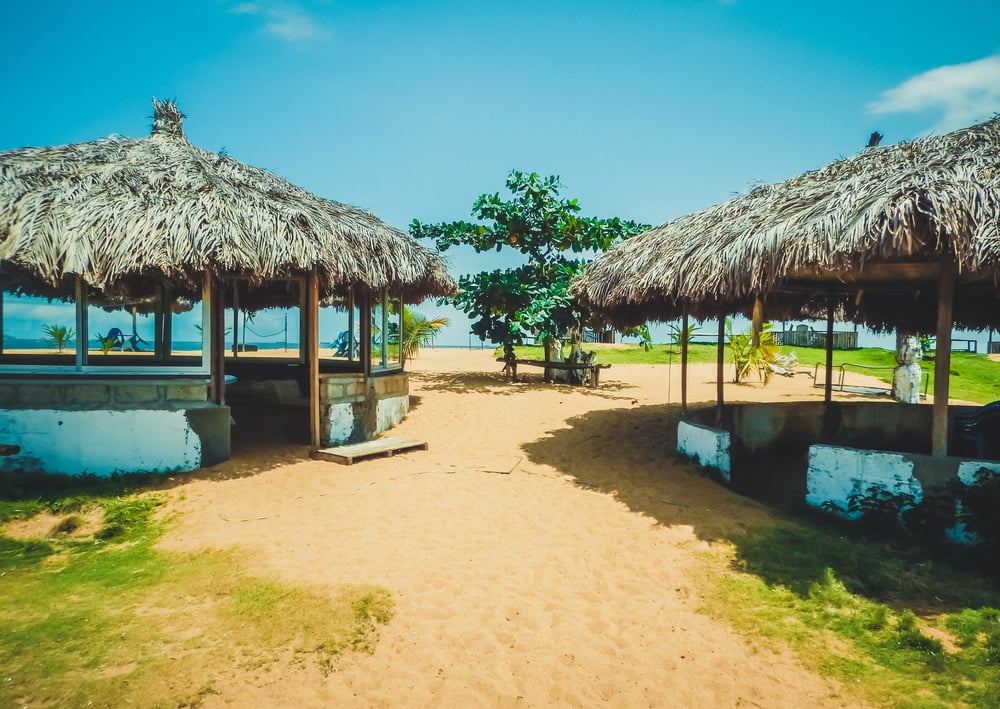
Liberia’s brutal civil war ended in 2003, but the country is still recovering from infrastructure destruction that set it back decades. The Ebola outbreak in 2014 diverted resources away from technology development toward immediate health needs.
Less than 15% of the population has internet access, and most of that is concentrated in the capital, Monrovia. Young people grow up hearing about apps, social media, and online learning but have no way to participate in these experiences themselves.
Somalia
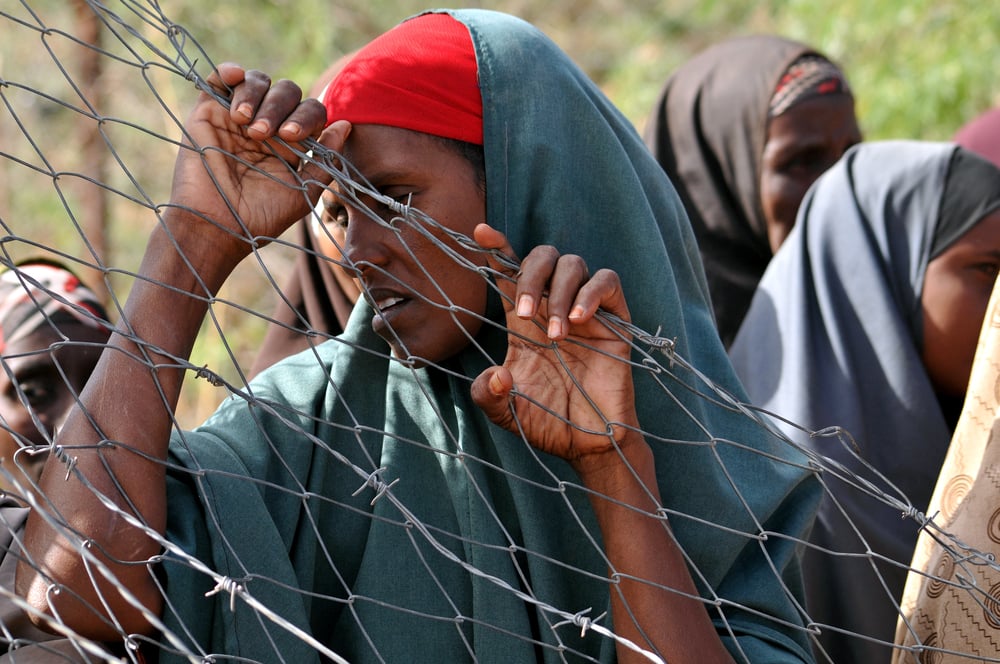
Somalia’s lack of a functioning central government for over 30 years created chaos that scared away telecommunications companies and tech investors. Piracy along the coast and terrorism inland make building infrastructure dangerous and expensive.
The country actually has mobile money systems that work surprisingly well in some areas, showing what’s possible when security improves. But overall technological advancement remains stunted by violence and instability that never seems to end.
Haiti
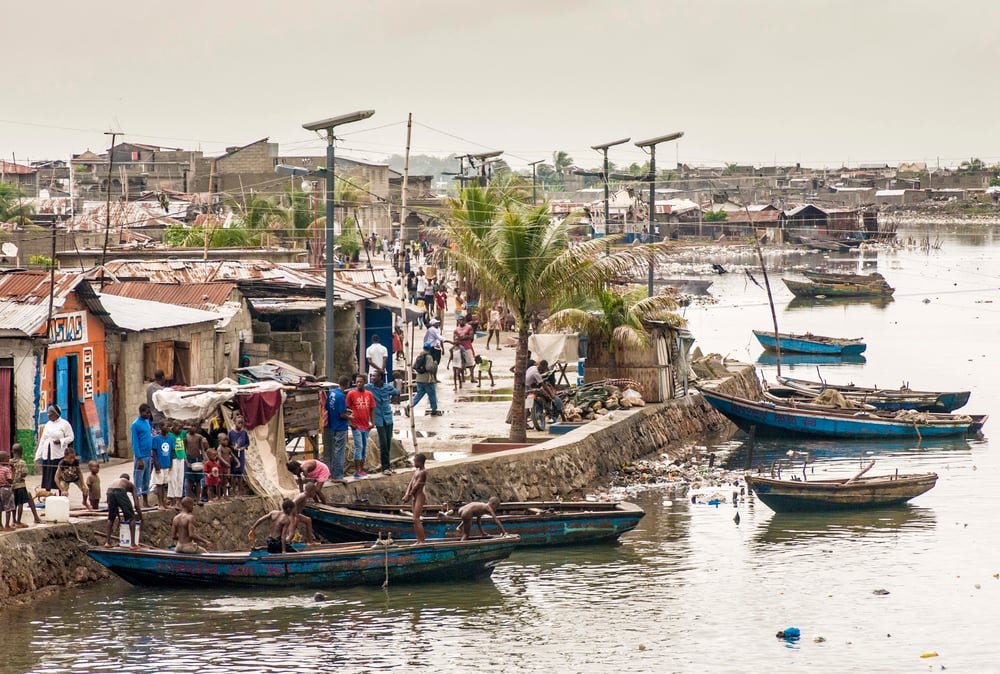
Haiti shares an island with the Dominican Republic, but the technology gap between the two countries is staggering. While the Dominican Republic has decent internet coverage, Haiti struggles with power grids that barely function.
The 2010 earthquake destroyed already weak infrastructure, and reconstruction focused on basic shelter rather than digital connectivity. Brain drain pulls educated Haitians to other countries, leaving fewer people with the skills to build and maintain technological systems.
Burkina Faso
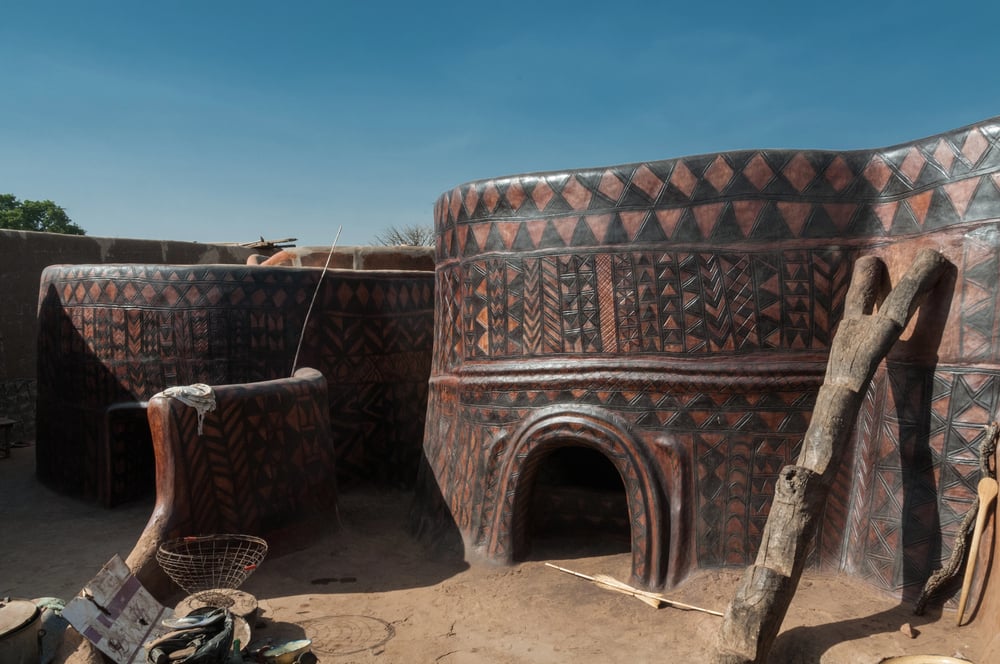
Burkina Faso faces a growing threat from extremist groups that have made northern regions too dangerous for infrastructure projects. The country has tried to expand mobile coverage, but attacks on cell towers set progress back repeatedly.
Internet costs remain prohibitively expensive for average families earning less than two dollars per day. Women face additional barriers, as cultural norms often prevent them from owning phones or learning computer skills that could change their economic prospects.
Democratic Republic of Congo
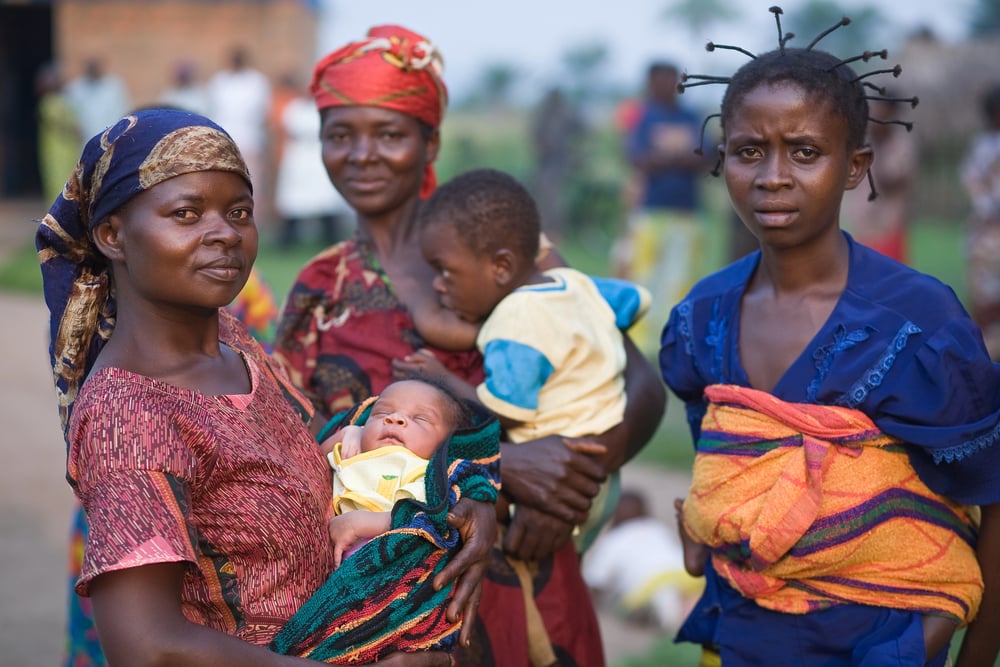
The Democratic Republic of Congo has all the raw materials needed to build technology, from copper to cobalt used in smartphone batteries. Yet its own citizens rarely benefit from these resources.
Corruption and conflict prevent infrastructure development in most provinces. The country is massive, making it expensive to connect remote areas to networks. Kinshasa, the capital, has some modern technology, but venture a few miles outside the city and it feels like traveling back in time.
Yemen
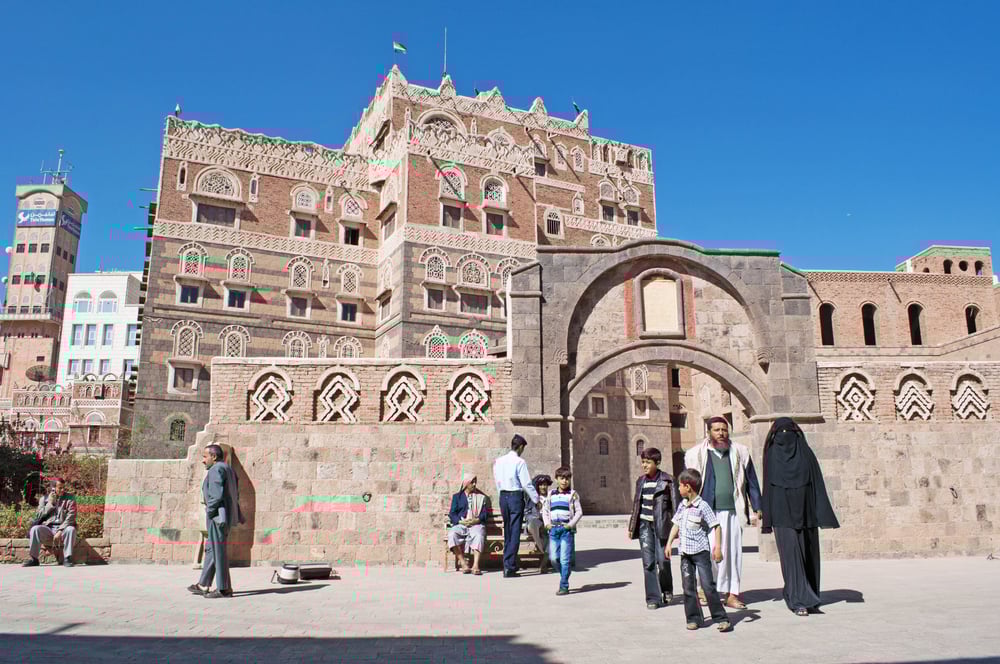
Yemen’s ongoing war has destroyed power plants, internet hubs, and cell towers across the country. What was already limited infrastructure before 2015 has been reduced to almost nothing in many areas.
Humanitarian organizations struggle to coordinate aid because communication networks barely function. Young Yemenis who once dreamed of careers in technology now focus on finding clean water and avoiding airstrikes. The conflict has erased years of slow progress in just a few devastating years.
Afghanistan

Afghanistan’s technology sector showed promise before the Taliban returned to power in 2021. Girls learned coding, startups launched apps, and internet cafes buzzed with activity in major cities.
Now women are banned from most public life, including technology education and jobs. International companies pulled out, taking expertise and funding with them.
The country’s brief window of technological hope has closed, leaving millions stuck with outdated systems and shrinking opportunities.
Papua New Guinea
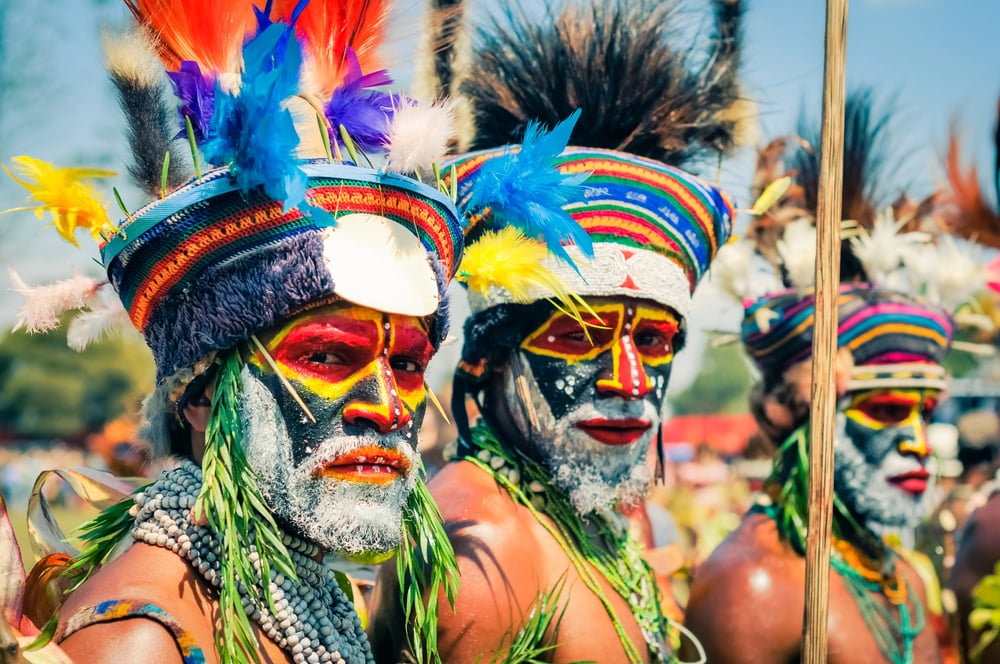
Rising peaks and tangled jungles shape how tech moves – or doesn’t move – through Papua New Guinea. Hundreds of tribes speak different tongues, scattered across land that climbs steep then drops into sea.
Getting equipment to these places? That means flying it in or floating it there, since paths between villages simply do not exist. When wires cannot stretch from place to place, communication stays broken.
Power flickers even where government buildings stand. Life in remote spots looks much like it did long before machines arrived – not due to preference but because terrain blocks progress at every turn.
North Korea
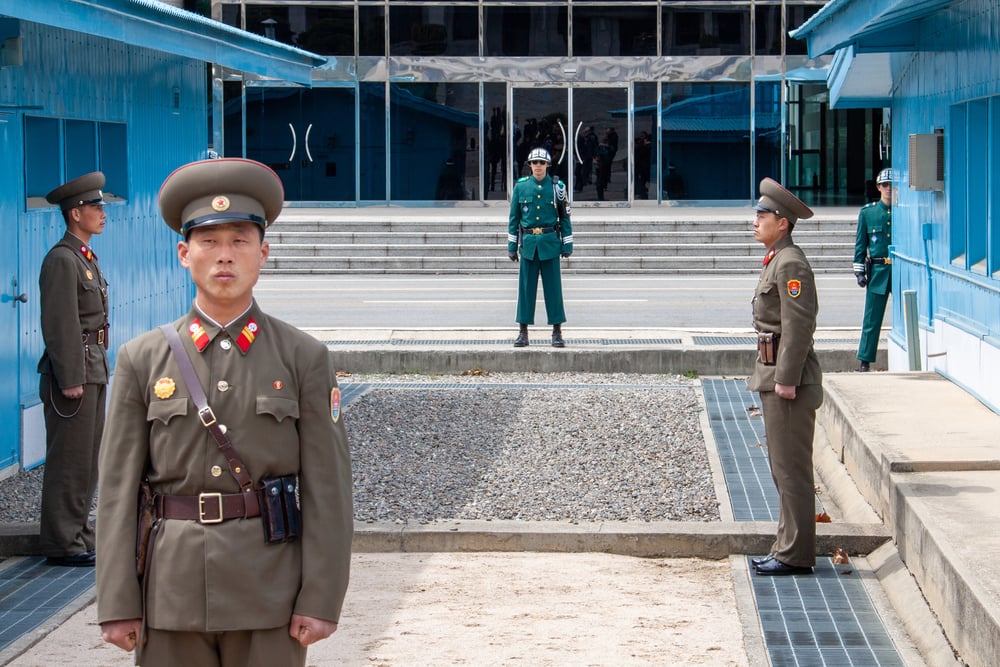
A strange silence hangs over North Korea’s tech landscape. Military forces wield surprising skill in cyber attacks, yet daily life feels frozen decades behind.
Internet access? Reserved strictly for a select few loyalists near the top. Most people navigate a tightly sealed network – dozens of pages repeating state-approved messages.
Connection here means isolation dressed as information. Out there, phones work just fine – yet they hit a wall when reaching for worldwide tools or data.
Not money holds things back, nor broken wires underground; it’s who decides what gets through. Access bends not by lack of means, but by grip at the top.
Where technology meets tomorrow
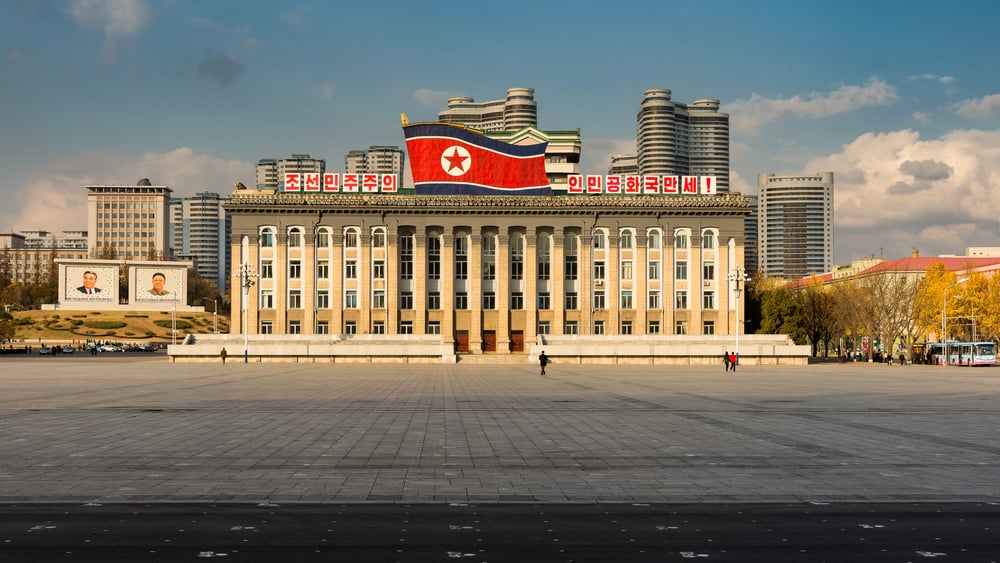
Smart minds exist everywhere, yet some places stay far from tech progress. Money helps, but won’t erase deep-rooted problems overnight.
Conflict tears systems apart. Mountains isolate communities. Weak leadership eats trust. Poor infrastructure holds back growth – again and again.
While others race into AI and super-fast computers, basic internet remains out of reach for many. Left unaddressed, this divide shapes lives: access fades, jobs vanish, voices disappear. Progress skips those stuck at the starting line.
More from Go2Tutors!

- The Romanov Crown Jewels and Their Tragic Fate
- 13 Historical Mysteries That Science Still Can’t Solve
- Famous Hoaxes That Fooled the World for Years
- 15 Child Stars with Tragic Adult Lives
- 16 Famous Jewelry Pieces in History
Like Go2Tutors’s content? Follow us on MSN.



