19 Deep-Sea Creatures That Look Like They Belong on Another Planet
The ocean depths remain one of Earth’s final frontiers, with less than 20% of our seas fully explored. Hidden in the crushing pressure and eternal darkness of the deep ocean lives an array of creatures so bizarre that they seem more like alien visitors than Earthly residents. The extreme conditions of these watery depths have driven evolution to create solutions that appear utterly otherworldly to our surface-dwelling eyes.
Here is a list of 20 deep-sea creatures whose extraordinary appearances would make them perfect candidates for a sci-fi movie set on a distant exoplanet. These animals demonstrate how the most extreme environments on our own planet can produce life forms that defy imagination.
Blobfish

The blobfish appears gelatinous and melted at the surface but is perfectly adapted to depths of 3,000 feet. Its body consists primarily of a jelly-like substance slightly less dense than water, allowing it to float above the seafloor with minimal effort.
In its natural habitat under intense pressure, it actually looks much more like a conventional fish than the droopy mess we usually see in photographs.
Giant Isopod
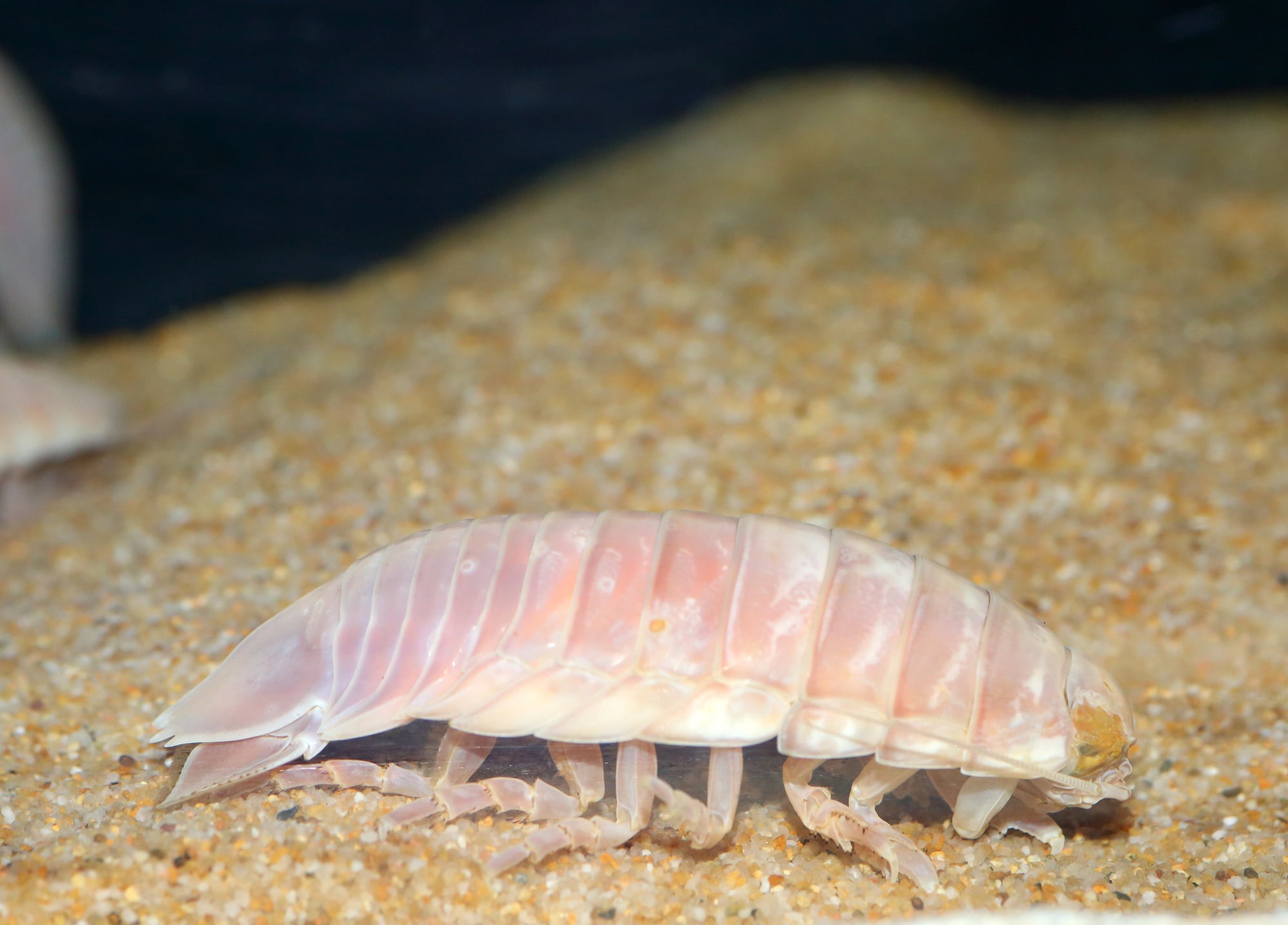
These massive crustaceans resemble prehistoric pill bugs the size of footballs. They can grow up to 16 inches long and survive for years between meals in the food-scarce deep ocean.
Their segmented exoskeletons and multiple legs give them an appearance straight out of a monster movie, though they’re actually distant relatives of the small roly-polies found in your garden.
Vampire Squid

Despite its ominous name, this ancient creature feeds primarily on marine snow and small particles. When threatened, it can turn itself inside out, wrapping its arms around its body covered in spiky projections.
The vampire squid’s large red eyes and webbed arms create an eerie silhouette as it drifts through waters where sunlight never reaches.
Frilled Shark
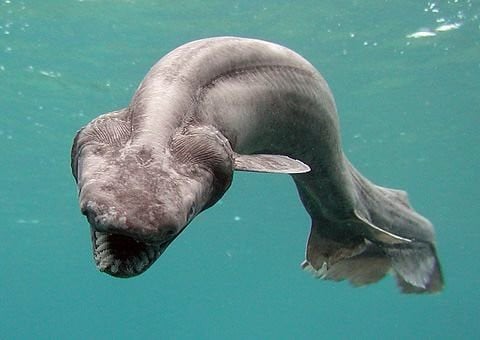
This living fossil has remained largely unchanged for 80 million years, resembling something from prehistoric times. Its snake-like body can grow up to 6 feet long, with 300 needle-shaped teeth arranged in 25 rows.
The frilled shark moves with an undulating motion more similar to an eel than typical shark swimming patterns, adding to its alien appearance.
Barreleye Fish
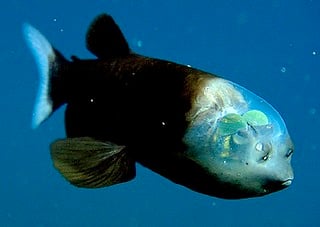
These astonishing fish have transparent heads filled with fluid, allowing their tubular eyes to rotate upward. Their specialized eyes can collect even the faintest bioluminescent signals from prey swimming above them.
The barreleye’s internal anatomy is clearly visible through its see-through dome, creating the impression of a living submarine with a glass cockpit.
Goblin Shark
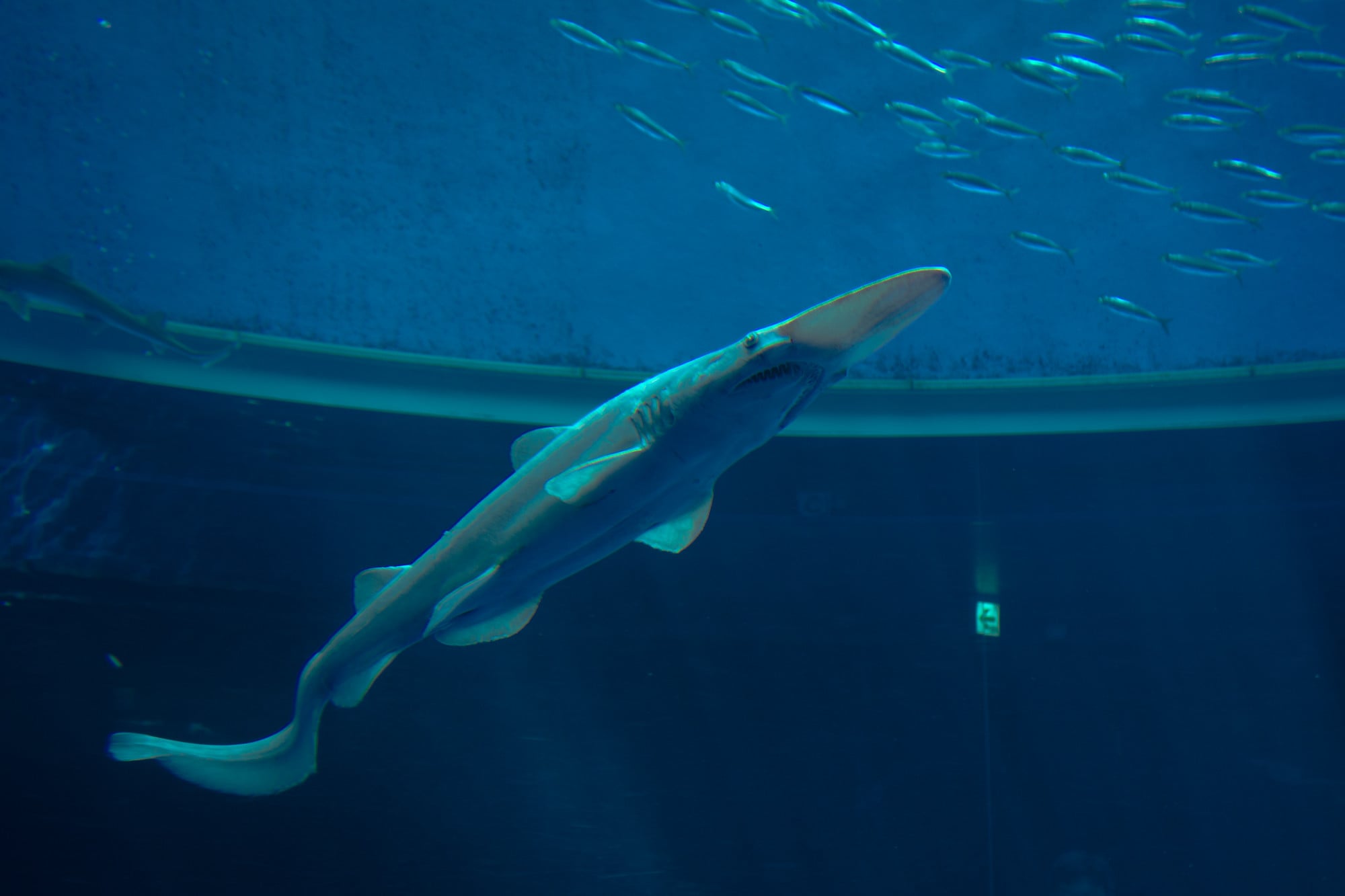
With an extendable jaw that shoots forward to capture prey, the goblin shark looks like something from a nightmare. Its long, flattened snout houses special sensory organs that detect electric fields produced by other animals.
The shark’s pale pink skin and nail-like teeth complete its unsettling appearance, perfectly suited to its life 4,000 feet below the surface.
Fangtooth Fish

Proportionally, these fish possess the largest teeth of any ocean creature, so large they can’t fully close their mouths. Special sockets in the roof of their mouth accommodate these massive fangs when their jaws are shut.
Despite their fearsome appearance, fangtooth fish rarely exceed 7 inches in length, making them smaller than a typical house cat.
Viperfish

These predators lure prey with elongated dorsal fin rays tipped with light-producing photophores. Their mouths contain teeth so long they curve back toward their eyes when closed.
Viperfish are among the fastest deep-sea creatures, capable of short bursts of incredible speed to ambush prey before returning to their energy-conserving hover mode.
Japanese Spider Crab

With a leg span reaching up to 12 feet, these crustaceans are the largest arthropods on Earth. Their spindly limbs and slow, deliberate movements create the impression of an alien walker stalking the seafloor.
Japanese spider crabs can live for decades, gradually increasing in size with each molting of their protective exoskeleton.
Dumbo Octopus

Named for their ear-like fins resembling the Disney elephant, these adorable cephalopods flutter through the deepest ocean regions. Unlike most octopuses, they swallow prey whole rather than tearing it apart.
Dumbo octopuses live deeper than any other known octopus species, with some found nearly 23,000 feet below the surface—deeper than Mount Everest is tall.
Gulper Eel
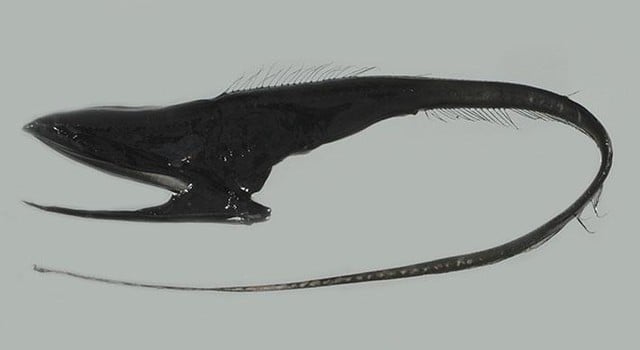
This remarkable creature can expand its mouth to swallow prey larger than itself. Its jaws unhinge like a snake’s, and its stomach can stretch enormously to accommodate large meals that may need to last for months.
The gulper eel’s tiny tail light blinks to attract curious prey toward its massive mouth in the lightless depths.
Hatchetfish
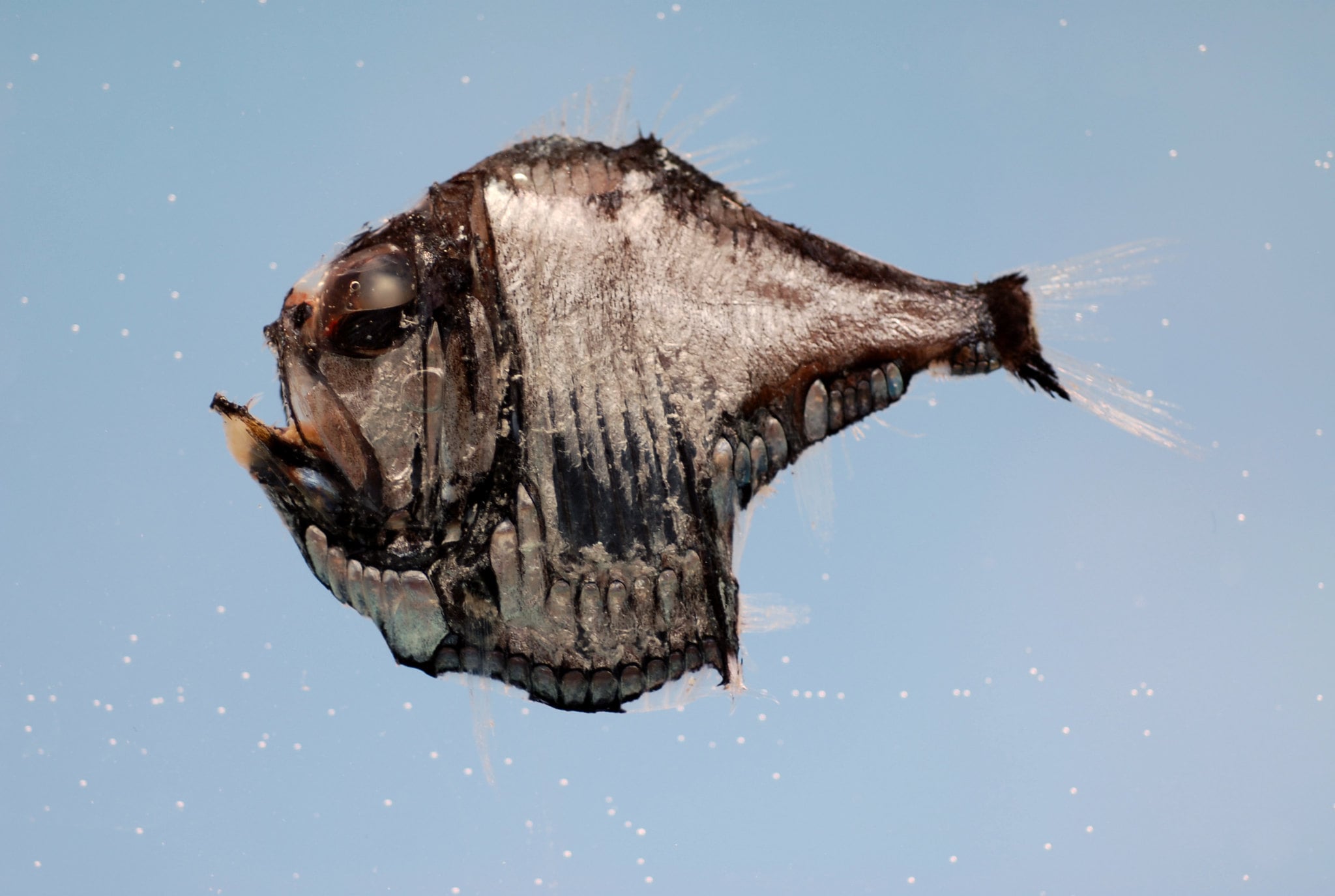
These small, compressed fish have tubular eyes that point upward to detect prey silhouettes against the faint light from above. Their bodies are lined with light-producing organs that match the exact color and intensity of downwelling light, creating perfect camouflage.
This counter-illumination makes them virtually invisible from below, an adaptation called bioluminescent crypsis.
Coffinfish
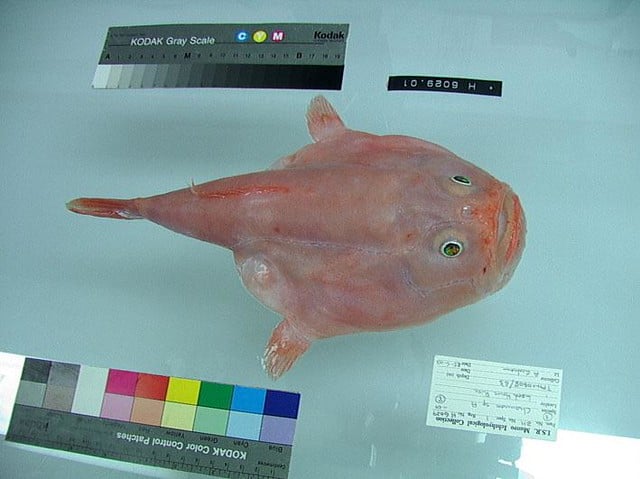
These ambush predators use arm-like fins to walk along the seafloor hunting for small crustaceans. When threatened, they can inflate their bodies with water to appear larger and more intimidating to potential predators.
The coffinfish’s red coloration appears black in the deep ocean, where red light cannot penetrate, making them nearly invisible to nearby creatures.
Anglerfish

Famous for the bioluminescent lure dangling from their foreheads, female anglerfish are significantly larger than males. In some species, the tiny male permanently attaches to the female’s body, essentially becoming a source of reproductive material.
Their huge heads, needle-like teeth, and expandable stomachs allow them to consume prey twice their size in a single gulp.
Chimaera
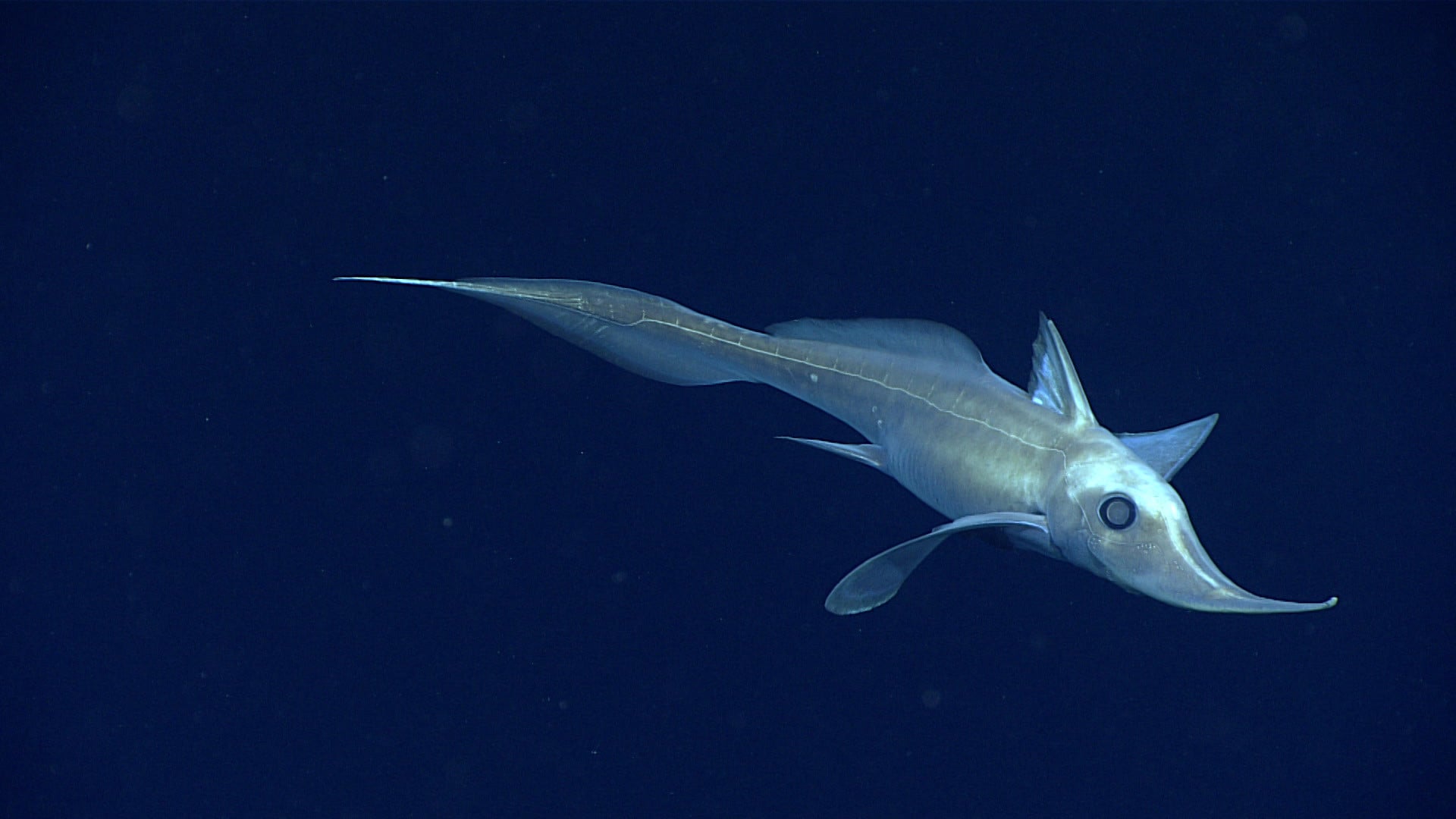
Also known as ghost sharks or ratfish, these cartilaginous fish have been swimming the oceans for 300 million years. Their bodies taper into long, rat-like tails, and their heads house strange sensing organs not found in other fish species.
Their eerie, ghost-like appearance and ancient lineage make them seem like visitors from another time.
Giant Squid

These legendary creatures can reach lengths of over 40 feet and possess the largest eyes in the animal kingdom—up to 10 inches across. Their massive eyes collect what little light exists in the twilight zone of the ocean, giving them crucial advantages in hunting.
Only recently captured on film in their natural habitat, giant squids were the inspiration for countless maritime legends.
Sea Pig
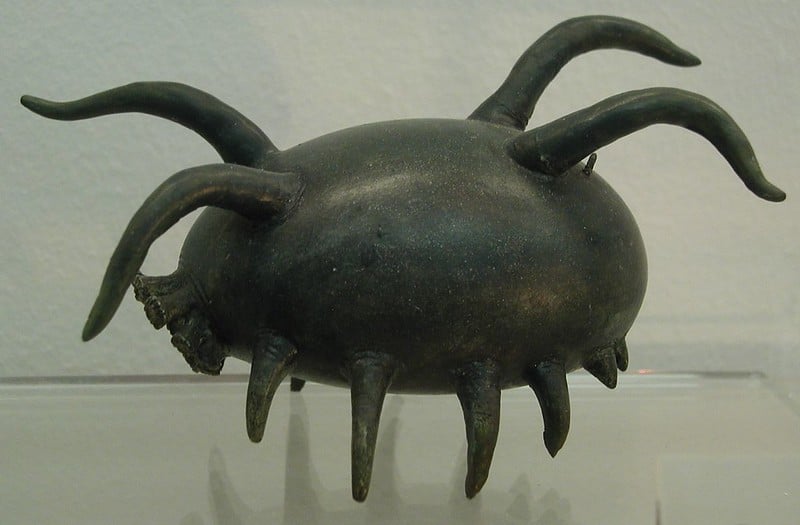
These unusual sea cucumbers travel in large herds across the abyssal plain, walking on specialized tube feet. Their plump, pink bodies and multiple leg-like appendages give them a porcine appearance that inspired their common name.
Sea pigs are among the most abundant animals on the planet, yet remained unknown to science until deep-sea exploration began.
Stargazer Fish

These ambush predators bury themselves in sand with only their eyes and mouth visible. Some species can deliver electric shocks and have specialized gills that allow them to breathe while submerged in sediment.
The stargazer’s arrangement of upward-facing eyes and mouth creates the unsettling impression of a partially buried face watching from the seafloor.
Glass Squid

These transparent cephalopods can retract all their internal organs into a tiny chamber to reduce their visibility. Only their eyes cannot be hidden, appearing as floating orbs in the darkness.
Glass squids can rapidly fill their bodies with ink when threatened, instantly transforming from invisible to opaque black in the deep ocean waters.
Wonders Beneath the Waves
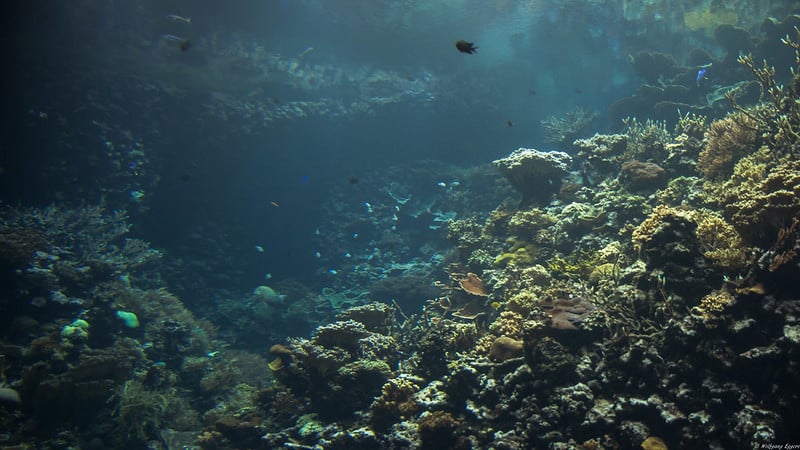
The bizarre adaptations of these deep-sea denizens remind us that Earth contains environments so extreme they might as well be alien worlds. While humans look to the stars for extraterrestrial life, some of the strangest creatures imaginable already exist in our own oceans.
The next time you gaze at the sea, remember that beneath its seemingly ordinary surface lurks a realm populated by beings that would make science fiction writers jealous of nature’s imagination.
More from Go2Tutors!

- The Romanov Crown Jewels and Their Tragic Fate
- 13 Historical Mysteries That Science Still Can’t Solve
- Famous Hoaxes That Fooled the World for Years
- 15 Child Stars with Tragic Adult Lives
- 16 Famous Jewelry Pieces in History
Like Go2Tutors’s content? Follow us on MSN.



