19 Facts About the History of Aviation
Floating above the world lit up imaginations long ago. Tales from old times pictured gods riding air currents, while today’s airplanes dart between countries faster than a day lasts.
That climb into a thin atmosphere packed wild breakthroughs, people who refused limits, gadgets nobody believed possible until they flew. Peek into a few standout moments from flying’s wild journey.
Flying Dreams Didn’t Belong Just to the Wright Brothers
It was Orville and Wilbur Wright who took the spotlight for creating the airplane – fair enough. Yet they weren’t alone in the race.
Elsewhere, during those very years, tinkerers worldwide tinkered with winged frames, fiddled with motors, and chased steady lift. One of them, Samuel Langley, known well in academic circles, made a bid for flight mere days prior to the brothers’ win near Kitty Hawk.
A crash in the Potomac marked how badly his effort fell apart. Control mattered more than raw power – that’s what made the Wright brothers’ flight work.
The First Flight Lasted Only 12 Seconds

That morning in December 1903 changed everything near Kitty Hawk. Orville took off without warning, moving only 120 feet down the sand.
Twelve seconds passed – less time than it takes to cross a small yard. Still, those moments shattered old beliefs about machines and air.
Later, after returning again and again, they flew farther each try. One run stretched nearly a full minute, reaching beyond eight hundred feet.
Early Pilots Had No Instruments to Guide Them
Flying blind, really – no dials telling speed, height, or direction. Early pilots had nothing like that at all.
Wind against the skin gave clues, so did rivers or roads seen through the cockpit glass. A lone figure over the ocean in 1927 trusted mostly gut sense.
Instruments? Hardly any during Lindbergh’s trip. Out of nowhere, he pulled out a periscope since the fuel tank got in the way up front.
Back in those days, flying meant white-knuckle focus mixed with constant guessing.
Flying Letters Took Off Long Before People Did
Back in 1918, the U.S. Post Office started scheduled airmail flights – long before airlines carried passengers regularly. Through rain, snow, or darkness, pilots pushed forward in rickety biplanes with no cockpit cover.
Because lights were missing and guidance systems nonexistent, flying after sunset turned risky. Tragically, out of forty pioneers, thirty-one lost their lives mid-flight.
Yet even with such loss, success came slowly; proof emerged that planes could serve real needs.
The First Flight Attendant Was a Registered Nurse
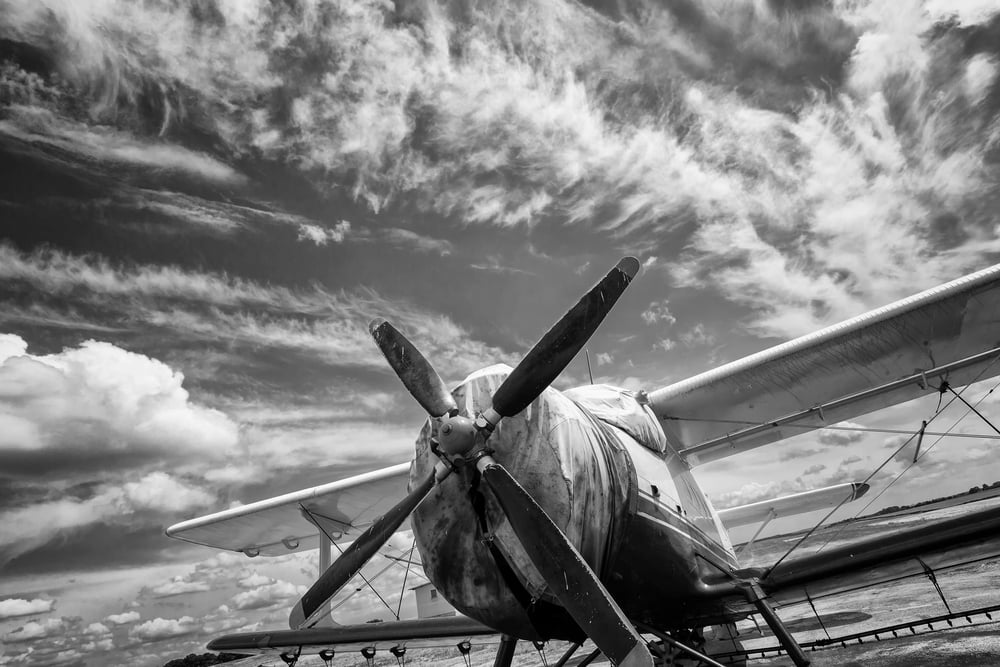
Back in 1930, Ellen Church stepped into history as the planet’s first flight attendant. A trained nurse, she brought medical skills not by chance but by design.
Boeing Air Transport brought her on board believing a healthcare presence would calm anxious travelers. Instead of doubting her strength, she proved women fit for duties like hauling bags and handing out food trays.
Because of her effort, countless women later found their way into airplane cabins as crew members.
Amelia Earhart Set Records That Inspired Generations
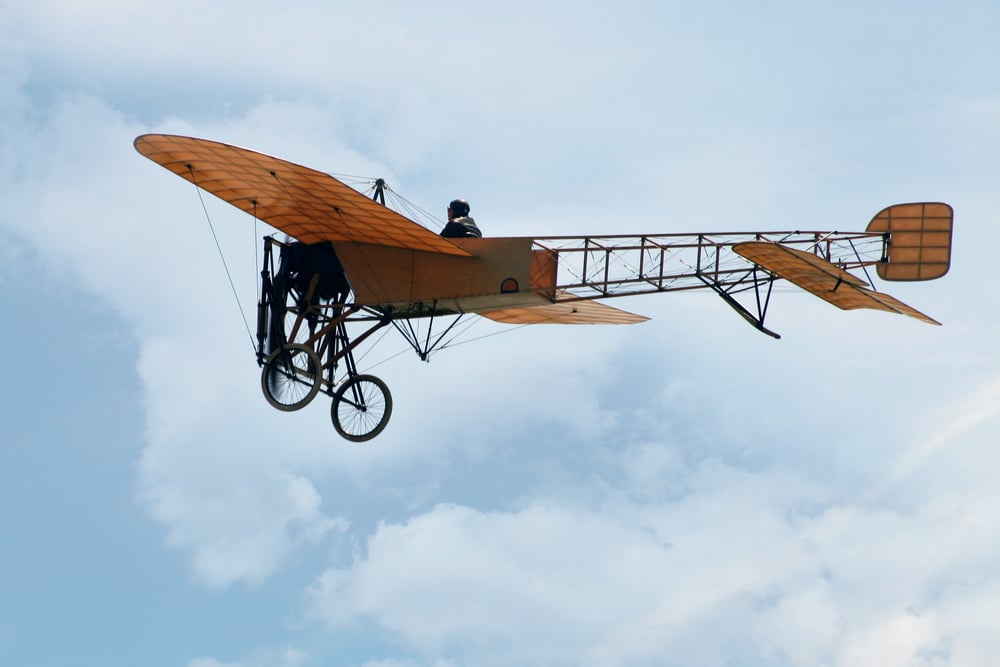
Amelia Earhart became the first woman to fly solo across the Atlantic Ocean in 1932. She completed the journey in about 15 hours, battling mechanical problems and icy conditions along the way.
Her courage and determination made her an international icon. Earhart set numerous other records and used her fame to advocate for women in aviation.
Her mysterious disappearance in 1937 during an attempted around-the-world flight remains one of history’s greatest unsolved mysteries.
World War I Turned Planes Into Weapons

When World War I began in 1914, airplanes were still new and fragile. Initially, pilots from opposing sides would wave at each other in the sky.
That friendly phase didn’t last long. Soon, planes were equipped with machine guns and used for reconnaissance, bombing, and combat.
The war accelerated aviation technology dramatically. Fighter aces like the Red Baron became legends, and by the war’s end, airplanes had proven their military value.
The Sound Barrier Was Once Thought to Be a Limit

For decades, many scientists believed that airplanes could never fly faster than the speed of sound. They called it the sound barrier, and some thought it was a physical wall that would destroy any aircraft attempting to break through.
Chuck Yeager proved them wrong on October 14, 1947, when he piloted the Bell X-1 past Mach 1. The plane didn’t explode.
Instead, it opened up a new era of supersonic flight.
Commercial Jet Travel Began in the 1950s

The de Havilland Comet became the world’s first commercial jet airliner in 1952. Passengers loved the smooth, fast flights compared to propeller-driven aircraft.
However, the Comet suffered from fatal crashes caused by metal fatigue, which grounded the fleet. Boeing learned from these problems and launched the 707 in 1958, which became hugely popular.
Jet travel made the world smaller, turning long overseas trips into routine journeys.
The Boeing 747 Changed How We Travel

When the Boeing 747 first flew in 1969, it was a giant compared to other planes. This jumbo jet could carry more than 400 passengers, which made air travel more affordable for regular people.
Airlines could offer cheaper tickets because they were spreading costs across more seats. The 747’s distinctive hump made it instantly recognizable.
For decades, it was the queen of the skies and a symbol of the jet age.
The Concorde Flew Faster Than a Speeding Rifle
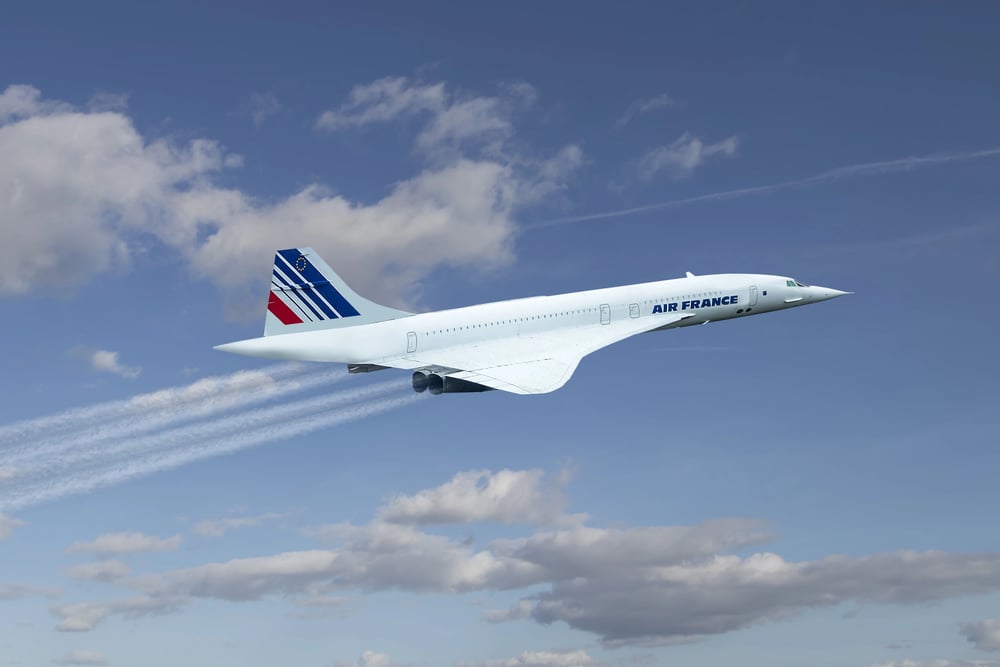
The Concorde was a supersonic passenger jet that could cruise at over 1,350 miles per hour. That’s more than twice the speed of sound and faster than a rifle round.
Flying from New York to London took just over three hours instead of the usual seven or eight. Only the wealthy could afford tickets, which cost thousands of dollars.
The Concorde was retired in 2003 due to high operating costs and a fatal crash in 2000, but it remains the pinnacle of speed in commercial aviation.
The Autopilot System Came From an Unexpected Source

Lawrence Sperry invented the first practical autopilot in 1912. His father had already invented the gyroscope, which made the device possible.
During a demonstration in Paris in 1914, Sperry flew his plane hands-free while his mechanic walked out on the wing to prove the autopilot was working. Today’s autopilot systems are far more advanced, but the basic principle remains the same.
They’ve made flying safer and less exhausting for pilots on long flights.
Women Pilots Faced Barriers for Decades
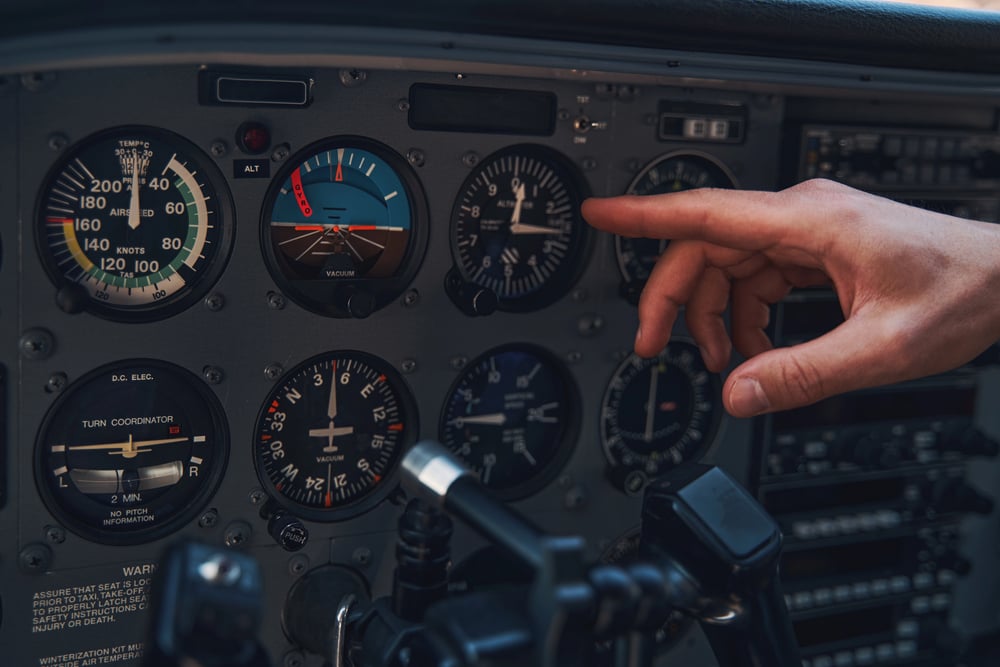
Despite pioneers like Amelia Earhart and Bessie Coleman, women struggled to gain acceptance in aviation for most of the 20th century. Commercial airlines refused to hire female pilots until the 1970s.
Emily Howell Warner became the first woman hired by a U.S. commercial airline in 1973. Even then, she faced discrimination and skepticism from male colleagues and passengers.
Today, women make up only about 5% of commercial airline pilots, showing how far aviation still has to go.
The Jet Engine Was Invented Independently in Two Countries

Frank Whittle in Britain and Hans von Ohain in Germany both developed jet engines around the same time in the 1930s. Neither knew about the other’s work.
Von Ohain’s engine powered the first jet aircraft, the Heinkel He 178, which flew in 1939. Whittle’s engine took longer to develop but became the basis for British jet aircraft during and after World War II.
Their parallel inventions revolutionized aviation and made modern air travel possible.
The Largest Plane Ever Built Is Still Flying
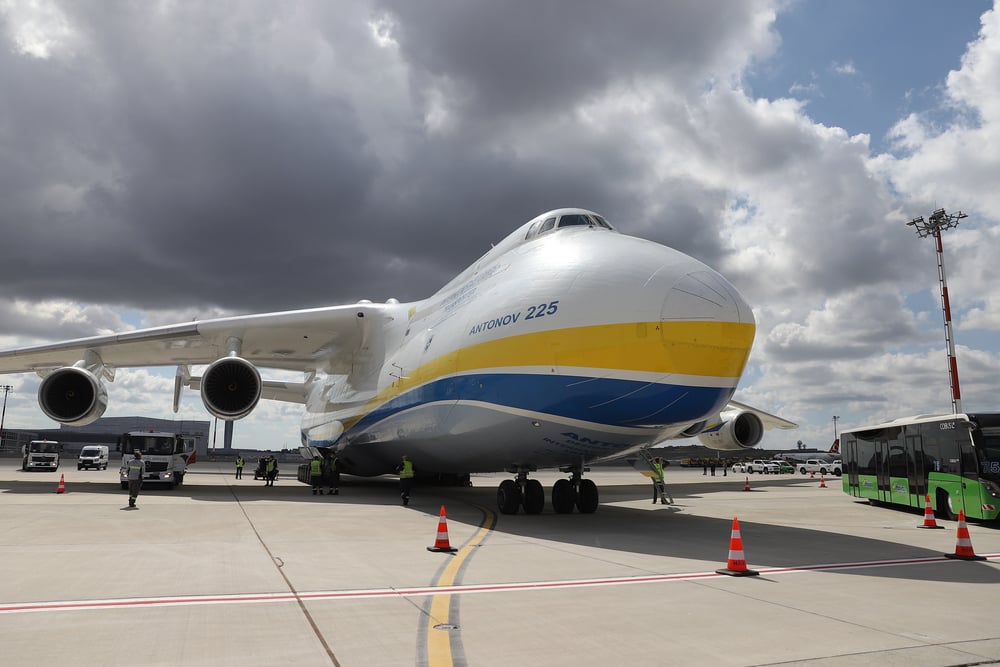
The Antonov An-225 Mriya was the biggest airplane ever constructed. It was originally built in the Soviet Union to carry space shuttles on its back.
With a wingspan longer than a football field and six engines, it could transport cargo weighing up to 250 tons. Only one was ever completed.
The plane continued flying commercial cargo missions until it was destroyed during the conflict in Ukraine in 2022. Its loss marked the end of an era in aviation history.
Helicopters Took Decades to Perfect

Leonardo da Vinci sketched designs for a helicopter-like machine in the 15th century, but practical helicopters didn’t arrive until the 1930s. The problem was stability and control.
Igor Sikorsky finally cracked the code with his VS-300 in 1939, which became the model for modern helicopters. These versatile aircraft can hover, fly backward, and land almost anywhere.
They’ve become essential for rescue missions, military operations, and transporting people in crowded cities.
The First Around-the-World Flight Took Months

In 1924, four U.S. Army pilots attempted the first aerial circumnavigation of the globe. They started with four planes but finished with only two after crashes and mechanical failures.
The journey took 175 days and covered over 27,000 miles, with the planes landing frequently for fuel and repairs. Compare that to today, when commercial flights can circle the globe in less than two days.
Their achievement proved that aviation could connect every corner of the planet.
The Blackbox Isn’t Really a Shade of Darkness

Flight recorders, commonly called devices that hold flight data, are actually painted bright orange. The name comes from early versions that were housed in dark-colored boxes.
These devices record cockpit conversations and flight data, helping investigators understand what happened during accidents. They’re built to survive extreme crashes, fires, and even deep ocean submersion.
Modern versions can transmit data in real time, making them even more valuable for safety.
Drones Started As Military Tools
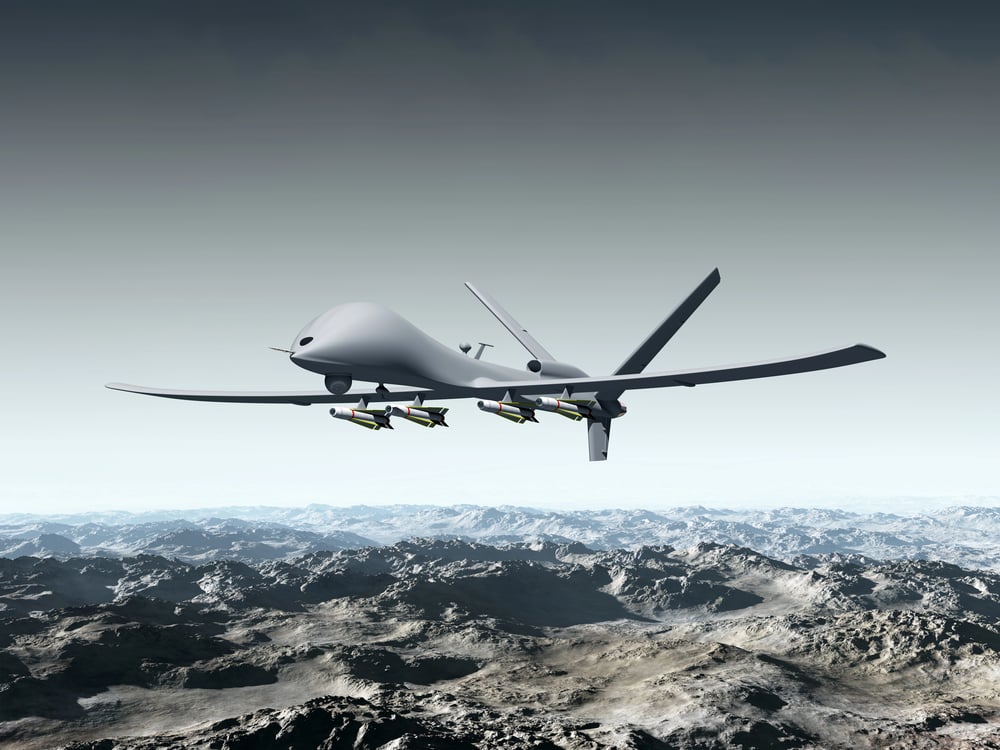
Unmanned aircraft have been around since World War I, when they were used as aerial targets for training. The technology improved dramatically during the late 20th century.
Military drones became sophisticated weapons and surveillance tools. Now, drones are everywhere, from delivering packages to filming movies and inspecting power lines.
What started as a military experiment has become a technology that’s reshaping industries and everyday life.
From Canvas Wings to Supersonic Jets
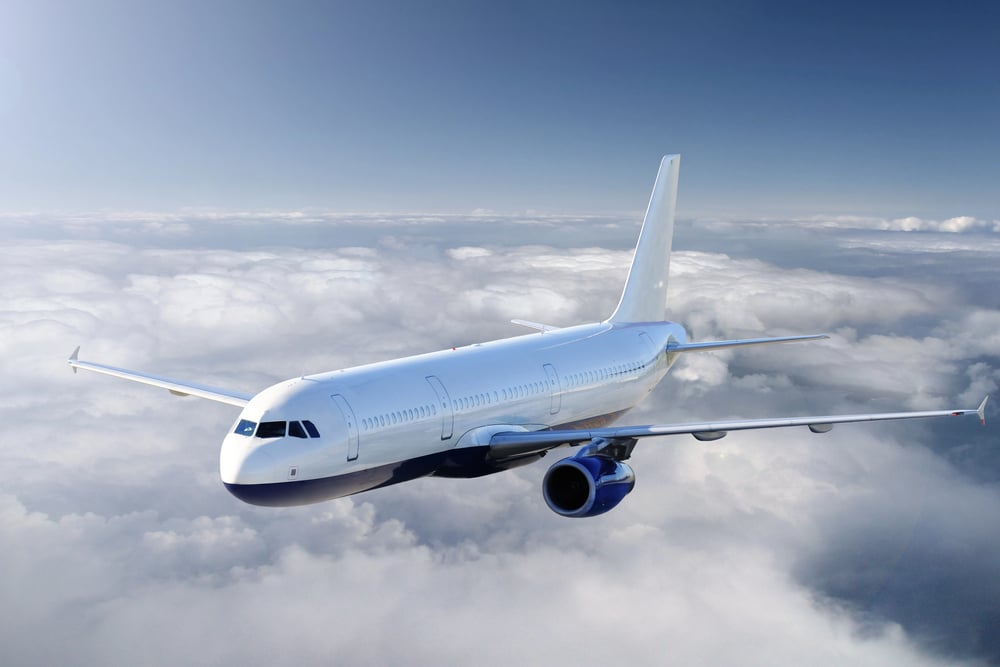
Aviation has come an incredibly long way in just over a century. The Wright brothers’ fragile wooden plane with fabric wings led to supersonic jets, massive cargo haulers, and spacecraft.
Today, companies are working on electric planes, autonomous aircraft, and even flying cars. The sky isn’t the limit anymore.
Every generation of aviators and engineers has pushed boundaries that previous generations thought were impossible, and that spirit of innovation shows no signs of slowing down.
More from Go2Tutors!

- The Romanov Crown Jewels and Their Tragic Fate
- 13 Historical Mysteries That Science Still Can’t Solve
- Famous Hoaxes That Fooled the World for Years
- 15 Child Stars with Tragic Adult Lives
- 16 Famous Jewelry Pieces in History
Like Go2Tutors’s content? Follow us on MSN.