Valuable Pokémon Cards Ever Collected
The cardboard rectangles tucked away in childhood bedrooms have quietly transformed into some of the most coveted collectibles on the planet. What started as simple trading cards bundled with stale gum has evolved into a market where individual cards sell for more than luxury cars, and sometimes even houses.
The Pokémon trading card phenomenon has created a collecting culture that spans generations, with cards from the late 1990s now commanding prices that would make art auction houses take notice.
Base Set Shadowless Charizard
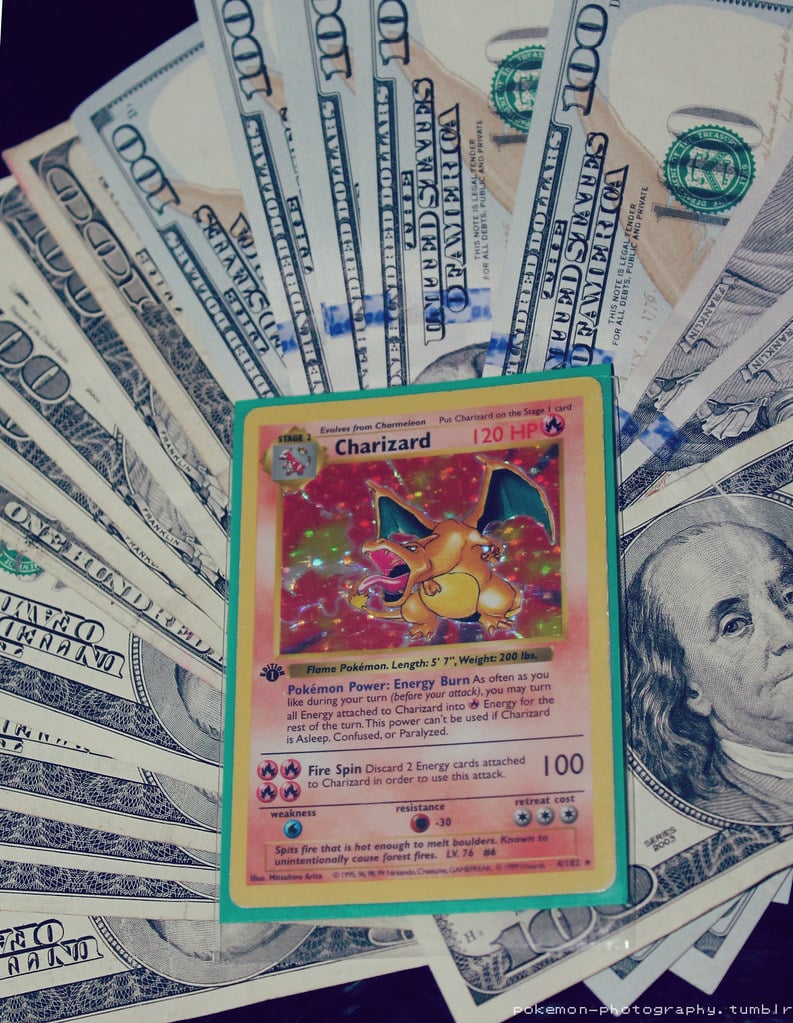
This card doesn’t need an introduction among collectors. The 1998 Base Set Shadowless Charizard represents the holy grail of Pokémon collecting, and for good reason.
The flame-breathing dragon captured imaginations when the franchise first exploded in Western markets.
A PSA Grade 10 version of this card sold for $420,000 in 2022. That price tag reflects more than rarity — it represents pure childhood nostalgia crystallized into cardboard form.
Trophy Pikachu No. 3 Trainer
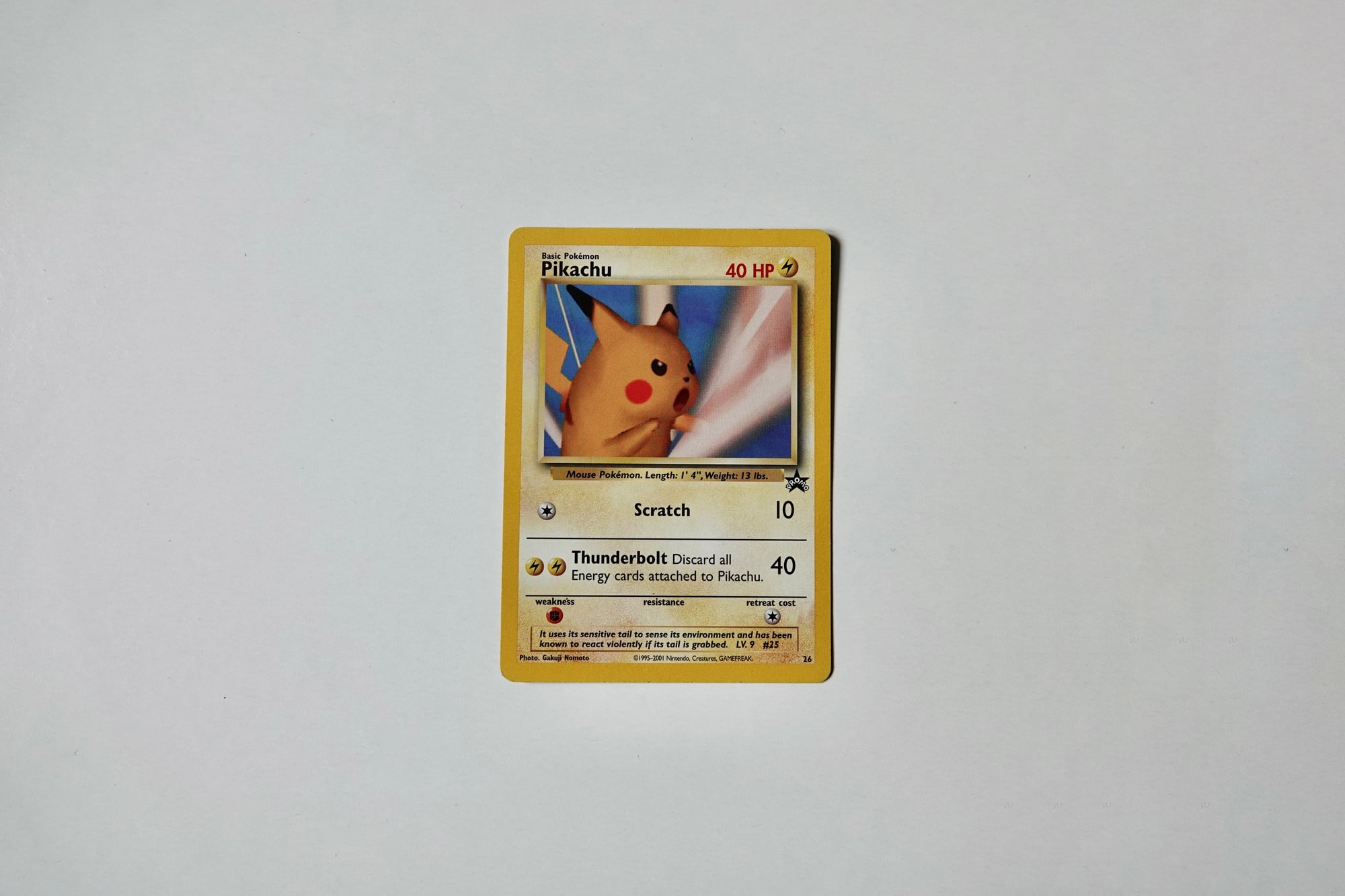
Tournament prizes from the earliest days of organized Pokémon play carry weight that goes beyond normal collectibility. The Trophy Pikachu No. 3 Trainer card was awarded to third-place finishers in the first official Pokémon tournament held in Japan in 1998.
The card’s significance lies in its historical importance (these were literally the first Pokémon tournament prizes ever created), its extreme rarity (only a handful were distributed), and the fact that it features Pikachu in a unique pose that never appeared on any other card.
So when one surfaces at auction, collectors who have been waiting decades for the opportunity don’t hesitate to bid aggressively — which explains why pristine examples have sold for over $300,000.
Illustrator Pikachu
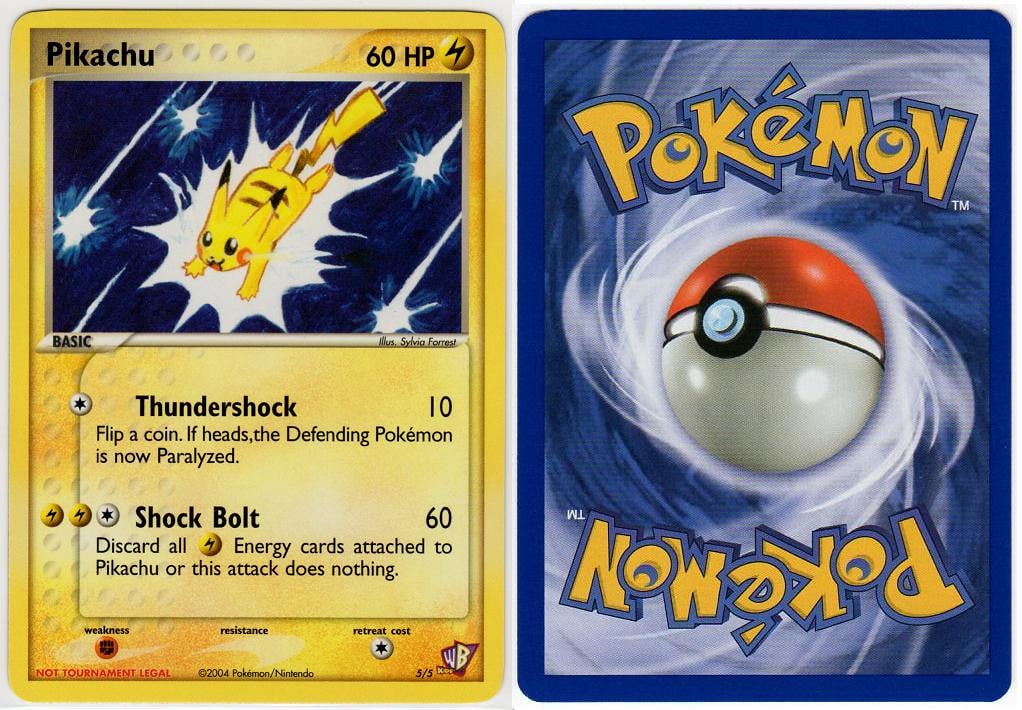
Imagine a card so rare that most collectors have never seen one in person, where the mere mention of its name can shift the energy in a room full of serious enthusiasts. The 1998 Illustrator Pikachu occupies that mythical space in the collecting world — a card that exists more in legend than in anyone’s actual collection.
Only about 40 copies were ever distributed, awarded to winners of a Pokémon illustration contest in Japan.
The card features Pikachu holding a paintbrush, surrounded by art supplies, a scene so charming it feels almost cruel that so few people will ever own it. And yet that scarcity has transformed what could have been a simple promotional piece into something approaching fine art in terms of value and reverence.
The gap between knowing this card exists and actually holding one feels insurmountable for most collectors.
Base Set 1st Edition Blastoise
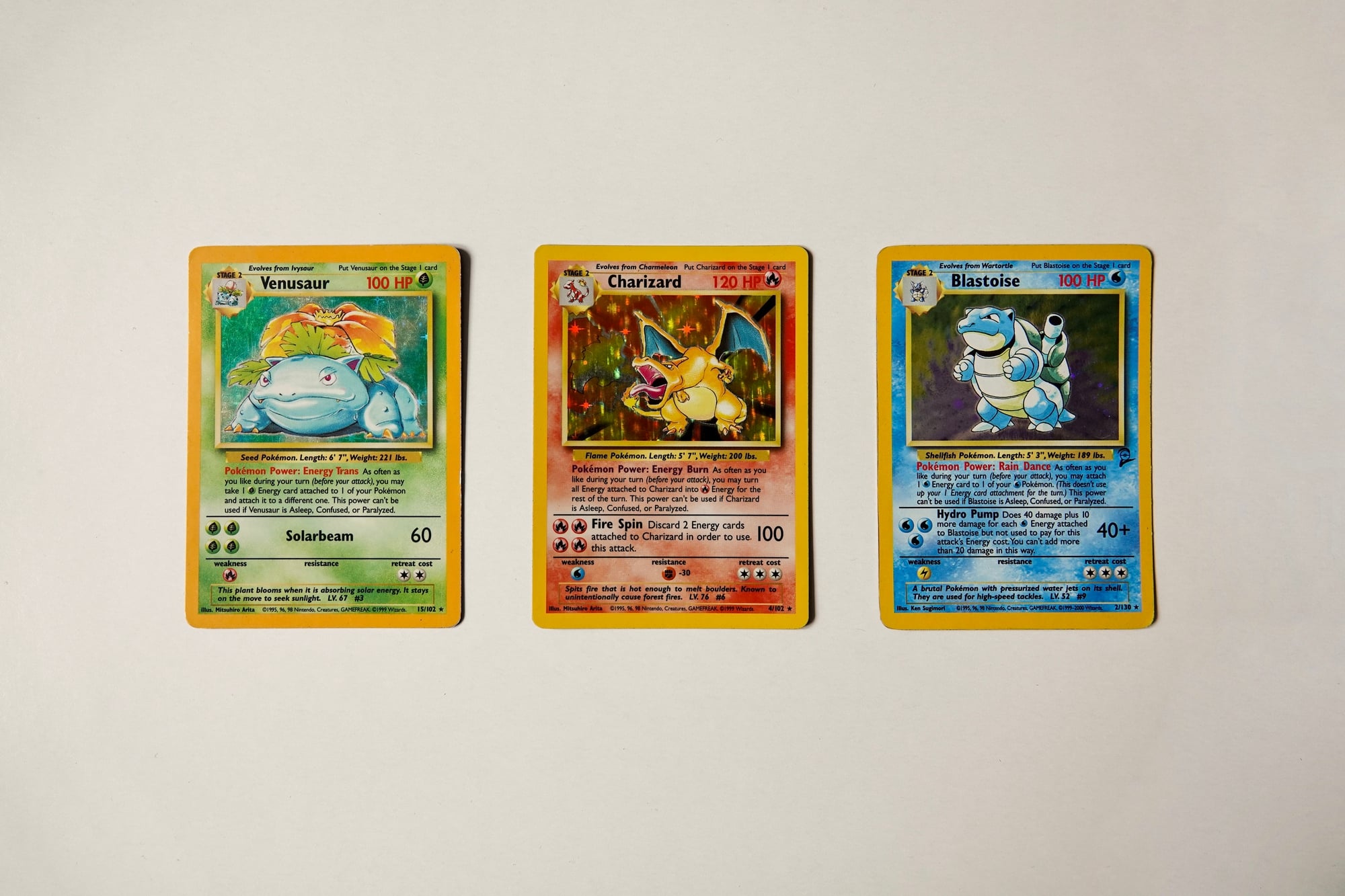
First edition Base Set cards command respect across the board. Blastoise earned its place through sheer popularity and the fact that water-type Pokémon have always maintained a dedicated following among collectors.
The turtle’s dual water cannons and confident stance made it an instant favorite when the cards first launched.
High-grade examples regularly sell for $15,000 to $25,000, though exceptional specimens have pushed well beyond that range.
Trophy Pikachu No. 2 Trainer
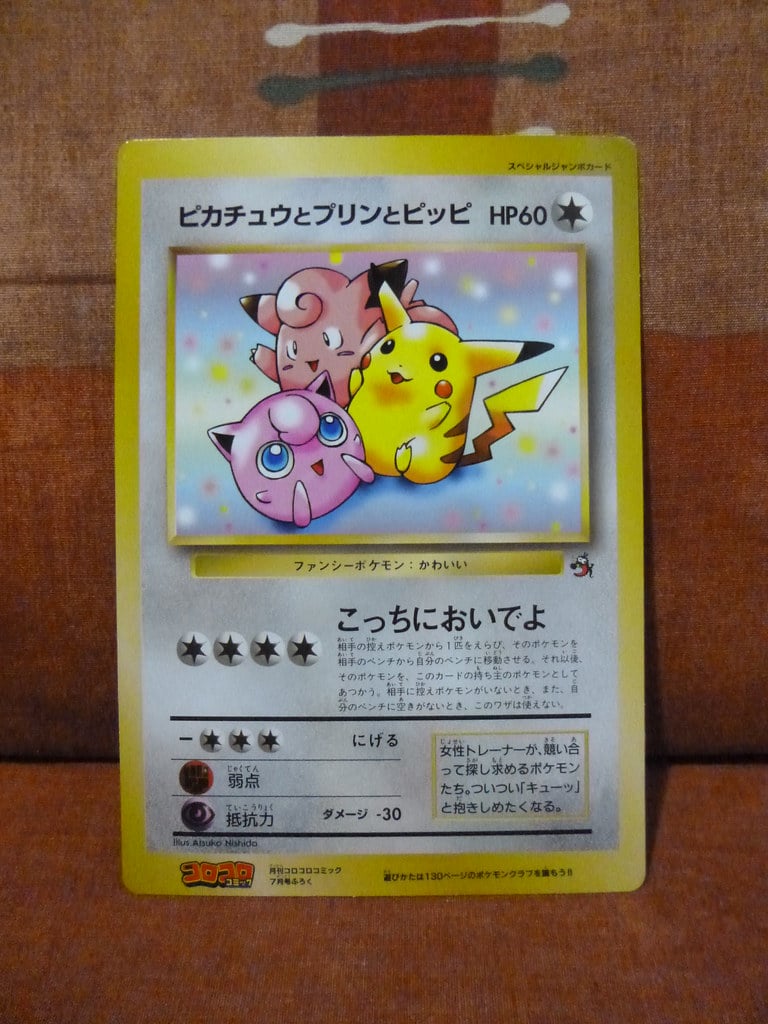
Second place finishers in that inaugural 1998 Japanese tournament received their own version of the Trophy Pikachu, and the card’s value reflects its position in Pokémon history. The artwork shows Pikachu in a different pose from the third-place version, creating distinct variations that collectors pursue separately.
But what makes these tournament cards particularly fascinating is how they represent a moment when Pokémon was transitioning from a Japanese phenomenon to a global obsession — and the people who earned these cards were literally among the first competitive players in the franchise’s history.
The card exists at the intersection of gaming achievement and cultural milestone, which explains why collectors treat it with such reverence (and why prices for mint examples hover around $200,000 to $250,000).
Master’s Key
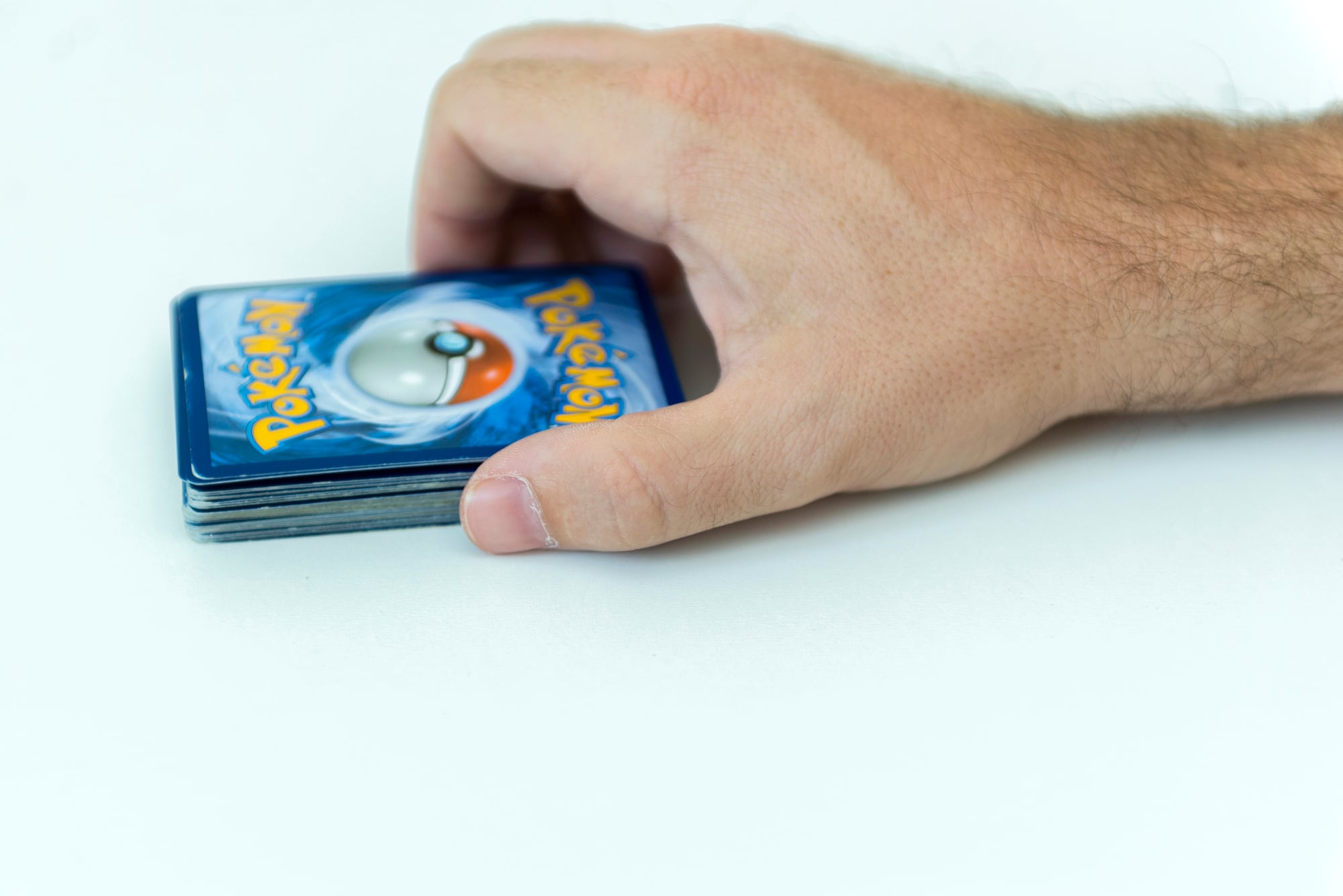
Like finding a key to a door that no longer exists, the Master’s Key card occupies a peculiar place in Pokémon lore. This promotional card was created for internal use at Pokémon tournaments, serving as a prize for specific achievements that weren’t widely publicized.
The card’s artwork depicts an ornate golden key, simple yet elegant in its design.
What transforms this from mere tournament memorabilia into something approaching treasure is how few people understood its significance when it was first distributed. Most recipients had no idea they were holding what would become one of the most sought-after cards in the hobby.
The irony cuts deep — a key that unlocks nothing but memories, now worth more than most people’s cars.
Base Set 1st Edition Venusaur
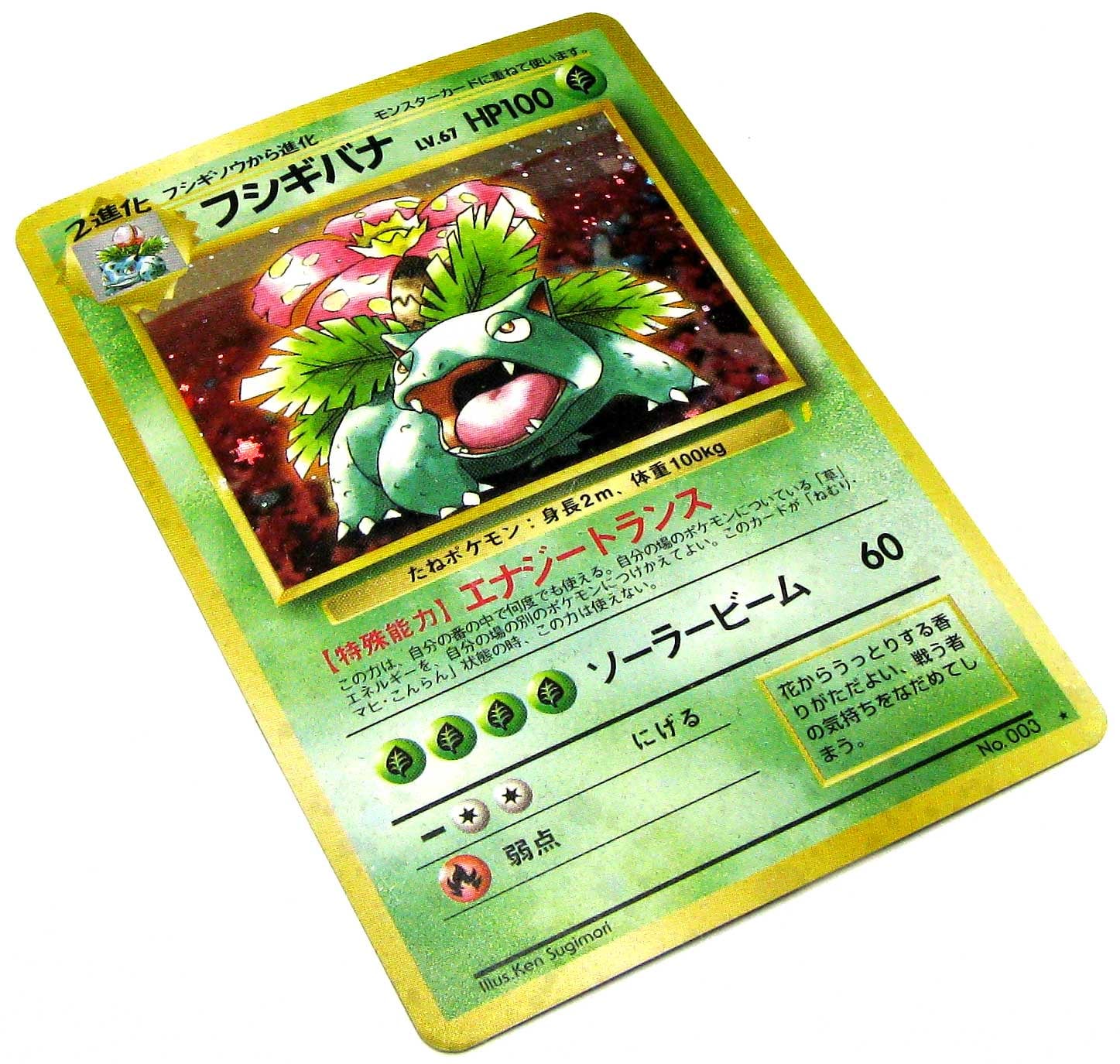
The grass-type starter Pokémon completes the holy trinity of original starters that dominated playgrounds in the late 1990s. Venusaur never achieved quite the same iconic status as Charizard, but that’s exactly what makes it appealing to serious collectors.
The card represents value without the inflated hype.
Clean examples sell for $8,000 to $15,000, making it accessible compared to its fire-type counterpart while still maintaining serious collector credibility.
Trophy Pikachu No. 1 Trainer
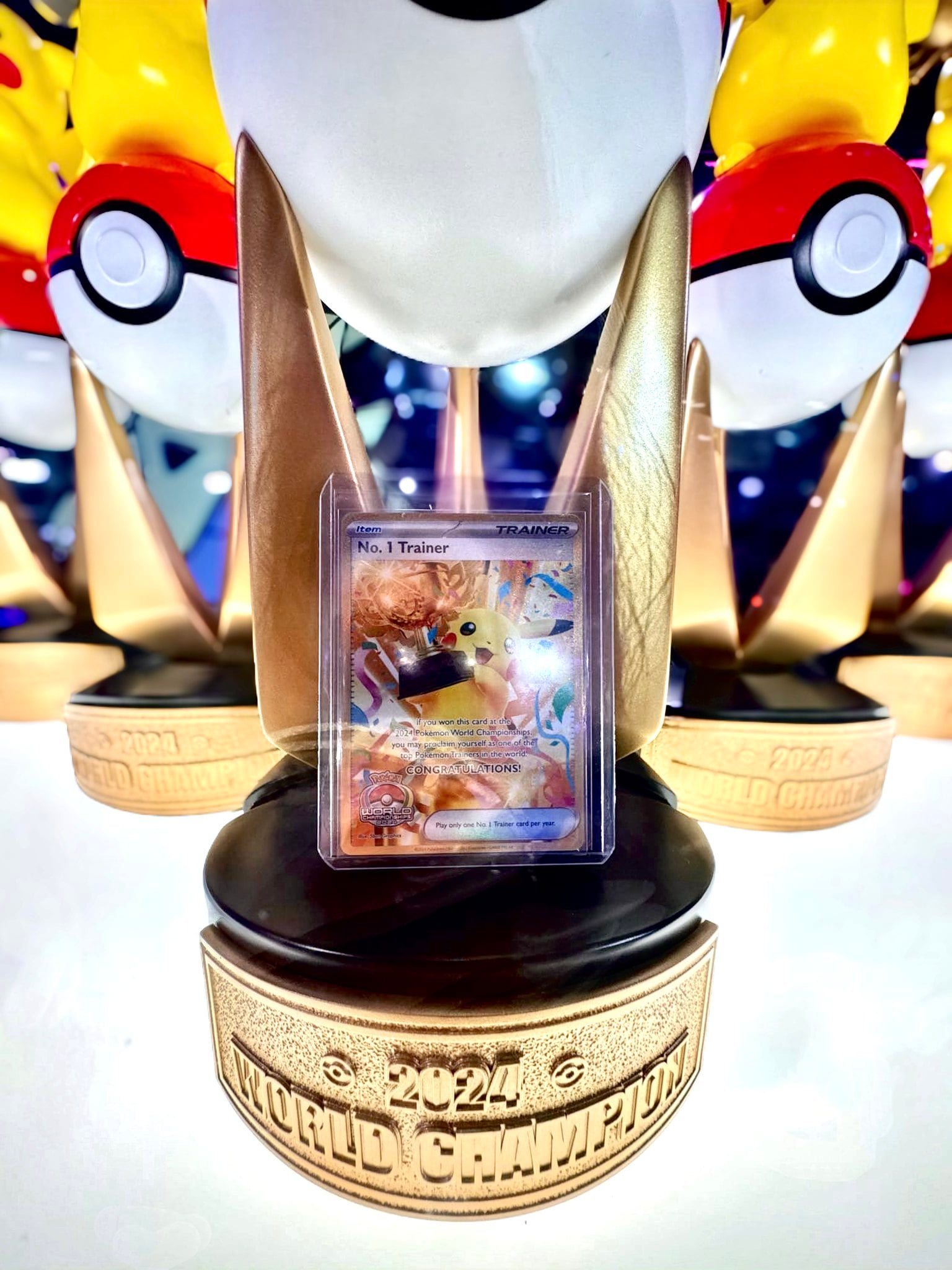
First place in the original Japanese tournament earned players the rarest version of the Trophy Pikachu series, and the market has responded accordingly. The card’s artwork shows Pikachu in a triumphant pose, befitting its status as the ultimate prize from that historic event.
Only a handful of these cards exist in pristine condition.
The Trophy Pikachu No. 1 Trainer has sold for around $3 million in recent auctions, though these prices vary considerably depending on condition and provenance. The $5.25 million price mentioned in popular sources actually refers to the Pikachu Illustrator card, a different and even rarer promotional card, which holds the record for most expensive Pokémon card ever sold.
Snap Cards Contest Promo
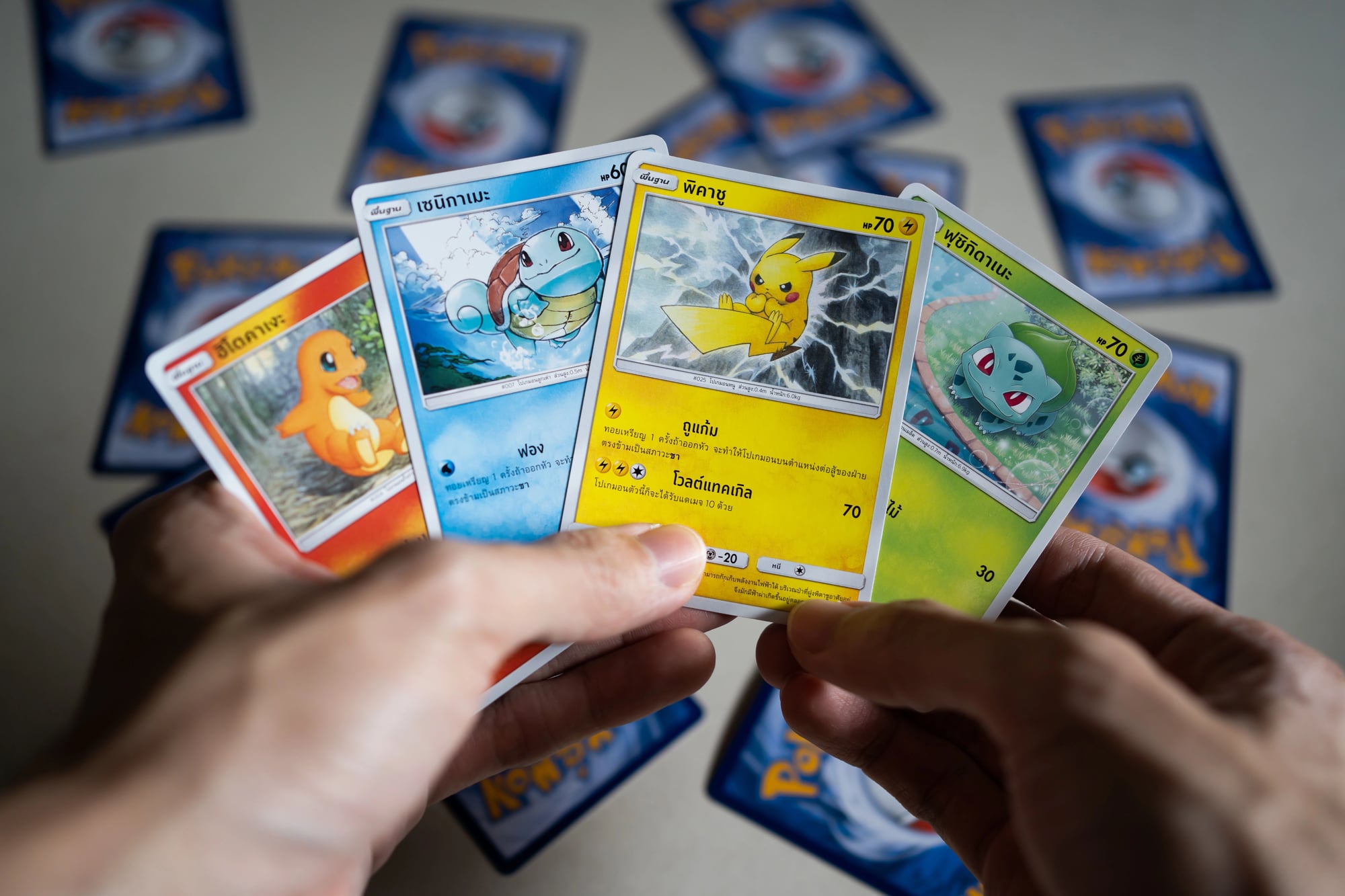
Contest prizes occupy a special category in Pokémon collecting, representing achievements that can’t be replicated or recreated decades later. The Snap Cards Contest Promo emerged from a photography contest tied to the Pokémon Snap video game, where players submitted their best in-game photos for prizes.
The winning submissions earned their creators these promotional cards, each featuring unique artwork that celebrated the intersection between the trading card game and the photography-themed video game.
The cards exist in such small numbers that most collectors have never encountered them outside of online auction listings. Their value stems from their connection to a specific moment in Pokémon’s multimedia expansion, when the franchise was experimenting with different ways to engage fans across various platforms.
Japanese Base Set No Rarity Symbol Charizard
— Photo by bisagraph.gmail.com
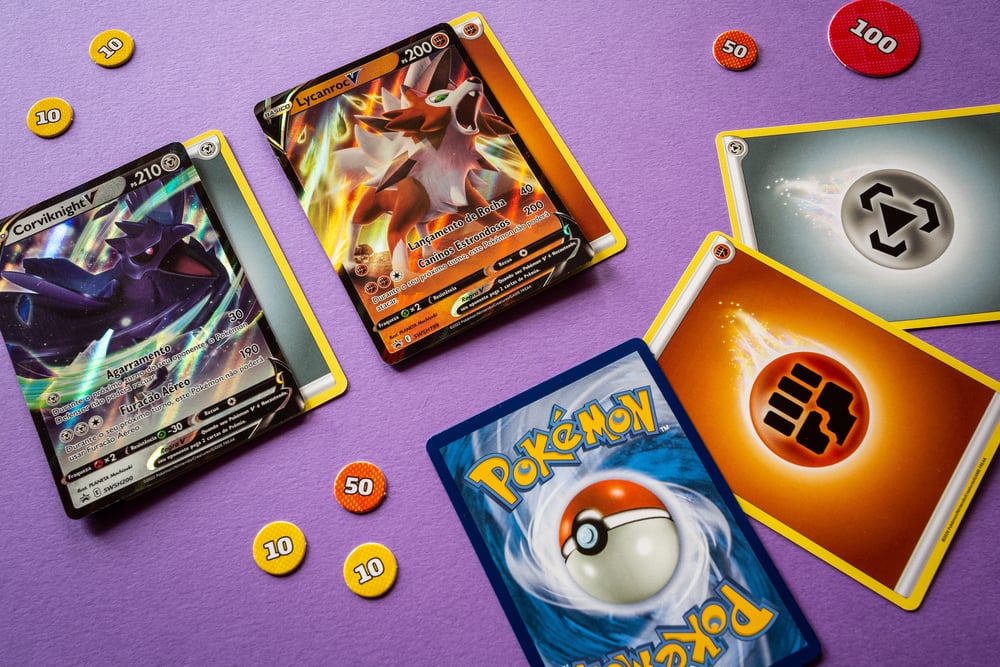
Print runs in the earliest days of Pokémon cards were inconsistent, leading to variations that collectors now prize above the standard versions. The Japanese Base Set Charizard without a rarity symbol represents one of these manufacturing quirks that has transformed into serious collectible value.
The missing symbol indicates these cards came from the very first print run, before quality control standards were fully established.
The error makes each card a snapshot of the franchise’s humble beginnings in Japan.
University Magikarp
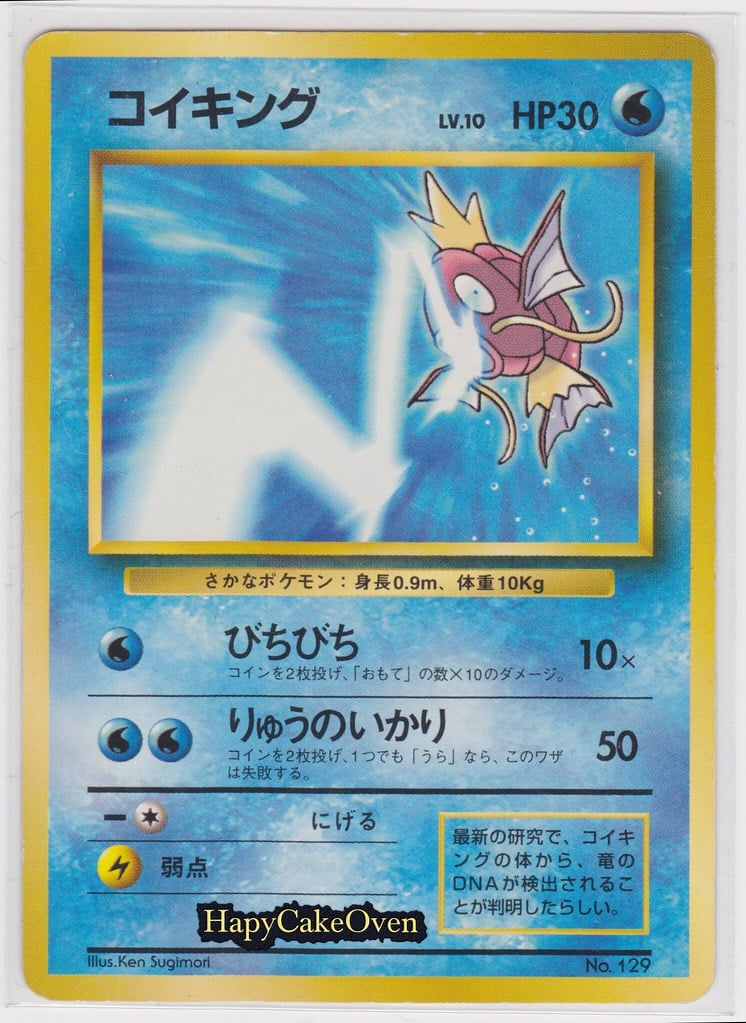
Academic institutions and Pokémon cards rarely intersect, which makes the University Magikarp one of the strangest entries in the collecting world. This promotional card was distributed at select Japanese universities as part of an educational initiative that connected Pokémon to academic achievement.
The card features Magikarp (typically considered one of the weakest Pokémon) in graduation attire, complete with cap and diploma — a scene so absurd it feels like satire, except the card’s rarity and subsequent value are entirely serious.
But perhaps that contradiction captures something essential about Pokémon collecting: the transformation of the mundane into the extraordinary through scarcity and cultural significance. The weakest Pokémon, dressed for academic success, now commands prices that could fund actual university educations.
Base Set Unlimited Charizard
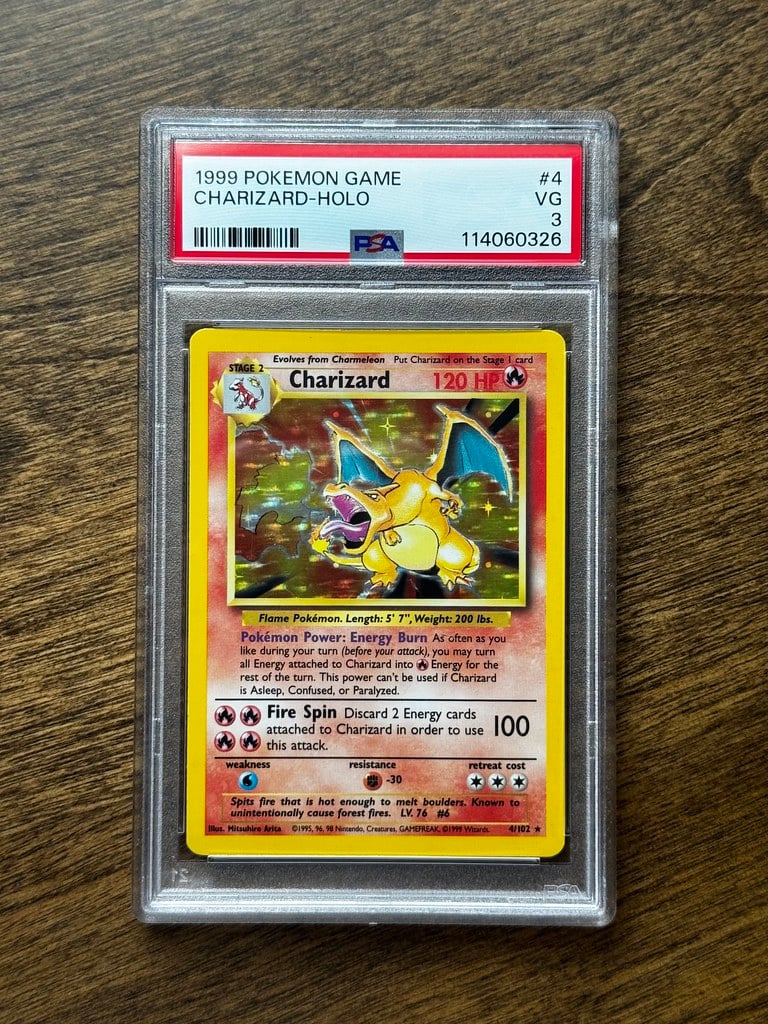
Not every valuable Pokémon card carries the prestige of first edition printing. The Base Set Unlimited Charizard proves that iconic artwork and character popularity can drive value even without the premium printing designations.
This version of Charizard was printed in much larger quantities than its first edition counterpart, making it significantly more accessible to collectors.
High-grade examples still command $3,000 to $8,000, depending on condition.
Pokémon Japanese Base Set Starter Deck Charizard
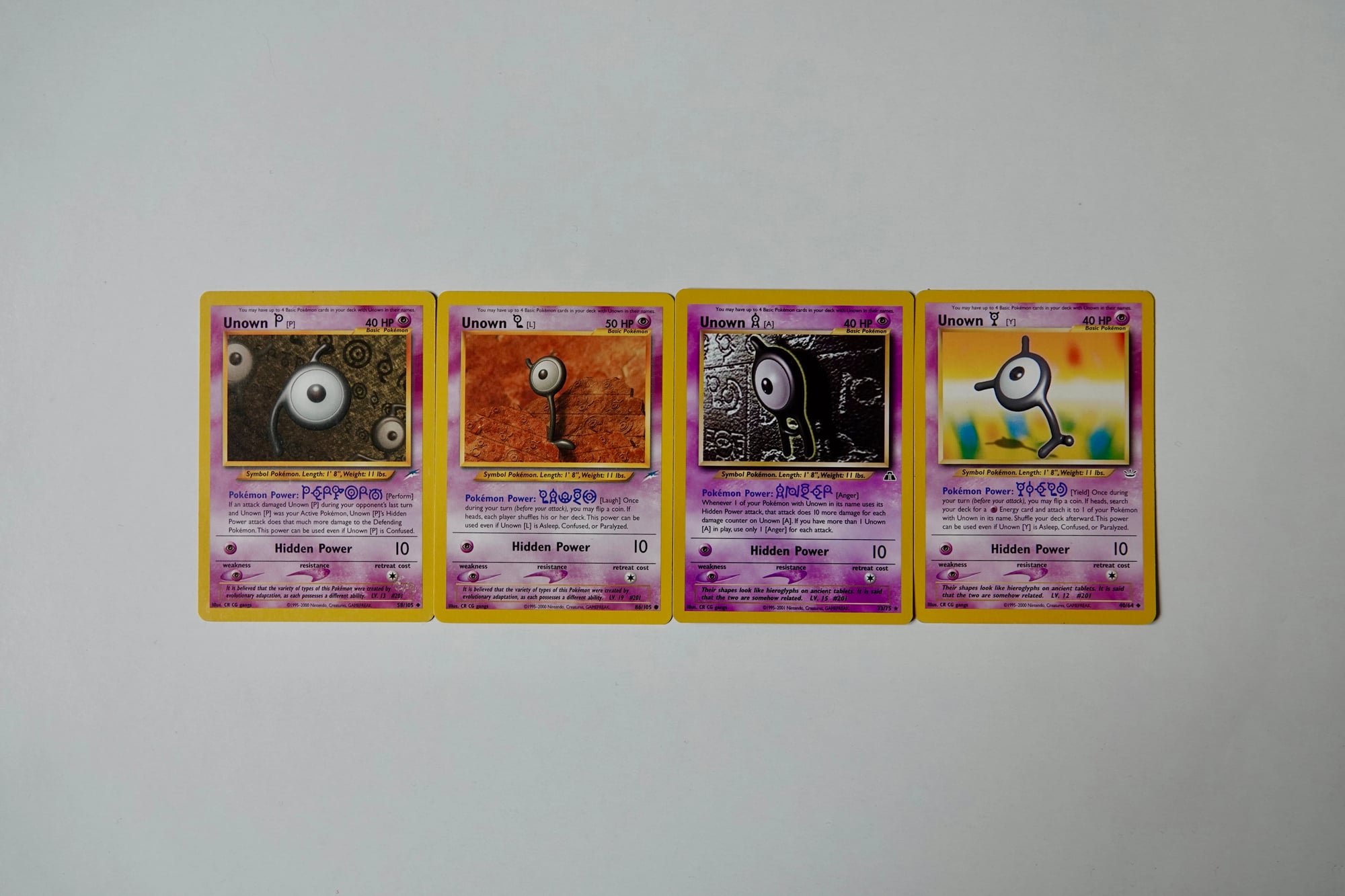
Starter decks introduced countless players to the Pokémon trading card game, but they also created unique variations that have become collector targets decades later. The Japanese Base Set Starter Deck version of Charizard features slight printing differences that distinguish it from the regular Base Set release.
These subtle variations might seem insignificant to casual observers, but they represent the kind of detailed knowledge that separates serious collectors from casual enthusiasts — and the market rewards that expertise with higher prices for cards that most people wouldn’t recognize as different.
So when a pristine example appears, collectors who understand the distinction don’t hesitate to pay premium prices for what amounts to a footnote in Pokémon printing history. The card exists in that sweet spot where rarity meets knowledge, creating value that’s invisible to most but obvious to those who’ve spent years studying the hobby’s finer details.
The Cards That Got Away
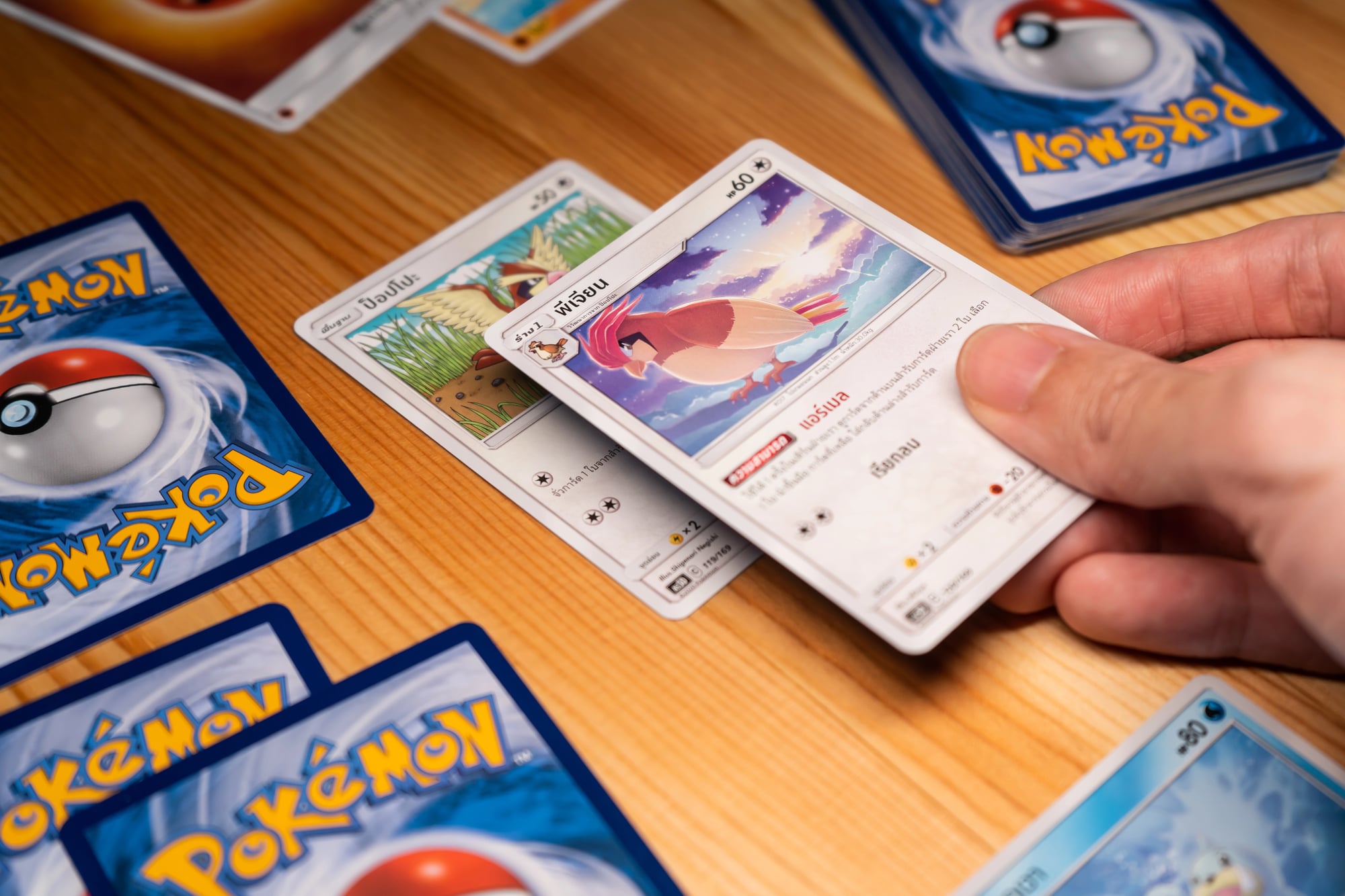
Every collector has stories about the valuable cards they almost bought, sold too early, or found in unexpected places. The Pokémon card market has created more of these stories than most hobbies can claim.
Cards that sold for hundreds in the early 2000s now command tens of thousands, transforming casual collecting decisions into financial folklore. The real treasure isn’t just in owning these valuable cards — it’s in understanding how childhood entertainment evolved into serious investment territory, and how cardboard rectangles became vessels for both nostalgia and genuine rarity.
More from Go2Tutors!

- The Romanov Crown Jewels and Their Tragic Fate
- 13 Historical Mysteries That Science Still Can’t Solve
- Famous Hoaxes That Fooled the World for Years
- 15 Child Stars with Tragic Adult Lives
- 16 Famous Jewelry Pieces in History
Like Go2Tutors’s content? Follow us on MSN.