19 Facts On U.S. Presidents
The presidency stands as one of the most scrutinized positions in the world. Yet behind the policies and political theater, the people who’ve held this office have lived surprisingly human lives.
Some were inventors, others were terrible with money, and a few had hobbies that would raise eyebrows today. These stories reveal something deeper about leadership and the strange path to power in America.
A President Who Never Lived In Washington
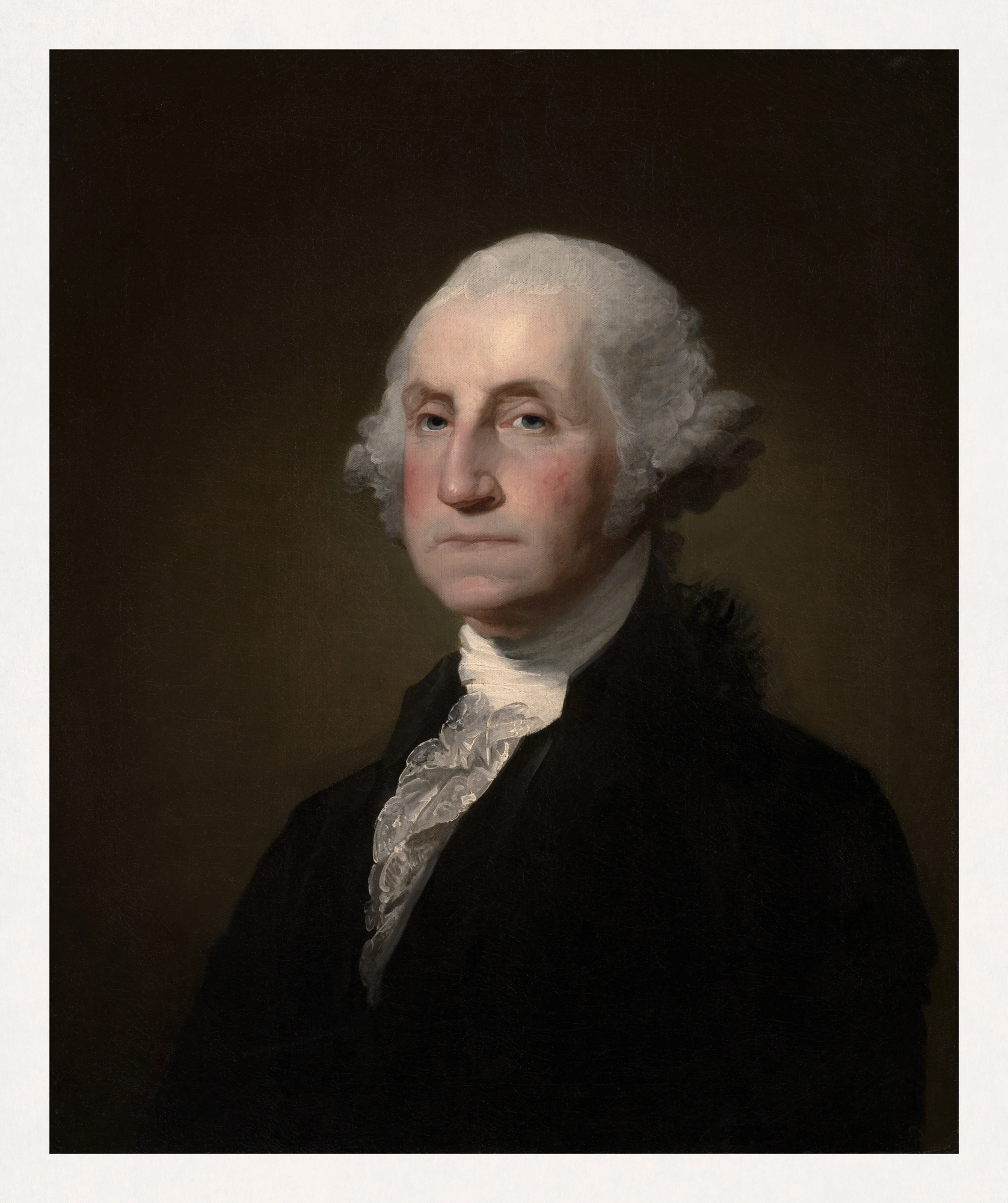
George Washington never actually lived in the White House. The capital moved to Washington D.C. in 1800, but Washington’s presidency ended in 1797.
He lived and worked in New York City and Philadelphia during his time in office. The irony isn’t lost on historians—the city named after the first president never hosted him as its leader.
The Smallest President Packed A Punch
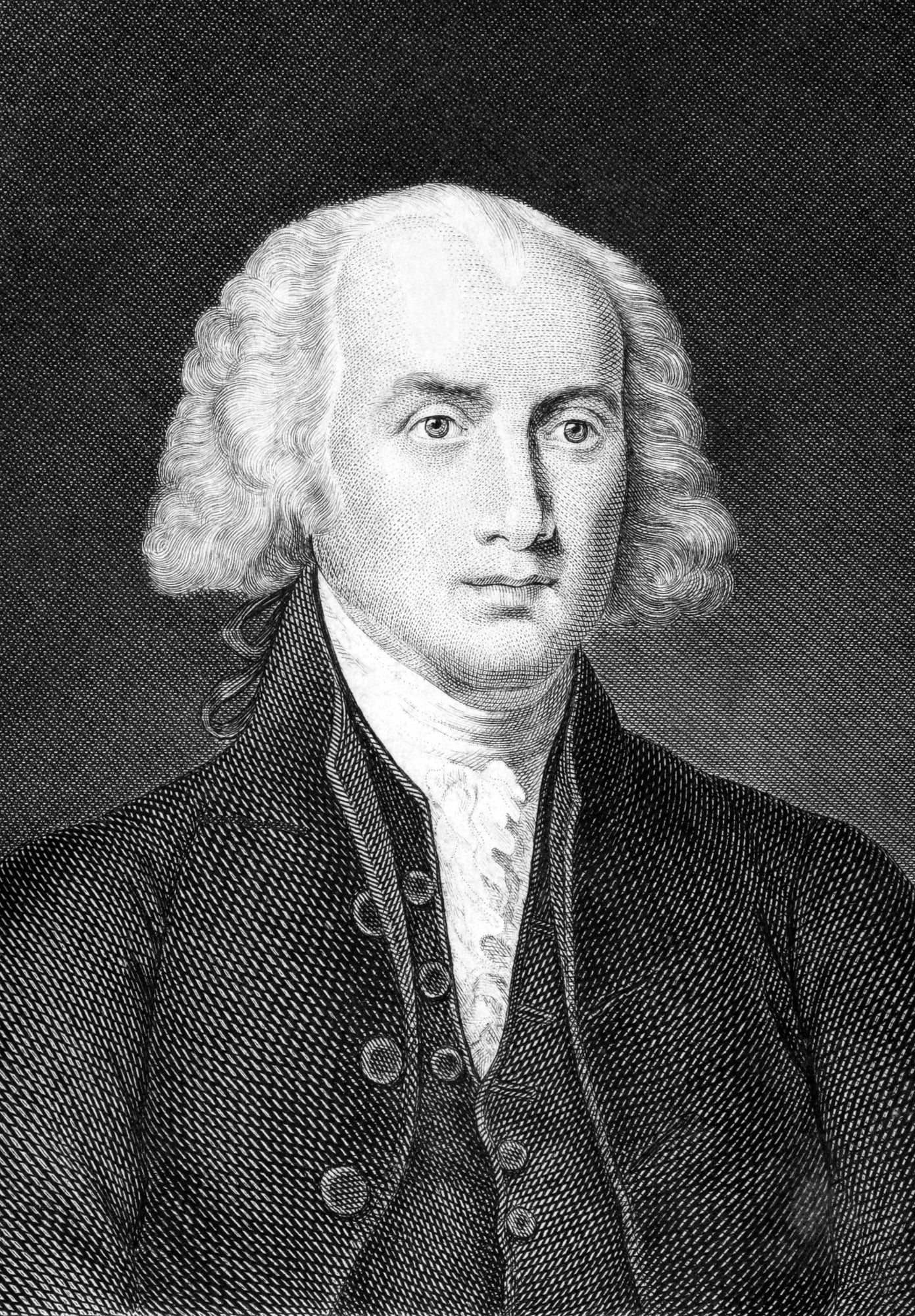
James Madison stood just 5’4″ and weighed around 100 pounds, making him the shortest and lightest president in history. But his physical size didn’t match his political weight.
He’s known as the “Father of the Constitution” and played a massive role in shaping the nation’s founding documents. Sometimes the biggest ideas come in the smallest packages.
Jefferson’s Mammoth Cheese
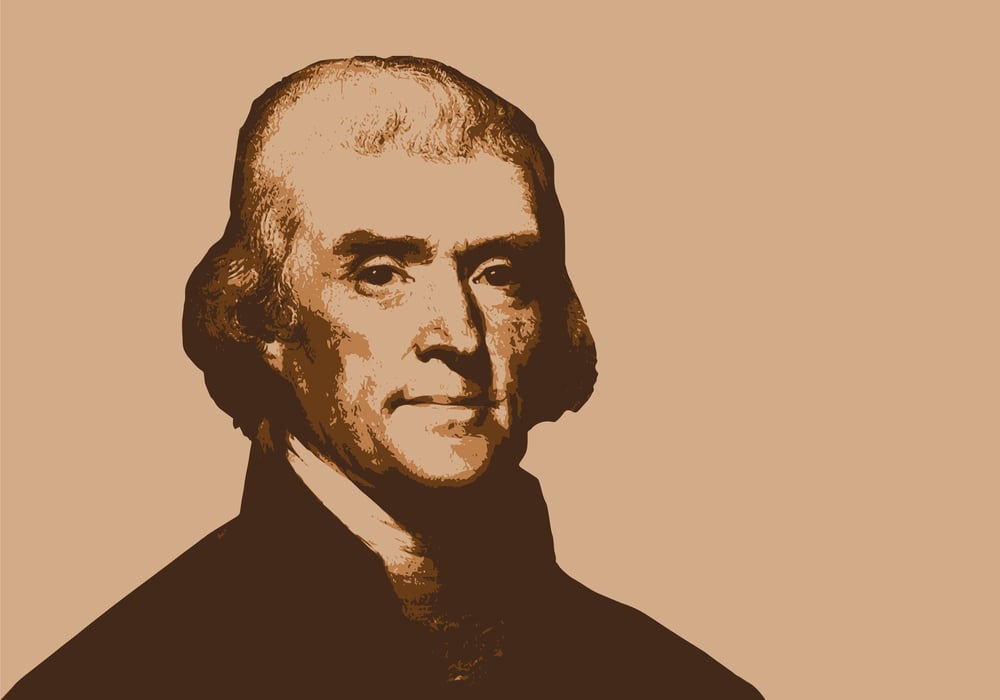
Thomas Jefferson received a 1,235-pound wheel of cheese as a gift in 1802. A town in Massachusetts made it from the milk of 900 cows, and it took a full day to create.
The cheese sat in the White House for more than a year before Jefferson finally served it at a public reception. It had gone bad by then, but people ate it anyway out of respect.
Keeping A Pet Alligator In The Bathtub
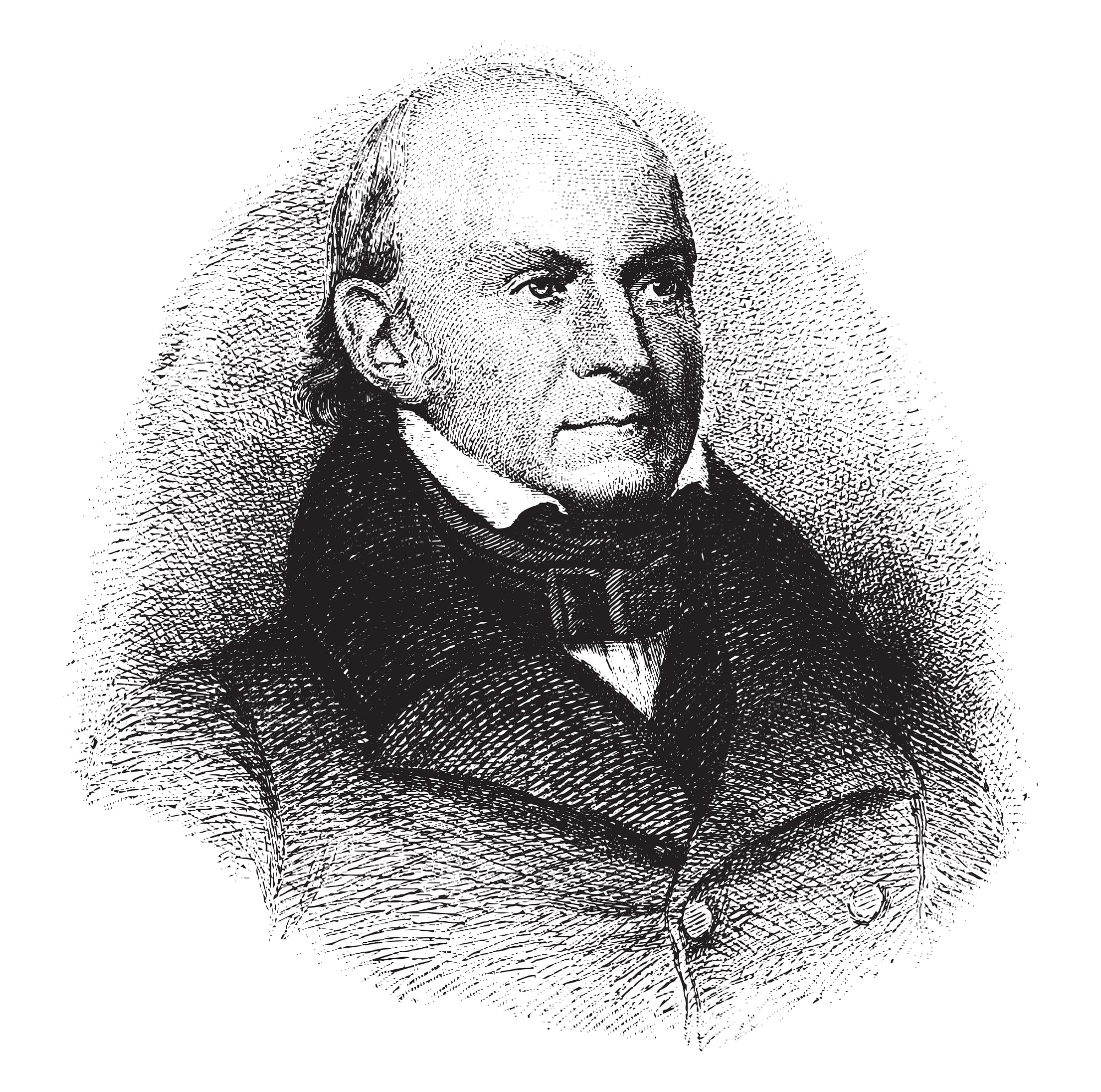
John Quincy Adams kept an alligator in the East Room of the White House for several months. The Marquis de Lafayette had given it to him as a gift, and Adams enjoyed showing it off to visitors.
He eventually moved it to the bathtub, which probably didn’t go over well with the household staff.
Lincoln’s Height Gave Him An Advantage
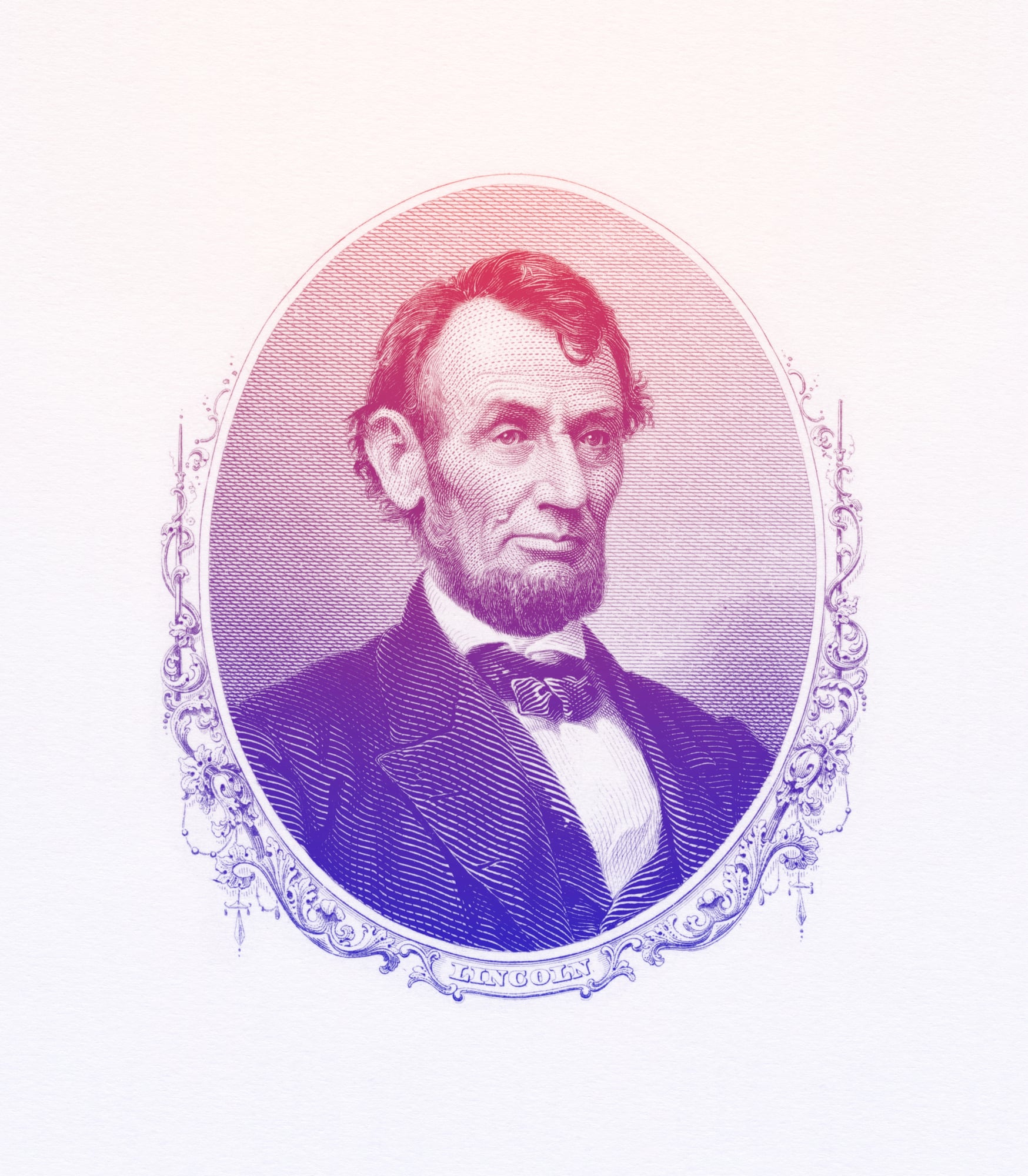
Abraham Lincoln stood 6’4″, making him the tallest president. His height helped him stand out in crowds, literally.
But it also made him an easier target. He reportedly joked about his appearance, once saying that if he were two-faced, he wouldn’t be wearing the one people saw.
His humor masked deeper struggles with depression.
The President Who Got Stuck In A Bathtub
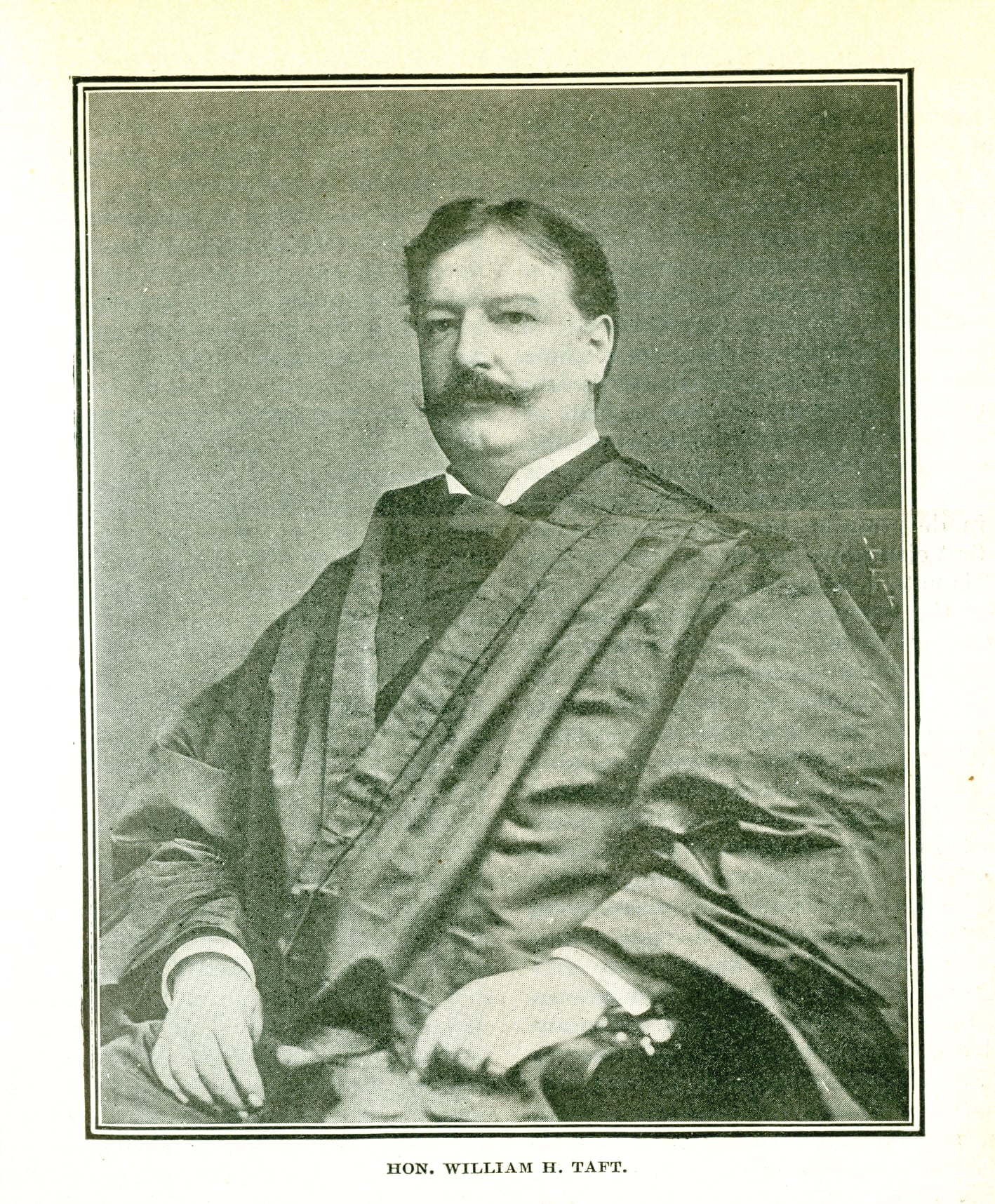
William Howard Taft weighed around 340 pounds during his presidency, and yes, he did get stuck in the White House bathtub. After that incident, he had a new tub installed that could fit four average-sized men.
The story has become somewhat legendary, though Taft accomplished serious work during his term that often gets overshadowed by his size.
A President’s Final Words
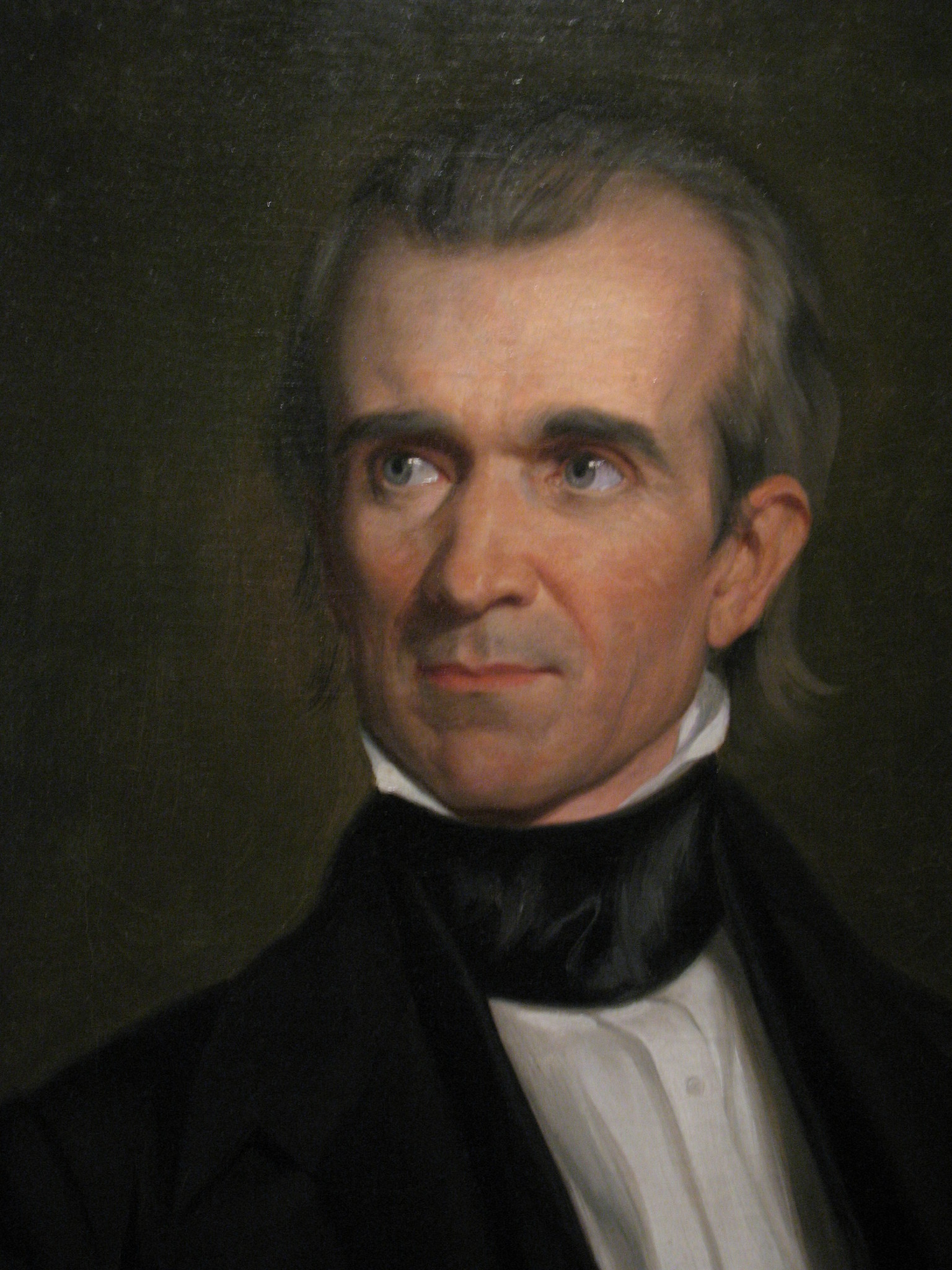
James K. Polk died just 103 days after leaving office, making him the shortest-lived former president. He worked himself to exhaustion during his single term, deliberately choosing not to run for reelection.
His final words to his wife were reportedly about how much he loved her and how well she had supported him through everything.
Wilson’s Post-Stroke Presidency
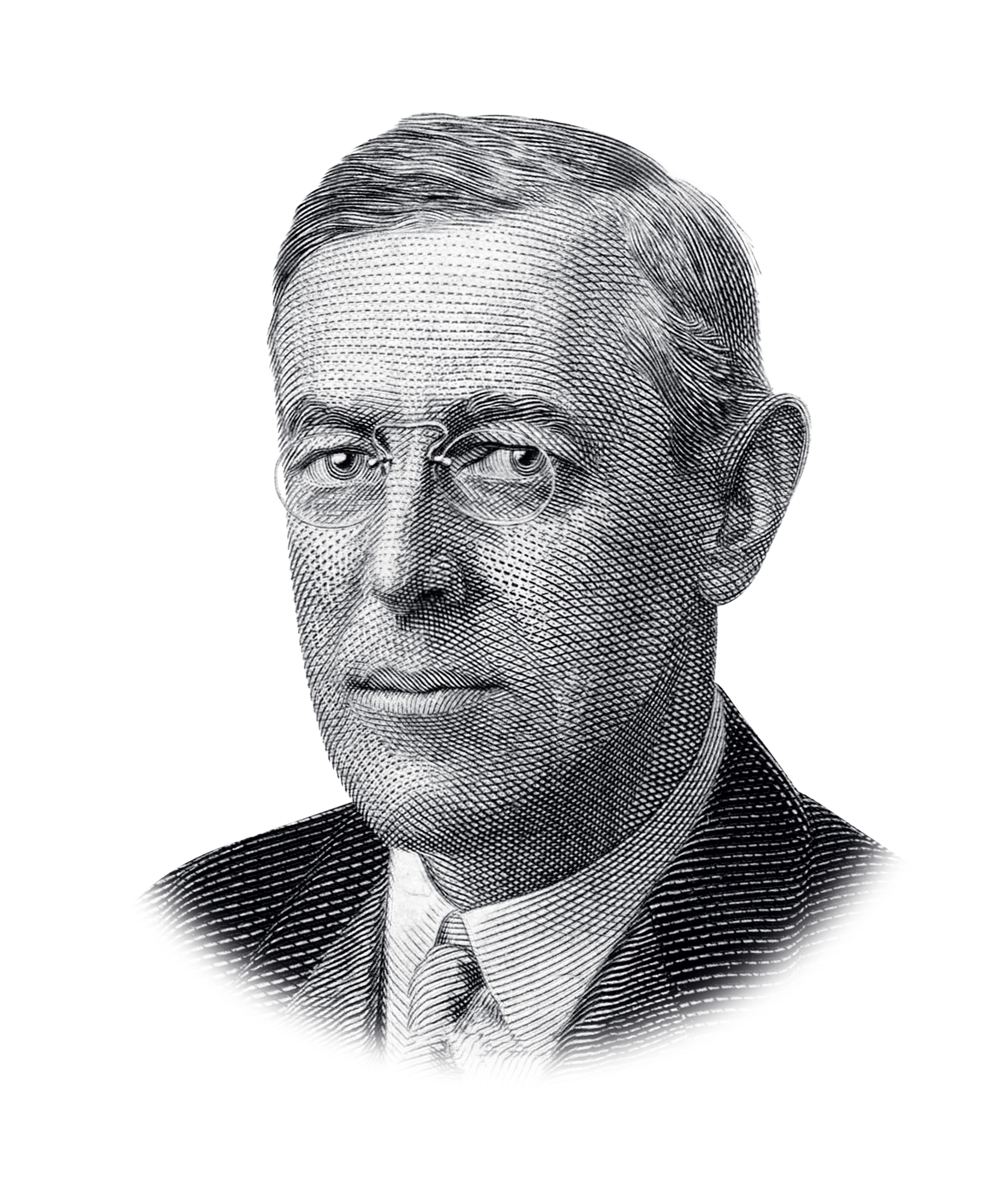
Woodrow Wilson suffered a severe stroke in 1919 that left him partially paralyzed. His wife Edith essentially ran the presidency for the remaining 17 months of his term, screening all visitors and correspondence.
She decided what information reached him and what didn’t. Some historians consider her America’s first female president, though she never held the title.
The Ambidextrous President
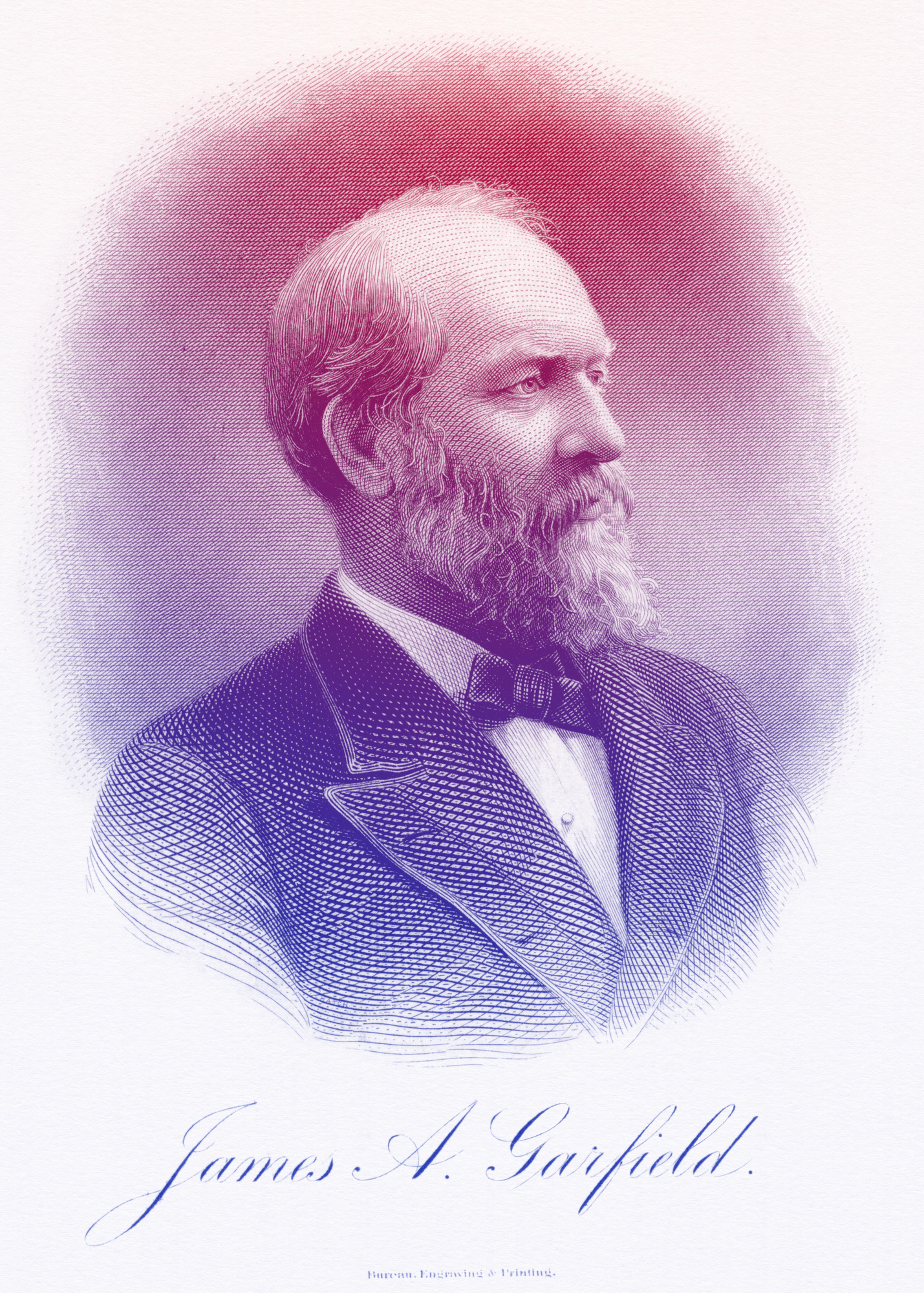
James Garfield could write in both Latin and Greek simultaneously with different hands. He enjoyed showing off this skill at gatherings.
He served only 200 days before an assassin shot him, and he lingered for 80 days before dying. The bullet didn’t kill him—the doctors’ unsanitary probing for it did.
FDR’s Secret Illness
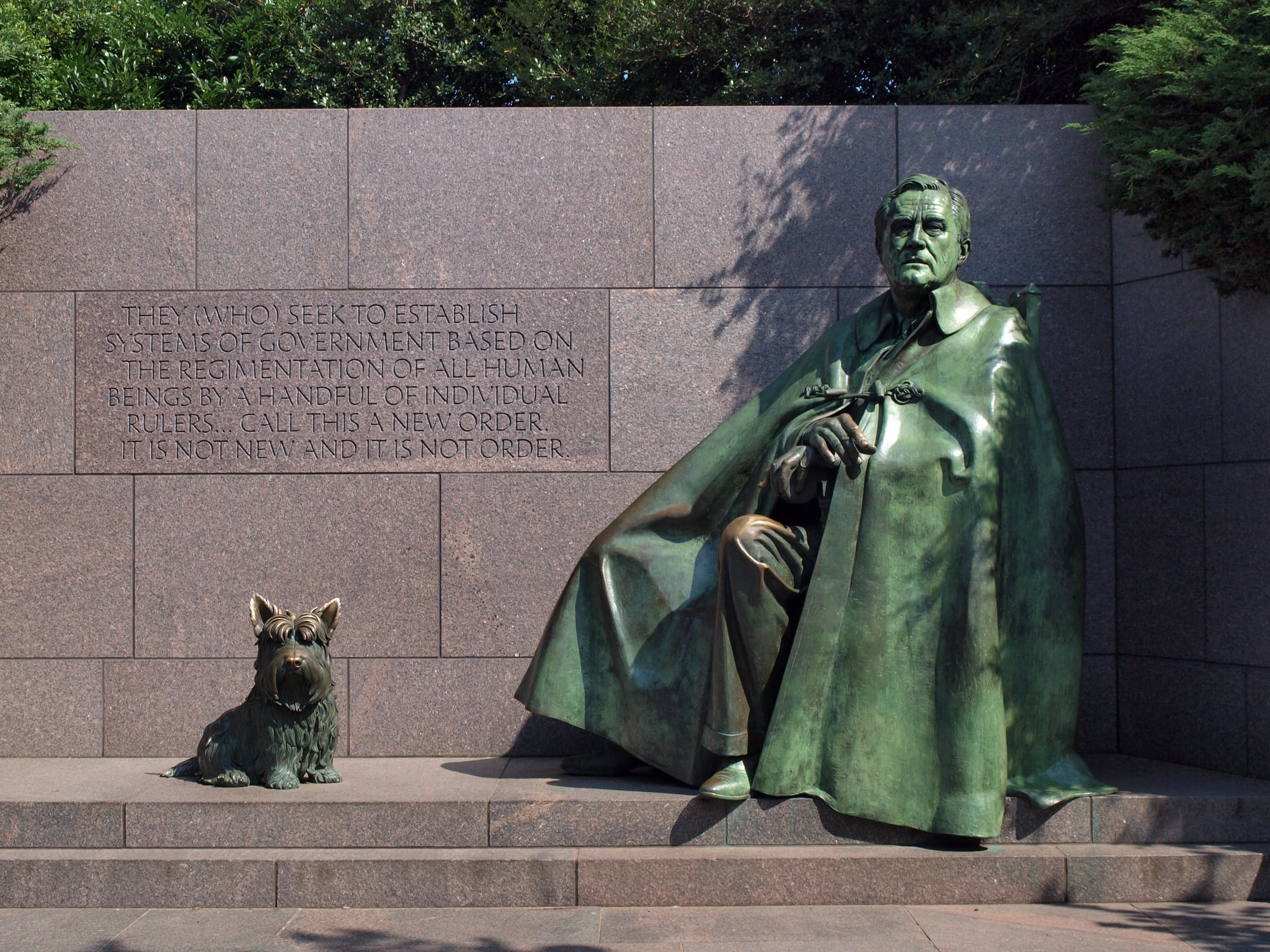
Franklin D. Roosevelt went to great lengths to hide his paralysis from polio. Photos rarely showed him in his wheelchair, and he trained himself to appear to walk by using leg braces and leaning on someone’s arm.
The press cooperated with this deception. Americans didn’t fully understand the extent of his disability until after his death.
Truman’s Daily Walks
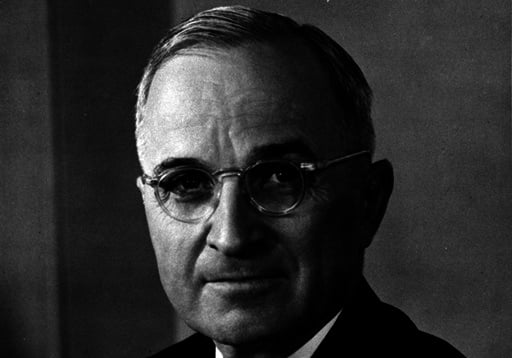
Harry Truman walked two miles every morning at a brisk pace, usually before most people woke up. He believed the walks kept him healthy and sharp.
The Secret Service struggled to keep up with him. He lived to be 88, which was quite old for someone born in 1884.
The President Who Installed A Putting Green
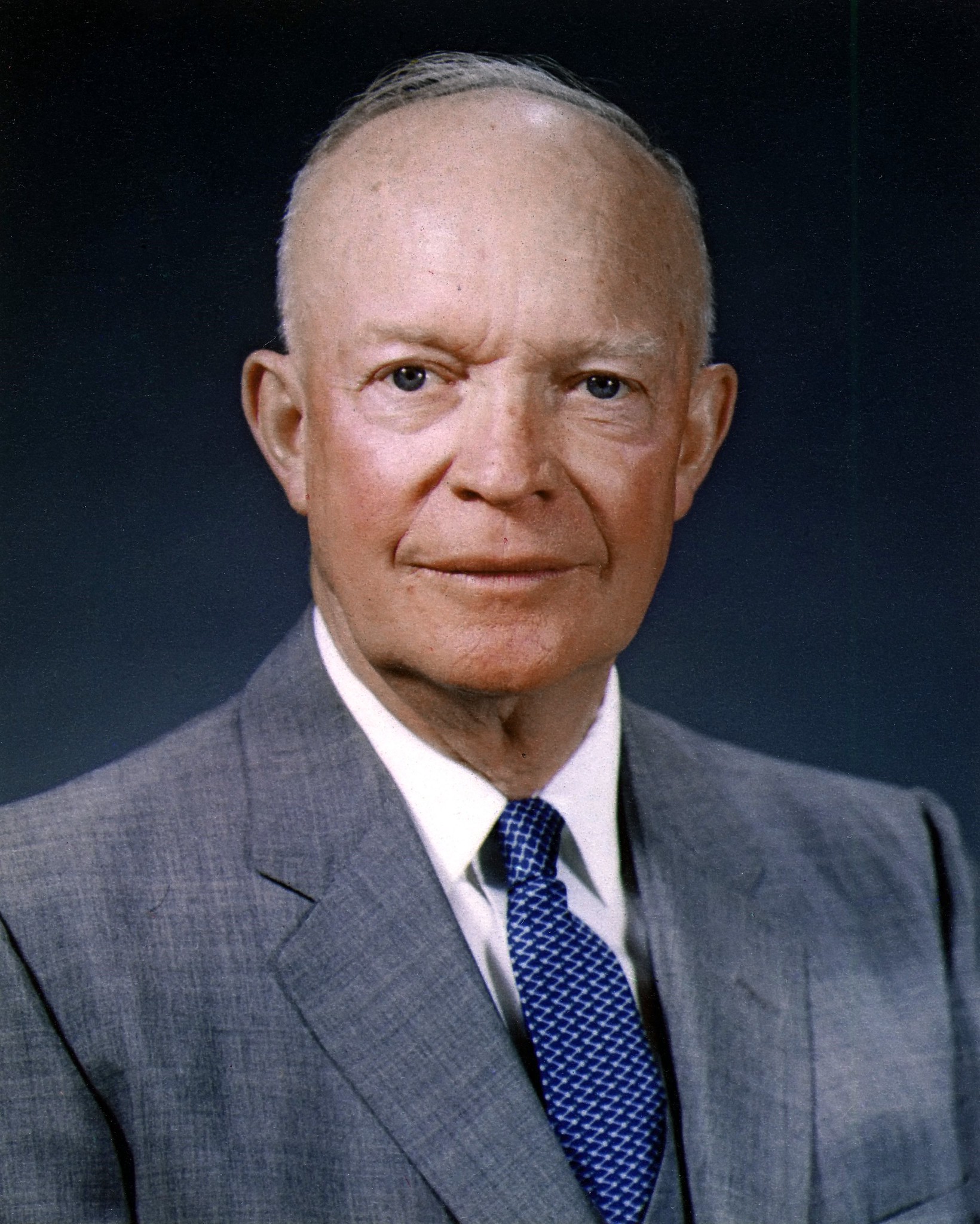
Dwight D. Eisenhower loved golf so much that he had a putting green installed on the White House lawn. He practiced constantly and often frustrated the gardeners by damaging the grass.
He played more than 800 rounds of golf during his eight years in office, yet he still managed to navigate some of the most tense moments of the Cold War.
Kennedy’s Chronic Pain
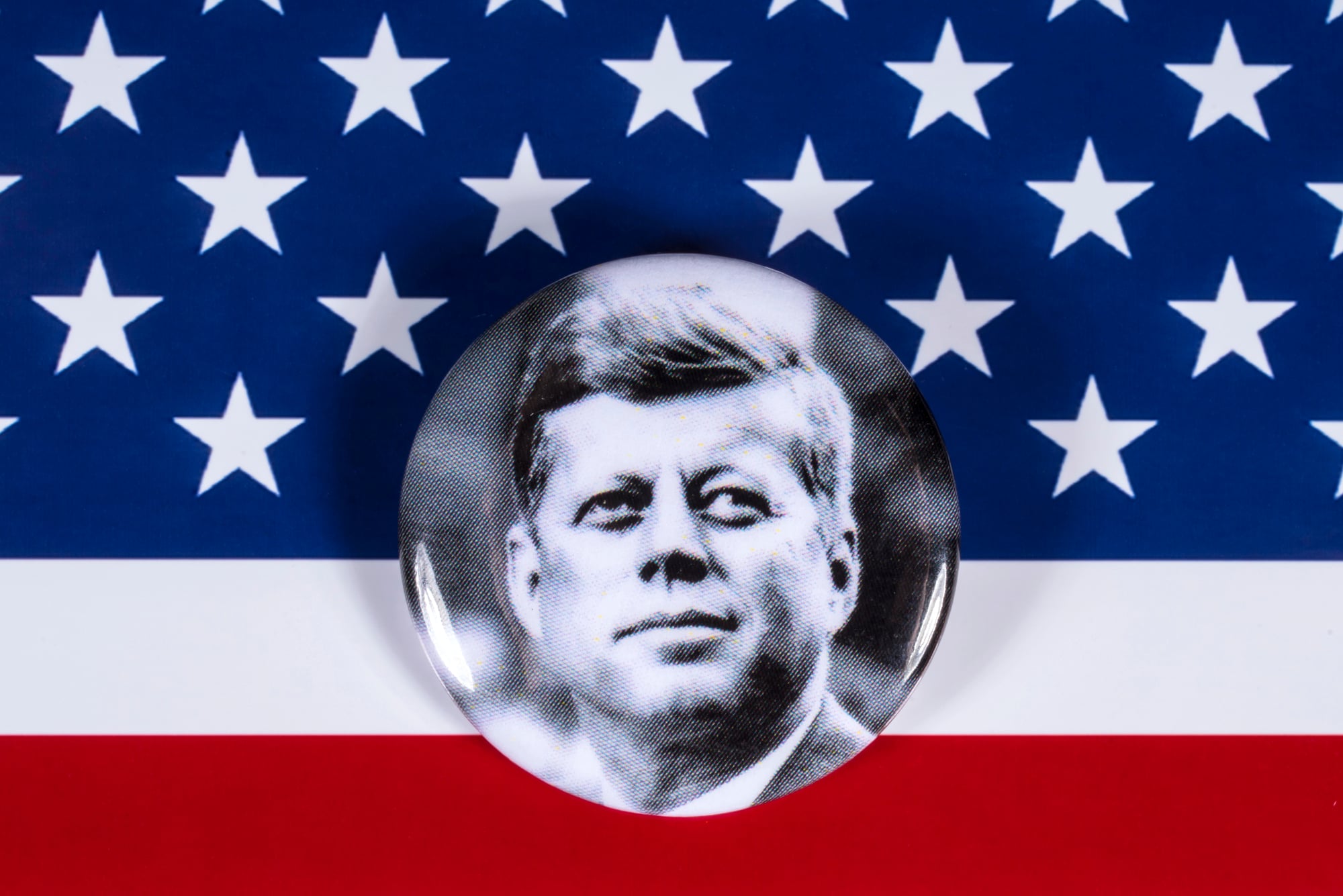
John F. Kennedy dealt with severe back pain throughout his life, partly from a war injury and partly from Addison’s disease. He wore a back brace that actually kept him upright during the assassination, making him a more stationary target for the second shot.
He took numerous medications daily, far more than the public knew during his lifetime.
Johnson’s Excessive Phone Calls
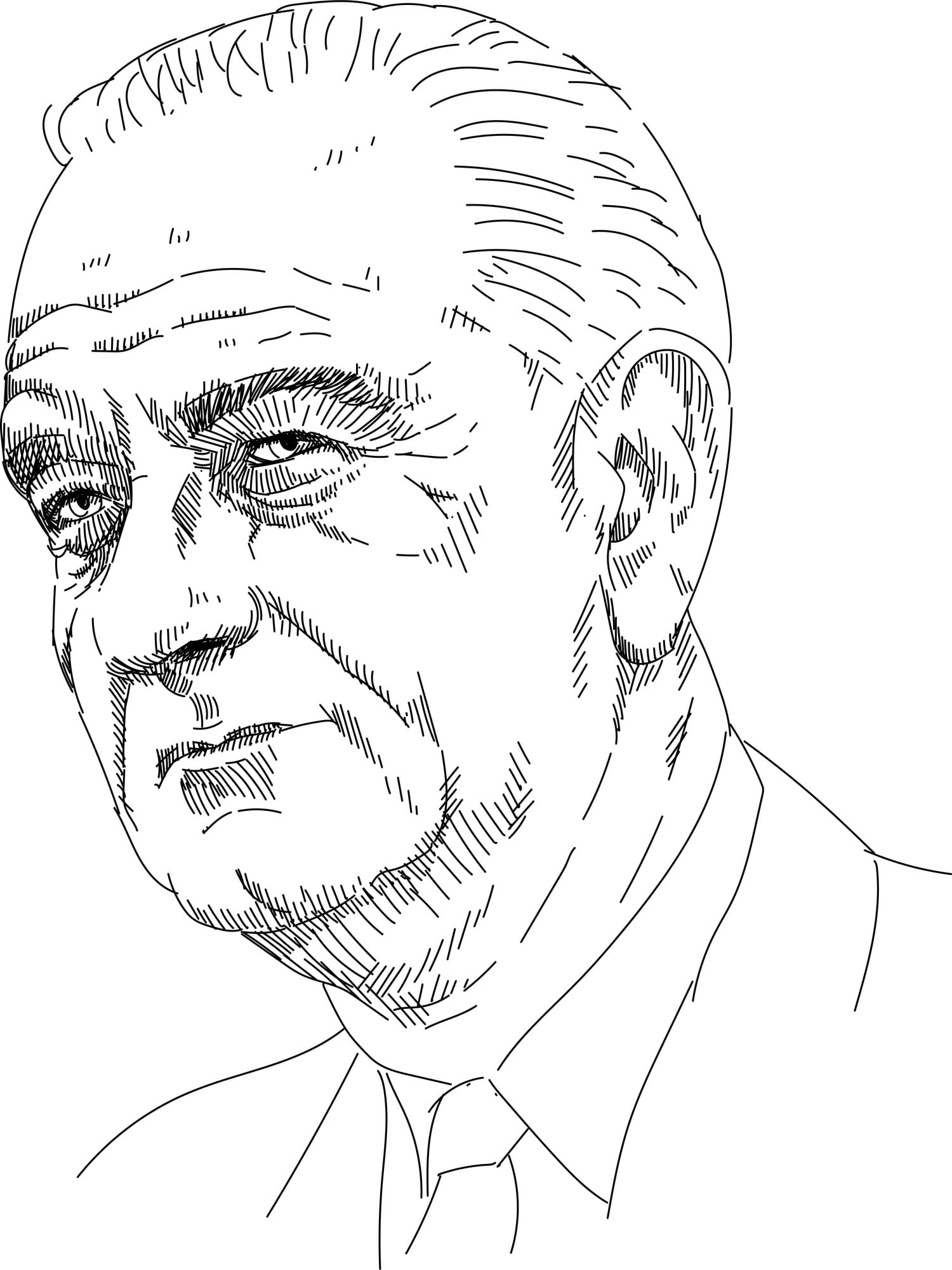
Lyndon B. Johnson had telephones installed everywhere in the White House, including in bathrooms. He would make dozens of calls per day, often conducting business while getting dressed or even while using the restroom.
He wanted constant contact with people and hated being unreachable for even a moment.
Nixon’s Bowling Alley
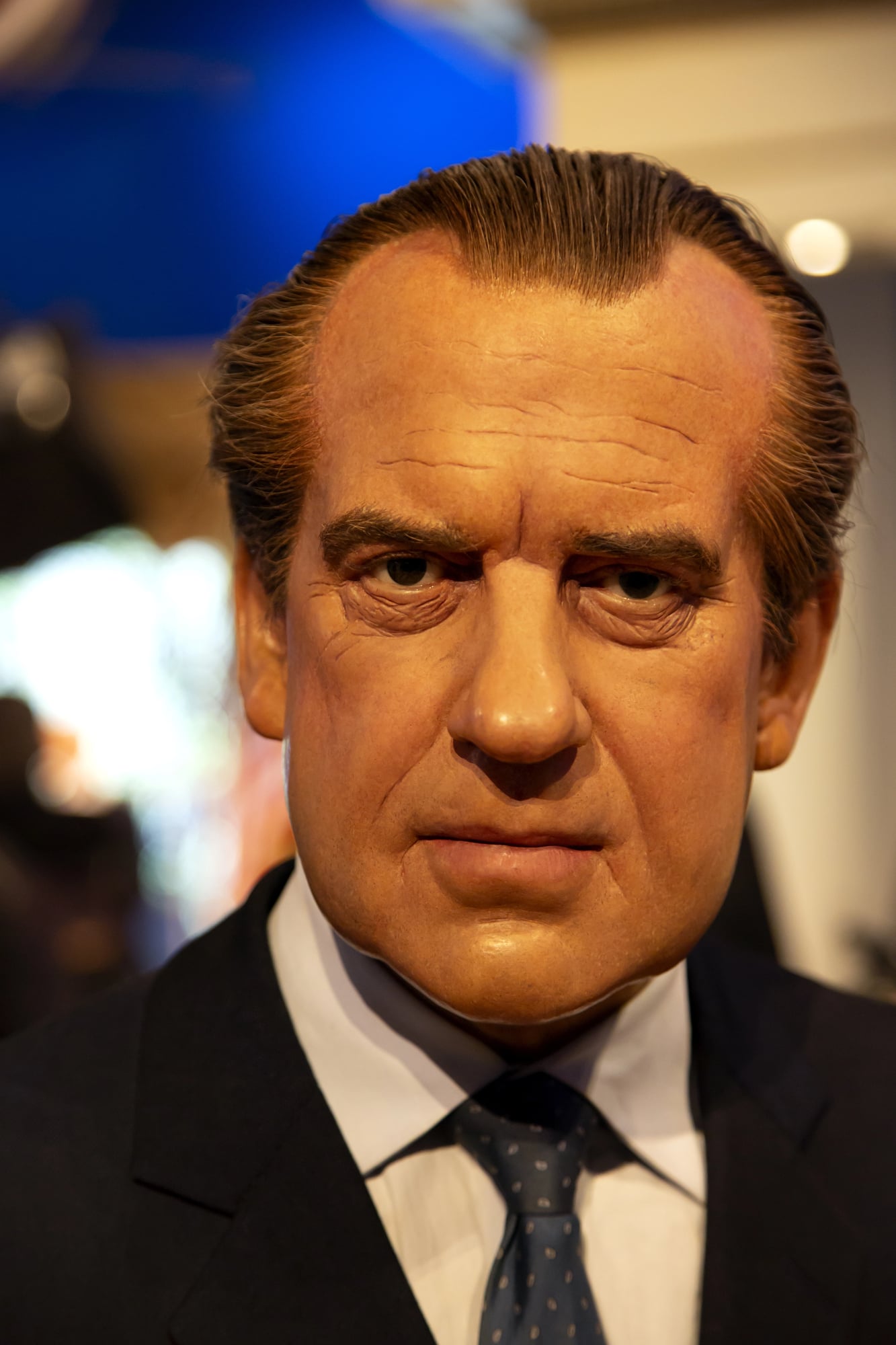
Richard Nixon had a bowling alley built in the White House basement in 1969. He wasn’t much of a bowler himself, but he thought it would be good for staff and visitors.
The alley still exists today and has been used by several presidents since. It stands as a reminder that even in the most serious building in America, there’s room for recreation.
Carter’s Micromanagement
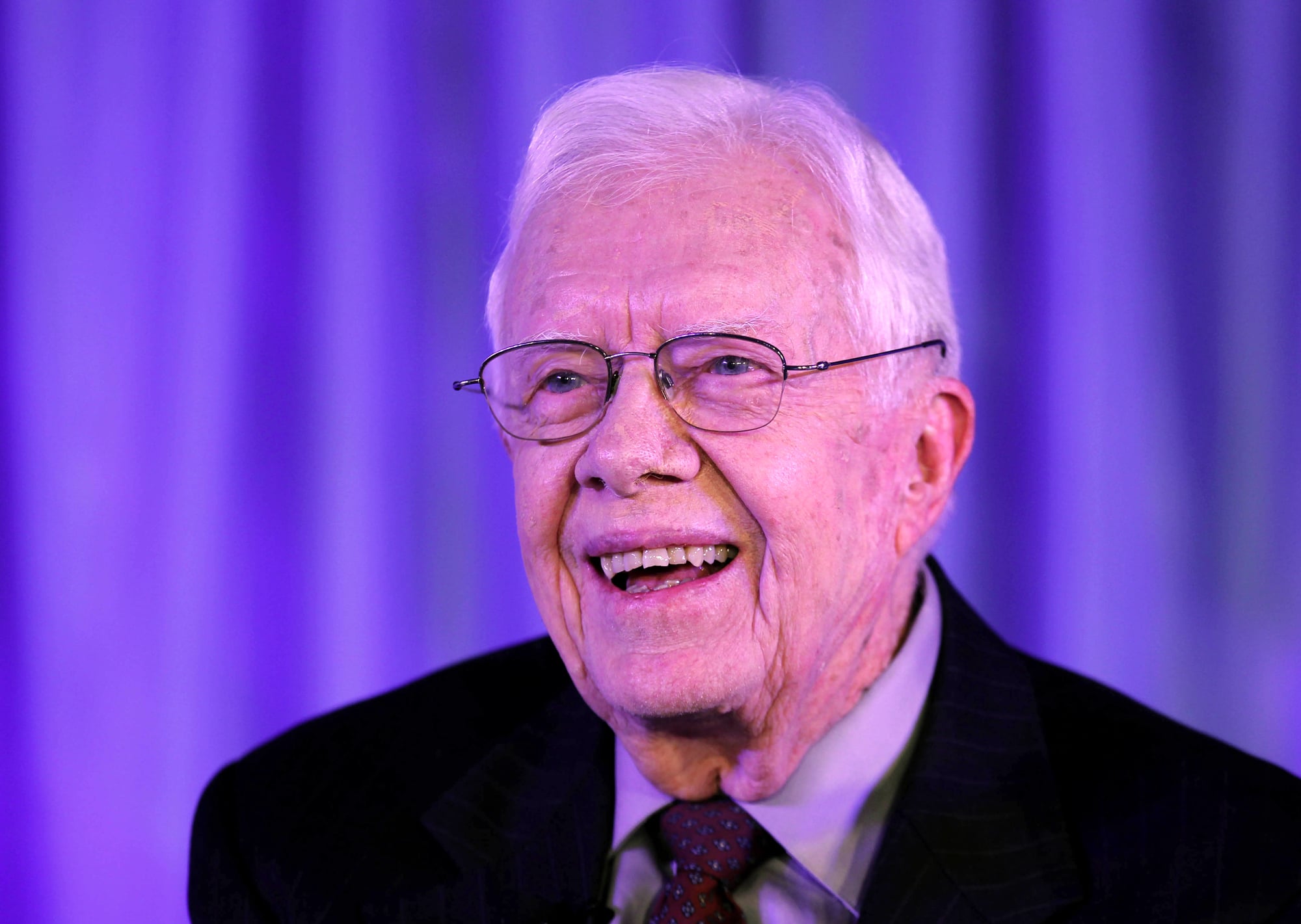
Jimmy Carter personally reviewed and approved the schedule for the White House tennis courts. This level of detail orientation defined his presidency.
While some admired his hands-on approach, others felt he got too caught up in small decisions and missed the bigger picture. He wanted control over everything, which eventually overwhelmed him.
Reagan’s Jelly Beans
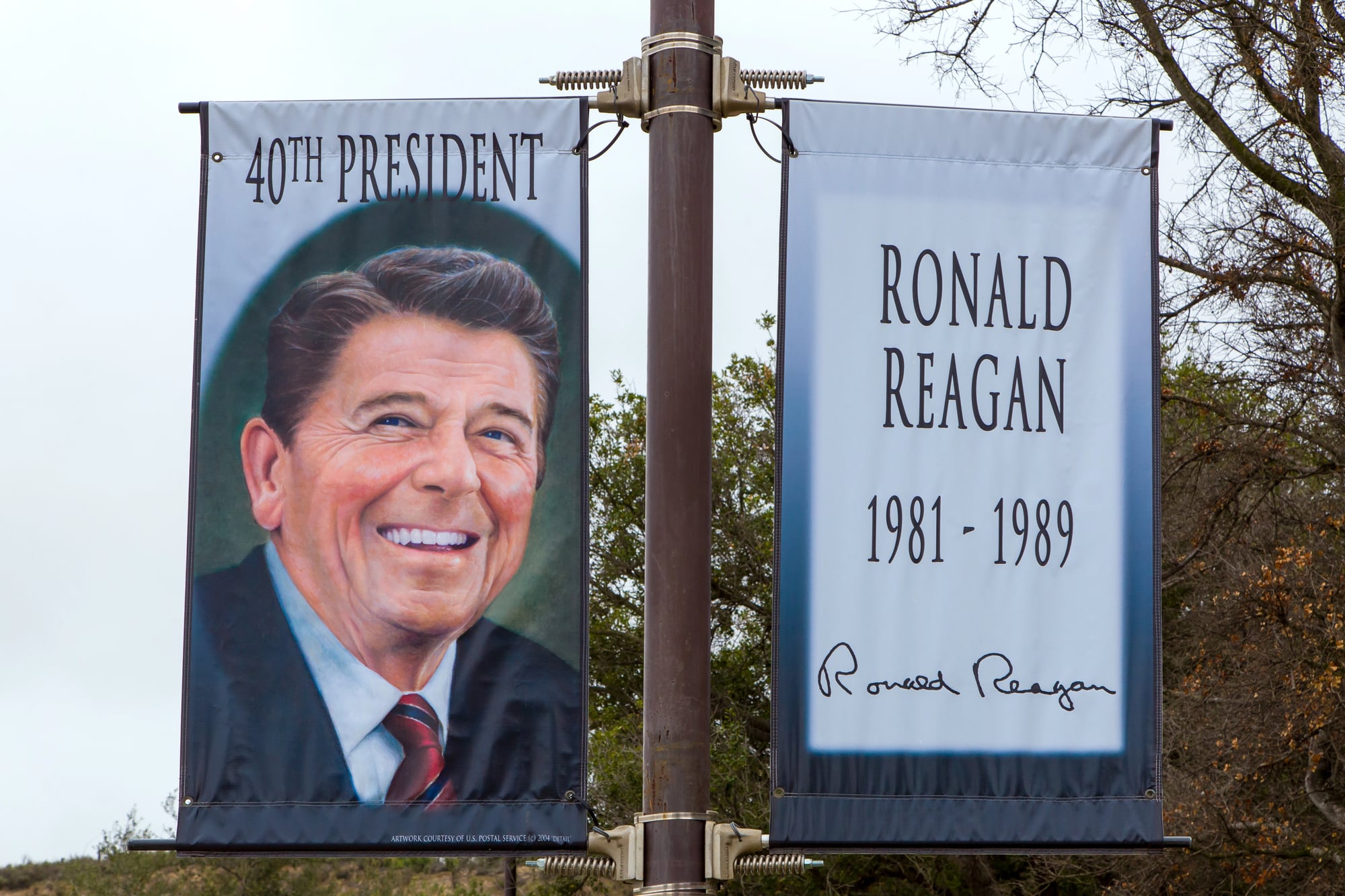
Ronald Reagan kept a jar of jelly beans on his desk at all times. He started eating them when he quit puffing pipe cig decades earlier.
The Jelly Belly company even created a special flavor called “blueberry” so he could have red, white, and blue beans. He gave them out to visitors and foreign dignitaries as informal gifts.
Bush Senior’s Broccoli Ban
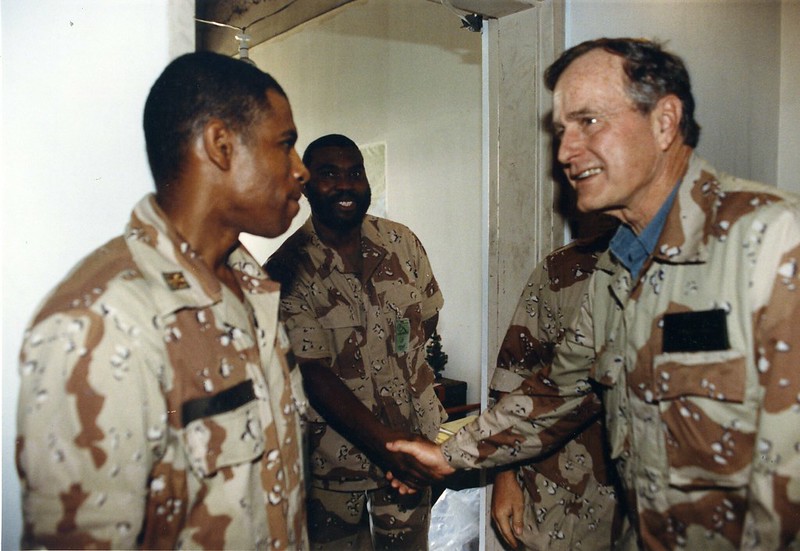
George H.W. Bush famously banned broccoli from Air Force One and the White House. He declared he was president and didn’t have to eat it anymore.
Broccoli farmers sent trucks full of the vegetable to the White House in protest. He never backed down from his position, and his dislike for broccoli became a defining personality trait in the public’s mind.
Clinton’s Fast Food Habit
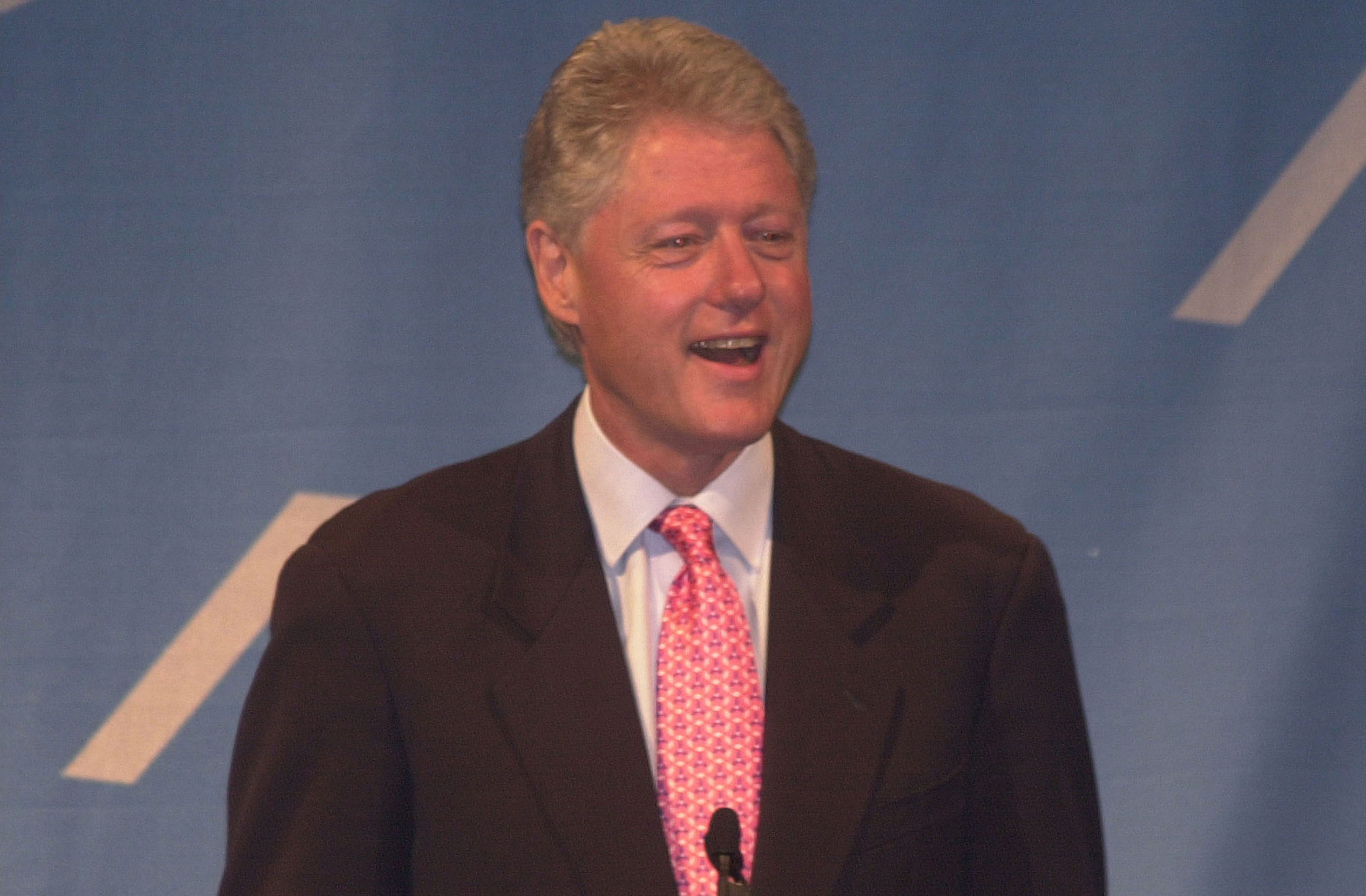
Jogging toward burgers defined Bill Clinton in the eyes of many. That habit sort of canceled out the exercise, really.
Once out of office, plant-based meals took over – heart trouble had rearranged his priorities. A major shift like that reveals what serious illness can do to daily choices.
The Weight Of History
Presidents shaped the country’s path while juggling strange habits, health battles, odd pets. One brought an alligator inside, another refused to serve greens at dinner.
Pain followed them – sharp, constant – yet they pushed forward anyway. Power changes a person, sure, but leaves traces of who they were before the oath.
What sticks isn’t just decisions made behind closed doors, but how private frailty meets public duty. Moments where weakness shows through strength make the role fascinating, exhausting, real.
More from Go2Tutors!

- The Romanov Crown Jewels and Their Tragic Fate
- 13 Historical Mysteries That Science Still Can’t Solve
- Famous Hoaxes That Fooled the World for Years
- 15 Child Stars with Tragic Adult Lives
- 16 Famous Jewelry Pieces in History
Like Go2Tutors’s content? Follow us on MSN.