19 Movies That Were Planned but Never Got Made
Hollywood history is filled with ambitious projects that never made it to the silver screen. From legendary directors with groundbreaking visions to major studios pouring millions into pre-production, some of the most fascinating films are those audiences never got to see. Budget issues, creative differences, studio politics, and unfortunate timing have all contributed to potentially great movies being shelved indefinitely.
Here is a list of 19 movies that were planned but never made, revealing the fascinating world of what might have been in cinema history.
Superman Lives

Tim Burton’s late 1990s Superman project with Nicolas Cage cast as the Man of Steel progressed surprisingly far into pre-production. Costume tests were completed, and millions were spent before Warner Bros. pulled the plug due to spiraling costs and creative concerns.
The bizarre costume designs featuring a light-up suit and Burton’s unusual take on the character have become legendary in film development lore.
Megalopolis

Francis Ford Coppola’s passion project about a utopian New York has been in development since the 1980s. Despite having a completed script and interest from major stars, the film faced numerous setbacks, including the September 11 attacks, which made its storyline about rebuilding New York City uncomfortably relevant.
Coppola reportedly invested millions of dollars in his wine business to try to get the ambitious project off the ground.
The Lord of the Rings
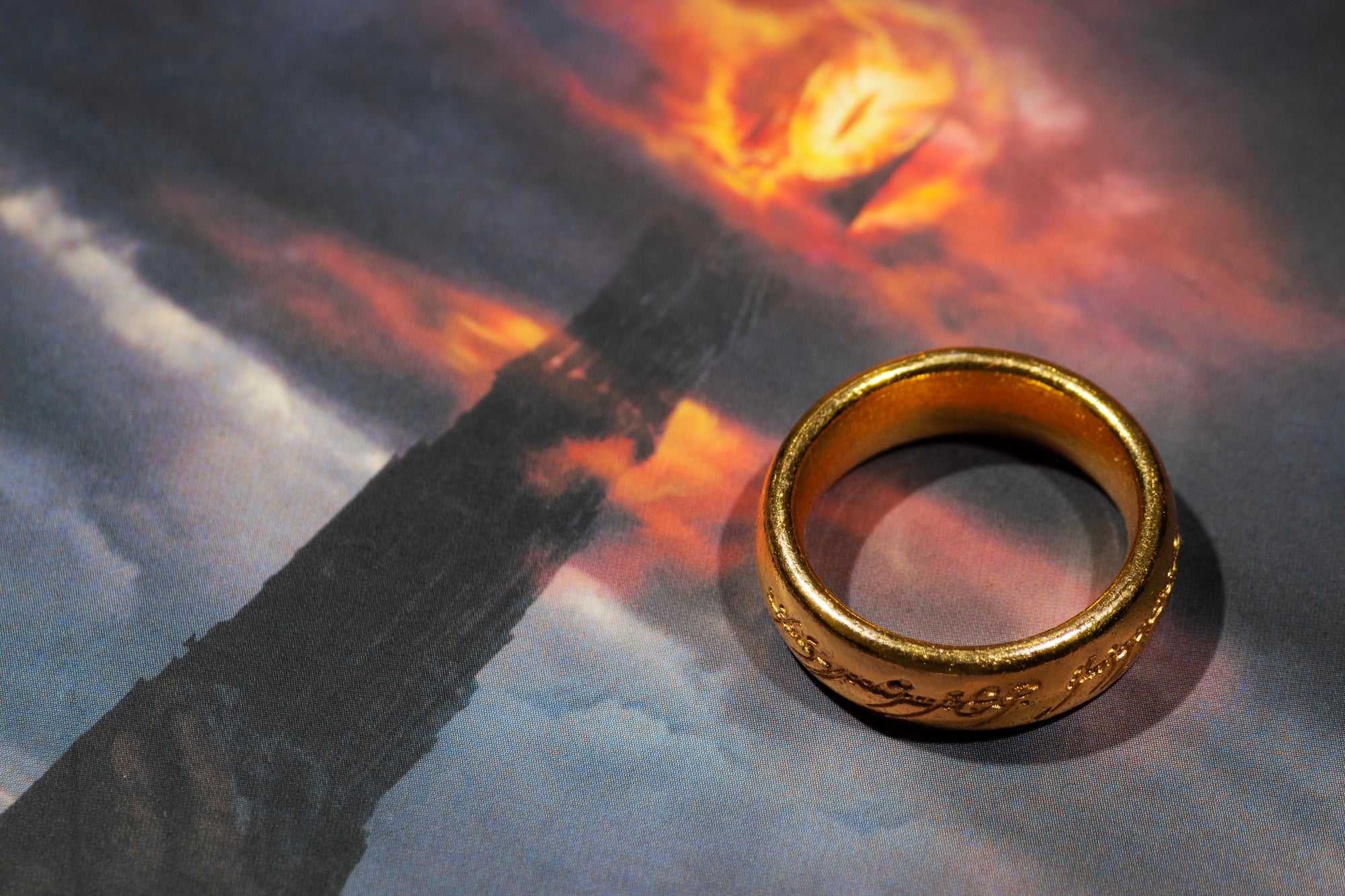
Before Peter Jackson’s successful trilogy, The Beatles planned a Lord of the Rings adaptation in the 1960s with themselves as the main characters. John Lennon wanted to play Gollum, Paul McCartney would be Frodo, Ringo Starr as Sam, and George Harrison as Gandalf.
The project fell apart when J.R.R. Tolkien himself rejected the concept, unwilling to have his fantasy epic turned into a psychedelic rock musical.
Batman: Year One
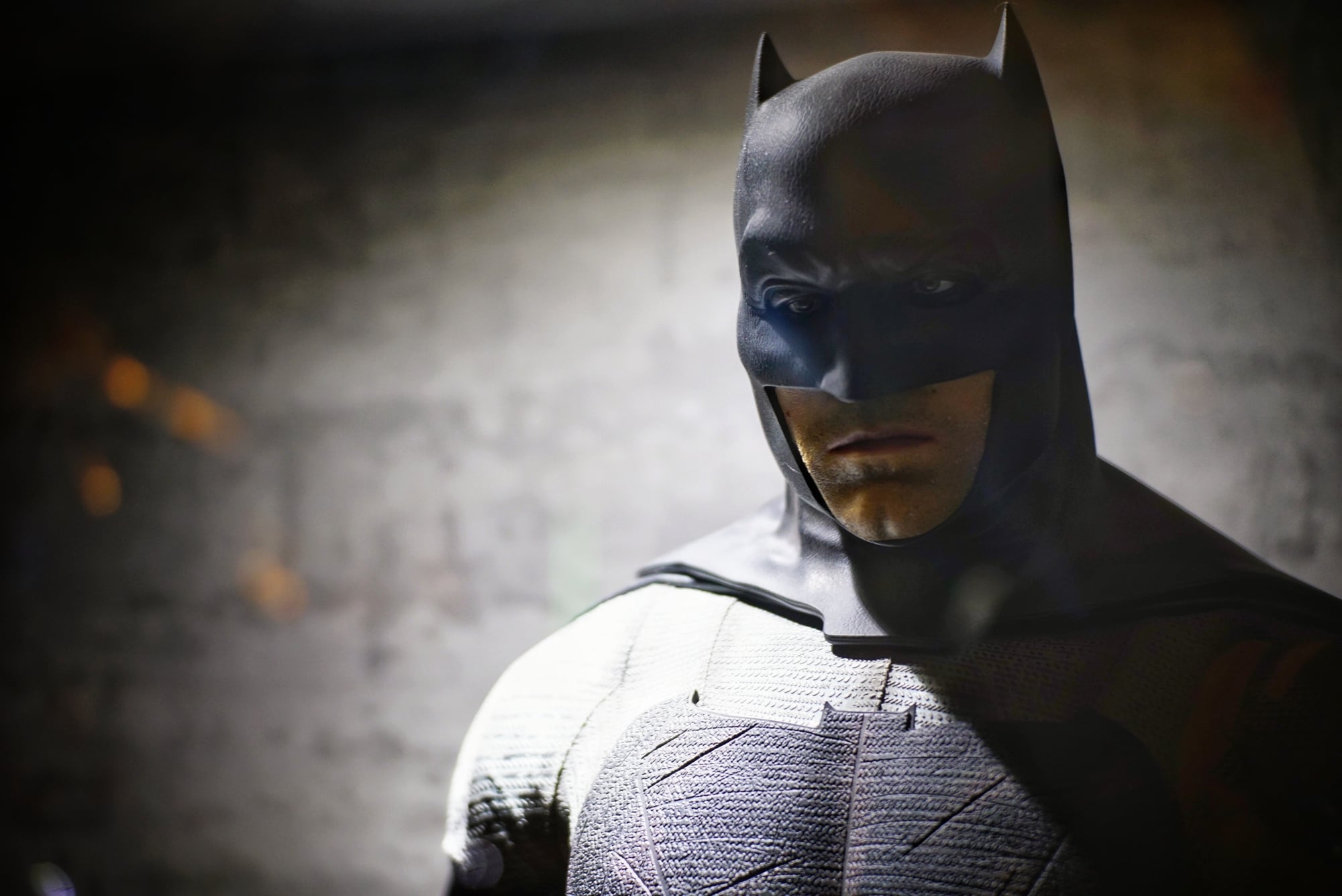
Darren Aronofsky’s gritty Batman origin story would have completely reinvented the character for the big screen. His adaptation would have featured a homeless Bruce Wayne being taken in by auto mechanic Big Al, with a Batmobile made from a modified Lincoln Continental.
Warner Bros. ultimately considered the concept too dark and risky, opting instead for Christopher Nolan’s Batman Begins.
Gladiator 2
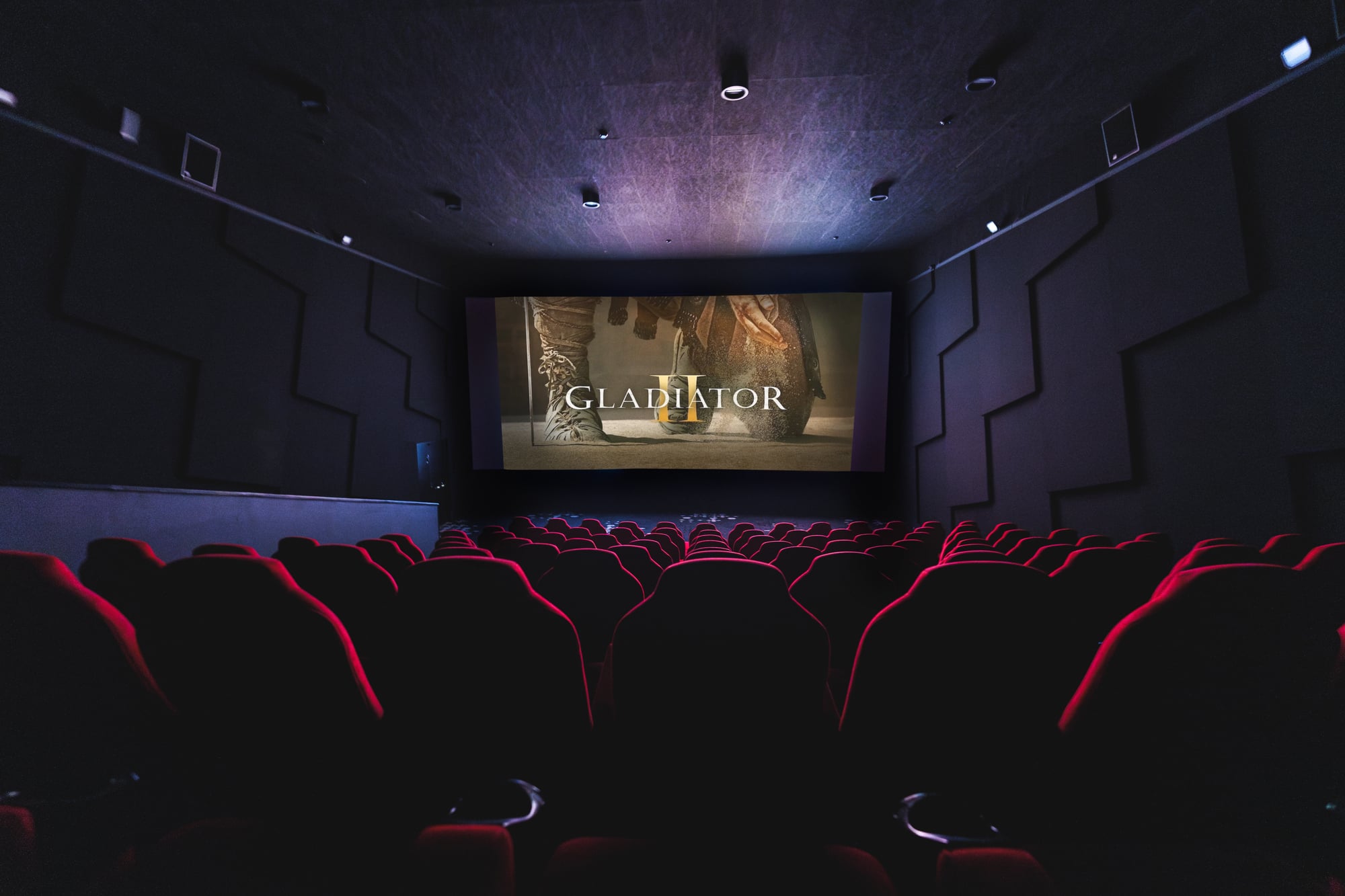
Ridley Scott’s sequel to his Oscar-winning epic was to feature a script by musician Nick Cave that would have seen Maximus resurrected by Roman gods and fighting through different historical periods. The wildly metaphysical screenplay had Maximus battling in the Crusades, World War II, and even the modern Pentagon.
The studio understandably balked at the unconventional concept, considering it too far removed from the original film.
Alien 5

Neill Blomkamp’s planned sequel would have ignored the events of Alien 3 and Alien: Resurrection, bringing back Sigourney Weaver as Ripley and Michael Biehn as Hicks. Concept art showed an aged Ripley wearing a xenomorph-like suit and new terrifying alien designs.
The project gained significant momentum before being shelved when Ridley Scott decided to focus on his Prometheus sequels instead.
The Tourist
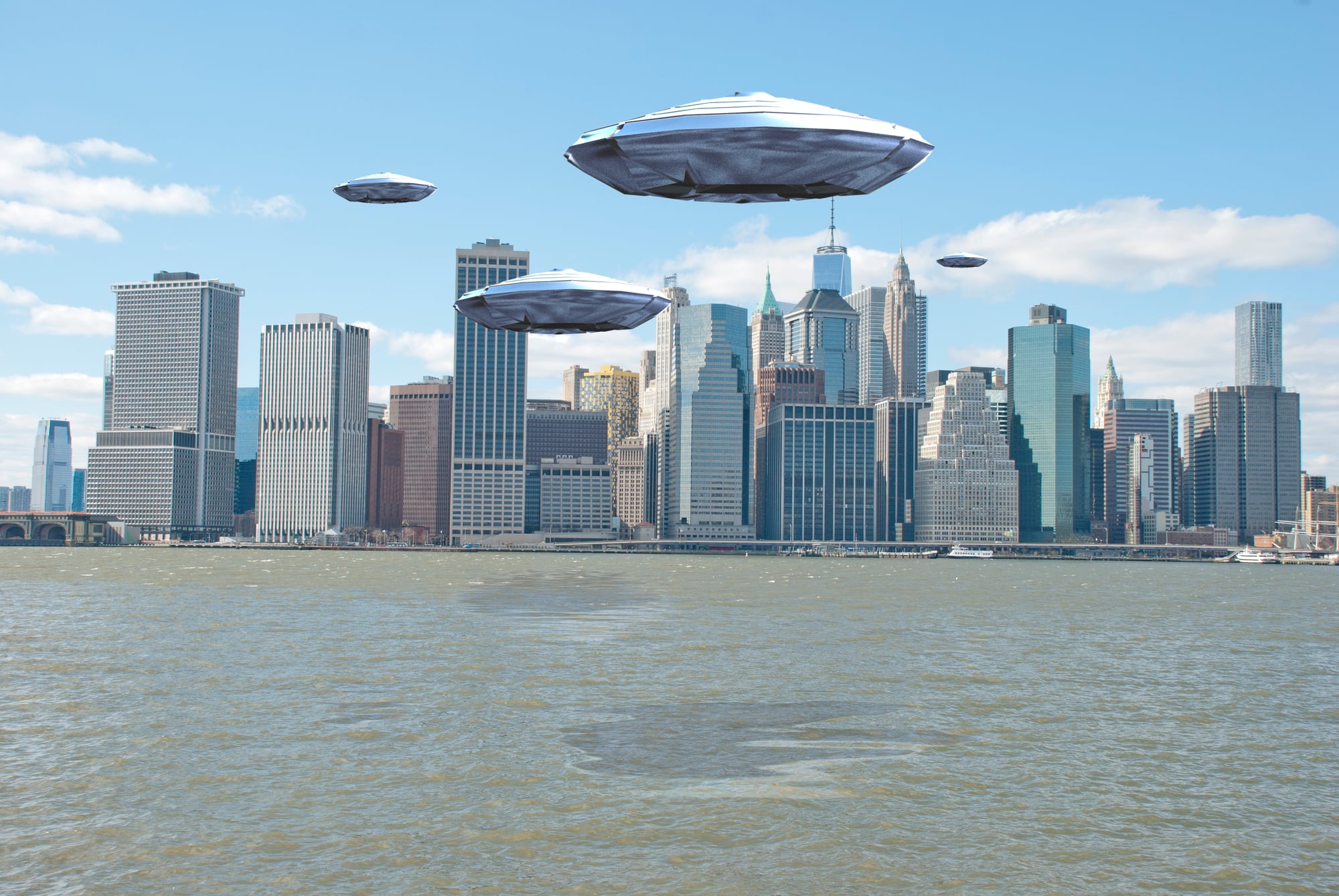
Claire Noto’s screenplay about aliens living secretly among humans in Manhattan was considered one of Hollywood’s best-unproduced scripts in the 1980s. The project featured early concept art by H.R. Giger and was set to include groundbreaking special effects.
Despite multiple studios attempting to develop it over decades, creative differences and changing industry trends kept the film from materializing.
Kaleidoscope

Alfred Hitchcock’s planned murder mystery would have featured an innovative approach to filmmaking with no dialogue in the first 30 minutes. The story about a serial killer targeting women at fashion shows was considered too graphic for its time.
MCA/Universal ultimately rejected the project due to its disturbing content, forcing Hitchcock to move on to other films in his legendary career.
Night Skies

Steven Spielberg conceived this darker follow-up to Close Encounters of the Third Kind about malevolent aliens terrorizing a rural family. The project featured impressive creature designs by Rick Baker and reached advanced pre-production before Spielberg had a change of heart.
Elements of the project were later repurposed for E.T. and Poltergeist, turning the frightening alien encounter into a more heartwarming tale.
Dune
Before David Lynch’s 1984 version, Alejandro Jodorowsky attempted to adapt Frank Herbert’s sci-fi novel with a team including artist H.R. Giger, writer Dan O’Bannon, and musician Pink Floyd. The project’s incredible ambition included a rumored 14-hour runtime and casting of Salvador Dalí and Orson Welles.
Financial realities eventually killed the production, though its concepts influenced science fiction cinema for decades afterward.
Leningrad
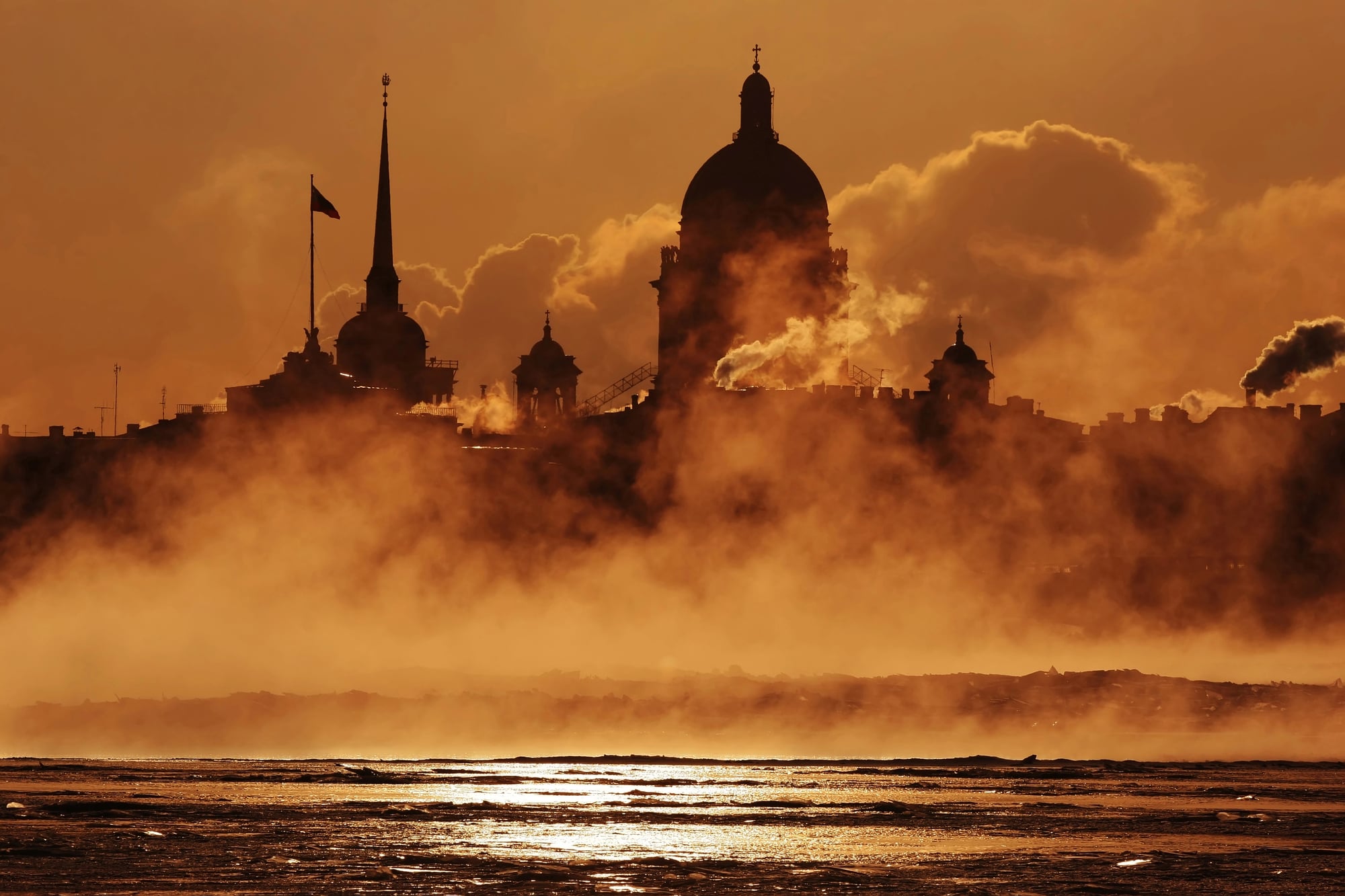
Sergio Leone spent years developing this epic war film about the 900-day siege of Leningrad during World War II. The Italian director known for revolutionary Westerns envisioned it as his masterpiece, focusing on an American photographer caught in the siege.
Leone had secured financing and was scheduled to begin filming when he died of a heart attack in 1989, just two days before he was set to sign the contracts.
Heart of Darkness

Orson Welles planned to make Joseph Conrad’s novella his first film before settling on Citizen Kane. His adaptation would have used an innovative documentary-style approach with subjective camera work, putting the audience in the protagonist’s perspective.
RKO Pictures ultimately deemed the project too expensive and technically challenging for a first-time director despite Welles’ extensive pre-production work.
Who Killed Bambi?
This planned Sex Pistols film, written by Roger Ebert and directed by Russ Meyer, would have been punk rock’s answer to The Beatles’ A Hard Day’s Night. Production began but was quickly shut down when executives at 20th Century Fox visited the set and were horrified by the content.
Only 10 minutes of footage were shot before the plug was pulled, leaving punk fans to wonder what might have been.
The Confederacy

Robert Altman spent years trying to adapt John Kennedy Toole’s comic novel A Confederacy of Dunces. The project saw various iterations with John Belushi, John Candy, and Chris Farley all attached to play the lead character Ignatius Reilly before their untimely deaths.
The series of unfortunate events led many to believe the project was cursed, effectively ending any serious attempts to produce the film.
Ronnie Rocket

David Lynch’s follow-up to Eraserhead was a surreal tale about electricity and a three-foot-tall man with red hair. The script featured Lynch’s trademark bizarre imagery and nonlinear storytelling focused on an industrial wasteland.
Despite multiple attempts to secure financing throughout his career, studios were consistently unwilling to back such an experimental project from the maverick director.
Crusade
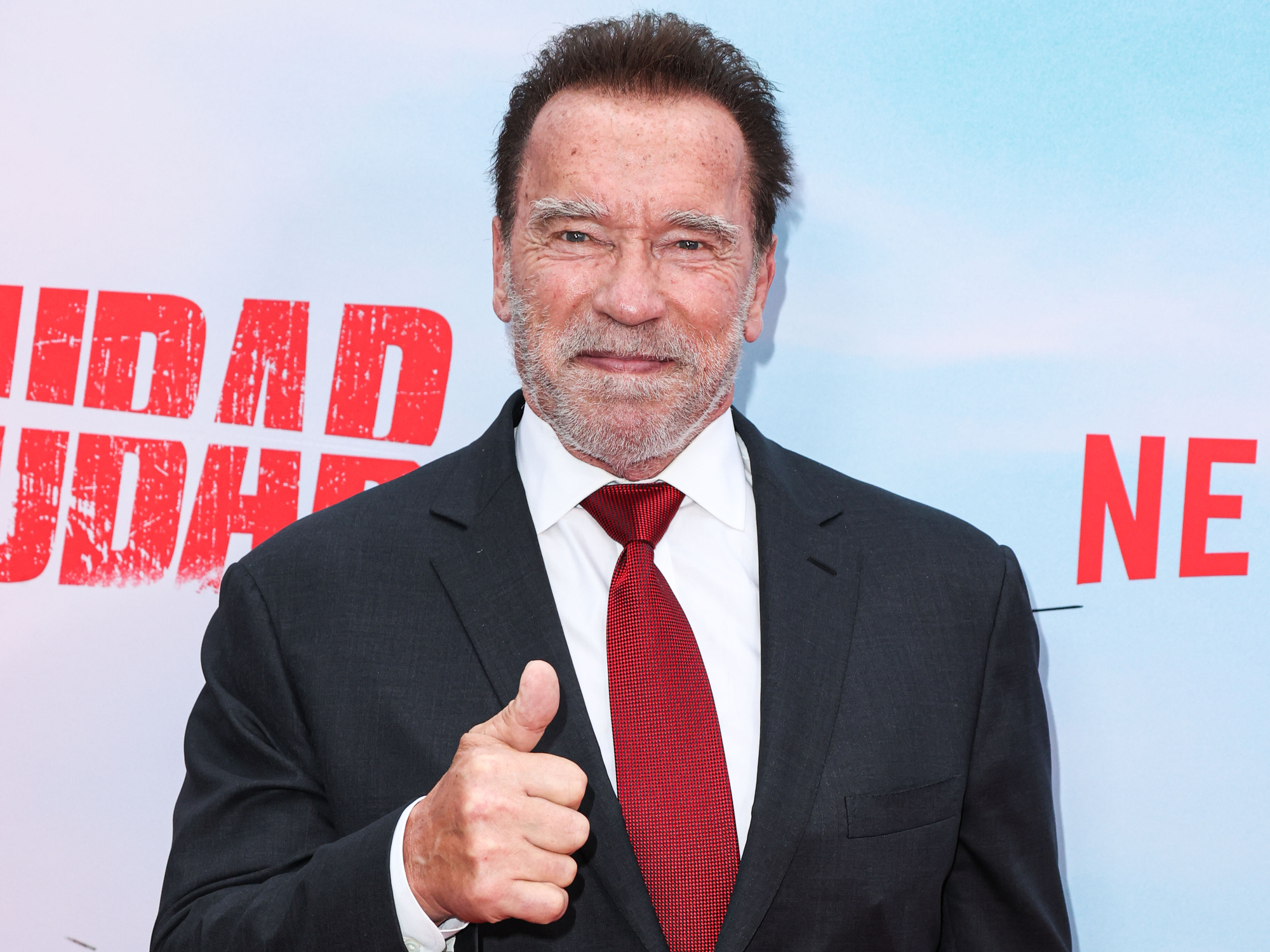
Paul Verhoeven and Arnold Schwarzenegger’s planned medieval epic would have been one of the most expensive films of its time, with a budget of $100 million in early 1990s dollars. The historically accurate script portrayed crusaders as brutal invaders rather than heroes, contradicting Hollywood traditions.
The studio ultimately abandoned the project when the budget continued to rise, deeming it too financially risky.
The Man Who Killed Don Quixote

Terry Gilliam’s infamous adaptation of Cervantes’ novel became synonymous with production disasters when its initial 2000 filming was ruined by noise from nearby NATO exercises, flash floods that destroyed sets, and lead actor Jean Rochefort’s debilitating back injury. Gilliam struggled for nearly 20 years to restart the project, with multiple failed attempts becoming the subject of the documentary Lost in La Mancha.
Stanley Kubrick’s Napoleon
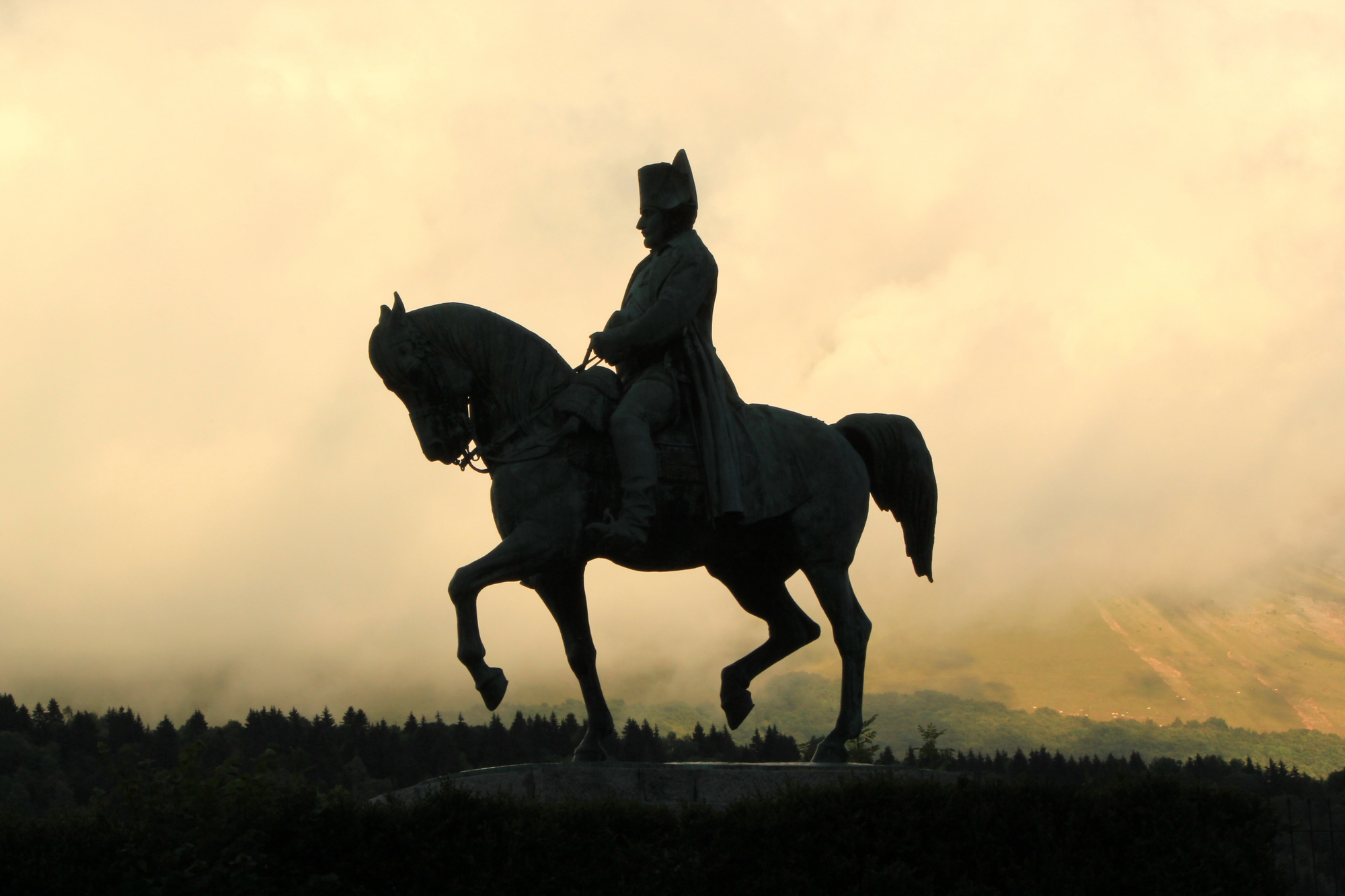
Stanley Kubrick’s exhaustively researched Napoleon biopic remains perhaps the most legendary unmade film in cinema history. Kubrick compiled 25,000 index cards of research and scouted locations throughout Europe for years.
The project collapsed when studios became nervous following the financial failure of the similar historical epic Waterloo in 1970. The detailed production notes and research still exist in the Kubrick archives.
Halo
Neill Blomkamp was set to direct this adaptation of the popular video game series with Peter Jackson producing. Microsoft had unprecedented creative control in the deal with Universal and Fox, leading to tensions when the budget kept expanding.
Sets were built, and pre-production was well underway when both studios pulled funding in 2006, concerned about the growing costs and Microsoft’s demands. The collapse of this project ultimately led to Blomkamp and Jackson creating District 9 instead.
Beyond the Horizon

Cinema history includes countless near-misses and abandoned visions that continue to captivate film enthusiasts. These unmade projects often influence the industry in surprising ways, with concepts, designs, and ideas finding their way into other productions.
The development process of these phantom films reveals much about the creative and financial challenges of moviemaking. These 19 unmade films remind us that in Hollywood, the journey from concept to screen remains an extraordinarily difficult path fraught with obstacles at every turn.
More from Go2Tutors!

- The Romanov Crown Jewels and Their Tragic Fate
- 13 Historical Mysteries That Science Still Can’t Solve
- Famous Hoaxes That Fooled the World for Years
- 15 Child Stars with Tragic Adult Lives
- 16 Famous Jewelry Pieces in History
Like Go2Tutors’s content? Follow us on MSN.



