15 Lost Luxury Experiences From Old Department Stores
There was a time when shopping meant something entirely different. Department stores weren’t just places to buy things — they were destinations where you could spend an entire afternoon, maybe even an entire day.
These weren’t the sterile retail boxes we know today, but grand establishments that understood luxury wasn’t just about the merchandise on the shelves. It was about the experience itself, the feeling that you’d stepped into another world where everything was possible and nothing was too much trouble.
White Glove Shopping Assistance
Personal shopping wasn’t a premium service you had to request. It was standard.
Shop girls knew your name, your size, your preferences, and what you’d purchased last season. They’d pull items before you asked, suggest combinations you hadn’t considered, and remember that you preferred your sleeves a quarter-inch shorter than standard.
The relationship lasted years, sometimes decades.
Full-Service Fur Salons
Walking into the fur salon at Bergdorf’s or Saks meant entering a world where temperature-controlled rooms housed hundreds of coats, each hanging with the reverence of museum pieces (and honestly, some of them cost as much).
But here’s what made it remarkable beyond just the inventory: they’d bring you tea while you tried things on, alter anything on the spot, and store your purchase in their climate-controlled vaults until the weather turned cold enough to wear it.
And yet the real luxury wasn’t the furs themselves — it was the understanding that buying a coat worth several months’ salary deserved an environment that matched its significance, complete with salespeople who treated each piece like the investment it was.
In-Store Tea Rooms and Restaurants
Department stores understood something that seems obvious now but felt revolutionary then: shopping worked up an appetite.
The tea room at Marshall Field’s wasn’t just a place to grab a quick bite — it was where society lunches happened, where mothers brought daughters for their first grown-up meal, where business was conducted over perfectly pressed linens and silver service.
These weren’t food courts. They were proper restaurants that happened to be inside stores.
Personal Tailoring Departments
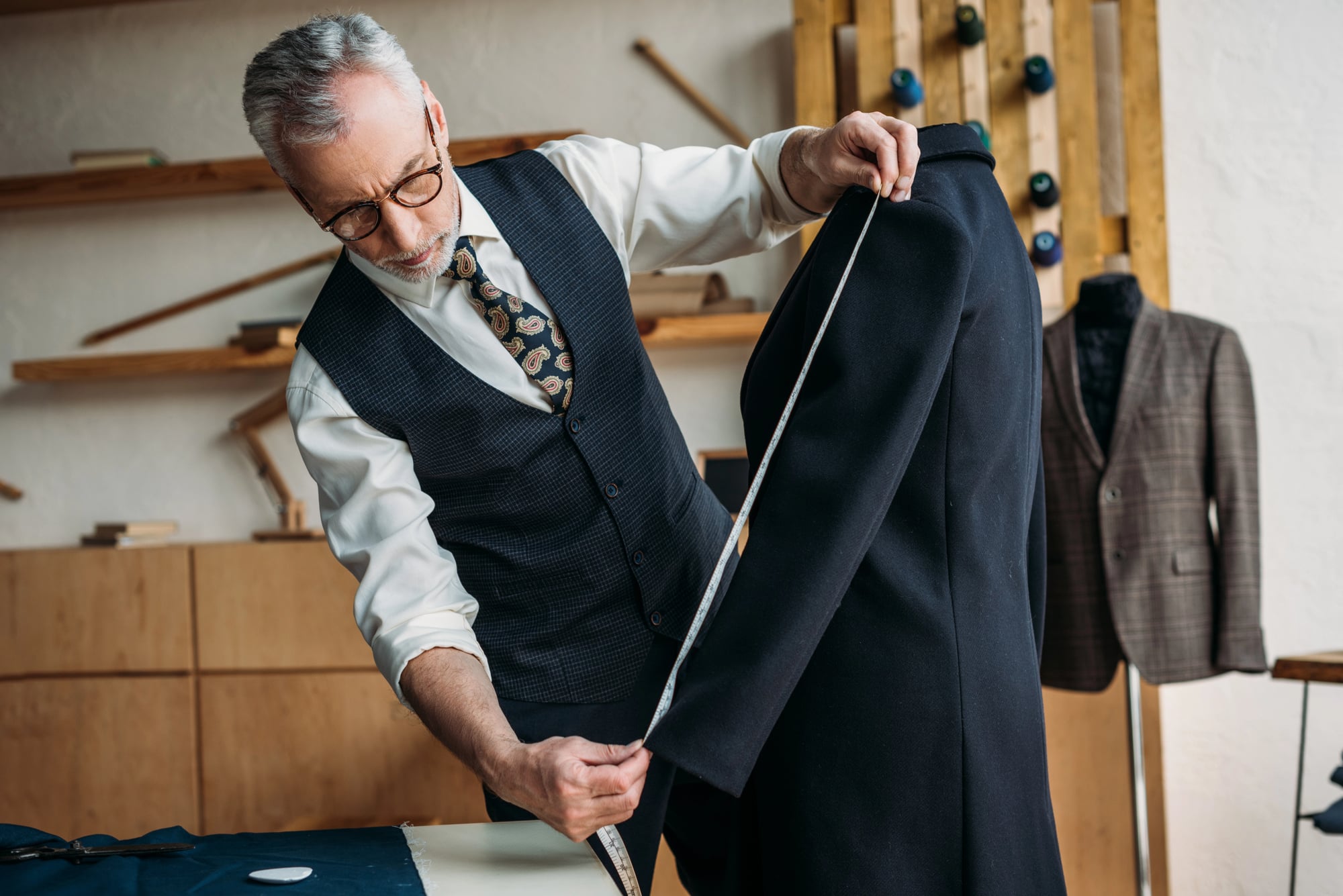
Every major department store had its own tailoring operation, and not just for simple hemming.
These were full workshops with master tailors who could rebuild a garment from the ground up.
You’d buy a suit off the rack knowing it was really just the starting point. The fit would be perfected through multiple appointments, adjustments made with the kind of precision that’s rare to find anywhere today.
Off-the-rack meant custom-fitted.
Private Shopping Suites
The wealthy didn’t shop on the sales floor with everyone else — they had private rooms where merchandise was brought to them like they were holding court (which, in a way, they were).
These suites came with their own attendants, refreshments, and the kind of privacy that allowed for honest conversations about what worked and what didn’t.
But the real genius wasn’t the exclusivity itself: it was how these spaces made shopping feel less like a transaction and more like a consultation, where the goal was finding exactly what you needed rather than just moving inventory.
So the experience became about curation rather than selection, with salespeople who understood that saying “that’s not right for you” was sometimes the most valuable service they could provide.
Complimentary Gift Wrapping Services
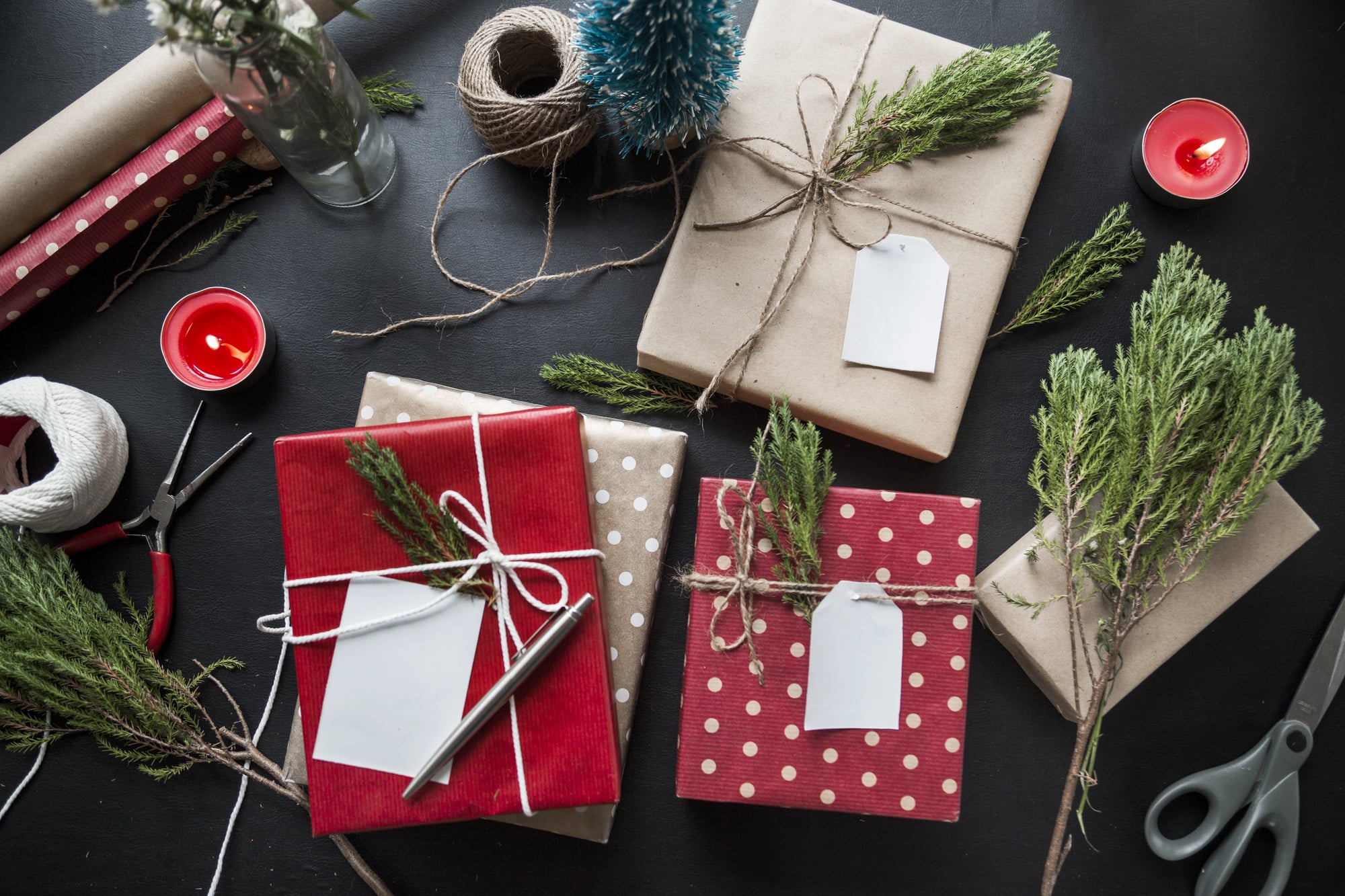
Gift wrapping was an art form. Not the casual fold-and-tape operation you see today, but elaborate presentations involving multiple layers, coordinated ribbons, and finishing touches that made the packaging almost as valuable as what was inside.
They’d wrap your purchases whether you were giving them as gifts or not, understanding that the experience of unwrapping something beautiful was worth preserving even when you were buying for yourself.
Beauty Salons and Full Spa Services
Department stores housed complete beauty operations — hair salons, makeup counters with full application services, manicures, facials, the works.
The beauty department at Lord & Taylor wasn’t just selling cosmetics; it was selling transformation.
Women would arrive for a full day of pampering that happened to include some shopping along the way. The makeup wasn’t just something you bought and figured out how to use at home.
Executive Shopping Services
Corporate accounts meant something different back then.
Companies would arrange for their executives’ entire wardrobes to be managed by the store’s personal shopping team.
Business trips, seasonal updates, special events — everything handled by people who understood that busy executives couldn’t spend their time thinking about whether their suits needed refreshing.
The store became their clothing department, managing inventory, scheduling fittings, and ensuring they always looked the part.
Luxury Home Furnishing Consultations
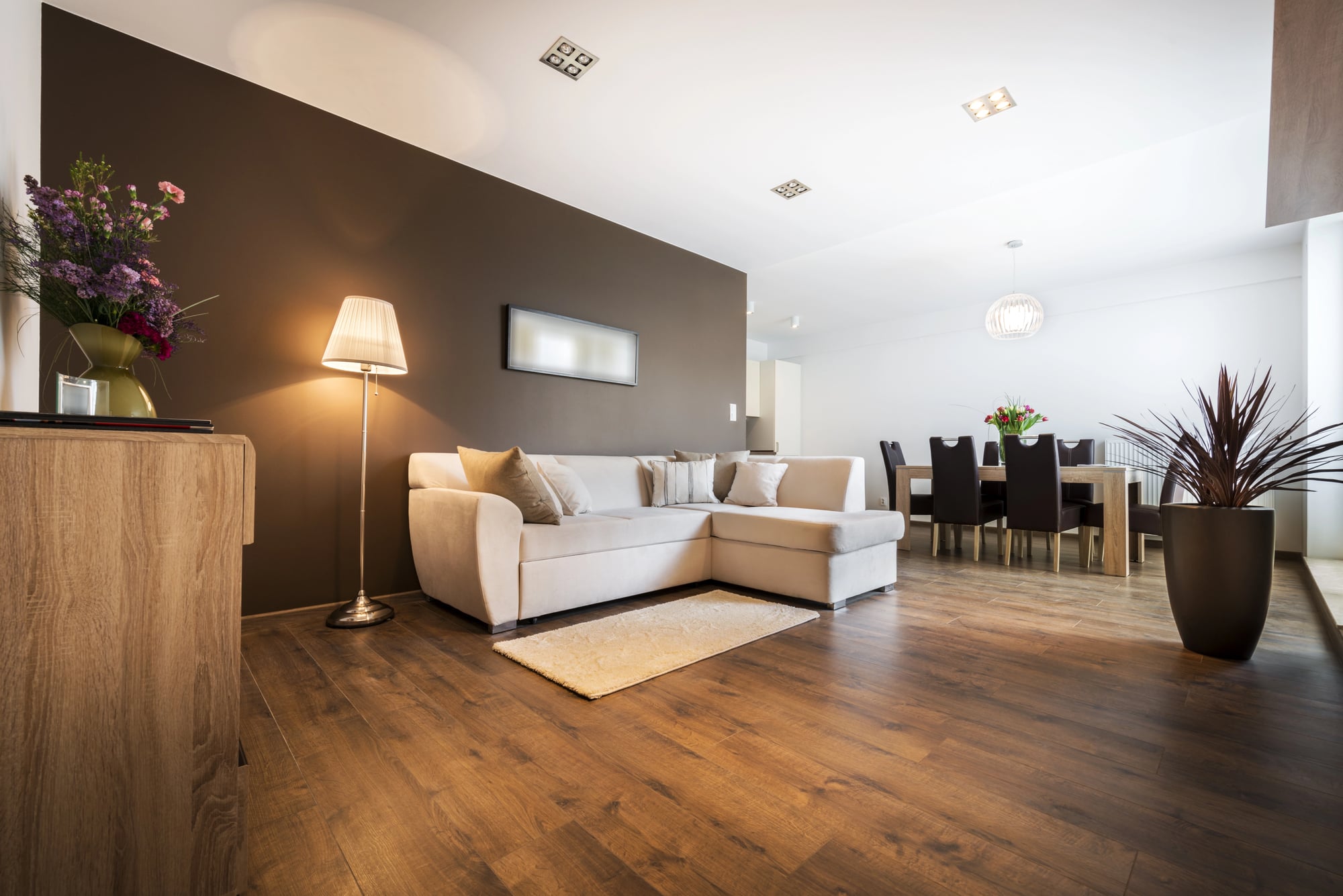
Buying furniture meant working with interior design consultants who’d visit your home, measure spaces, and coordinate entire room makeovers through the store’s home department (because back then, department stores sold everything from dishes to dining room sets, and the staff actually knew how it all fit together).
These weren’t salespeople pushing individual pieces — they were design professionals who happened to work retail, treating each customer’s home like a project worth getting right.
But the real value wasn’t just the expertise: it was having someone who understood that a living room needed to work as a complete environment, not just a collection of separate purchases that hopefully looked decent when you got them home.
Seasonal Fashion Shows and Private Previews
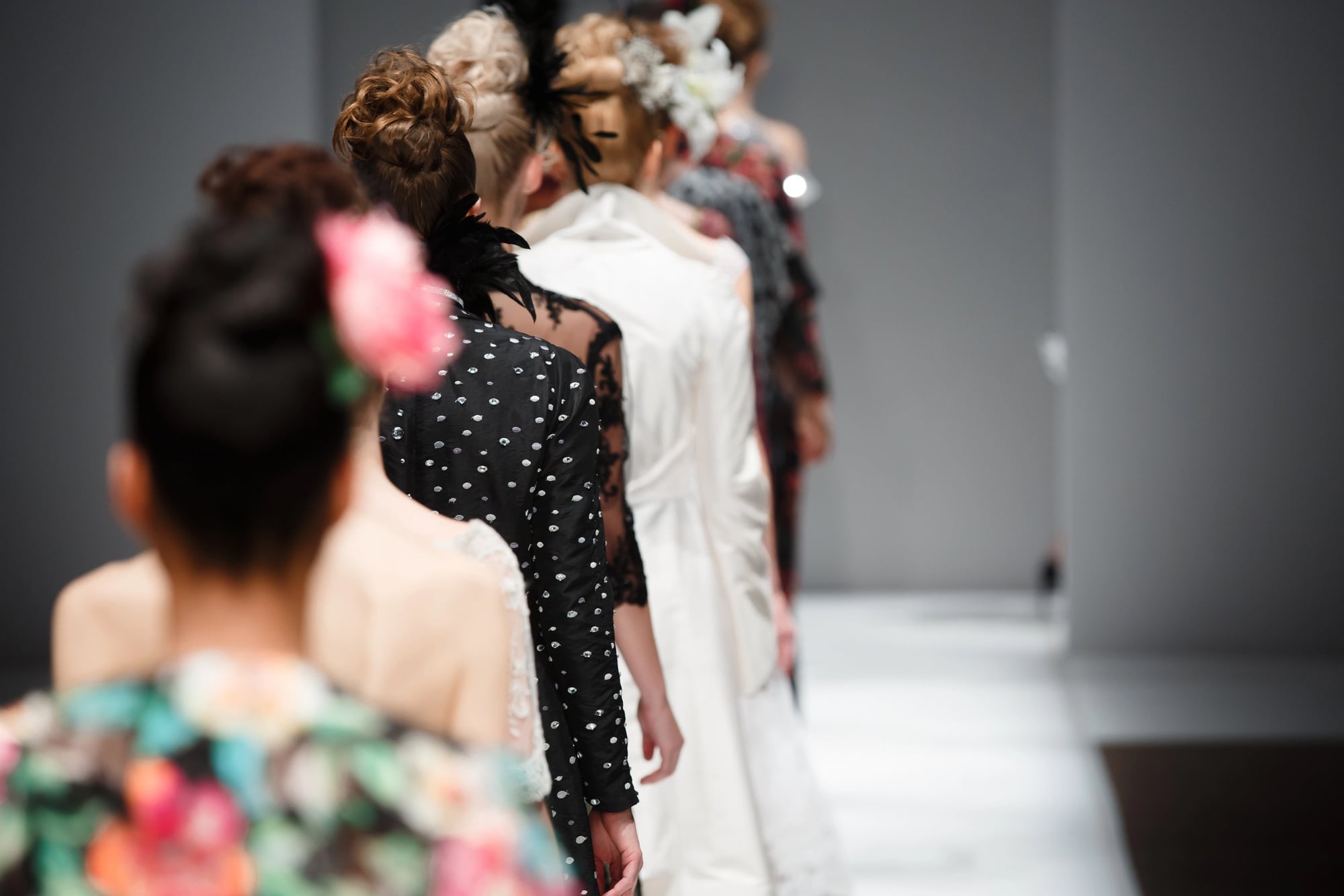
Fashion shows weren’t just for fashion week.
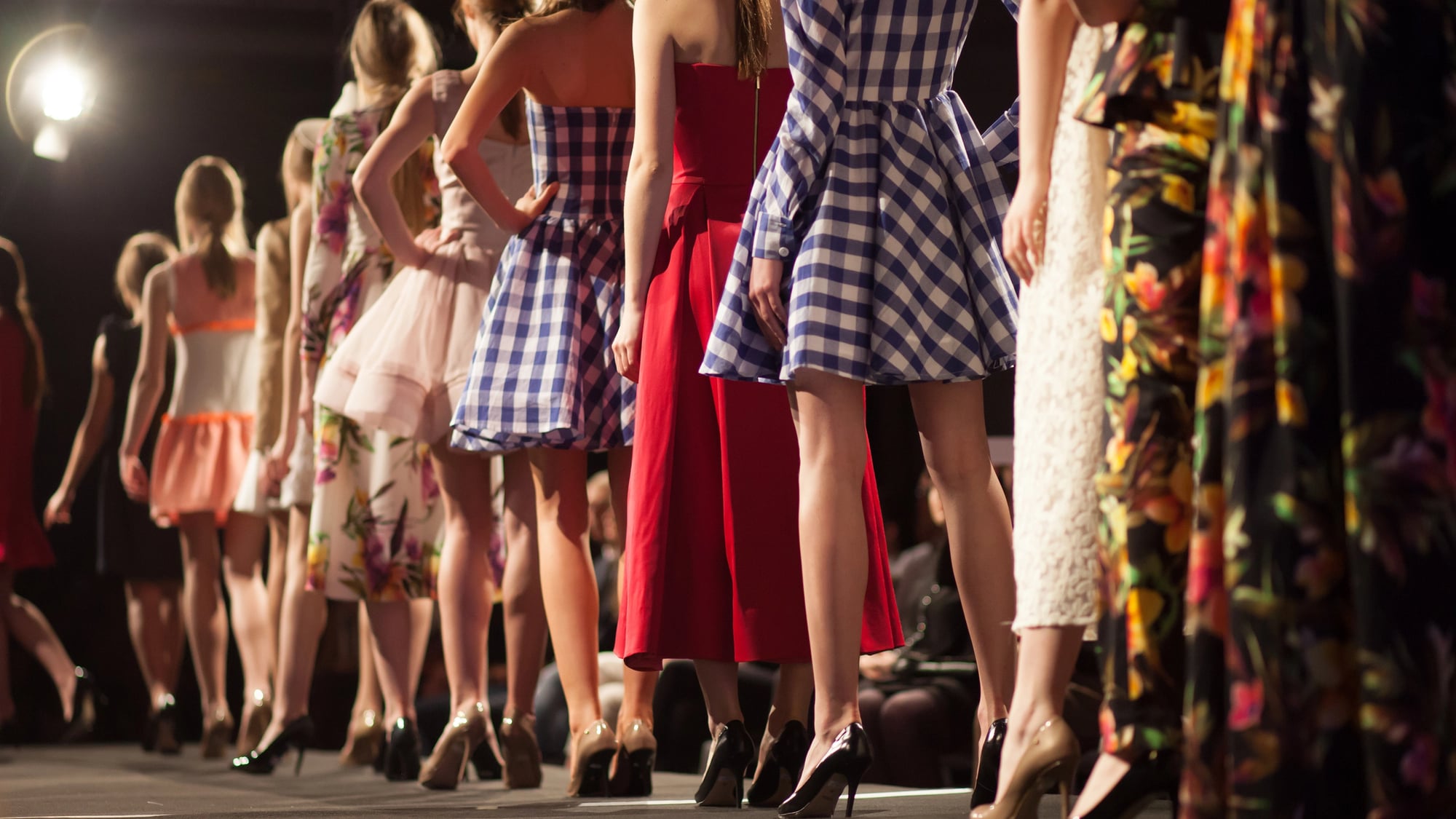
Department stores held regular shows to debut new collections, often with lunch included and personal consultations afterward.
Customers would see how pieces worked together, get styling ideas, and place orders for items that caught their attention.
These events made shopping feel participatory rather than transactional, like you were part of a community that cared about looking good.
Monogramming and Personalization Services
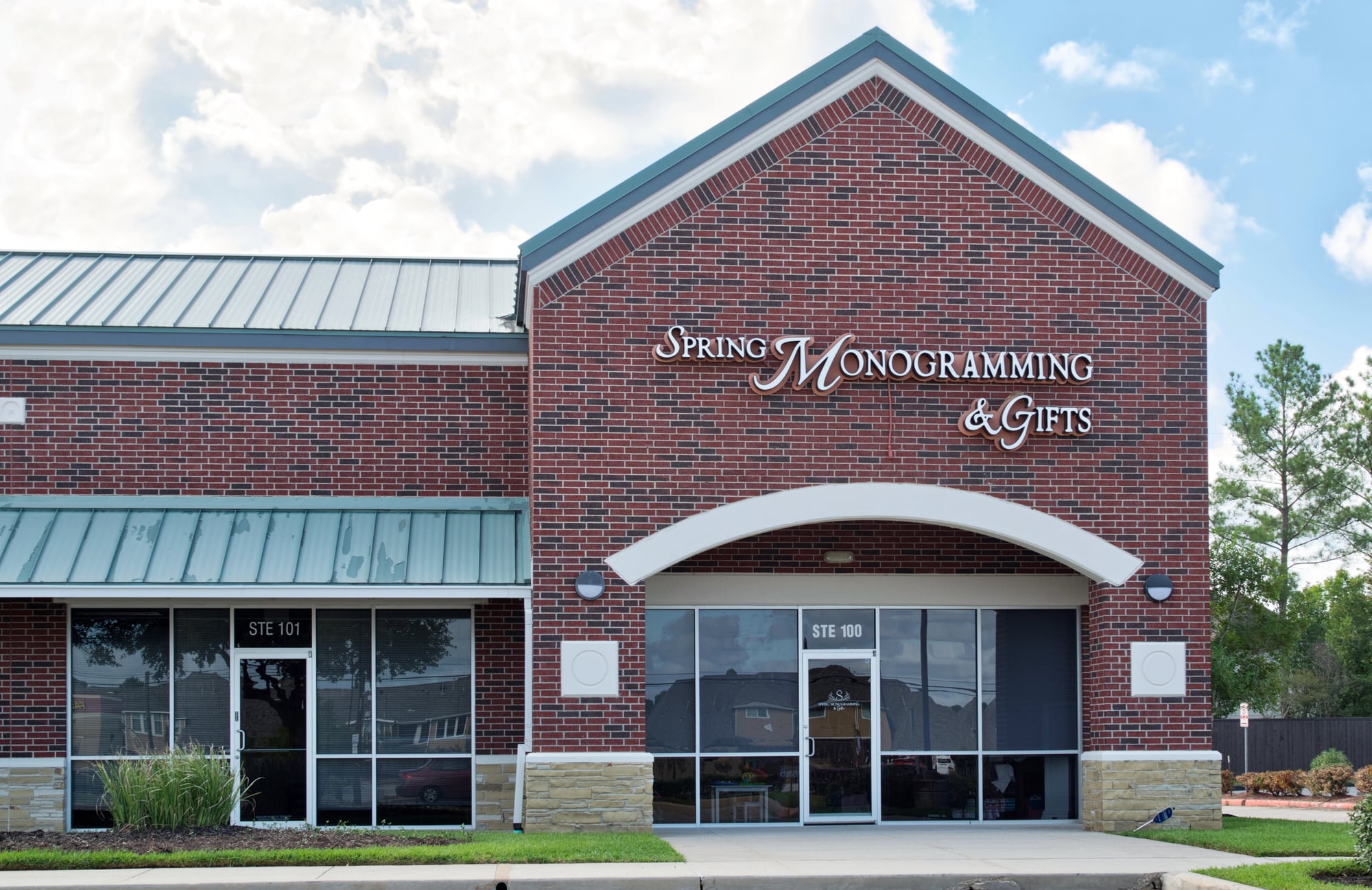
Personalization wasn’t an upcharge — it was expected.
Shirts came monogrammed, leather goods were embossed with initials, and even handkerchiefs got the full treatment.
The store had craftspeople on staff who could add personal touches to nearly anything you bought, turning purchases into heirlooms that felt distinctly yours.
Valet Parking and Car Services
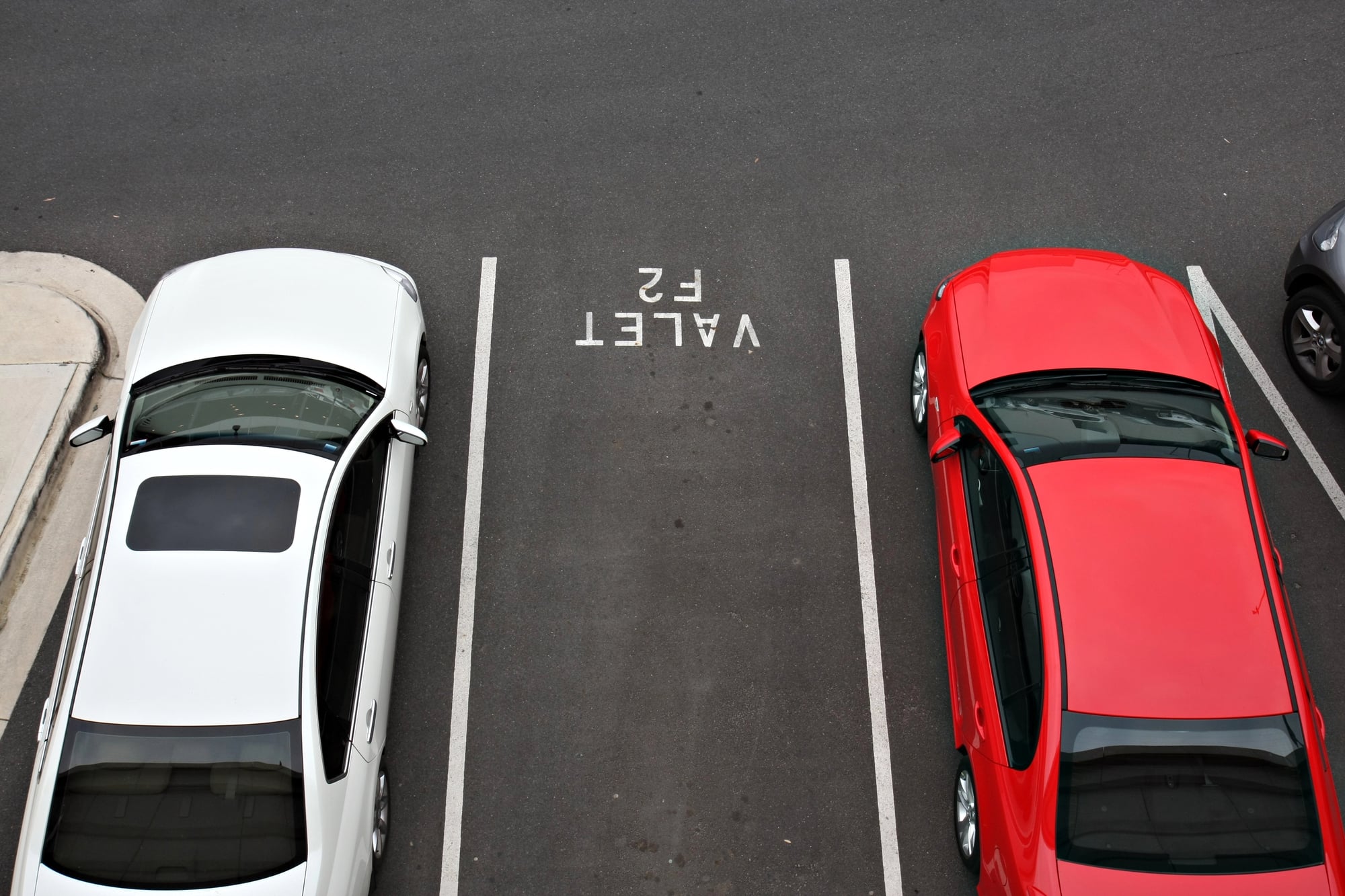
The logistics of shopping were handled for you.
Valet parking meant you never circled blocks looking for spots, and many stores offered car services for their best customers.
Shopping bags were delivered to your car, or better yet, directly to your home.
The entire experience was designed around removing friction, understanding that luxury meant not having to think about the boring parts.
Personal Wardrobe Storage and Seasonal Services
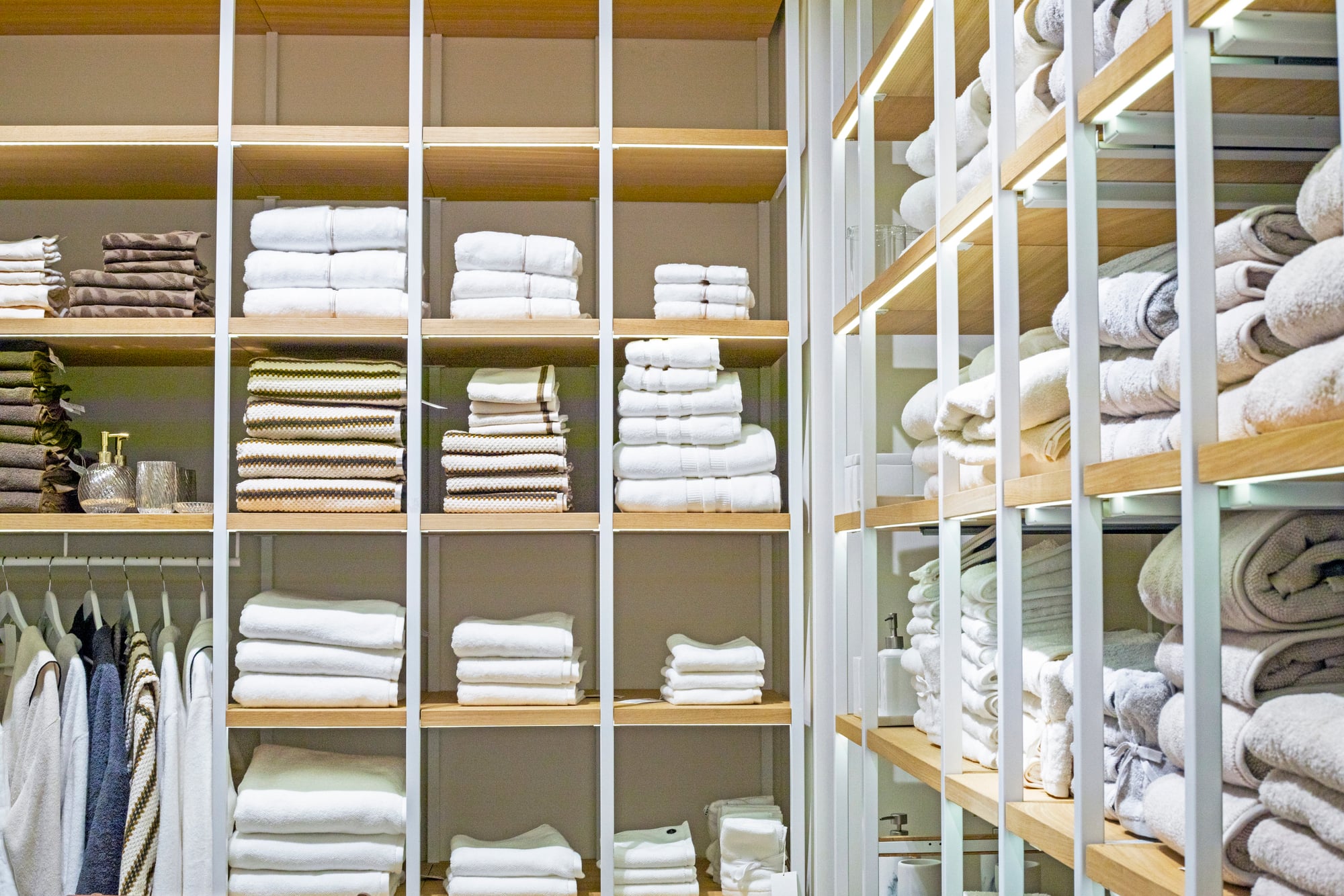
Some stores offered to store your seasonal clothing, switching out your wardrobe as weather changed and keeping everything properly maintained while it wasn’t being worn.
They’d clean, repair, and store your winter coats through the summer, then have them ready and waiting when temperatures dropped.
Your closet became infinite because the store served as an extension of your own storage.
Concierge Services for Errands and Arrangements
Department store concierges could handle more than just shopping.
They’d arrange restaurant reservations, coordinate deliveries, manage alterations schedules, and generally serve as personal assistants for customers who needed someone reliable to handle life’s details.
The store became a hub for managing your entire lifestyle, not just your purchases.
Multi-Generational Customer Relationships

The most remarkable luxury was continuity.
Families shopped at the same stores for generations, with salespeople who remembered your grandmother’s preferences and understood your family’s style evolution over decades.
These relationships created a kind of institutional memory where shopping became less about starting from scratch each time and more about continuing conversations that had been going on for years.
When Shopping Was Theater
Those experiences didn’t disappear gradually — they vanished almost overnight as retail shifted toward efficiency over elegance.
What replaced them works fine for getting what you need, but something essential was lost in the translation.
Shopping used to be an event worth dressing up for, a social experience that connected you to your community and made you feel cared for in ways that went far beyond the transaction itself.
The old department stores understood that luxury wasn’t just about having expensive things — it was about feeling like the kind of person who deserved to be treated exceptionally well.
More from Go2Tutors!

- The Romanov Crown Jewels and Their Tragic Fate
- 13 Historical Mysteries That Science Still Can’t Solve
- Famous Hoaxes That Fooled the World for Years
- 15 Child Stars with Tragic Adult Lives
- 16 Famous Jewelry Pieces in History
Like Go2Tutors’s content? Follow us on MSN.



