15 Surprising Facts About Cheese and Fermentation
There’s something magical about watching milk transform into cheese. One day it’s liquid, the next it’s something entirely different — aged, complex, alive with flavor.
Most people think of cheese as a simple dairy product, but the world of fermentation tells a different story. These processes have been shaping human civilization for thousands of years, creating foods that are stranger, more intricate, and far more fascinating than anyone realizes.
Ancient Cheese Predates Written Language
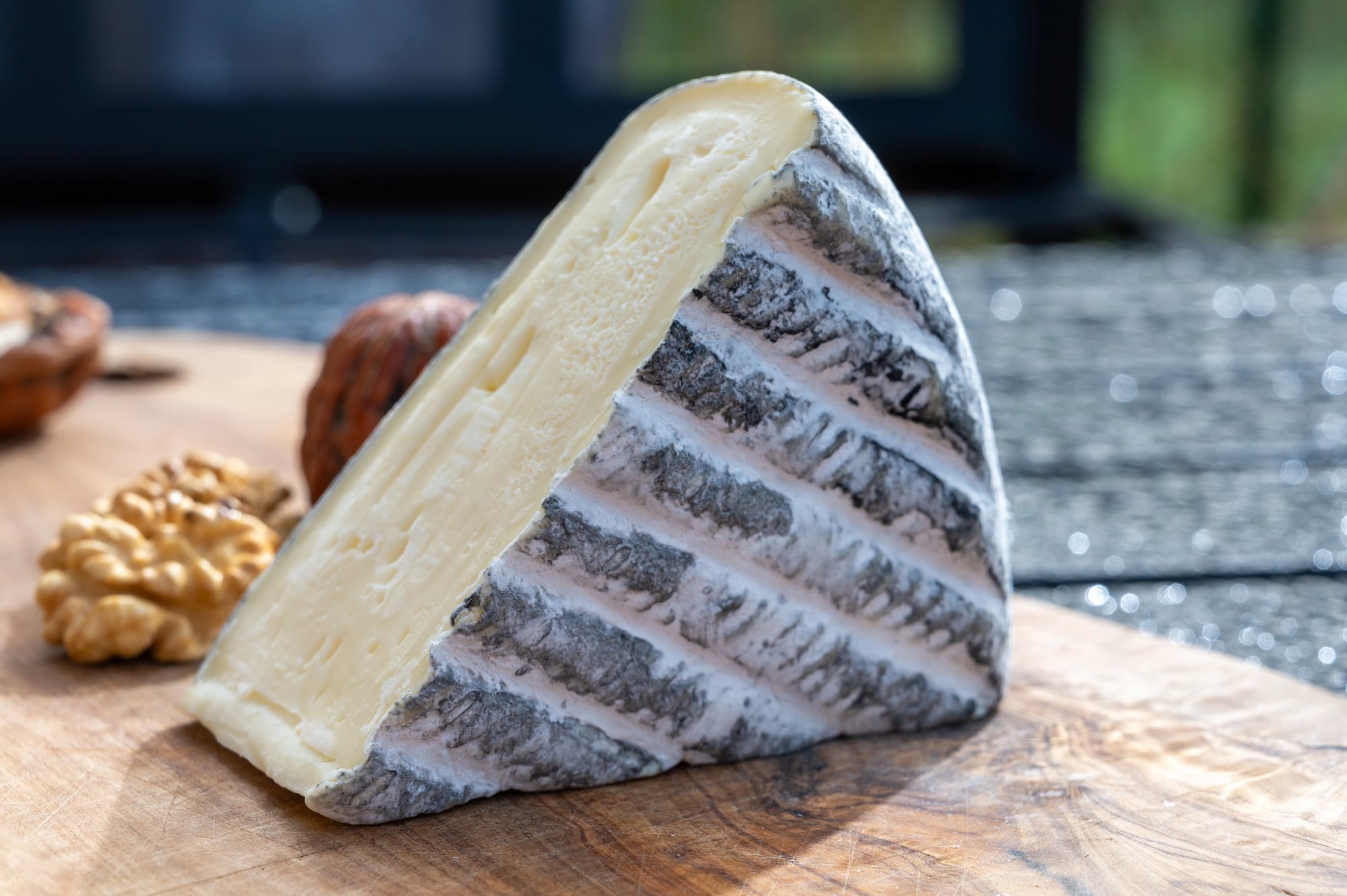
Cheese making started around 8000 BCE. No recipes. No instructions passed down through generations of literate cheesemakers.
Just trial, error, and accidents that turned out better than expected. Archaeological evidence shows people were making cheese before they figured out how to write about it.
The process was so valuable it survived purely through demonstration and memory.
Cheese Rinds Are Living Ecosystems
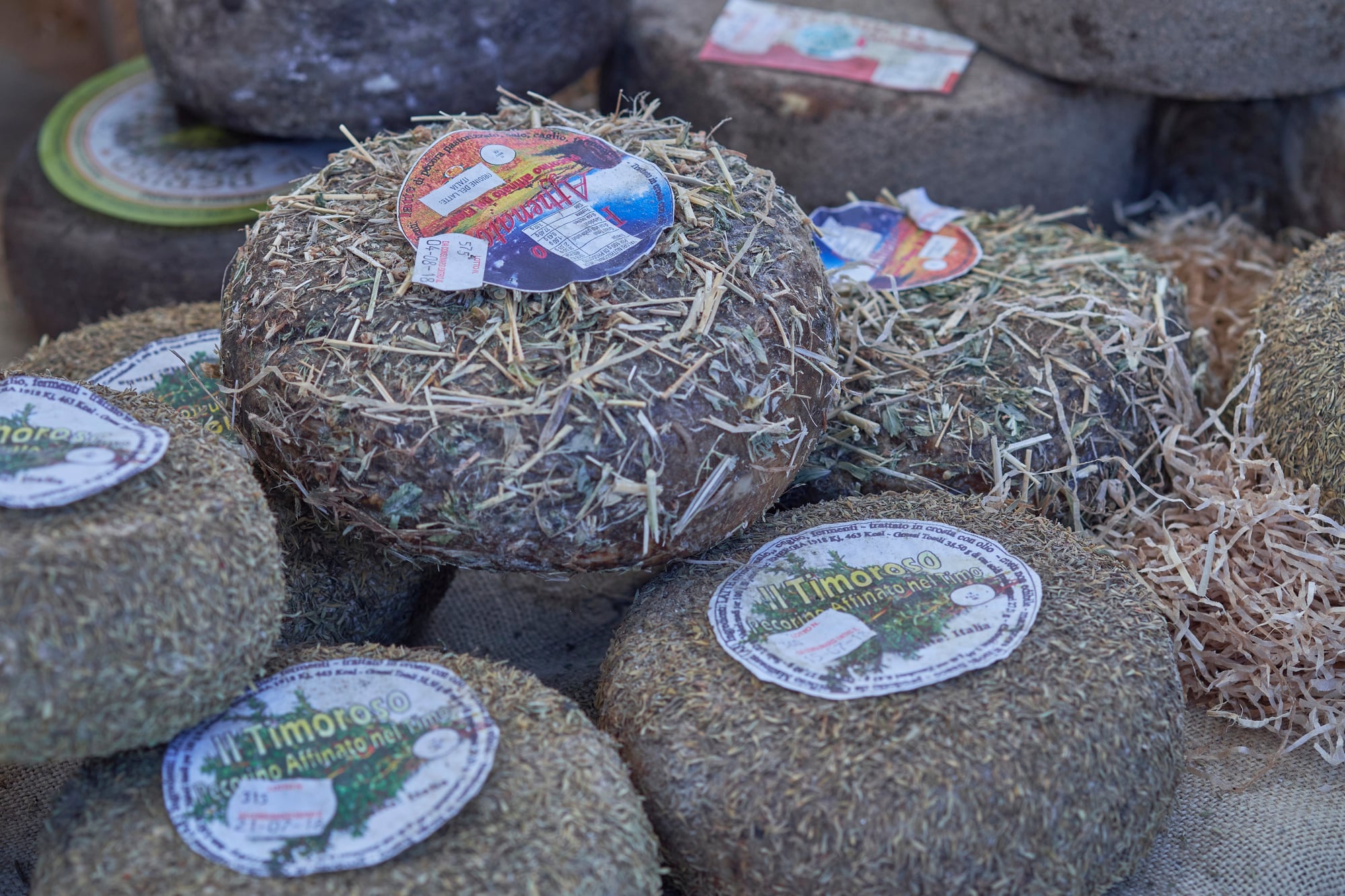
The surface of an aged cheese isn’t just decoration — it’s a thriving community of bacteria, yeasts, and molds working together (and sometimes competing with each other) in ways that scientists are still mapping out.
Each wheel becomes its own miniature world, shaped by everything from the humidity of the aging cave to the particular strain of Penicillium roqueforti that happened to land there first.
So when someone tells you to cut the rind off, they’re essentially asking you to discard the most biologically complex part of the entire wheel.
And yet, that complexity is exactly what creates the flavors that make aged cheeses worth the wait and the price.
But here’s where it gets interesting: the same mold species can behave completely differently depending on what other microorganisms are present, which means no two wheels age exactly the same way, even when they start with identical milk from the same batch.
Swiss Cheese Rounds Come From Hay Dust
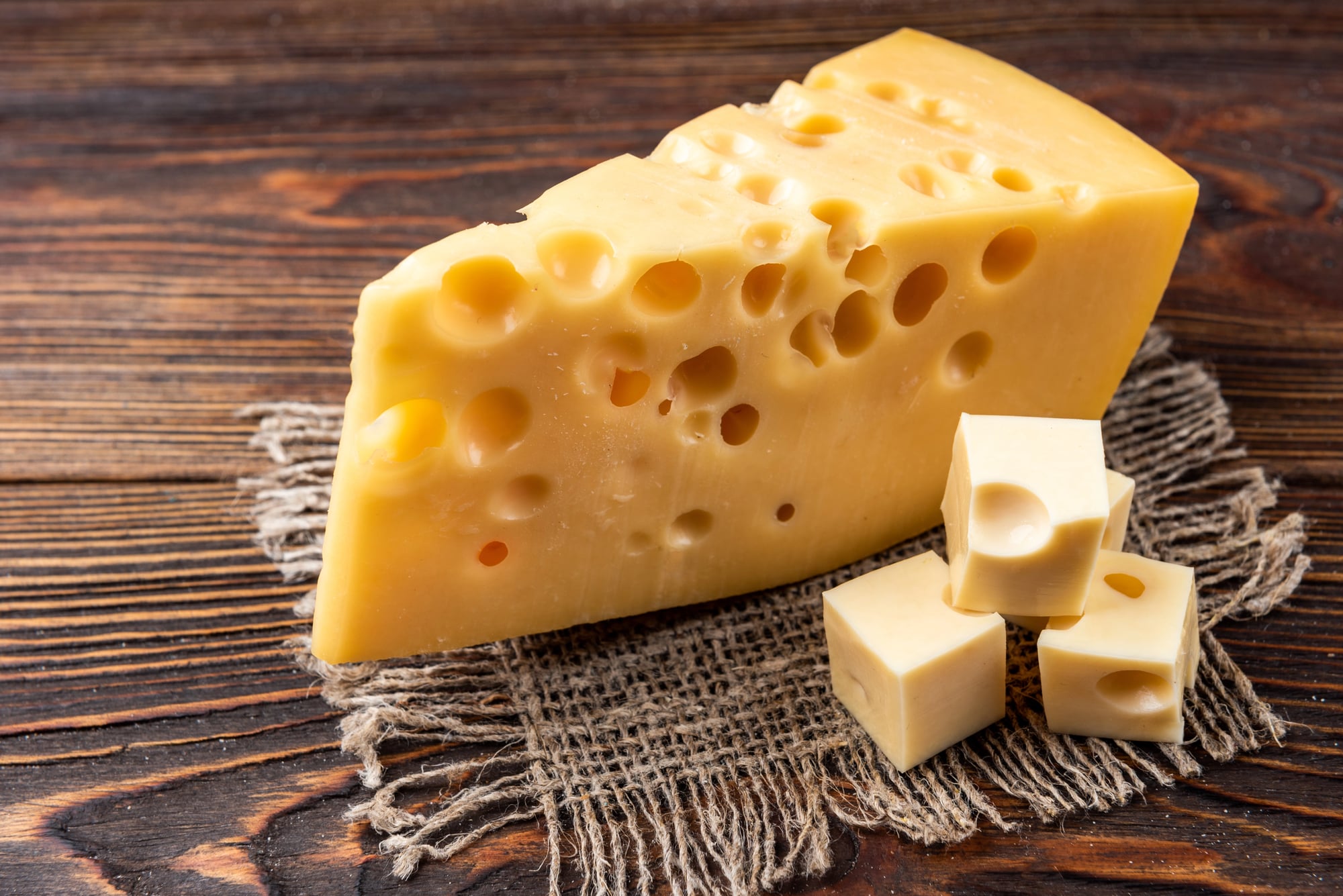
Those iconic rounds in Swiss cheese aren’t random. They’re caused by a specific type of bacteria that produces carbon dioxide gas.
But the bacteria needs something to nucleate around — tiny particles that act as starting points for bubble formation.
Traditional Swiss cheesemakers used to get these particles naturally from hay dust in the milk. Modern sanitation methods removed the hay dust, and cheesemakers had to deliberately add it back to maintain the characteristic rounds.
Some Cheeses Require Specific Caves
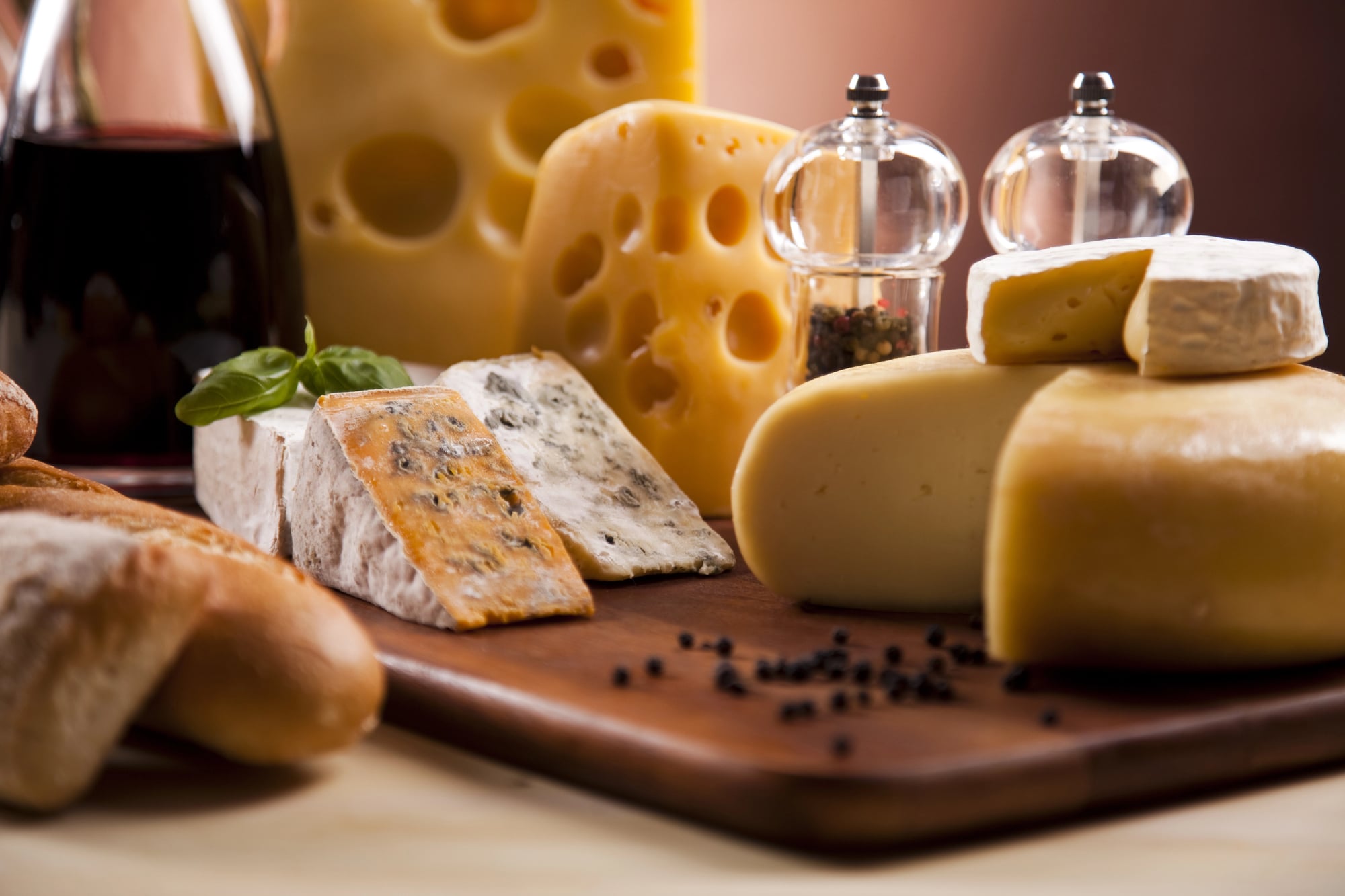
Roquefort can only legally be aged in the natural caves of Roquefort-sur-Soulzon in southern France.
The caves maintain a constant temperature and humidity, but more importantly, they harbor the specific strain of Penicillium roqueforti that gives authentic Roquefort its character.
These aren’t just marketing gimmicks — the microclimates in these caves have developed over centuries, creating conditions that can’t be replicated elsewhere.
The cheese tastes different when aged anywhere else.
Fermentation Was Humanity’s First Biotechnology
Long before anyone understood what bacteria or yeast actually were, humans had figured out how to harness them.
Fermentation represents the first time our species learned to collaborate with other organisms to create something neither could make alone.
Think about it: every culture that developed agriculture also developed fermentation — not as a luxury, but as a necessity.
The techniques were so crucial that they became embedded in daily life, in religious ceremonies, in the fundamental rhythms of how communities fed themselves.
The strange part is how intuitive this biotechnology became, passed down through generations of people who had no scientific framework for understanding why it worked, only that it did.
Cheese Aging Can Take Decades
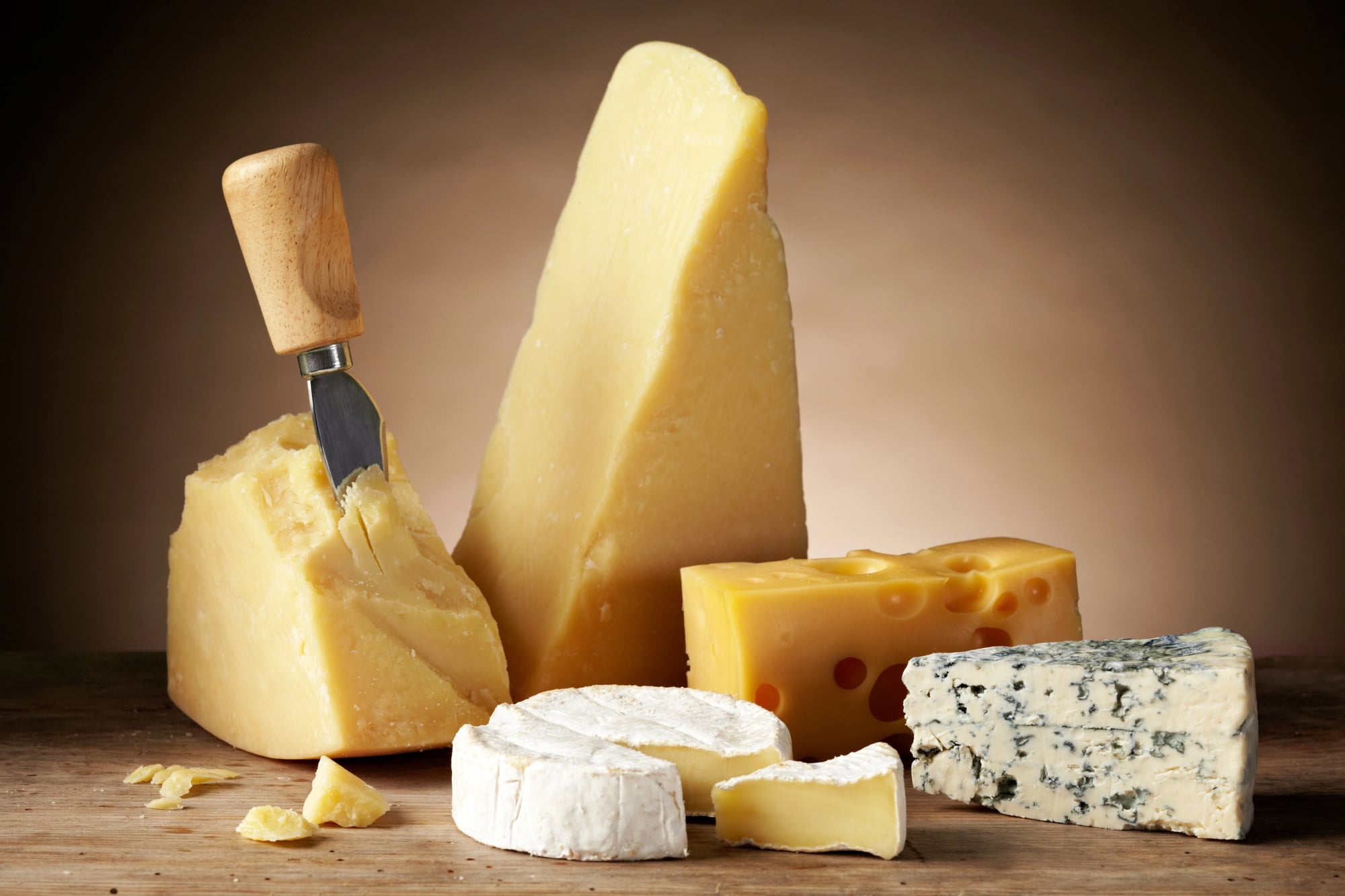
Forget the standard aged cheddar at the grocery store. Some traditional cheeses are aged for 20, 30, even 40 years.
Bitto Storico from Italy’s Valtellina valley has been aged for over four decades in some cases.
The economics make no sense from a modern business perspective — tying up inventory for decades, with no guarantee the final product will be worth the investment.
But the results justify the patience for those willing to wait.
Lactose-Intolerant People Can Often Eat Aged Cheese
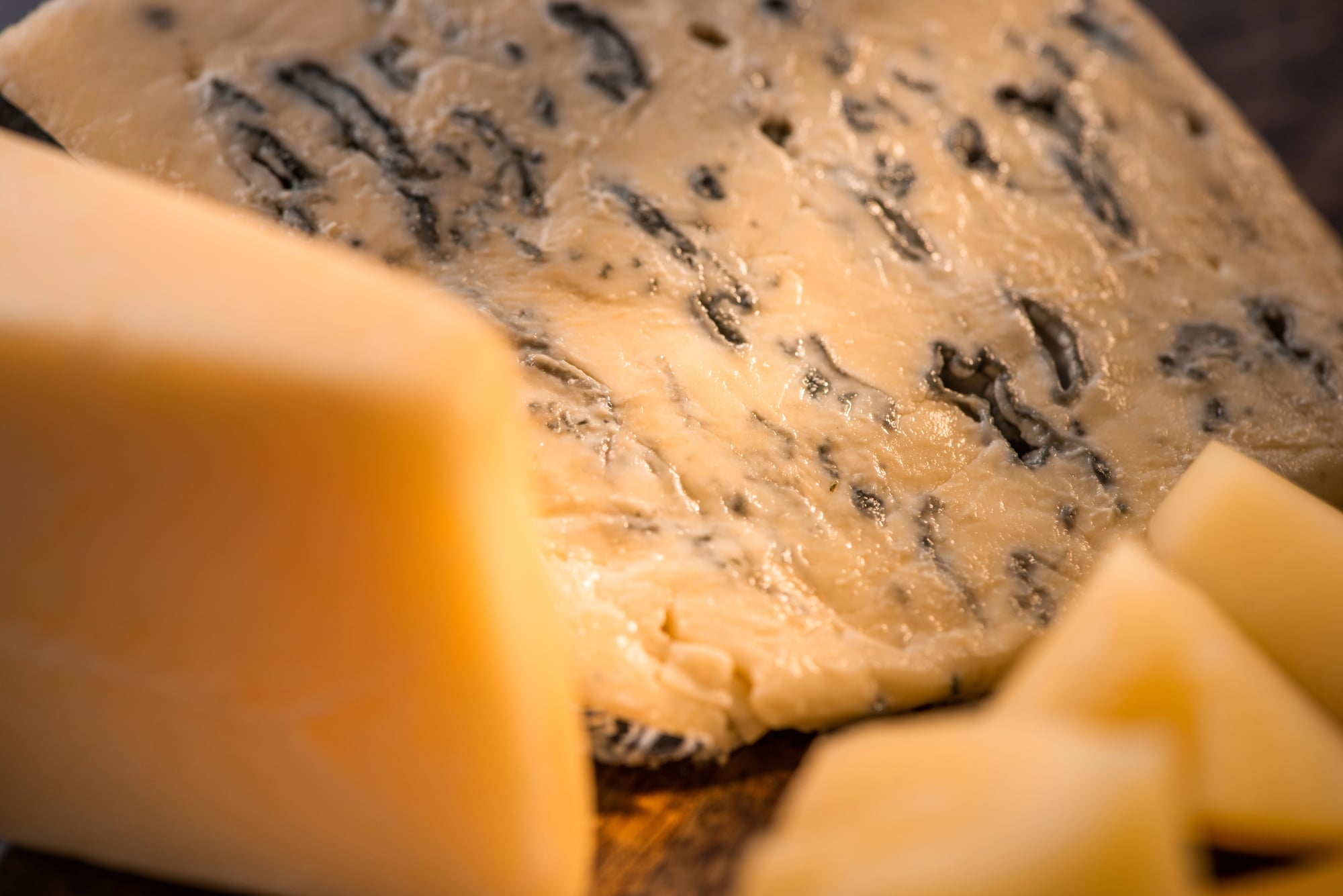
Here’s the thing about fermentation: it doesn’t just change flavor, it breaks down the very structure of what it’s working with, including lactose.
The longer a cheese ages, the more time the bacteria have to consume the milk sugars that cause digestive problems for many people.
Hard cheeses like Parmigiano-Reggiano and aged Gouda contain virtually no lactose after extended aging periods (and before anyone asks, yes, this has been tested extensively — it’s not just wishful thinking on the part of cheese lovers who happen to be lactose intolerant).
So while a glass of milk might cause discomfort, a chunk of properly aged cheese often won’t, even for people with severe lactose sensitivity.
But the timing matters: fresh cheeses like ricotta or mozzarella still contain most of their original lactose, which means the fermentation hasn’t had enough time to do its work.
Some Fermented Foods Are Naturally Alcoholic
Kefir contains small amounts of alcohol as a natural byproduct of fermentation. So does kombucha.
Even sourdough bread retains trace amounts from the wild yeasts in the starter.
These aren’t accidents or contamination — they’re the natural result of certain fermentation processes.
The alcohol content is typically low, but it’s there, created by the same organisms that develop the complex flavors.
Cheese Can Survive Nuclear Winter
Fermented foods are remarkably resilient and preserve well under proper storage conditions.
During World War II, aged cheeses buried in caves often survived bombing raids that destroyed everything else nearby, protected by their storage environment rather than the fermentation process itself.
The fermentation process creates an environment hostile to harmful bacteria while preserving the food indefinitely under the right conditions.
It’s humanity’s oldest form of food security.
Traditional Cheesemaking Uses No Added Cultures
Modern cheese production relies on carefully controlled starter cultures purchased from laboratories, but traditional methods depend entirely on wild bacteria and environmental conditions.
The milk arrives with its own microbial community, shaped by what the animals ate, the season, even the weather patterns during milking.
Raw milk cheesemaking becomes less about controlling fermentation and more about guiding it — working with whatever organisms happen to be present and creating conditions where the beneficial ones thrive while the harmful ones don’t.
Each batch becomes a collaboration between the cheesemaker and whatever microscopic life decided to show up that day.
And somehow, this seemingly chaotic process produces more consistent results than you’d expect, because the same environmental factors that influence the milk also influence which microorganisms are most active.
Fermentation Temperatures Are Critical
Get the temperature wrong and everything changes. A few degrees difference can determine whether you get a mild, creamy cheese or something sharp and crumbly.
The same milk, treated with identical processes except for temperature, will produce completely different results.
Traditional cheesemakers develop an intuitive sense for temperature that goes beyond thermometers.
They can feel when conditions are right, often sensing changes in humidity and air pressure that affect fermentation.
Some Cheeses Are Washed With Alcohol
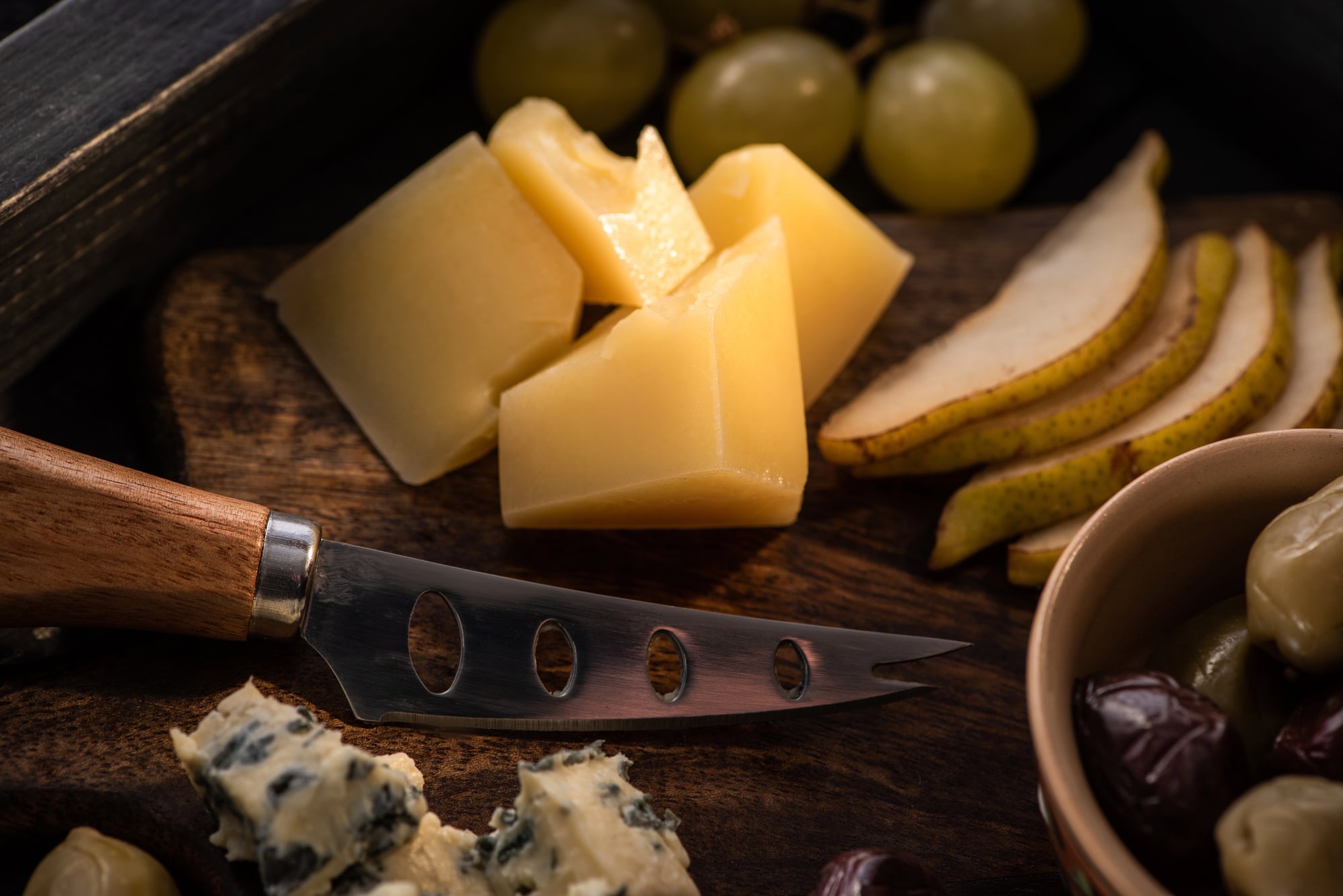
Munster, Limburger, and other strong-smelling cheeses are regularly washed with beer, wine, or spirits during aging.
This isn’t just for flavor — the alcohol controls which bacteria and molds grow on the surface, shaping both the texture and the intensity of the final product.
Different alcohols produce different results. Beer washing tends to create milder flavors, while spirits can intensify the funk that makes these cheeses polarizing.
Fermented Foods Have Shaped Human Evolution
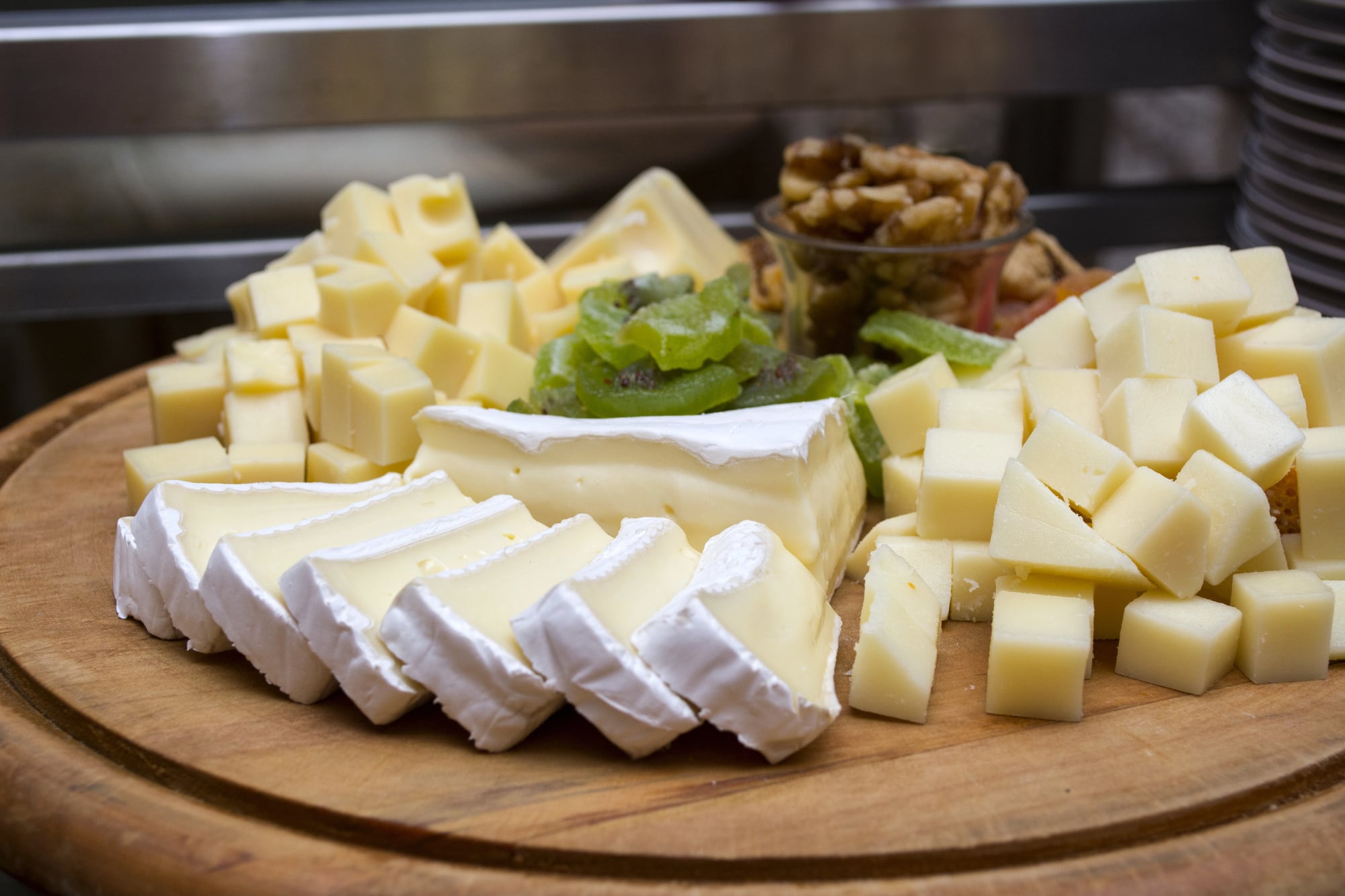
The ability to digest dairy into adulthood — lactase persistence — evolved relatively recently in human history, and only in populations with long traditions of dairy fermentation.
The genetic mutation that allows adults to process lactose became advantageous only after humans had developed reliable methods of fermenting milk.
Fermentation essentially co-evolved with human digestive capabilities.
The foods we learned to make influenced which genetic traits proved beneficial, which in turn influenced which fermentation traditions survived and spread.
Traditional Methods Beat Modern Science
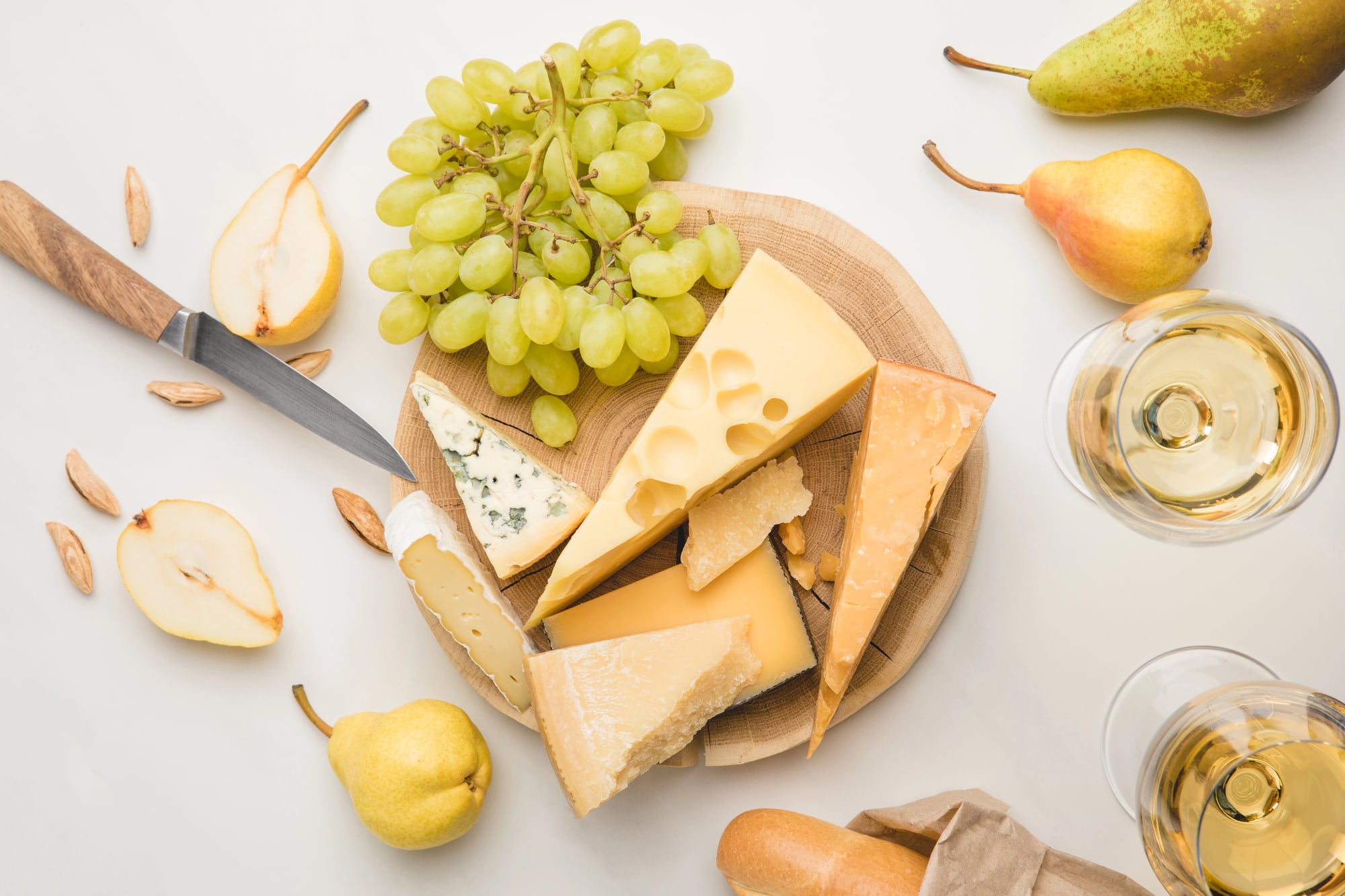
Industrial cheese production can replicate many traditional flavors, but it consistently fails to match the complexity of artisanal methods.
Despite decades of research into the microbiology of fermentation, something about traditional techniques produces results that controlled laboratory conditions can’t duplicate.
Part of this might be the microbial diversity that comes from environmental exposure.
Traditional aging caves harbor thousands of different microorganisms, while industrial facilities maintain sterile conditions that limit which flavors can develop.
Cheese Preferences Are Culturally Programmed
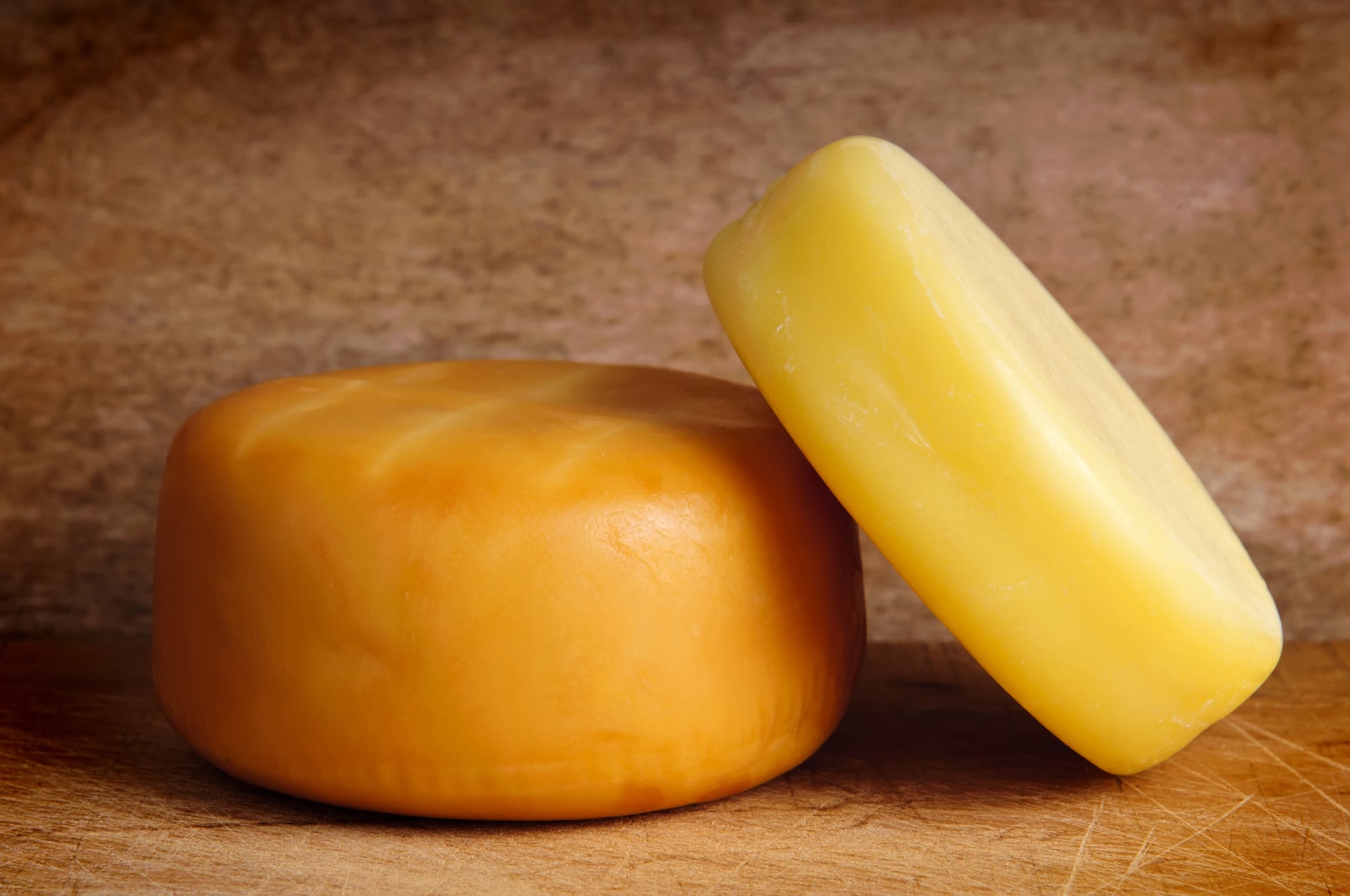
The same fermentation processes that create beloved delicacies in one culture produce foods considered inedible in another.
Casu marzu — cheese aged with live insect larvae — is prized in parts of Italy but banned in most other countries.
Fermented shark in Iceland, century eggs in China, blue cheese in France: all represent fermentation pushed to extremes that seem normal to people raised with them.
These aren’t acquired tastes so much as cultural programming.
The line between delicious and disgusting gets drawn by whatever fermented foods surrounded you during childhood.
The Art of Patient Transformation
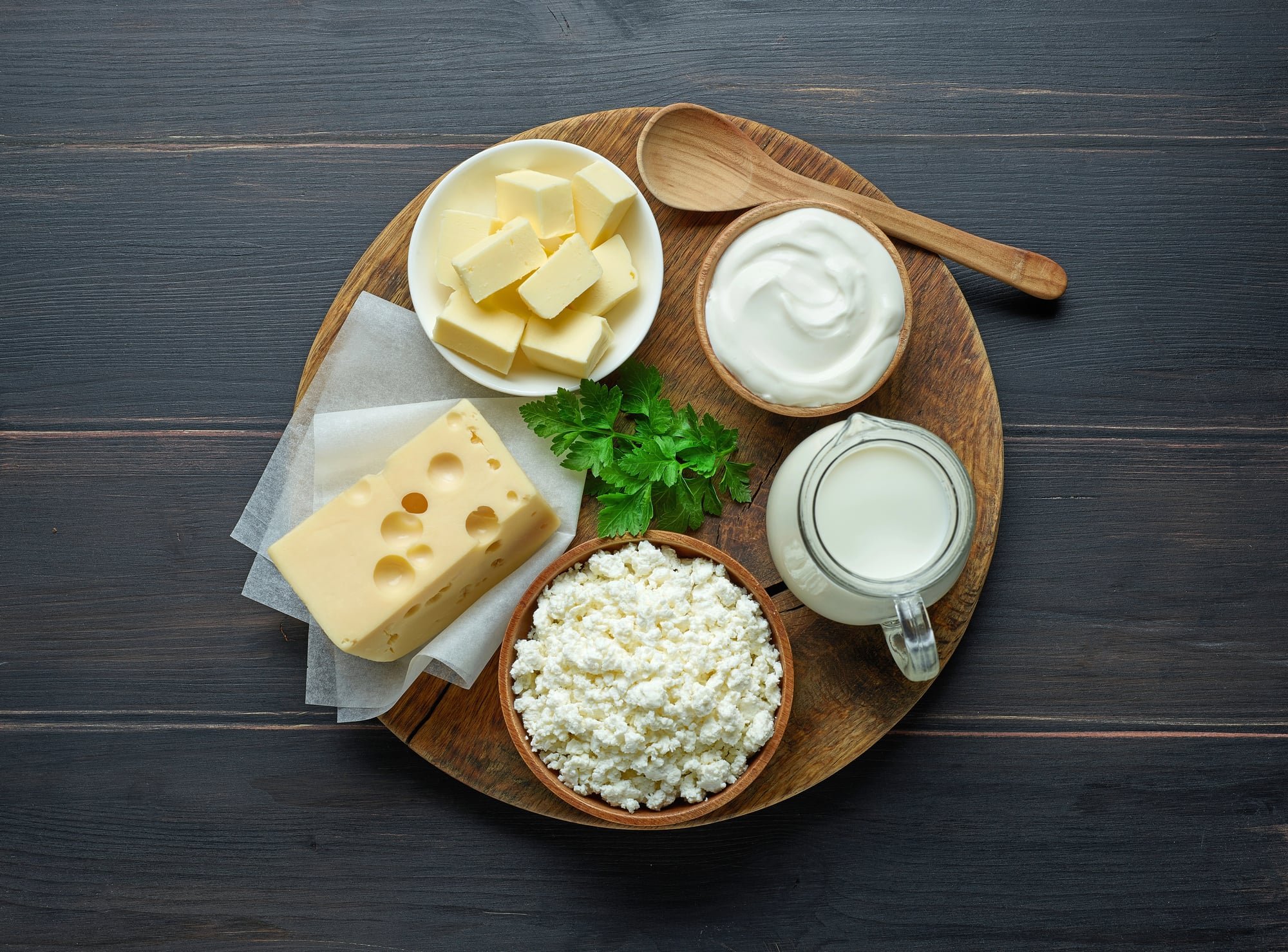
Fermentation teaches a lesson that modern life often forgets: some of the best things happen when you step back and let time do the work.
Cheese wheels sitting quietly in caves, sourdough starters bubbling on countertops, vegetables slowly transforming in ceramic crocks — these processes can’t be rushed or improved through efficiency.
They happen on their own timeline, shaped by conditions you can influence but never fully control.
The cheesemaker’s real skill isn’t in forcing a particular outcome, but in recognizing when the conditions are right and then getting out of the way.
More from Go2Tutors!

- The Romanov Crown Jewels and Their Tragic Fate
- 13 Historical Mysteries That Science Still Can’t Solve
- Famous Hoaxes That Fooled the World for Years
- 15 Child Stars with Tragic Adult Lives
- 16 Famous Jewelry Pieces in History
Like Go2Tutors’s content? Follow us on MSN.