19 Natural Wonders Scientists Can’t Fully Explain
Scientists are kept humble by nature. Even the most brilliant minds are baffled by the mysteries that remain on our planet despite years of inquiry and our advanced technologies.
These phenomena, which include luminous waves and floating stones, cast doubt on our understanding of how the natural world functions. The most amazing thing about these mysteries is not that they exist, but rather that they frequently take place in locations that are open to the public.
These 19 natural wonders serve as a reminder of how much we still don’t know about our own planet and continue to confound experts.
Taos Hum

Residents of Taos, New Mexico, have been hearing a persistent, low-frequency humming sound since the 1990s that seems to come from nowhere and everywhere at once. Only about two percent of the population can actually hear this phenomenon, which sounds like a distant diesel engine that never turns off.
Extensive investigations involving seismic monitoring, electromagnetic field testing, and acoustic analysis have failed to identify the source, leaving scientists to wonder if it’s atmospheric, geological, or something else entirely.
Sailing Stones
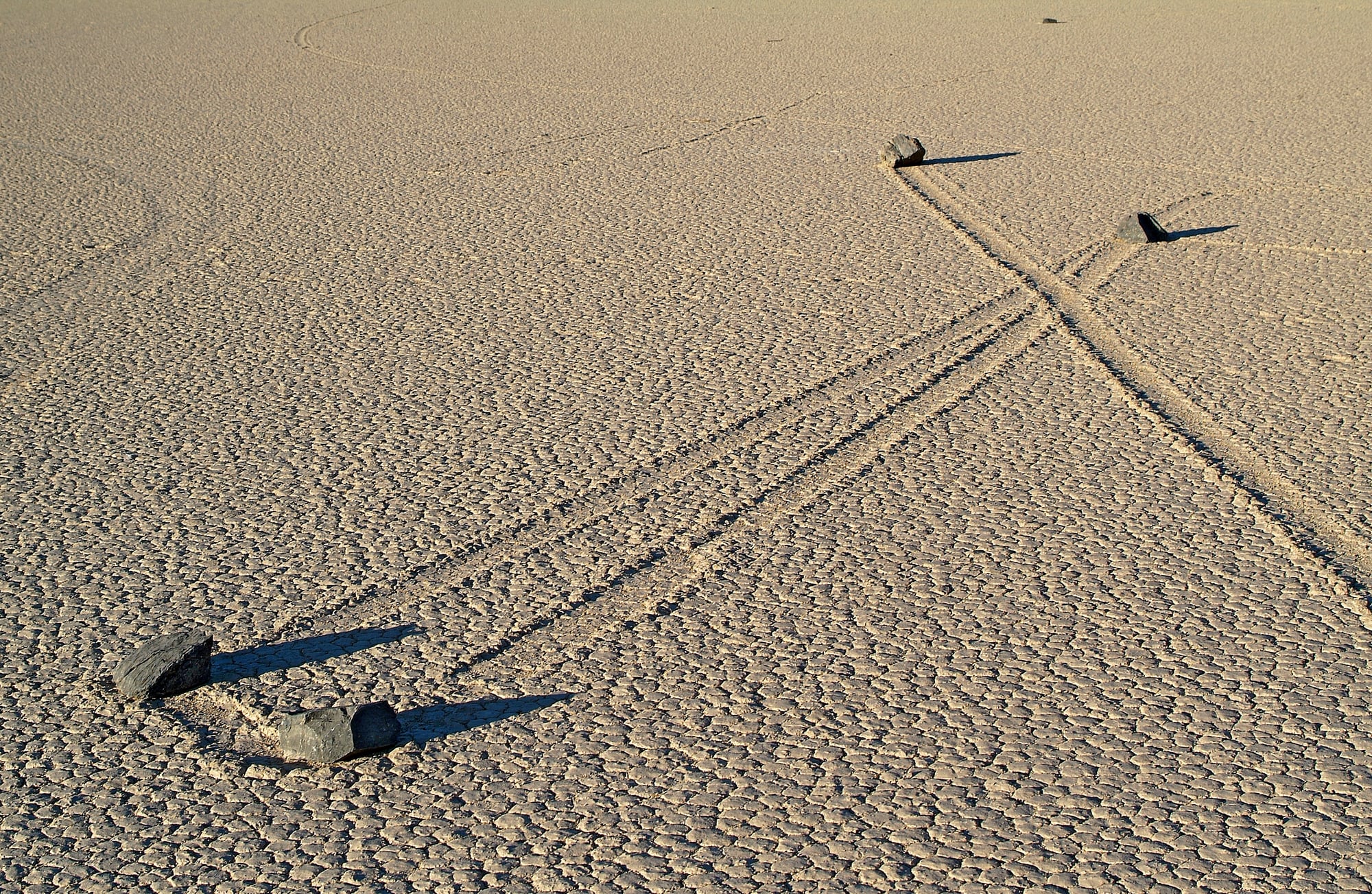
In Death Valley’s Racetrack Playa, massive boulders weighing hundreds of pounds leave long, straight trails across the desert floor as if they’re sliding around by themselves. These stones can move several hundred yards in a single event, creating mysterious tracks that persist for years in the dry lakebed.
Recent research suggests that rare combinations of rain, ice formation, and wind create the perfect conditions for movement, but the exact mechanism remains unclear since the phenomenon happens so infrequently that it’s never been directly observed.
Like Go2Tutors’s content? Follow us on MSN.
Morning Glory Clouds
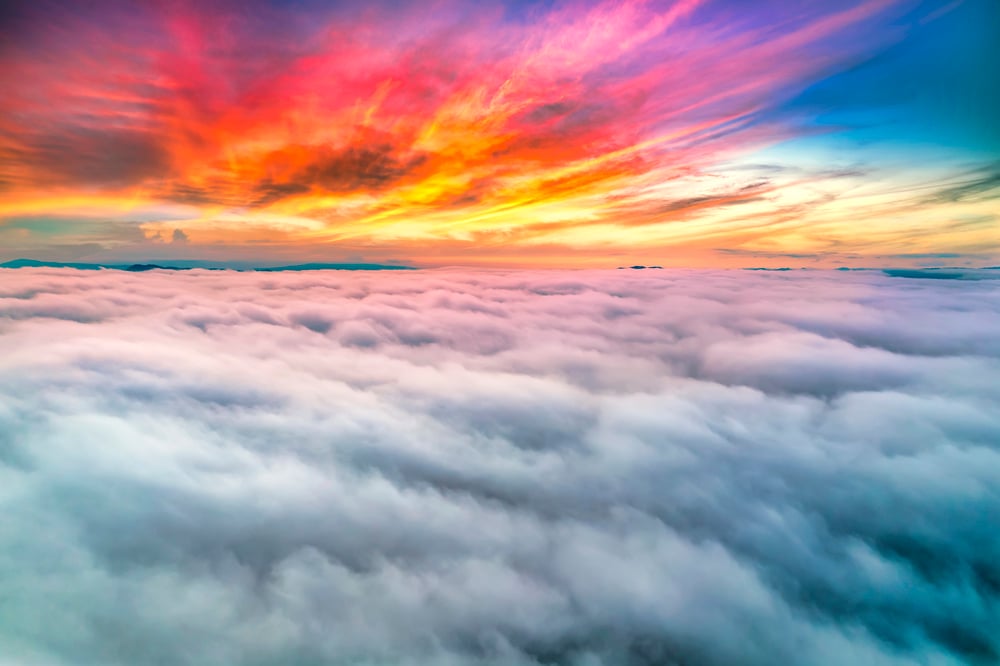
The small town of Burketown in northern Australia experiences one of meteorology’s strangest phenomena: perfectly cylindrical clouds that can stretch for 600 miles and roll across the sky like massive tubes. These rare roll clouds form under very specific atmospheric conditions involving sea breezes, temperature inversions, and terrain features that scientists still don’t fully understand.
Glider pilots travel from around the world to surf these cloud formations, but predicting when they’ll appear remains largely guesswork.
Bioluminescent Waves
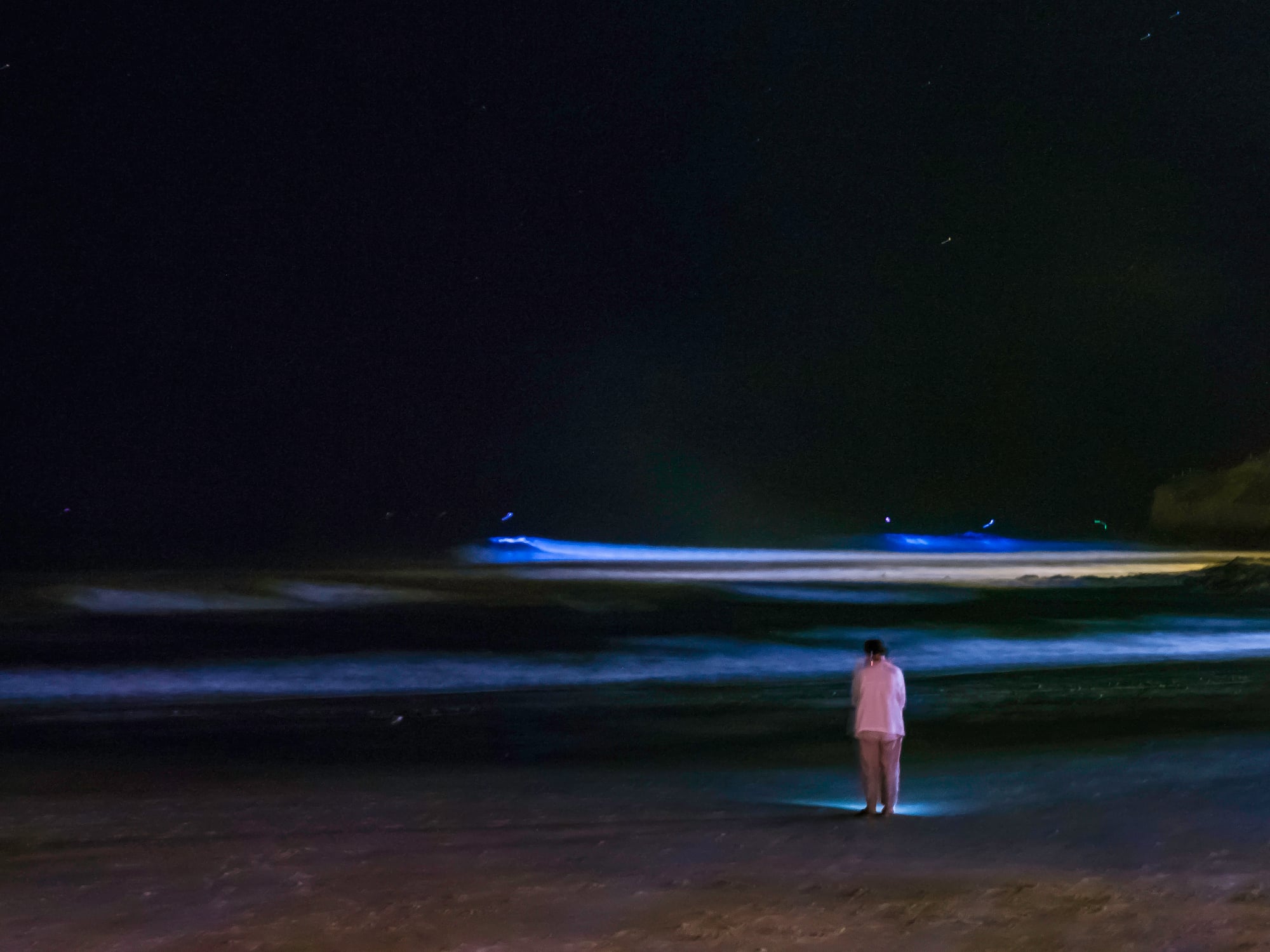
Certain beaches around the world occasionally light up with electric blue waves that glow brighter with each crash against the shore. This stunning display occurs when microscopic marine organisms called dinoflagellates release light as a defense mechanism when disturbed by wave action.
While scientists understand the basic biochemistry behind bioluminescence, they can’t predict when these spectacular light shows will occur or why some locations experience them regularly while others never do.
Monarch Butterfly Migration
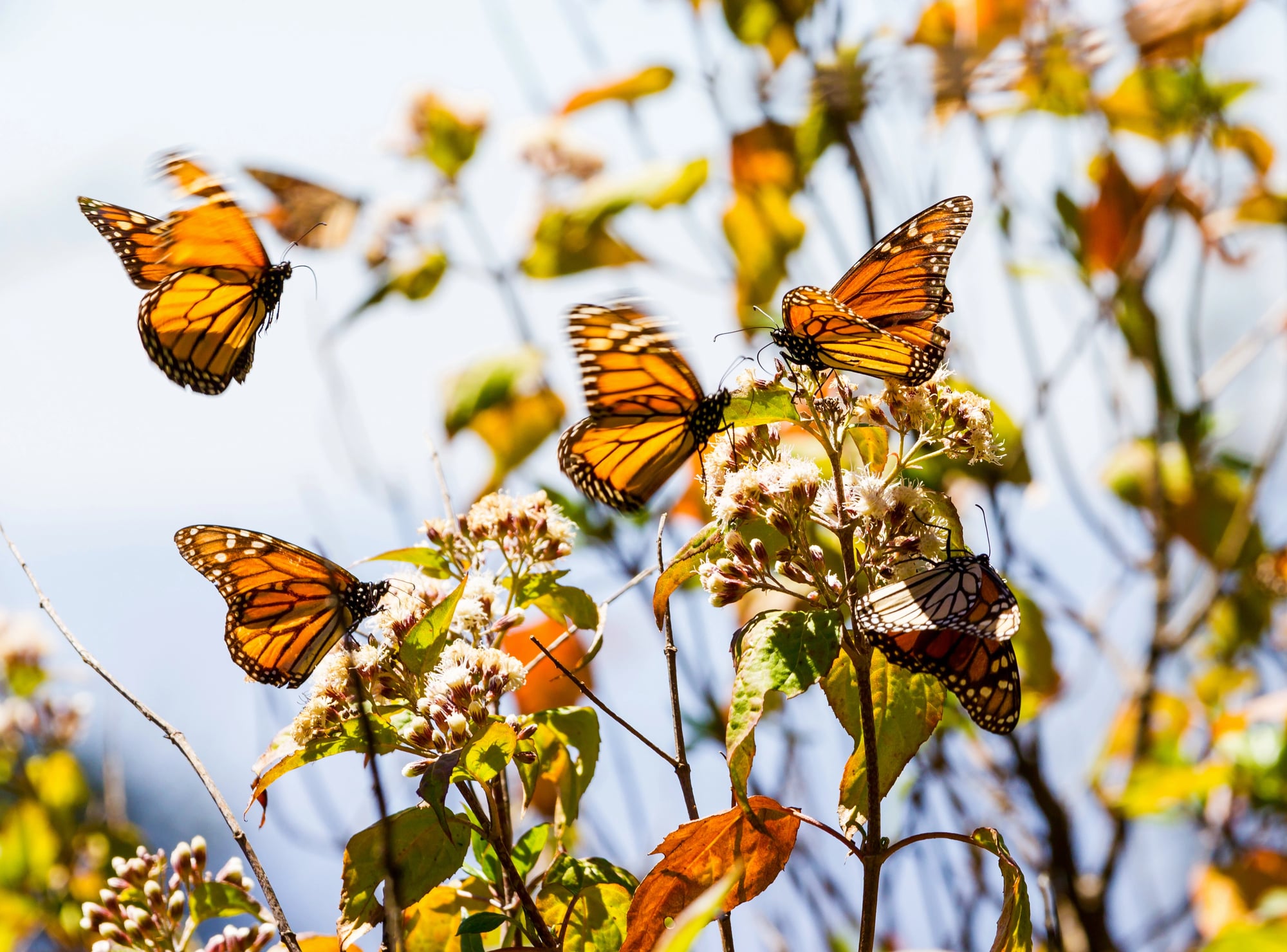
Every year, millions of monarch butterflies travel up to 3,000 miles from Canada to central Mexico, navigating with pinpoint accuracy to forests their great-great-grandparents left the previous spring. These insects, weighing less than a paperclip, somehow know exactly where to go despite never having made the journey before.
Scientists have identified multiple navigation tools including magnetic fields, sun position, and polarized light patterns, but the complete mechanism that allows such precise long-distance navigation in such tiny brains remains a mystery.
Like Go2Tutors’s content? Follow us on MSN.
Fairy Circles
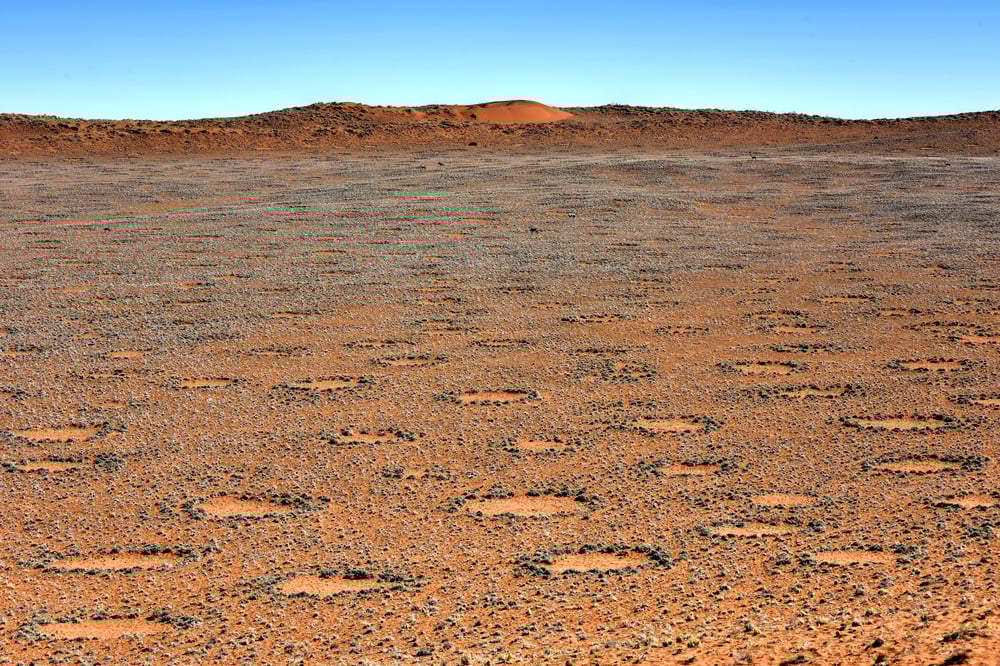
Across the grasslands of Namibia and parts of Australia, mysterious circular patches of bare earth appear in otherwise uniform vegetation, creating patterns that look like crop circles made by nature. These ‘fairy circles’ can persist for decades, maintaining their perfect round shapes while the grass grows normally everywhere else.
Researchers have proposed theories involving termite activity, plant competition, and water distribution patterns, but none fully explain why these formations are so geometrically precise or why they occur only in specific regions.
Brinicles
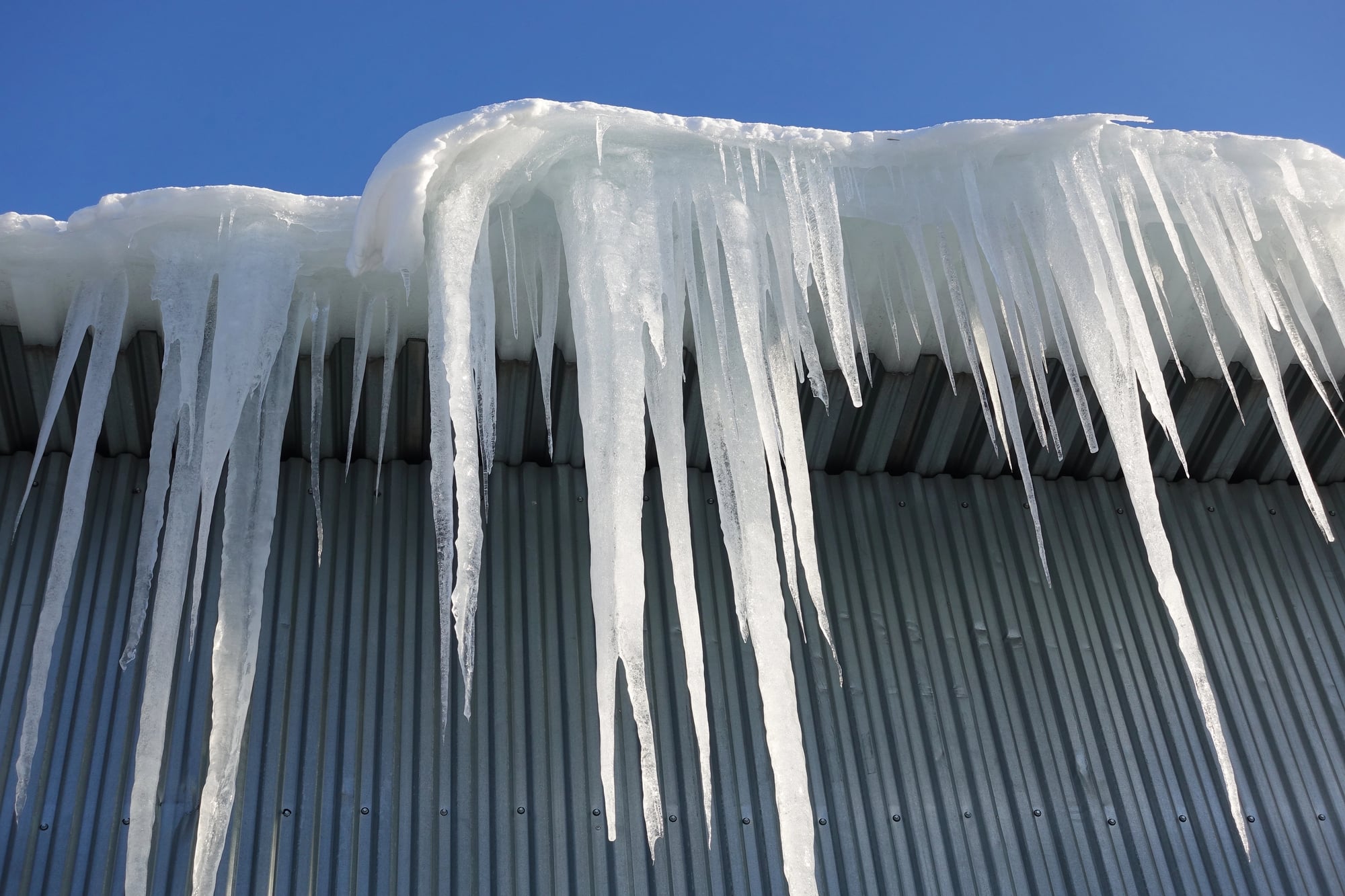
In the polar oceans, underwater ‘icicles of death’ form when extremely cold, salt-rich water sinks through the sea and freezes everything in its path. These bizarre ice formations, called brinicles, can grow several feet long and move downward through the water column like frozen lightning bolts.
The physics behind their formation involves complex interactions between temperature, salinity, and density that scientists understand in theory, but the exact conditions that trigger brinicle formation remain unpredictable.
Hessdalen Lights
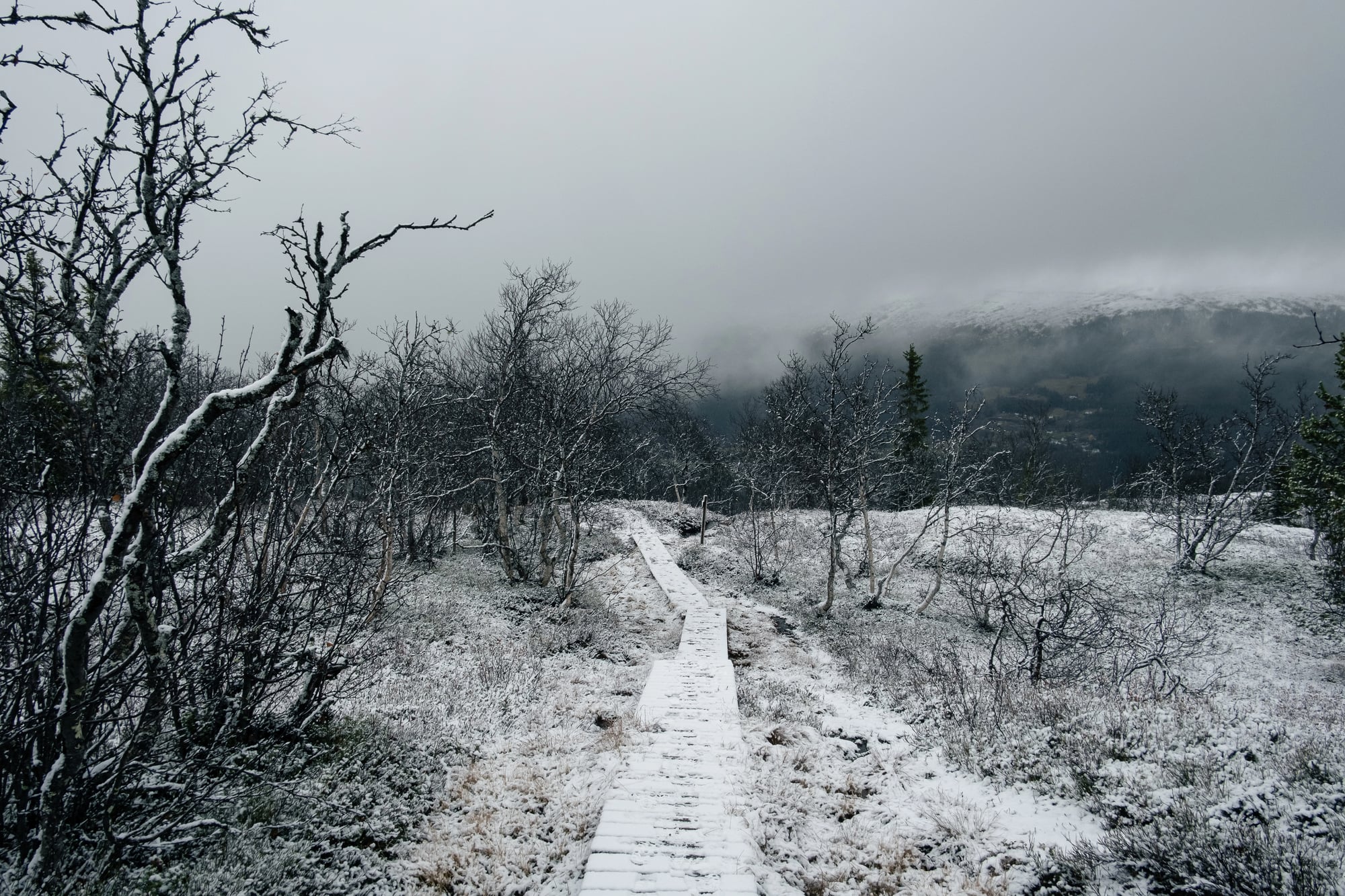
For over four decades, the Hessdalen Valley in Norway has been home to unexplained light phenomena that appear as floating orbs, moving beams, and pulsating flashes in the sky. These lights can hover motionless for over an hour or zip across the valley at incredible speeds, sometimes appearing several times per week.
Despite continuous monitoring with scientific equipment, researchers cannot explain what creates these lights or why they occur so frequently in this specific location while being virtually absent elsewhere.
Like Go2Tutors’s content? Follow us on MSN.
Spotted Lake
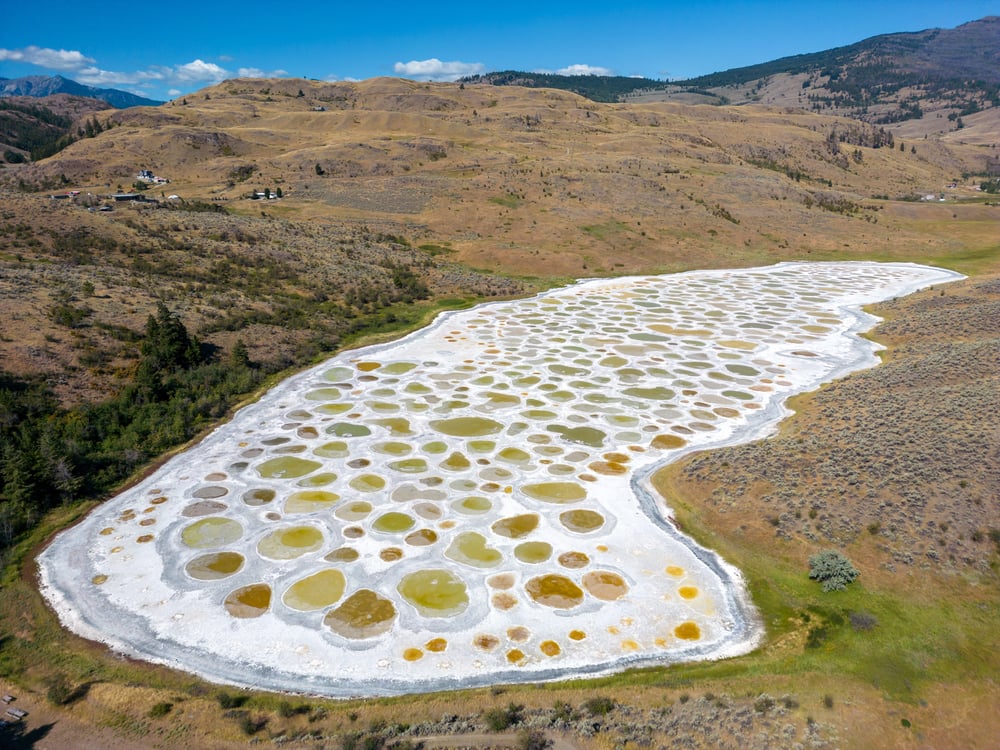
Located in British Columbia, Spotted Lake transforms into a polka-dotted landscape each summer as water evaporates and leaves behind concentrated pools of minerals in perfect circular formations. Each spot contains different combinations of magnesium sulfate, calcium, and sodium sulfates that create distinct colors ranging from blue and green to yellow and white.
While scientists understand the basic chemistry involved, they can’t explain why the mineral deposits form such perfectly round spots or why the pattern remains so consistent year after year.
Mammatus Clouds
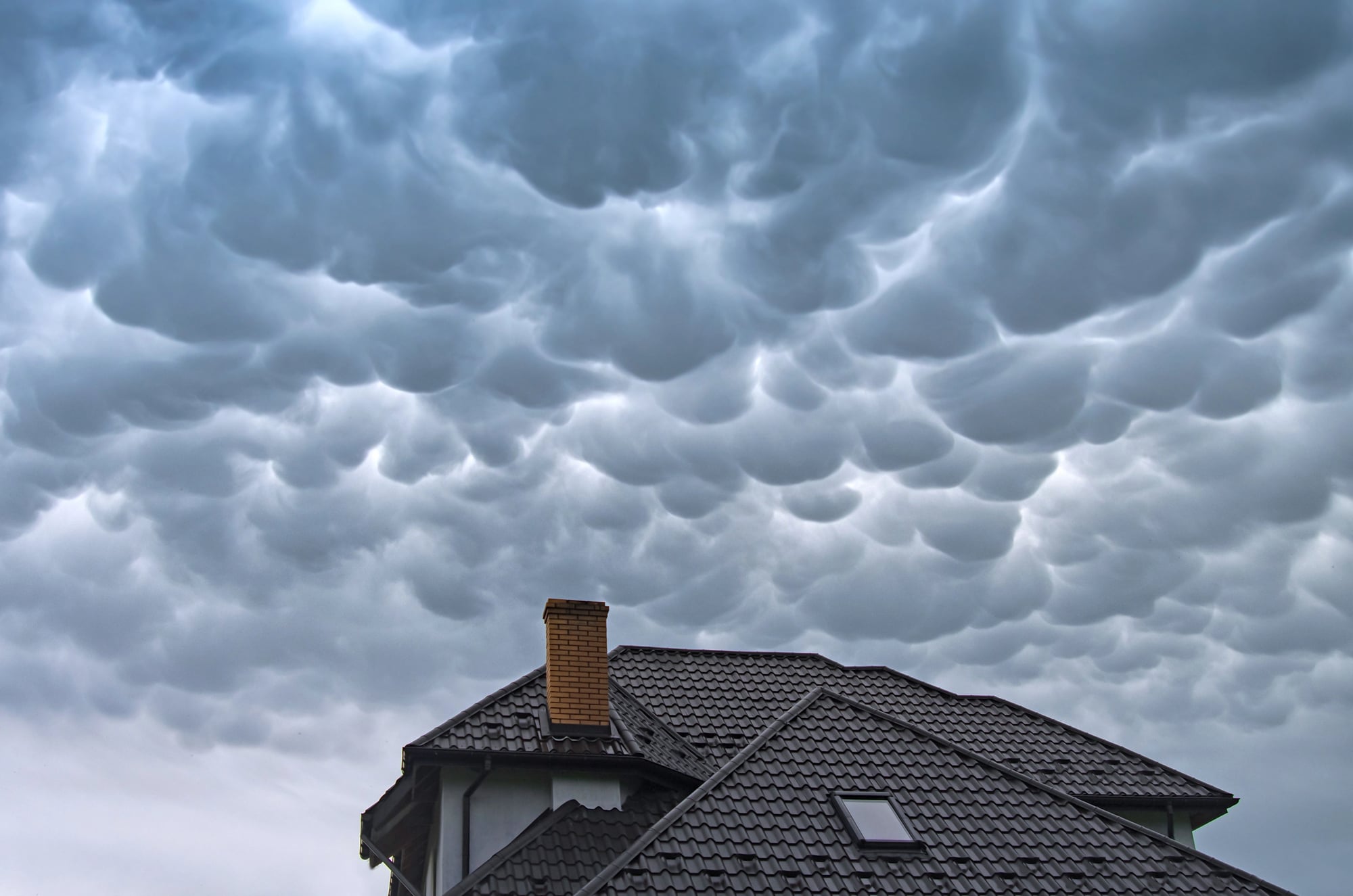
These rare cloud formations hang from the sky like giant pouches or udders, creating an upside-down landscape that looks like nature turned gravity on its head. Mammatus clouds form when dense, cold air sinks through warmer air below, but the exact atmospheric conditions required for their formation are so specific that meteorologists still struggle to predict when they’ll appear.
The visual effect is so striking that many people mistake them for tornado formations, even though they’re generally associated with the end of severe weather rather than its beginning.
Blood Falls
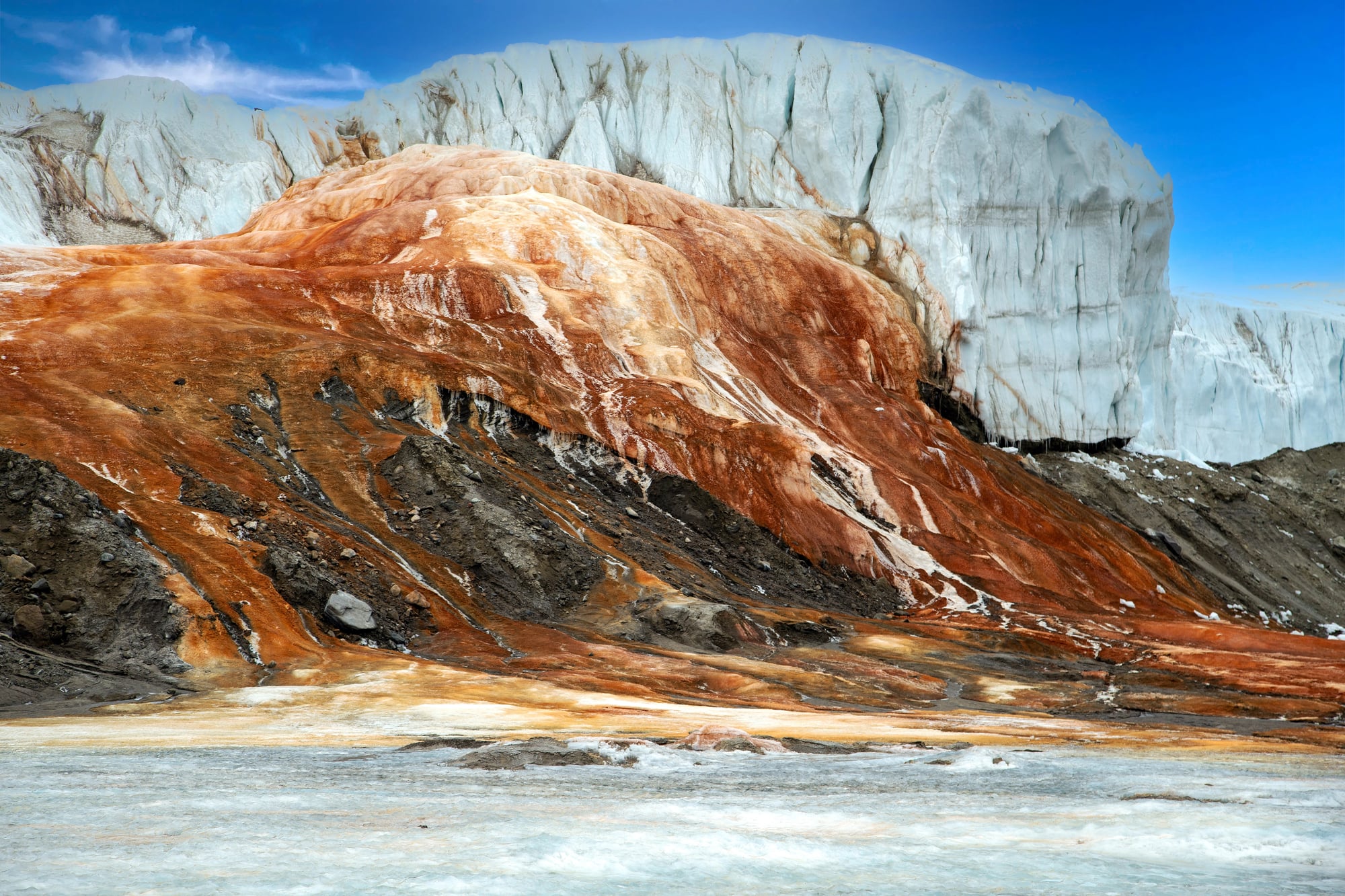
In Antarctica’s Taylor Valley, a bright red waterfall flows from the Taylor Glacier, looking like the ice is melting onto the white landscape below. This crimson cascade gets its color from iron-rich brine that has been trapped beneath the glacier for over a million years.
While scientists understand the basic chemistry that creates the red color, they’re still puzzled by how liquid water can flow from a glacier in one of the coldest places on Earth and why this particular location has such a unique underground reservoir.
Like Go2Tutors’s content? Follow us on MSN.
Frost Flowers
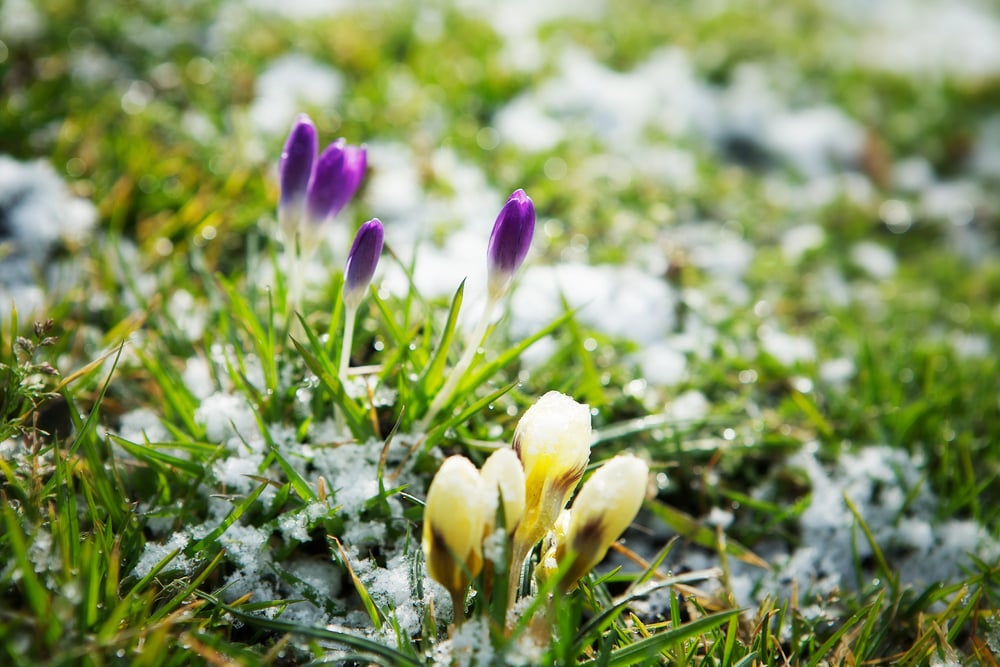
In the Arctic, delicate ice formations that look exactly like white flowers bloom from the sea ice when specific temperature and humidity conditions align perfectly. These frost flowers can cover vast areas of new sea ice, creating ethereal gardens that last only until the next wind or temperature change destroys them.
Scientists know they form when water vapor sublimates directly into ice crystals, but predicting when and where these ice gardens will appear remains largely impossible due to the precise conditions required.
Rogue Waves
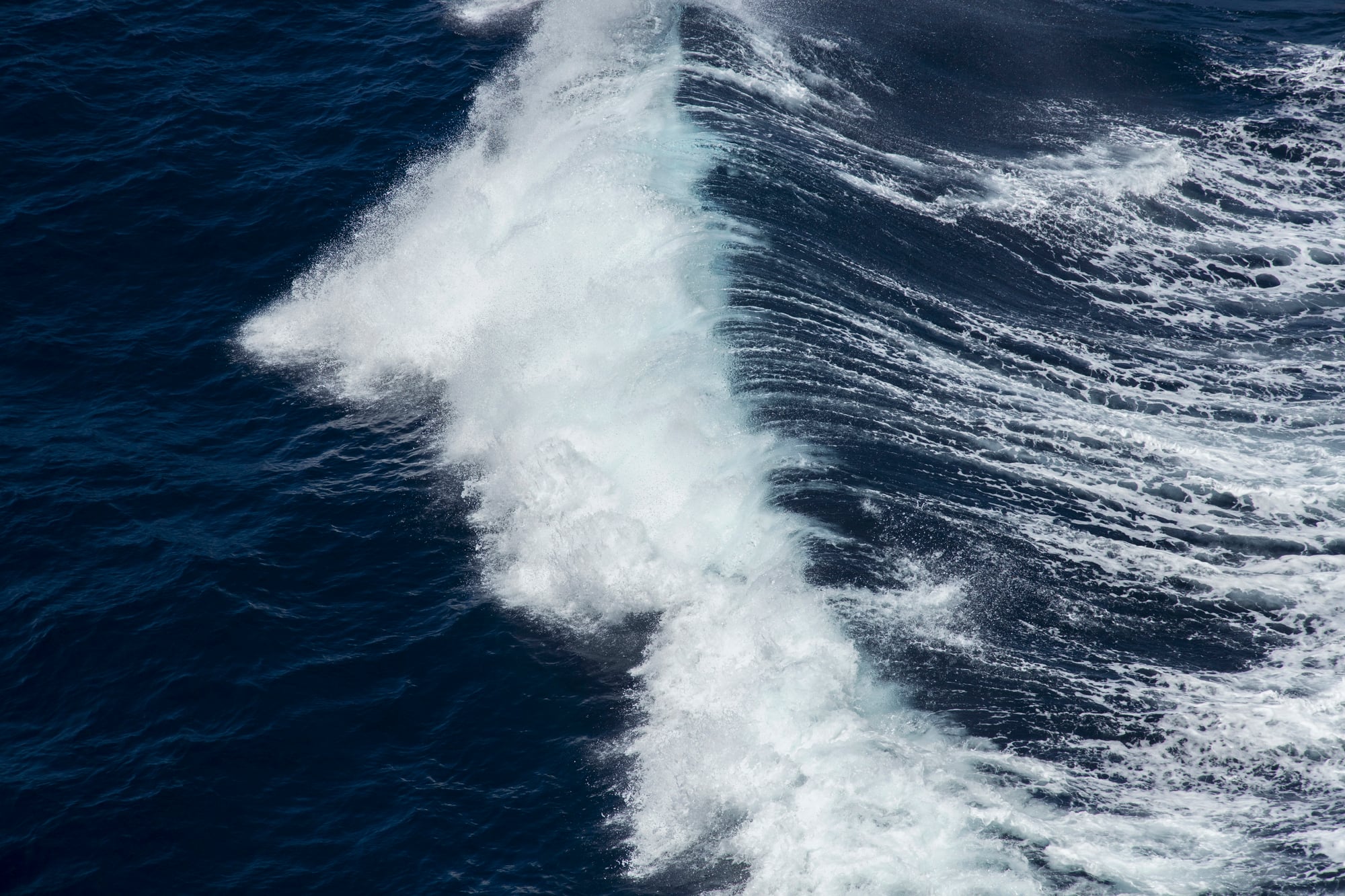
Occasionally, the ocean produces massive waves that tower 80 feet or higher above the surrounding seas, appearing suddenly and without warning in otherwise normal wave conditions. These monster waves, once dismissed as sailor’s tales, can be twice as tall as any other wave in the area and strike with devastating force.
While scientists now acknowledge their existence and have recorded them with instruments, the exact mechanisms that create these oceanic giants remain unclear, making them impossible to predict and extremely dangerous for ships.
Green Flash
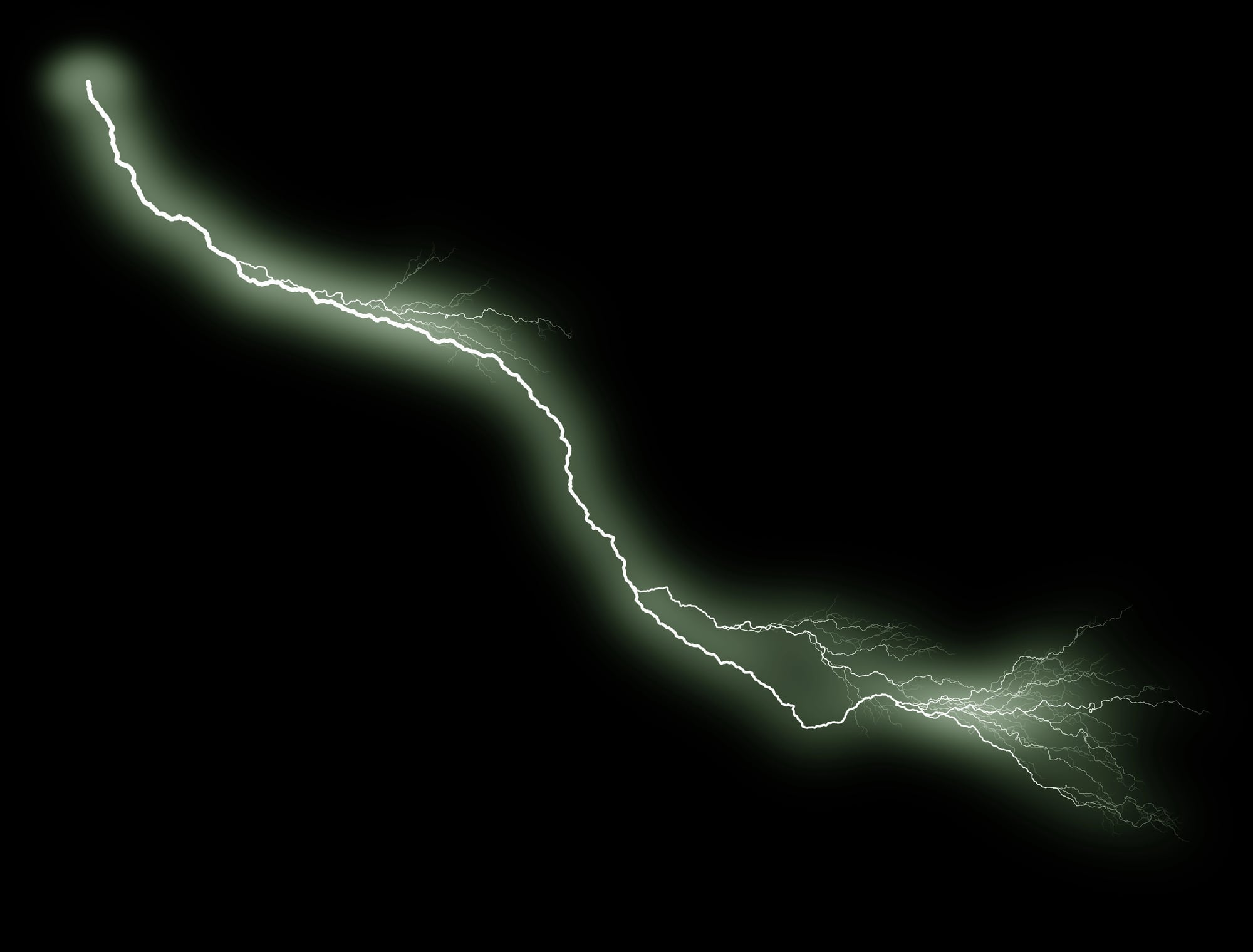
Just as the sun sets over a clear ocean horizon, a brilliant green light sometimes appears for a split second at the very top of the solar disk before it disappears completely. This optical phenomenon occurs when atmospheric conditions bend different wavelengths of sunlight by slightly different amounts, separating the colors like a natural prism.
Despite understanding the basic optics involved, scientists can’t reliably predict when the green flash will occur since it depends on incredibly precise atmospheric conditions that vary constantly.
Like Go2Tutors’s content? Follow us on MSN.
Ice Circles
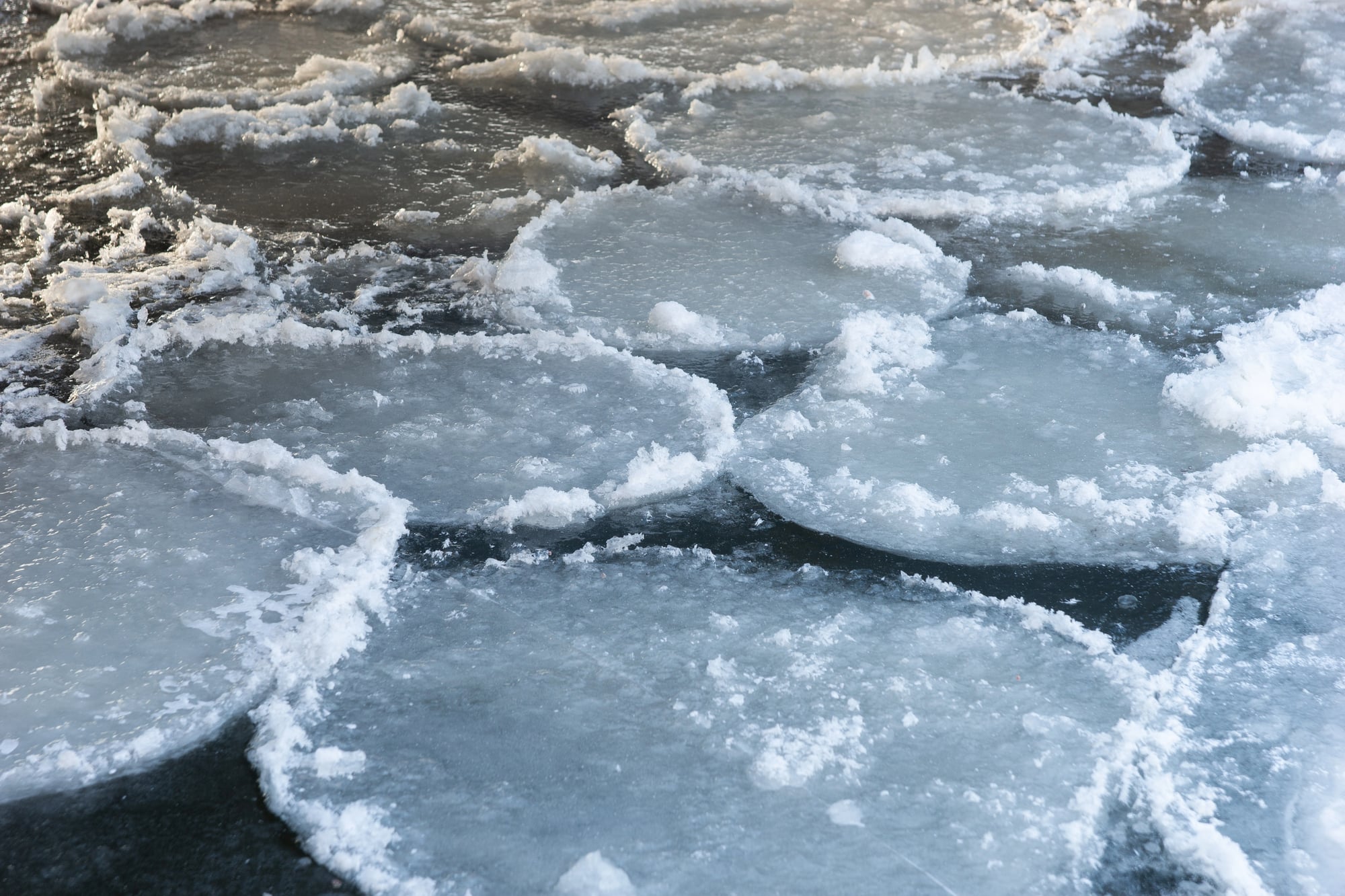
In slow-moving rivers and streams, perfectly round discs of ice sometimes form and rotate slowly in the water like natural lazy Susans. These ice circles can range from a few feet to over 500 feet in diameter, spinning steadily in the current while maintaining their perfect circular shape.
The formation process involves a delicate balance of water temperature, current speed, and debris that creates the initial rotation, but scientists still can’t explain why some locations produce these phenomena regularly while similar-looking streams never do.
Desert Roses
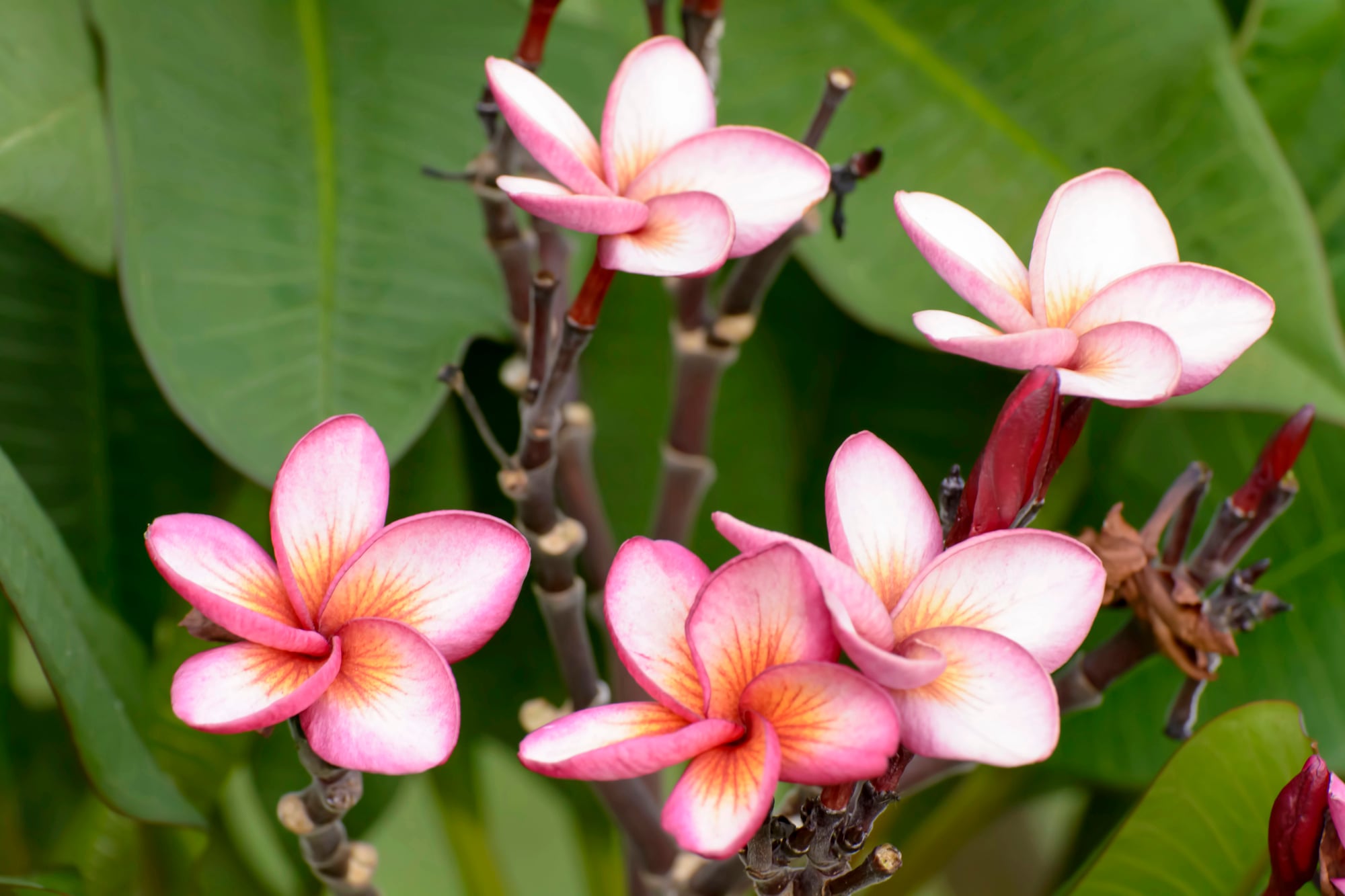
In certain desert regions, gypsum crystals grow into formations that look remarkably like blooming roses, complete with layered ‘petals’ that curve and overlap just like the real flowers. These mineral roses can grow several feet across and form in underground cavities where groundwater evaporates slowly over thousands of years.
While geologists understand how gypsum crystallizes, the precise conditions that create such flower-like shapes remain mysterious, especially since most gypsum formations look nothing like roses.
St. Elmo’s Fire
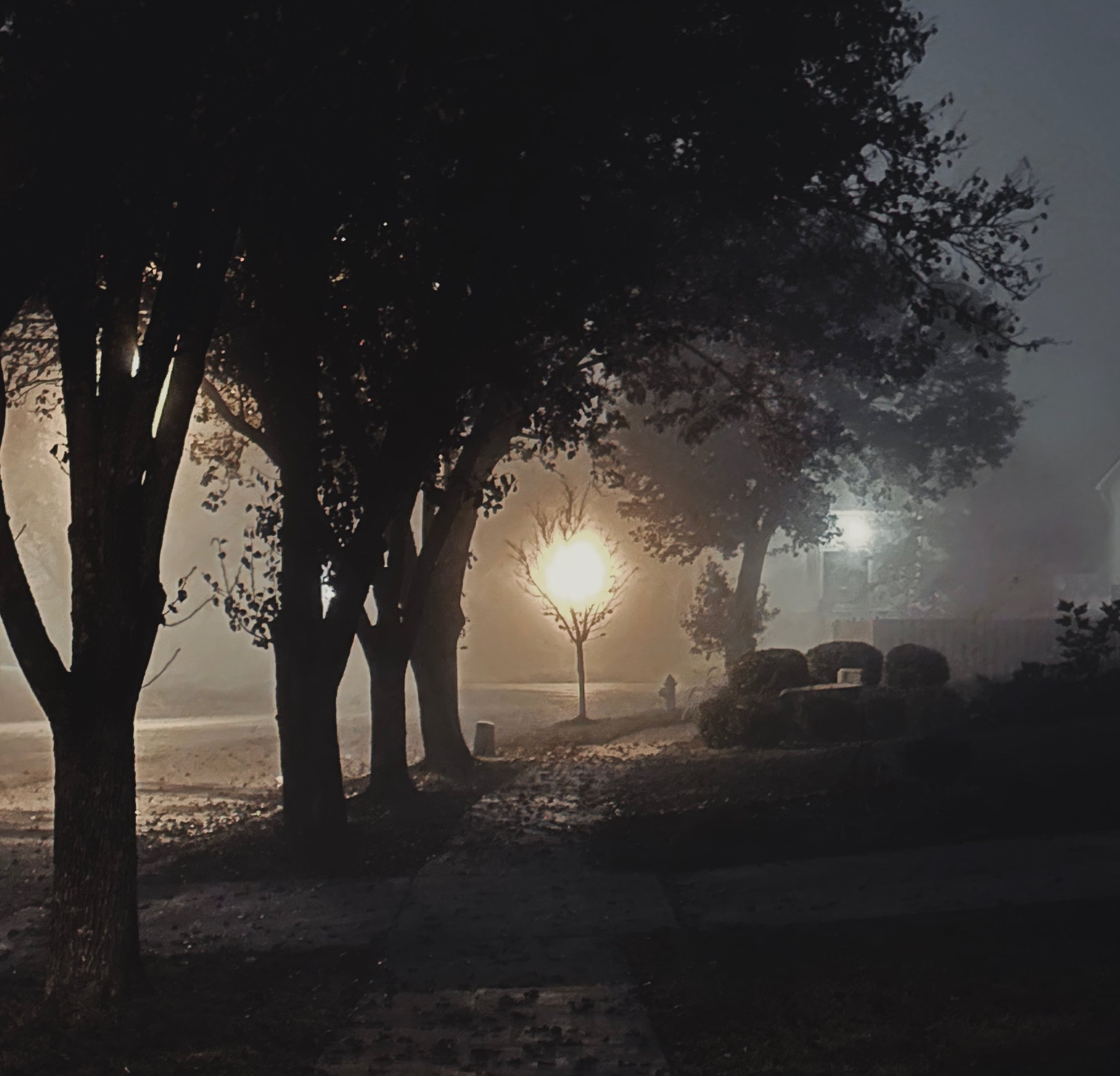
During thunderstorms, sailors and mountain climbers sometimes witness eerie blue or violet flames dancing on the tips of masts, antennas, and other pointed objects without actually burning anything. This plasma phenomenon, known as St. Elmo’s Fire, occurs when electrical fields become strong enough to ionize air molecules, creating visible light.
Though scientists understand the basic physics, they can’t predict exactly when or where these ghostly flames will appear, since the electrical conditions must be perfectly balanced between too weak to create the effect and too strong to cause actual lightning.
Like Go2Tutors’s content? Follow us on MSN.
Synchronized Fireflies
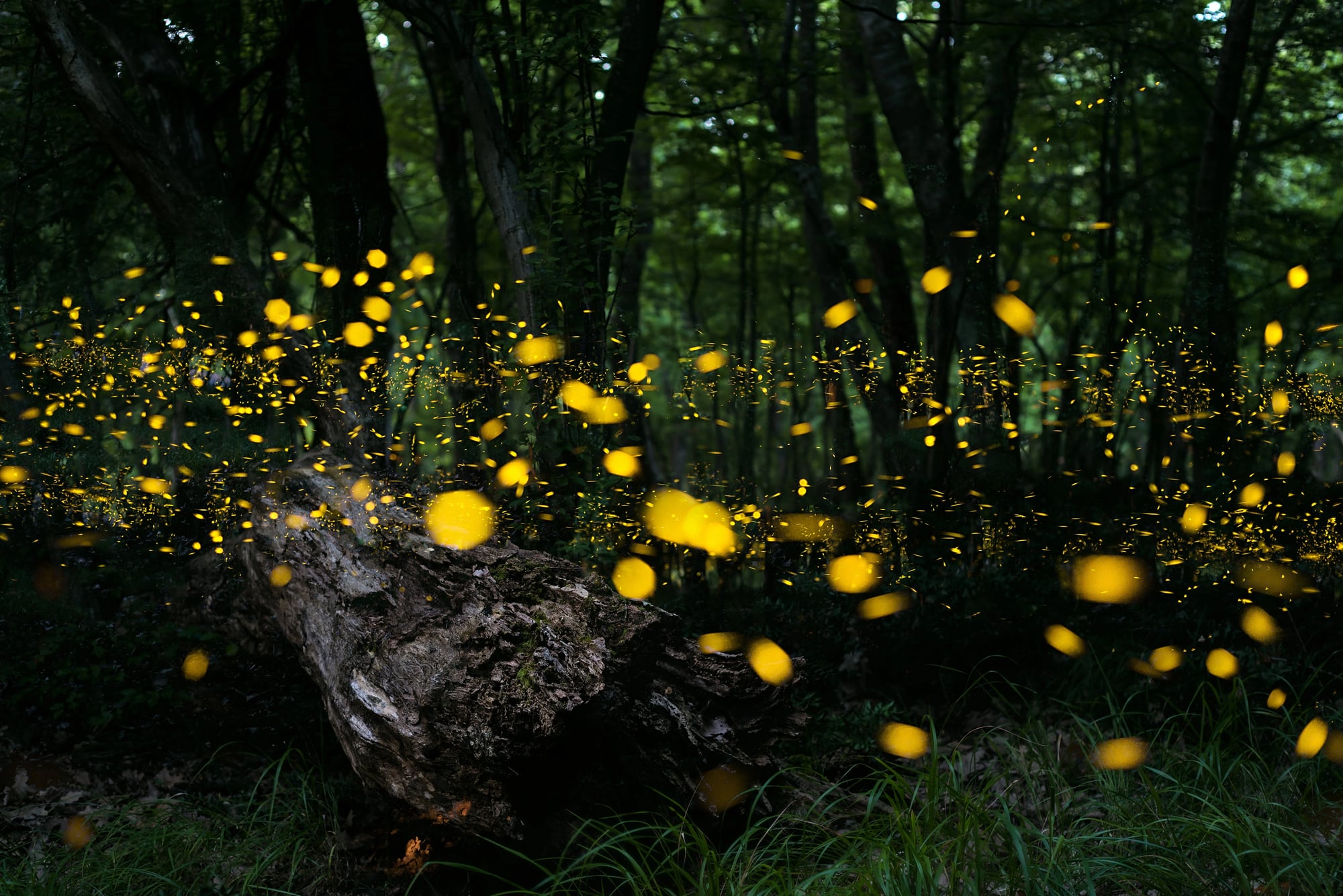
In certain locations around the world, thousands of fireflies flash in perfect unison, creating natural light shows that pulse across entire forests like enormous Christmas displays. This synchronization can involve millions of individual insects coordinating their flashing patterns across several acres.
While researchers know the fireflies are communicating for mating purposes, the mechanism that allows such massive coordination between so many individuals remains unclear, especially since each firefly must somehow keep track of what thousands of others are doing.
Lenticular Clouds
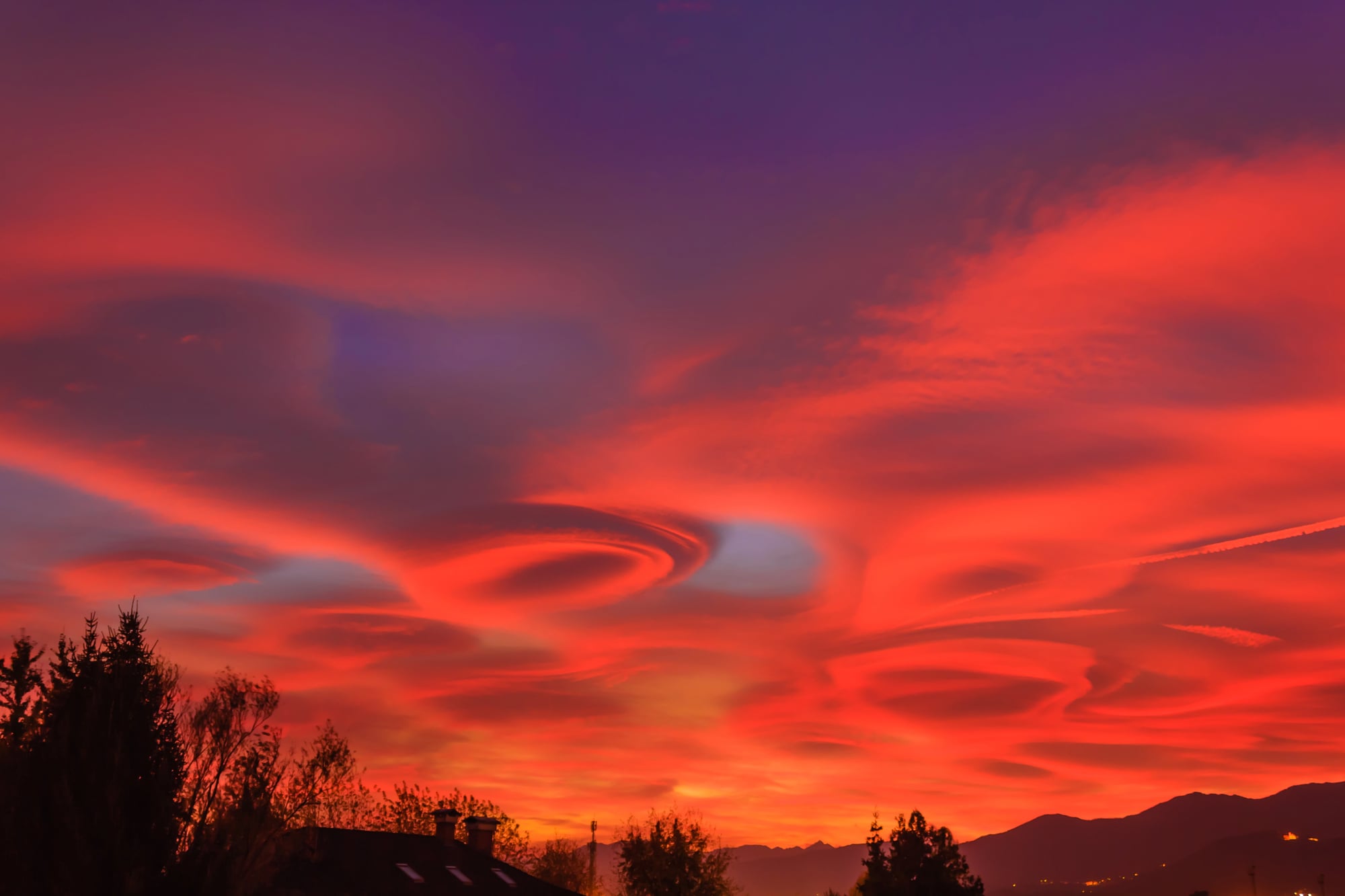
These smooth, lens-shaped clouds often hover near mountain peaks and look so much like flying saucers that they’re frequently mistaken for UFOs. Lenticular clouds form when moist air flows over mountains and creates standing waves in the atmosphere, but predicting exactly when and where they’ll appear requires understanding incredibly complex interactions between wind patterns, temperature layers, and terrain features.
Even experienced meteorologists struggle to forecast these formations, which can appear and disappear within hours under the right conditions.
The Mystery Continues
These natural occurrences serve as a reminder that, in spite of all of our scientific advancements, there are still mysteries on Earth that make us value nature even less. From the greatest atmospheric systems to the smallest ice crystals, each of these mysteries plays a part in the overall picture of how our planet functions.
Not only are these wonders beautiful and rare, but they also inspire scientists to be inquisitive and never stop learning. Perhaps we will lose some of the mystique that makes studying our planet so endlessly intriguing the day we have all the answers to the natural mysteries.
More from Go2Tutors!

- 16 Restaurant Chains That Went Too Fast
- 12 Things Sold in the 80s That Are Now Illegal
- 15 Strange Things People Have Tried to Ban (And Failed)
- 16 Collectibles People Tossed Out Too Soon
- 17 Myths from Your Childhood That Were Actually Based on Real Things
Like Go2Tutors’s content? Follow us on MSN.



