19 Wedding Customs That Were Actually Business Deals
Marriage has always been about love, right? Well, not exactly. Throughout history, weddings were often elaborate business transactions disguised as romantic ceremonies.
From ancient dowries to modern gift registries, many traditions we consider purely sentimental actually served very practical economic purposes. Here’s a list of 19 wedding customs that reveal just how much commerce has shaped our most cherished romantic rituals.
Dowries
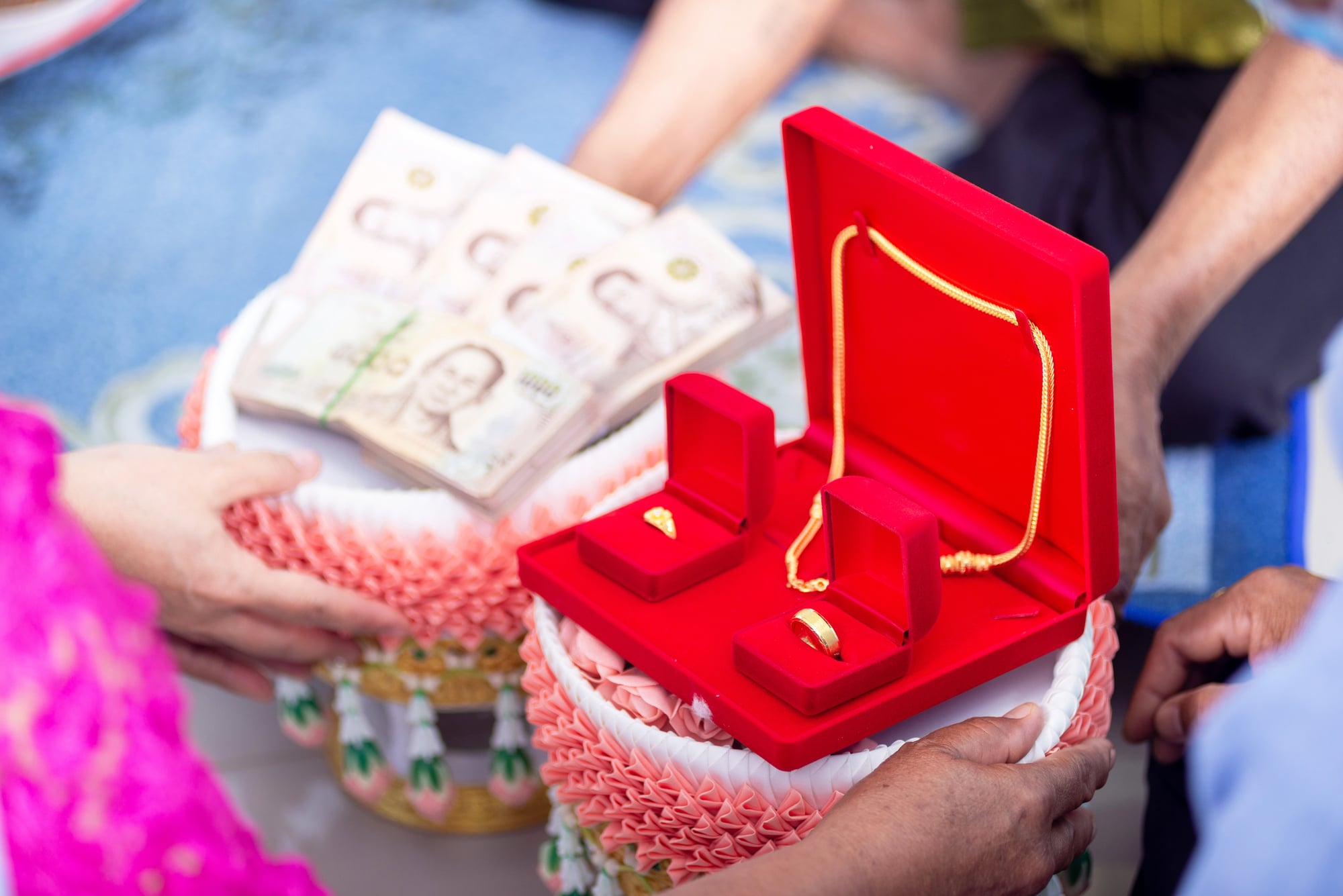
The bride’s family essentially paid the groom’s family to take their daughter off their hands. This wasn’t about being mean to women—it was pure economics.
Daughters were considered financial burdens since they couldn’t inherit property or earn significant income in most societies. The dowry sweetened the deal and ensured the bride would be treated well in her new home, since her family had literally invested in her future.
Bride Price

Unlike dowries, bride prices flowed in the opposite direction—the groom’s family paid the bride’s family for their daughter. This practice treated women like valuable commodities, with prices varying based on beauty, skills, and social status.
In some cultures, a woman’s bride price could sustain her family for years, making marriages crucial financial decisions that affected entire extended families.
Arranged Marriages
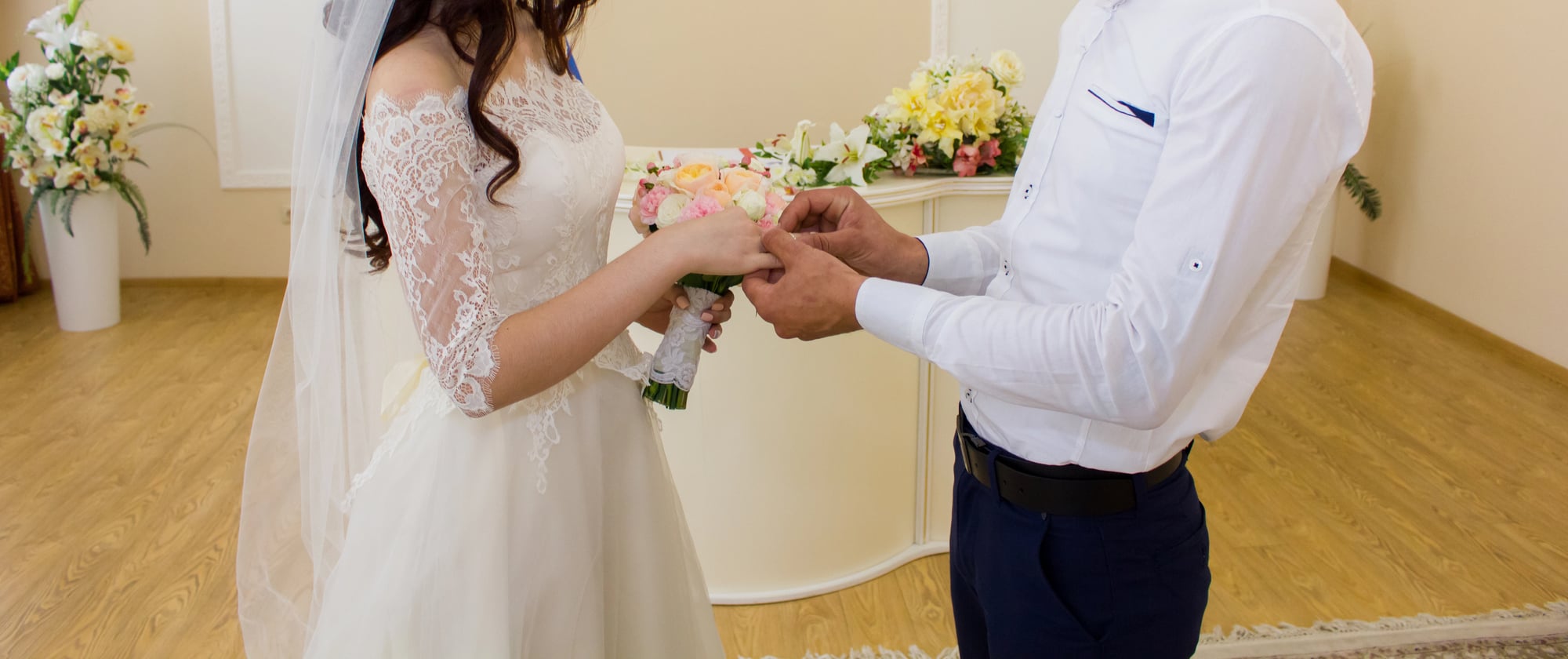
Parents weren’t just playing matchmaker—they were negotiating mergers. Arranged marriages combined families’ resources, secured business partnerships, and sometimes even prevented wars between rival clans.
Love was a bonus, but financial stability and social advancement were the main goals. These arrangements often involved detailed contracts outlining property transfers, inheritance rights, and ongoing financial obligations between families.
Wedding Rings

The diamond engagement ring tradition didn’t start with romance—it started with De Beers’ marketing campaign in the 1930s. Before that, rings served as down payments on the marriage contract.
The more expensive the ring, the more serious the groom’s financial commitment appeared to be. This visible symbol of wealth also advertised the family’s prosperity to the entire community.
Wedding Veils
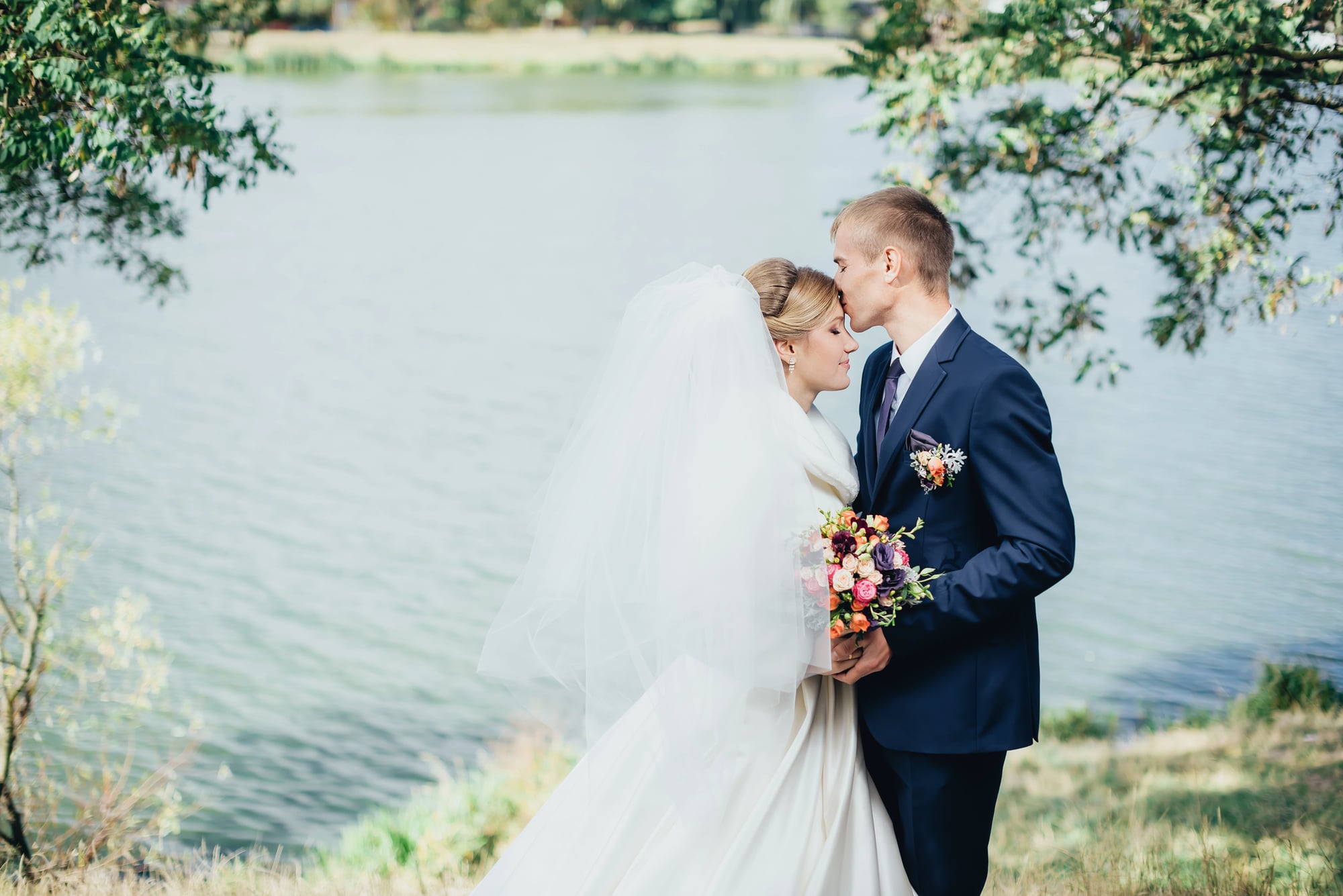
Veils weren’t about modesty or tradition—they were about preventing buyer’s remorse. In arranged marriages, grooms often didn’t see their brides until the ceremony was complete.
The veil ensured the groom couldn’t back out if he didn’t like what he saw, protecting the families’ business arrangement. Some cultures even had rules about when the veil could be lifted to prevent last-minute deal cancellations.
Giving Away the Bride

When fathers ‘gave away’ their daughters, they were literally transferring ownership from one man to another. This ceremony marked the official handover of financial responsibility and legal guardianship.
The bride’s father was essentially saying, ‘She’s your problem now,’ while the groom accepted all future costs and liabilities associated with his new wife.
Wedding Feasts
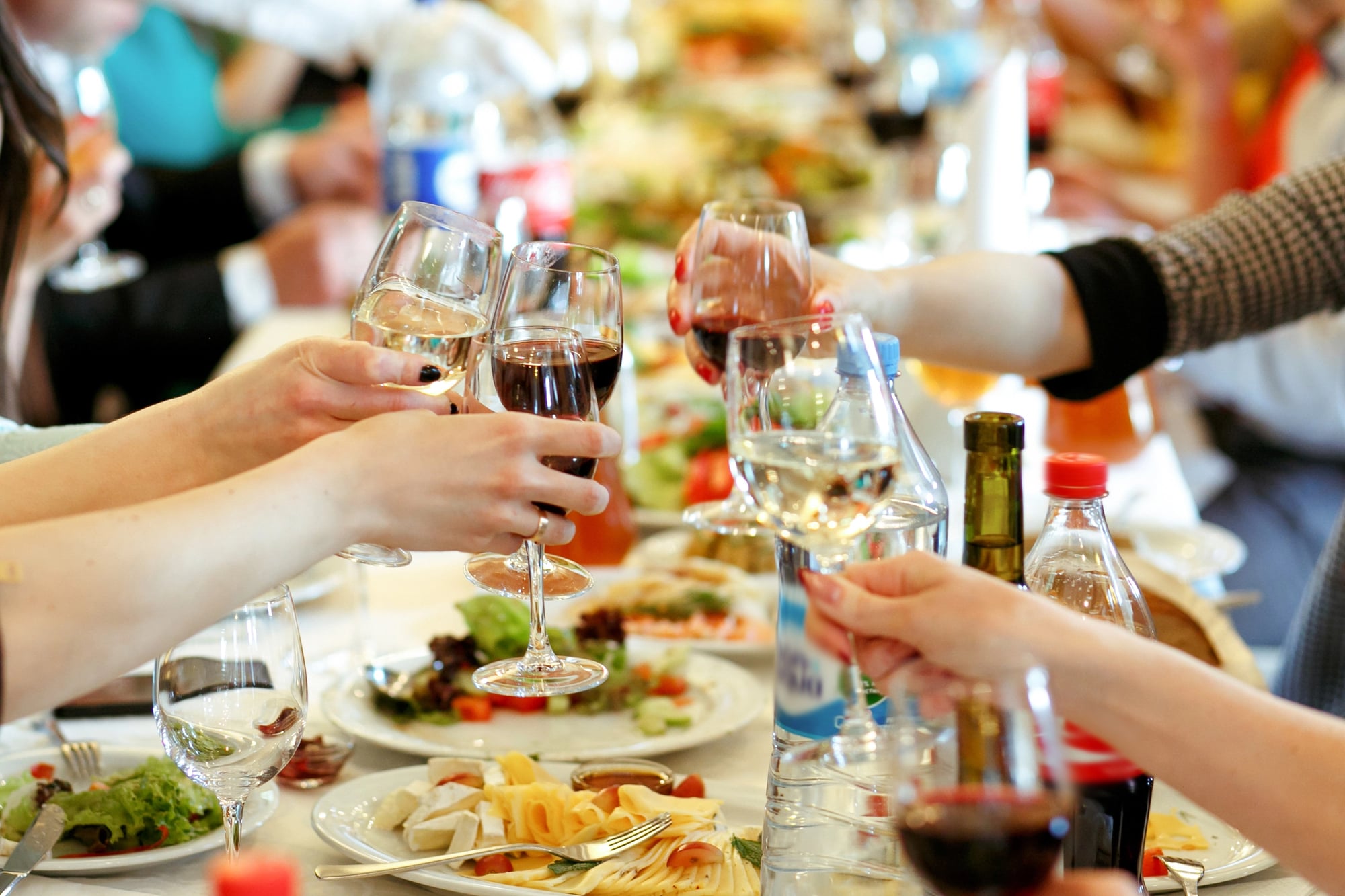
These weren’t just parties—they were public displays of wealth and political networking events. Families competed to throw the most elaborate celebrations to showcase their prosperity and cement business relationships.
The guest list often read like a who’s who of potential business partners, and the lavishness of the feast directly correlated with the family’s social and economic standing.
Groomsmen and Bridesmaids

Wedding parties originally served as security forces, not fashion accessories. Groomsmen were literally the groom’s men—armed supporters who could defend against rival families trying to disrupt the wedding or steal the bride.
Bridesmaids dressed identically to the bride to confuse potential kidnappers or vengeful suitors. These weren’t friends having fun—they were hired protection for valuable business transactions.
Wedding Cakes

The bigger the cake, the wealthier the family appeared to be. Wedding cakes were edible status symbols, with multiple tiers representing different levels of prosperity.
Sugar was expensive, so elaborate cakes demonstrated serious financial resources. Guests would judge the family’s economic standing based on the cake’s size and decoration, making it a crucial investment in social reputation.
Honeymoons

Honeymoons weren’t romantic getaways—they were cooling-off periods after tense business negotiations. Many arranged marriages involved hostile families or reluctant participants, so couples needed time away from family pressures to adjust to their new partnership.
The honeymoon also served as a trial period to ensure the marriage contract would work before families became too invested in the arrangement.
Wedding Gifts

Gift-giving wasn’t about celebrating love—it was about establishing economic relationships with the new family unit. Gifts often came with unspoken expectations of future reciprocity or business favors.
Wealthy guests would give expensive presents to curry favor with powerful families, while relatives used gifts to maintain their standing within the family hierarchy. The value and type of gifts publicly displayed each relationship’s importance.
Wedding Dresses
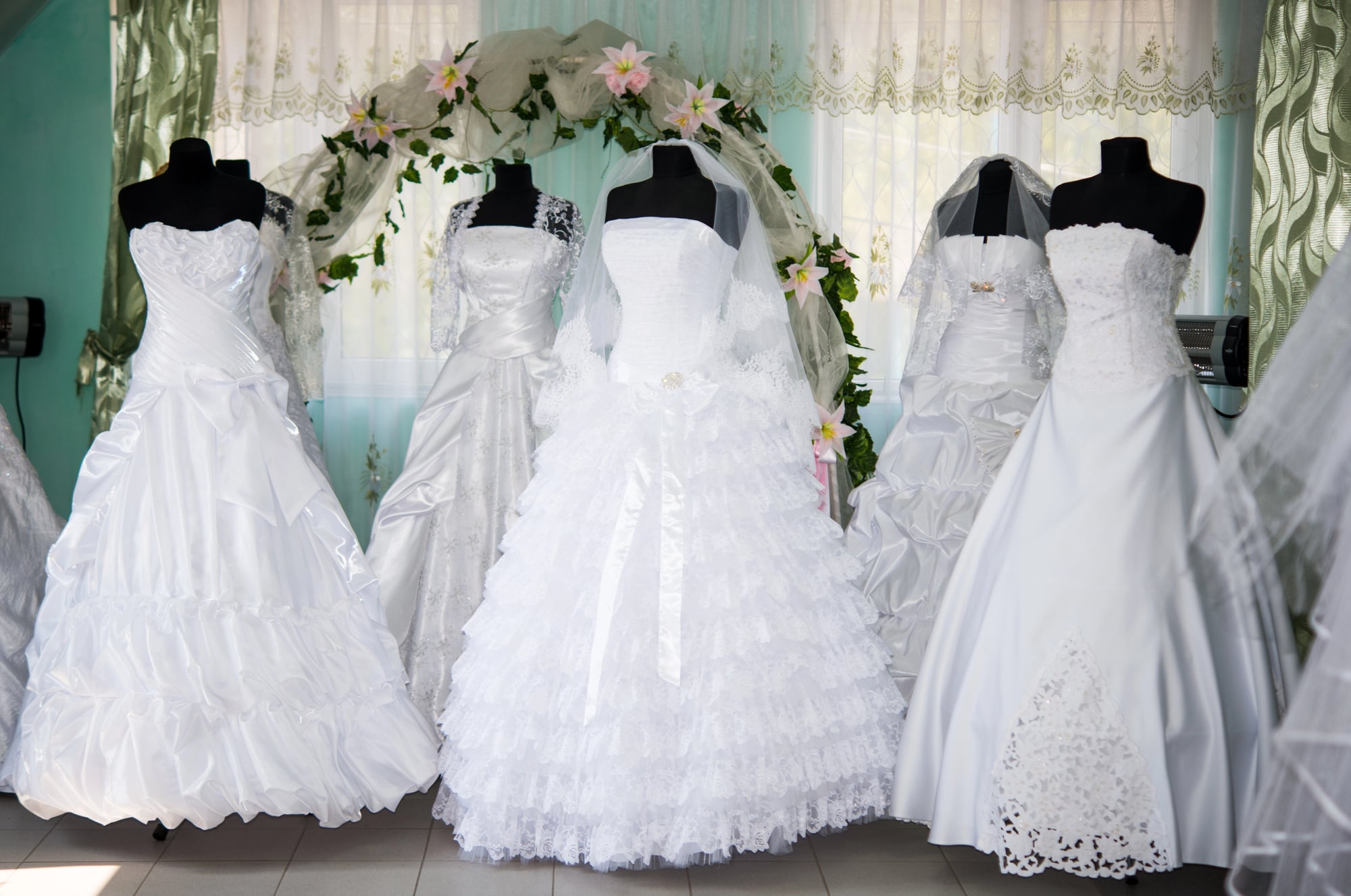
White wedding dresses became popular after Queen Victoria wore one, but the tradition served an economic purpose. A white dress that could only be worn once demonstrated the family’s wealth—they could afford clothing with no practical value.
Before this trend, brides wore their best existing dress, often in dark colors that could be worn again. The white dress became a status symbol of disposable income.
Wedding Photographers
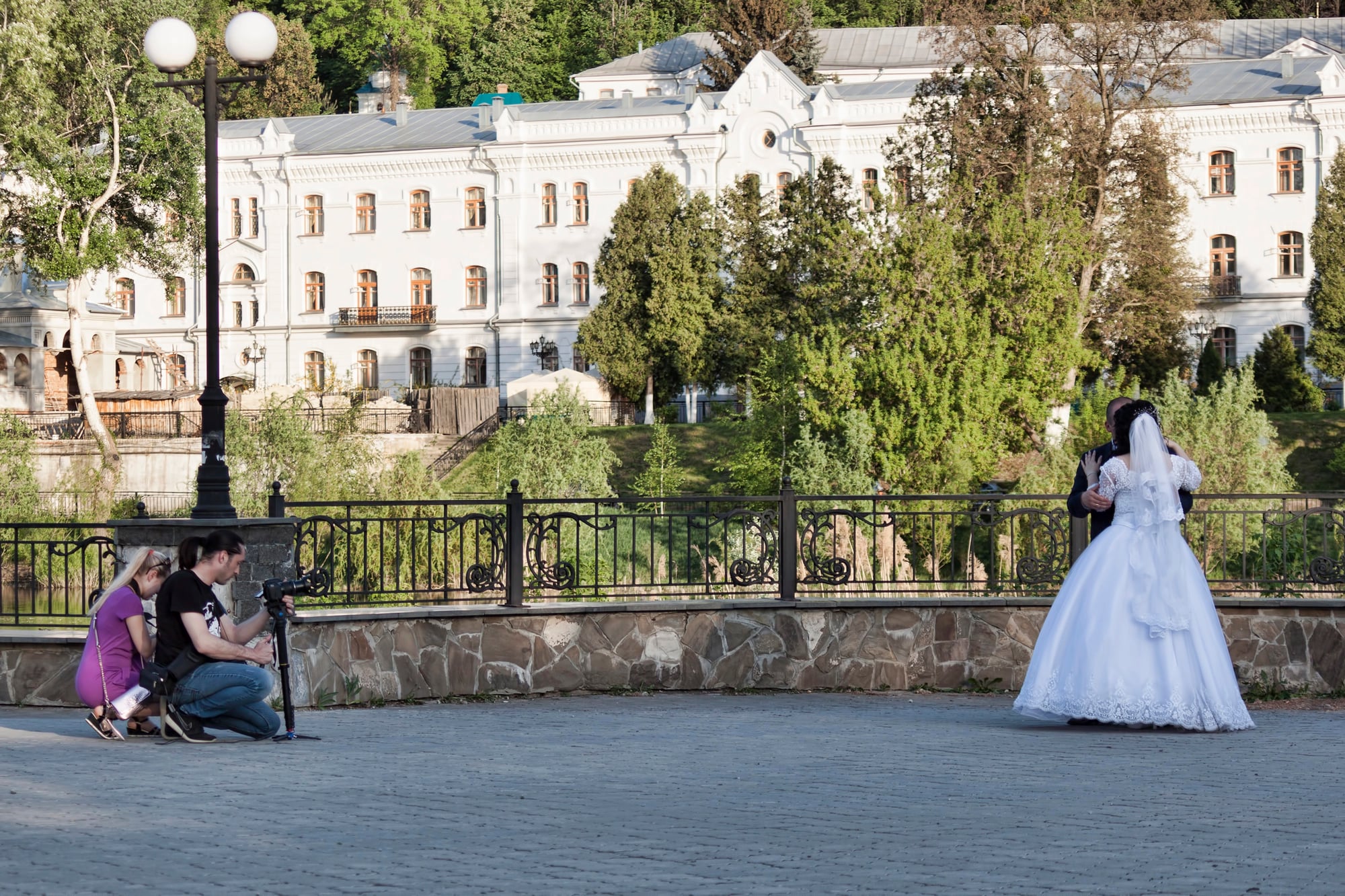
Professional wedding photography emerged as families needed to document their business arrangements for legal and social purposes. These photos served as proof of the ceremony’s legitimacy and the families’ social connections.
The quality of photography and the prominence of guests in photos helped establish the family’s reputation in their community, making wedding albums important business tools.
Bachelor Parties

These weren’t just wild nights out—they were the groom’s last chance to settle his debts and business affairs before marriage. Single men often had financial obligations that needed resolution before taking on a wife’s expenses.
The bachelor party served as an informal business meeting where friends and associates could collect debts or finalize deals before the groom’s priorities shifted to his new family.
Bridal Showers

Bridal showers originated as practical preparation for women entering arranged marriages. Female relatives and friends would literally shower the bride with household items she’d need to run her new home effectively.
This wasn’t generosity—it was investment in the marriage’s success. If the bride failed as a homemaker, it could damage both families’ reputations and business relationships.
Wedding Favors
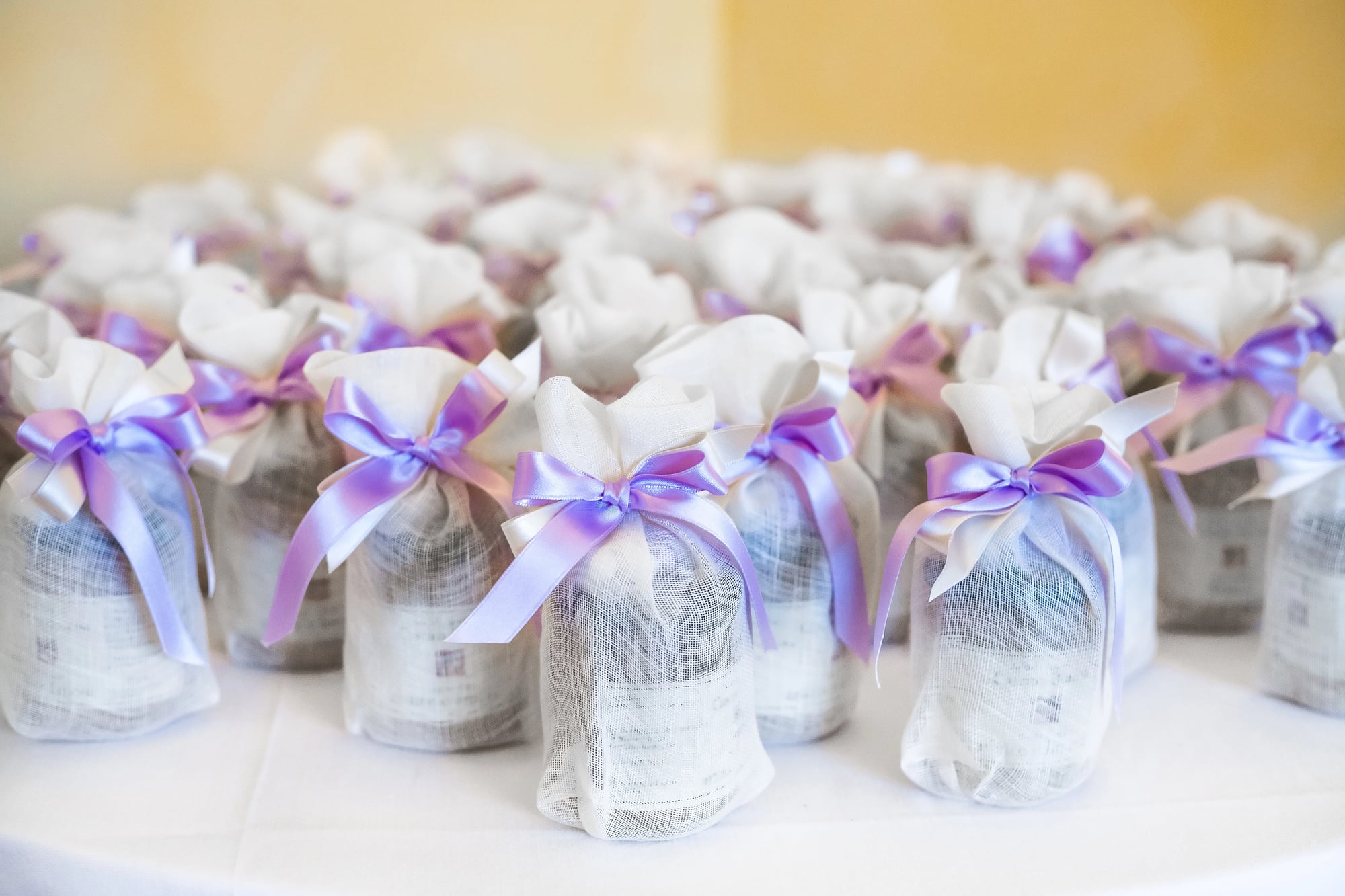
Small gifts given to guests weren’t tokens of appreciation—they were business cards. Wedding favors often featured the family’s coat of arms, business symbols, or other identifying markers that guests would take home and display.
These served as ongoing advertisements for the family’s prosperity and reminded recipients of their connection to the newly merged households.
Engagement Parties

Engagement announcements were essentially merger announcements in disguise. These parties allowed both families to showcase their combined wealth and social connections to their business networks.
The guest list typically included potential clients, business partners, and competitors who needed to understand the new family alliance. The engagement party was often more important than the wedding itself for cementing business relationships.
Wedding Registries
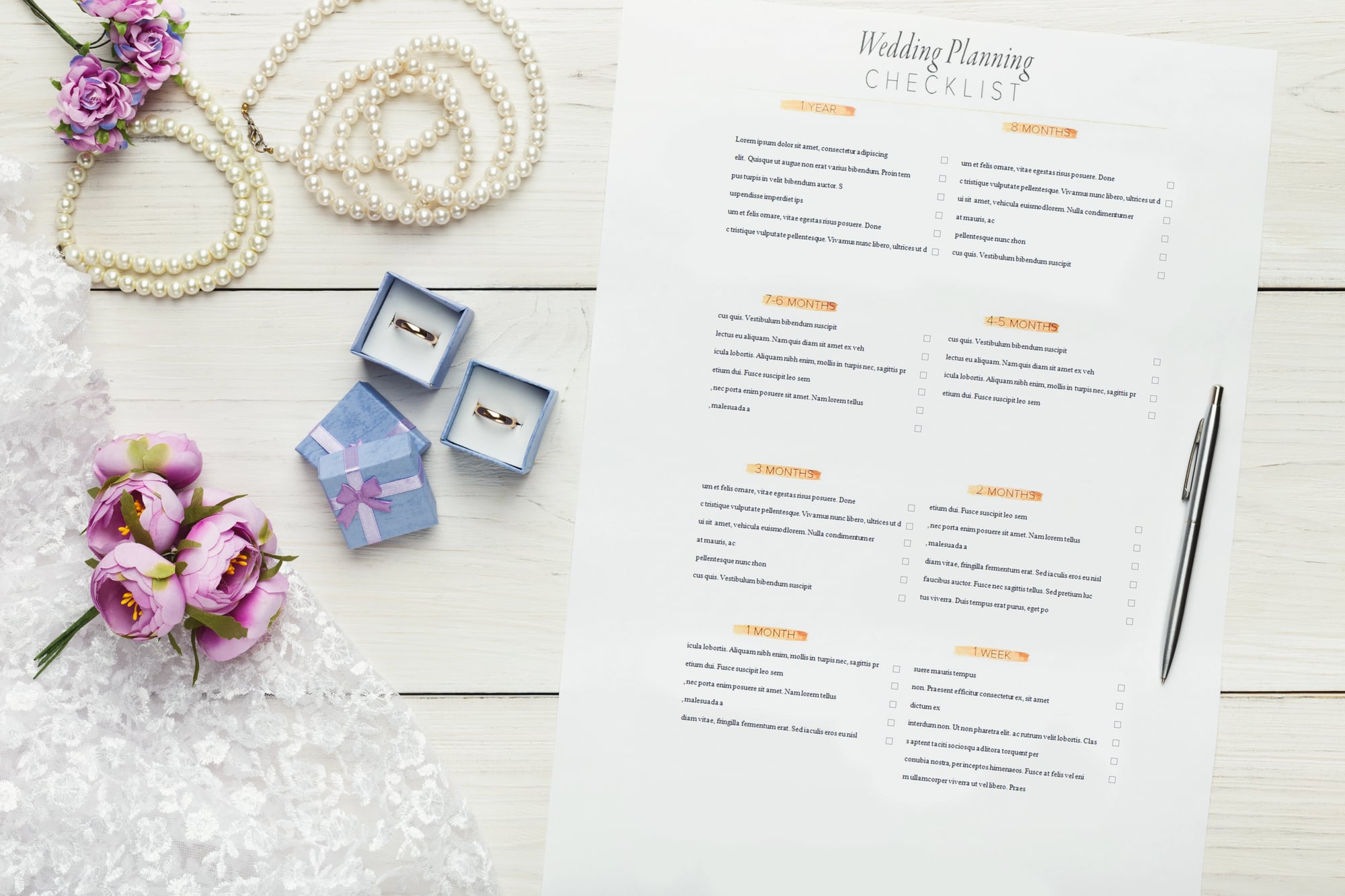
Modern wedding registries evolved from practical necessity lists that helped establish new households. Young couples needed specific items to start their domestic businesses—because running a household was literally a business venture.
The registry ensured they received useful items rather than duplicate gifts, maximizing the economic efficiency of the wedding gift exchange system.
Wedding Insurance

While seemingly modern, wedding insurance reflects the same economic anxieties that shaped historical wedding customs. Families invest significant money in weddings as business and social events, so protecting that investment makes financial sense.
Wedding insurance acknowledges what our ancestors always knew—weddings are major financial transactions that deserve the same protection as any other business deal.
Love in the Time of Ledgers

Today’s couples might exchange personal vows and choose their own partners, but the financial foundations of marriage remain surprisingly unchanged. Modern prenups serve the same protective function as ancient dowry contracts, and wedding expenses still reflect family wealth and social aspirations.
While we’ve romanticized the process, marriage continues to blend love with practical economics in ways our business-minded ancestors would completely understand.
More from Go2Tutors!

- The Romanov Crown Jewels and Their Tragic Fate
- 13 Historical Mysteries That Science Still Can’t Solve
- Famous Hoaxes That Fooled the World for Years
- 15 Child Stars with Tragic Adult Lives
- 16 Famous Jewelry Pieces in History
Like Go2Tutors’s content? Follow us on MSN.