Most Beautiful Classic Cars Ranked
Classic cars represent more than just transportation. They’re rolling sculptures that capture the peak of automotive design from their respective eras.
Some cars transcend their original purpose and become timeless icons that still turn heads decades after they first hit the road. These machines prove that beauty and performance can coexist in perfect harmony.
Here is a list of 14 most beautiful classic cars that have earned their place in automotive history.
Bugatti Type 57SC Atlantic

The Bugatti Type 57SC Atlantic stands as one of the rarest automobiles ever created, with only four examples built between 1936 and 1938. The car features a distinctive teardrop body design with smooth, flowing lines, an extended hood, and a riveted aluminum seam running over the roof.
What makes this car particularly striking is how the designers achieved such fluid aerodynamics in an era when most cars still looked like boxes with wheels. The combination of avant-garde design, meticulous craftsmanship, and extreme rarity has made the Bugatti Type 57SC Atlantic one of the most coveted and beautiful classic cars ever produced.
Jaguar E-Type

Enzo Ferrari described the Jaguar E-Type as the most beautiful car in the world. The 1962 Jaguar E-Type, designed by Malcolm Sayer, is celebrated for its sensuous curves, long hood, and graceful proportions that embody a perfect blend of elegance and performance.
The E-Type’s sleek, aerodynamic body features an iconic oval grille, glass-covered headlights, and wire-spoke wheels that add to its timeless appeal. Malcolm Sayer brought his aircraft design experience to the project, creating something that looked fast even when parked.
The E-Type has a legacy that lived on arguably further than any other Jaguar in existence, with impressive top speeds of 150 mph and a sleek design to match.
Ferrari 250 GTO

The Ferrari 250 GTO was designed to compete in Group 3 GT racing, where its rivals would include the Shelby Cobra, Jaguar E-Type and Aston Martin DP214. The body design was informed by wind tunnel testing at Pisa University as well as road and track testing with several prototypes, resulting in all-aluminum bodywork with a long, low nose, small radiator inlet, and distinctive air intakes.
The 250 GTO perfectly encapsulated the Ferrari philosophy with its sinuous and at the same time aggressive line that is still captivating, and for many is regarded as the most beautiful Ferrari of all time. Only 36 were produced between 1962 and 1964, making it as exclusive as it is gorgeous.
Sports Car International placed the 250 GTO eighth on their list of Top Sports Cars of the 1960s and nominated it the top sports car of all time.
Mercedes-Benz 300SL Gullwing

The 300SL Gullwing is a masterpiece from Mercedes-Benz that boasts a design so iconic that it still turns heads today, with distinctive gullwing doors that open to reveal a plush interior and a fuel-injected, straight-six engine that was ahead of its time. This was one of the sports cars produced after the war, traveling at an impressive speed of 163 miles per hour, with a light racing body designed for top speed.
Those upward-opening doors weren’t just for show—they were necessary because the car’s tube frame chassis sat too high for conventional doors. In the 1950s, gull-wing doors that opened vertically were relatively new, as was fuel injection, which made the Mercedes 300SL Gullwing one of the fastest cars on Mercedes’ line at the time.
Aston Martin DB5

The Aston Martin DB5 was designed to be a talking point and is one of the most impressive classic cars, as well as one of the rarest and most iconic, with its price having grown an estimated 790 times since this classic car first arrived on the market. Designers at Carrozzeria Touring Superleggera in Italy conceptualized the DB5 using their patented magnesium alloy bodywork technique, creating a combination of flowing lines and sharp corners.
Round fender-tops flow back from elegant glass covers over sealed-beam headlamps, while the smooth and flowing curves of the nose profile contrast with the sharp-cornered rear fins. Thanks to its status as James Bond’s vehicle of choice, the Aston Martin DB5 might be the most popular car among automotive enthusiasts and movie buffs alike.
Lamborghini Miura
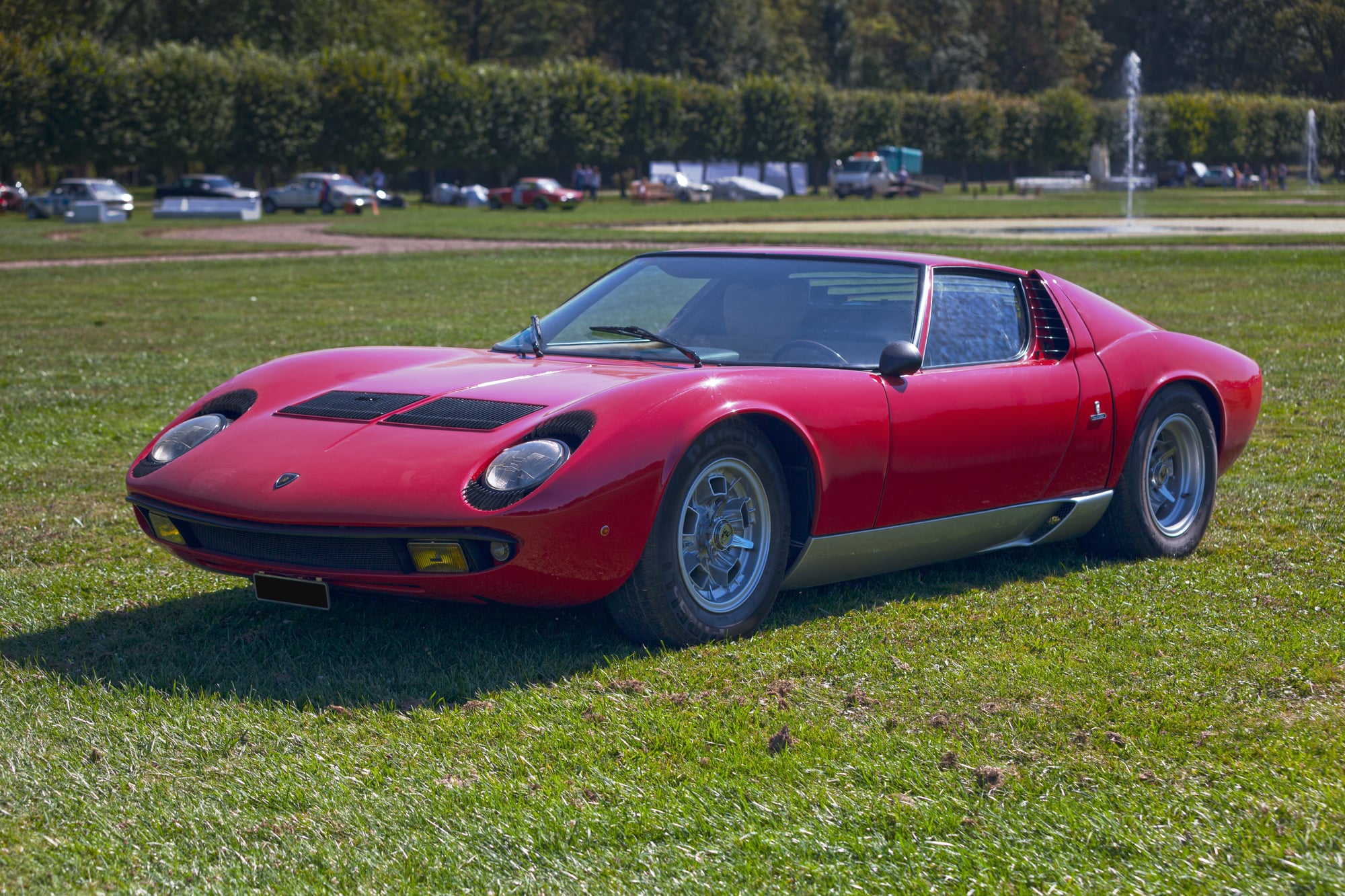
When the Lamborghini Miura was launched in 1966, it was considered ahead of its time in terms of its sleek design, crafted to rival the Ferrari and getting dubbed as the first supercar. The Lamborghini Miura is still the most elegant mid-engined car, narrowly beating the Alfa T33 Stradale, with a brilliant mix of soft curvaceous surfaces, crisp lines, and distinctive detailing.
Piloting the Miura transcends driving experience to become a life experience, with the sound of six carburetors feeding a thirsty, vibrating V-12 moored right behind your head. The way the body seems to flow over the mechanical components underneath creates an almost organic appearance that hasn’t been matched since.
Porsche 911
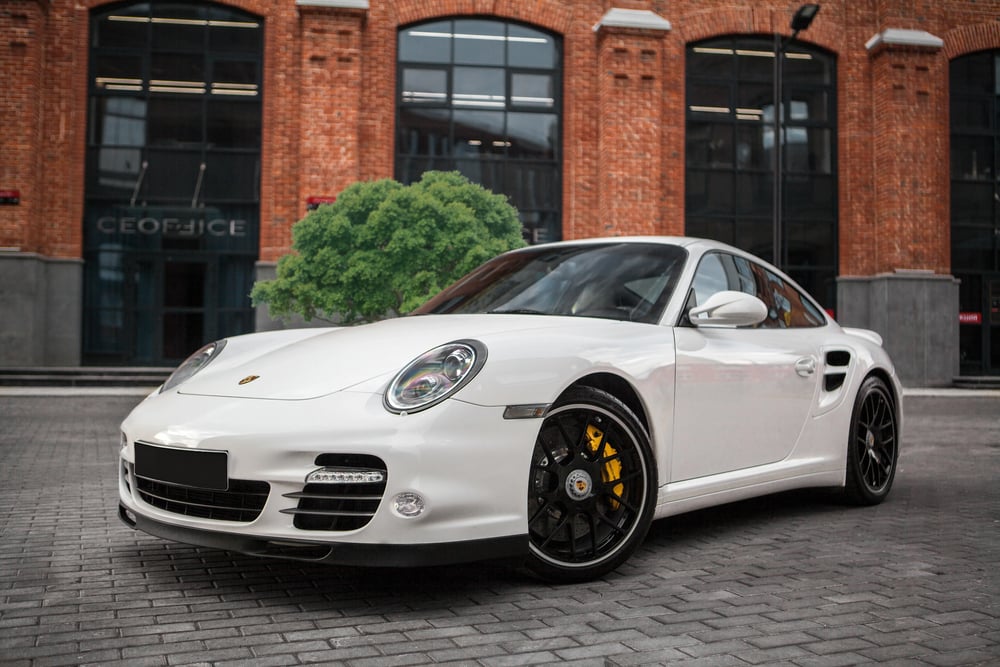
Porsche’s iconic 911 was launched in 1964, but this car became a true sports car legend when the turbocharged 930 debuted in 1975 and was in production until 1989. The design of this luxury supercar actually stemmed from the Volkswagen Beetle, as both were designed by the same person: Ferdinand Porsche.
The Porsche 356’s sleek, aerodynamic shape was achieved through careful attention to every detail of the vehicle’s exterior design, with rounded fenders, gently sloping roofline, and minimalist grille all working together to create a sense of speed and motion. The 911’s silhouette became so perfect that Porsche has barely changed it over the decades.
The 911 has become synonymous with precision engineering and driving pleasure, with its distinctive silhouette and rear-engine layout providing a unique driving experience.
Chevrolet Corvette Sting Ray

The second generation Chevrolet Corvette, which spanned 1963 to 1967, is considered the most iconic American car ever made. The Corvette Sting Ray original model was released in 1963 and is one of the most valuable classic cars, helping Corvette jump into more sleek and easy-to-handle car designs.
The Corvette’s design was sleek and aerodynamic, taking styling inspiration from European sports cars of the time, and featured a long hood, short deck, and rounded fenders which gave the model a true sports car appearance. The split rear window on the 1963 model became one of the most recognizable design elements in automotive history, even though it only lasted one year.
Shelby Cobra 427
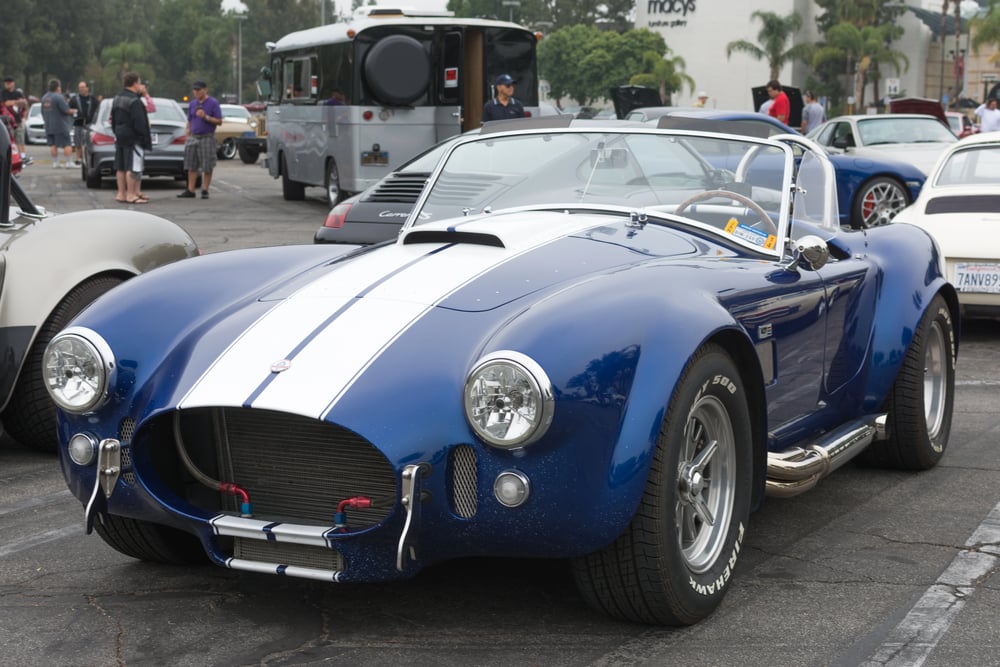
The Shelby 427 Cobra was a record-breaking sports car with 800 horsepower, designed by racer Carroll Shelby and selling for millions of dollars as the most valuable car on the American old car market. Its name came from its collaboration between well-known Ford Motor Company and Shelby American, the high-performance vehicle manufacturer founded by former race car driver Carroll Shelby.
With Ford’s V8 engine, the Shelby GT350 was a legitimate racecar for the street, and when you get into it and turn the key, the car doesn’t only rumble audibly, it also actually shimmies side-to-side and up-and-down just a bit while still parked. The Cobra’s aggressive stance and muscular curves make it look like it’s ready to pounce.
Rolls-Royce Silver Dawn Drophead

The Rolls-Royce Dawn Drophead was a full-sized car sold after the war to bring back luxury and comfort, receiving its unique name because it was supposed to mark the dawn of a new era. The 1949 Rolls-Royce Dawn Drophead featured elegant lines, curves, and attention to detail reflecting the meticulous craftsmanship synonymous with the Rolls-Royce brand.
The lavish car had a long, sweeping hood boasting the iconic Spirit of Ecstasy ornament and a prominent grille made with vertical slats, with a luxurious interior adorned with sumptuous leather upholstery and handcrafted wood veneers. The backward-opening doors added an element of theater every time someone climbed aboard.
Chevrolet El Camino SS
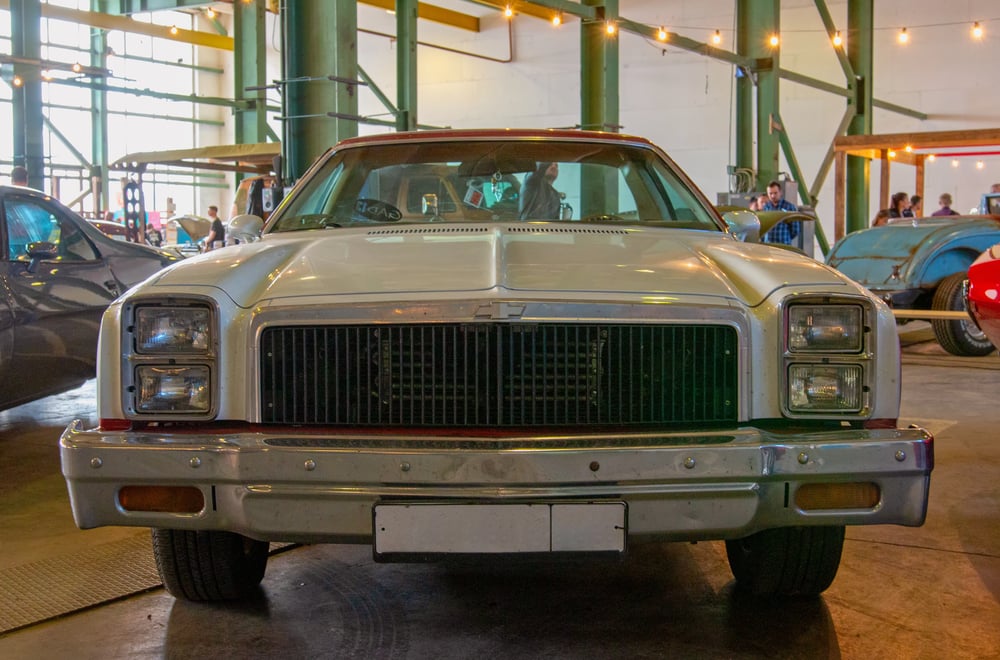
The Chevrolet El Camino SS was released as the high-performance version of the standard El Camino, famed for its surprisingly powerful engines and unique design. The 1970 Chevrolet El Camino SS model was known for its 450 horsepower engine and a torque of 500 pound-feet.
This all-American classic is an icon commonly seen in movies, famed for its powerful engine and stately design with an imposing body that makes it a head turner. The El Camino proved that you didn’t have to choose between practicality and performance—you could have both in one aggressive package.
Ford Mustang Shelby GT500

The 1967 Shelby GT500, designed by Carroll Shelby, captures the essence of 1960s performance with its aggressive stance and striking aesthetics, featuring a bold, elongated hood with twin air scoops, a muscular profile, and distinctive racing stripes. Its front grille is adorned with a snarling cobra emblem symbolizing its fierce performance, and underneath its sleek lines lies a potent 428 cubic inch V8 engine.
The success of the classic Ford Mustang is well documented, taking less than two years to sell more than one million cars and changing the way Americans bought cars in terms of value and marketing. The fastback design with sculpted rear fenders remains one of the most copied shapes in automotive history.
Alfa Romeo 8C Le Mans Speciale
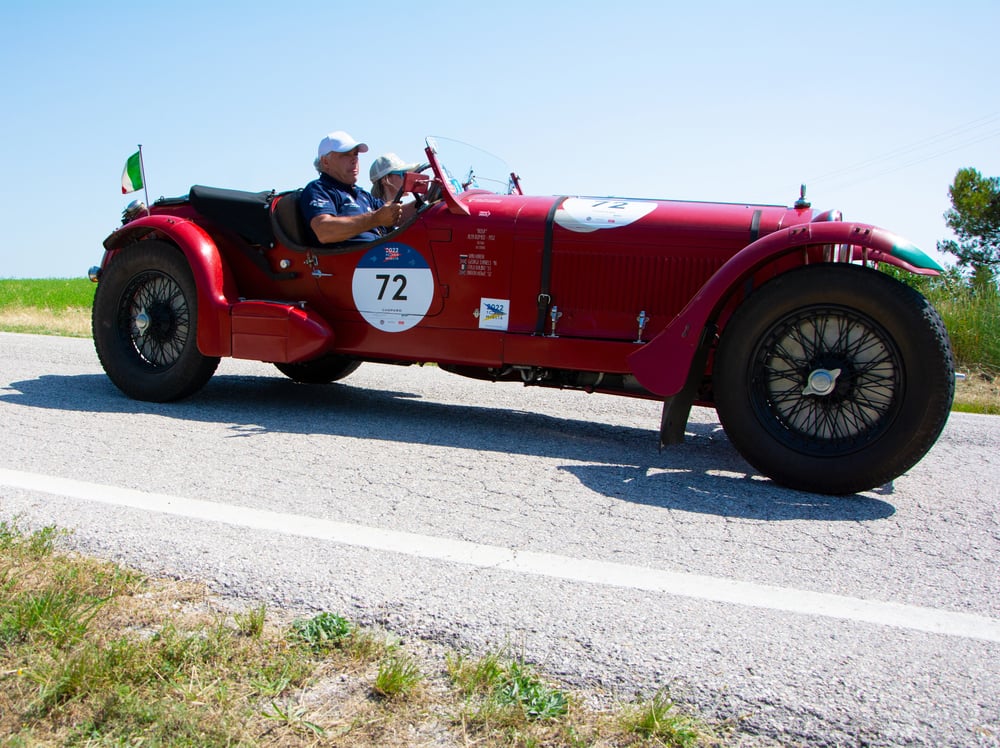
The Alfa Romeo 8C Le Mans Speciale, crafted by Vittorio Jano in the 1930s, embodies the pinnacle of automotive elegance and racing prowess as a bespoke variant designed for endurance racing. It features a streamlined aluminum body with an elongated, sculpted hood and sloping fenders that create a dynamic silhouette, while the integrated headlights and curved grille give it an aggressive and distinctive front profile.
The pre-war racing aesthetic looks remarkably modern even today, proving that good design truly is timeless. Large wire-spoked wheels and external fuel caps add functional beauty, underscoring its racing pedigree.
Porsche 356

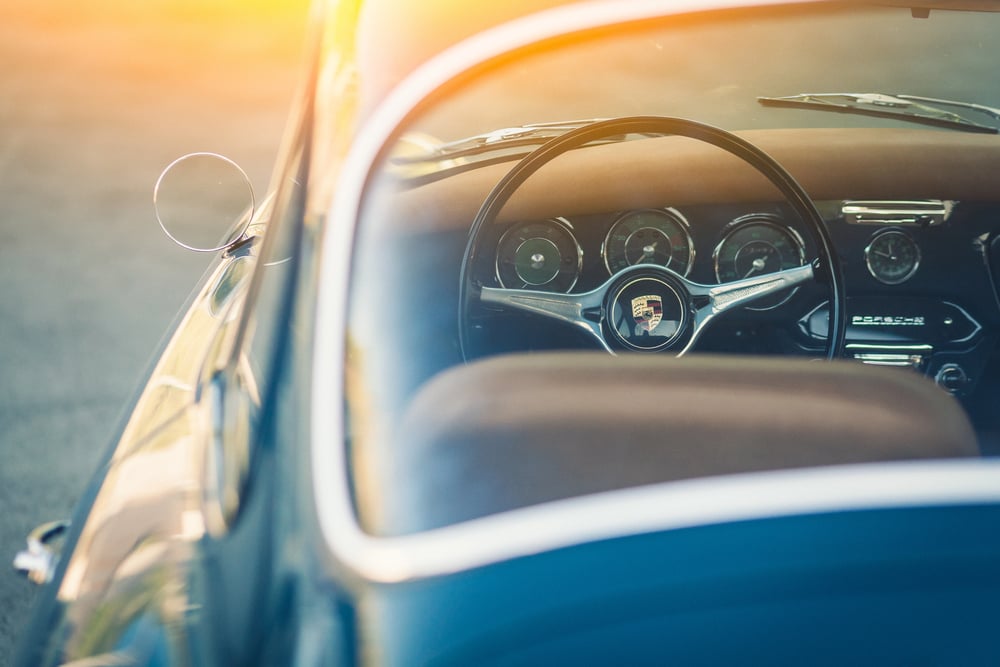
The Porsche 356 is widely considered to be one of the most beautiful classic cars ever produced, designed by Ferdinand Porsche and his son Ferry Porsche and first introduced in 1948. One of the key elements of the Porsche 356’s beauty lies in its sleek, aerodynamic shape achieved through careful attention to every detail of the vehicle’s exterior design.
The car’s rounded fenders, gently sloping roofline, and minimalist grille all work together to create a sense of speed and motion, even when the car is standing still. The 356 laid the groundwork for everything Porsche would become, establishing a design language that the company still references today.
Where Beauty Meets History
These 14 automobiles prove that classic cars deserve their place in museums as much as on the road. Each represents a moment when designers, engineers, and craftsmen came together to create something that transcended mere transportation.
The curves of a Jaguar E-Type or the aggressive stance of a Shelby Cobra aren’t just about aesthetics—they’re about passion, innovation, and the belief that cars should stir emotions. These machines continue to command attention and astronomical prices precisely because they achieved what so few modern vehicles can: they made beauty and performance inseparable.
More from Go2Tutors!

- The Romanov Crown Jewels and Their Tragic Fate
- 17 Halloween Costumes Once Considered Taboo
- Famous Hoaxes That Fooled the World for Years
- 15 Child Stars with Tragic Adult Lives
- 16 Famous Jewelry Pieces in History
Like Go2Tutors’s content? Follow us on MSN.