The Strongest Materials Known to Science
When people think about strong materials, steel and concrete usually come to mind first. But the world of super-strong substances goes way beyond construction sites and skyscrapers.
Scientists have discovered and created materials so tough they can withstand forces that would turn ordinary metals into dust. Let’s explore the materials that push the boundaries of what’s physically possible.
Graphene

This material consists of a single layer of carbon atoms arranged in a honeycomb pattern. Despite being just one atom thick, graphene can support the weight of an elephant balanced on a pencil without breaking.
Scientists discovered it in 2004 using nothing more than sticky tape and graphite, which earned them a Nobel Prize. The material conducts electricity better than copper and transfers heat better than any other known substance.
Engineers dream of using graphene in everything from bendable phones to faster computer chips.
Diamond

Natural diamonds form deep underground where extreme pressure and heat transform carbon into the hardest natural material on Earth. A diamond can only be scratched by another diamond, which makes it perfect for industrial cutting tools.
Jewelers love diamonds for engagement rings, but factories use far more of them to slice through concrete and metal. Lab-grown diamonds now match the strength of natural ones and cost much less to produce.
The atomic structure of diamond creates such strong bonds that breaking them requires tremendous force.
Carbyne

This chain of carbon atoms linked together in a straight line beats even diamond in tensile strength. Carbyne can withstand twice as much pulling force as graphene before snapping.
The material remains extremely difficult to produce because the chains break apart easily when exposed to air or moisture. Researchers have only managed to create short strands of carbyne in carefully controlled laboratory conditions.
If scientists figure out how to mass-produce it, carbyne could revolutionize everything from body armor to space elevators.
Wurtzite boron nitride

This rare mineral forms during volcanic eruptions when intense heat and pressure rearrange boron and nitrogen atoms. Tests show that wurtzite boron nitride actually surpasses diamond in hardness by about 18 percent.
The material only appears in tiny quantities in nature, making it nearly impossible to study thoroughly. Scientists can create synthetic versions in labs, but the process costs far too much for commercial use.
The unique crystal structure gives this material its extraordinary resistance to deformation.
Lonsdaleite

Meteorites crashing into Earth at high speeds create this unusual form of carbon through massive impact forces. The hexagonal crystal structure of lonsdaleite makes it roughly 58 percent harder than regular diamond.
Scientists have found tiny samples of this material at meteor impact sites around the world. Creating lonsdaleite in a laboratory requires simulating the extreme conditions of a cosmic collision.
Researchers believe this material could eventually replace diamond in industrial applications if they can produce it affordably.
Spider silk

The dragline silk that spiders use to build their webs can stretch up to 40 percent of its length without breaking. Pound for pound, this natural fiber proves stronger than steel and tougher than Kevlar.
A spider produces different types of silk for different purposes, from sticky trap lines to strong anchor threads. Scientists have tried for decades to replicate spider silk artificially but haven’t matched the natural version.
The protein structure in spider silk absorbs energy remarkably well, which explains why bugs don’t just bounce off webs.
Palladium microalloy glass

This metallic glass combines palladium with other elements to create a material that doesn’t form crystals like normal metals. The random arrangement of atoms gives this glass-metal hybrid incredible strength and flexibility.
A sample of palladium microalloy glass can bend significantly before breaking, unlike brittle conventional glass. The material resists cracking better than most crystalline metals because it has no weak points between crystal grains.
Manufacturers could use this alloy for durable phone screens and unbreakable tools.
Titanium alloys
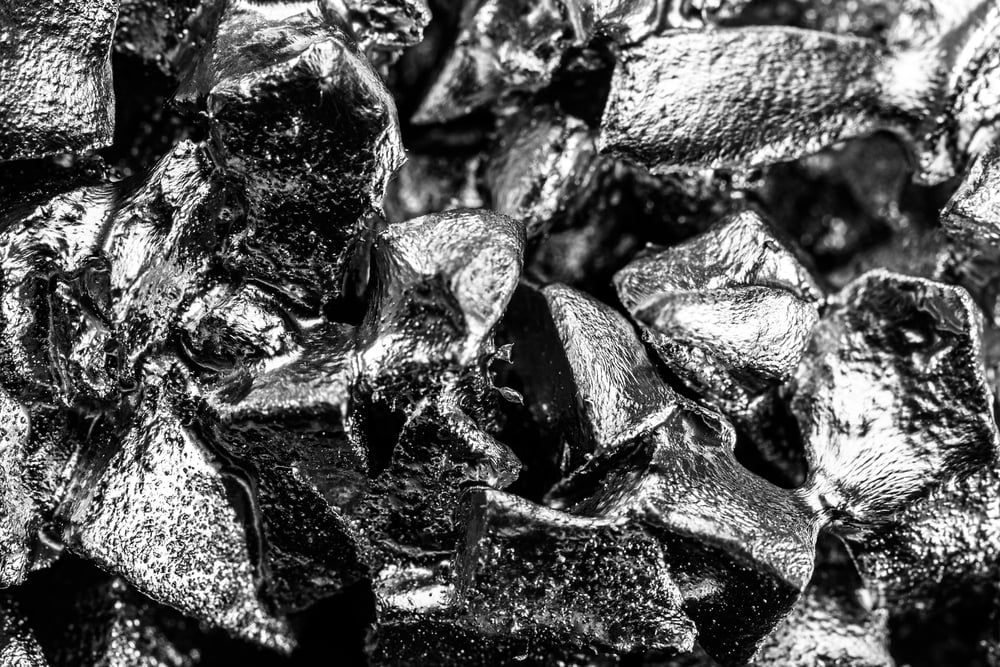
Aerospace engineers love titanium because it provides steel-like strength at nearly half the weight. The metal resists corrosion so well that it can sit in salt water for decades without rusting.
Aircraft manufacturers use titanium extensively in jet engines where temperatures reach thousands of degrees. Medical implants often use titanium because the human body rarely rejects it.
Mixing titanium with aluminum and vanadium creates alloys that outperform pure titanium in specific applications.
Buckypaper

Scientists create this thin sheet by pressing together countless microscopic carbon tubes called buckyballs. The resulting material weighs almost nothing yet can stop bullets when layered properly.
A sheet of buckypaper conducts heat and electricity as efficiently as copper but remains far lighter. Researchers envision using buckypaper to build lighter airplanes that consume less fuel.
The manufacturing process remains expensive, which prevents widespread commercial use for now.
Carbon nanotubes

These microscopic cylinders of carbon atoms measure just a few billionths of a meter across. A single carbon nanotube can support 6,422 times its own weight before breaking.
The tubes conduct electricity and heat better than practically any other material. Scientists struggle to manufacture long, defect-free nanotubes consistently.
When they solve the production challenges, carbon nanotubes could replace steel cables in bridges and create ultra-light bulletproof vests.
Dyneema

This synthetic fiber made from ultra-high-molecular-weight polyethylene floats on water yet stops bullets. Commercial manufacturers weave Dyneema into body armor, cut-resistant gloves, and heavy-duty ropes.
The material proves up to 15 times stronger than steel on a weight-for-weight basis. Dyneema doesn’t absorb water and resists most chemicals that would destroy other fibers.
Mountain climbers and sailors appreciate ropes made from this fiber because they’re both incredibly strong and remarkably light.
Aggregated diamond nanorods

Scientists compress and heat graphite to create this material, which consists of countless tiny diamond rods fused together. Tests indicate that aggregated diamond nanorods exceed the hardness of natural diamond.
The manufacturing process requires specialized equipment that can generate intense pressure and heat simultaneously. This material could theoretically scratch or cut anything else on Earth.
Researchers haven’t found practical applications yet because producing it costs too much.
Aluminum oxynitride

The military uses this transparent ceramic to make bulletproof windows for armored vehicles. Aluminum oxynitride starts as a powder that gets compressed and heated until it forms a clear, glass-like material.
The finished product resists impacts far better than bulletproof glass while weighing significantly less. A window made from this material can stop multiple rounds from high-powered rifles.
Manufacturing costs have dropped enough that some luxury cars now feature aluminum oxynitride windows.
Kevlar

This synthetic fiber revolutionized personal protection when DuPont introduced it in the 1960s. Kevlar vests have saved countless police officers and soldiers from bullets and shrapnel.
The material consists of long molecular chains that align parallel to each other during manufacturing. When a bullet hits Kevlar, the fibers catch the projectile and spread the impact force across a wide area.
Firefighters also wear Kevlar because it resists heat and doesn’t melt easily like some synthetic fabrics.
Maraging steel
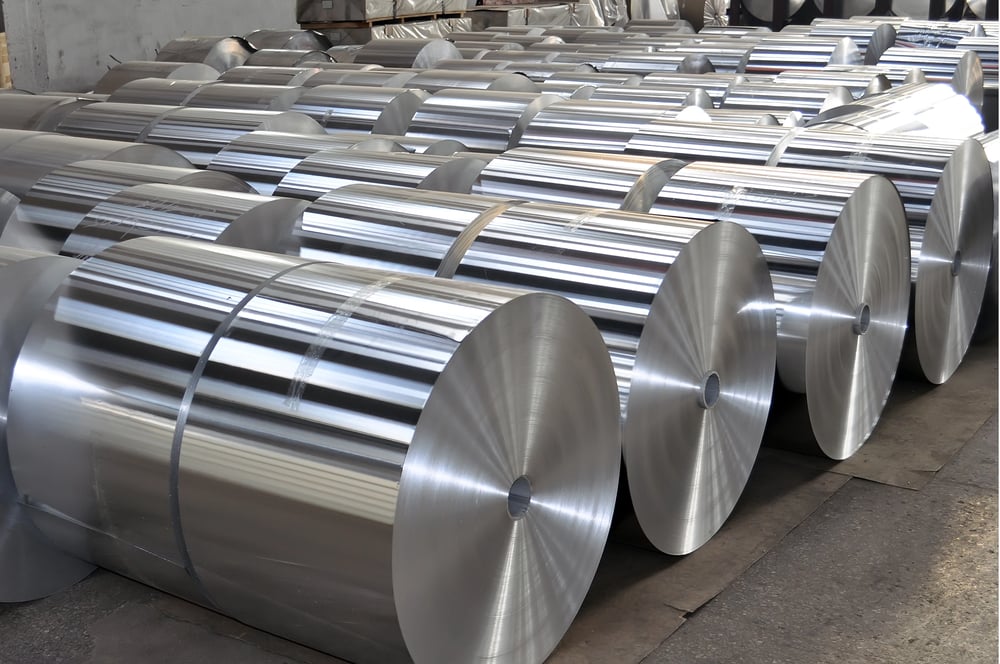
From tiny nickel specks born in heat comes a metal built tough without relying on carbon. It skips the usual recipe yet stands strong where others fail.
Shaping it does not take heroic effort, even though its backbone is rigid. Rockets lean on it for parts that must hold firm under crushing force.
Landing gears made from this blend endure punishment most metals cannot survive. Price climbs when compared to ordinary steel, yes – performance jumps higher still.
Osmium

A shiny blue-gray metal takes the title for heaviest natural substance found on our planet. With unmatched resistance to squashing, nothing else comes close when pressure is applied.
Pure samples almost never show up since it typically links with different minerals underground. Factories put this rare stuff to work where durability matters – contacts that carry current, points on fine writing tools.
Imagine an orb of it the size of a sports orb; you’d need several strong people just to lift it.
What these materials mean for tomorrow

Floating through labs today, some stuff might stitch your jacket tomorrow. Picture roads humming under vehicles forged from foam-like metal.
Safety grows not from bulk but clever construction – think bone, not brick. Soon, hospitals could anchor joints with tubes smaller than hairs.
What once took tons now works in whispers of weight. Daily life bends toward what used to be fantasy.
Toughness shifts meaning when fabric outperforms steel. People won’t notice the change – they’ll just live longer, move faster, stand taller.
More from Go2Tutors!

- The Romanov Crown Jewels and Their Tragic Fate
- 13 Historical Mysteries That Science Still Can’t Solve
- Famous Hoaxes That Fooled the World for Years
- 15 Child Stars with Tragic Adult Lives
- 16 Famous Jewelry Pieces in History
Like Go2Tutors’s content? Follow us on MSN.