1970S In Pictures: Highlights And Historic Moments
The 1970s didn’t arrive quietly. The world entered that decade already shaken — still processing the assassinations, the protests, and the idealism of the sixties — and then things got more complicated.
What followed was ten years of political collapse, cultural reinvention, global conflict, and moments so strange or so stunning that photographs of them still stop people cold today. These are the images that defined a decade.
A President Says Goodbye

On August 9, 1974, Richard Nixon stood at the door of Marine One, turned to the crowd on the South Lawn, and raised both arms in that unmistakable V-for-victory gesture — even as he was leaving the White House in disgrace.
The Watergate scandal had consumed two years of American political life. The break-in at the Democratic National Committee headquarters in 1972 had led to cover-ups, Senate hearings, secret recordings, and finally, the certainty of impeachment. Nixon resigned before it came to that. No sitting American president had ever done so before.
The photograph of that final wave, arms raised, half-smile on his face, captured something deeply strange about the man and the moment.
The Last Helicopters Out of Saigon
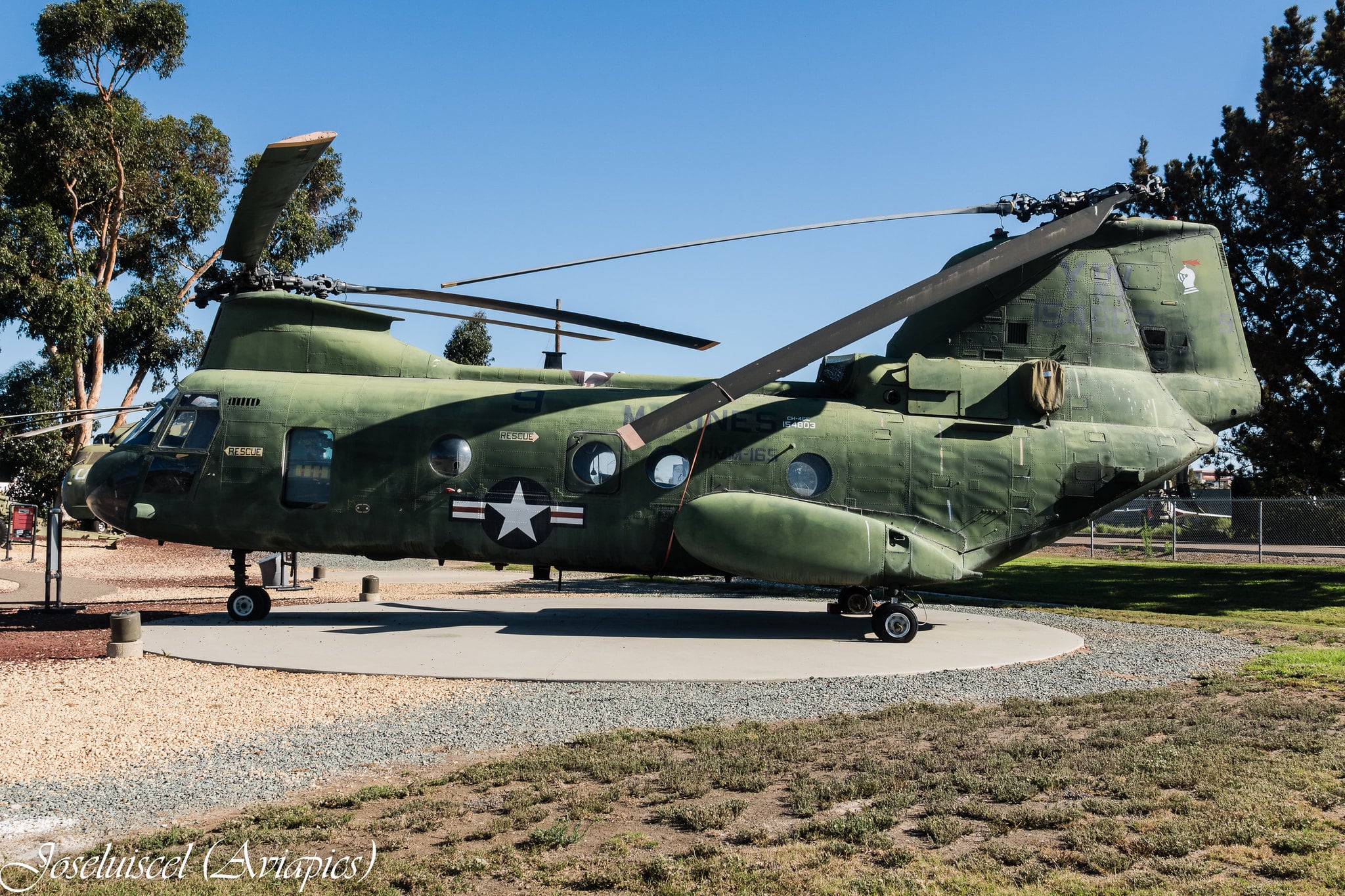
April 29, 1975. A helicopter sits on the roof of a building in Saigon. A line of people climbs a narrow staircase toward it. The photo became one of the most recognizable images of the entire Vietnam War — and of American foreign policy’s limits.
The fall of Saigon marked the end of a conflict that had cost more than 58,000 American lives and millions of Vietnamese ones. The war had split American society for years. By the time the last helicopters lifted off, most people just wanted it to be over. It was.
One Giant Step, One Last Time
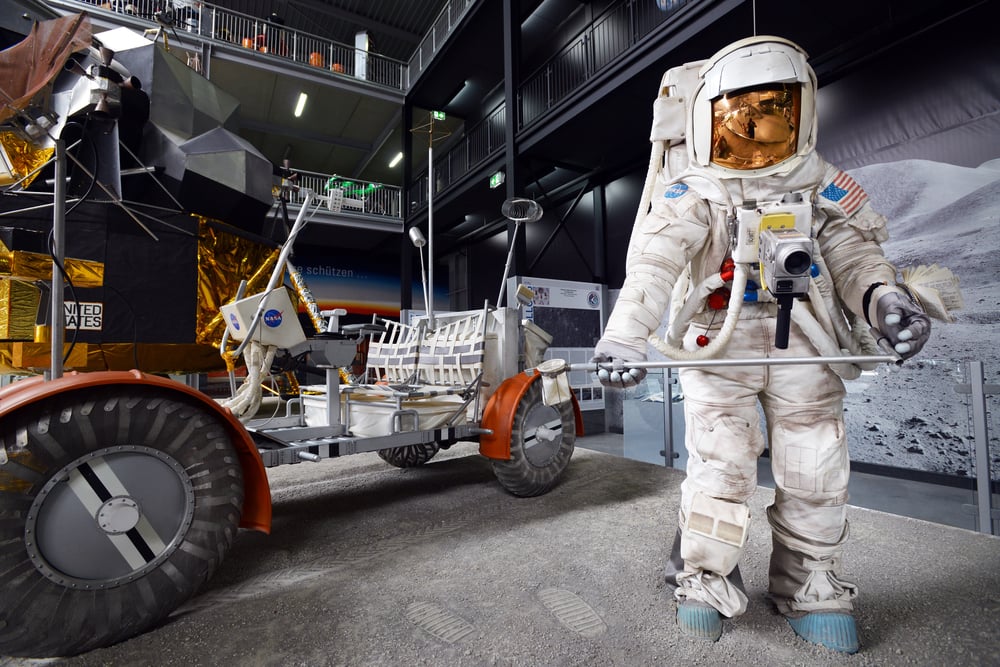
December 1972. Apollo 17 astronaut Harrison Schmitt stands near a massive boulder on the lunar surface, the Earth hanging in the black sky behind him. His crewmate Gene Cernan took the photograph — and when Cernan climbed back into the lunar module a few hours later, he became the last human to walk on the Moon.
Nobody knew it at the time. Everyone assumed there would be more missions. But budget cuts, shifting priorities, and a changing national mood brought the Apollo program to a close. That photograph, taken during what turned out to be humanity’s final lunar excursion, carries more weight now than it did then.
Munich, 1972
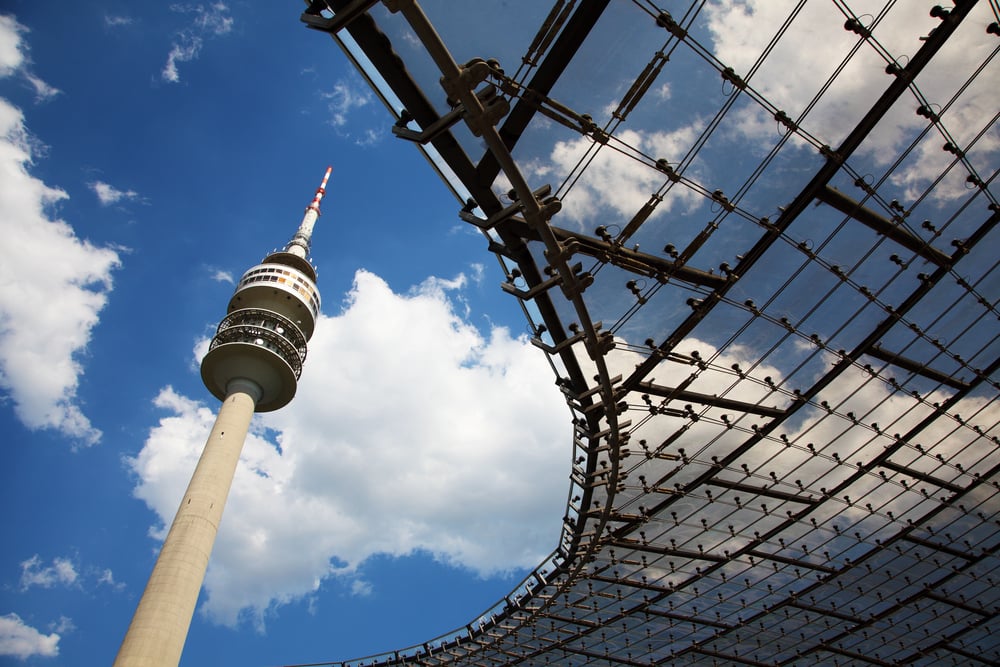
The Summer Olympics in Munich were supposed to be a celebration. West Germany had spent years carefully constructing an image of openness and peace, a direct contrast to the 1936 Berlin Games under Hitler.
Then, on September 5, members of the Palestinian group Black September took eleven Israeli athletes and coaches hostage in the Olympic Village. A botched rescue attempt ended in tragedy — all eleven hostages were killed, along with a West German police officer and five of the attackers.
The images from those two days — the masked gunman on the balcony, the grief-stricken faces, the Olympic flag lowered to half-staff — remain among the most haunting in sports history.
Pumps, Lines, and the Oil Crisis
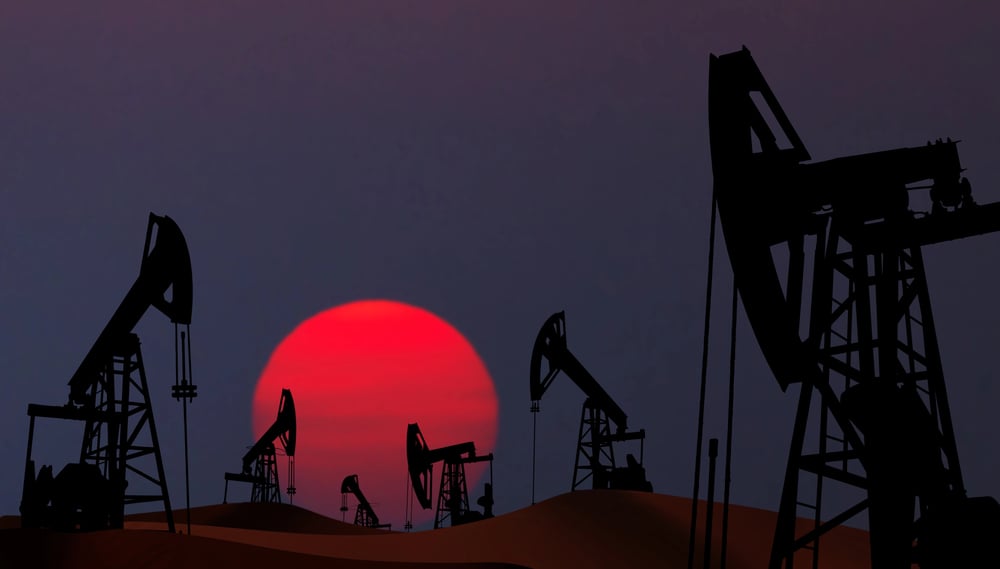
October 1973. Arab members of OPEC imposed an oil embargo on the United States and other nations that had supported Israel during the Yom Kippur War. The result was an energy crisis that nobody in America had seen coming.
Gas stations ran dry. The ones that still had fuel had lines stretching around the block. Prices quadrupled almost overnight. Speed limits were lowered to conserve fuel. Daylight saving time was extended. The photographs from this period — the long queues of cars, the handwritten “No Gas” signs — became symbols of American vulnerability.
The crisis reshaped energy policy, sparked interest in fuel-efficient cars, and planted seeds of anxiety about dependence on foreign oil that never fully went away.
Roe v. Wade

On January 22, 1973, the U.S. Supreme Court issued its ruling in Roe v. Wade, declaring that the Constitution protected a woman’s right to an abortion. The decision didn’t end the debate — it intensified it.
Photographs from both sides of that argument, taken over the decades that followed, all trace their origin back to this moment. Protesters on courthouse steps, candlelight vigils, marches in Washington. The ruling became one of the most contested legal decisions in American history, eventually overturned in 2022. But in 1973, there was a seismic shift.
Cambodia and the Killing Fields
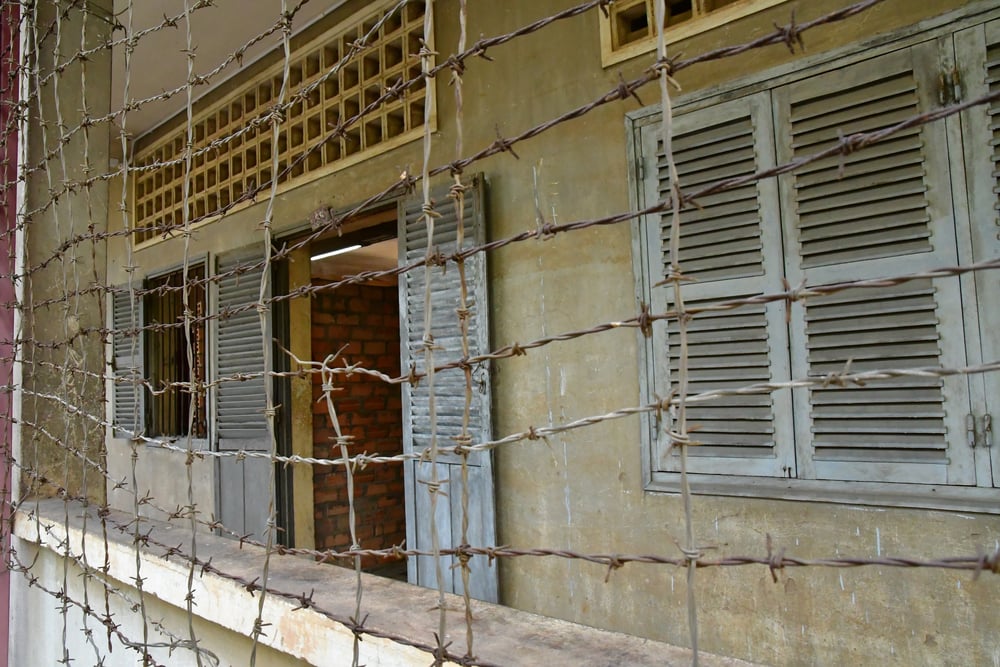
While the world’s attention was elsewhere, Cambodia descended into one of the twentieth century’s worst atrocities. After the Khmer Rouge, led by Pol Pot, seized power in 1975, the regime began a radical attempt to restructure society from scratch — emptying cities, abolishing money, and targeting anyone deemed an intellectual or class enemy.
Between 1975 and 1979, an estimated 1.5 to 2 million people died — roughly a quarter of Cambodia’s population — through execution, forced labor, starvation, and disease. The photographs that emerged after Vietnam’s invasion ended the regime in 1979 showed mass graves, prison records, and rows of skulls. They remain almost impossible to look at.
Punk Tears Through the Silence

By 1976, a lot of young people in Britain were fed up. Unemployment was high, the economy was struggling, and the music dominating the charts felt distant from their actual lives.
Then the Clash played a show. Then the Ramones in New York. The photographs from that era — ripped clothing, safety pins, snarling faces, small venues packed with furious energy — look like dispatches from a different civilization. Punk was short-lived as a commercial force, but its aesthetic and attitude bled into everything that followed.
Saturday Night and the Mirror Gala

On the other side of the cultural divide, disco was filling dance floors from New York to Tokyo. Studio 54 in Manhattan became the most photographed nightclub in history — a place where Andy Warhol, Bianca Jagger, and anyone lucky enough to get past the velvet rope danced until sunrise under a revolving mirror gala.
The images from this world are all glitter and sweat and joy. Platform shoes. Halter tops. A freedom of expression that felt genuinely new, especially for gay communities who found in disco spaces a rare visibility and acceptance. Disco got declared dead by 1980. The parties in those photographs disagreed.
Jaws and the Summer Blockbuster

June 1975. Steven Spielberg’s film about a great white shark terrorizing a New England beach town opened in cinemas across America. It became the highest-grossing film ever made at that point and effectively created the concept of the summer blockbuster.
The promotional image — a massive shark rising from below toward an unsuspecting swimmer — became instantly iconic. It also did measurable damage to shark populations for years, as fear of the animals spiked worldwide. Cinema was never quite the same again.
A Long Time Ago in a Galaxy Far, Far Away

May 1977. The opening shot of Star Wars showed a small rebel ship being pursued by a massive Imperial Star Destroyer that seemed to stretch on forever. Audiences who had never seen anything like it sat in stunned silence.
George Lucas’s film changed what movies could look like, how they were marketed, and how studios thought about franchises. The behind-the-scenes photographs from the production — actors in alien costumes on Tunisian deserts, model makers building spaceships in hangars — showed a film made by people who genuinely believed in what they were doing. They were right to.
Iran, the Revolution, and the Hostage Crisis

1979 brought two seismic events in Iran. In February, the Islamic Revolution overthrew Shah Mohammad Reza Pahlavi, ending decades of monarchy and replacing it with an Islamic republic under Ayatollah Khomeini. The photographs of millions flooding Tehran’s streets to celebrate — and of the Shah boarding his final flight into exile — marked a fundamental shift in Middle Eastern politics.
Then in November, student militants stormed the U.S. Embassy in Tehran and took 52 American diplomats and citizens hostage. They held them for 444 days. The crisis consumed the final year of Jimmy Carter’s presidency and contributed heavily to his 1980 election loss. The photographs of blindfolded hostages being paraded through crowds marked a new and uncomfortable chapter in U.S.-Iranian relations that is still unresolved.
Three Mile Island
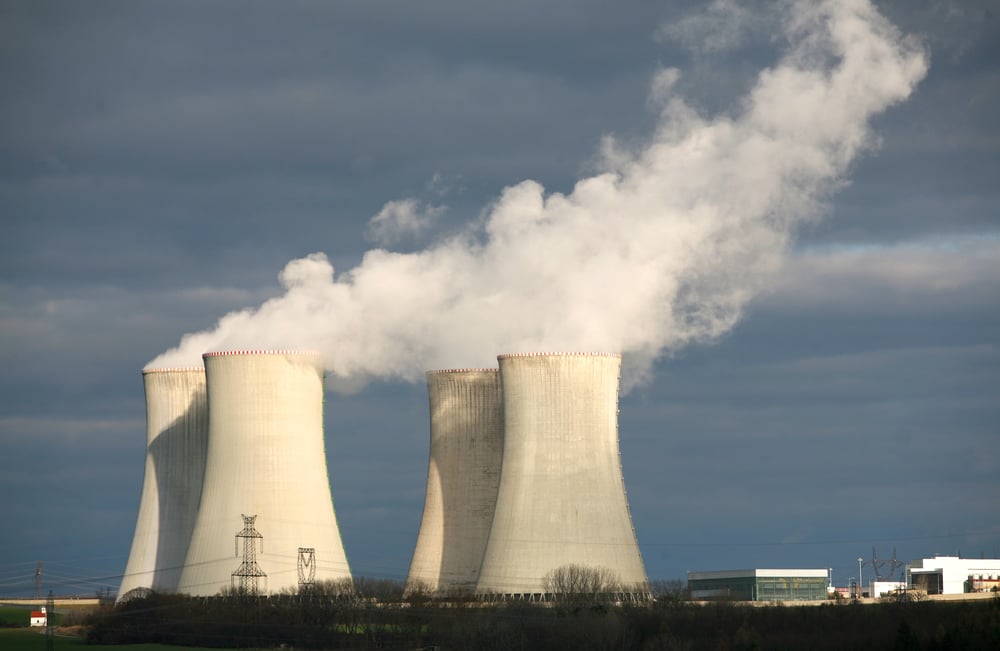
March 28, 1979. A nuclear power plant on an island in the Susquehanna River in Pennsylvania experienced a partial meltdown. It became the most serious nuclear accident in U.S. history to that point.
Nobody died from the accident itself, but the photographs of cooling towers releasing steam, and the news footage of families evacuating nearby areas, crystallized public anxiety about nuclear energy in a way that decades of policy debate had not. The U.S. did not build another nuclear power plant for decades afterward.
Margaret Thatcher Takes Downing Street

May 4, 1979. Margaret Thatcher stood outside 10 Downing Street and quoted Francis of Assisi. Britain had just elected its first female prime minister.
The image of her at that door — composed, certain, ready — was the beginning of an era. She would go on to reshape British economic policy, fight a war in the Falklands, and become one of the most polarizing political figures in modern British history. Whether people admired her or despised her, few disputed that the photograph of that arrival mattered.
The Decade That Wouldn’t Sit Still

Looking back at the 1970s through photographs means sitting with contradiction. The same decade gave you Watergate and Saturday night fever, the killing fields and punk rock, moon walks and gas lines. It was a period that seemed to break things down and build them up simultaneously.
The images from those years don’t offer easy lessons. They mostly just show people living through events bigger than themselves — making choices, bearing witness, sometimes dancing, sometimes running. That’s probably what every decade looks like from the outside. The 1970s just happened to have particularly good photographers around to catch it.
More from Go2Tutors!

- The Romanov Crown Jewels and Their Tragic Fate
- 13 Historical Mysteries That Science Still Can’t Solve
- Famous Hoaxes That Fooled the World for Years
- 15 Child Stars with Tragic Adult Lives
- 16 Famous Jewelry Pieces in History
Like Go2Tutors’s content? Follow us on MSN.