15 Lost Fashion Houses of the 1900s
Fashion in the 20th century was a battlefield of beauty, ambition, and fleeting fame. Dozens of houses once shone brightly—only to vanish, leaving behind scattered archives, a few garments in museum cases, or whispered references in old magazines. Here’s a list of 15 lost fashion houses of the 1900s that once helped shape style but eventually disappeared into history.
House of Beer

Founded in Paris during the 1920s, the House of Beer specialized in refined evening gowns dripping with sequins and glass beads. They dazzled on cabaret stages and in Parisian salons, glowing under the spotlights. But when newer, bolder names emerged, Beer faded into the background.
Callot Soeurs
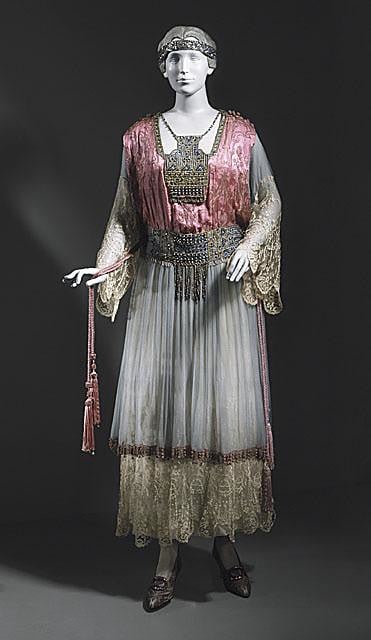
Four sisters launched Callot Soeurs in 1895, and by the early 1900s, it was among Paris’s most admired houses. Their delicate lacework and bias-cut silk gowns were coveted worldwide. Still, competition grew fierce, and by mid-century, the brand had quietly disappeared.
Paquin
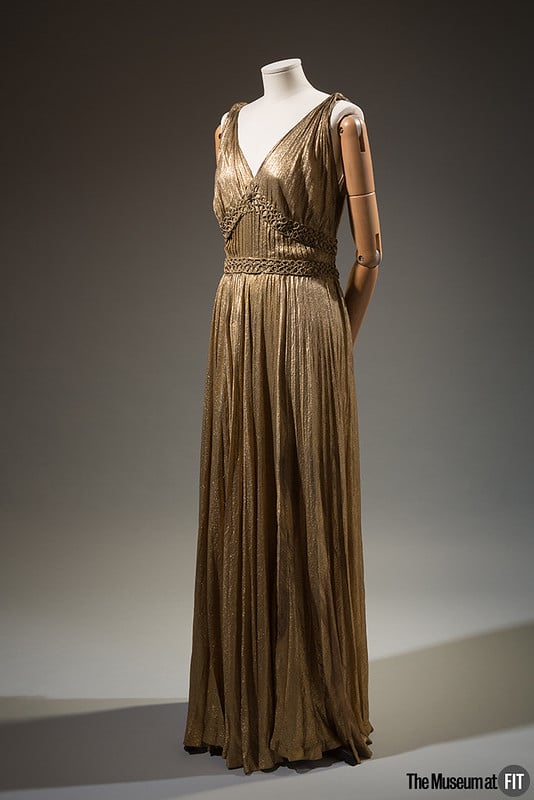
Jeanne Paquin was one of the first female couturiers to reach international fame. Her house, founded in 1891, defined elegance with flowing gowns and smartly tailored suits. After her death, though, things slowed. By the 1950s, the name was gone—vanishing almost as swiftly as it rose.
Martial & Armand
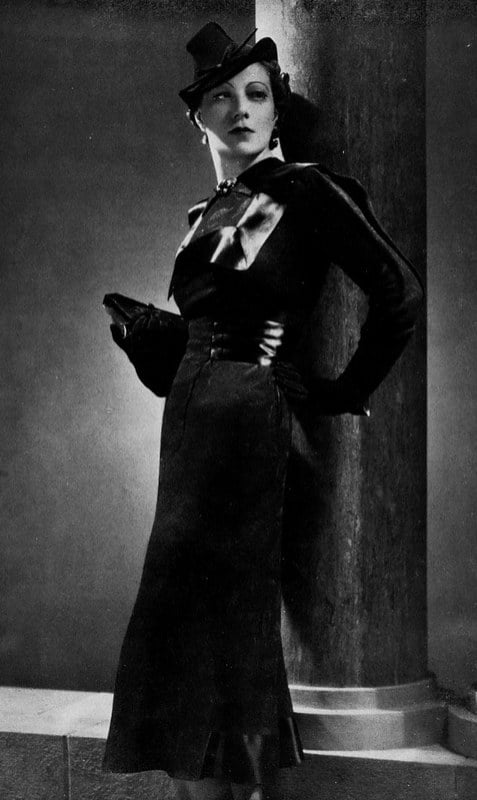
This French couture house thrived between the wars, creating gowns for elites and actresses. Their designs were polished, but safe. Too safe. When the modern edge of postwar fashion swept Paris, Martial & Armand couldn’t keep pace, and the doors shut.
Maggy Rouff
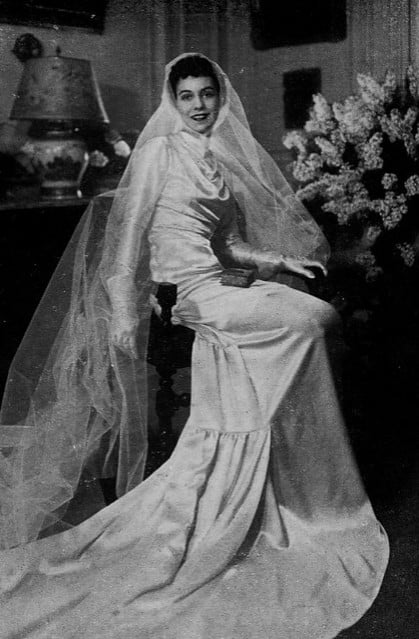
Maggy Rouff believed clothes should be beautiful but practical. She experimented with unusual draping and curving lines that celebrated femininity. For decades, her label stood steady—until it didn’t. By the 1960s, the house had closed, overtaken by louder, more radical styles.
Drecoll

Founded in Vienna, Drecoll became known for lavish gowns before relocating to Paris. Later, the house merged with Beer, forming Drecoll-Beer. It was a marriage of convenience more than creativity. And yet, even that wasn’t enough. By mid-century, both names had slipped away.
House of Worth
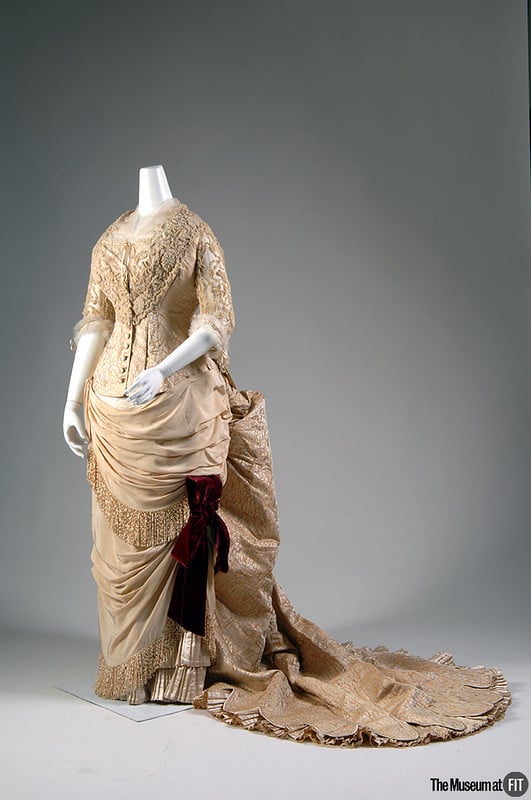
Charles Frederick Worth was once crowned the father of haute couture. His house carried on into the 20th century, but mostly on memory. Successive generations failed to match his brilliance. So, by the 1950s, the light had gone out. A sad end for a legend.
Philippe et Gaston
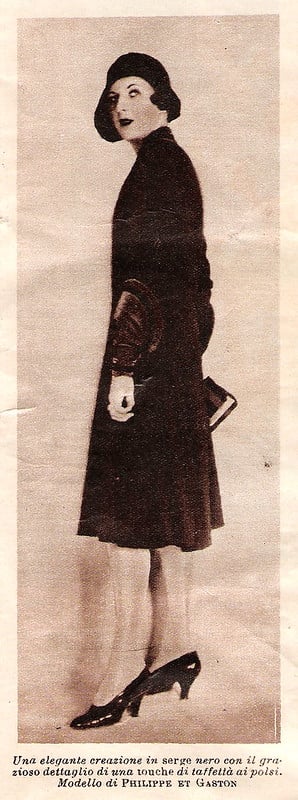
This house, launched in 1922, built its reputation on refined tailoring and elegant Parisian suits. Clients adored them, at first. But they never transitioned well into ready-to-wear. Without that shift, Philippe et Gaston slowly lost ground, then everything.
Agnes-Drecoll
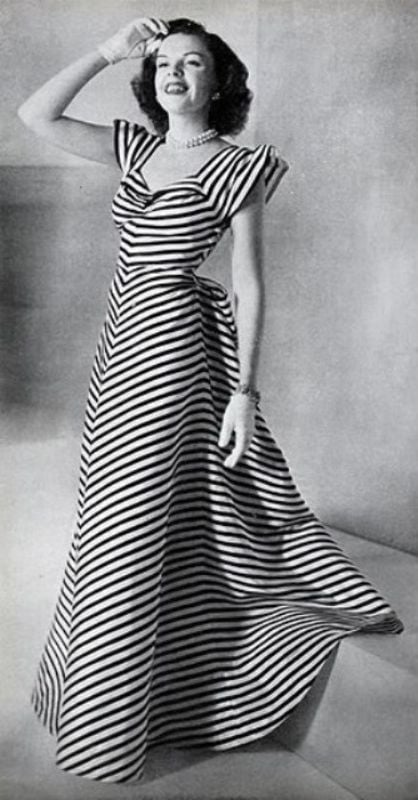
Blending German and French couture traditions, Agnes-Drecoll flourished in the 1920s and 1930s. Bold embroidery. Sleek gowns. Glamorous cuts. Yet the Second World War—and the consumer shift that followed—brought the house to its knees.
House of Boué Soeurs
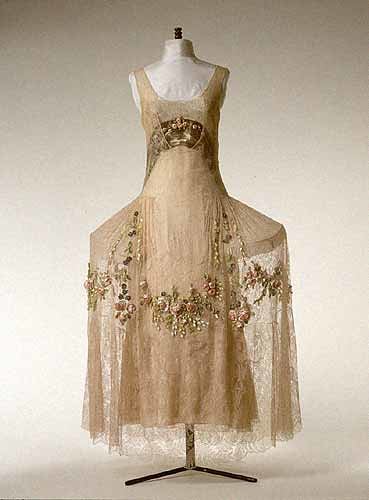
Sylvie and Jeanne Boué made their name with dreamy gowns heavy with flowers, lace, and embroidery. Their style felt like a garden party stitched in fabric. But tastes changed. Postwar minimalism made such opulence seem excessive, and the sisters’ house eventually vanished.
Schiaparelli (First Fall)
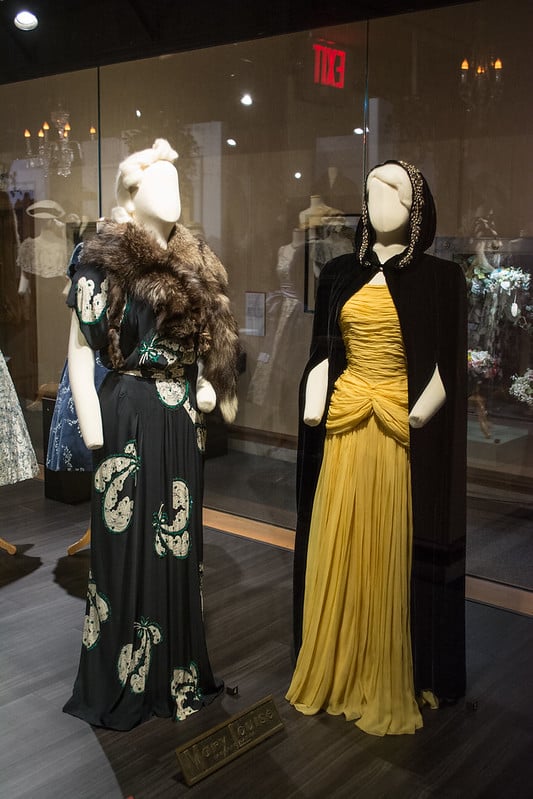
Elsa Schiaparelli’s house was a playground for surrealism: lobster-print dresses, shoe hats, jackets inspired by circus tents. But behind the glamour, money troubles mounted. In 1954, the house closed its doors. For decades, silence. Only later would her name be revived.
Doucet
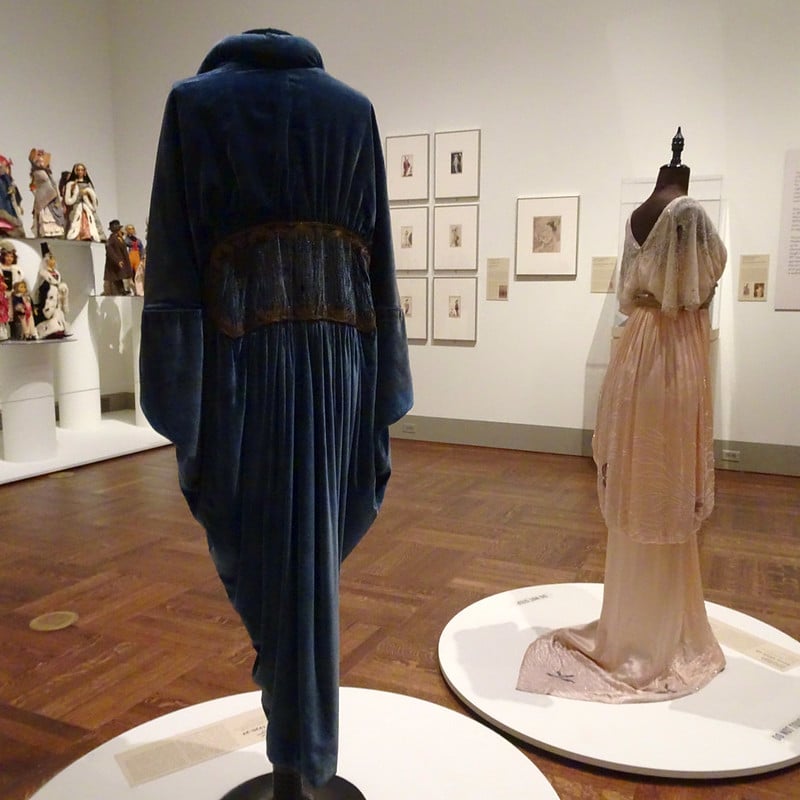
Jacques Doucet’s gowns were soft, romantic, and almost weightless. He dressed the wealthy and powerful across Europe in the early 1900s. And yet, when Chanel’s sharper, more modern lines took hold, Doucet’s dreamlike style looked dated. The house quietly shuttered not long after.
Madeleine Vionnet
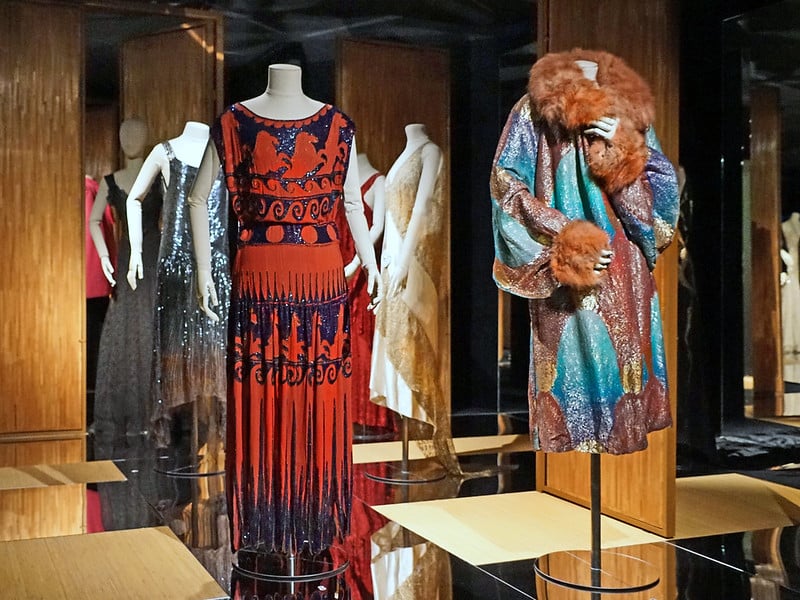
Known as the “Queen of the Bias Cut,” Vionnet revolutionized how fabric clung to the body. Her gowns from the 1920s and 1930s still inspire designers today. Even so, her house closed in 1939, war and circumstance cutting short a remarkable career.
Mainbocher

Founded by an American in Paris in 1929, Mainbocher became synonymous with elegance. He dressed society women and even royalty—most famously Wallis Simpson at her wedding. And yet, as time passed, the clientele dwindled. By the 1970s, the house had folded.
House of Lanvin (Original Decline)
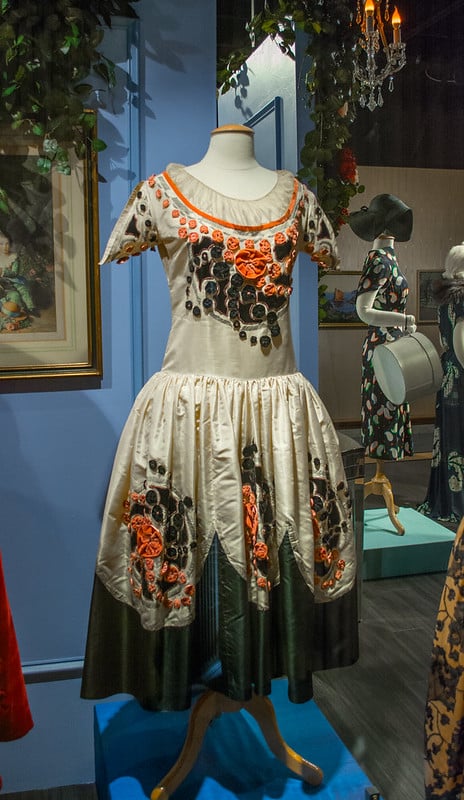
Jeanne Lanvin’s house still exists today, but the heart of its magic belonged to her era. After her death in 1946, the brand floundered for decades. Forgotten by many, it felt like a ghost house until its eventual revival in later years.
Echoes in the Fabric
These lost houses remind us that fashion is as fragile as silk—brilliant in its moment but vulnerable to time. Their legacies survive in museum collections, in fragile vintage gowns, and in the inspiration they left behind. Threads of memory woven into the present.
More from Go2Tutors!

- 16 Historical Figures Who Were Nothing Like You Think
- 12 Things Sold in the 80s That Are Now Illegal
- 15 VHS Tapes That Could Be Worth Thousands
- 17 Historical “What Ifs” That Would Have Changed Everything
- 18 TV Shows That Vanished Without a Finale
Like Go2Tutors’s content? Follow us on MSN.