20 Ancient Artifacts That Defy Our Current Understanding of History
History occasionally presents puzzles that defy conventional understanding. Archaeological discoveries sometimes challenge established timelines or technological capabilities, forcing historians to reconsider what ancient societies truly knew or accomplished.
Here is a list of artifacts that challenge our understanding of history, presenting anomalies that researchers continue trying to explain through both scientific analysis and revised historical frameworks.
The Antikythera Mechanism
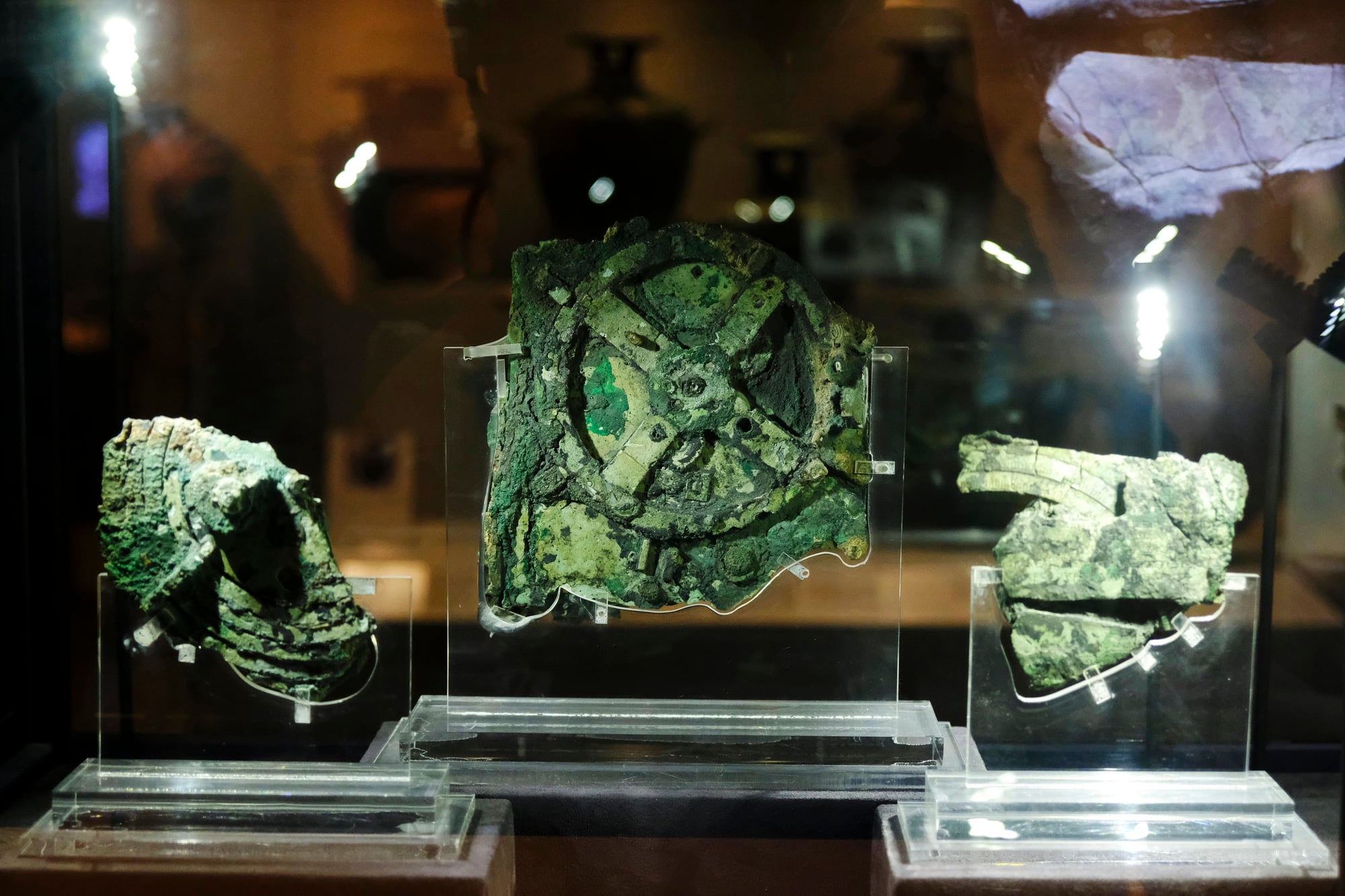
Greek divers discovered this ancient analog computer near a shipwreck in 1901 – yet its sophistication makes it seem impossible for its time. Dating to approximately 100 BCE, this bronze device contains at least 30 precisely engineered gears that tracked astronomical positions with remarkable accuracy.
Modern researchers using advanced imaging techniques remain astonished by its complexity, as nothing comparable appears in the archaeological record for another 1,400 years. Its existence suggests ancient Greek mechanical knowledge far exceeded previous estimates.
Baghdad Batteries
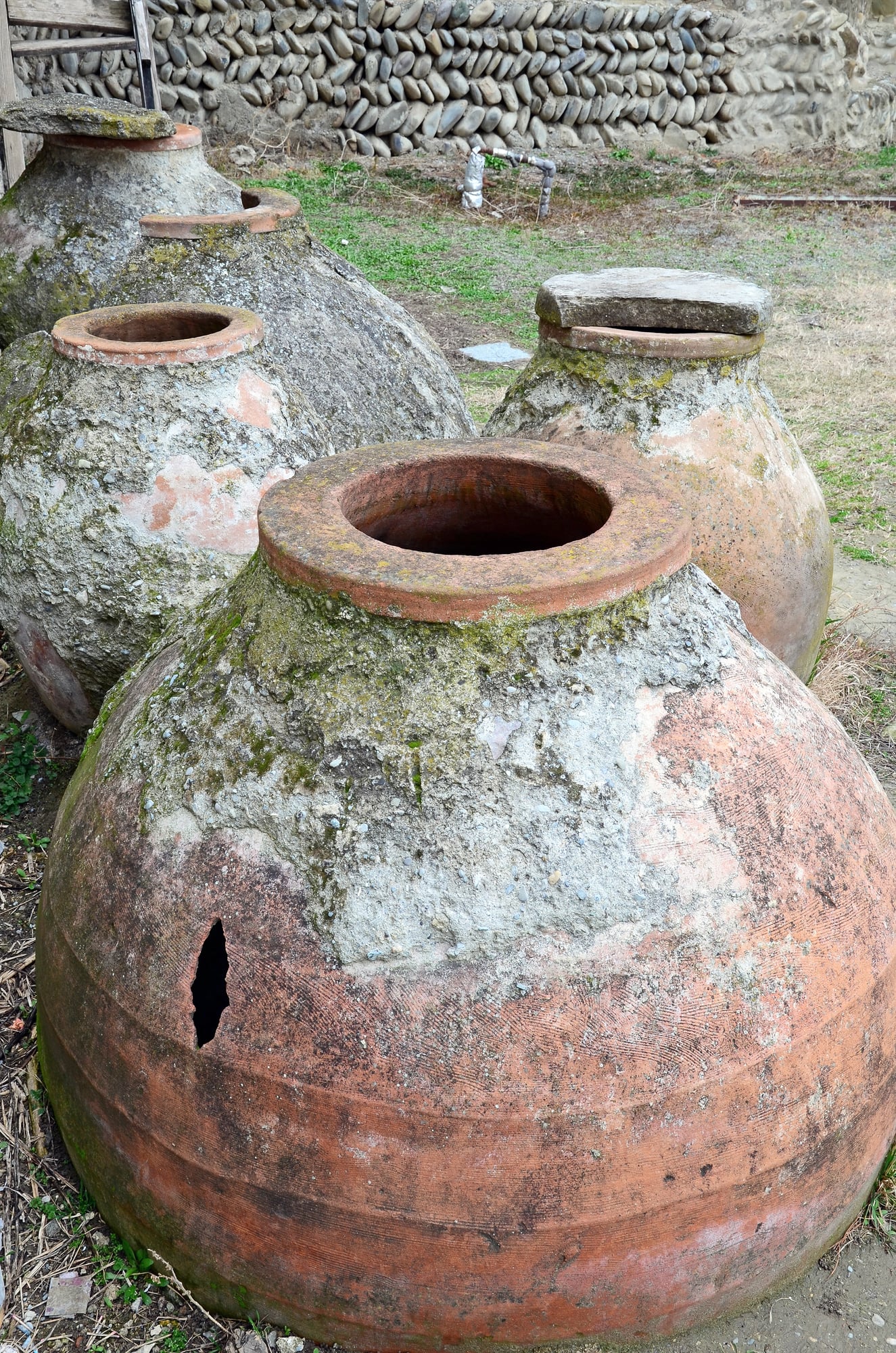
Workers uncovered terracotta jars containing copper cylinders and iron rods in Iraq during the 1930s – artifacts that eerily resemble modern batteries. Dating to the Parthian period (250 BCE-224 CE), these vessels produce small electrical currents when filled with acidic liquid.
While mainstream archaeologists suggest they might have been used for electroplating jewelry or religious purposes, their existence contradicts conventional understanding about when humans first harnessed electricity. These simple yet effective devices predate Alessandro Volta’s battery by over 1,500 years.
Roman Concrete

Ancient Roman harbors and structures have withstood ocean waves for millennia – outperforming modern concrete that deteriorates within decades. Engineers remain baffled by this maritime concrete that actually strengthens over time underwater.
A recent analysis revealed that seawater interacting with the volcanic ash mixture triggers mineral growth that reinforces the concrete rather than eroding it. The Romans somehow developed this self-healing material without modern chemistry, creating structures that have survived 2,000 years of continuous battering by seawater.
The Maine Penny

Archaeologists unearthed a Norwegian coin at a Native American settlement in Maine – hundreds of years before Columbus supposedly discovered America. This authentic Norse penny, dated between 1065-1080 CE, emerged from a site occupied by indigenous Penobscot people around 1180-1235 CE.
Its presence suggests Norse-Native American contact nearly 300 years before Columbus arrived. Though skeptics argue it could have arrived through indigenous trade networks, the coin represents compelling evidence of earlier European presence in North America.
The Piri Reis Map
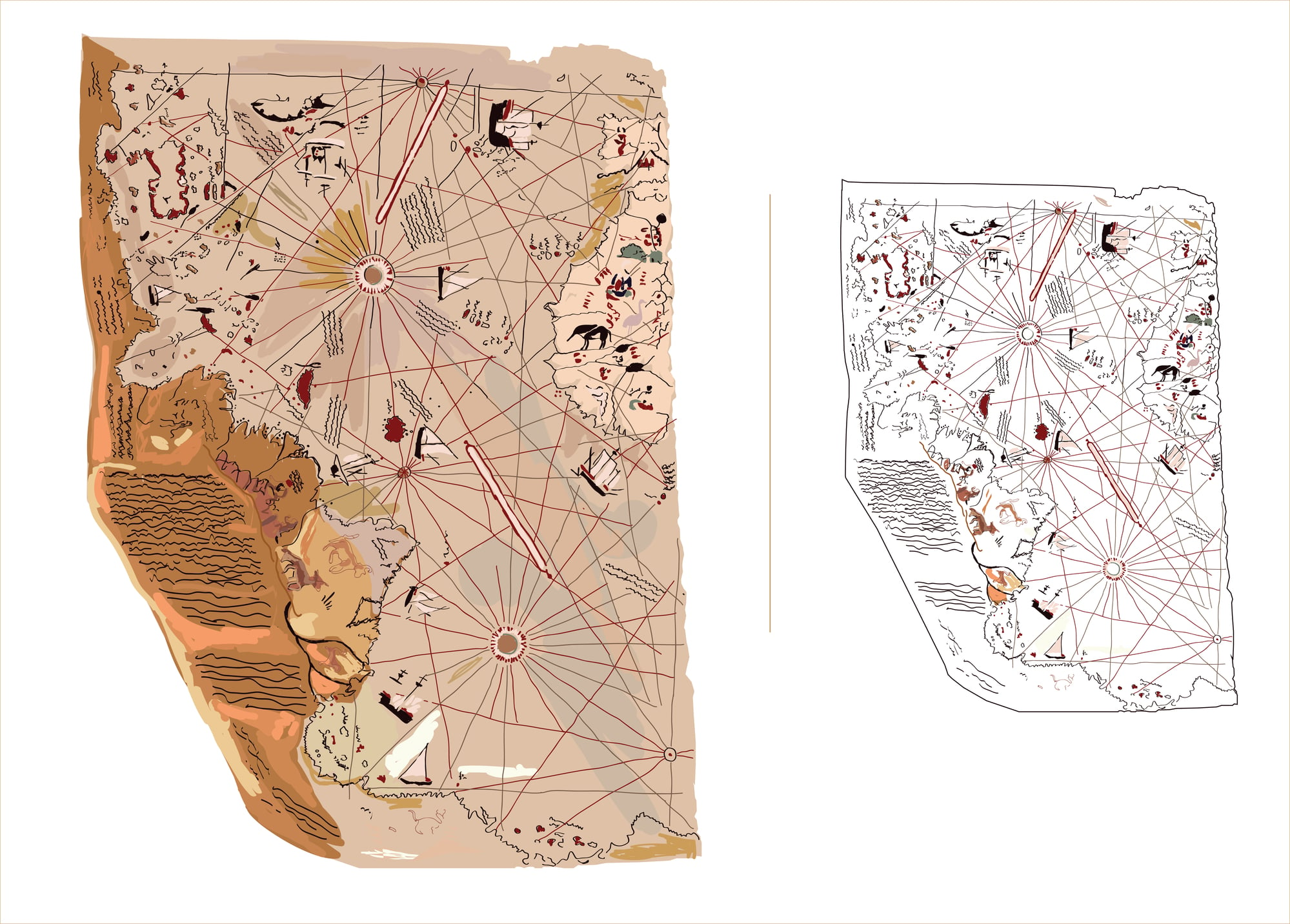
Ottoman admiral Piri Reis created a world map in 1513 showing coastlines that Europeans hadn’t yet explored – including Antarctica without its ice cover. The map accurately depicts the northern coast of Antarctica as it exists under miles of ice, which modern science only confirmed using seismic soundings in the mid-20th century.
Drawn on gazelle skin, this partial world map compiled information from about twenty earlier maps, including some allegedly dating to the time of Alexander the Great. How Reis accessed such accurate geographical knowledge remains unexplained.
Göbekli Tepe
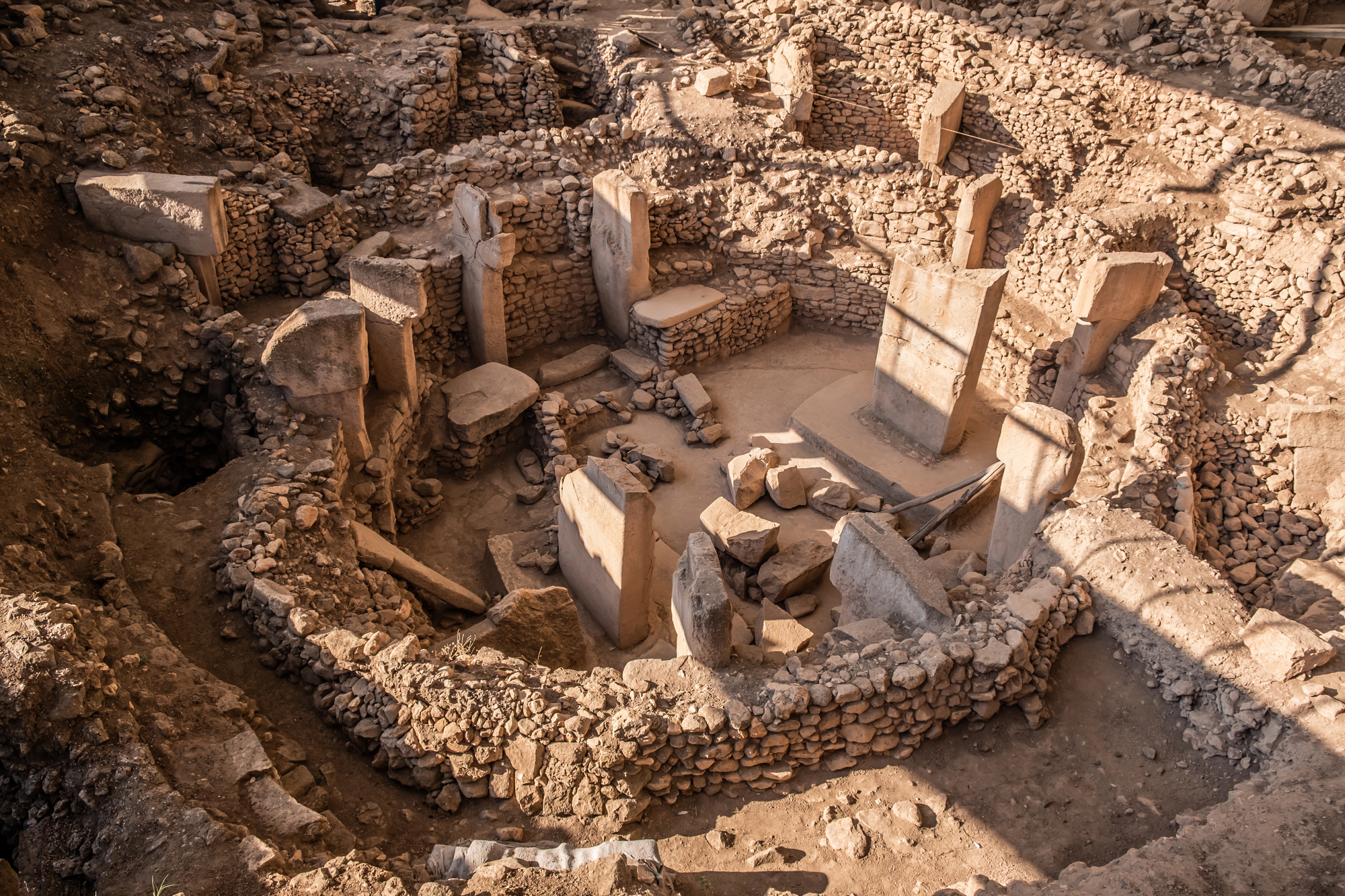
Archaeologists discovered massive stone monuments in Turkey built by hunter-gatherers – approximately 6,000 years before Stonehenge. Constructed around 9600 BCE, these structures feature precisely carved limestone pillars weighing up to 20 tons, arranged in circular formations with complex animal reliefs.
The site upends traditional understanding of prehistoric societies, demonstrating that complex monumental architecture predated agriculture and permanent settlements. Hunter-gatherers supposedly lacked both the social organization and technical skills to create such sophisticated structures.
The Nazca Lines
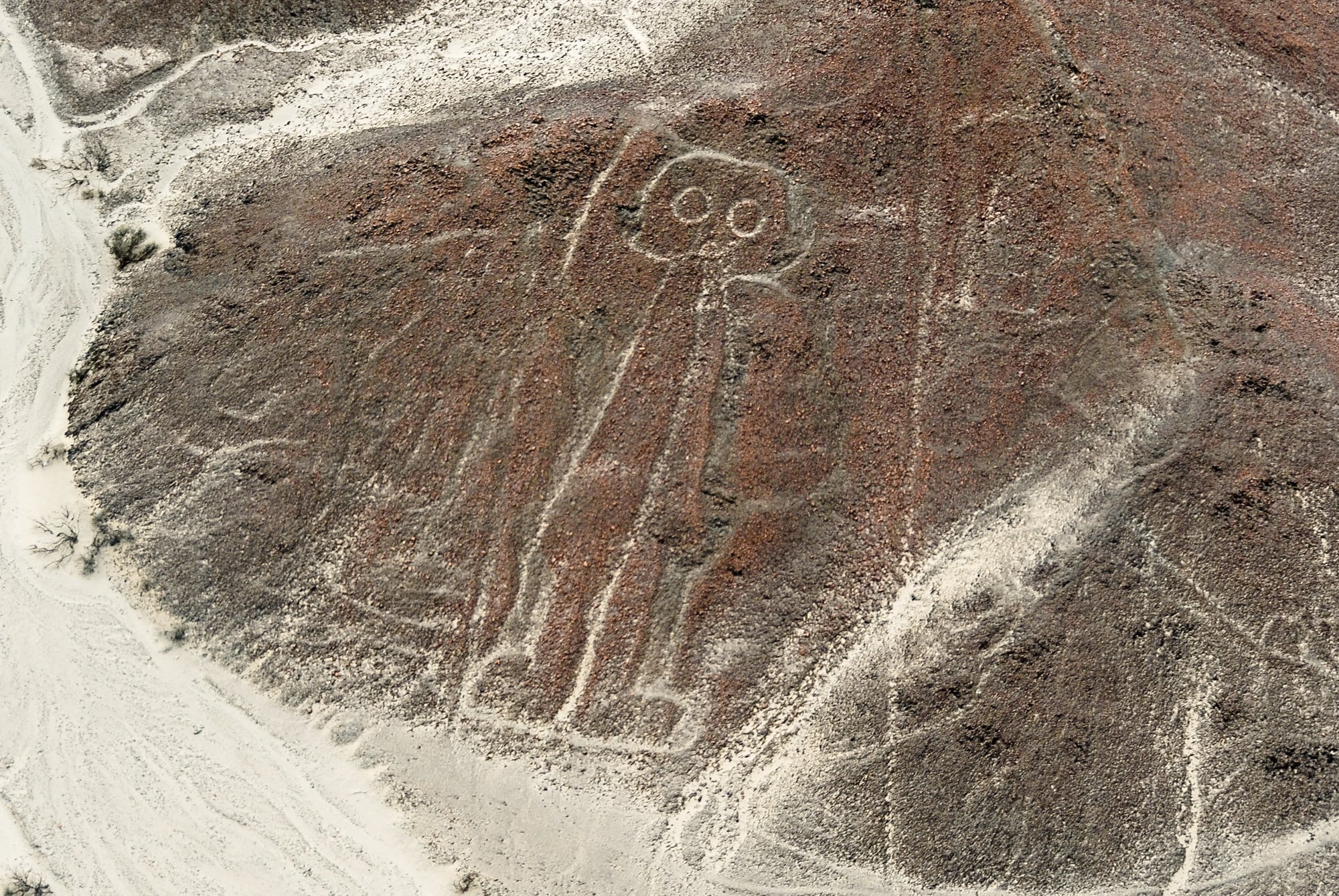
Ancient Peruvians carved enormous ground drawings that were only visible from high altitudes despite having no known means of flight. These massive geoglyphs, created between 500 BCE and 500 CE, include hundreds of designs spanning miles across the desert floor.
Many depict animals and plants with single continuous lines, requiring precise planning and execution from a perspective impossible to achieve from ground level. How Nazca people designed, laid out, and verified these massive artworks without aerial viewing capabilities challenges archaeological explanation.
The Iron Pillar of Delhi

Engineers in ancient India created a 24-foot tall iron pillar that has resisted corrosion for 1,600 years – defying modern metallurgical expectations. Erected during the Gupta period around 402 CE, this six-ton wrought iron column contains unusually high phosphorus content that forms a protective passive layer against rust.
Modern attempts to recreate its corrosion resistance have proven challenging even with advanced technology. The sophisticated metallurgical knowledge required seems anomalous for its historical period.
The Shroud of Turin
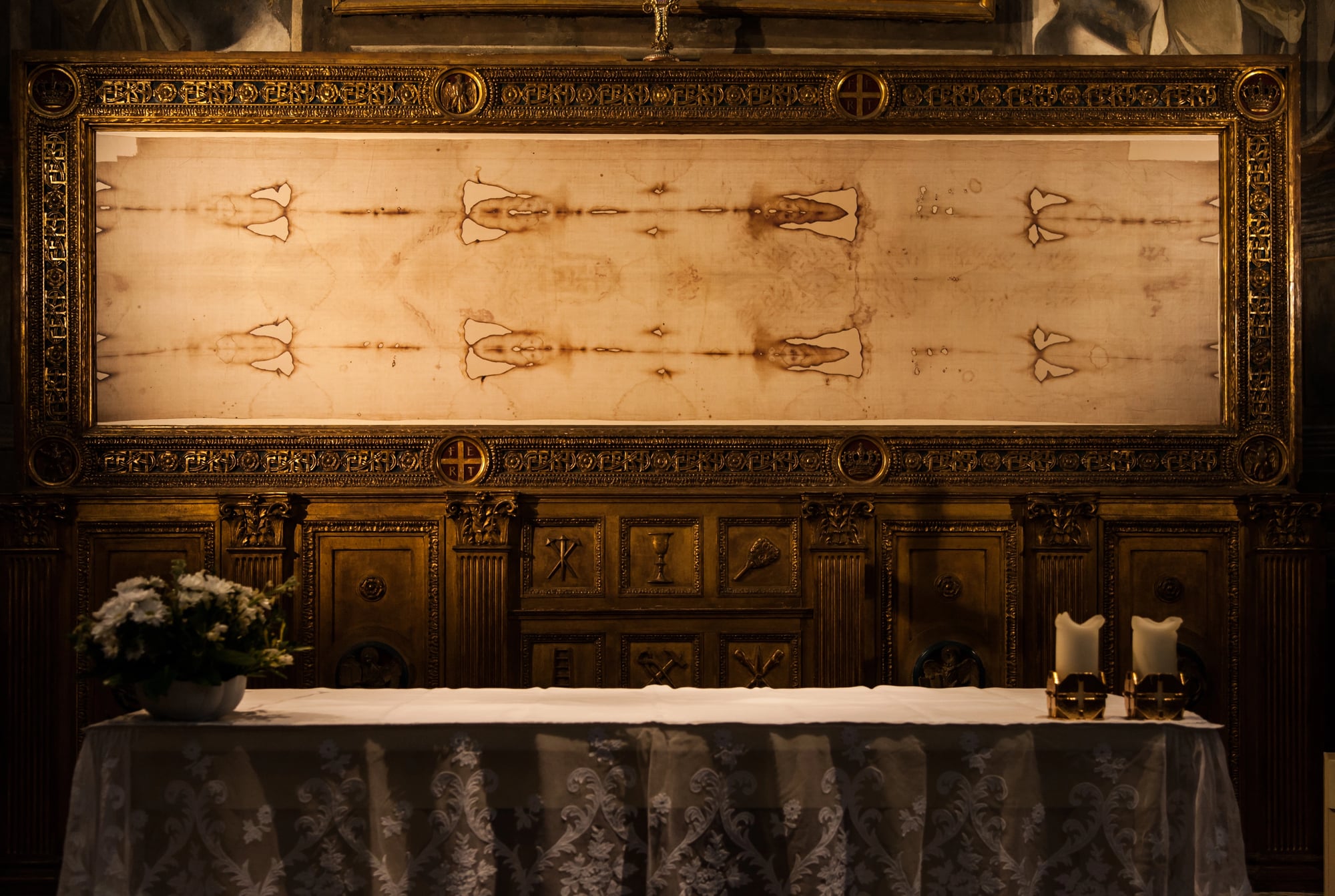
A linen cloth bears the negative image of a crucified man – through a process modern science struggles to replicate. First documented in 1354, the shroud contains anatomically accurate bloodstains and a three-dimensional encoded image that becomes apparent only under special photography.
While radiocarbon dating suggested a medieval origin, proponents note the dating sample came from a repaired section. The image mechanism remains particularly puzzling, as it appears superficial without pigments penetrating the fibers, unlike any known medieval artistic technique.
Olmec Heads
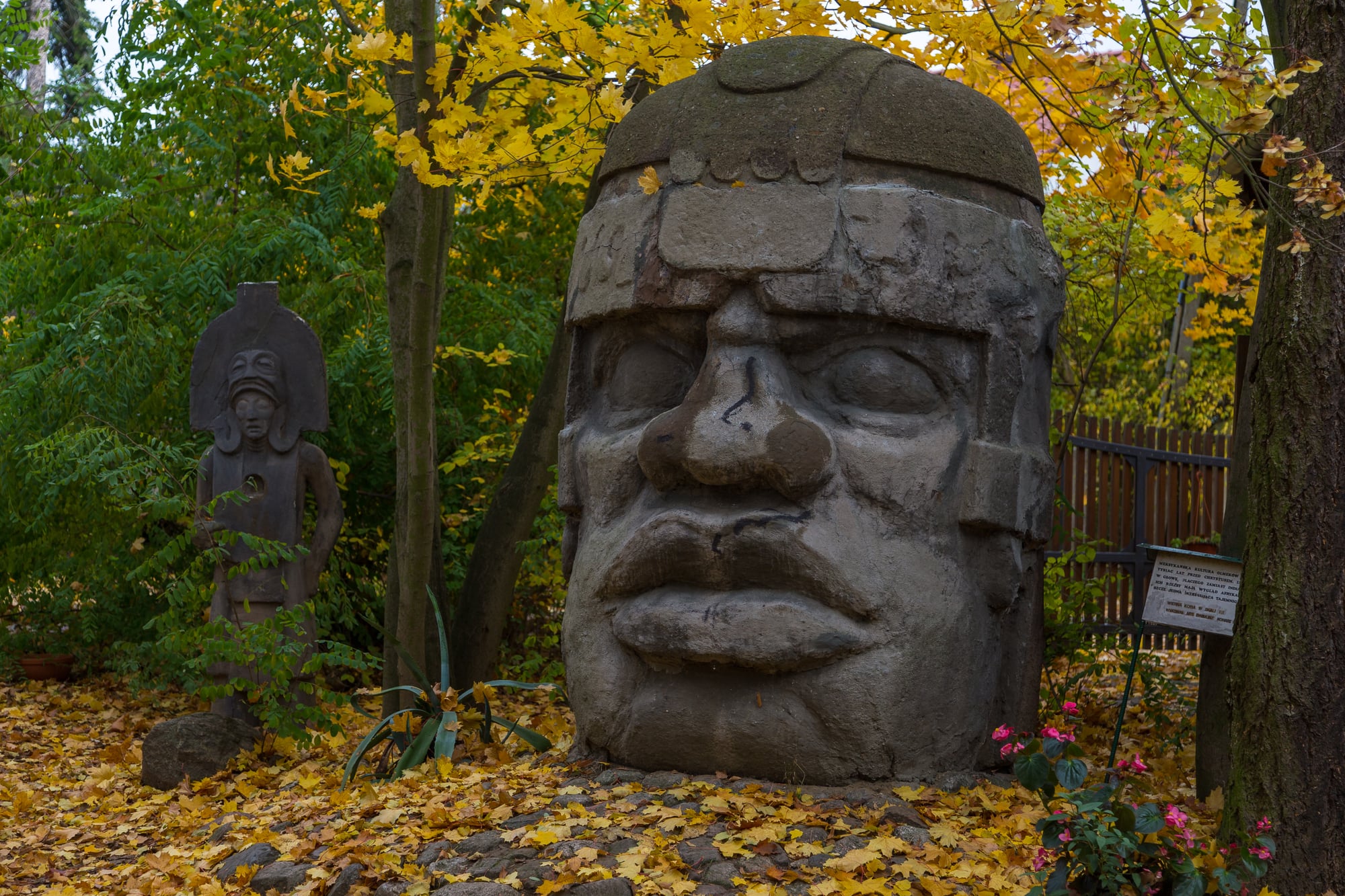
Pre-Columbian Mesoamericans moved and carved massive basalt boulders into colossal heads – without wheels, metal tools, or draft animals. Created by the Olmec civilization between 1500 and 400 BCE, these monuments weigh up to 40 tons each and originate from quarries up to 50 miles away.
Archaeologists remain puzzled by how these massive stones were transported across rugged terrain and rivers. The distinctive African-like facial features have also sparked controversial theories about pre-Columbian transatlantic contact.
The Voynich Manuscript

Someone created a 240-page illustrated codex written in an unknown script that has defied decryption by the world’s top cryptographers. Carbon-dated to the early 15th century, this manuscript contains botanical illustrations, astronomical diagrams, and biological drawings alongside its undeciphered text.
Even modern computers and artificial intelligence algorithms have failed to crack its code. Whether an elaborate hoax, encrypted knowledge, or a lost language, the manuscript continues to confound linguistic experts and code-breakers alike.
The Saqqara Bird

Egyptians crafted a wooden object resembling a modern airplane – over 2,000 years before the Wright brothers’ first flight. Discovered in a tomb dating to 200 BCE, this bird-shaped artifact features wings, a vertical tail fin, and a streamlined body that produces significant lift when tested in wind tunnels.
While conventional archaeology considers it a ceremonial bird representation, its aerodynamic properties have led some researchers to suggest it represents an ancient understanding of aviation principles. The artifact’s sophisticated design seems improbable for its historical context.
The Dropa Stones
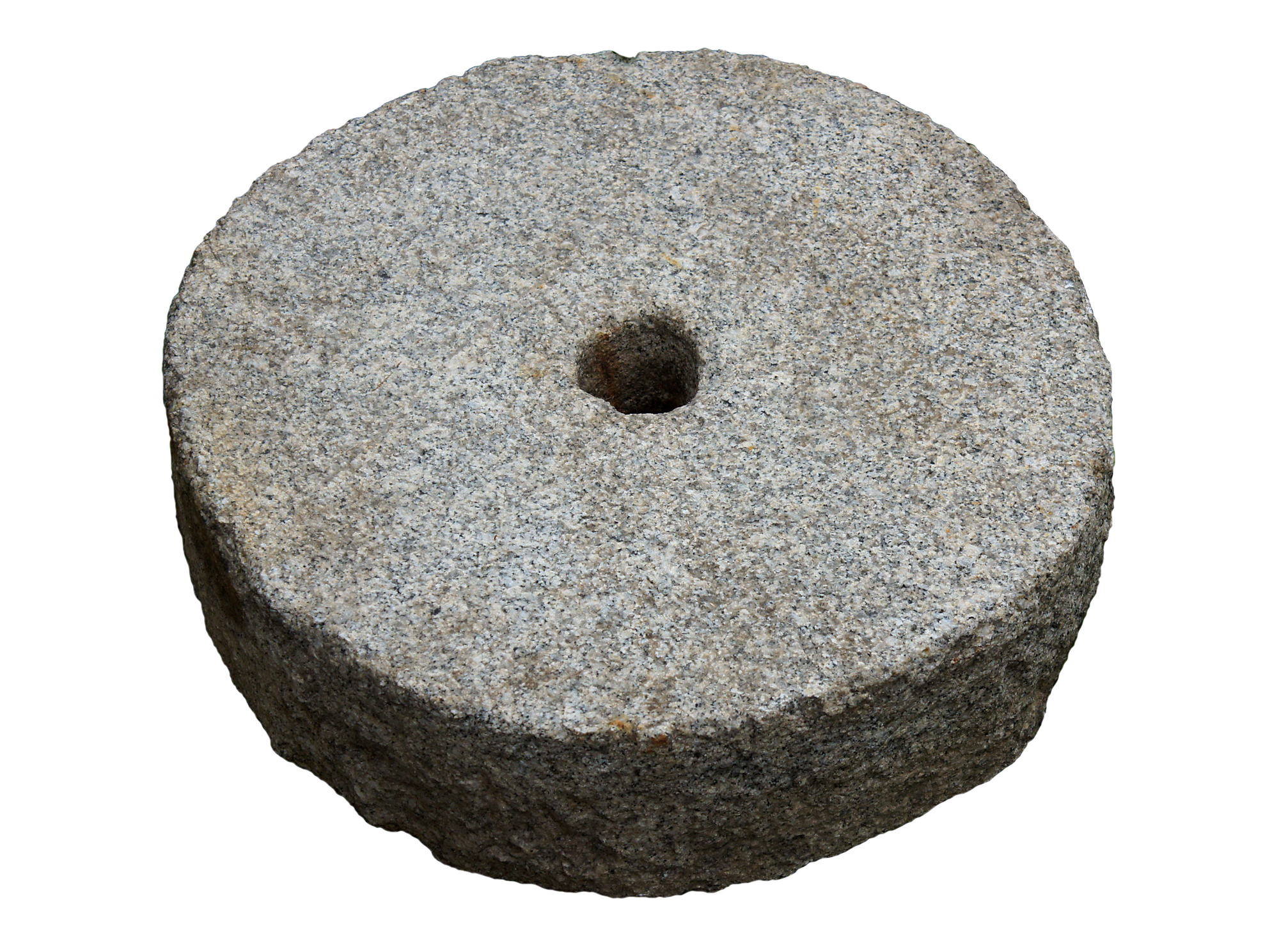
Excavations in Chinese caves allegedly yielded stone discs containing microscopic hieroglyphs telling of alien encounters – though mainstream archaeology questions their authenticity. Reportedly discovered in 1938, these 12,000-year-old discs supposedly contained grooved spirals of tiny writing visible only under magnification.
While many consider this story apocryphal or exaggerated, the tale persists in discussions about potential evidence of ancient advanced knowledge or extraterrestrial contact. The academic community generally regards them as misidentified artifacts or modern fabrications.
The Baghdad Map

A medieval Islamic map accurately depicts the world’s continents – including the Americas, centuries before European exploration. Created by Turkish admiral Piri Reis in the early 16th century, this detailed cartography shows landmasses with surprising accuracy, including coastlines Europeans had supposedly never mapped.
Particularly puzzling is the accurate depiction of South American geography and potentially the Falkland Islands. The map’s precision suggests access to significantly older source materials containing geographical knowledge supposedly unavailable at that time.
The Mitchell-Hedges Crystal Skull

Someone carved a life-sized human skull from a single quartz crystal – using techniques that would challenge modern jewelers. Allegedly discovered in 1924 at a Mayan site in Belize, this artifact exhibits remarkable craftsmanship with a detachable jawbone and precise anatomical details.
Skeptics note its suspicious provenance and modern microscopic examination revealing machine tool marks inconsistent with pre-Columbian technology. Whether ancient marvel or elaborate hoax, creating such an object from a single crystal represents extraordinary technical skill regardless of its age.
The Coso Artifact

Geologists discovered a spark plug encased within a 500,000-year-old geode – an impossibility based on conventional history. Reportedly found in California in 1961, this object resembling modern technology appeared embedded within ancient mineral formations.
Scientists identified it as a 1920s Champion spark plug, suggesting the actual age of encasement was decades rather than millennia. However, the case highlights how contextual misinterpretation can create apparent historical anomalies that challenge critical evaluation of archaeological claims.
Viking Sunstones

Norse sagas mention crystals that navigators used to locate the sun on cloudy days – a technology only recently verified by modern science. Researchers discovered Iceland spar crystals can indeed determine sun position through polarized light, even when clouds obscure direct vision.
This optical property allows surprisingly accurate celestial navigation without seeing the sun directly. The Vikings’ advanced understanding of light properties for precision navigation represents sophisticated knowledge seemingly ahead of its time for a seafaring culture from the 8th-11th centuries.
The Baigong Pipes
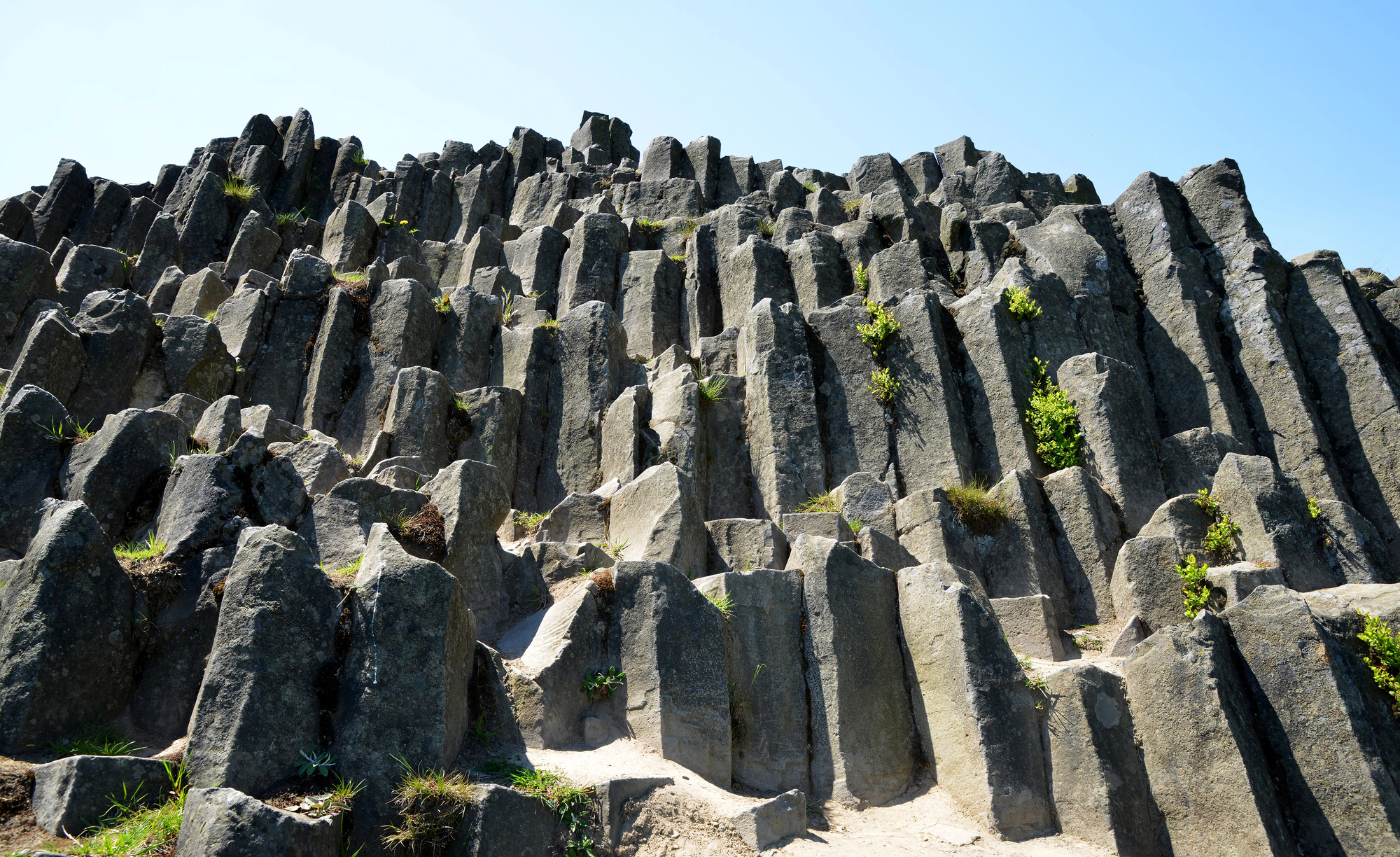
Geological expeditions found metal pipes embedded in a Chinese mountainside – supposedly dating back 150,000 years. Located near Qinghai Province’s Toson Lake, these rusted iron conduits protrude from rock in an area without historical human habitation.
While some suggest they represent advanced ancient infrastructure, scientific analysis indicates they’re likely natural formations of iron-rich sediments solidified within tree root cavities. The case demonstrates how natural phenomena can mimic artificial structures, creating apparent historical anomalies.
The Phaistos Disc
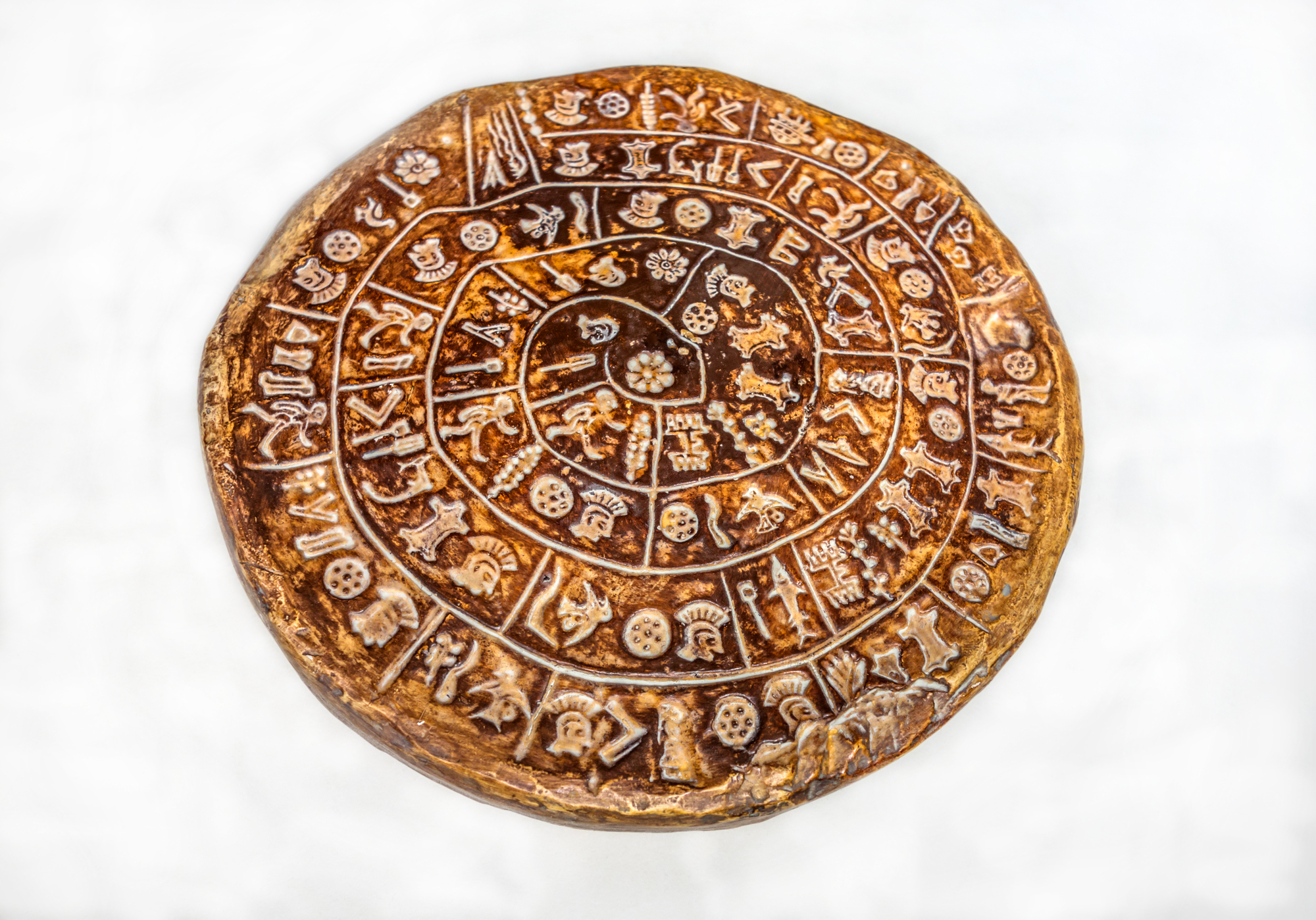
Cretan excavations unearthed a clay disc stamped with undeciphered symbols – using a printing method millennia ahead of Gutenberg’s press. Discovered in 1908 and dating to approximately 1700 BCE, this artifact contains 241 tokens arranged in spiral patterns, made by pressing carved stamps into wet clay.
This represents a form of movable type printing about 3,500 years before Gutenberg. Despite numerous attempts, linguists have never deciphered its meaning, leaving both its innovative production method and message as enduring archaeological mysteries.
The Stone Spheres of Costa Rica
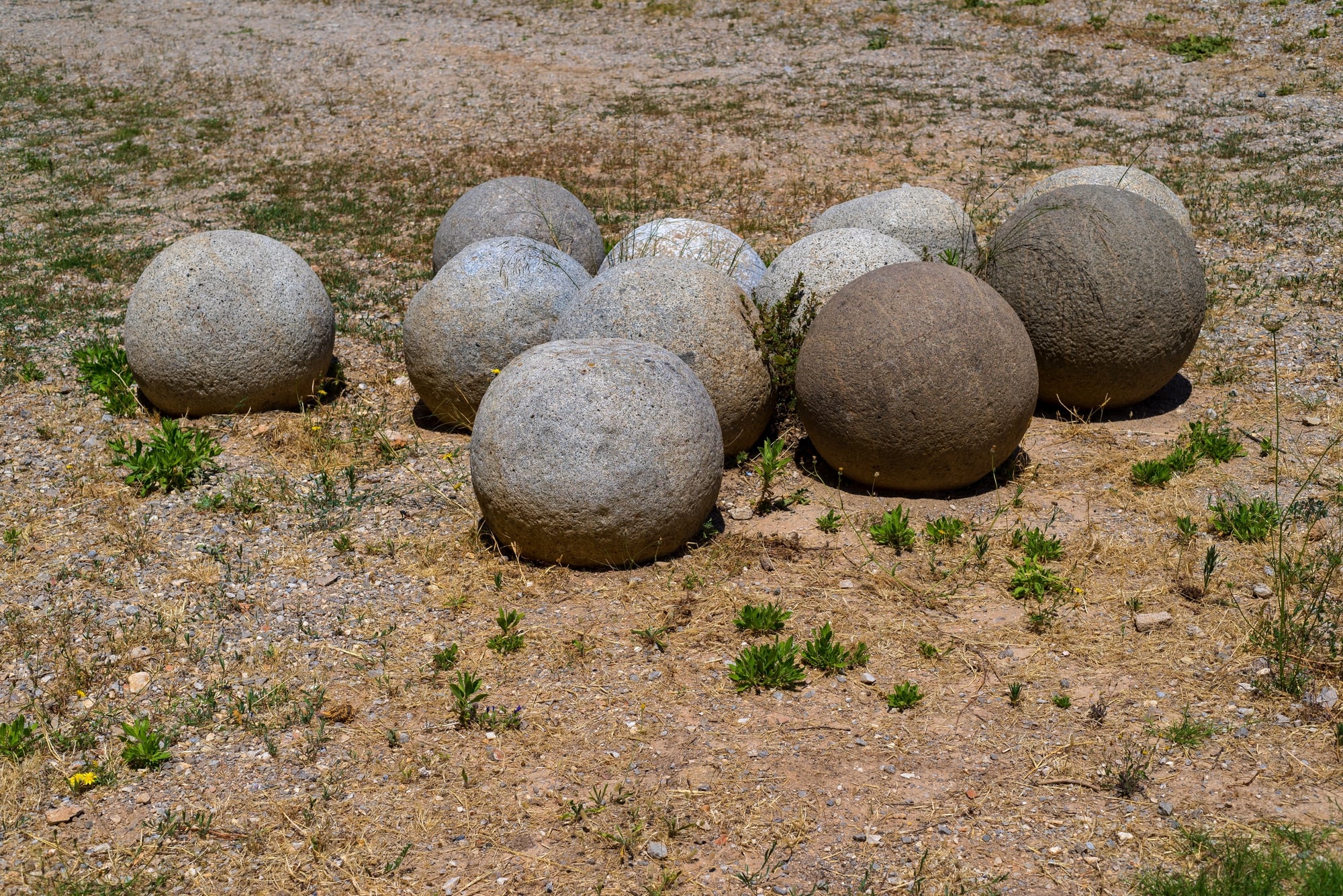
Pre-Columbian cultures created hundreds of nearly perfect stone spheres – some weighing 16 tons with no apparent function. Crafted by the Diquís culture between 300 BCE and 1500 CE, these granite and limestone orbs exhibit remarkable mathematical precision.
Many remain in perfect condition despite centuries of exposure to tropical elements. Particularly baffling is their transportation from quarries over significant distances through mountainous terrain without modern equipment. Their cultural purpose and the techniques used for their precise spherical shaping remain unexplained.
Historical Anomalies and Modern Understanding
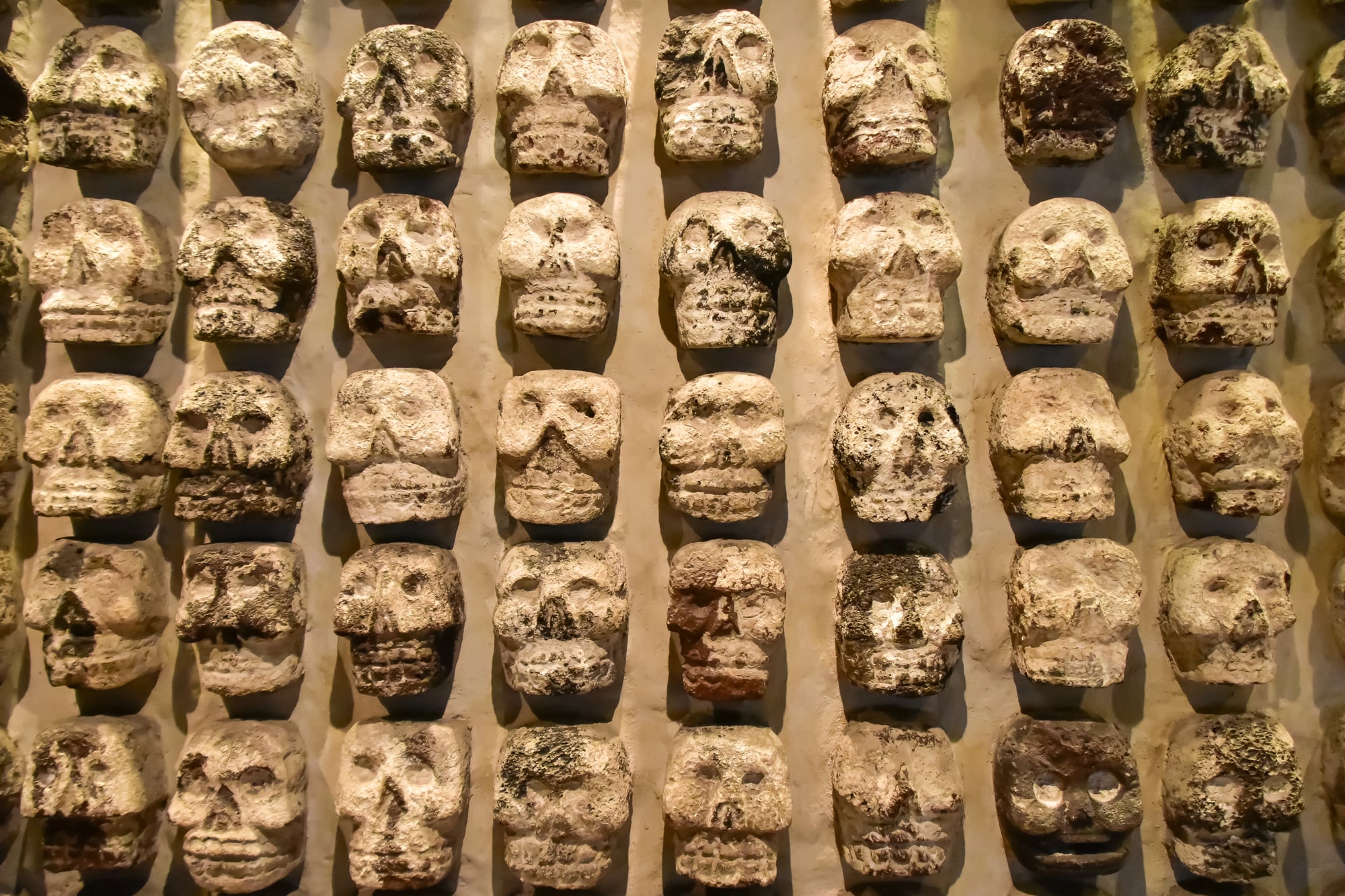
These perplexing artifacts remind us that history rarely follows the neat, linear progression depicted in textbooks. Each challenges conventional understanding about what our ancestors knew and could accomplish with supposedly primitive tools.
While many may eventually find explanation through improved dating techniques, materials analysis, or revised historical frameworks, others continue defying easy categorization. These historical puzzles serve as humbling reminders that human ingenuity often exceeds the boundaries we imagine, and that our understanding of the past remains perpetually incomplete.
Perhaps these anomalies don’t represent mysteries so much as opportunities to expand our appreciation for the remarkable capabilities of ancient innovators whose achievements we continue rediscovering today.
More from Go2Tutors!

- The Romanov Crown Jewels and Their Tragic Fate
- 13 Historical Mysteries That Science Still Can’t Solve
- Famous Hoaxes That Fooled the World for Years
- 15 Child Stars with Tragic Adult Lives
- 16 Famous Jewelry Pieces in History
Like Go2Tutors’s content? Follow us on MSN.



