20 Ancient Recipes People Still Cook Today
Most food trends fade within a decade. These dishes have survived empires, migrations, and thousands of years of changing taste, and people are still cooking versions of them essentially unchanged in their core technique.
The ingredients occasionally shifted with what was locally available, but the underlying method has proven remarkably durable.
Hummus
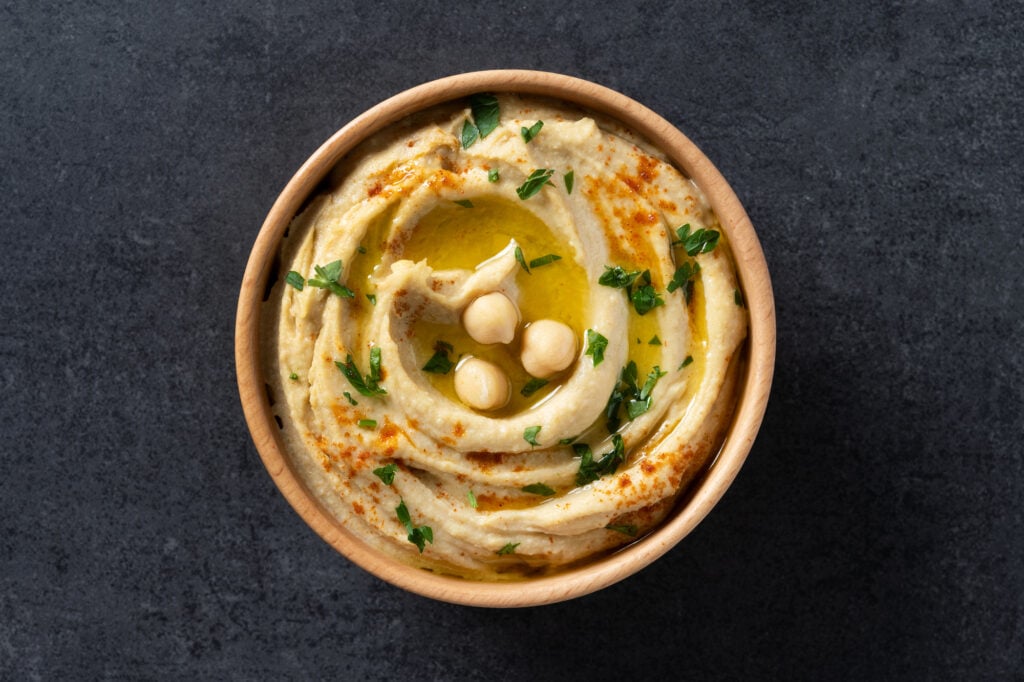
Chickpeas mashed with sesame paste, garlic, and citrus have deep roots across the eastern Mediterranean and Levant, with the earliest known written recipes closely resembling modern hummus appearing in medieval Arabic cookbooks such as Kitab al-Tabikh, compiled in thirteenth-century Baghdad. Archaeological evidence shows chickpeas were cultivated and eaten across the region for thousands of years before that, though the specific combination that became hummus solidified sometime in the medieval period.
The dish remains a staple across the Middle East today, made with essentially the same core ingredients described in those centuries-old texts.
Fish Sauce Descended From Garum
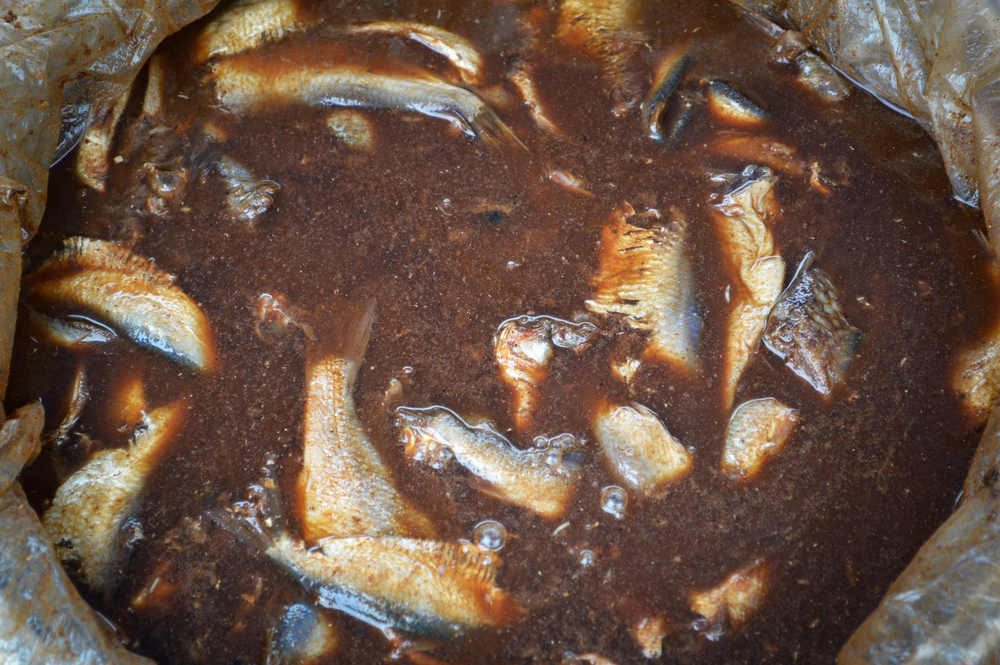
Ancient Romans produced enormous quantities of garum, a pungent fermented fish sauce made by salting and slowly breaking down fish entrails in the sun over weeks, then used it as a seasoning in nearly every savory dish. Large-scale garum production facilities have been excavated across the former Roman world, from Spain to North Africa, confirming how central the condiment was to Roman cuisine.
The small Italian town of Cetara still produces a nearly identical sauce called colatura di alici using essentially the same fermentation method, a direct culinary descendant of a condiment Roman cooks would recognize immediately.
Focaccia
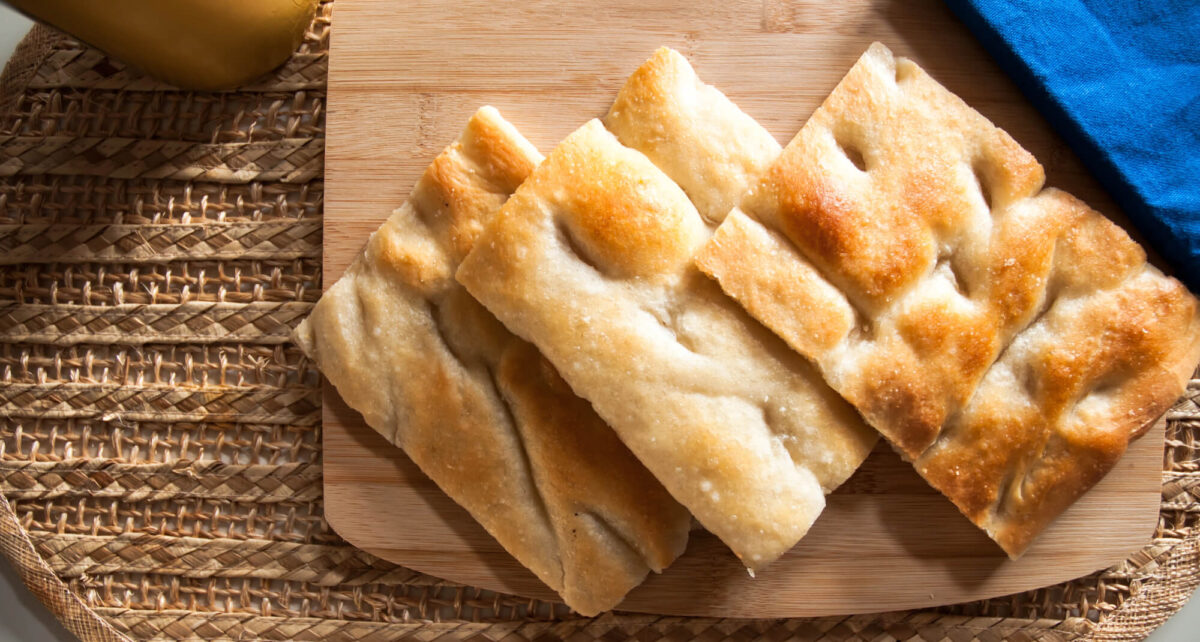
Roman writers described a flatbread called panis focacius, baked directly in the ashes of a hearth fire, which historians consider the direct ancestor of modern Italian focaccia. The bread’s name comes from the Latin word focus, meaning hearth, describing exactly how it was traditionally cooked before ovens became common household equipment.
Modern Italian bakers still produce focaccia using olive oil, salt, and simple wheat dough, a formula that has changed only modestly in the roughly two thousand years since Roman writers first described it.
Moretum
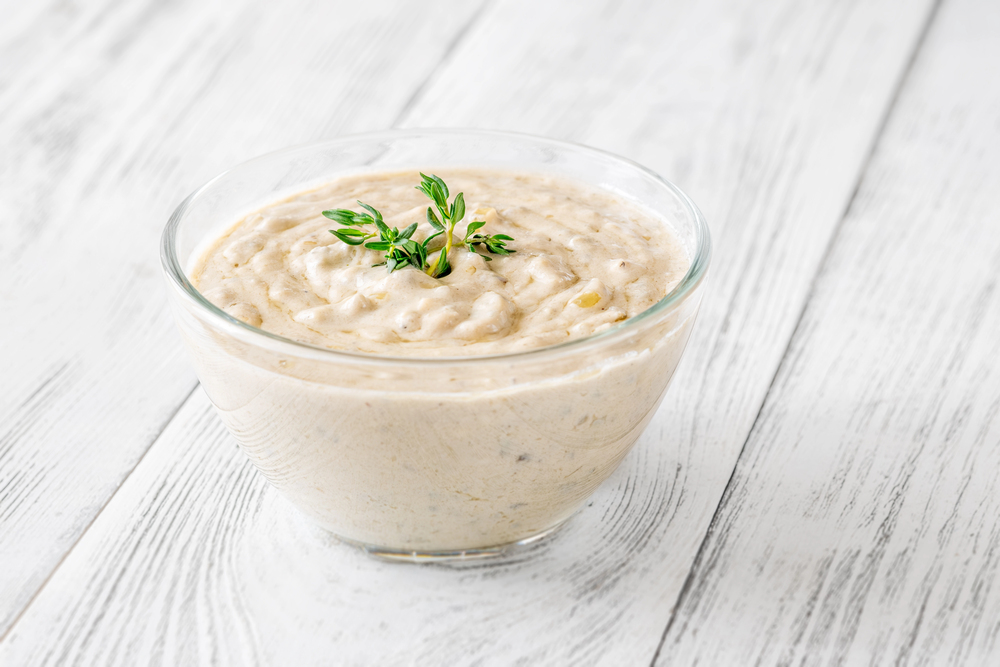
The Roman poem Moretum, once attributed to Virgil, describes a farmer preparing an herbed cheese spread by pounding garlic, herbs, olive oil, vinegar, and fresh cheese together with a mortar and pestle, eaten spread on bread. The detailed poetic description gives food historians an unusually precise record of how the dish was actually made in ancient Italy.
Modern Italian and Mediterranean cooks still make near-identical herbed cheese and garlic spreads, and some food historians consider moretum a direct ancestor of dishes like Italian pesto and various regional herb cheeses still served today.
Lentil Soup
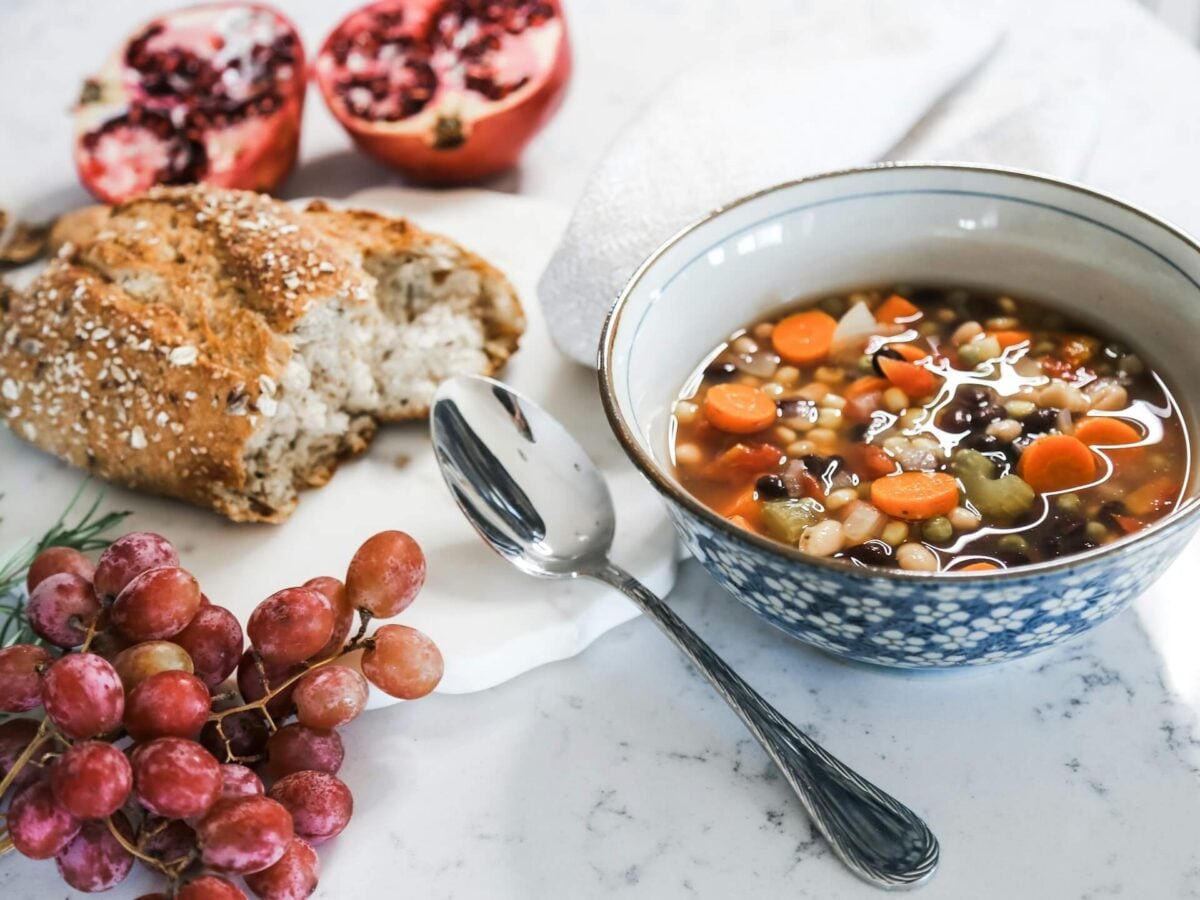
Lentils were among the first crops domesticated in the ancient Near East roughly 8,000 years ago, and simple soups made from lentils, water, and whatever seasoning was available appear repeatedly in ancient texts, including the biblical account of Esau trading his birthright for a bowl of lentil pottage. Ancient Egyptian tomb paintings and archaeological remains confirm lentils were a dietary staple across the region for millennia.
Lentil soup remains one of the most widely cooked dishes across the Middle East, the Mediterranean, and South Asia today, prepared with methods that have changed only in the addition of ingredients introduced by later trade.
Congee
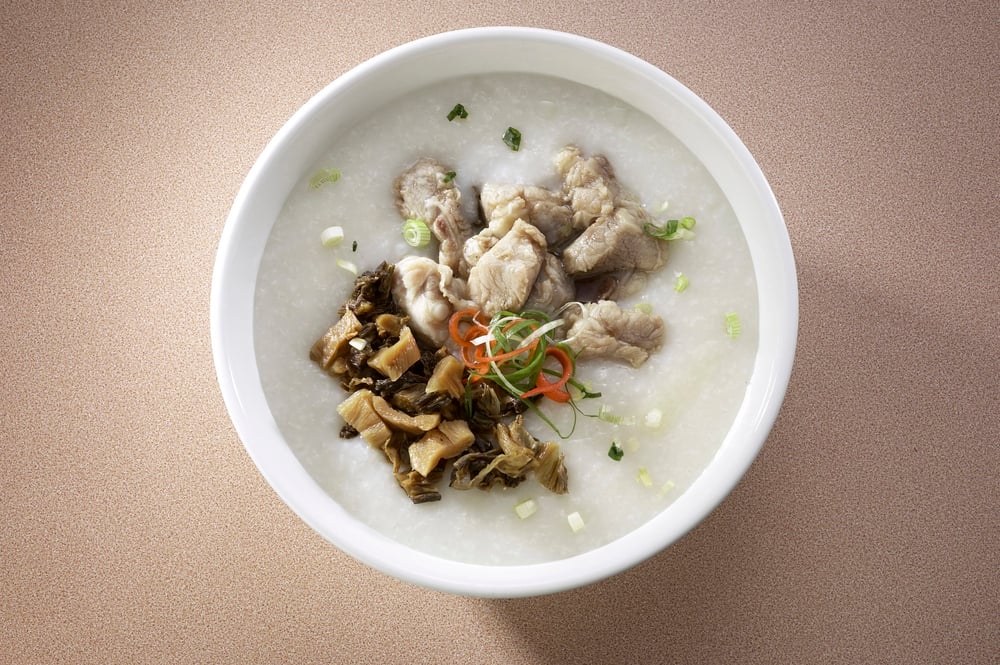
Chinese texts dating back to the Zhou dynasty, more than 2,000 years ago, describe a rice porridge cooked slowly in a large volume of water until it breaks down into a smooth, thick consistency, prepared as both an everyday meal and a medicinal food for the ill. The basic technique of simmering rice in excess water has remained essentially unchanged across the many centuries since, even as regional variations added meat, preserved eggs, or vegetables.
Congee remains a common breakfast dish across China and much of East and Southeast Asia today, prepared using the same fundamental method described in ancient texts.
Falafel
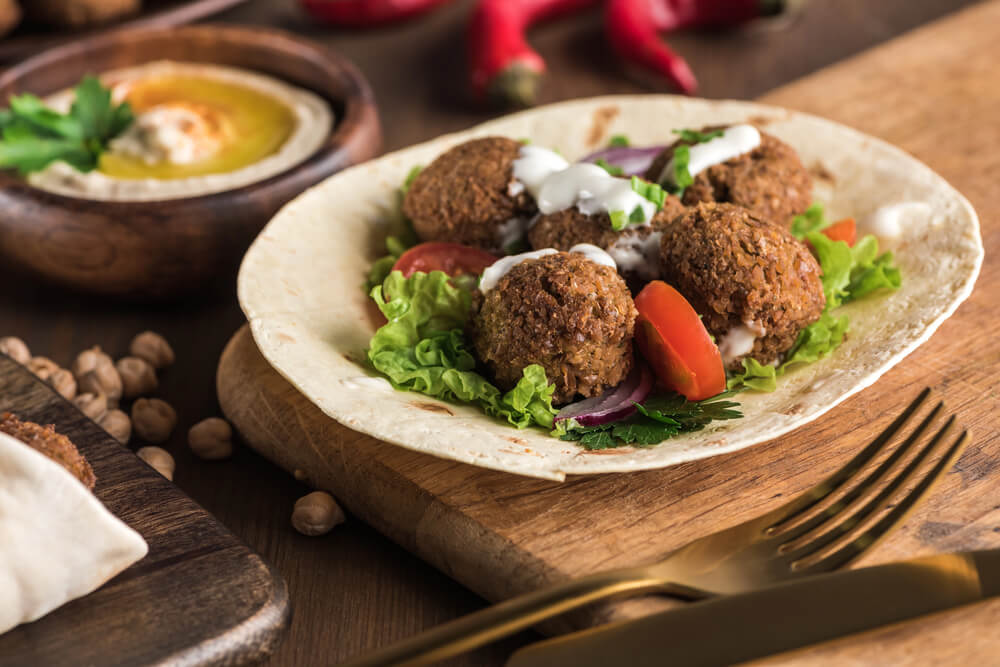
The precise origin of falafel is genuinely disputed among food historians, with claims tracing versions of the fried legume patty to ancient Egypt, though the dish most people recognize today solidified later across the Levant and Egypt using chickpeas or fava beans. Regardless of its exact point of origin, the technique of grinding legumes with herbs and spices before frying them into patties has persisted for a very long time across the region.
Falafel remains one of the most widely eaten street foods across the Middle East and has spread globally over the past century.
Tamales
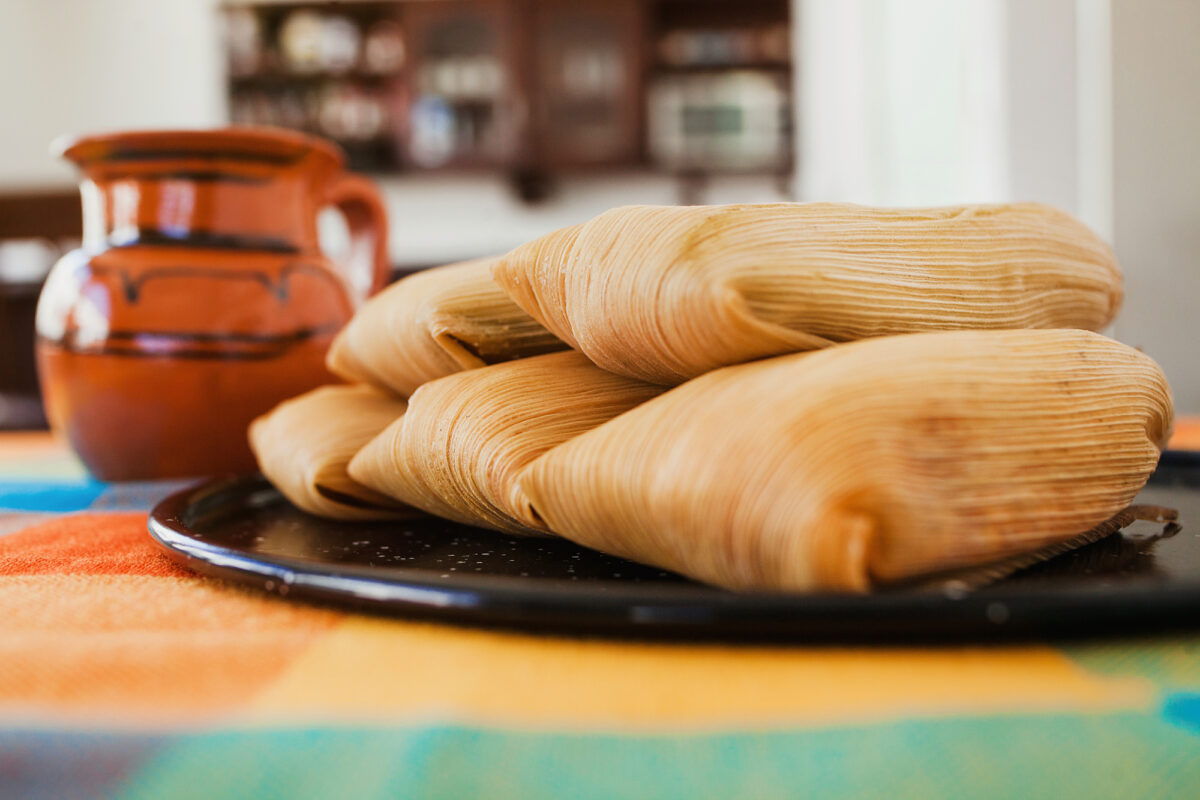
Mesoamerican civilizations, including the Maya and later the Aztec Empire, prepared tamales by wrapping seasoned masa dough around fillings and steaming the bundles in corn husks or banana leaves, a technique documented in Spanish colonial accounts of Aztec markets and confirmed by archaeological evidence stretching back several thousand years. The portable, steam-cooked format made tamales practical for travelers, soldiers, and workers long before refrigeration existed.
Tamales remain a staple across Mexico and much of Central America today, prepared with the same basic masa-and-wrapper technique used by Mesoamerican cooks long before European contact.
Pozole
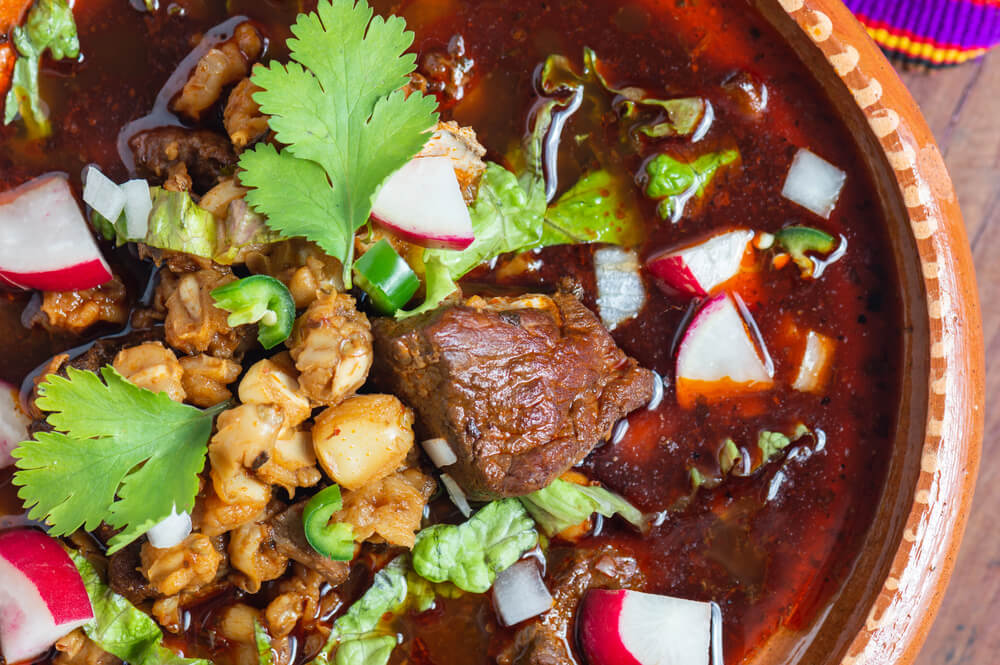
This hominy stew traces back to Aztec ceremonial cooking, where it was prepared using a stone-treated corn technique called nixtamalization, a chemical process that makes the corn’s nutrients more available and gives the kernels their distinctive puffed texture when cooked. Spanish colonial chroniclers documented the dish, noting its significance in Aztec ritual practice.
Pozole remains a major dish across Mexico today, especially for celebrations, prepared using the same nixtamalized hominy technique that predates European contact by centuries.
Dolma
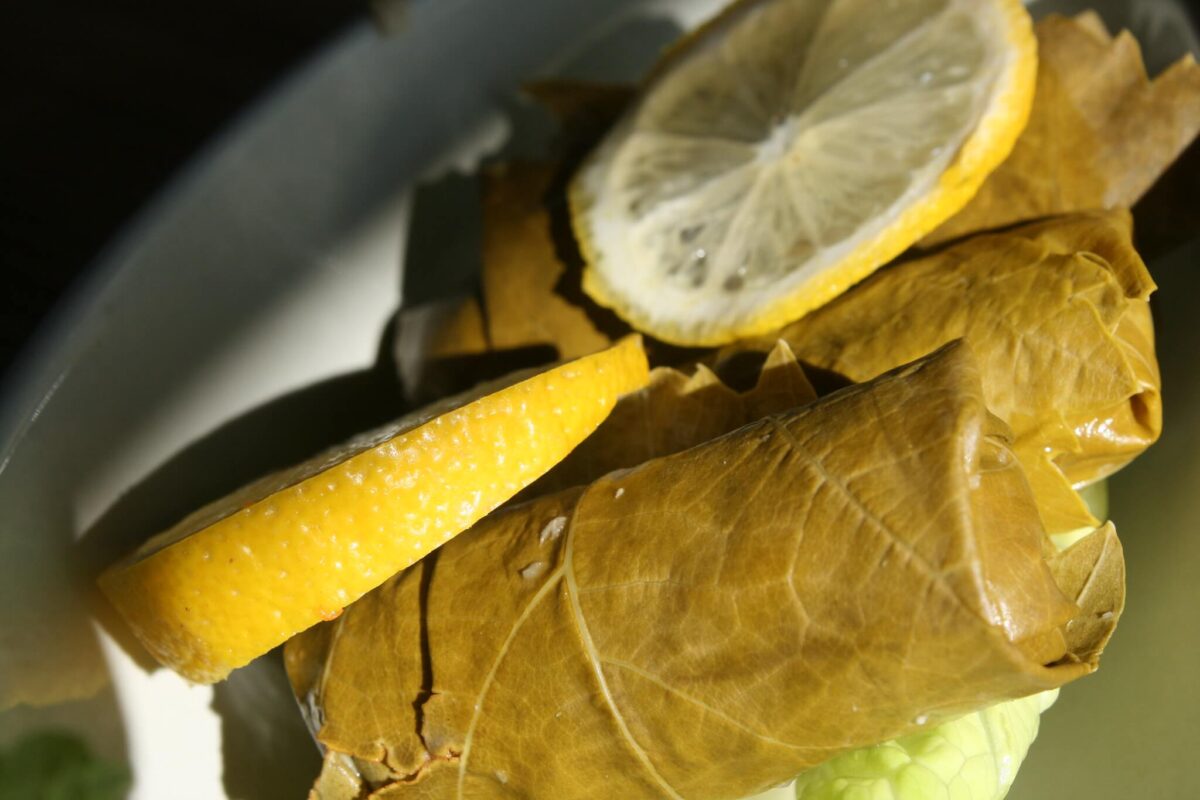
Stuffed grape leaves and vegetables appear in cooking traditions across the ancient Persian Empire and the broader Ottoman-influenced region, with rice or grain fillings wrapped in leaves and slow-cooked, a technique well suited to preserving and flavoring vegetables that would otherwise spoil quickly. Ottoman court cookbooks from centuries later formalized many dolma recipes still recognizable today, building on much older regional practices.
Versions of dolma remain common across the eastern Mediterranean, the Caucasus, and Central Asia, with each region maintaining its own specific fillings while preserving the same basic wrapped-and-simmered technique.
Baklava

Layered pastry sweetened with honey or syrup and packed with chopped nuts has ancient roots in the region, with some food historians tracing early layered, nut-filled bread preparations back to the Assyrian Empire, though the specific thin-phyllo version familiar today developed later under Ottoman palace kitchens. Ottoman court records from the fifteenth century onward describe elaborate baklava preparation in the Topkapi Palace kitchens, feeding hundreds of court officials on ceremonial occasions.
The dessert remains widely made across the Middle East, the Balkans, and the Caucasus today, with each region maintaining its own claim to the definitive version.
Sourdough Bread
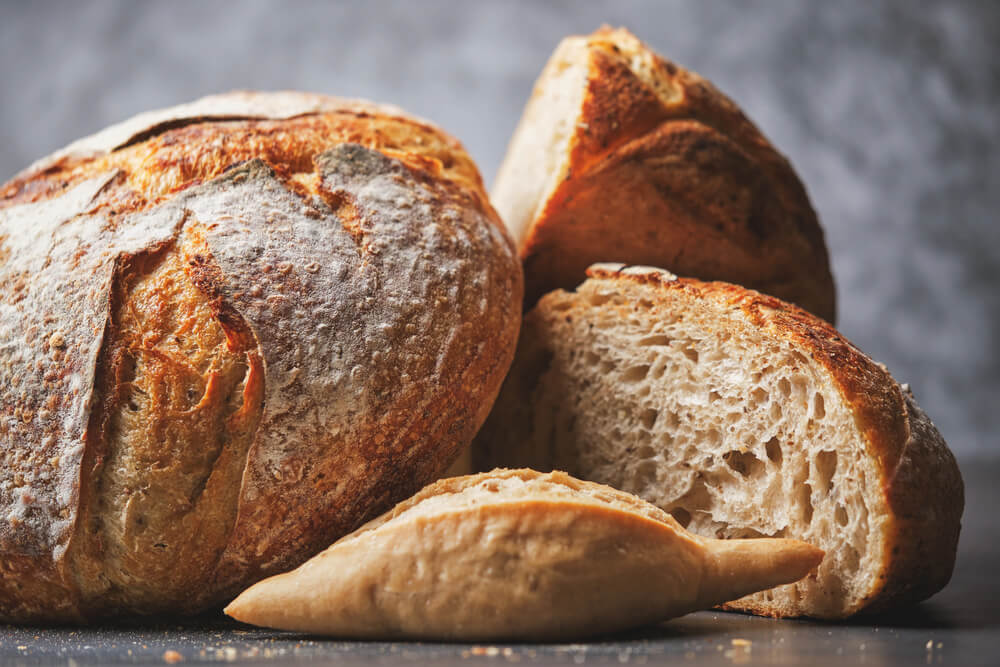
Ancient Egyptians are widely credited with discovering natural leavening around 1500 BCE, likely by accident, when wild yeast present in the air fermented a batch of wheat dough left out before baking, producing a lighter loaf than the flatbreads common at the time. The technique of maintaining a living starter culture, feeding it regularly to keep the wild yeast and bacteria active, spread from Egypt across the ancient Mediterranean world.
Bakers today still maintain sourdough starters using essentially the same principle of wild fermentation, and some commercial bakeries claim starters passed down through many decades of continuous feeding.
Miso

Fermented soybean paste techniques originated in ancient China, where similar fermented bean pastes were documented more than 2,000 years ago, before the method spread to Japan, where it was refined into the specific product now known as miso. Japanese texts from the Nara period, in the eighth century CE, already reference miso as an established seasoning, indicating the technique had been in use for some time before being written down.
Japanese cooks still produce miso today through the same basic process of fermenting soybeans with salt and a mold culture called koji, aged for months in wooden vessels much as it was centuries ago.
Injera
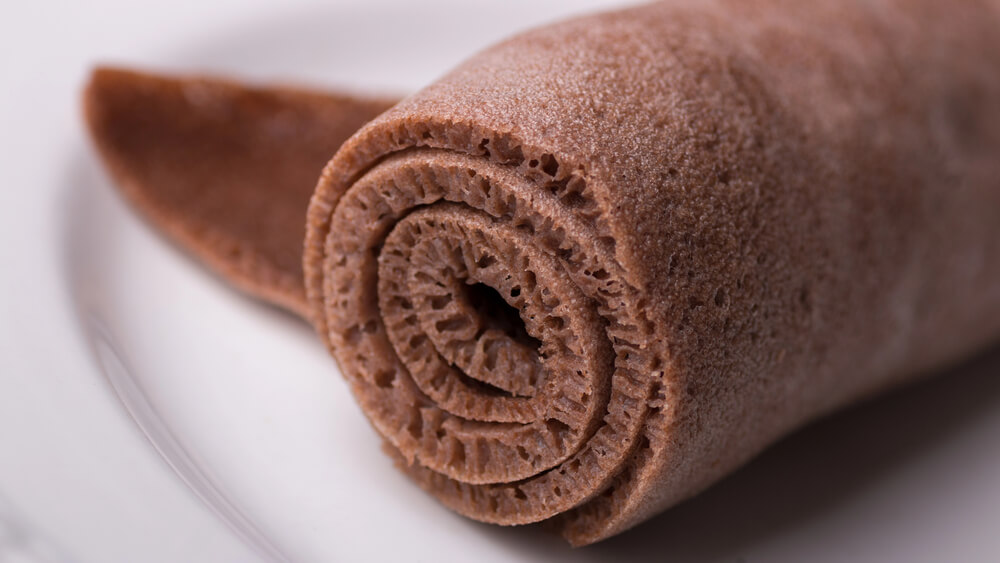
This spongy, fermented flatbread made from teff flour has been a staple of Ethiopian and Eritrean cuisine for well over a thousand years, with teff cultivation in the region documented to ancient times. The bread’s distinctive sour flavor and bubbled texture come from a multi-day natural fermentation process nearly identical to the one still used in Ethiopian and Eritrean kitchens today.
Injera remains central to meals across the region, serving as both food and edible utensil, a dual role it has held for centuries.
Harissa
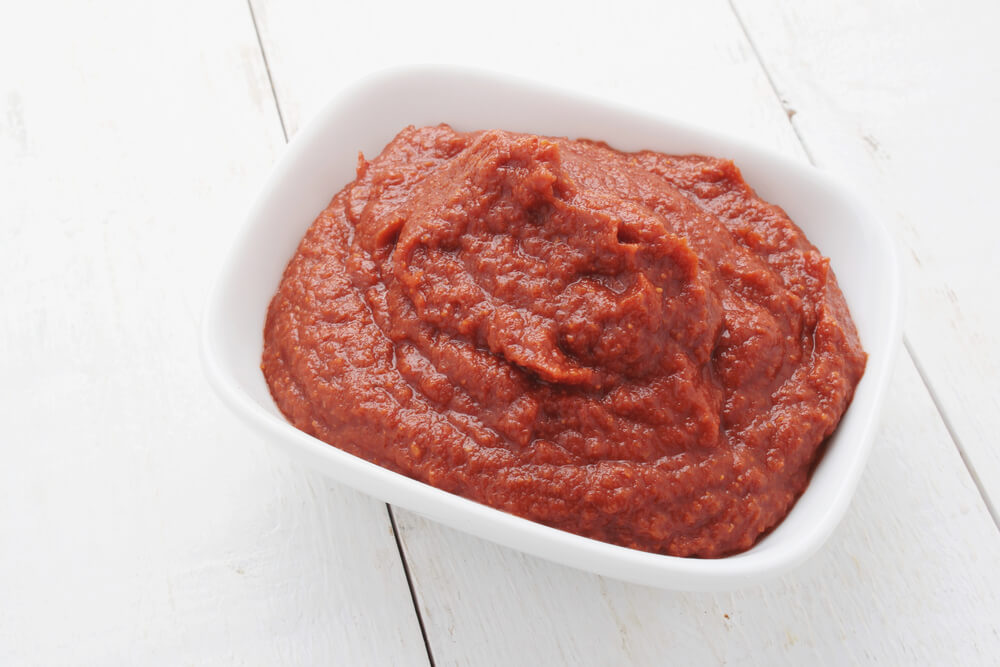
North African chili pastes with roots tracing back through Berber culinary tradition were transformed after chili peppers arrived from the Americas following European contact, blending an old regional technique of pounding spices and preserved ingredients with a newly available core ingredient. Tunisian and broader Maghrebi cooks refined the specific combination of chilies, garlic, and spices into the harissa recognized today, a process that took shape over several centuries.
The paste remains a defining condiment across North African cooking, made using mortar-and-pestle techniques that predate the ingredient that made the dish famous.
Kefir
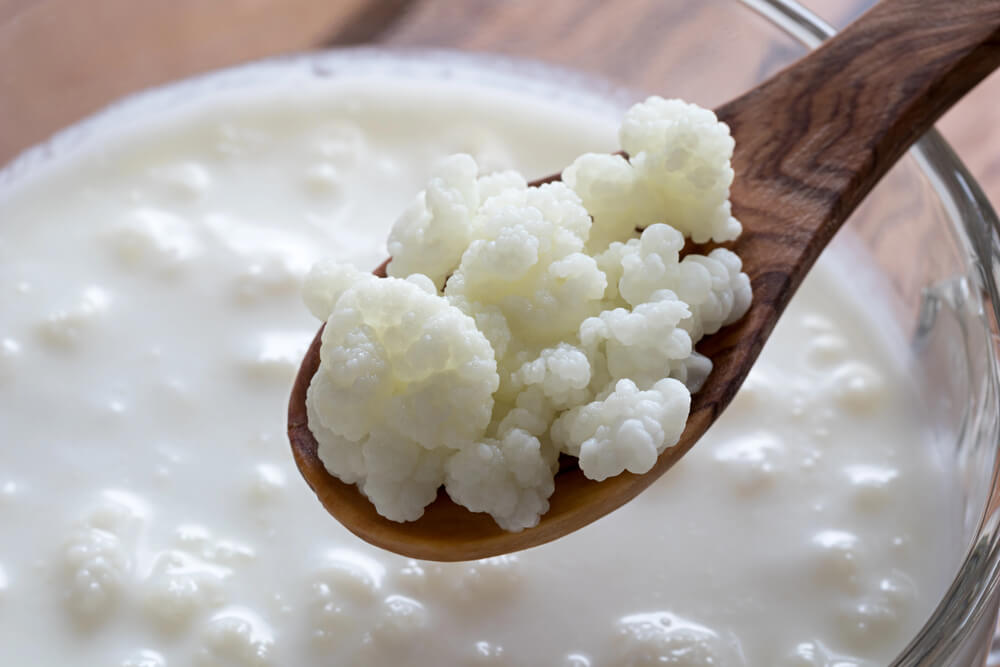
This fermented milk drink originated in the Caucasus Mountains, where local communities are believed to have discovered the technique many centuries ago after noticing that milk stored in leather pouches developed a naturally fizzy, tangy quality from wild bacterial and yeast cultures. The specific grains used to ferment kefir, a symbiotic culture of bacteria and yeast, have reportedly been passed down and shared among households for generations, with some kefir grains in continuous use claimed to descend from cultures many decades or longer old.
Kefir remains widely consumed today across Eastern Europe, Central Asia, and increasingly worldwide.
Manti
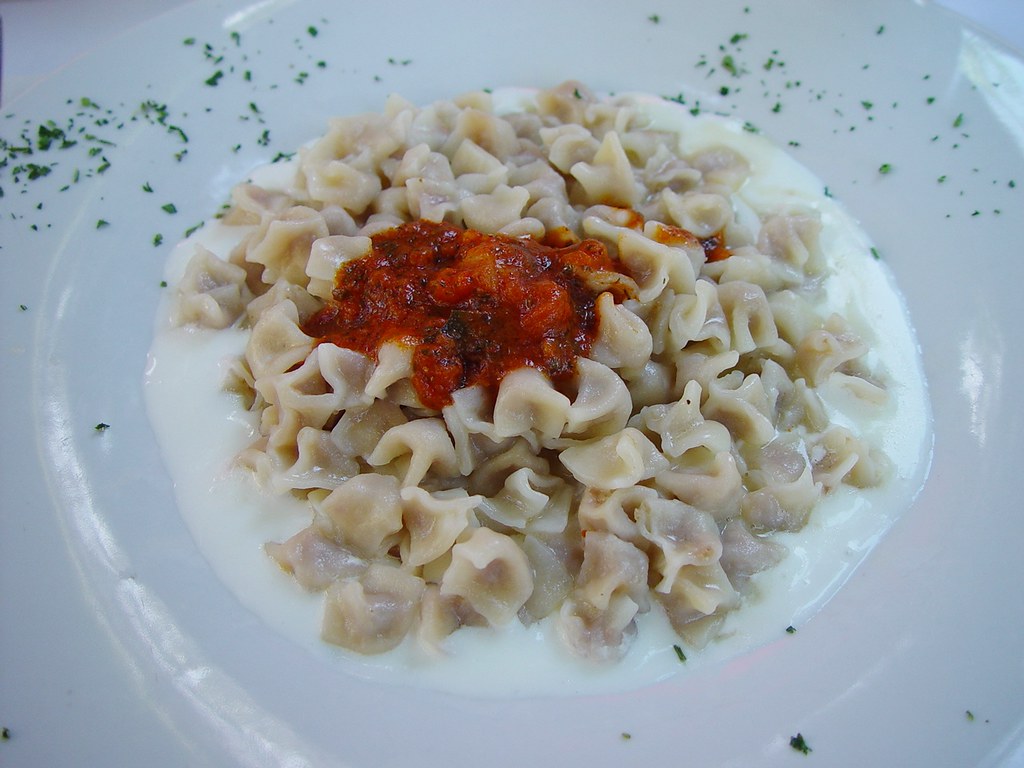
Small dumplings filled with meat and onion, boiled or steamed and often served with yogurt, trace back to Central Asian nomadic and Turkic culinary traditions, with historians linking the dish’s spread to trade routes connecting Central Asia, the Caucasus, and eventually the Ottoman Empire. The basic technique of encasing minced filling in thin dough spread widely enough that closely related dumplings appear across an enormous geographic range, from Mongolia to Turkey.
Manti remains a beloved dish across Turkey, Central Asia, and the Caucasus today, prepared using methods that have changed remarkably little given how far the dish traveled.
Couscous

Steamed semolina granules formed the basis of North African cuisine long before European contact, with archaeological evidence of couscous-specific cooking vessels found at sites in modern-day Algeria dating back roughly a thousand years, associated with Berber communities in the region. The specific technique of steaming the grain in stages over a simmering stew, rather than boiling it directly, is what distinguishes proper couscous preparation and has remained consistent for centuries.
Couscous remains a staple across North Africa today and has been formally recognized by UNESCO as an element of the region’s intangible cultural heritage.
Kimchi
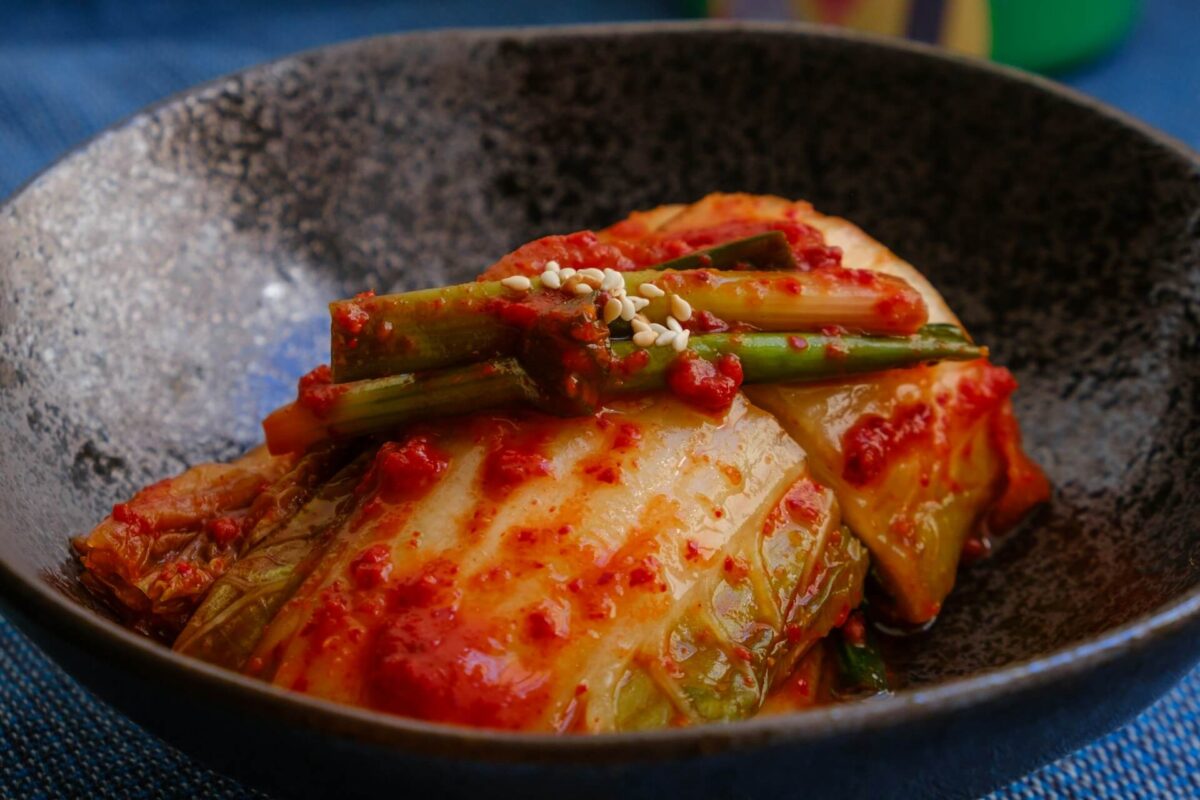
Fermented vegetable preservation techniques have existed on the Korean peninsula for well over a thousand years, with early versions using salt to preserve vegetables through winter months long before chili peppers, introduced from the Americas centuries later, became a defining ingredient. Korean texts describe fermented vegetable dishes in some form going back many centuries, evolving gradually into the fiery, chili-forward kimchi recognized worldwide today.
The fermentation principle at the dish’s core, using salt and time to preserve and transform vegetables, has remained constant even as the specific seasoning changed dramatically over the centuries.
Patina

Roman cookbooks, most notably the collection attributed to Apicius, describe patina, a baked custard-like dish made from eggs mixed with milk or broth and various savory or sweet ingredients, cooked slowly until set in a shallow dish. The technique of gently baking an egg-and-liquid mixture until firm is essentially identical to how flans, quiches, and savory custards are prepared today, more than 1,500 years after the Apicius text was compiled.
Food historians consider patina a direct ancestor of the custard family of dishes still common across European and Mediterranean cooking.
Recipes That Refuse to Disappear
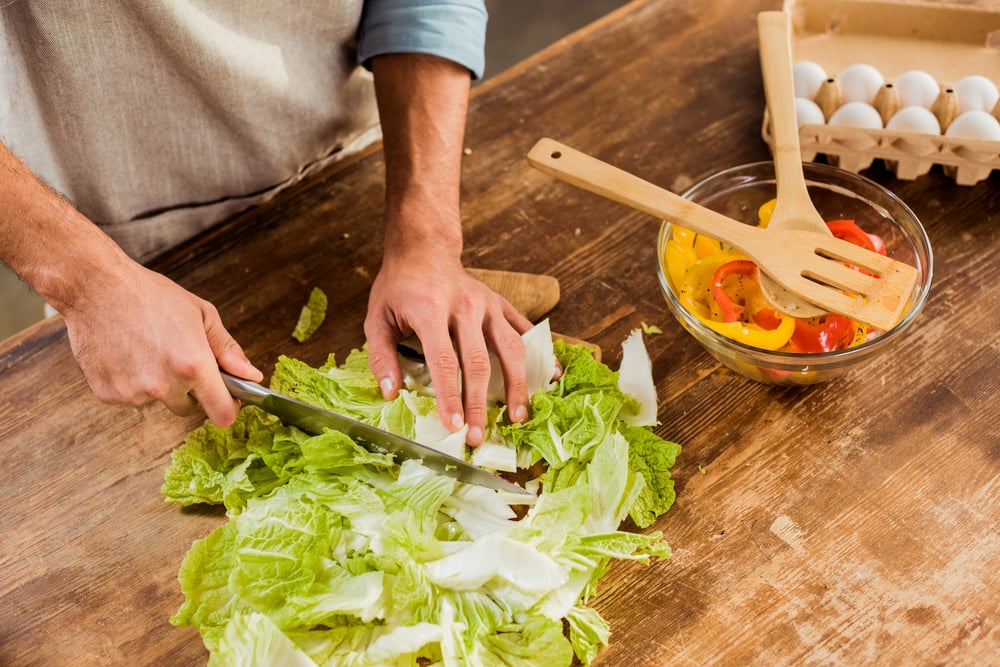
Most of what defines a civilization eventually gets replaced, its language shifting, its borders redrawn, its religion supplanted by something else entirely. Food is stubborn in a way almost nothing else is.
A recipe survives because it solved a real problem, preserving grain through winter, using every part of an animal, feeding a family cheaply, and those problems tend to outlast the empires that first solved them. That persistence is worth noticing the next time a bowl of lentil soup or a piece of flatbread seems too ordinary to think about.
Someone worked out that particular combination of ingredients and technique a very long time ago, under circumstances almost nobody today would recognize, and it worked well enough that nobody has found a compelling reason to do it differently since.
More from Go2Tutors!

- The Romanov Crown Jewels and Their Tragic Fate
- 13 Historical Mysteries That Science Still Can’t Solve
- Famous Hoaxes That Fooled the World for Years
- 15 Child Stars with Tragic Adult Lives
- 16 Famous Jewelry Pieces in History
Like Go2Tutors’s content? Follow us on MSN.