25 Vintage Clothing Labels That Signal Real Value at Thrift Stores
There’s a particular kind of luck that happens in a thrift store — the moment your fingers stop on a garment that feels different from everything around it, and you flip the collar back to check the label. Most of the time it’s nothing.
But occasionally, that little woven tag is a name that makes your pulse tick slightly faster. Knowing which names to look for is the difference between paying three dollars for something worth three hundred and walking past it entirely.
These are the labels worth hunting for.
Halston
Halston is a legitimate score. The label defined American luxury in the 1970s, and pieces from that era — especially the jersey knit dresses and the cashmere — turn up at resale prices that bear no resemblance to what they fetch at auction.
Go figure.
Levi’s
Red tab, orange tab, big E — the details matter enormously here. A pre-1971 Levi’s label with a capital “E” in “Levi’s” on the red tab is a different object entirely from a pair made last decade, and thrift stores routinely price both the same way.
Norma Kamali
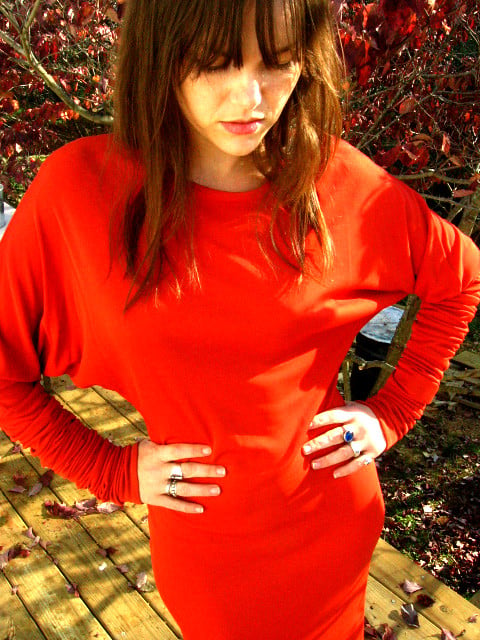
Norma Kamali built a career on structural genius dressed up as wearable clothing — the kind of designer whose work looks deceptively simple until you notice how it actually moves. Her 1970s and 1980s pieces, particularly anything from OMO Norma Kamali, are quietly climbing in collector interest.
Pendleton
Pendleton wool is stubborn in the best possible way: it resists time, resists wear, and resists the impulse to look dated. A Pendleton label from the 1950s through the 1970s — especially on a blanket coat or a board shirt — signals a level of material quality that modern production rarely approaches.
Geoffrey Beene
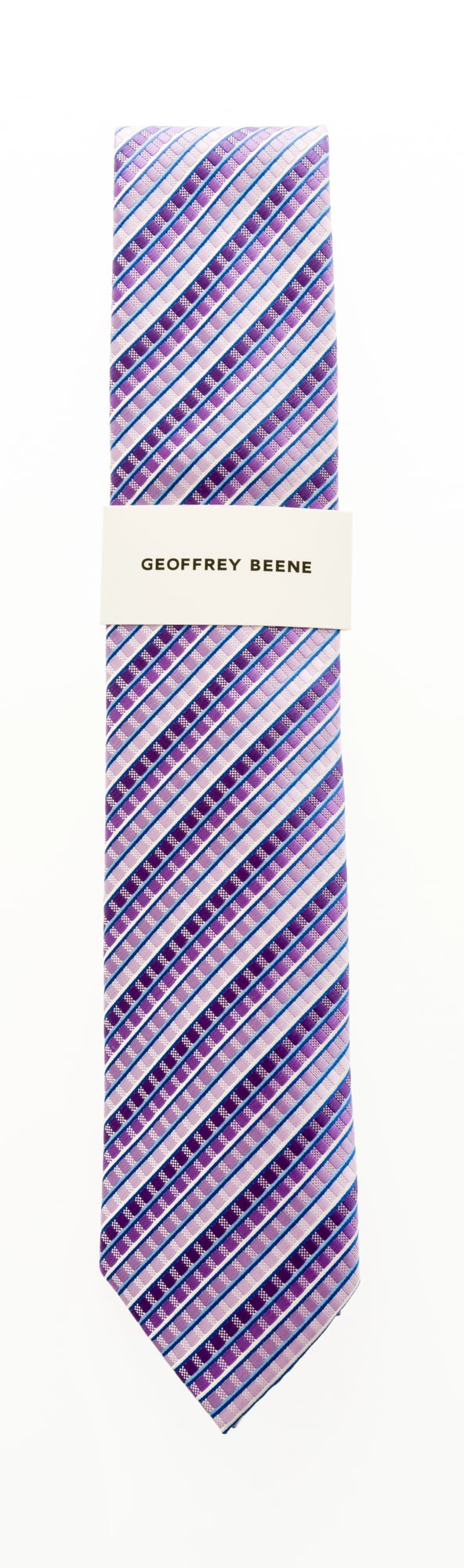
Geoffrey Beene is criminally undervalued in thrift stores, which is saying something in a market where most vintage designers get at least a nod of recognition. His construction was meticulous, his fabrics were chosen with real care, and pieces from the 1960s through the 1980s are serious finds.
Bill Blass
Bill Blass dressed American women with a confidence that felt genuinely relaxed rather than studied — which is harder to pull off than it sounds. His label, particularly on evening wear and tailored separates from the 1970s, shows up occasionally in estate-adjacent thrift donations and rewards anyone paying attention.
Wrangler
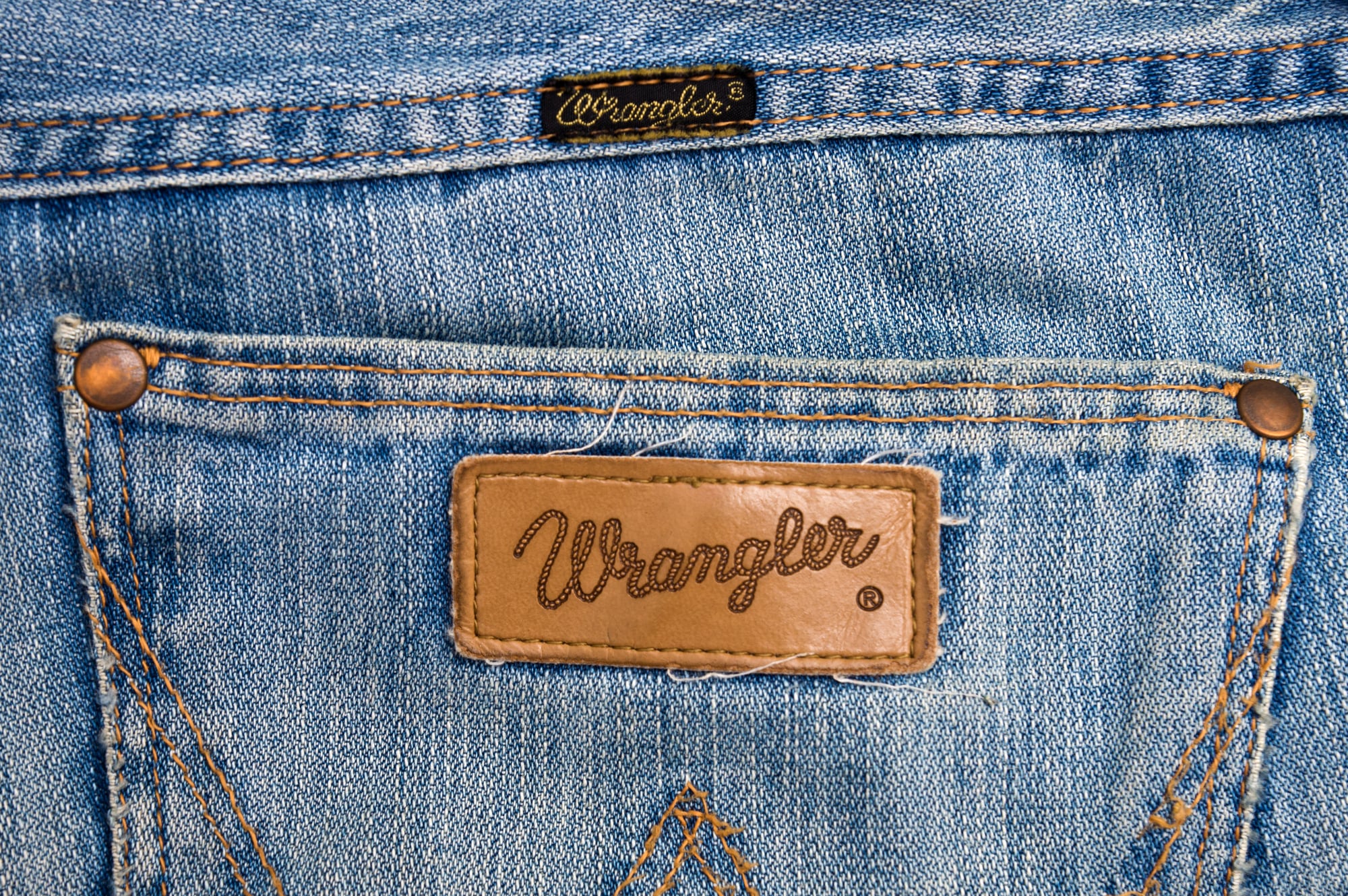
Not every Wrangler is a find, but the older American-made pieces — particularly the 11MWZ cut with a flat button fly — are exactly what vintage denim collectors are after, and they show up in rural thrift stores at denim-rack prices with surprising regularity.
Anne Klein
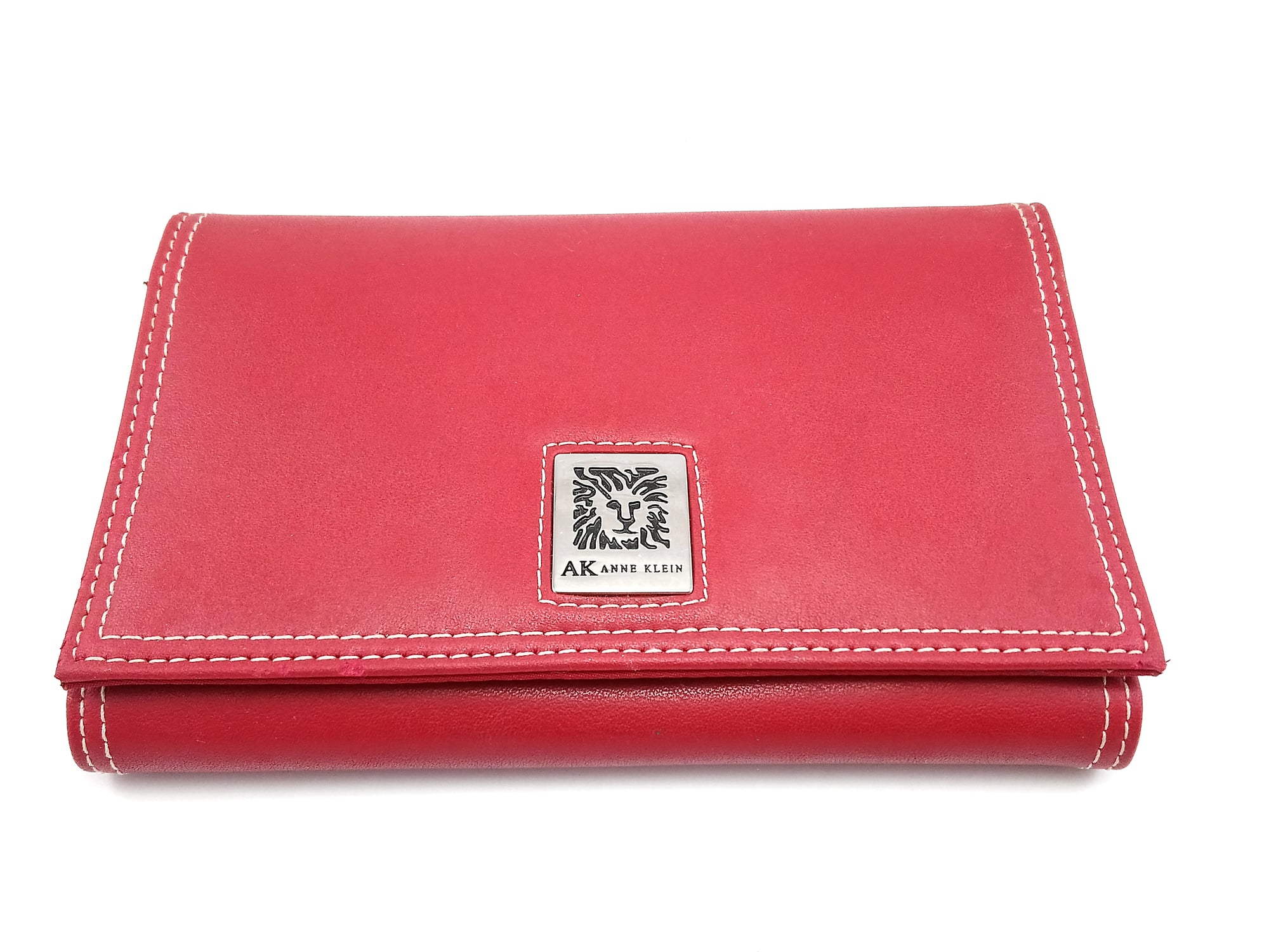
Anne Klein’s early work (particularly from the 1960s and early 1970s, before the label was licensed into softer territory) carries the kind of tailoring that feels borrowed from menswear in the best possible way. The lion head logo is the marker worth knowing.
Missoni
A Missoni label in a thrift store is one of those discoveries that makes the surrounding racks look slightly absurd by comparison — the zigzag knitwear is immediately recognizable, immediately beautiful, and routinely underpriced by shops that don’t know what they’re looking at. The Italian-made pieces from the 1970s are the ones to pull.
Calvin Klein
The early Calvin Klein label — specifically from the late 1970s and 1980s, the minimalist American sportswear era — is a different animal from the licensed products that came later. Clean lines, quality fabrics, and a restraint that held up better than most of its contemporaries.
Diane von Furstenberg
The wrap dress alone made Diane von Furstenberg’s name permanent, but the broader archive of her 1970s work is worth knowing on sight. Pieces from that first decade carry a boldness of print and cut that later reproductions haven’t quite managed to replicate.
Adolfo
Adolfo is one of those names that drifts below the radar of casual thrift shoppers but stops serious collectors cold — his Chanel-influenced bouclé suits from the 1960s and 1970s were worn by some of the most photographed women in America, and they are genuinely magnificent objects.
Lee Jeans
The Lee 101 label, made in the USA with a union tag intact, is the version that matters. Lee Jeans from the postwar era through the early 1970s were workwear built to last indefinitely, and the vintage market has noticed — even when thrift stores haven’t yet.
Pauline Trigère
Pauline Trigère worked in an era when French-born designers in New York were trying to prove something, and her tailoring proved it conclusively. Her coats especially — often wool, often architectural in their construction — are the kind of garments that feel like they were built around a philosophy rather than a pattern.
Oscar de la Renta
Oscar de la Renta’s label on a gown or an embroidered blouse from the 1970s or 1980s is not a thrift store accident — it’s an inheritance donation, an estate clearance, or a wardrobe from someone who shopped with real intention. Whatever got it there, the piece itself is worth considerably more than the tag on the rack.
Towncraft
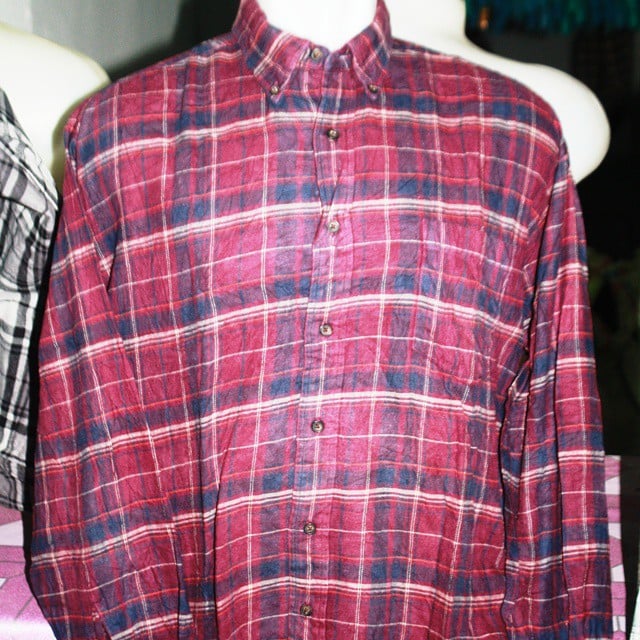
Towncraft was JCPenney’s private label for decades, and the American-made pieces from the 1940s through the 1960s — particularly the dress shirts and knitwear — are sought after by vintage collectors who understand that mid-century domestic manufacturing had standards that disappeared quietly sometime around the 1980s.
Cacharel
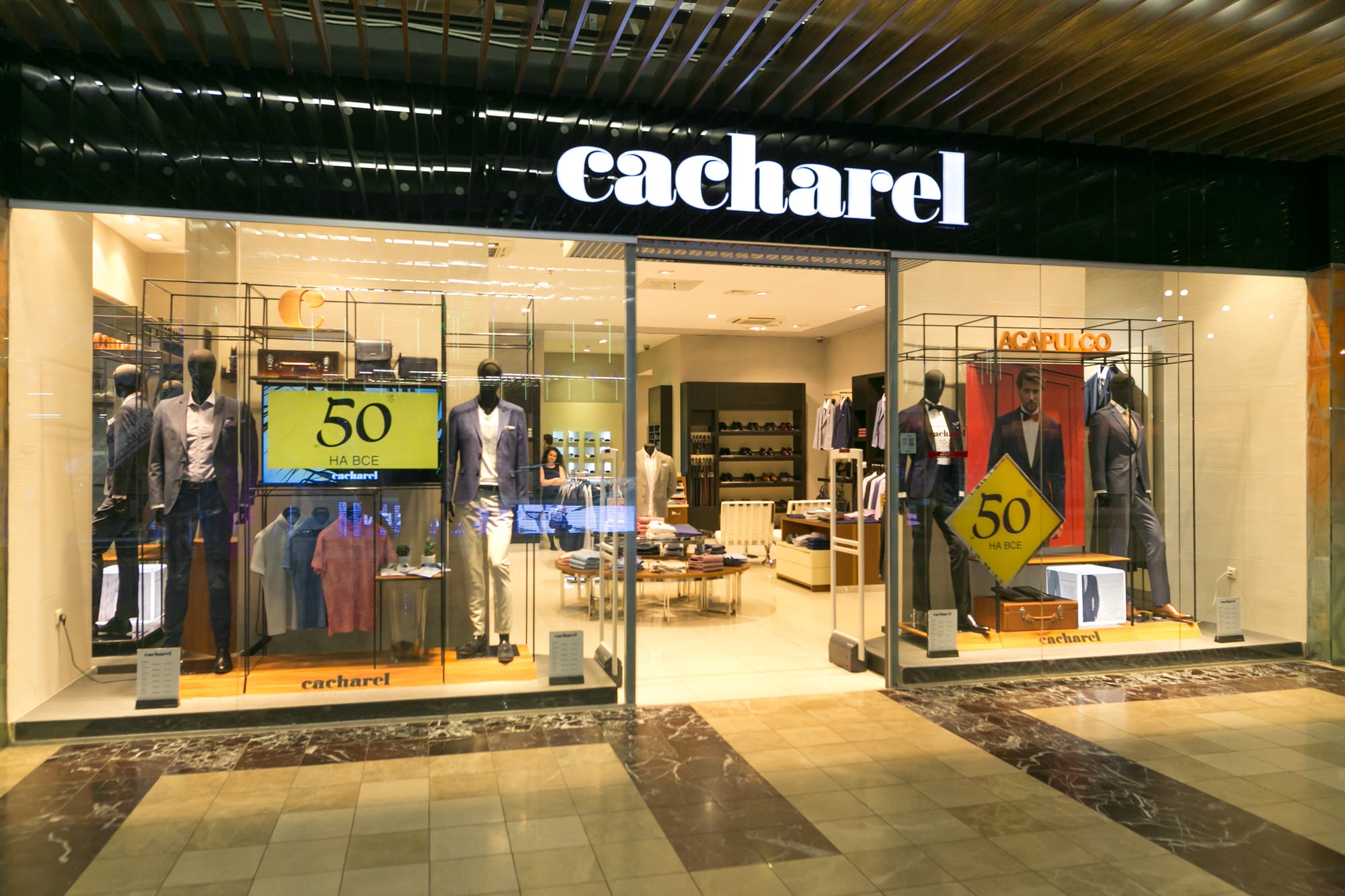
Cacharel’s Liberty-print cotton pieces from the 1970s are the kind of garments that feel like they were assembled from something more precious than fabric — small, deliberate, almost fussy in their prettiness, and genuinely rare in American thrift stores despite being exactly the sort of thing that gets donated without a second thought.
Vera Maxwell
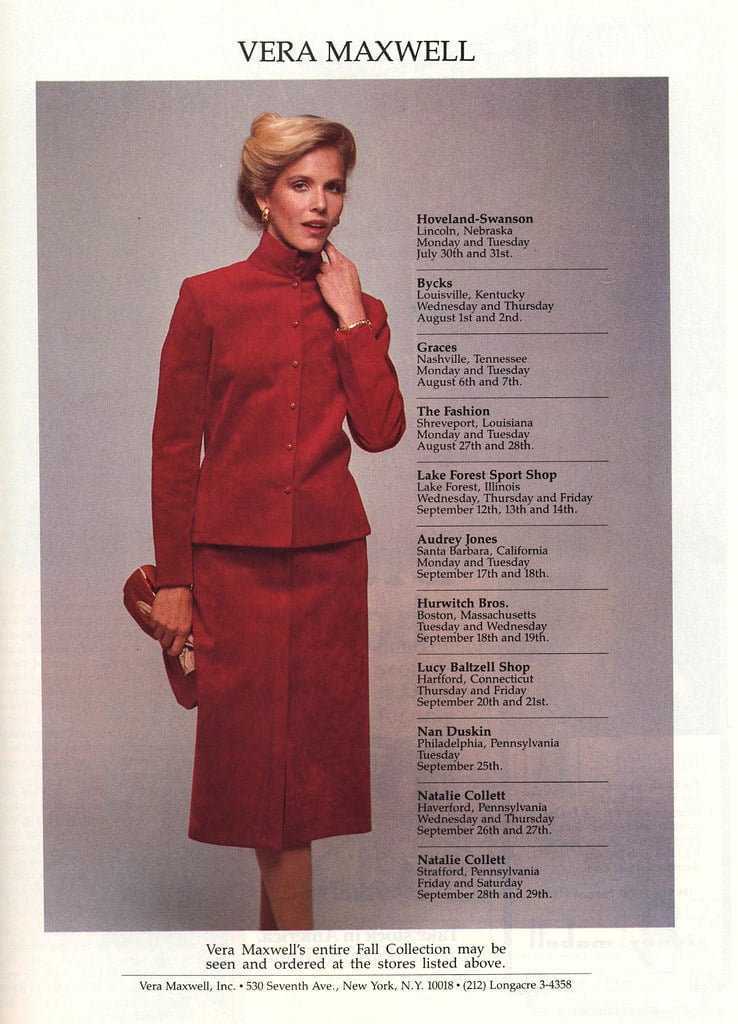
Vera Maxwell was building practical, beautifully made American sportswear before the term “sportswear” meant what it means now. Her pieces from the 1940s through the 1960s are museum-level significant and show up, occasionally, in the women’s section of Goodwill without fanfare.
Arrow Shirts
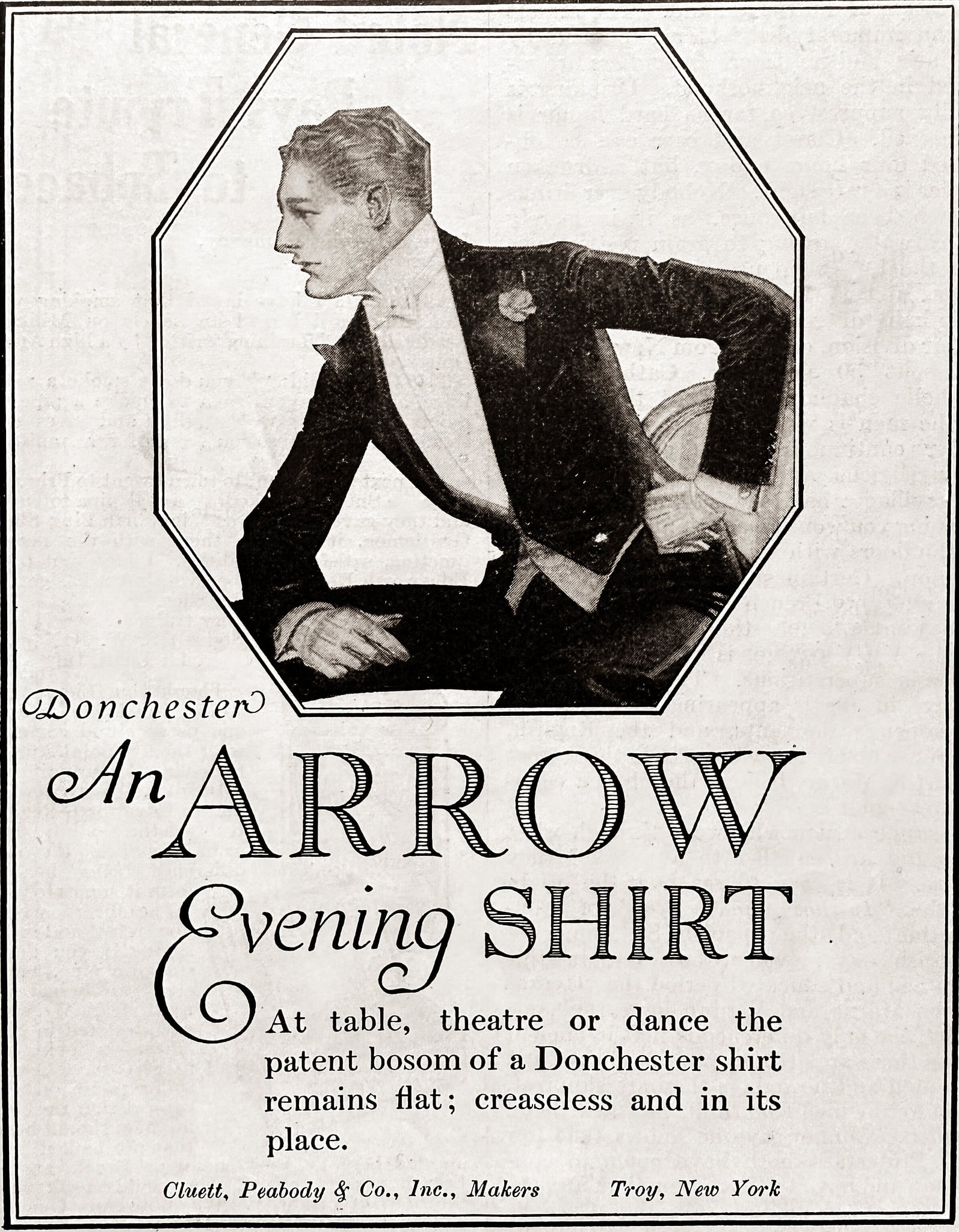
Pre-1960s Arrow dress shirts with the Sanforized label and a union tag are collector items in the workwear and Americana vintage world — a world where condition matters enormously and where thrift stores price by garment type rather than manufacturing era. The older the Arrow, generally, the more interesting it is.
Yves Saint Laurent Rive Gauche
The Rive Gauche label — the ready-to-wear line rather than haute couture — is what shows up in thrift stores, and it’s still a significant find. Pieces from the 1970s and 1980s, particularly the safari jackets, the tuxedo suits, and the peasant blouses, represent the moment when luxury fashion decided to be democratic, and pulled it off.
Castleberry
Castleberry knits from the 1960s and 1970s are exactly the kind of label that rewards a thorough inspection of the knitwear rack. The brand specialized in coordinated woolen separates with a finish that reads as almost handmade even though it wasn’t — and the color combinations from that era are nearly impossible to find replicated anywhere.
Koret of California
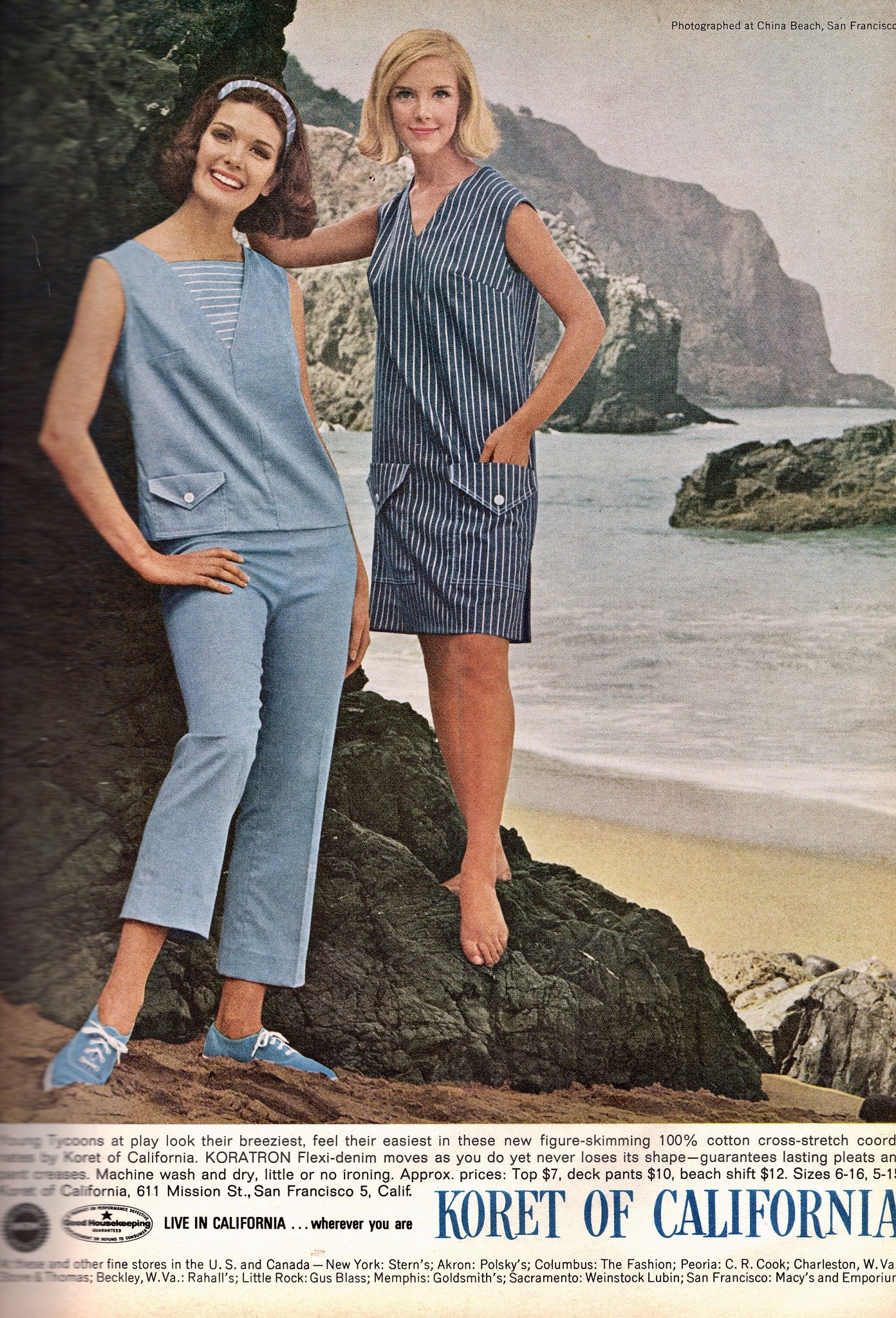
Koret of California built a business on well-made sportswear for American women who wanted quality without theatre, and the label — particularly on the printed cotton separates from the 1950s and 1960s — shows up regularly in West Coast thrift stores at prices that reflect its vintage status not at all. That’s the opportunity.
Valentino
A Valentino label from the 1970s or 1980s in a thrift store is not a common event, but it happens — estate cleanouts happen, wardrobes get donated wholesale, and Italian couture occasionally ends up on a metal rack in a fluorescent-lit room priced at fourteen dollars. Pay the fourteen dollars.
Jonathan Logan
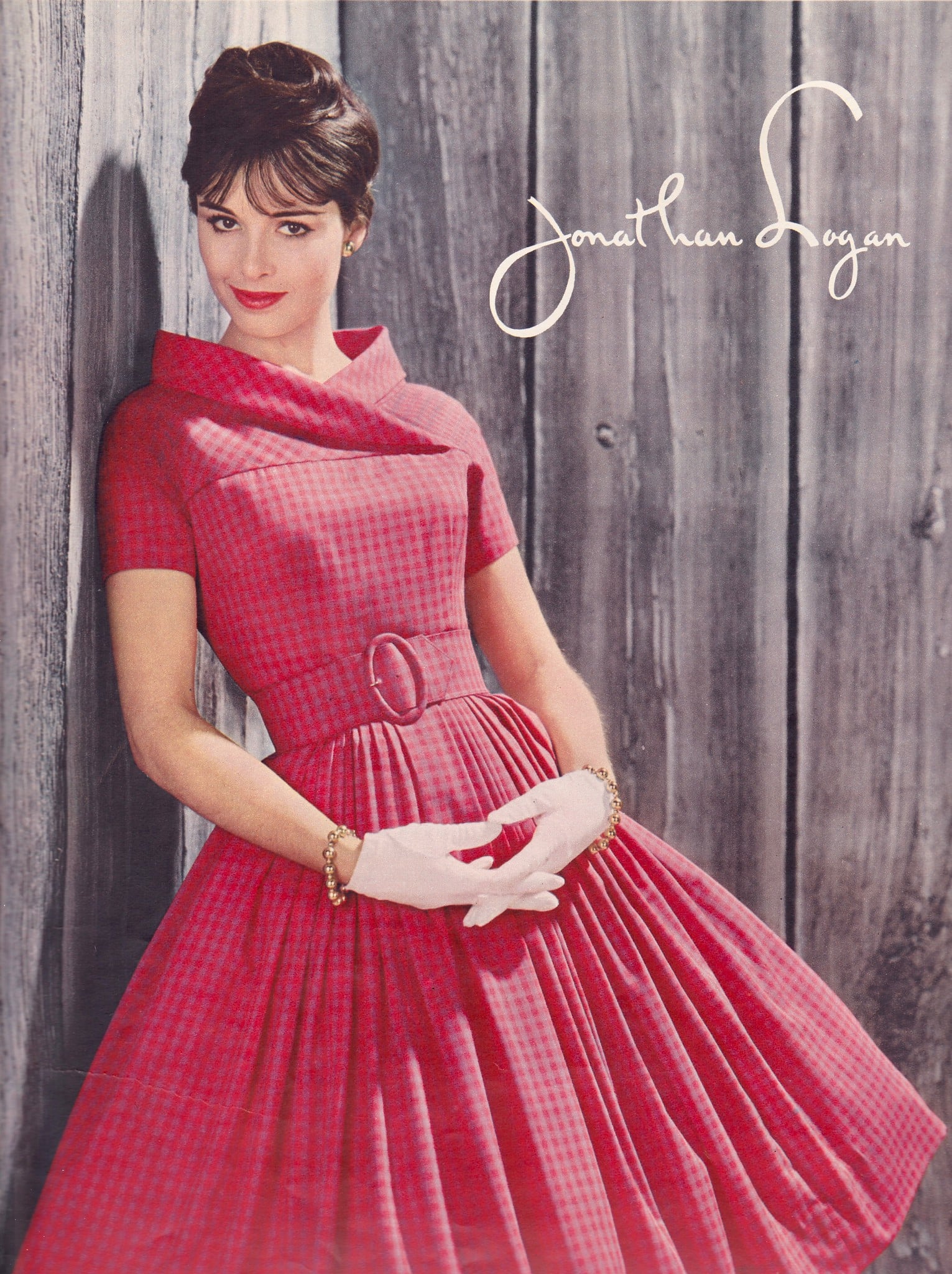
Jonathan Logan was one of the largest American dress manufacturers of the 1960s and 1970s, which sounds like it should mean the label isn’t worth anything — turns out the opposite is true for the right pieces. The mod-era dresses under this label and its sub-brand Youth Guild have developed a genuine following.
Cutter & Buck
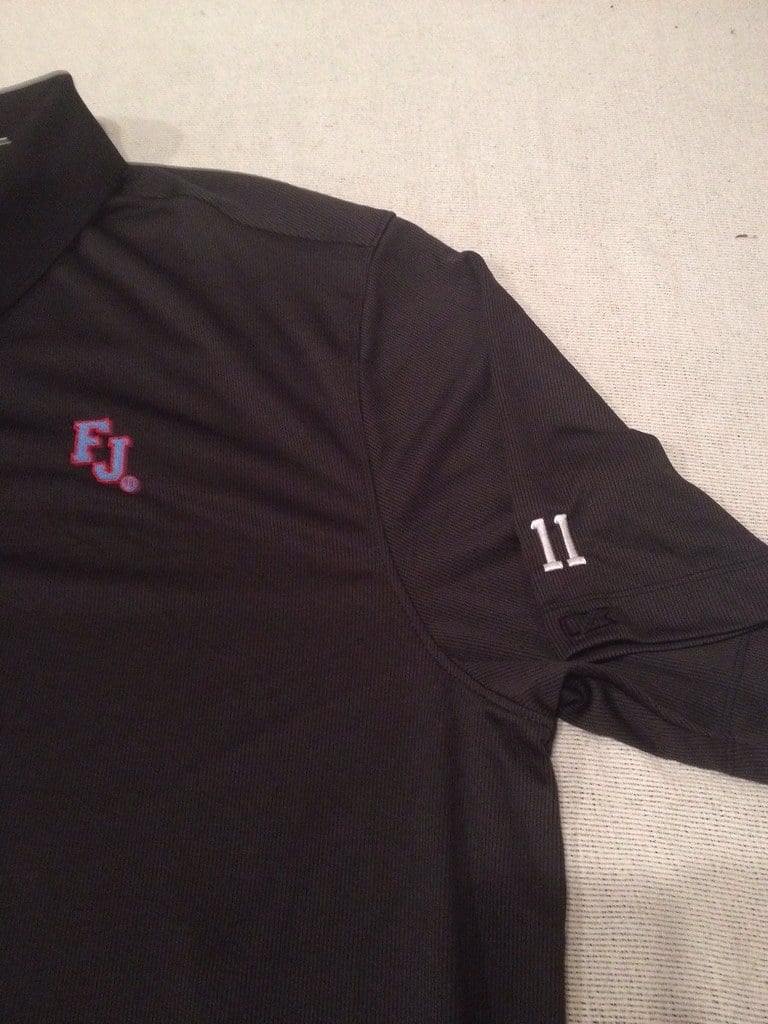
Cutter & Buck’s American-made pieces from the 1990s occupy an interesting position in the vintage market — old enough to be genuinely pre-globalization in their construction standards, specific enough in their Pacific Northwest aesthetic that collectors know exactly what they’re after. The older cotton knits especially are holding value in a way the brand probably didn’t anticipate.
The Label Is the Map
Learning vintage labels is less like memorizing a list and more like developing a peripheral instinct — eventually, the eye moves faster than the brain, and the hand reaches for the collar before the thought fully forms. The labels above aren’t guarantees of a perfect piece, and condition always matters more than provenance alone.
But walking into a thrift store knowing these names changes the geometry of the room entirely. The racks look different. The donations look different. And occasionally, something extraordinary is sitting right there at eye level, waiting for someone who knows what they’re looking at.
More from Go2Tutors!

- The Romanov Crown Jewels and Their Tragic Fate
- 13 Historical Mysteries That Science Still Can’t Solve
- Famous Hoaxes That Fooled the World for Years
- 15 Child Stars with Tragic Adult Lives
- 16 Famous Jewelry Pieces in History
Like Go2Tutors’s content? Follow us on MSN.