20 Battles Throughout History That Were Decided By Sheer Luck Rather Than Strategy
Military history has a tendency to be told backward. The winning side’s decisions get called brilliant, the losing side’s get called blunders, and the role of chance quietly gets edited out of the final narrative.
The commander who won is credited with foresight. The storm that scattered the enemy fleet gets a footnote.
The fog that covered a retreat becomes a minor atmospheric detail.
Strip away the retrospective clarity, though, and a very different pattern emerges. A remarkable number of history’s most consequential battles turned not on genius or discipline but on accidents, atmospheric conditions, and timing so improbable that calling it anything other than luck would require a level of intellectual dishonesty that even victorious generals sometimes struggled to maintain.
The Battle Of Midway (1942)
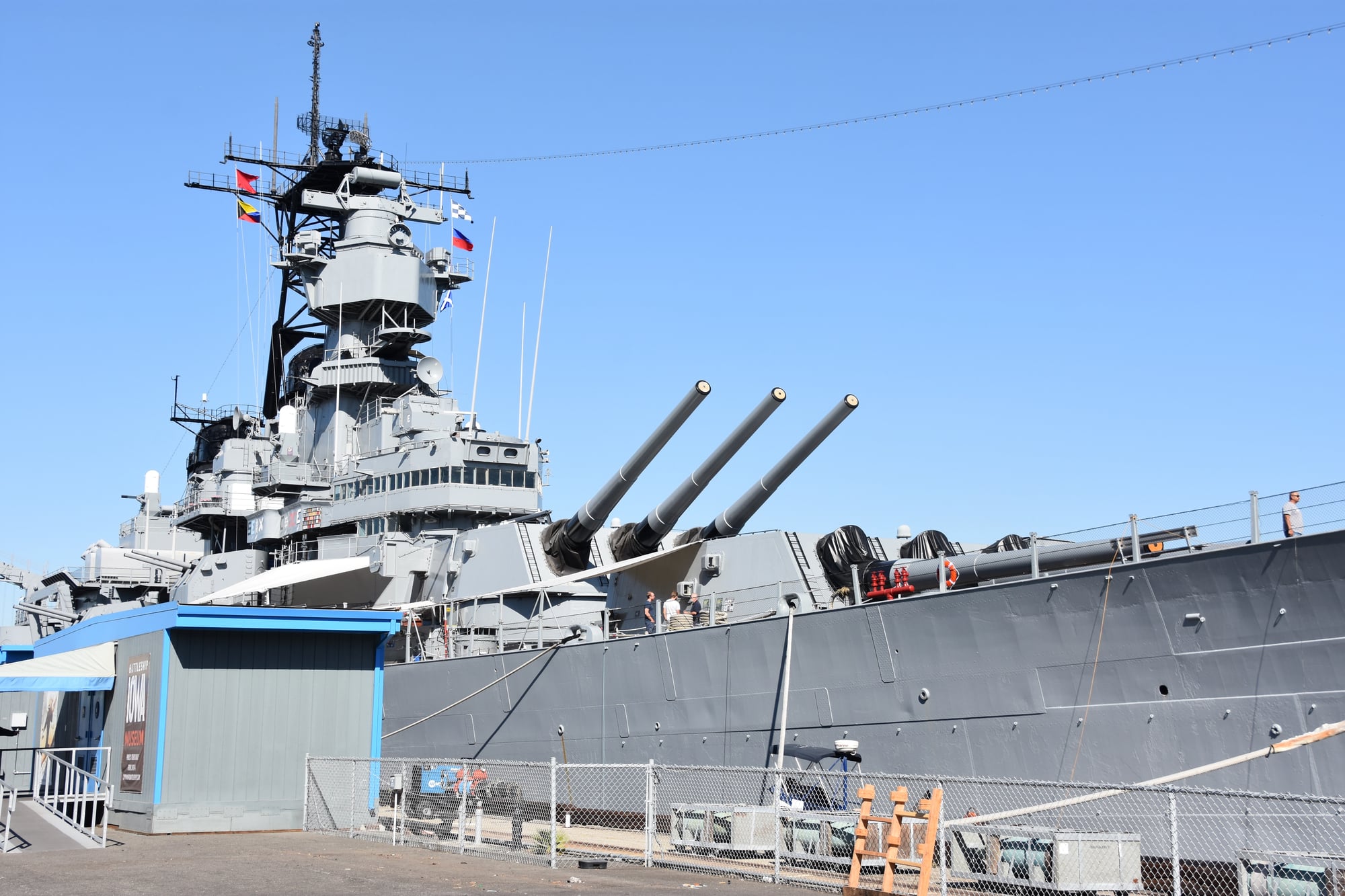
The turning point of the Pacific war is frequently presented as a triumph of American intelligence and naval skill — and it was, to a significant degree. But the decisive moment came at 10:22 am on 4 June 1942, when dive-bombers from USS Enterprise appeared directly above three Japanese carriers whose decks were crowded with fully armed and fuelled aircraft being rearmed between strikes.
Lieutenant Commander Wade McClusky had been flying in the wrong direction and was almost out of fuel when he spotted a lone Japanese destroyer rushing to rejoin the fleet. He followed it.
The dive-bombers dropped out of the sun at exactly the moment when Japanese Zero fighters had been drawn down to sea level defending against torpedo attacks. Within six minutes, three Japanese fleet carriers were mortally wounded.
Had McClusky turned back instead of searching further, the war in the Pacific might have lasted years longer.
The Battle Of Long Island / Brooklyn (1776)
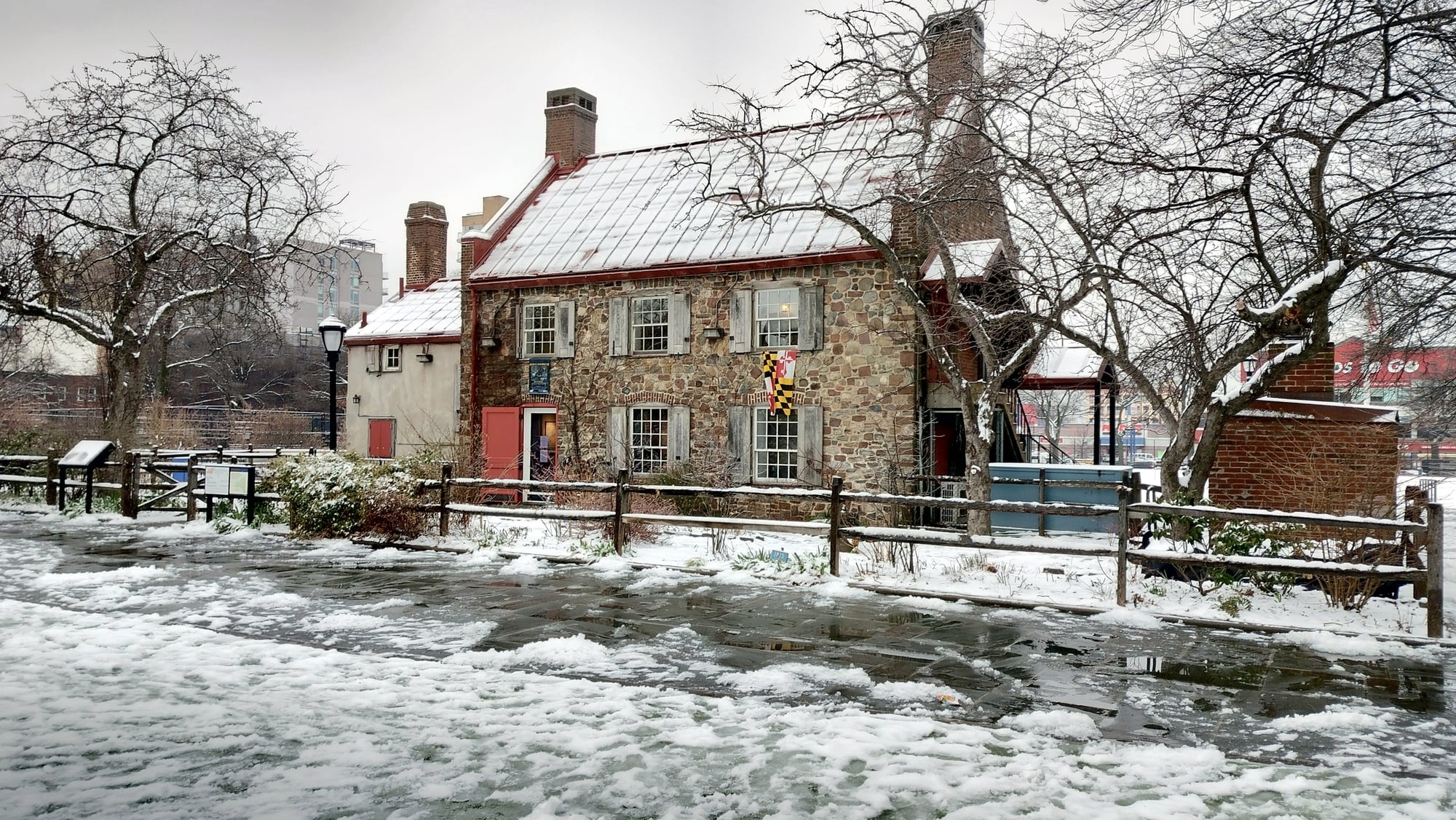
After a British victory at the Battle of Long Island, George Washington’s Continental Army was trapped in Brooklyn with its back to the East River. Surrender or destruction seemed imminent.
Washington ordered a night evacuation by boat, but by morning a significant portion of the army was still on the wrong side of the water, visible and exposed. At that point, an unusually dense fog rolled in, completely obscuring the movement from British observers who were positioned within sight.
The Continental Army completed its evacuation in full. Had the fog not appeared when it did, the Revolutionary War — then less than two years old — might have ended in Brooklyn.
The Battle Of Salamis (480 BCE)
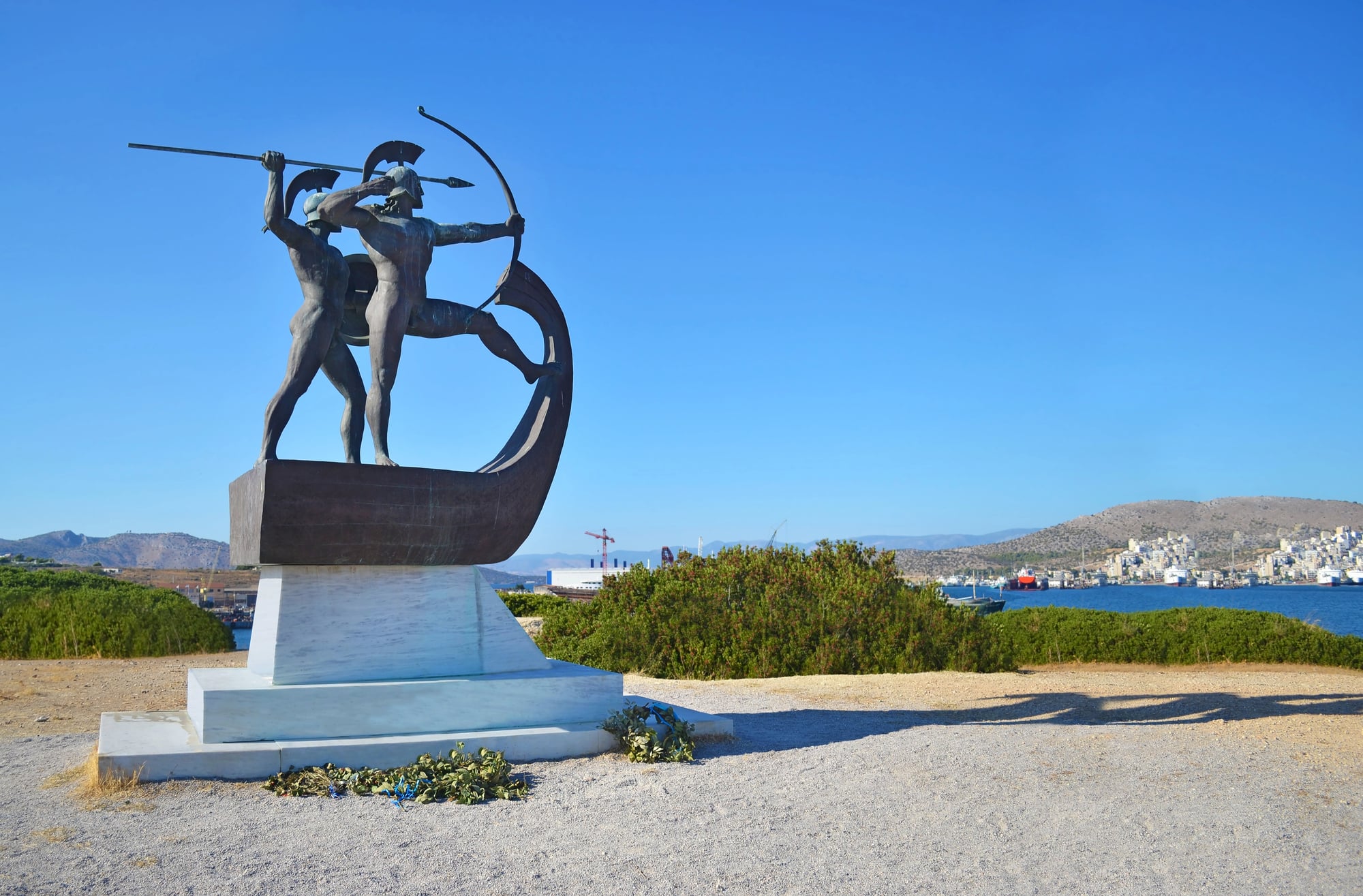
Themistocles persuaded the Persian fleet to enter the narrow straits of Salamis by sending a secret message to the Persian king Xerxes claiming that the Greeks were planning to flee and should be attacked immediately. The crucial element of luck was that Xerxes believed it.
The Persian fleet entered the straits where their numerical advantage was neutralised by the confined space, their ships began colliding with each other, and the Greek triremes inflicted devastating losses. The message was a gamble — there was no guarantee the Persians would accept the bait, let alone act on it overnight.
They did.
The Battle Of The Nile (1798)
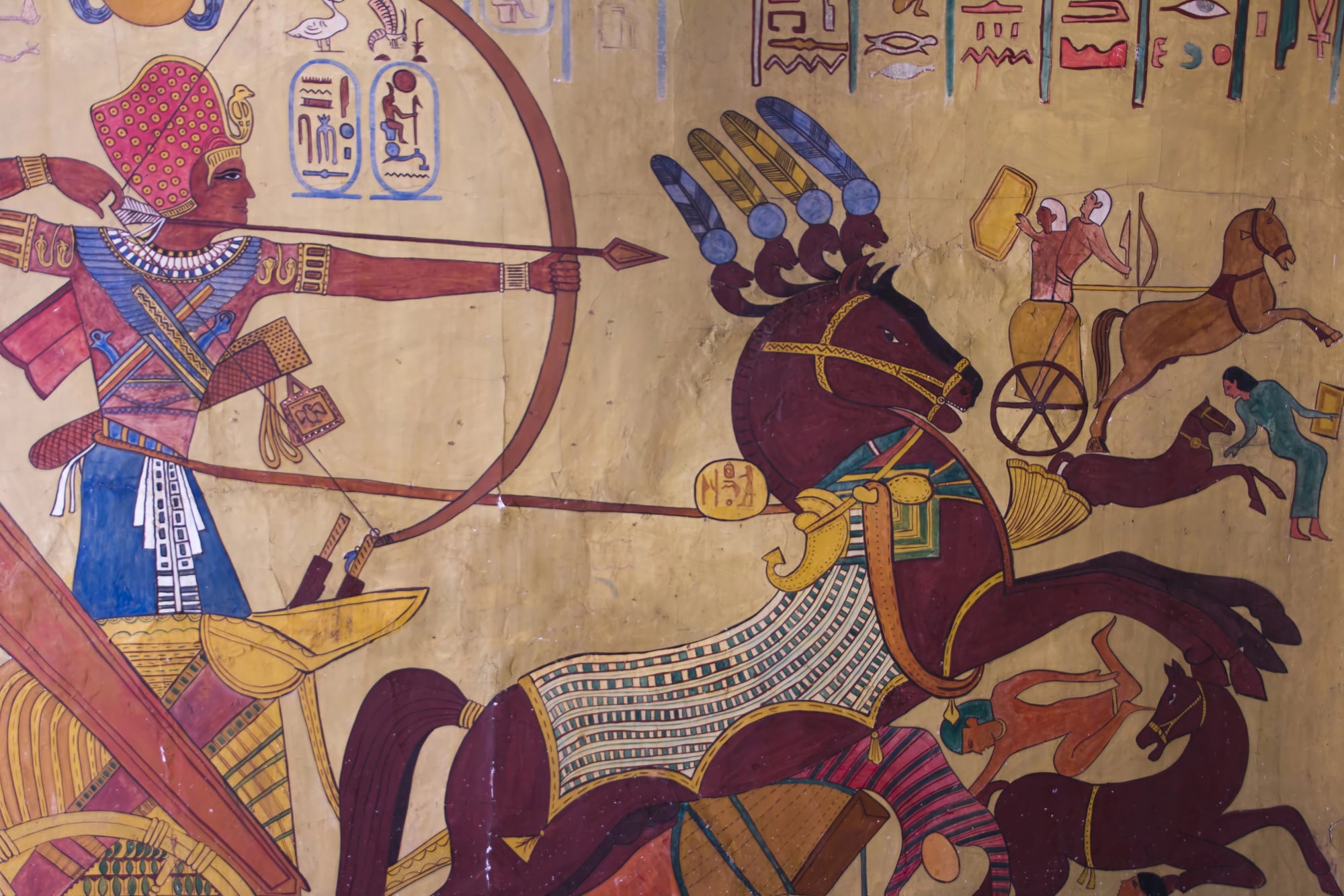
When Admiral Horatio Nelson’s fleet found the French fleet at anchor in Aboukir Bay in Egypt, it was late afternoon — too late, by conventional naval logic, to begin a major engagement. Nelson attacked immediately rather than waiting until morning.
This decision forced the French to fight in twilight and then darkness, during which time French rear-admiral François-Paul Brueys d’Aigalliers was killed. More significantly, one British captain made a fateful navigation decision: he entered Aboukir Bay from the shallow landward side of the French fleet, where the French had not deployed guns because they considered it unnavigable.
The French fleet was caught between two lines of British ships. Napoleon’s fleet was effectively destroyed before his Egyptian campaign had fully begun.
The Battle Of Trenton (1776)
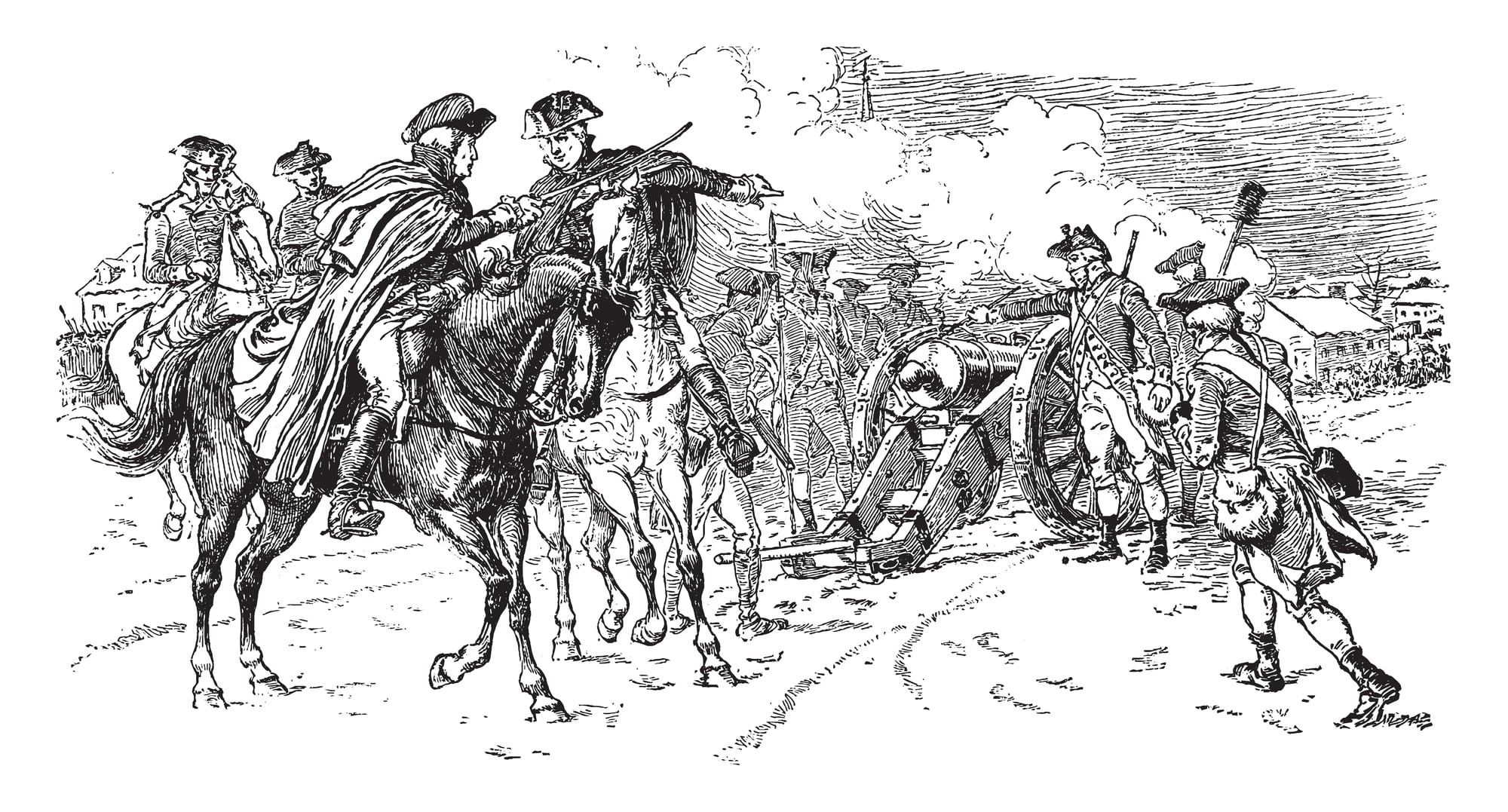
Washington’s crossing of the Delaware River on the night of 25–26 December 1776 is famous. Less often emphasised is how many things could have gone wrong and didn’t.
The crossing occurred during a winter storm — sleet, snow, and ice on the river — that the Hessian garrison at Trenton considered an entirely sufficient reason for an attack to be impossible. The harsh weather, instead of stopping Washington, gave him cover and dissuaded the defenders from maintaining a full alert.
The garrison was caught completely unprepared in the early morning, and the engagement was over before most of the defenders had properly organised a defence.
The Siege Of Washington, DC (1814)
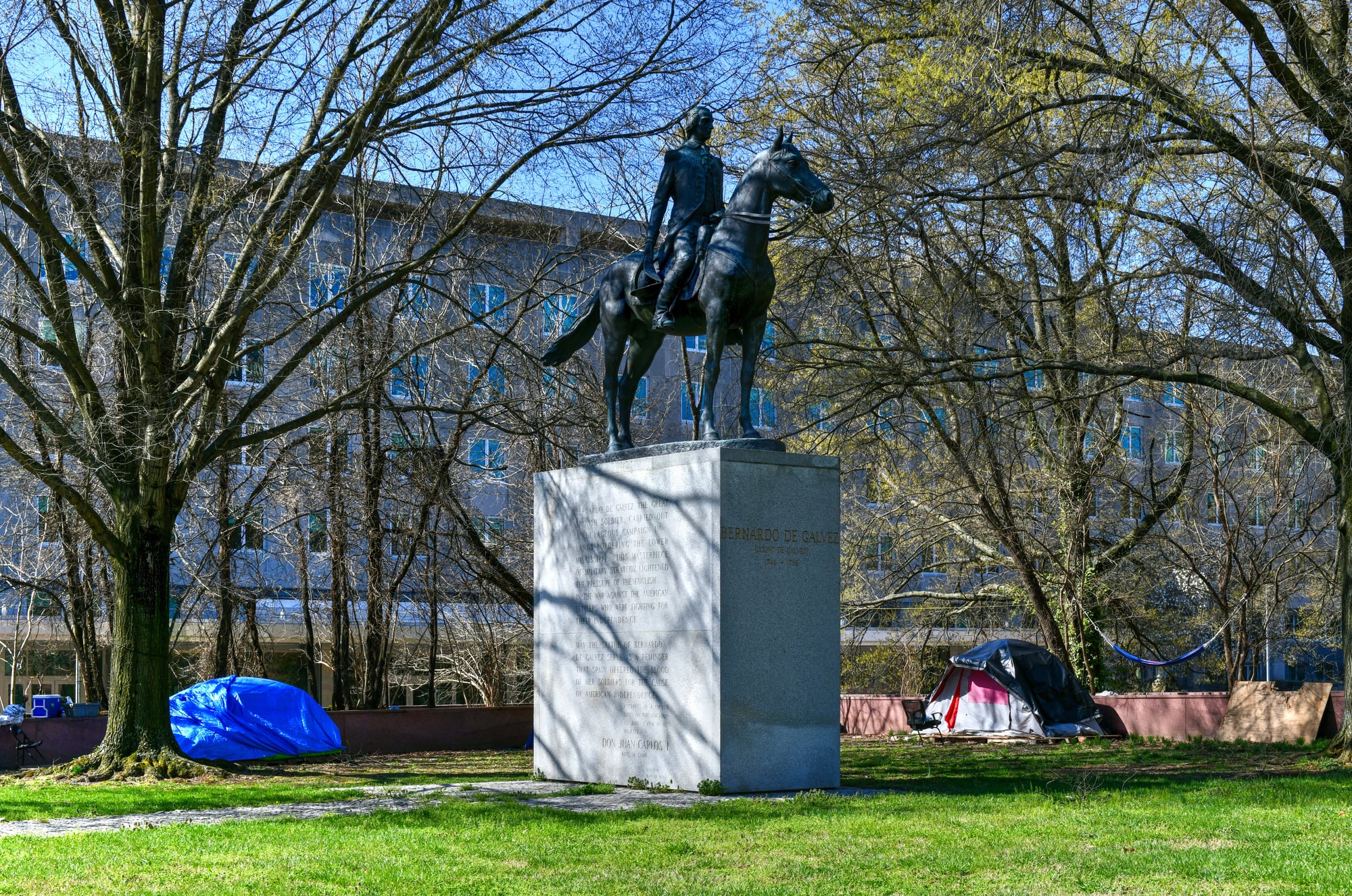
British forces burned significant parts of Washington, DC during the War of 1812, including the White House and the Capitol. They were preparing to continue when a violent storm — possibly a tornado or a hurricane — swept through the city with such force that it killed British soldiers, flattened buildings, tossed cannons, and effectively ended the assault.
The British withdrew. A senior British officer reportedly said that the storm was the most violent he had witnessed in his career.
The natural event did more to save Washington from complete destruction than any American defensive action.
The Battle Of Waterloo (1815)
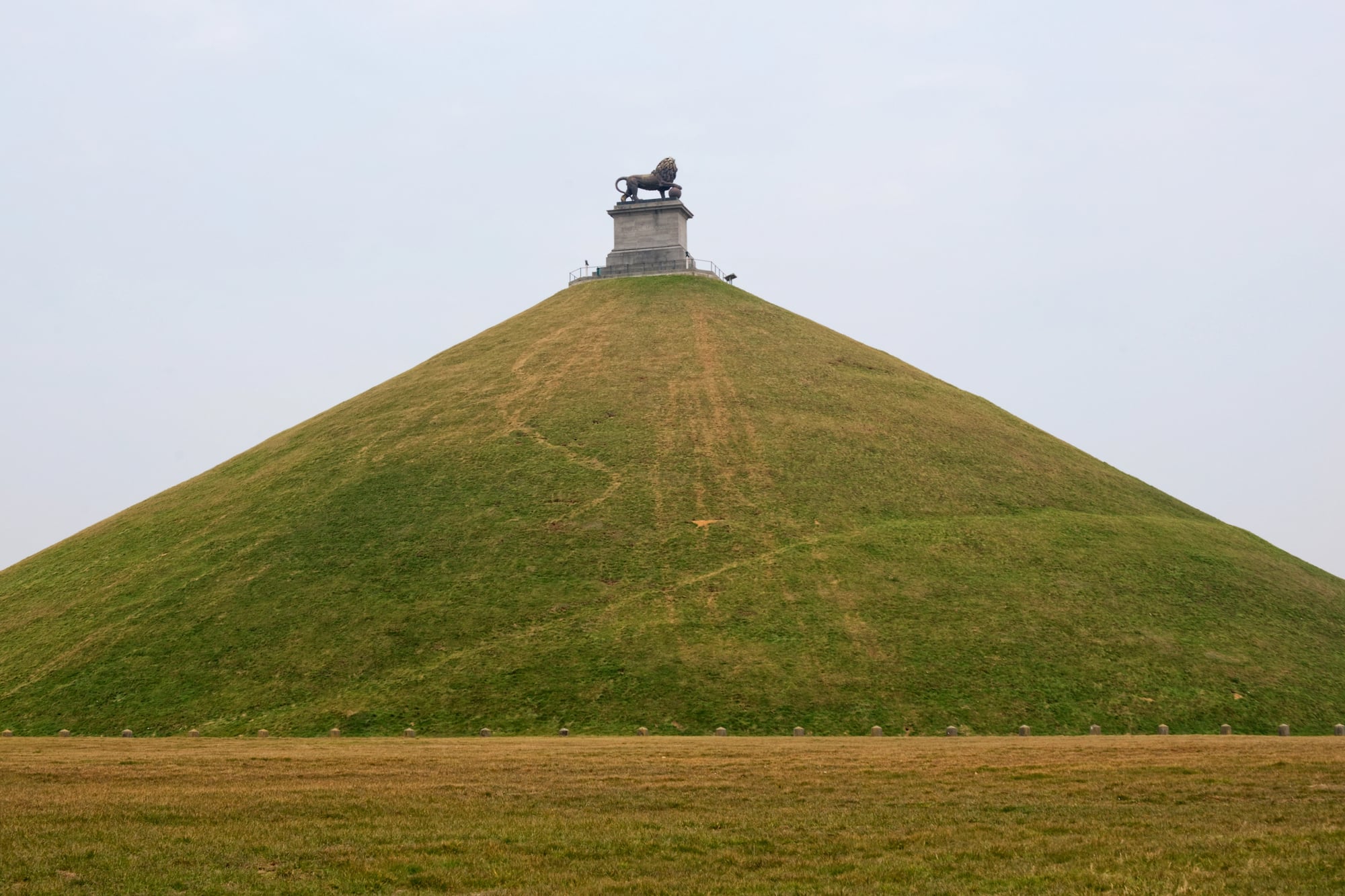
Napoleon’s defeat at Waterloo on 18 June 1815 has been attributed to many things. One of the most significant was the heavy rainfall on the evening of 17 June, which left the clay-rich soil too wet for Napoleon to launch his attack at dawn as planned.
He delayed until the ground was drier and the artillery could manoeuvre. That delay of several hours allowed the Prussian army under Blücher — which Napoleon had believed was too badly defeated at Ligny to intervene quickly — to arrive in time to reinforce Wellington’s battered line at a critical moment in the afternoon.
Had Napoleon attacked at dawn on dry ground, the Prussians would not have arrived in time. The rain cost him the battle.
The Battle Of Agincourt (1415)
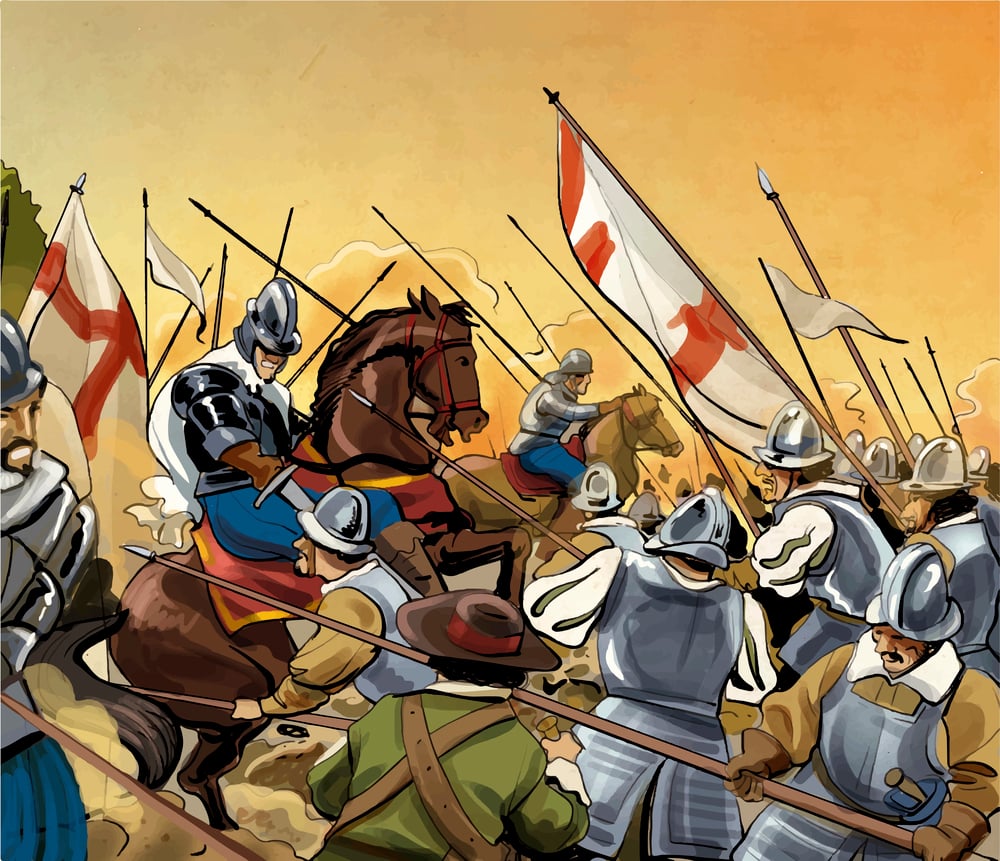
Henry V’s English army was outnumbered, exhausted, and suffering from disease when it faced the French at Agincourt. The French chose to advance across a narrow, newly ploughed field that had been drenched overnight by rain.
The heavy mud slowed their advance catastrophically, exhausted armoured knights before they could reach the English lines, and caused them to bunch together — making them dense targets for the English longbowmen. The French tactical decision to advance across that specific field in those specific conditions was not made by the English.
The English won one of the most unexpected victories in medieval history partly because the mud chose a side.
The Battle Of Tours/Poitiers (732)
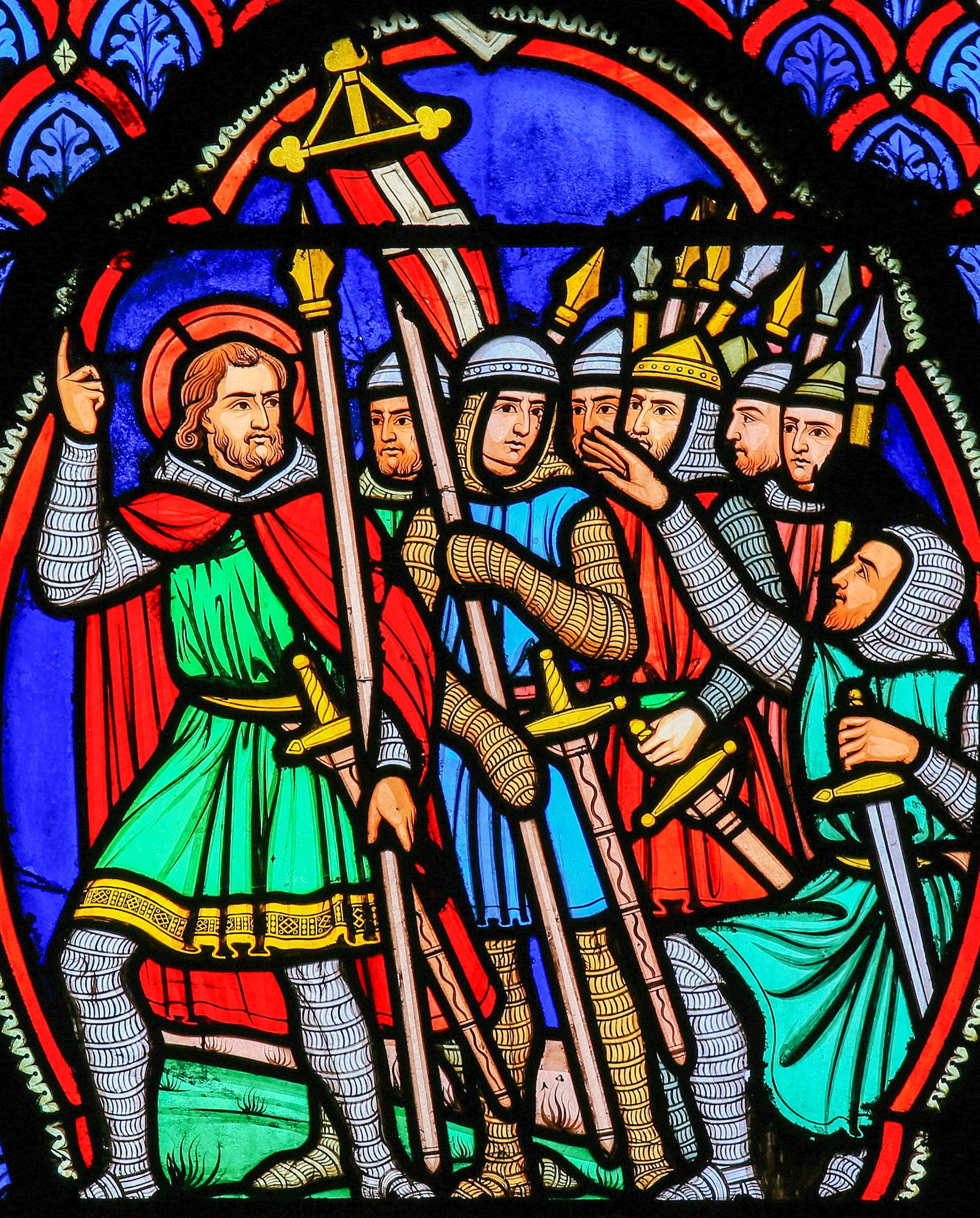
The Umayyad advance into the Frankish kingdom was halted at the Battle of Tours when the Umayyad commander Abd al-Rahman was killed during the fighting. His death shattered the coordination of the Muslim forces, which began to withdraw.
The Franks initially thought the withdrawal was a trap and did not pursue aggressively. By the following morning, the Umayyad army had retreated entirely.
Whether the battle truly “saved” Christian Europe from Muslim conquest — as it has often been framed — is contested by historians, but the pivotal role of a single commander’s death in determining the outcome is not.
The Capture Of The Remagen Bridge (1945)
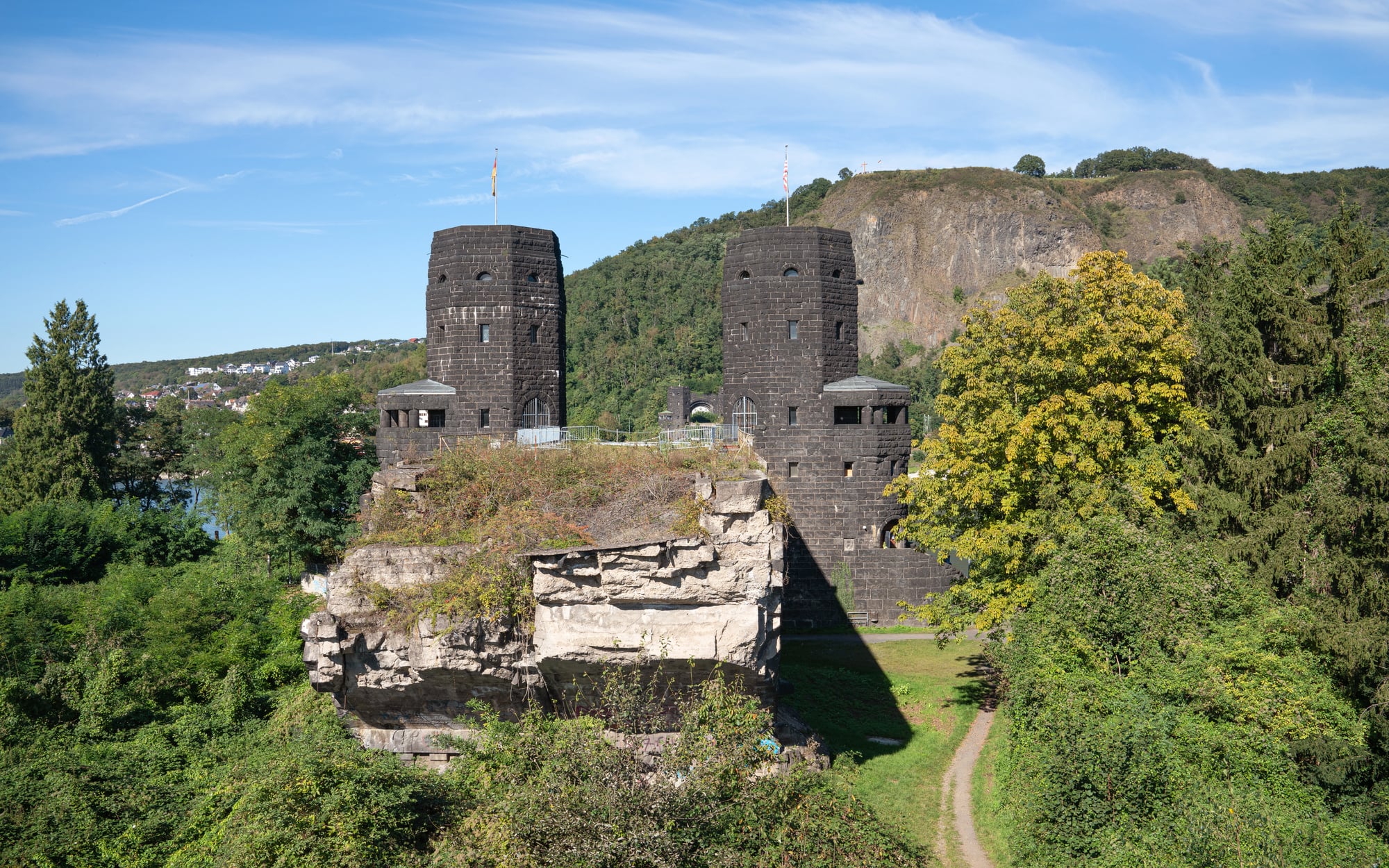
In March 1945, American forces advancing into Germany reached the Ludendorff Bridge at Remagen — one of the last intact bridges across the Rhine. German engineers had orders to destroy it.
The explosives were set. The detonation mechanism failed to produce the expected effect, and the bridge — though damaged — remained standing.
American troops crossed it within minutes. The foothold on the eastern bank of the Rhine allowed Allied forces to pour into Germany at a moment and location the German army had not anticipated defending.
General Eisenhower called it one of the most significant developments of the final phase of the war in Europe.
The Battle Of Crécy (1346)
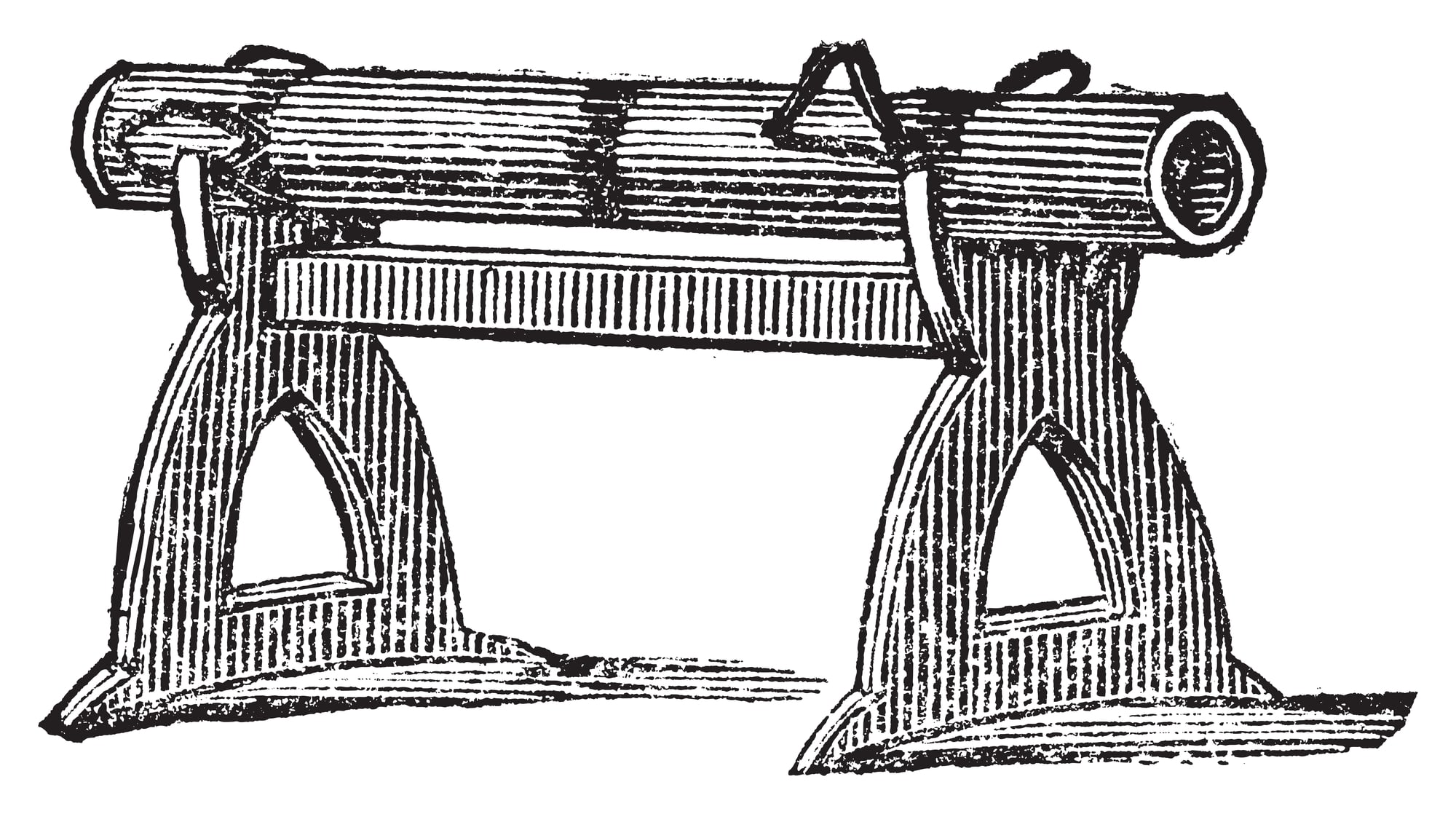
The English longbowmen at Crécy had a technical advantage, but the decisive factor in the French cavalry’s destruction was that the Genoese crossbowmen hired by the French — who were supposed to screen the cavalry advance and weaken the English position — were ineffective because their crossbow strings had become wet and lost tension during a rain shower shortly before the battle.
The Genoese fired weakly, were ordered forward anyway by impatient French knights, and were then ridden down by the French cavalry when they tried to fall back. The English archers then had a clear run at the disorganised cavalry.
A change in the weather minutes before the battle destroyed the French tactical plan before it began.
The Battle Of Tsushima (1905)
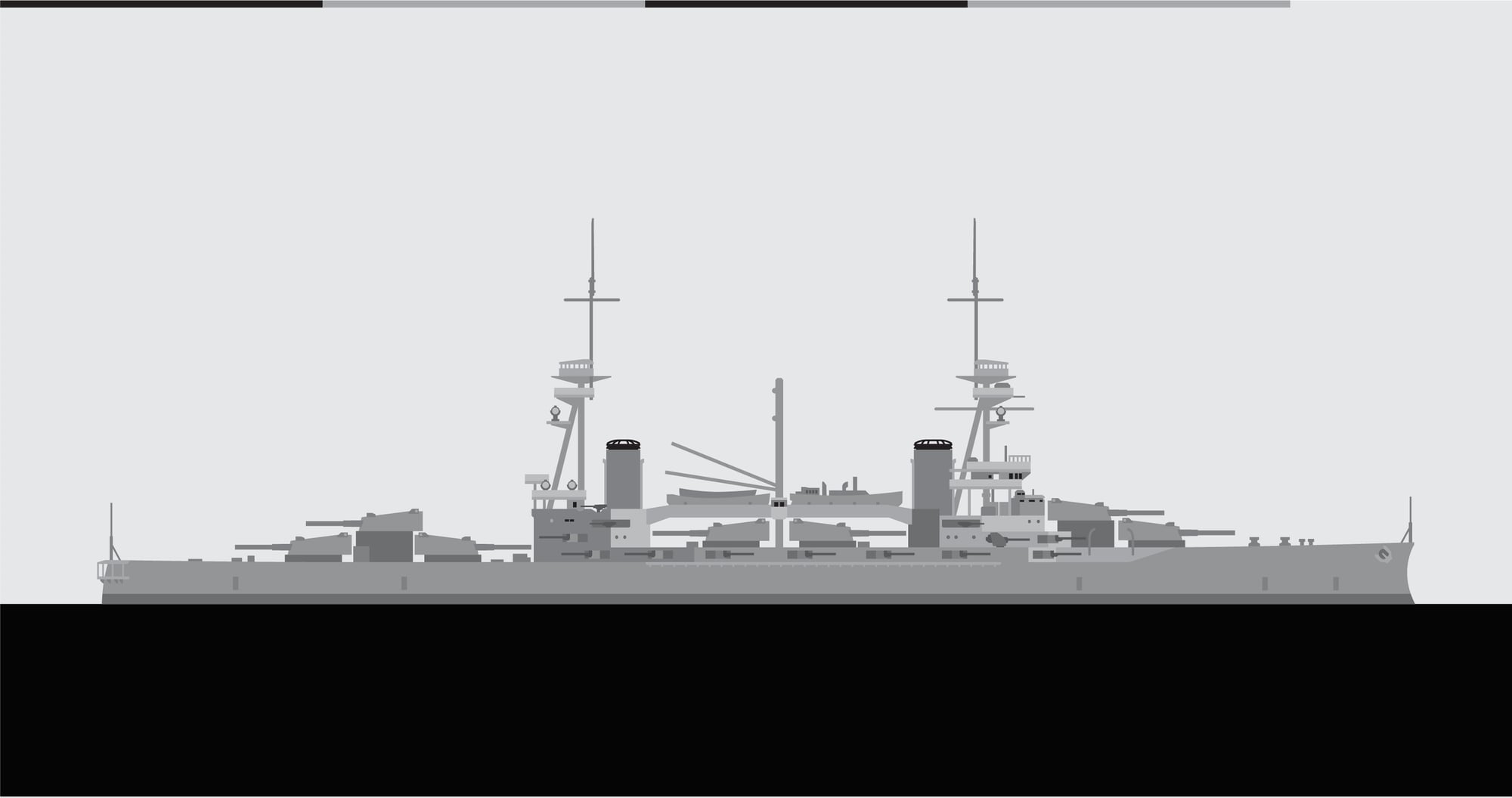
The Russian Baltic Fleet’s catastrophic defeat by Japan at the Battle of Tsushima in 1905 was partly strategic, but the Russian command’s confusion was compounded by one of the stranger accidents in naval history: the fleet’s searchlights, deployed at night to detect torpedo boats, also illuminated the fleet to Japanese attackers.
The searchlights were turned on and off erratically, creating confusion among the Russian ships themselves. The Japanese fleet, fighting in familiar waters, closed in on a fleet that had sailed most of the way around the world and was in a state of exhaustion and disorganisation that no amount of tactical genius could have overcome.
The Battle Of Jutland (1916)
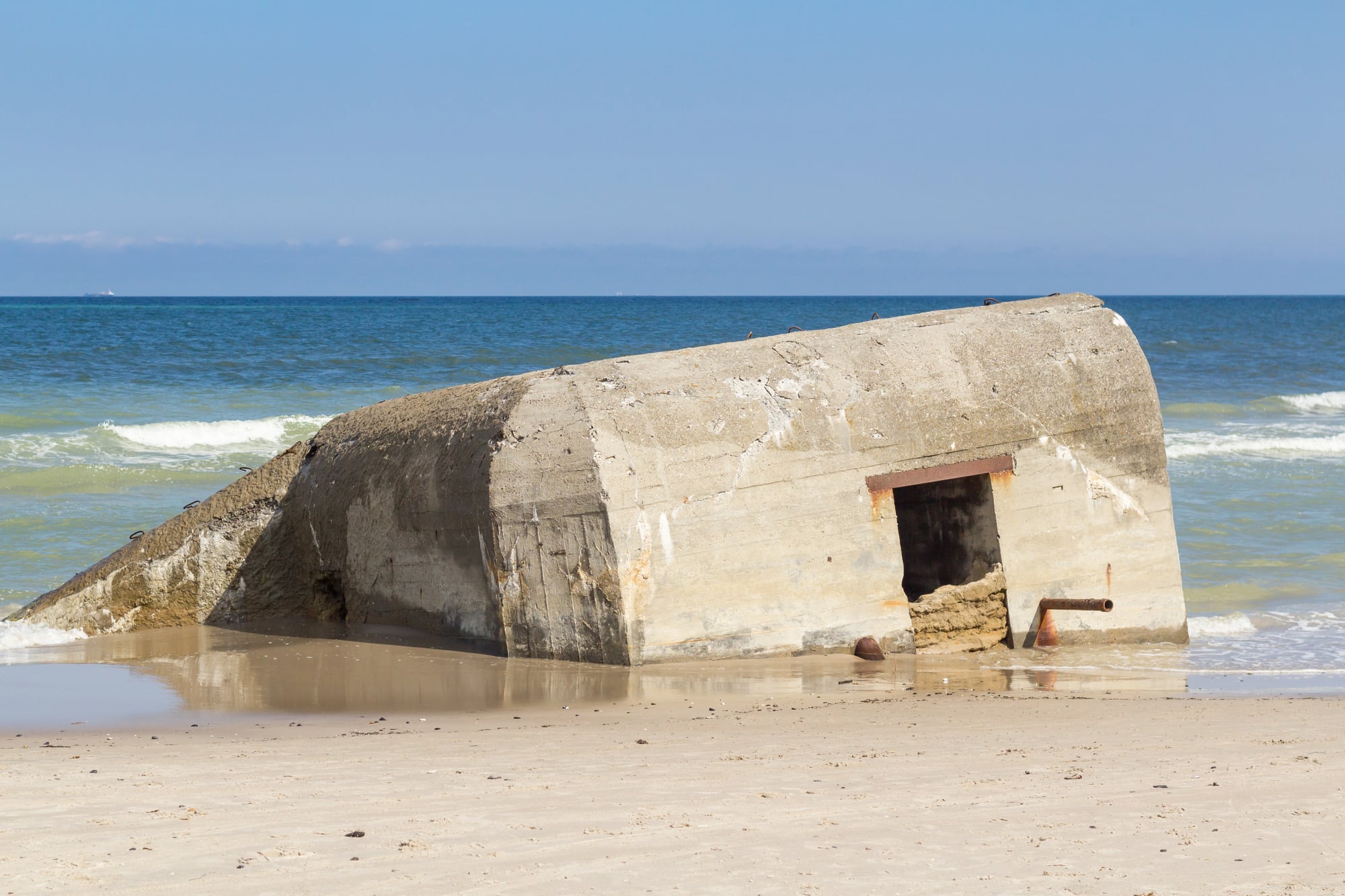
The largest naval battle of the First World War is famous for its ambiguous outcome and for the numerous occasions on which better German gunnery — and worse British luck — produced British losses that should, statistically, have been decisive.
HMS Invincible exploded when a shell penetrated a turret and detonated the magazine. HMS Indefatigable exploded for the same reason within minutes.
HMS Queen Mary, hit during the same phase of the battle, exploded so catastrophically that only nine of her 1,266 crew survived. The German shells that hit these ships did so at angles and in locations that no German commander had planned for.
The difference between a catastrophic British defeat and the ambiguous outcome that actually occurred was largely a matter of which ships the shells happened to hit.
The Battle Of Adwa (1896)
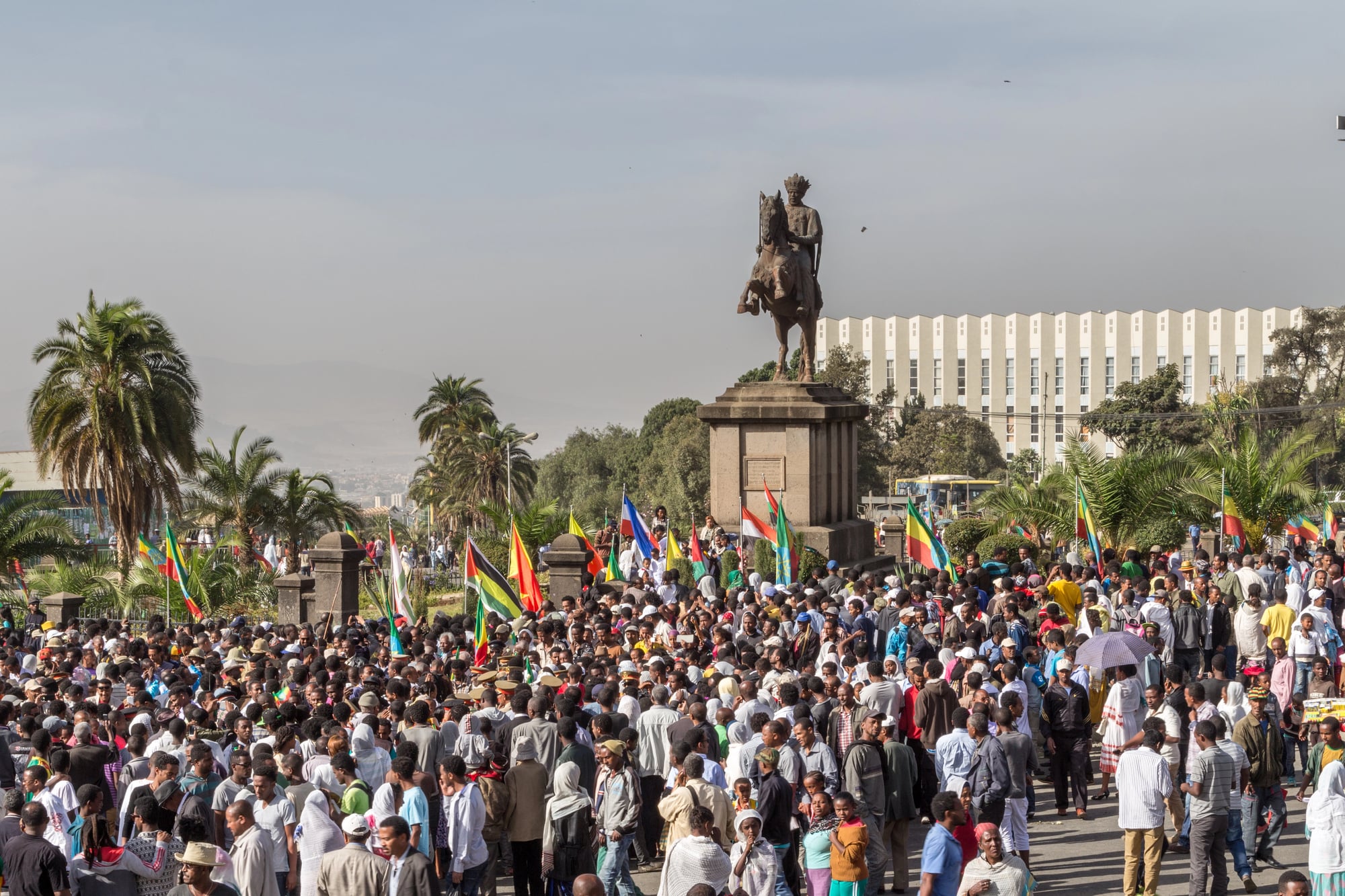
The Ethiopian defeat of the invading Italian army at Adwa is rightly celebrated as a remarkable military victory — but it was significantly assisted by the Italian plan for the battle unravelling almost immediately because the three Italian columns advancing on separate routes used maps with different scales and orientations.
The columns became separated by much larger distances than intended, allowing Ethiopian forces to engage them individually rather than as a coordinated whole. The maps — poor, inconsistent, and in some cases simply wrong — were as responsible for the Italian catastrophe as Ethiopian courage and tactical skill.
The Battle Of Britain (1940)
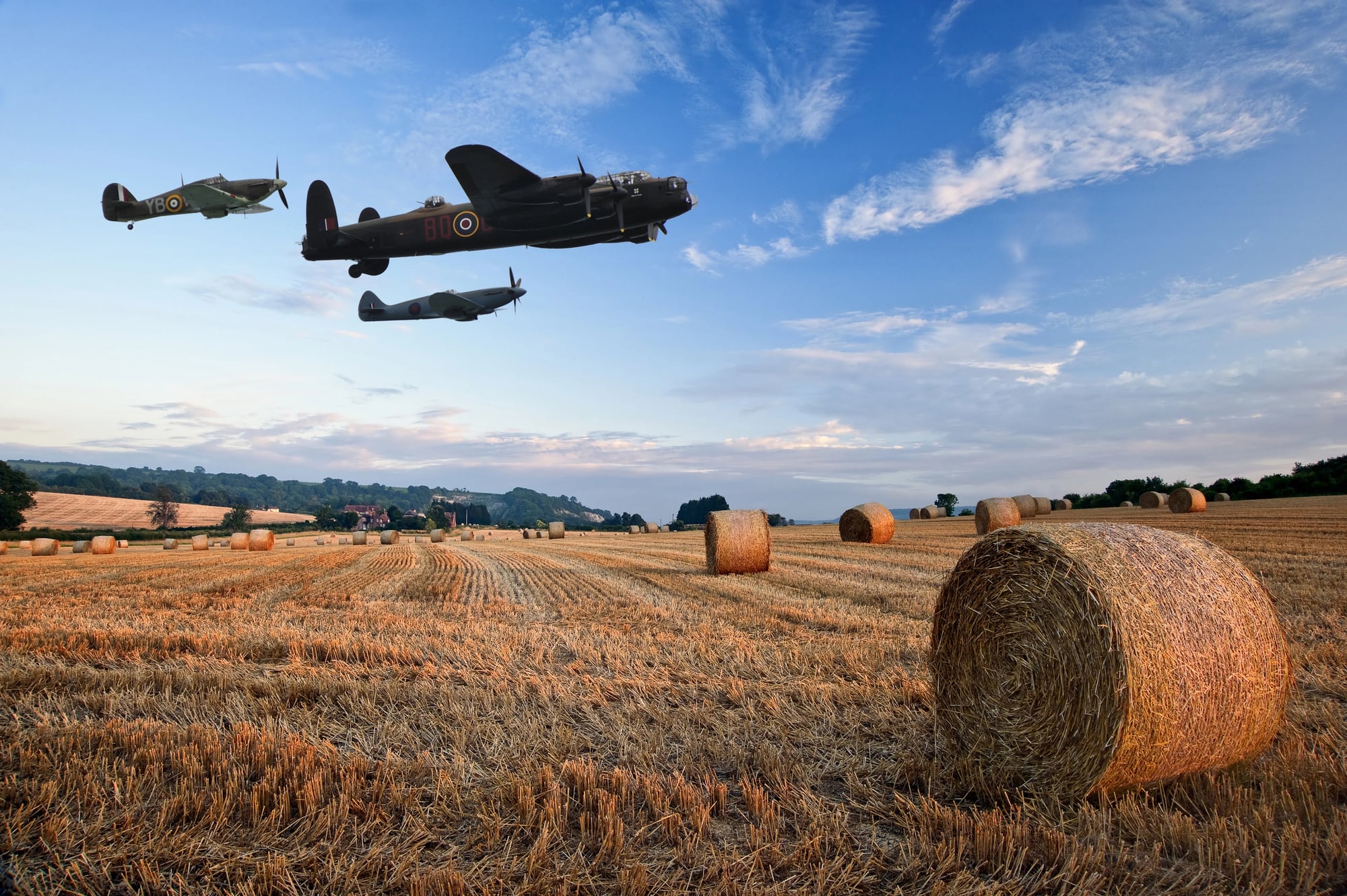
The German Luftwaffe came very close to neutralising the Royal Air Force in August and early September 1940 by focusing attacks on RAF airfields and radar stations. Then, on the night of 24–25 August, German bombers accidentally dropped bombs on London — violating Hitler’s standing order not to bomb civilian targets in the capital.
Churchill ordered retaliatory raids on Berlin. Hitler, infuriated, ordered the Luftwaffe to switch to bombing London and civilian targets.
That switch gave Fighter Command the time to repair its battered airfields and replenish its pilots. The accident of those misplaced bombs in August arguably saved the RAF.
The Battle Of Teutoburg Forest (9 CE)

Three Roman legions — roughly 15,000 to 20,000 soldiers — were ambushed and annihilated in the forests of Germania in 9 CE by Germanic tribes led by Arminius.
The catastrophe was built on a betrayal that Roman intelligence had failed to detect, but the tactical element of luck ran deeper: the Roman commander Publius Quinctilius Varus ignored multiple warnings that an ambush was being planned.
He had also significantly misjudged the terrain, leading a column of men, wagons, and camp followers through narrow forest paths during heavy rain.
The ambush was devastating precisely because the Romans had placed themselves in a position from which no tactical genius could have extracted them. The Rhine became the permanent eastern border of the Roman Empire partly because of that one rainy march.
The Battle Of Fleurus (1794)
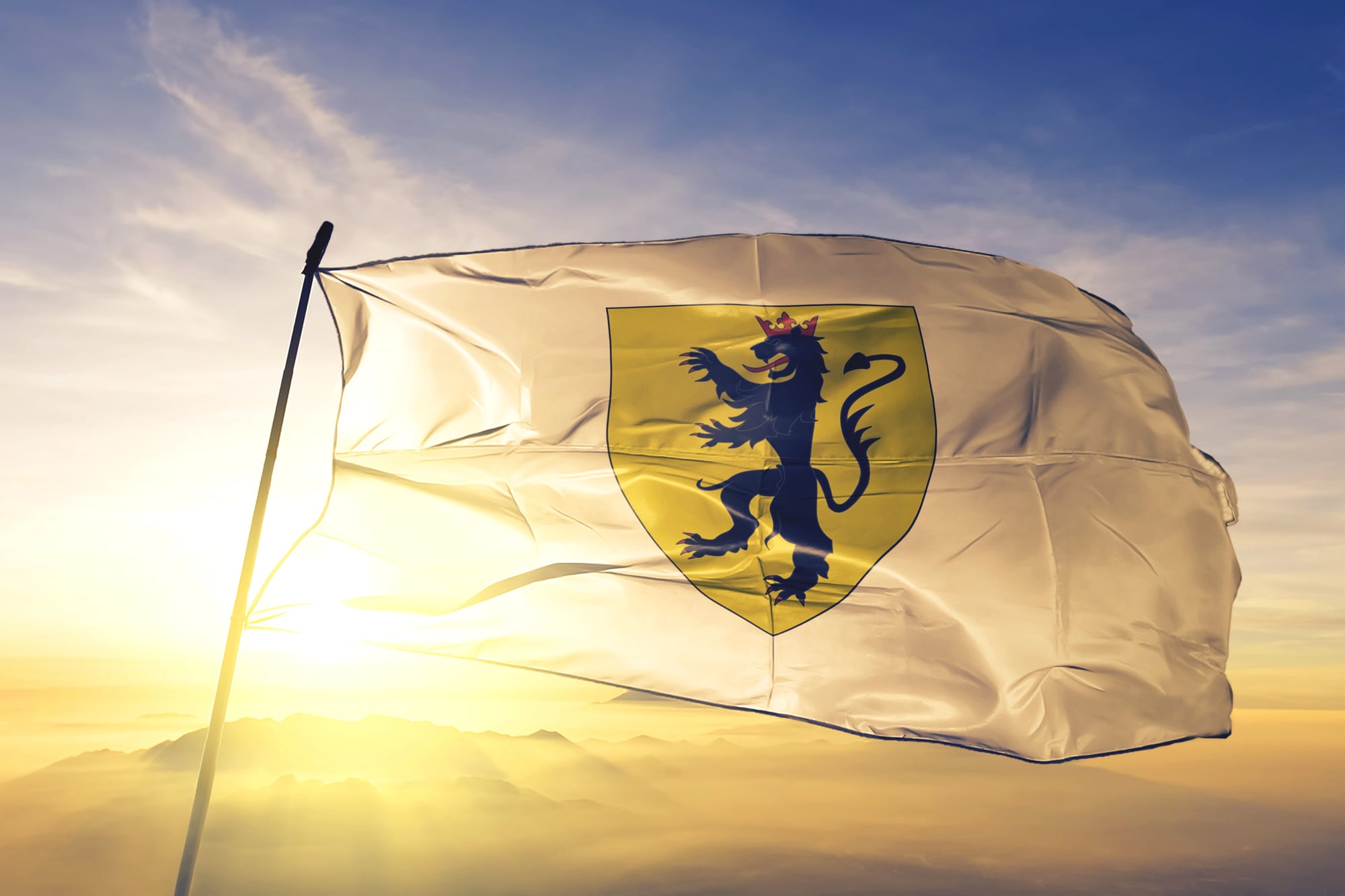
The Battle of Fleurus in June 1794, in which French Revolutionary forces defeated the Austrian army, featured the first military use of a hot air balloon for battlefield observation.
The French used a tethered observation balloon called L’Entreprenant to observe Austrian troop movements and relay information via flag signals to commanders below.
This was not luck in the conventional sense, but the Austrian commanders had no prepared response to being observed from above for the first time in military history. The tactical intelligence the French derived from aerial observation gave them an advantage that the Austrians, accustomed to fighting in a world without airborne observation, had no framework to counter.
The Fall Of Constantinople (1453)
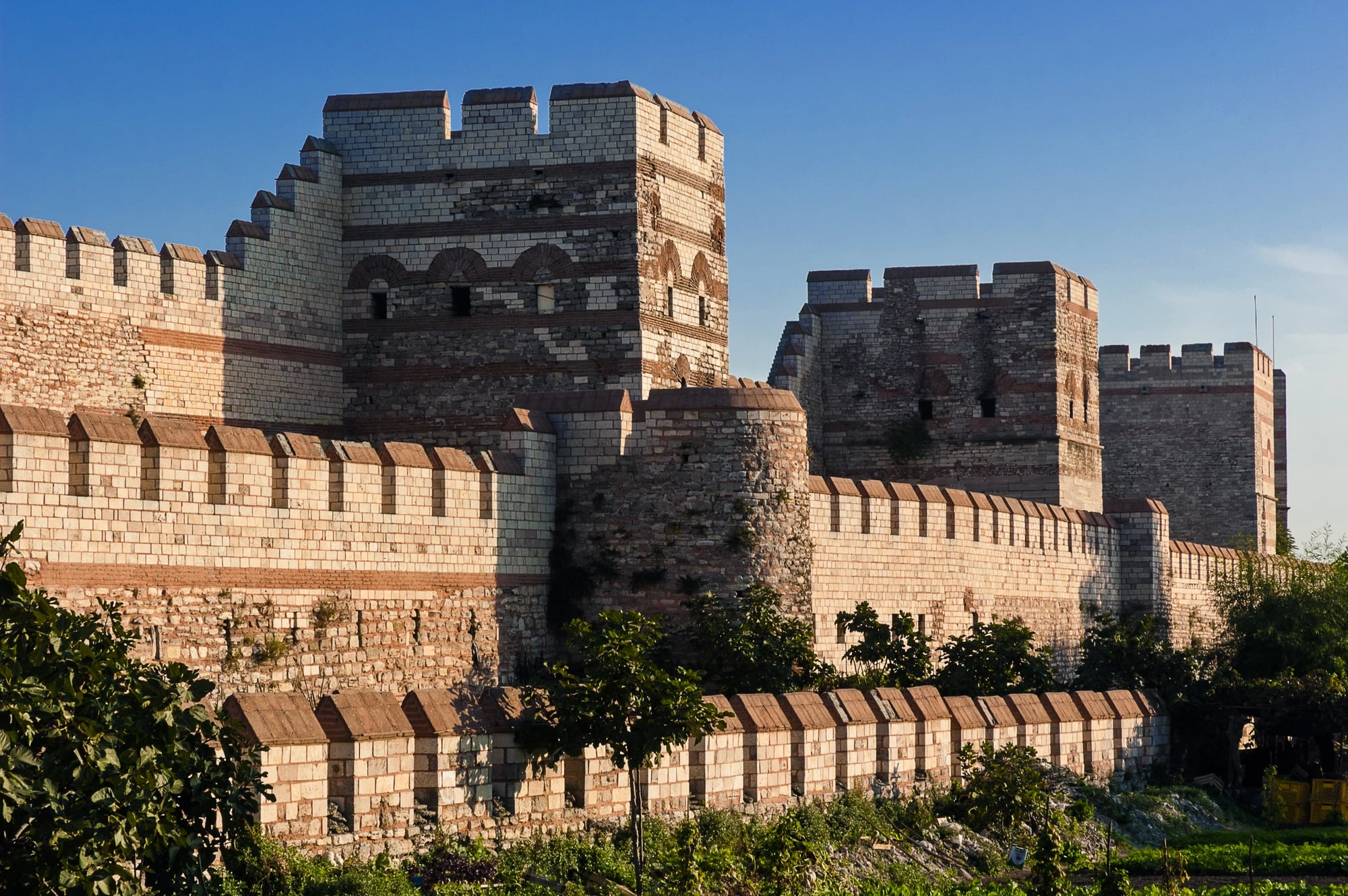
The Ottoman siege of Constantinople succeeded on 29 May 1453 partly through military superiority, but one specific circumstance was decisive: a small gate in the city’s outer wall, the Kerkoporta, was left open or inadequately secured during the fighting.
Ottoman troops found it, entered the inner defensive zone, and the Byzantine defence collapsed rapidly once word spread that Ottomans were already inside the walls.
Whether the gate was left open by accident, by traitors, or by a misunderstanding of orders has never been definitively established. The city that had resisted sieges for a thousand years fell in part because of a gate that should have been shut.
The Battle Of Antietam (1862)
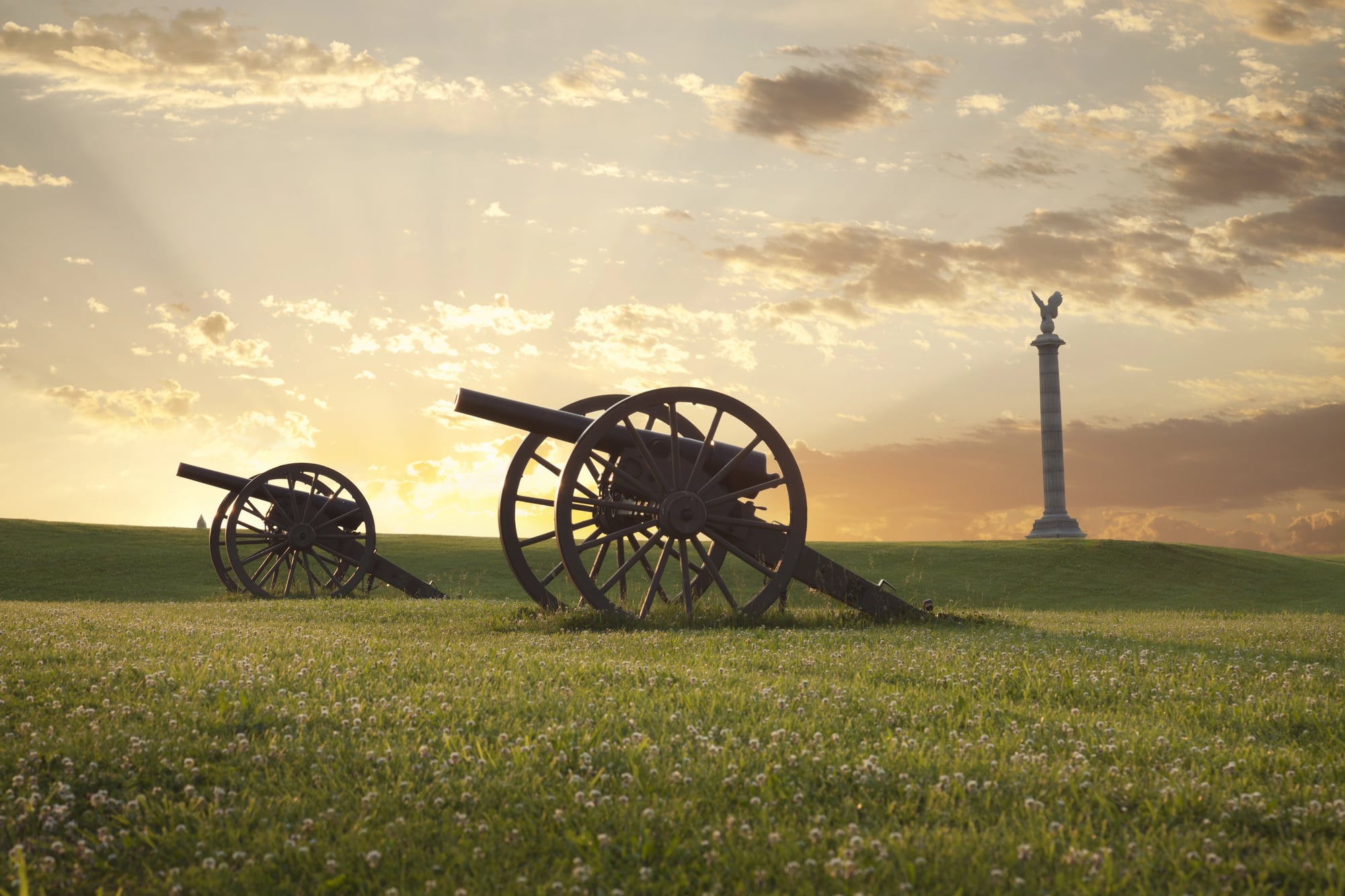
On 9 September 1862, a Confederate soldier or officer dropped three cigars wrapped in paper near Frederick, Maryland, while the Army of Northern Virginia was moving through. The paper turned out to be a copy of Robert E. Lee’s Special Order 191, detailing the entire Confederate plan of campaign.
A Union soldier found it and delivered it to General George McClellan. McClellan received advance knowledge of Lee’s plans and still failed to exploit the advantage decisively — but the subsequent battle at Antietam was the bloodiest single day in American military history and was considered enough of a Union victory that Lincoln used it as the occasion to issue the Emancipation Proclamation.
History pivoted on three dropped cigars.
The Battle Of Leyte Gulf (1944)
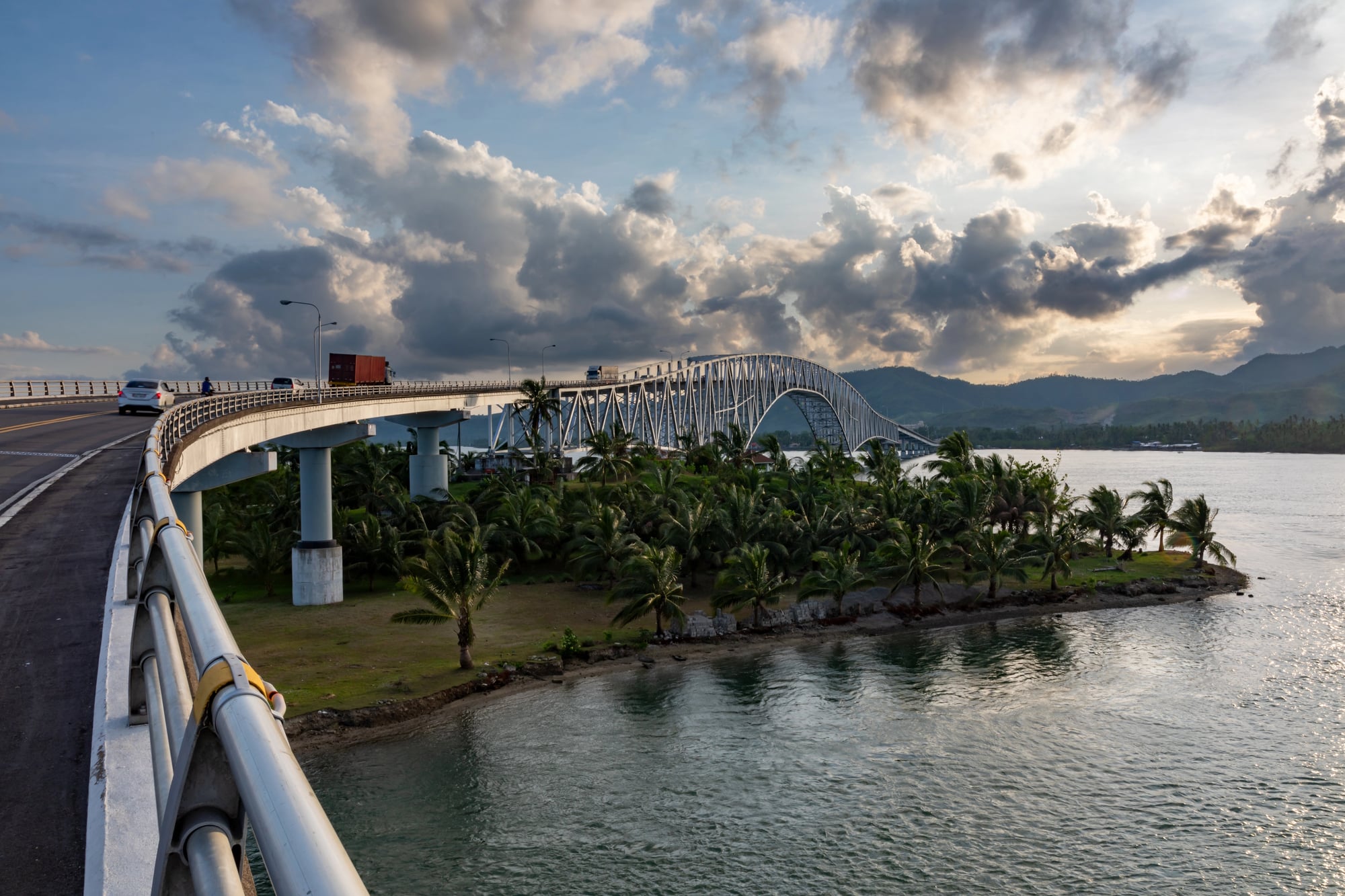
The largest naval battle in history hinged, at a critical moment, on a misunderstanding. After the Japanese Centre Force under Admiral Takeo Kurita reversed course and turned away from the San Bernardino Strait — apparently losing his nerve — he then inexplicably returned and passed through the strait to attack a group of American escort carriers off Samar.
The American carriers’ crews, realising they faced battleships and cruisers with nothing but their escorts for protection, fought with astonishing ferocity. Then Kurita, apparently believing he faced major fleet units rather than escort carriers, and possibly confused by the chaotic battle, withdrew again.
He left without completing the attack. His decision remains one of the most debated command choices of the war, and the outcome — American survival — owed as much to his confusion as to American resistance.
War And The Accident That Changed Everything
What these battles share is not poor planning on one side or genius on the other, but the decisive role of something that fell outside the control of any commander: a fog that appeared at 4 am, a set of orders that fell out of someone’s pocket, a gate left ajar in a wall that had stood for a thousand years, an explosion that happened when a rival admiral’s horse stumbled.
Military history is full of these moments, and the great commanders knew it.
What separates the genuinely skilled from the merely lucky is not the absence of luck but the ability to exploit it instantly when it appears. McClusky spotted a single destroyer and made a decision in seconds.
Wellington’s line held long enough for the Prussians to arrive. But in each case, the decisive factor came from outside the battle plan — and if it had landed differently, the history books would tell a completely different story.
More from Go2Tutors!

- The Romanov Crown Jewels and Their Tragic Fate
- 13 Historical Mysteries That Science Still Can’t Solve
- Famous Hoaxes That Fooled the World for Years
- 15 Child Stars with Tragic Adult Lives
- 16 Famous Jewelry Pieces in History
Like Go2Tutors’s content? Follow us on MSN.