27 Historical Figures Left Out of Textbooks
History textbooks have limited pages and a narrow list of names they return to again and again, which means entire categories of consequential people rarely make the cut. Some were erased for their race, gender, or who they loved; others simply had the misfortune of standing next to someone more famous.
These are figures whose actions shaped real events but whose names rarely appear in a classroom.
Bayard Rustin
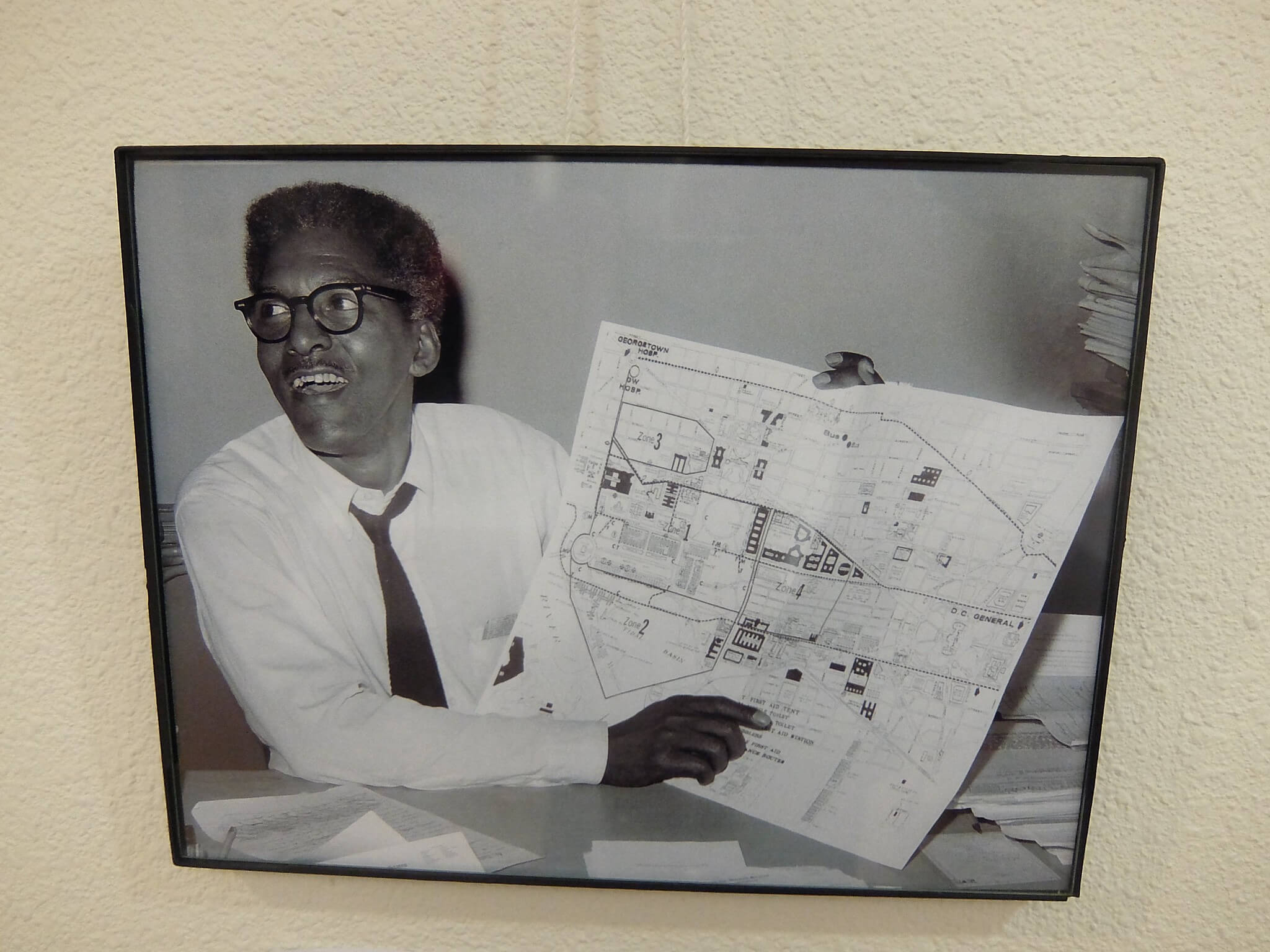
Bayard Rustin organized the 1963 March on Washington, the same event where Martin Luther King Jr. delivered his “I Have a Dream” speech, yet Rustin worked largely behind the scenes because he was openly gay at a time when that made him a liability to some civil rights leaders. He had studied Gandhian nonviolent resistance firsthand in India and brought those tactics directly into the American civil rights movement.
President Obama posthumously awarded him the Presidential Medal of Freedom in 2013.
Claudette Colvin
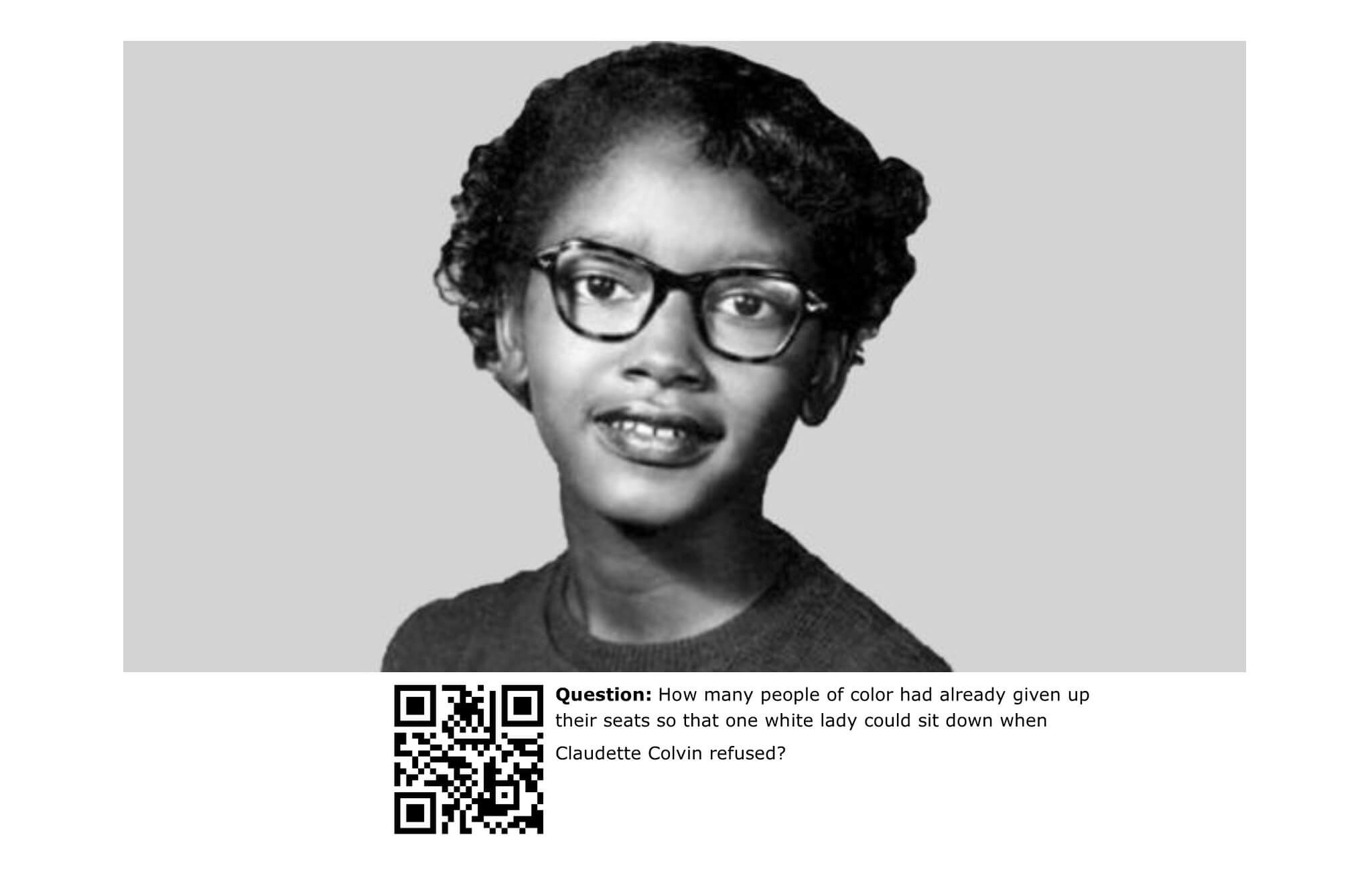
Nine months before Rosa Parks became the face of the Montgomery bus boycott, 15-year-old Claudette Colvin was arrested for refusing to give up her seat on a segregated bus in Montgomery, Alabama. Civil rights organizers ultimately chose not to build their public campaign around her case, partly because she was a pregnant teenager and considered a less sympathetic symbol than Parks.
Colvin later served as one of the plaintiffs in Browder v. Gayle, the federal case that actually ended bus segregation in Montgomery.
Mary Seacole
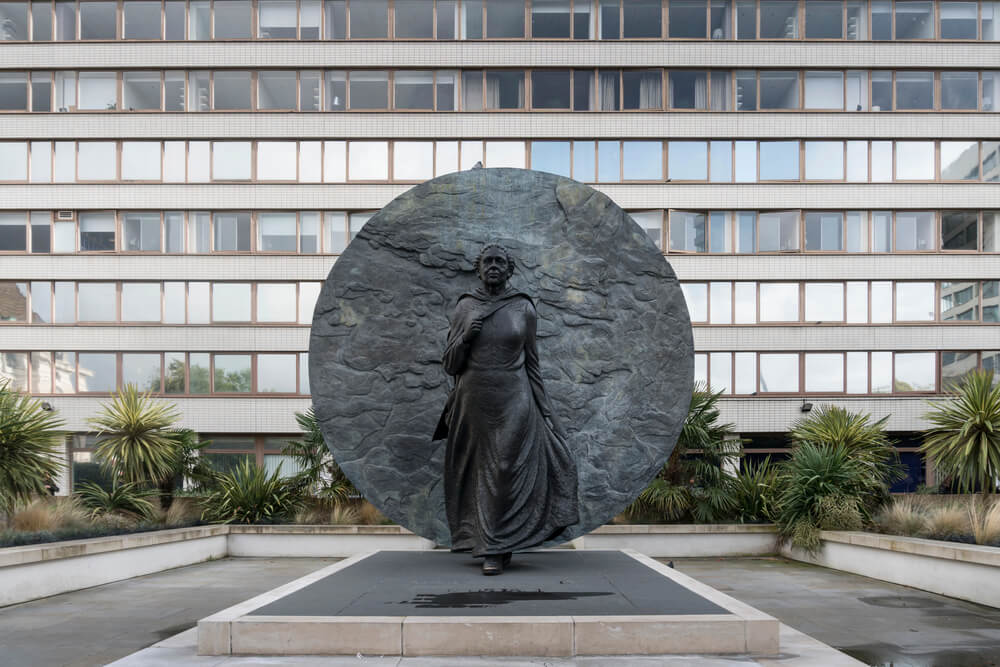
Mary Seacole, a Jamaican-Scottish nurse and businesswoman, funded her own trip to the Crimean War after the British War Office rejected her offer to help, then built a hotel near the front lines where she treated wounded soldiers from both sides. She used traditional Caribbean and West African medical knowledge alongside contemporary techniques, and soldiers reportedly valued her care as highly as Florence Nightingale’s.
She was voted the greatest Black Briton in a 2004 poll, yet remains largely absent from standard nursing history curricula.
Yasuke
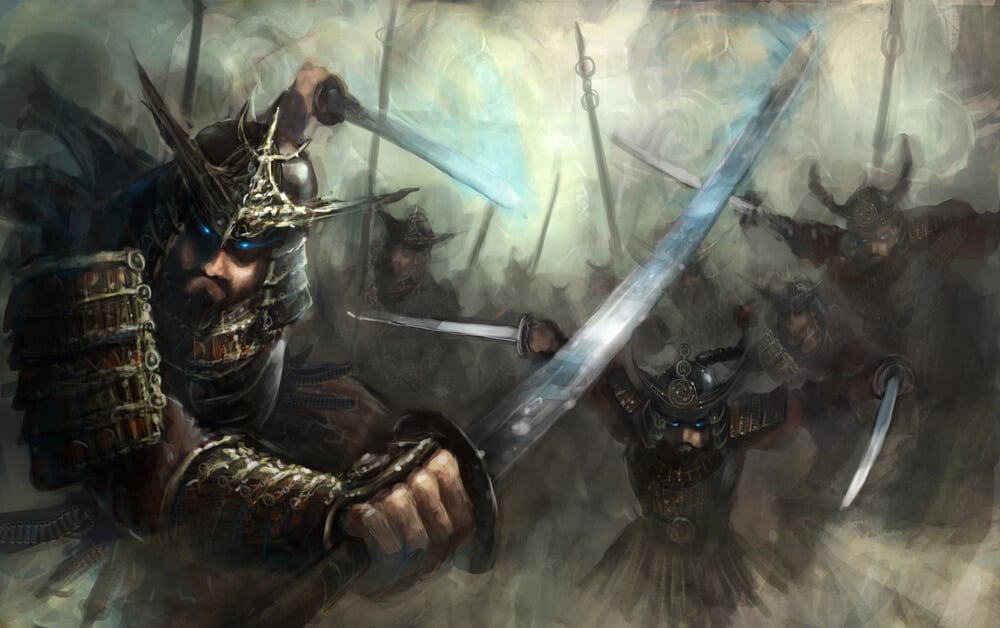
Yasuke arrived in Japan in the late 16th century as an enslaved African man serving a Jesuit missionary, and warlord Oda Nobunaga was so struck by him that he granted Yasuke the status of samurai, a rank almost never given to a foreigner. Japanese court records describe Nobunaga’s fascination with Yasuke’s height and strength, and he fought alongside Nobunaga’s forces until his lord’s death in 1582.
His life has been reconstructed almost entirely from Jesuit and samurai-era Japanese records, since he left no writings of his own.
Noor Inayat Khan
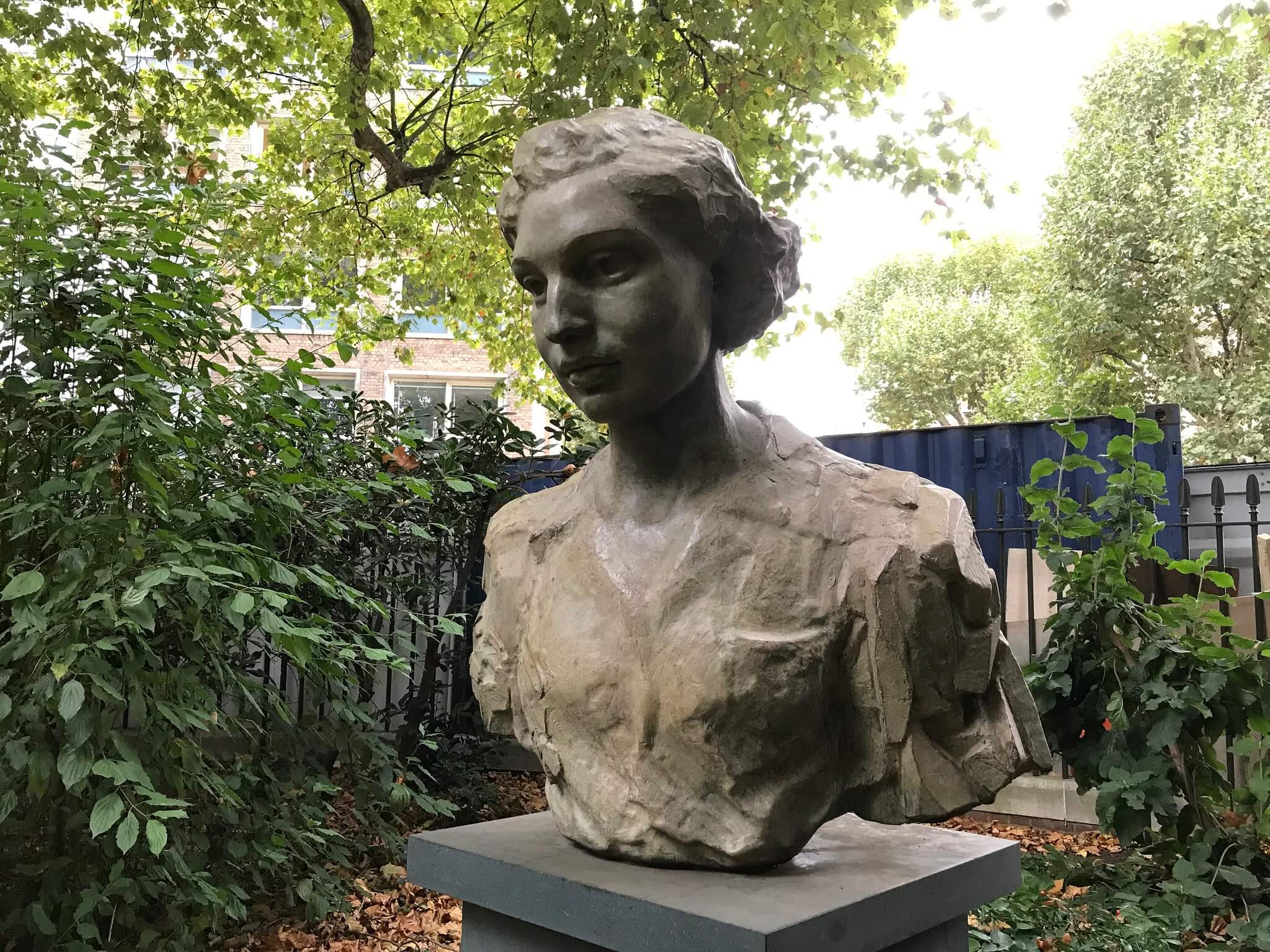
Noor Inayat Khan was a descendant of Indian royalty and a children’s author before she became a radio operator for Britain’s Special Operations Executive during World War II, one of the most dangerous jobs in the resistance network. She continued transmitting messages from Nazi-occupied Paris even after her entire network was compromised, single-handedly running what had been an operation of several agents.
She was captured, tortured, and executed at Dachau in 1944, and was posthumously awarded the George Cross.
Marsha P. Johnson
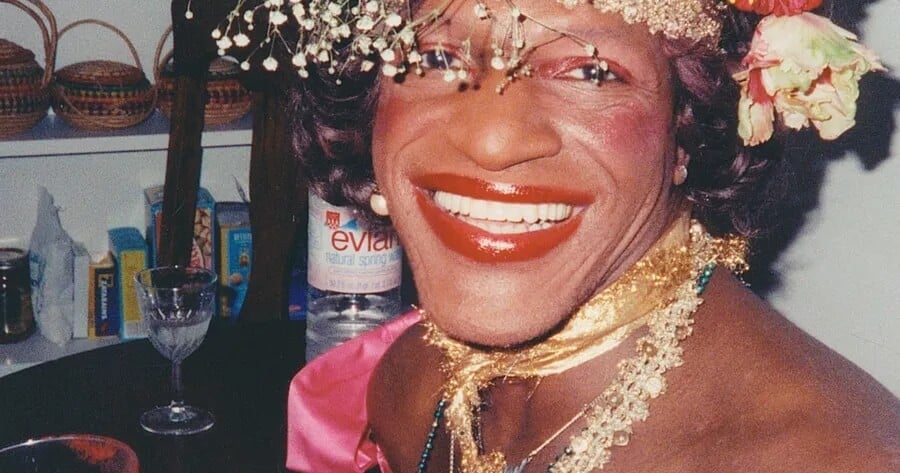
Marsha P. Johnson was a fixture of the 1969 Stonewall uprising, the confrontation with police widely credited as a catalyst for the modern LGBTQ rights movement, and went on to co-found an organization providing housing for homeless queer youth in New York City. She worked as a drag performer, activist, and model, including sitting for Andy Warhol.
Her 1992 death was initially closed by police without a thorough homicide investigation, despite questions raised by friends and activists, and the case was only reopened for renewed investigation decades later.
Sybil Ludington
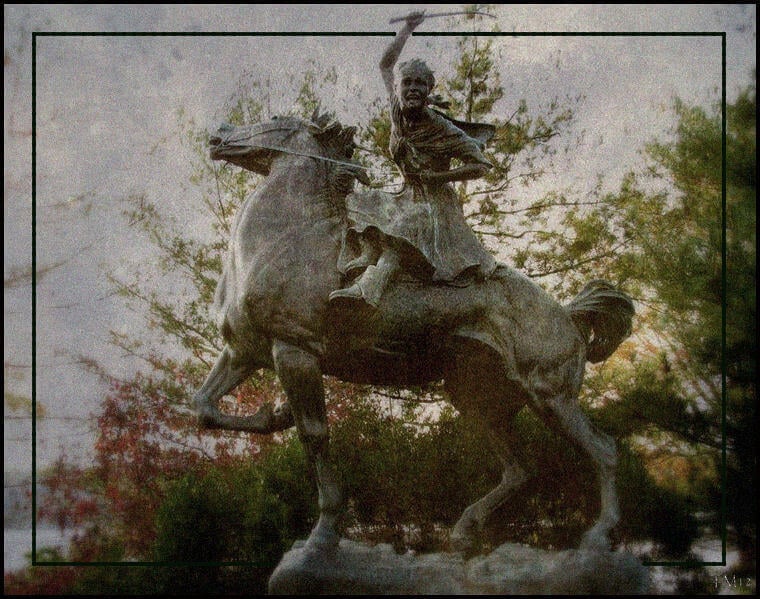
At 16 years old, Sybil Ludington rode roughly 40 miles through the New York countryside at night in 1777 to warn militia forces of an approaching British attack, nearly twice the distance of Paul Revere’s more famous ride. Her father commanded the local militia, and her warning is credited with helping assemble troops in time to respond.
Her story survives mainly through family and local historical accounts rather than the kind of contemporary documentation that cemented Revere’s ride in popular memory.
Garrett Morgan
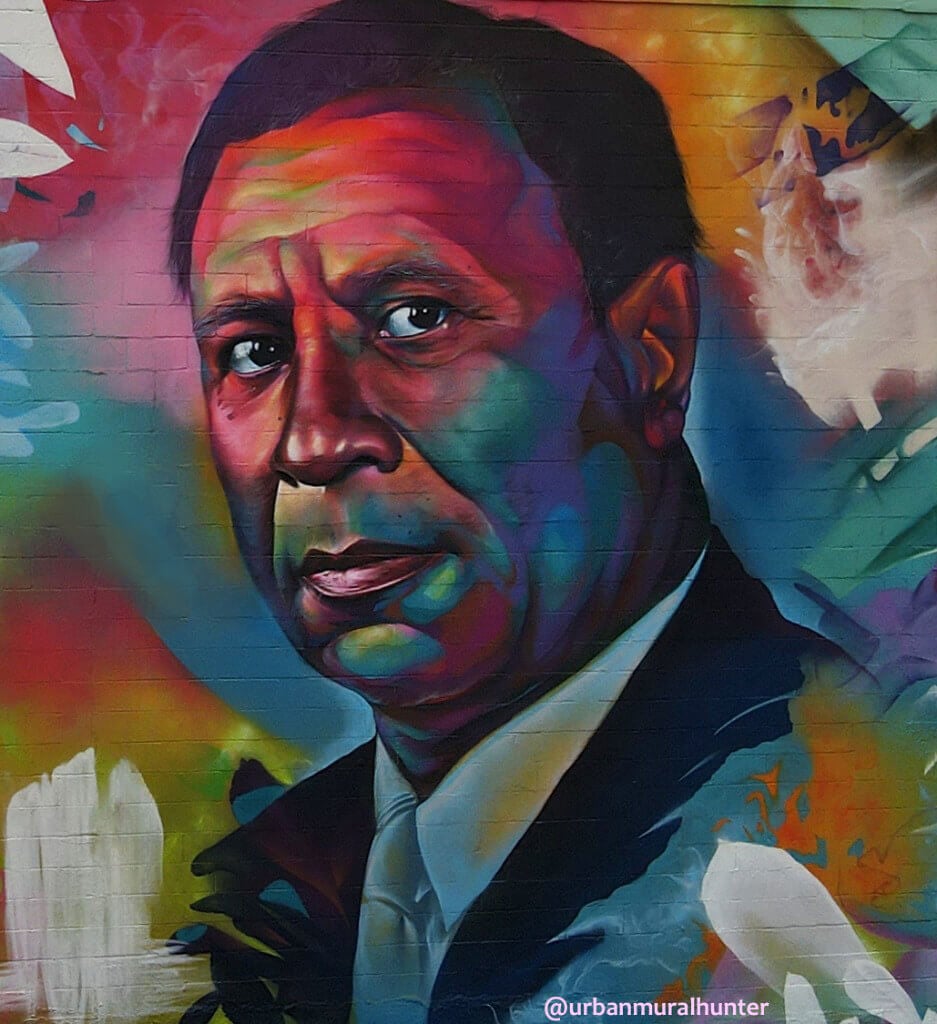
Garrett Morgan, the son of formerly enslaved parents, patented an early three-position traffic signal in 1923 and a safety hood that became a precursor to the modern gas mask, which he used to personally rescue workers trapped in a tunnel disaster beneath Lake Erie. Despite the rescue making national news, some newspapers and product buyers were reluctant to credit or purchase from a Black inventor, and Morgan sometimes had white associates present his inventions to potential clients.
His traffic signal design influenced standardized signals still used at intersections today.
Ching Shih
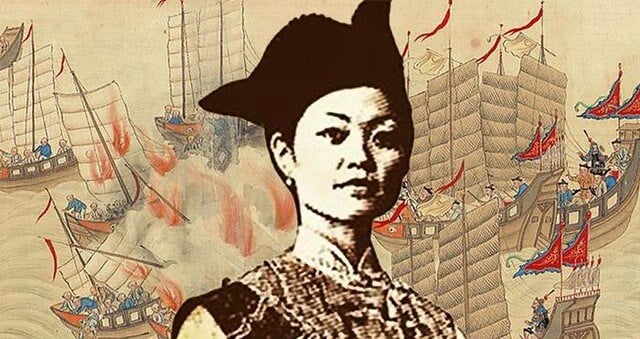
Ching Shih commanded a pirate confederation of an estimated 1,800 vessels and up to 80,000 sailors off the coast of China in the early 19th century, making her fleet larger than most national navies of the era. She rose from working on a boat to marrying a pirate leader and taking full command of the fleet after his death, eventually negotiating an amnesty with the Chinese government that let her retire wealthy and free.
Her scale of command remains largely unmatched by any pirate figure more commonly taught in Western classrooms.
Mary Anning
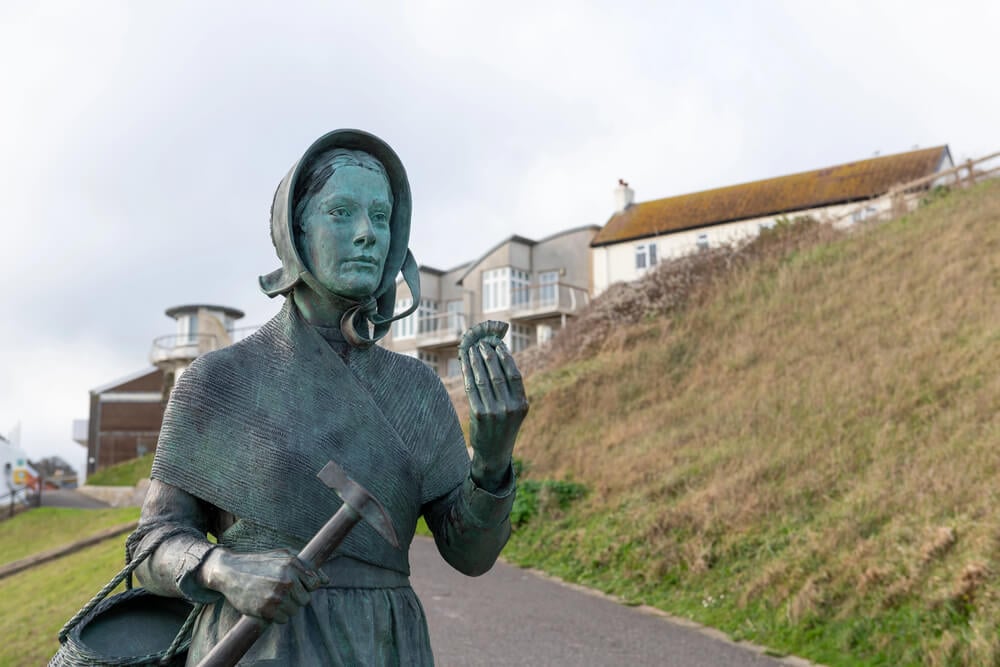
Mary Anning, a self-taught fossil hunter from a poor family in Lyme Regis, England, discovered some of the first complete ichthyosaur and plesiosaur skeletons in the early 19th century, discoveries that helped establish the foundations of modern paleontology. Because she was a woman without formal scientific standing, male geologists frequently published and received credit for specimens she found, described, and prepared herself.
The Natural History Museum in London has only in recent decades worked to formally credit her contributions.
Bass Reeves
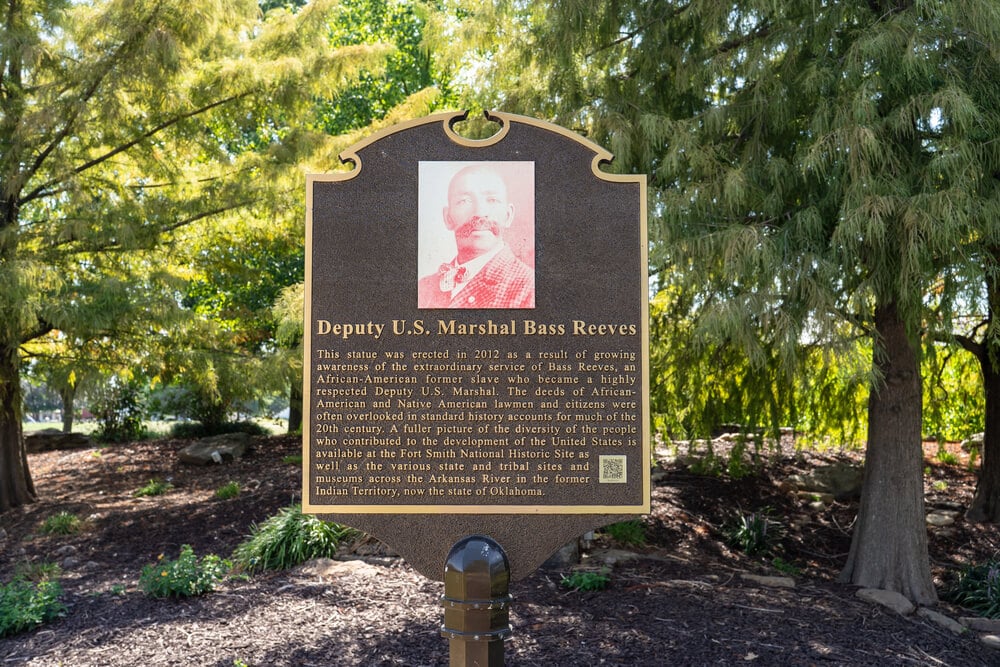
Bass Reeves, born into slavery in Arkansas, escaped during the Civil War and later became the first Black deputy U.S. marshal west of the Mississippi River, working the dangerous Indian Territory for more than three decades. He was credited with arresting more than 3,000 outlaws over his career while rarely being wounded himself despite the violence of the job.
Some historians have suggested his life partly inspired the Lone Ranger legend, though no direct documentary evidence confirms the connection.
Juan de Pareja
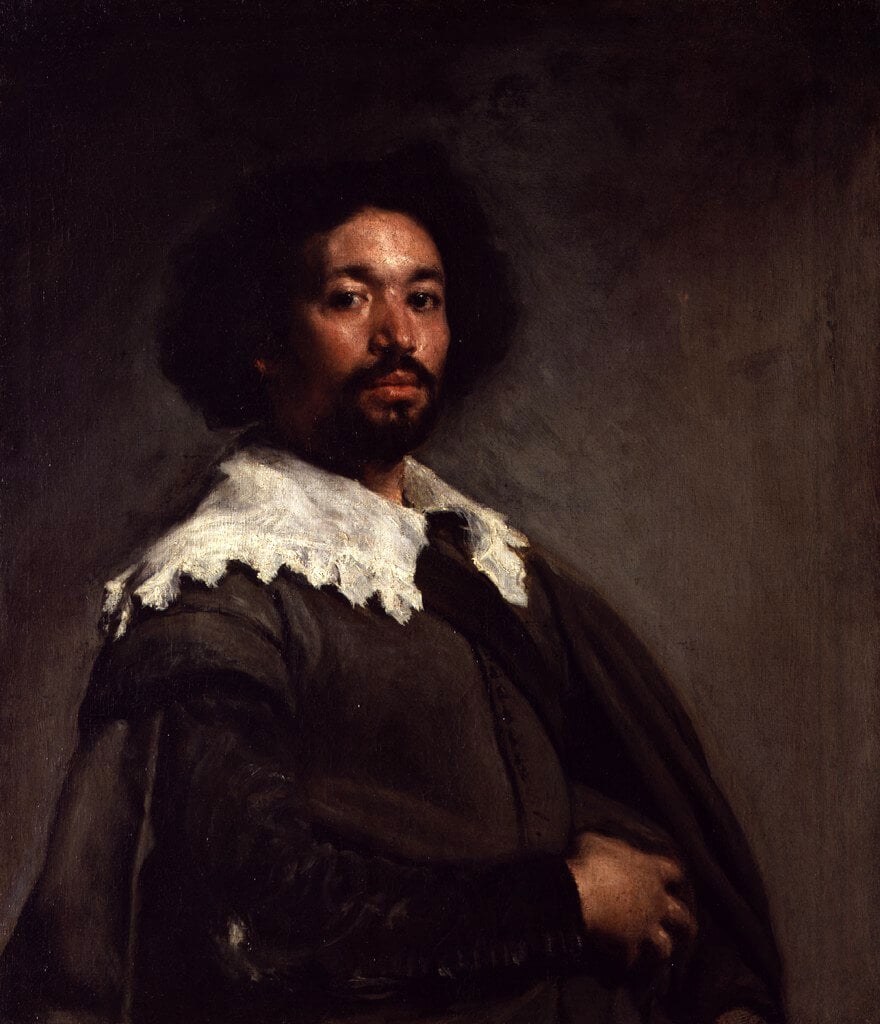
Juan de Pareja was enslaved by the Spanish painter Diego Velázquez and worked as his studio assistant for years before Velázquez freed him and Pareja went on to become a respected painter in his own right. His 1661 painting “The Calling of Saint Matthew” hangs in the Prado Museum, a rare surviving body of work by a formerly enslaved artist from Golden Age Spain.
Velázquez’s famous 1650 portrait of Pareja is often displayed without full context about their relationship.
Septima Clark
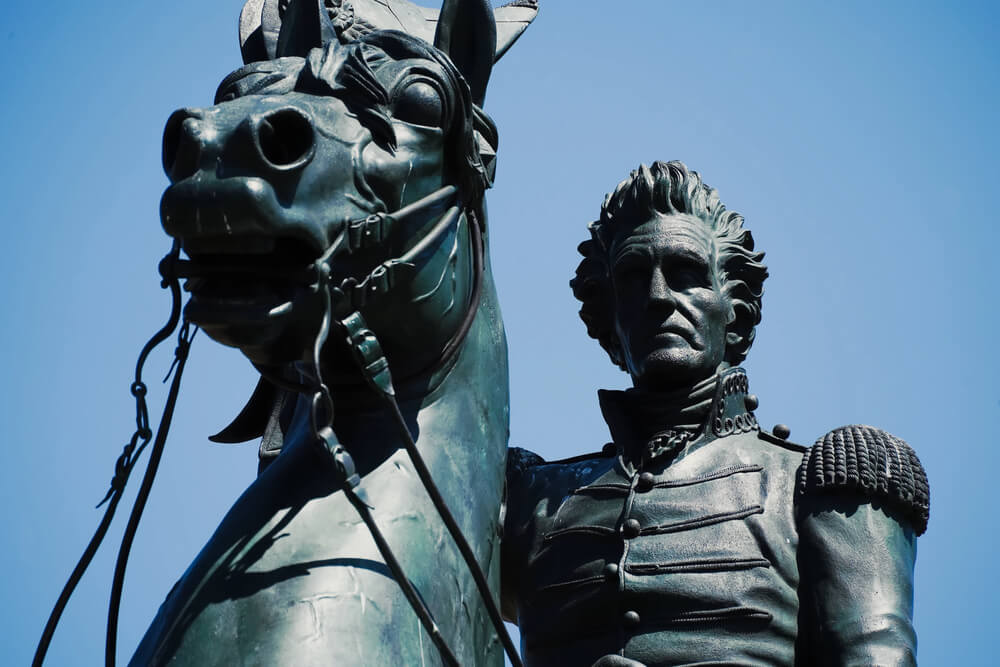
Septima Clark developed “citizenship schools” across the American South that taught Black adults to read specifically so they could pass the literacy tests then used to block Black voter registration. Martin Luther King Jr. called her the “Mother of the Movement,” but she was pushed out of leadership roles within civil rights organizations partly because of gender bias among male colleagues.
Her citizenship school model was later adopted as a template for voter registration drives across the region.
Robert Smalls
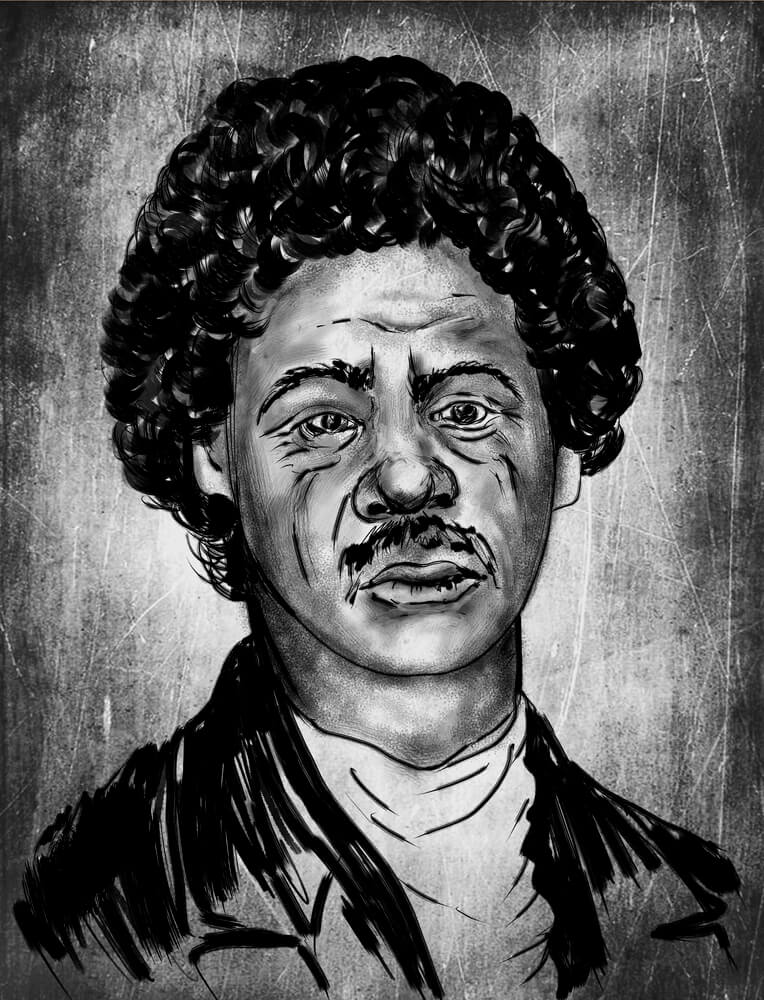
Robert Smalls, enslaved and forced to work on a Confederate transport ship, commandeered the vessel in 1862, sailed it past Confederate checkpoints, and delivered it along with its cargo to the Union Navy, freeing himself, his family, and the rest of the crew in the process. His act of resistance helped convince the Union to allow Black soldiers to enlist.
Smalls later served multiple terms in the U.S. House of Representatives during Reconstruction, representing South Carolina.
Frederick McKinley Jones

Frederick McKinley Jones invented a practical automatic refrigeration system for trucks in the 1930s, a breakthrough that made it possible to transport perishable food and, later, blood and medicine over long distances without spoilage. He co-founded Thermo King, a refrigerated transport company still operating today, and held more than 60 patents by the end of his life.
His refrigeration technology proved critical for the military during World War II, transporting blood plasma and food to field hospitals.
Emmy Noether
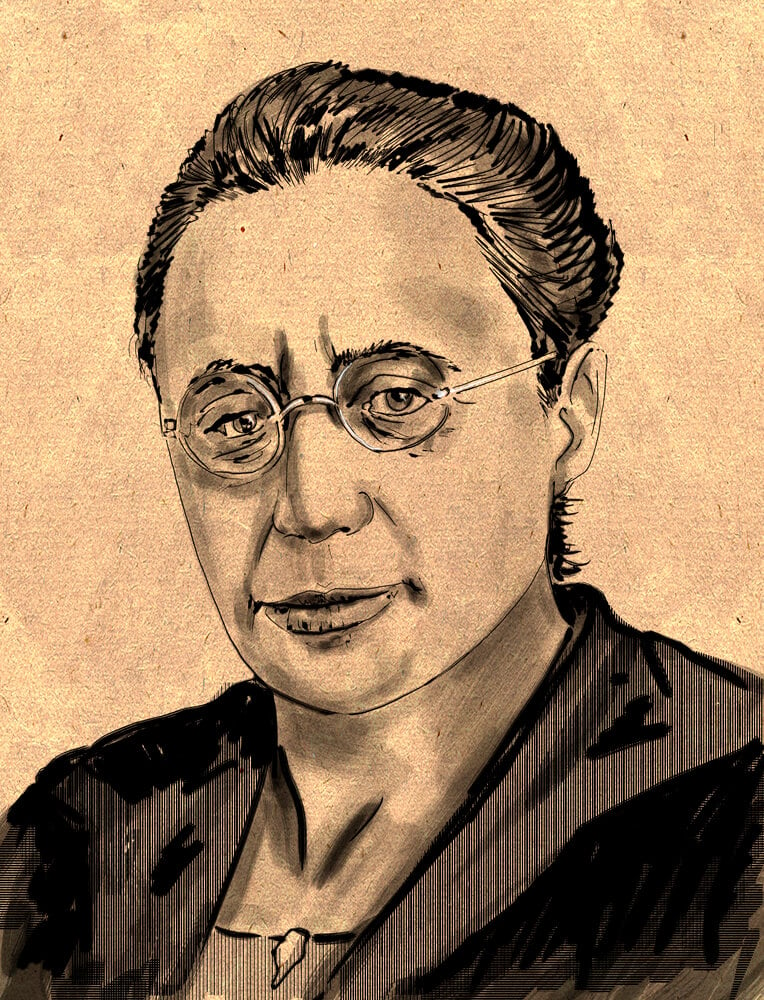
Mathematician Emmy Noether developed a theorem linking symmetry and conservation laws that Albert Einstein himself called essential to modern physics, yet German universities initially refused to let her hold a paid faculty position simply because she was a woman. She lectured for years under a male colleague’s name before finally receiving formal recognition.
Forced to flee Nazi Germany in 1933 because she was Jewish, she continued teaching in the United States until her death two years later.
Juana Inés de la Cruz
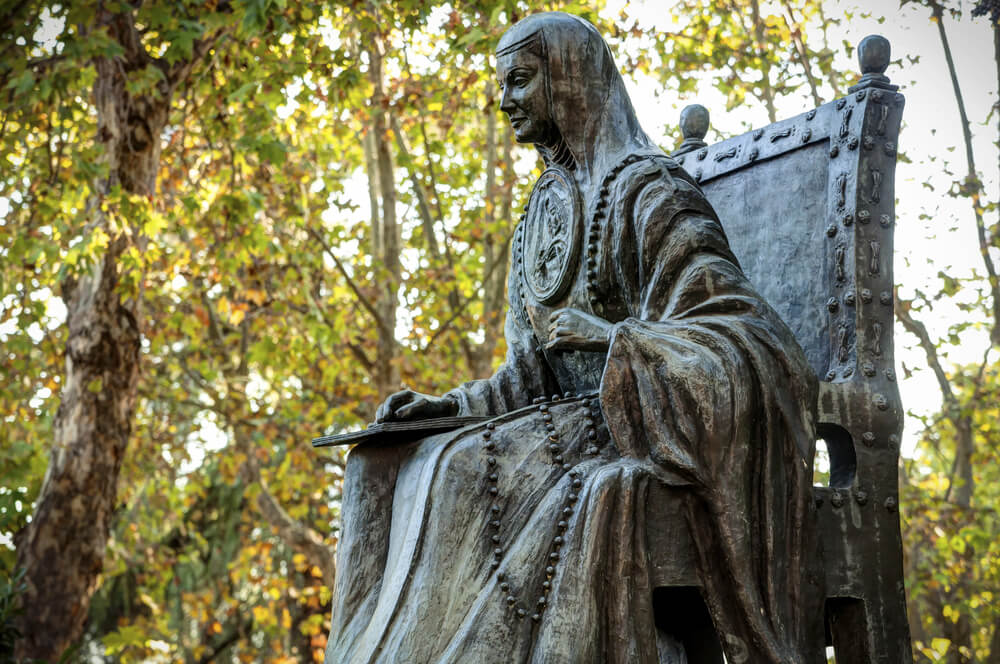
Sor Juana Inés de la Cruz, a self-taught scholar and nun in 17th-century colonial Mexico, wrote poetry, plays, and philosophical essays defending women’s right to education at a time when formal schooling was closed to them entirely. Her extensive personal library and scientific instruments were remarkable for anyone in colonial New Spain, let alone a woman in a convent.
Church authorities eventually pressured her into giving up writing, and she sold her books and instruments shortly before her death.
William Still
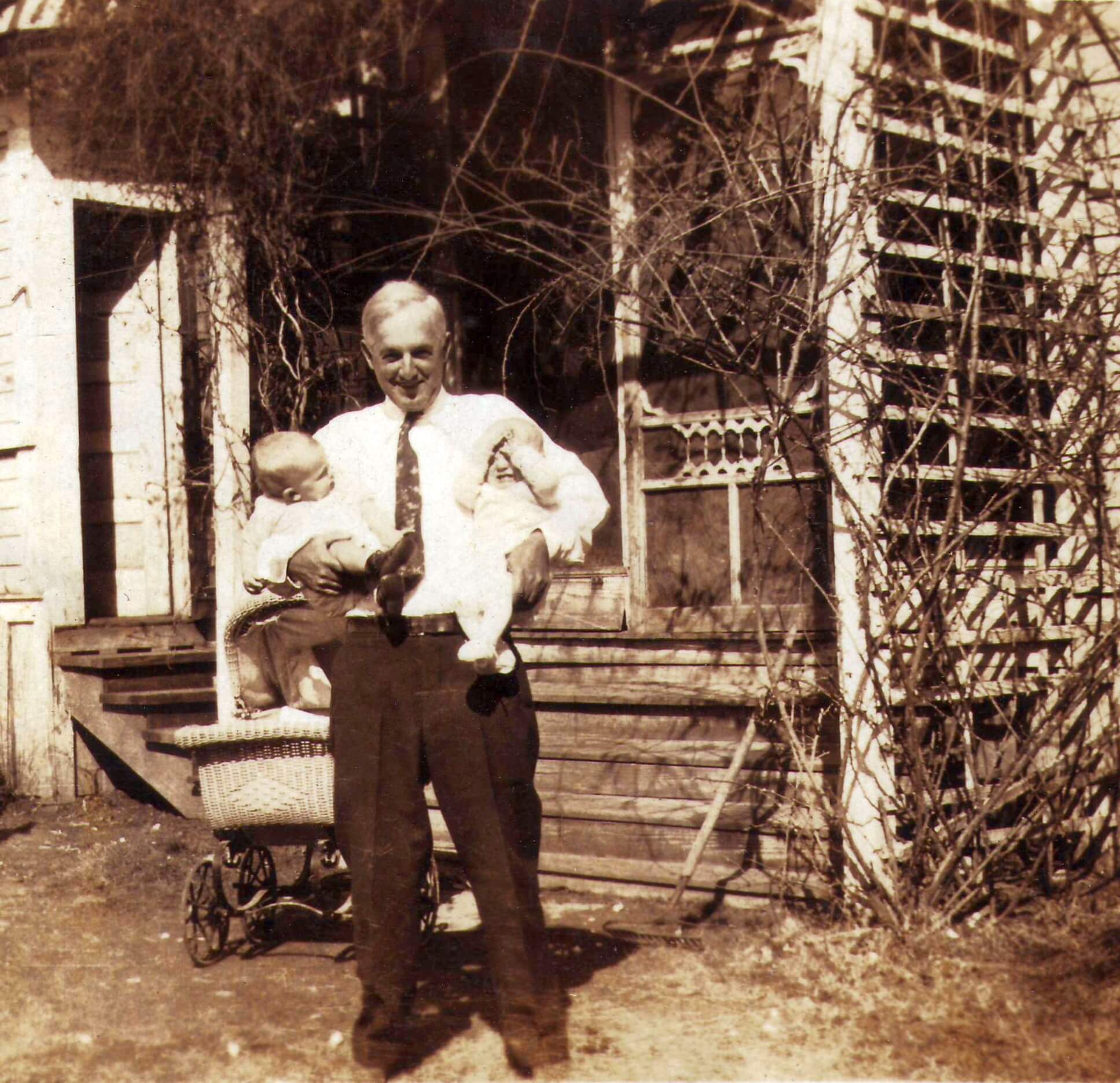
William Still, a free Black man in Philadelphia, kept detailed written records of the hundreds of enslaved people he helped escape to freedom through the Underground Railroad, an act that carried enormous personal risk if the records were ever discovered. His 1872 book compiling those accounts remains one of the most important primary sources historians have on the network’s actual operation.
Still personally reunited with a brother he had never known during one of the interviews he conducted with escapees.
Mary Bowser

Mary Bowser, born enslaved in Richmond, Virginia, was freed and later returned to the Confederate capital to work as a spy, reportedly gaining a position inside the household of Confederate President Jefferson Davis. Union operatives valued her reports on Confederate military plans and troop movements gathered while she worked in Davis’s home.
Most of her personal records were destroyed after the war to protect her identity, leaving historians with only fragments of her actual story.
Policarpa Salavarrieta
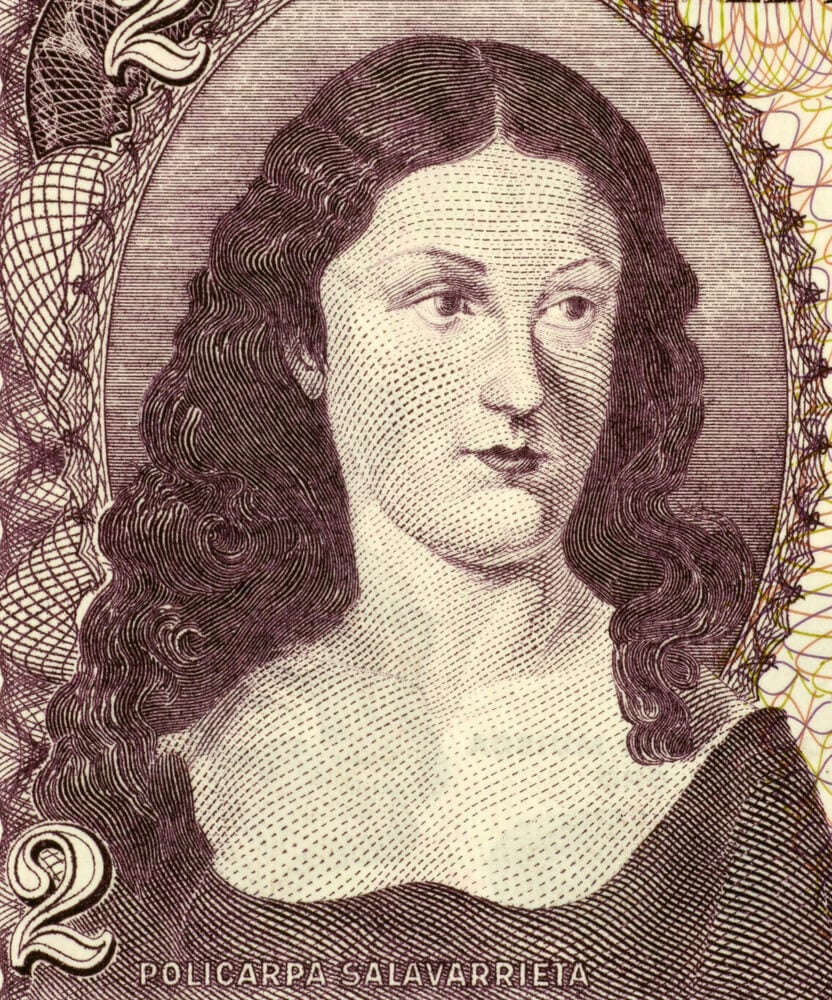
Policarpa Salavarrieta worked as a seamstress in Bogotá while secretly gathering intelligence and smuggling supplies for independence fighters during Colombia’s war against Spanish colonial rule. Spanish authorities eventually captured and executed her in 1817, and her defiant final words before her execution became a rallying point for the independence movement.
Colombia now recognizes her as a national heroine, though she remains largely unknown outside Latin America.
Lewis Latimer
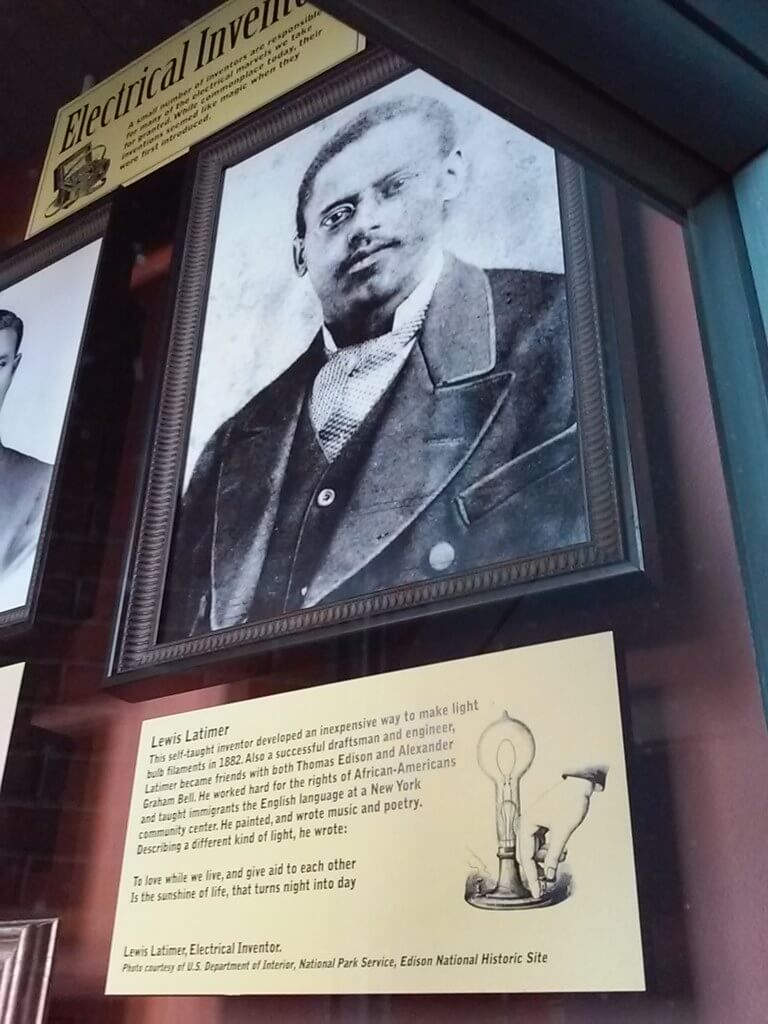
Lewis Latimer, the son of formerly enslaved parents, patented an improved method for manufacturing durable carbon filaments that made incandescent light bulbs longer-lasting and more affordable to produce. He worked directly with both Alexander Graham Bell, drafting the patent drawings for the telephone, and later with Thomas Edison’s company.
Despite his technical contributions to two of the era’s defining inventions, his name rarely appears alongside either Bell’s or Edison’s in general histories of their work.
Nzinga Mbande
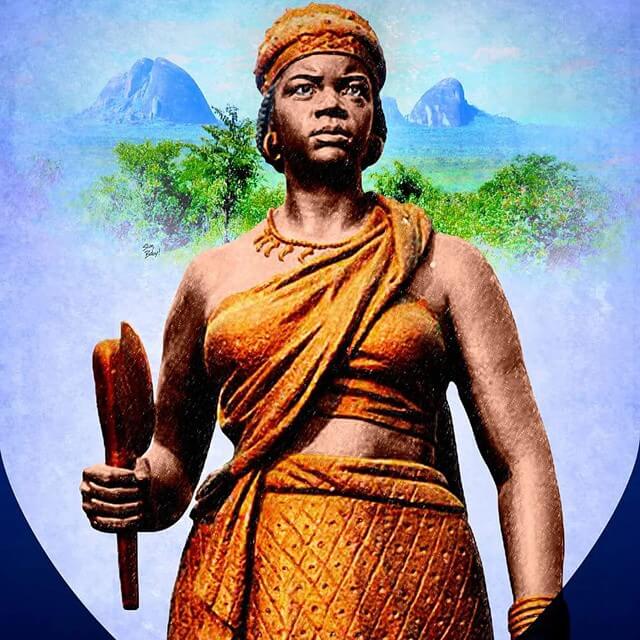
Queen Nzinga Mbande ruled the Ndongo and Matamba kingdoms in what is now Angola during the 17th century and spent decades leading military and diplomatic resistance against Portuguese colonization and the transatlantic slave trade. She negotiated directly with colonial governors, formed alliances with rival powers including the Dutch, and personally led troops into battle into her sixties.
She is remembered in Angola as a founding symbol of anti-colonial resistance.
Grace O’Malley
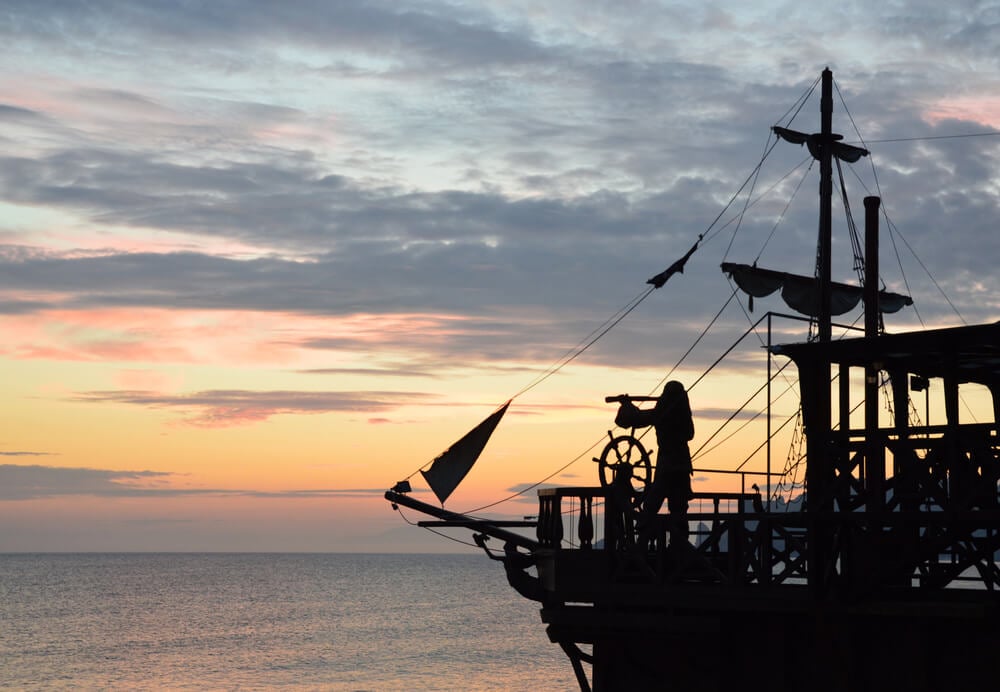
Grace O’Malley commanded a fleet of ships and controlled trade routes along the western coast of Ireland in the 16th century, operating as both a chieftain and what English authorities described as a pirate. She sailed to England and negotiated directly with Queen Elizabeth I as an equal, reportedly refusing to bow because she did not recognize the queen’s authority over Ireland.
Irish folklore kept her story alive for centuries even as formal English-language histories largely ignored her.
Dolores Huerta
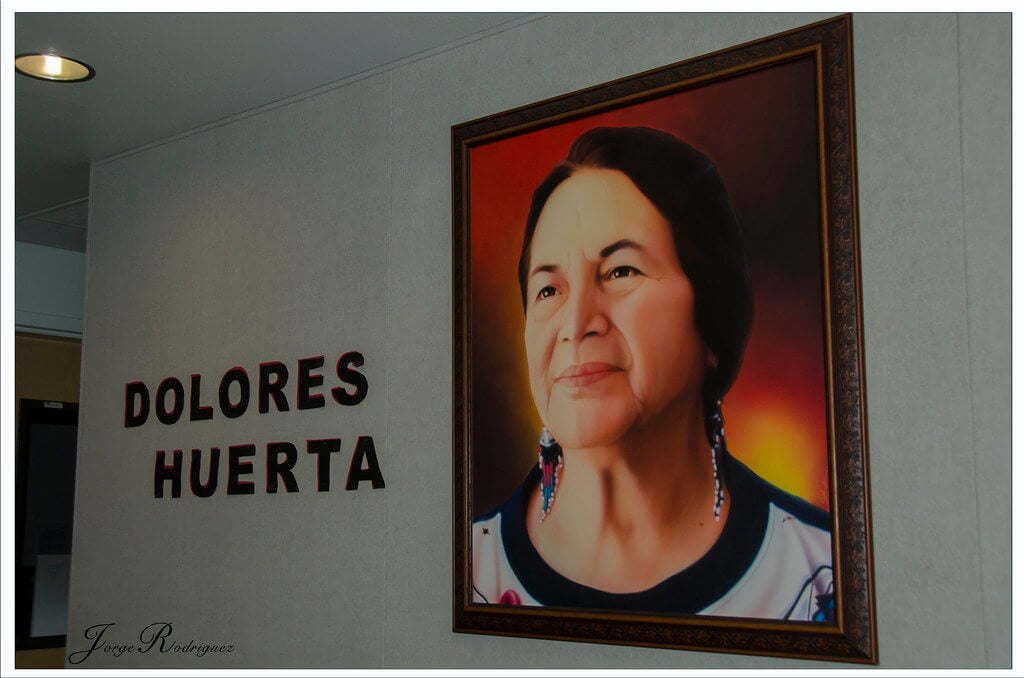
Dolores Huerta co-founded the United Farm Workers alongside Cesar Chavez and was the lead negotiator behind many of the union’s most important labor contracts, yet her name is far less recognized than her co-founder’s despite doing much of the direct organizing and negotiating. She coined the rallying cry “Sí, se puede,” later adapted into English as “Yes, we can.”
She continued labor and civil rights organizing into her nineties.
Vera Atkins

Vera Atkins ran intelligence operations for Britain’s Special Operations Executive during World War II, recruiting and managing dozens of agents sent into occupied France, many of whom did not survive their missions. After the war, she personally investigated the fates of missing agents, traveling to former concentration camps to gather evidence and identify what had happened to people she had sent behind enemy lines.
Her intelligence work remained classified for decades, limiting public recognition of her role.
Doris Miller
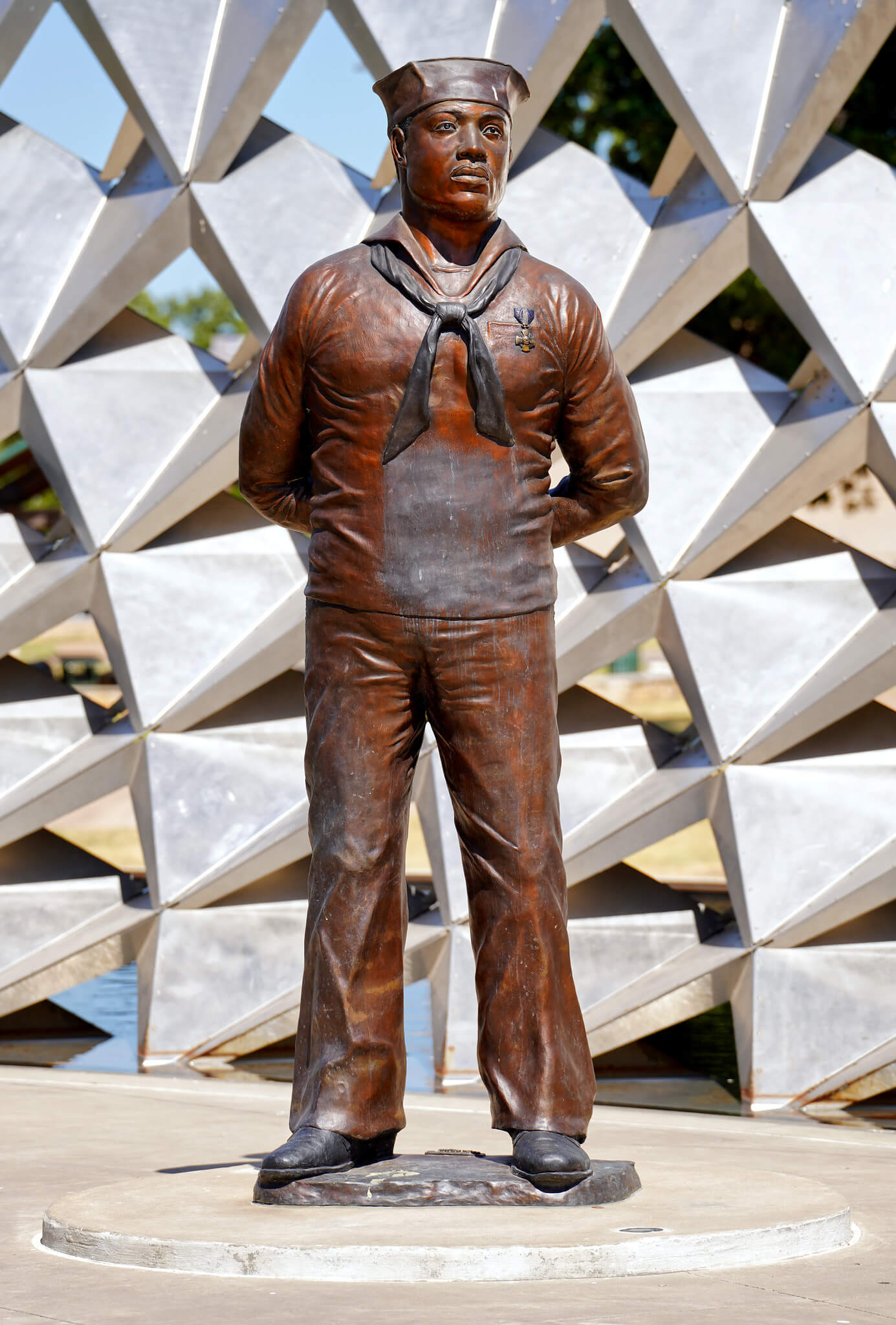
Doris Miller, a Navy mess attendant barred by segregation policy from combat training, manned an anti-aircraft gun during the attack on Pearl Harbor despite having no instruction on how to operate it, helping defend his ship and pull wounded sailors to safety. He became the first Black American awarded the Navy Cross, the Navy’s second-highest honor.
He was killed in action two years later when his ship was sunk, and the Navy did not name a vessel in his honor until decades afterward.
Elizabeth Jennings Graham
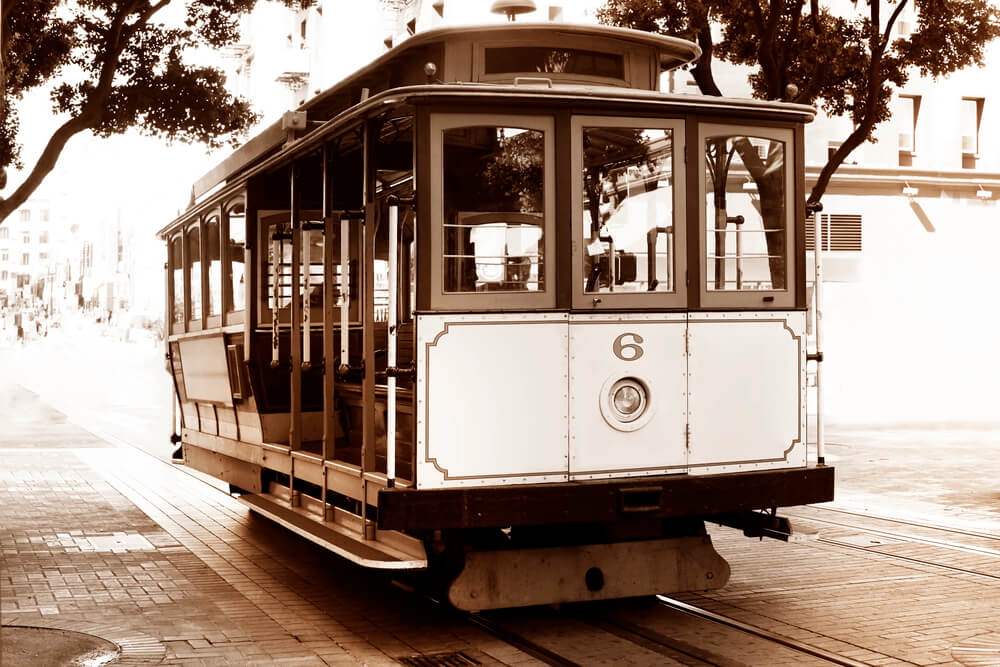
A full century before Rosa Parks, Elizabeth Jennings Graham was forcibly removed from a New York City streetcar in 1854 for refusing to give up her seat because of her race, and she successfully sued the streetcar company with a young lawyer named Chester A. Arthur, later a U.S. president, representing her. Her win helped desegregate New York City’s streetcar system years before the Civil War.
Her name rarely appears in the same discussions as later civil rights figures who faced similar circumstances.
Names Written in the Margins
What connects these people is not obscurity for its own sake but the specific mechanics of how history gets recorded. Records survive unevenly, written mostly by those with access to literacy, printing presses, and institutional power, which means entire categories of contribution were documented only in fragments, family memory, or the paperwork of the very systems working against the people involved.
None of this makes these figures footnotes. It makes the textbooks incomplete.
A fuller account of any era requires looking past the handful of names that made it into the standard chapters and toward the people whose actions were just as consequential but far less convenient to include.
More from Go2Tutors!

- The Romanov Crown Jewels and Their Tragic Fate
- 13 Historical Mysteries That Science Still Can’t Solve
- Famous Hoaxes That Fooled the World for Years
- 15 Child Stars with Tragic Adult Lives
- 16 Famous Jewelry Pieces in History
Like Go2Tutors’s content? Follow us on MSN.



