Unusual bridges built in impossible places
Some structures seem to defy common sense. Engineers and builders have created bridges in locations where most people would say it simply can’t be done.
These spans cross deep canyons, hang from mountain cliffs, and tower above clouds. They connect communities that were once isolated and give travelers views that take their breath away.
The challenges faced during construction were enormous, yet these bridges stand today as proof of human determination and creativity. Here is a list of 16 bridges that were built where they probably shouldn’t exist.
Hussaini Hanging Bridge in Pakistan
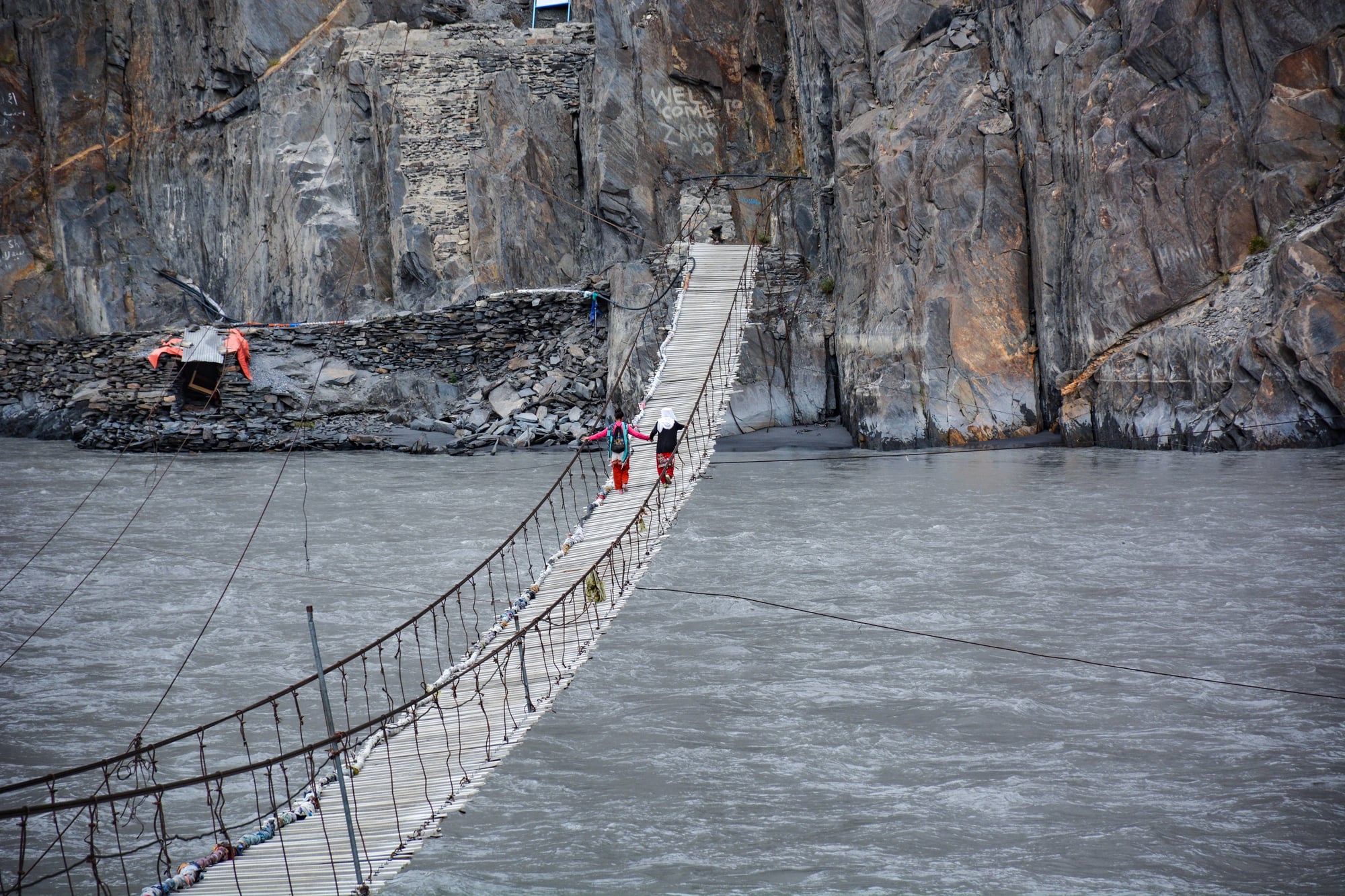
The Hussaini Hanging Bridge stretches 635 feet across the Hunza River in northern Pakistan. Many planks are missing, leaving wide gaps that show the rushing water below.
Strong winds shake the entire structure while people cross. The bridge was originally built in 1968 by local villagers who needed to reach their farms and homes on the other side.
After a monsoon washed it away in 2011, the community rebuilt it with help from the Aga Khan Rural Support Programme. Today it draws adventure seekers from around the world who want to test their nerves on what’s often called the most dangerous bridge in the world.
Golden Bridge held by giant hands in Vietnam
Two massive stone hands appear to lift a golden bridge out of the Vietnamese mountains near Da Nang. The bridge opened in 2018 at Ba Na Hills and quickly became one of the most photographed structures in the world.
Those hands are actually made from fiberglass and wire mesh, painted to look like ancient weathered stone covered with moss. The bridge sits nearly 4,600 feet above sea level and curves through eight sections over 500 feet.
Designers wanted it to look like the hands of a mountain god offering a golden silk ribbon to the sky. The entire structure was built in just over one year, which seems impossible given the location and design complexity.
Millau Viaduct rising above French clouds
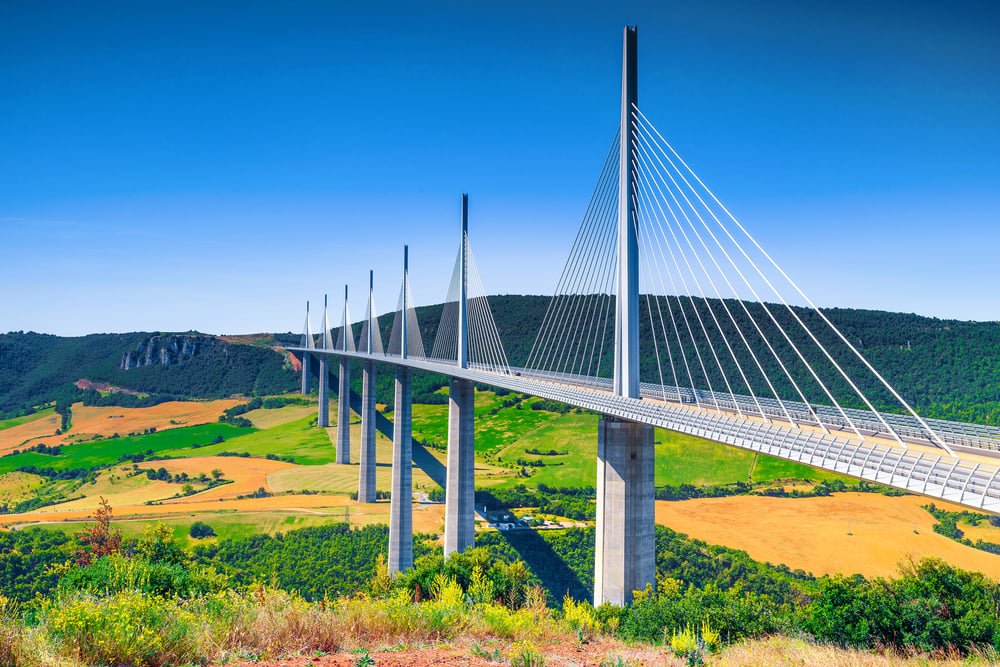
The Millau Viaduct in southern France is so tall that drivers literally travel through clouds. At its highest point, the bridge towers 1,125 feet above the Tarn River valley, making it taller than the Eiffel Tower.
Seven concrete pillars of different heights create a perfectly flat roadway across the valley. Before this bridge opened in 2004, tourists driving to the Mediterranean had to navigate down into the valley and through the town of Millau, which created terrible traffic jams.
Engineer Michel Virlogeux and architect Norman Foster designed the bridge to look delicate despite its massive size. The structure cost about $437 million and took three years to build, with workers dealing with extreme winds that sometimes exceeded 80 miles per hour.
Royal Gorge Bridge suspended over Colorado
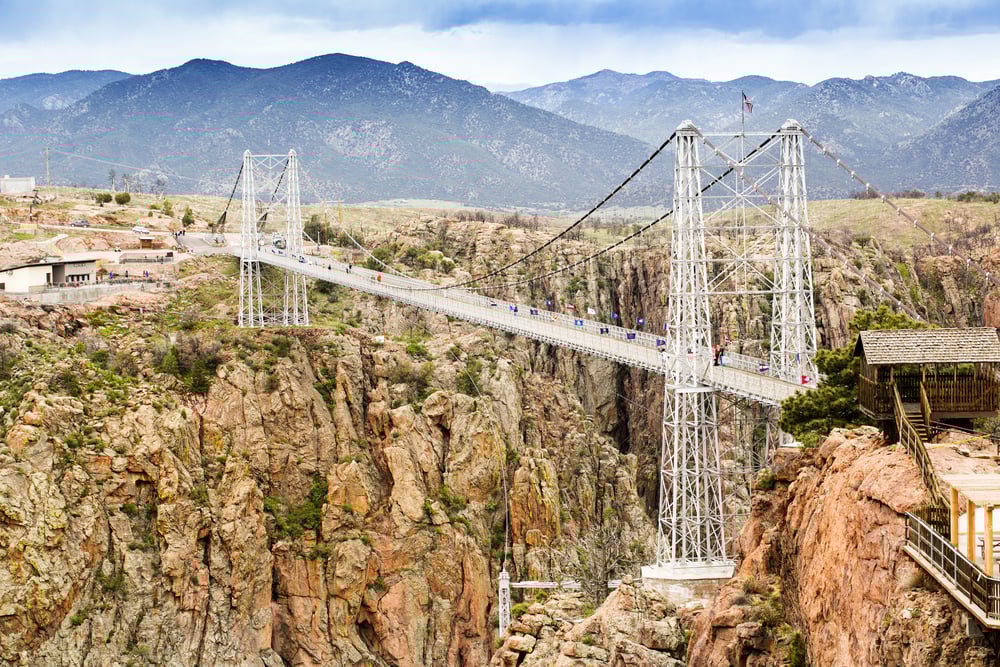
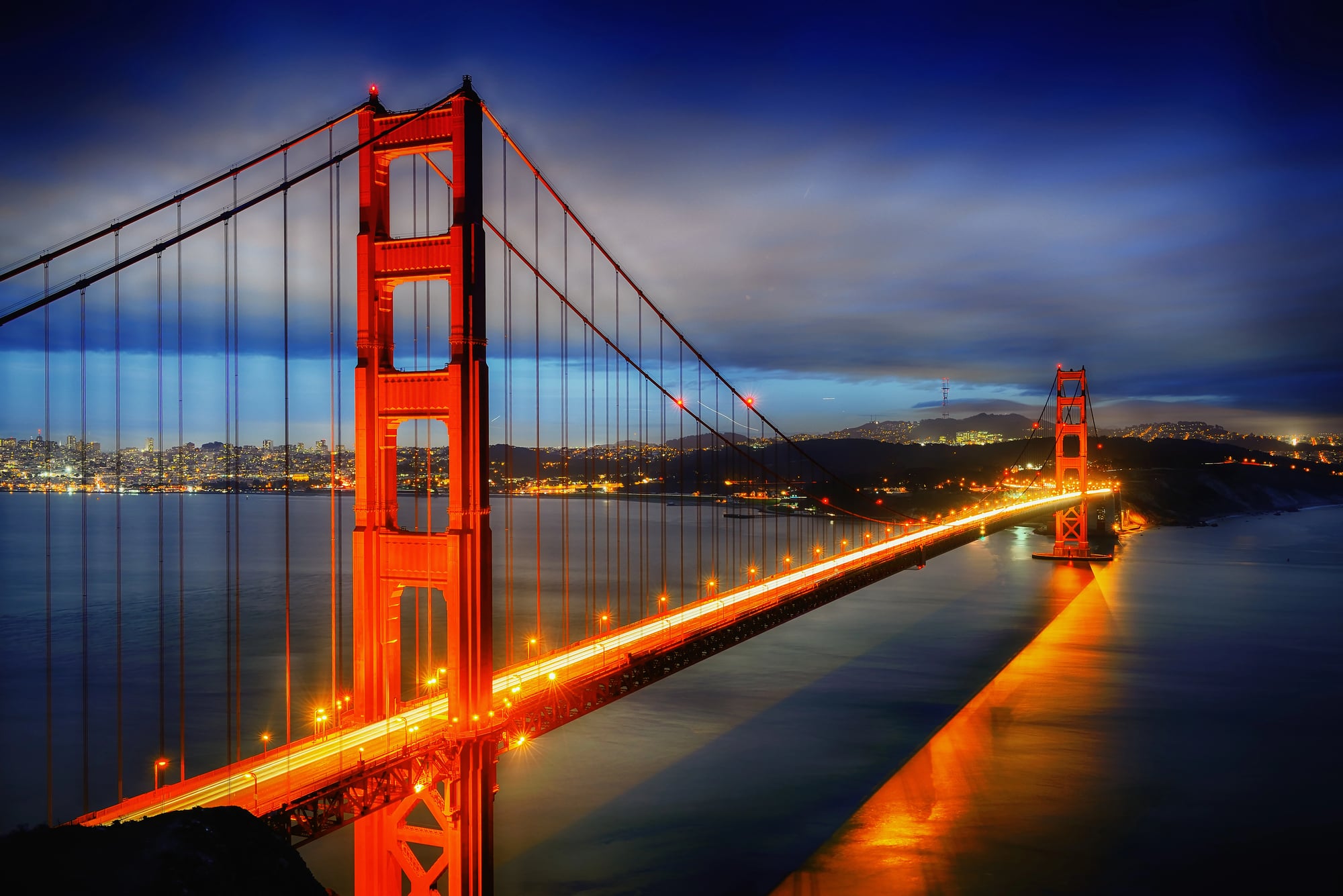
Colorado’s Royal Gorge Bridge hangs 956 feet above the Arkansas River on wooden planks that sway in the wind. When it opened in 1929, it was the highest bridge in the world and held that title for 72 years.
A team of just 80 workers built the entire bridge in six months with no deaths or serious injuries, which was remarkable for that era. The bridge was never meant for transportation but was built purely as a tourist attraction so people could experience the view.
Today it remains the highest bridge in the United States and welcomes over 500,000 visitors each year. The wooden deck planks and suspension cables have been replaced and upgraded over the years, but the basic structure remains the same as when it first opened.
Zhangjiajie Glass Bridge over Chinese canyon
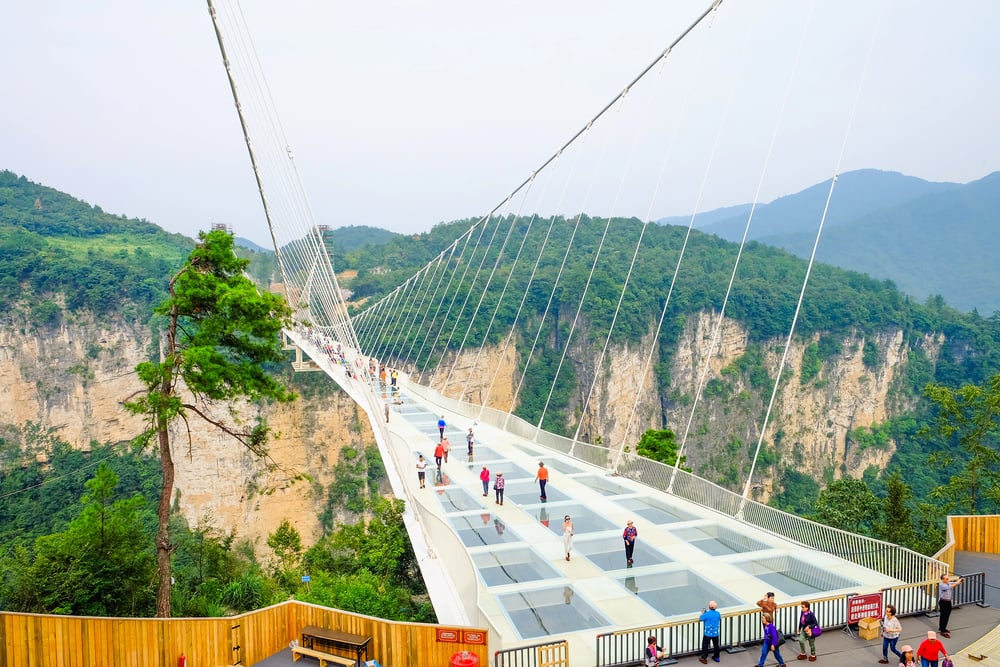
Walking on transparent glass 984 feet above a canyon floor creates a sensation unlike any other. The Zhangjiajie Glass Bridge in China’s Hunan Province stretches 1,410 feet between two cliff faces.
When it opened in 2016, so many people wanted to cross it that over 80,000 visitors showed up daily instead of the expected 8,000. The bridge had to close after just 13 days to upgrade the parking and ticketing systems.
Each glass panel is 50 millimeters thick and made of three layers of tempered glass strong enough to drive a tank across. The bridge also features the world’s highest bungee jump platform at 853 feet above the ground.
Trift Bridge swaying over Swiss glacier
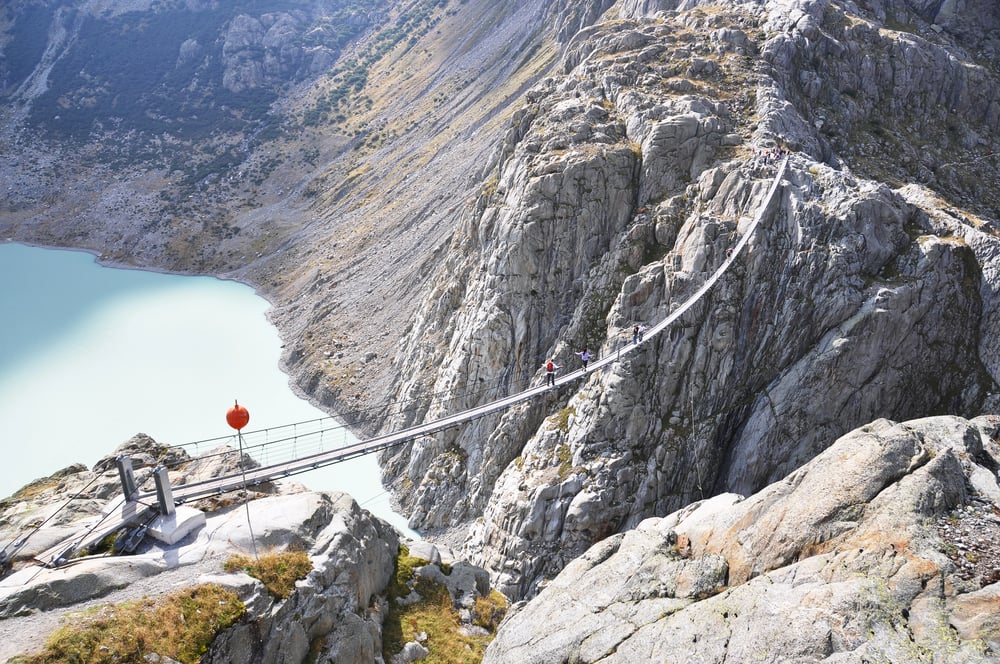
The Trift Bridge in the Swiss Alps was built because a glacier melted away. As the Trift Glacier retreated, it created a deep gorge that cut off access to a mountain hut that hikers used.
The first bridge built in 2004 was so shaky and narrow that many people couldn’t bring themselves to cross it. Engineers replaced it in 2009 with a longer but more stable version that spans 558 feet and hangs 328 feet above the glacial lake.
The bridge still moves with the wind and with every step walkers take. Getting to the bridge requires a cable car ride followed by a steep mountain hike, but the views of the surrounding peaks and the turquoise glacial waters below make the journey worthwhile.
Carrick-a-Rede rope bridge to Irish island
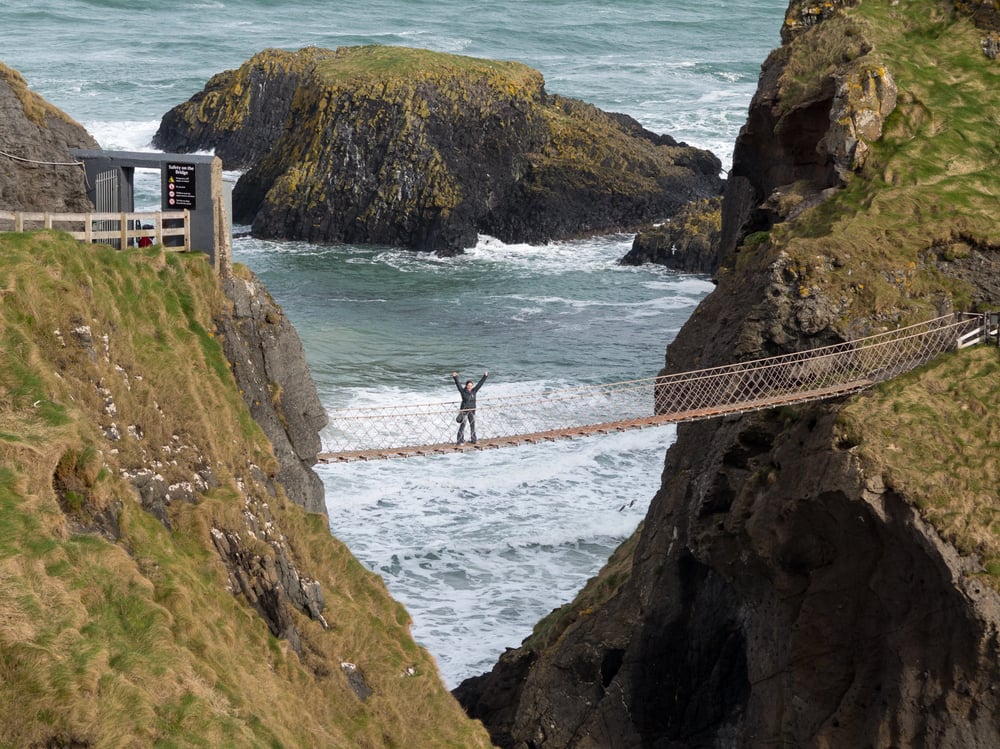
For over 350 years, fishermen in Northern Ireland used a rope bridge to reach a tiny island where they caught salmon. The current Carrick-a-Rede bridge stretches 66 feet across a 98-foot drop to the rocky sea below.
The original bridges were much more basic, made from just one handrail and widely spaced slats. Today’s version, rebuilt in 2008, is much safer but still bounces and sways as people cross.
About 30 feet below the bridge, waves crash against the rocks with tremendous force. The name Carrick-a-Rede means ‘rock of the casting’ in Irish, referring to the fishing technique used there.
More than 440,000 tourists visit each year, though some people who cross to the island find they’re too scared to walk back.
Langkawi Sky Bridge curving through Malaysian jungle
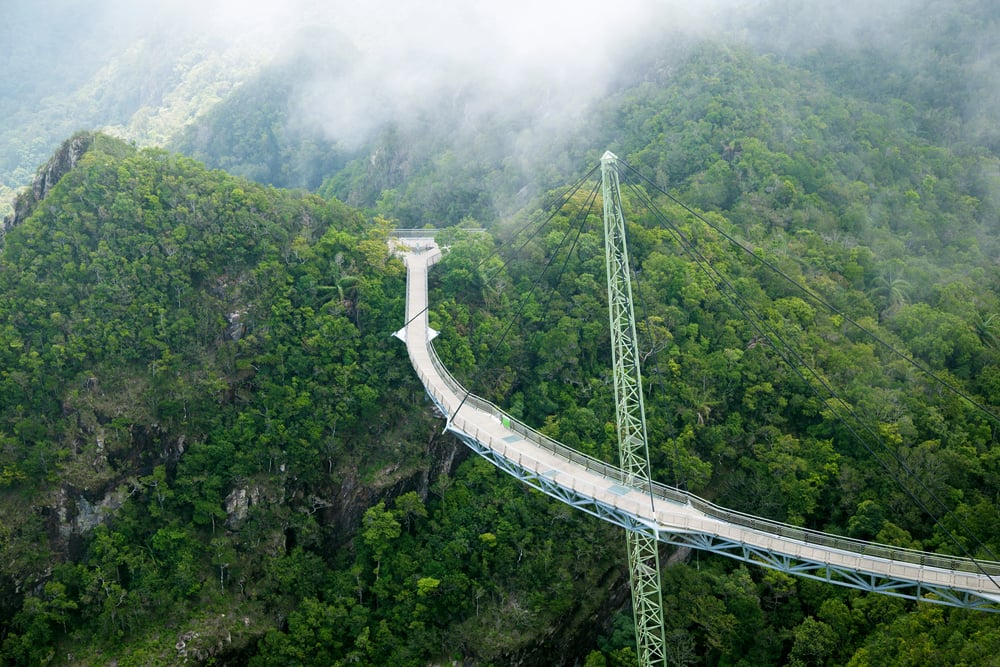
The Langkawi Sky Bridge in Malaysia curves in a serpentine shape high above the rainforest canopy. This pedestrian bridge is only 410 feet long but hangs from a single pylon using eight cables.
It sits 2,300 feet above sea level on top of Gunung Mat Cincang mountain. Visitors must take a cable car and then walk up additional stairs to reach the bridge entrance.
The curved design was intentional, giving walkers constantly changing views of the surrounding islands and Andaman Sea. The bridge has two triangular viewing platforms that jut out from the main walkway.
Engineers built the structure to sway naturally with wind and movement, which can be unsettling for visitors who aren’t expecting it.
Ponte Vecchio with houses on top
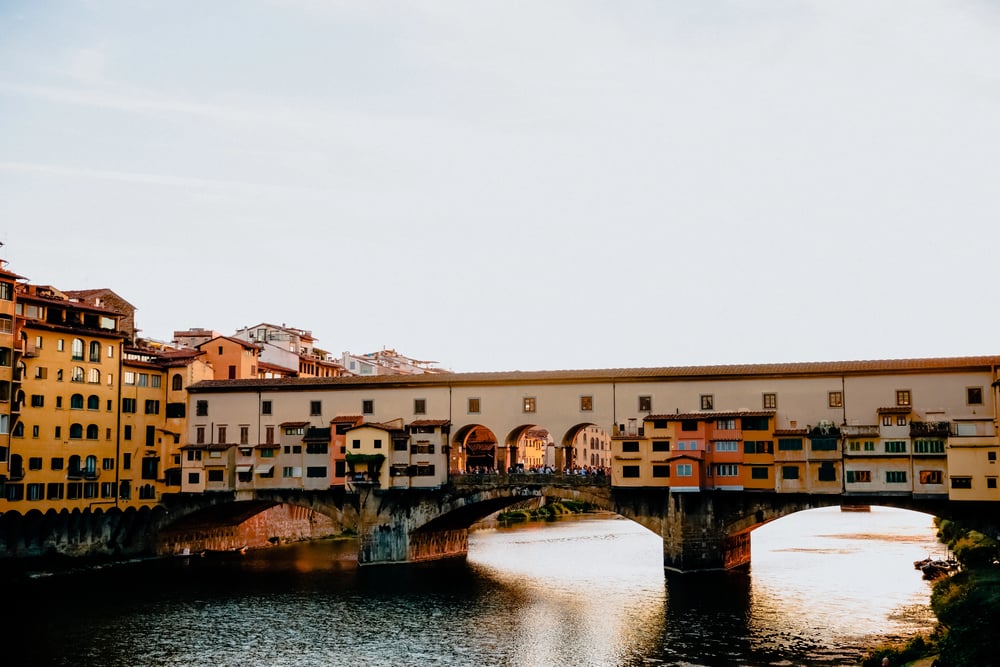
Florence’s Ponte Vecchio has shops and houses built directly on top of it, making it look more like a street than a bridge. The structure dates back to 1345 and is the only bridge in Florence that wasn’t destroyed during World War II.
Originally butcher shops lined the bridge, but the smell became so bad that Grand Duke Ferdinando I ordered them replaced with goldsmiths and jewelers in 1593. A secret corridor runs above the shops, built in 1565 so the Medici family could cross the Arno River without mingling with common people.
The bridge has survived floods and wars partly because of its three segmental arches, which were innovative when built. Today it remains one of Italy’s most recognizable landmarks.
Stari Most rebuilt stone by stone

The old bridge in Mostar, Bosnia and Herzegovina stood for 427 years before artillery destroyed it during the Bosnian War in 1993. The original bridge was built in 1566 by the Ottoman Empire using 456 blocks of local stone held together with metal pins and mortar.
After the war ended, an international effort rebuilt the bridge using the exact same techniques and materials. Divers recovered original stones from the river, and stoneworkers used traditional Ottoman methods to shape and place each block.
The reconstructed bridge opened in 2004 and looks almost identical to the original. Local young men continue the tradition of diving from the bridge into the icy Neretva River 79 feet below, a practice that’s been happening for centuries.
Eshima Ohashi looking like a rollercoaster

Japan’s Eshima Ohashi bridge seems crazy steep when you see pictures – like climbing a cliff. But actually, it’s not that wild, though still pretty striking.
One end slopes up at 6.1 percent; the opposite side goes up at 5.1 percent – all so boats can fit under. This setup makes room for shipping traffic without needing a drawbridge.
It ranks as the planet’s third biggest rigid-frame span, yet holds the top spot in Japan. Linking Matsue with Sakaiminato, it runs roughly a mile over Lake Nakaumi.
This sharp climb exists since big cargo boats use the lake and require lots of space underneath. Going up the span seems like scaling a rugged road, but how it’s filmed can exaggerate its slope.
Capilano Suspension Bridge through Canadian forest
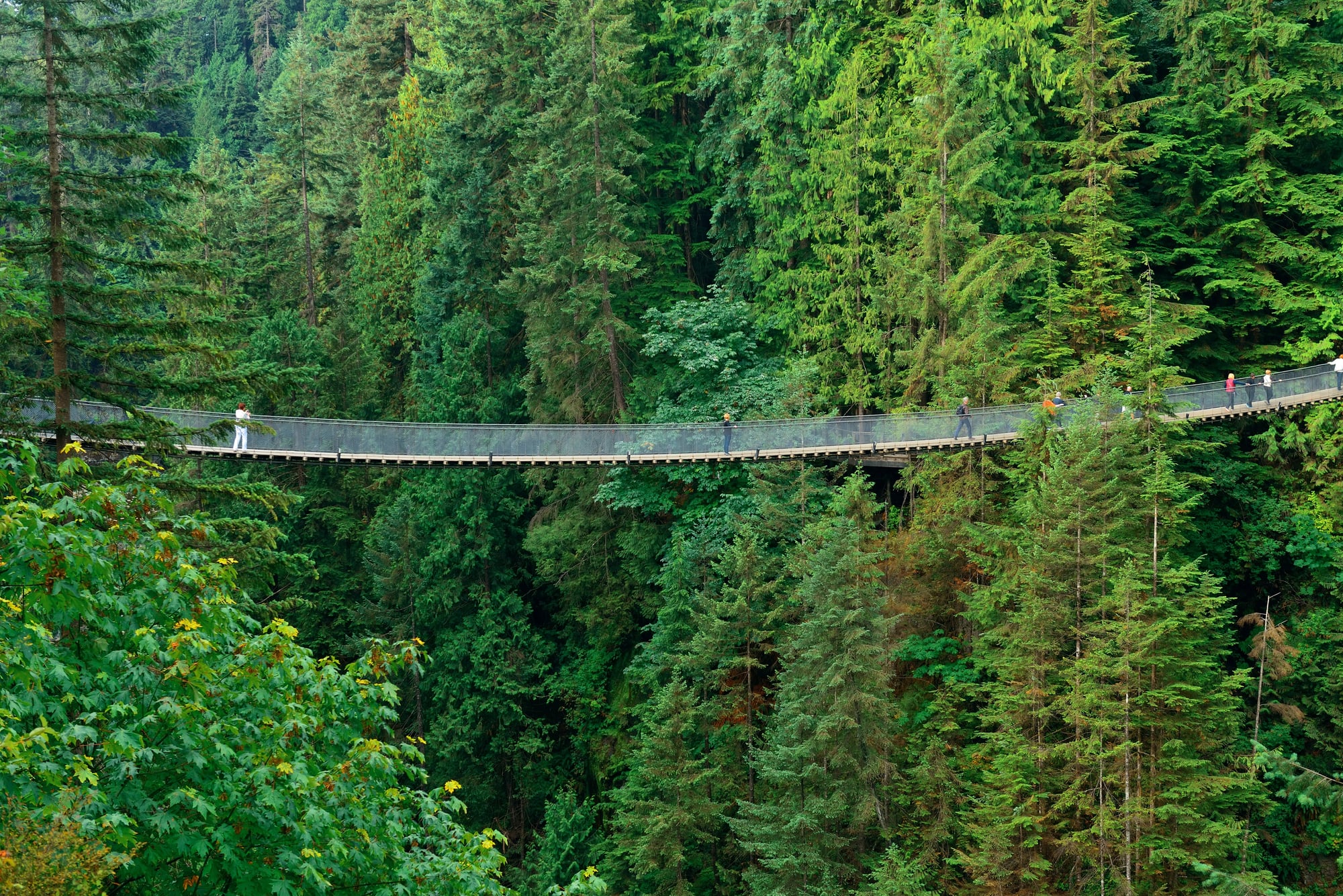
The Capilano Suspension Bridge in British Columbia hangs 230 feet over the river, tucked inside ancient coastal woods. This version took over from older ones – starting back in 1889 with hemp lines and raw cedar boards.
Now it’s held up by metal wires, yet still wobbles when folks cross its 450-foot span. Instead of ending there, it leads into sky-high paths between trees known as the Treetops Adventure, guiding guests right through the leafy roof of the forest.
A different spot, known as Cliffwalk, has a slim path built along a rocky cliff edge way up over the gorge. This setup lets people see the woods just like flying creatures do.
Pont du Gard without any mortar
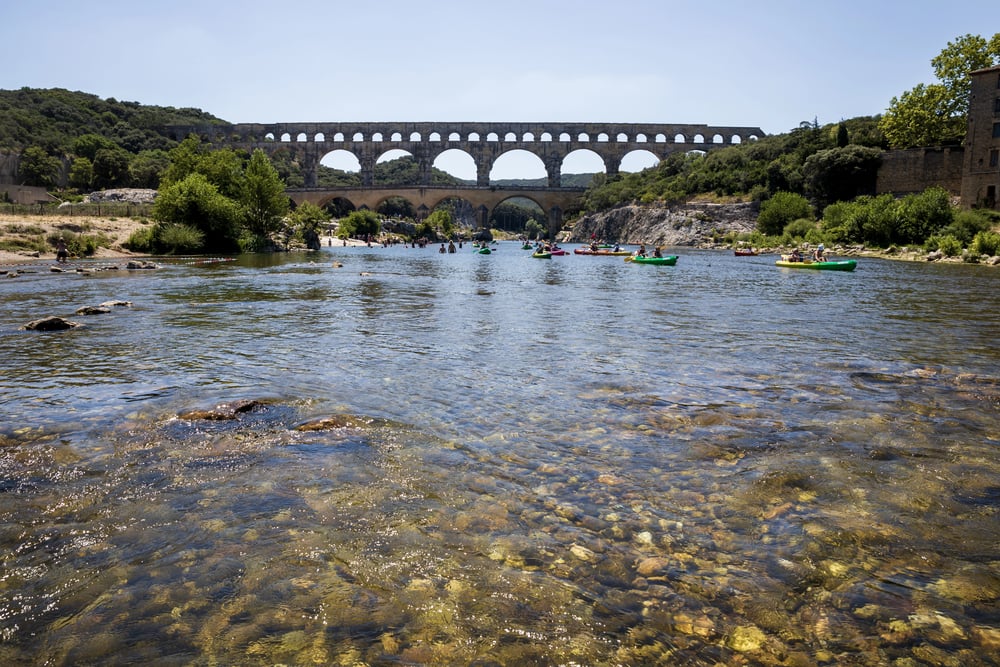
The Romans put up this three-level stone bridge in southern France about 2,000 years ago – no glue or mortar used at all. Standing 160 feet high, it spans 902 feet over the Gardon River.
Some rocks were carved to tip the scales at 13,000 pounds; yet they lock tight enough to last centuries. On the upper level, water traveled toward Nîmes, guided by a slope so gentle it kept the flow steady.
The bridge kept moving water till the 500s. Now it’s still among the most intact Roman builds around, revealing how skilled old-time engineers were – even without today’s gear.
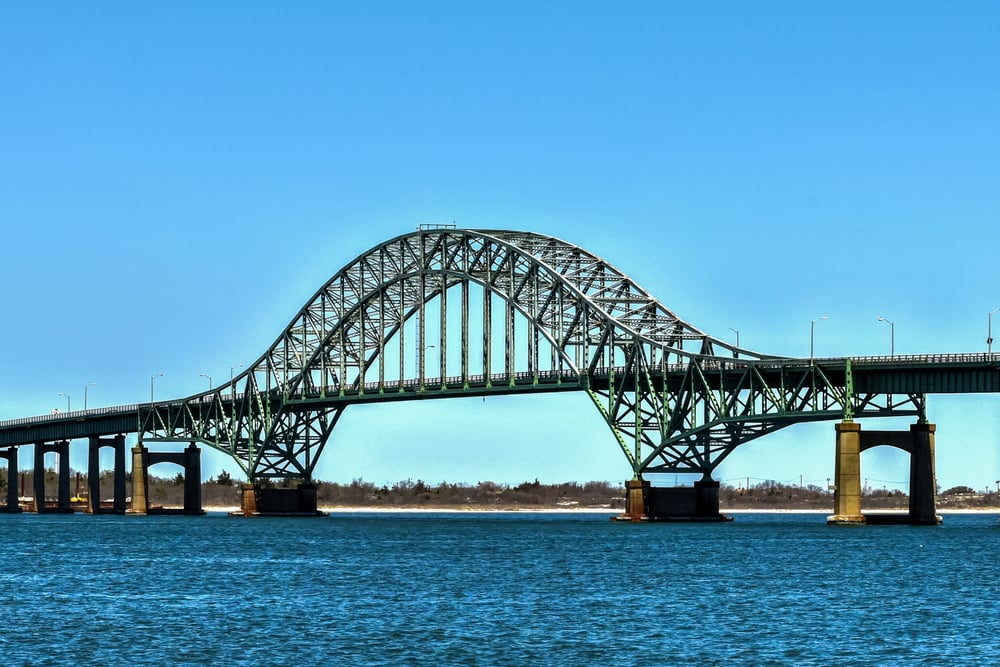
Seven Mile Bridge connecting Florida Keys
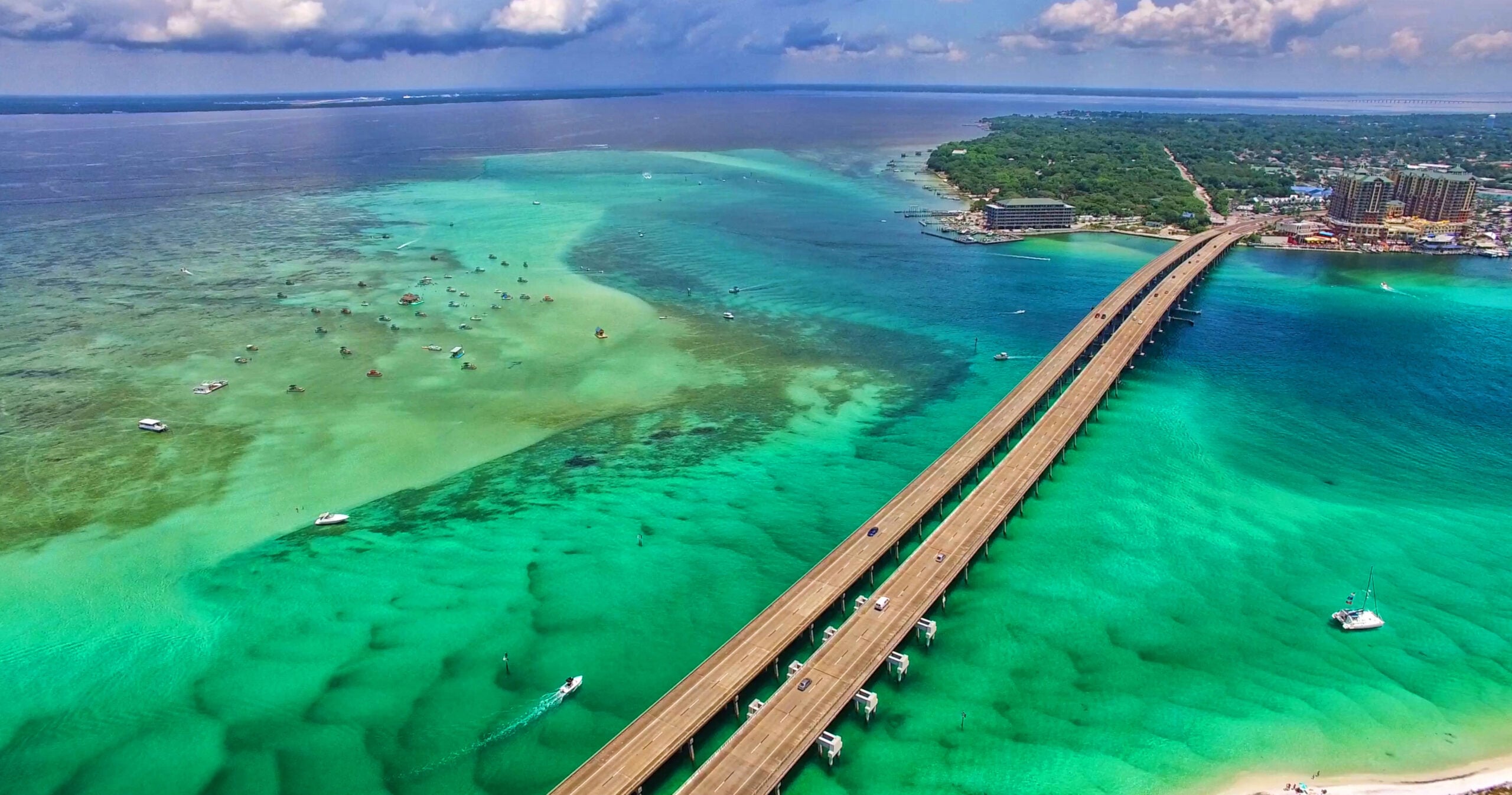
The Seven Mile Bridge in Florida spans open sea for nearly seven miles – back then, that made it among the longest ever constructed. Built originally in 1912, it served trains, thanks to Henry Flagler’s bold vision linking Key West to the mainland.
After a fierce 1935 hurricane harmed it, they repurposed the old span for cars. A newer version came along in 1982, sitting right beside the earlier one.
Tough conditions challenged builders – swift tides, storms, plus salty spray eating away at metal and cement. The bridge stretches across open water, with nothing but sea below for miles around.
Yet it’s turned into a famous landmark of the Keys, showing up in plenty of films and TV series.
Moses Bridge hidden below water level
The Moses Bridge in the Netherlands lies beneath the moat’s surface it spans. To keep from blocking sightlines, builders sank the path near a 1600s fortress.
Instead of rising up, the route runs through a dug channel – water flanking each side, occasionally creeping close. Made with waterproofed Accoya timber, the build resists rot.
Special treatment helps it endure decades despite constant dampness. Two barriers using pumps stop water from spilling onto the path – yet downpours might still cover it now and then.
It launched in 2011, soon gaining attention thanks to an unusual look. As you cross, it feels like splitting the surface, which explains the scripture-like title.
Sitting close to the water, it’s hard to spot far off, keeping the old fortress looking untouched.
Aiola Island Bridge with cafe in center
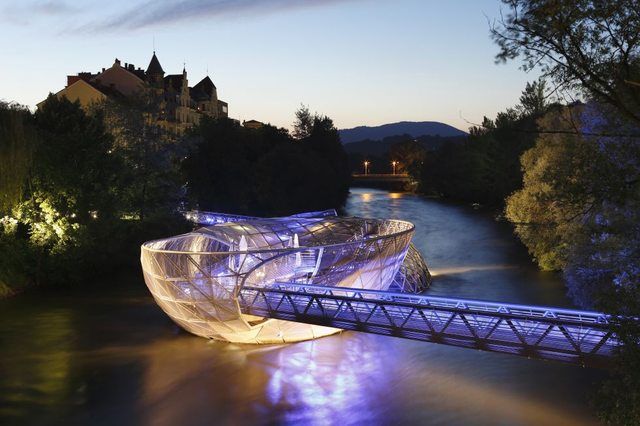
The Aiola Island Bridge in Graz, Austria features a man-made island sitting right in the Mur River – this spot works as both a café and place for events. Vito Acconci, the mind behind it, wanted folks to pause mid-crossing, just because they could.
When it launched back in 2003, crowds started showing up fast. Twisting shapes made from steel and glass make it feel alive, kind of like a shell drifting on the surface.
Inside the center part you’ll find spots to sit, a drink counter, plus room for tiny shows or live music. The bridge glows after dark, lit by blue LEDs bouncing on the river surface – yet some residents weren’t keen when it first appeared.
Although many questioned its look back then, today it fits right into Graz’s mix of old and new.
What do these setups show us
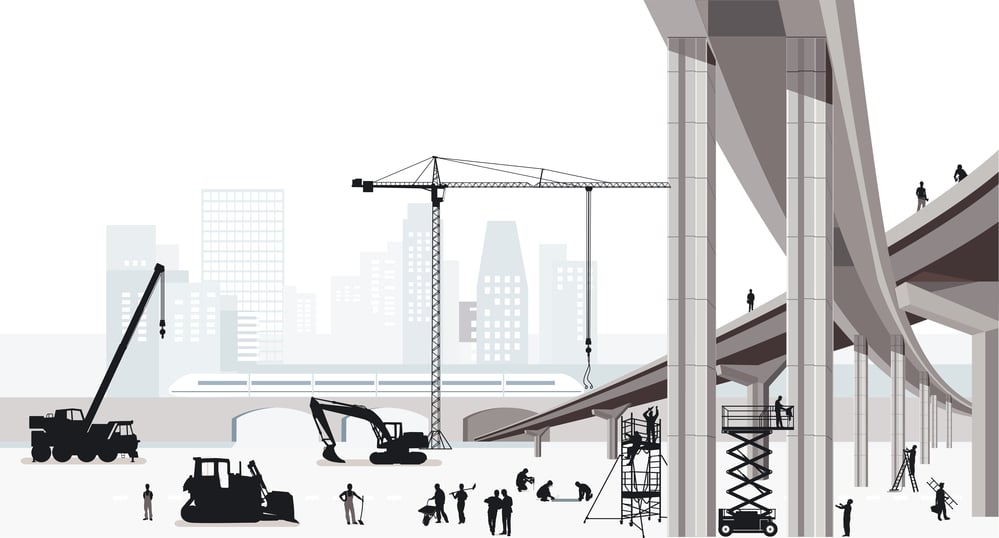
Bridges in crazy locations prove how much people want to link up. Still, engineers push limits – reaching farther, climbing higher – with fresh stuff and methods.
Stuff that felt like fantasy 100 years back? Now it’s normal work; meanwhile, wild bridge ideas today might shape bolder builds later on.
Sure, these things help cut down trip time or hook up lonely towns – but oddly enough, folks end up visiting them just to see what’s there. Some folks trek huge distances just to cross a shaky rope bridge or ride up into foggy skies on an elevated track.
It’s the mix of usefulness and amazement that sets these structures apart – why they demand such heavy work and cost to create.
More from Go2Tutors!

- The Romanov Crown Jewels and Their Tragic Fate
- 13 Historical Mysteries That Science Still Can’t Solve
- Famous Hoaxes That Fooled the World for Years
- 15 Child Stars with Tragic Adult Lives
- 16 Famous Jewelry Pieces in History
Like Go2Tutors’s content? Follow us on MSN.