20 Business Ventures That Started as a Joke but Made Millions
Sometimes, the most lucrative business ideas emerge from moments of humor rather than serious boardroom discussions. Entrepreneurs occasionally stumble upon gold mines when testing concepts that weren’t initially meant to be taken seriously.
These accidental success stories remind us that innovation often hides in unexpected places. Here is a list of business ventures that began as jokes or silly ideas but transformed into multimillion-dollar enterprises that changed industries and created serious wealth for their founders.
Pet Rock
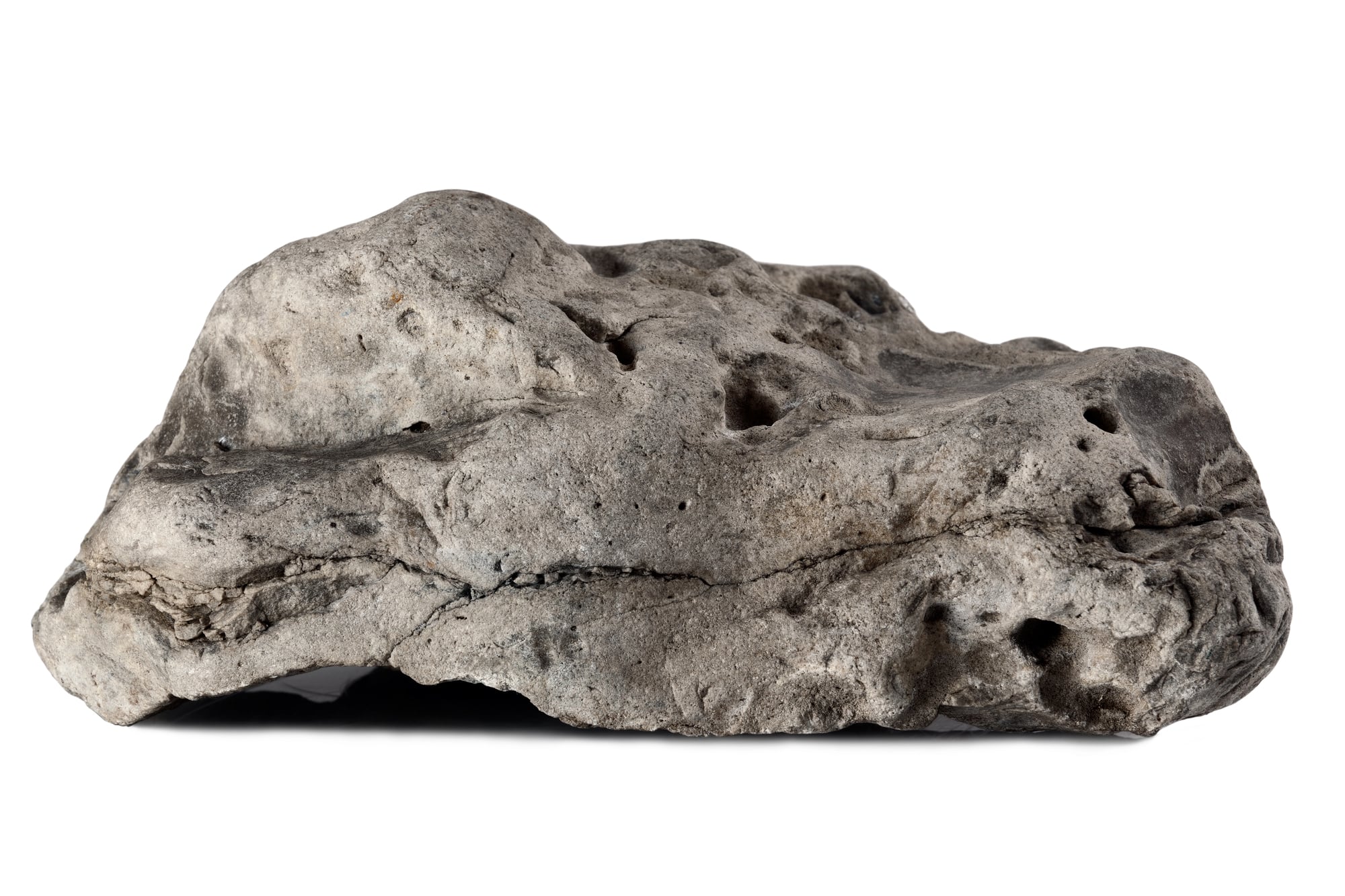
Gary Dahl jokingly complained about the hassle of pet ownership at a bar in 1975, suggesting a rock would make a better pet. What started as a tavern joke became a massive hit when he packaged ordinary stones in custom cardboard boxes with air holes and a 32-page care manual.
Dahl sold 1.5 million Pet Rocks at $4 each within six months, netting him a cool $15 million in today’s dollars.
Big Mouth Billy Bass
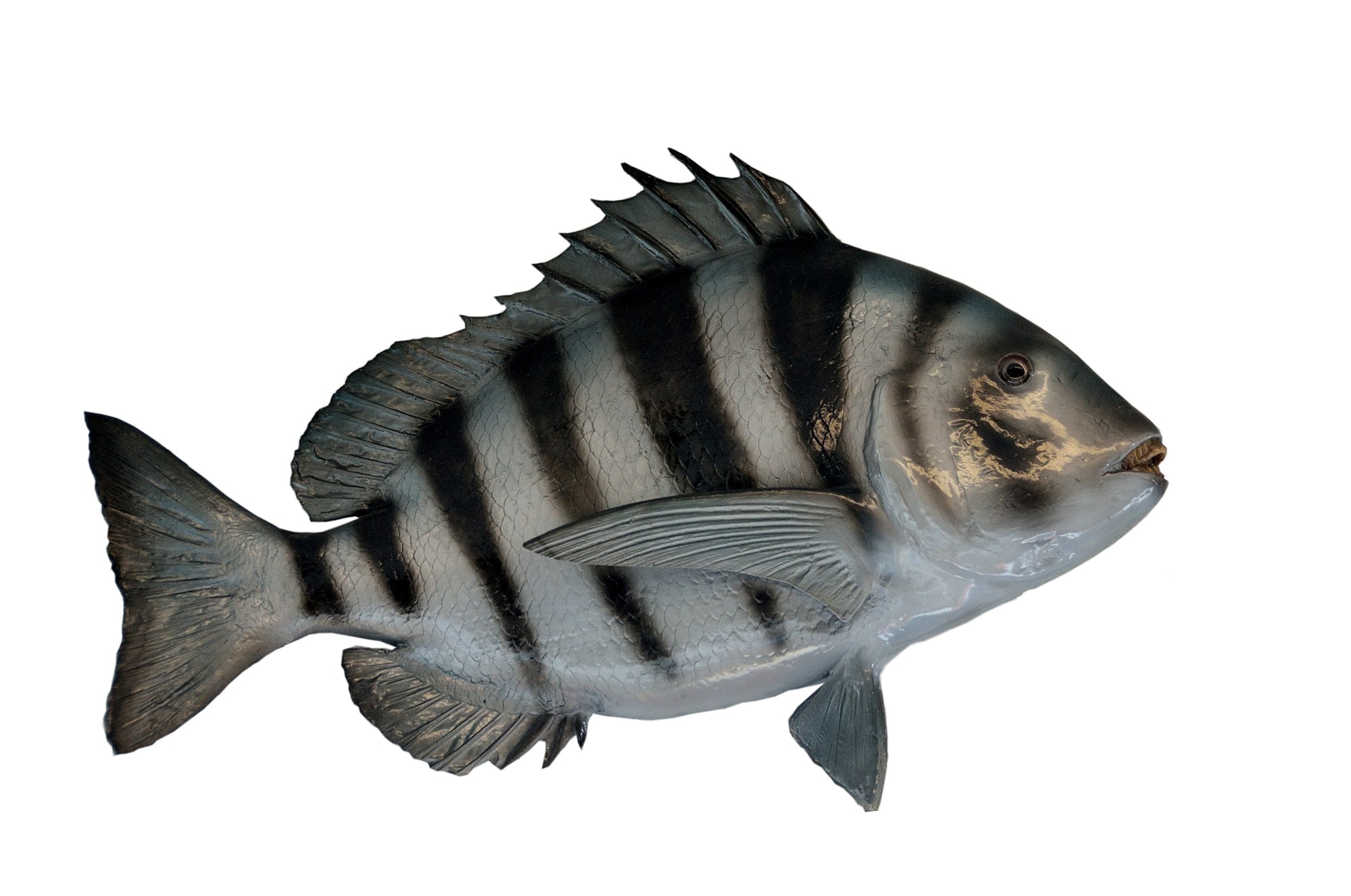
The singing mounted fish began as a gag gift concept that nobody expected to become a cultural phenomenon. The wall-mounted rubber fish that sang Take Me to the River and Don’t Worry, Be Happy whenever someone walked by sold over 1 million units in its first year.
The quirky invention generated over $100 million in sales and became a fixture in homes and offices across America.
The Million Dollar Homepage

College student Alex Tew needed money for university and jokingly created a website selling pixels for $1 each in 2005. The bare-bones site offered advertisers tiny blocks of space on a 1000×1000 pixel grid with absolutely no purpose beyond the novelty.
His silly experiment went viral and sold out completely, earning him exactly $1 million before he even finished his degree.
Snuggie

The sleeved blanket was initially marketed as a gag gift that poked fun at people too lazy to use regular blankets. Commercials that showed families wearing matching Snuggies at sporting events seemed deliberately campy and over-the-top.
The joke product sold over 30 million units and generated more than $500 million in revenue as people genuinely embraced the cozy, if ridiculous-looking, invention.
Cards Against Humanity
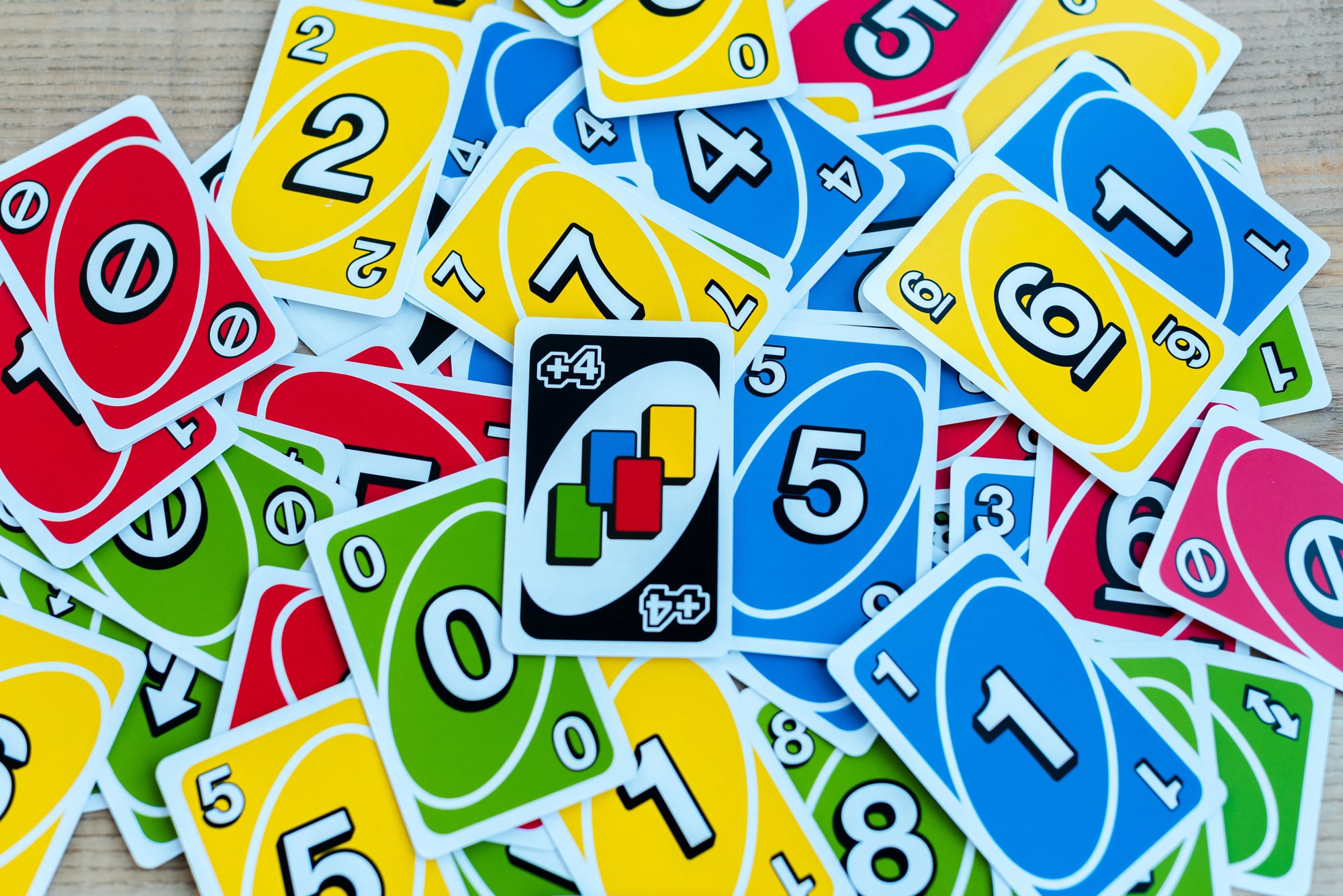
A group of high school friends created this irreverent card game for a New Year’s Eve party, thinking their crude humor would amuse only their immediate circle. What began as an inside joke funded through Kickstarter with a goal of $4,000 ended up raising over $15,000.
The game has since generated tens of millions in revenue and spawned countless expansion packs and imitations.
Doggles

Dog goggles began as a novelty item when owners Roni and Ken Di Lullo noticed their border collie squinting in the sun. Their solution—sunglasses modified for dogs—initially drew laughs at the dog park.
The joke evolved into a serious protective eyewear business for service dogs, military working dogs, and pets with eye conditions, eventually generating over $3 million annually.
Angry Birds

Rovio Entertainment was on the brink of bankruptcy after developing 51 unsuccessful games when they created a simple game with grumpy-looking birds as a last-ditch effort. The team thought the concept was silly but pushed forward anyway with birds that had no legs or wings.
The joke concept became one of the most successful mobile games ever, spawning a franchise worth billions.
Potato Parcel

Two entrepreneurs began sending personalized messages written on potatoes through the mail as a deliberately absurd business concept in 2015. The founders appeared on Shark Tank, where Kevin O’Leary called it “the stupidest idea” he’d heard.
Despite the ridicule, the company has shipped over 70,000 potatoes and generates more than $2 million in annual revenue.
Silly Bandz

These colorful rubber bands, shaped like animals and objects, were initially marketed as office supplies before the founder noticed children trading them like collectibles. The seemingly trivial product that began as a quirky office novelty exploded into a full-blown craze.
At its peak, the company was shipping five million packs weekly and generating over $100 million annually from stretchy rubber bands that cost pennies to produce.
Santa Mail
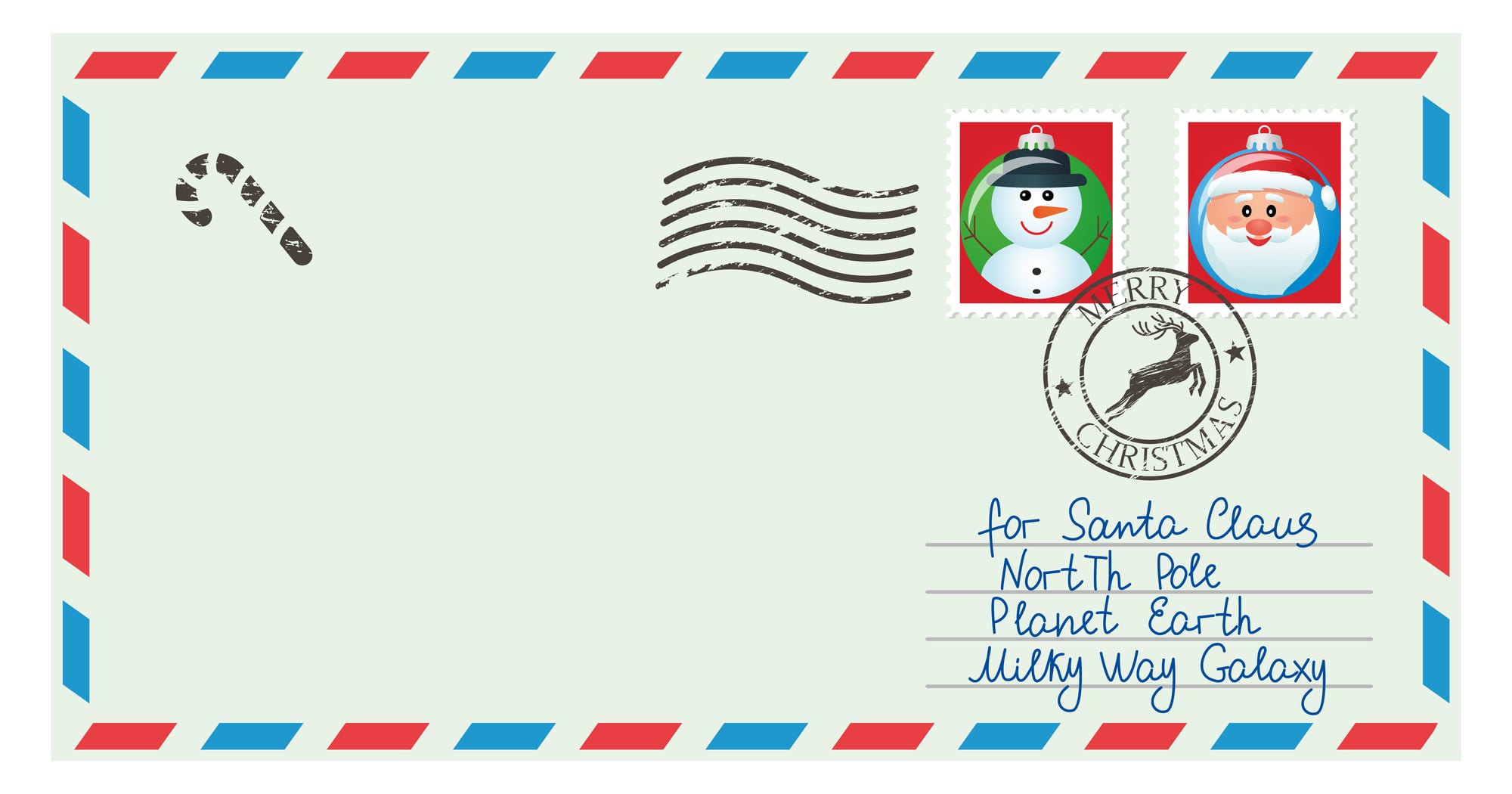
Byron Reese started writing personalized letters from Santa as a joke service in 1997 with minimal expectations. His simple website offering custom North Pole letters for children grew steadily each holiday season.
The concept that began as seasonal humor evolved into a year-round business that has delivered over 1 million Santa letters and generated millions in revenue from parents willing to pay for holiday magic.
Chia Pet

The terra cotta figurines that grow chia sprouts as “hair” seemed like a silly novelty when introduced in 1977. The creators themselves treated it as something of a joke with the now-famous jingle Ch-ch-ch-chia!
The quirky planters have sold over 15 million units, generating hundreds of millions in revenue from a product that essentially combines a ceramic animal with seeds.
FarmVille

Zynga’s virtual farming game was developed as a lighthearted distraction that nobody expected would captivate millions. Executives initially questioned dedicating resources to a game about growing digital crops and collecting cartoon livestock.
At its peak, the game had 84 million active users and generated over $1 billion in revenue from people purchasing virtual farm equipment and animals.
Warhammer

Games Workshop’s miniature wargame began as a hobby project among friends who enjoyed painting small figures and creating elaborate battle scenarios. The founders never anticipated their pastime would evolve into a global phenomenon.
The company now generates over $300 million annually selling tiny plastic figures and rulebooks to dedicated fans who spend countless hours assembling and painting their miniature armies.
The Shake Weight

The oscillating dumbbell was introduced with infomercials so unintentionally suggestive that they instantly became comedy fodder for late-night shows. Despite being widely mocked for its awkward motion and questionable workout effectiveness, the product sold over 2 million units in its first year.
The fitness device that became a punchline generated over $40 million in revenue while being featured in countless parodies.
Whoopee Cushion
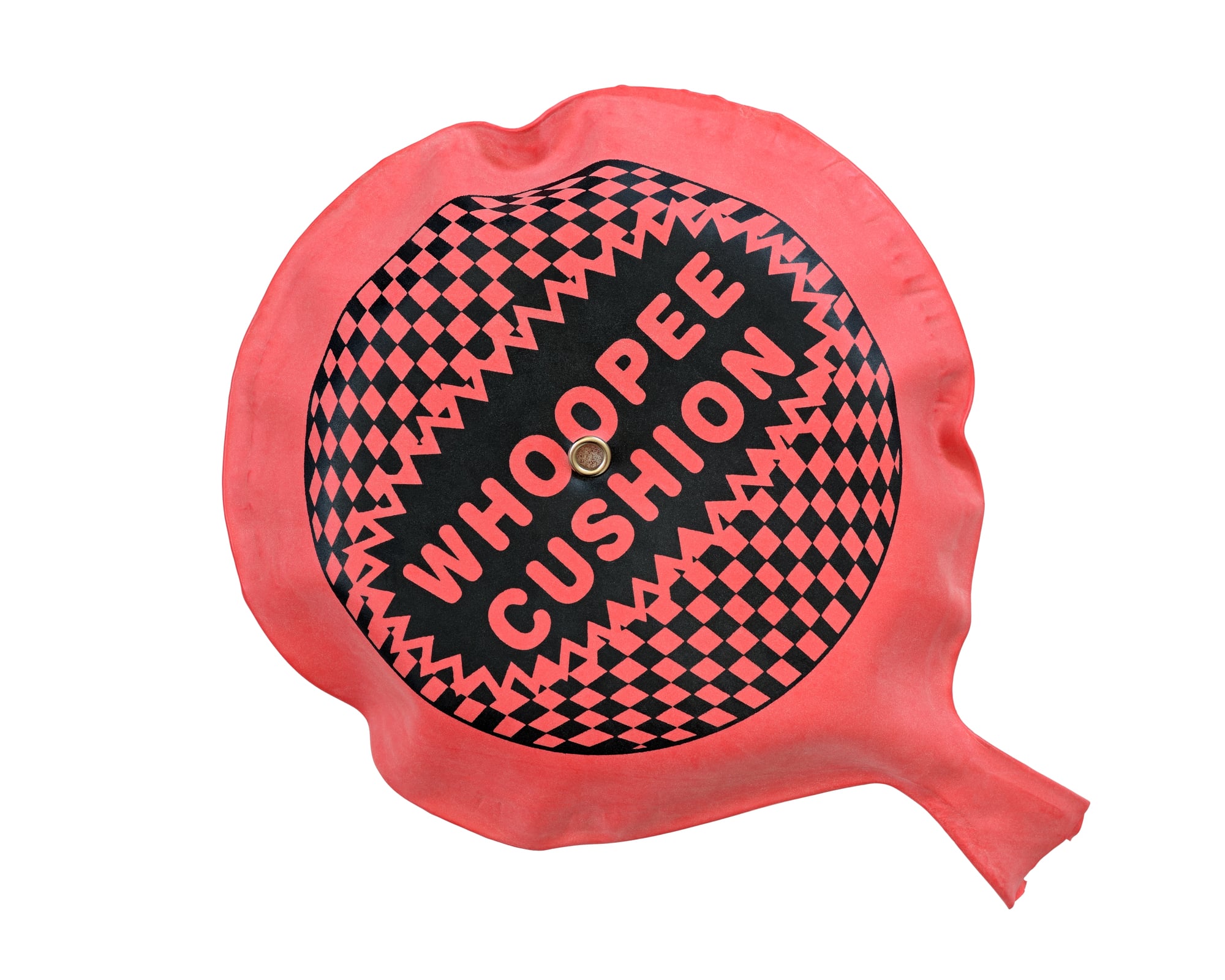
The practical joke item invented in the 1920s by employees at the JEM Rubber Company was considered nothing more than a juvenile novelty. The simple rubber bladder that creates embarrassing sounds has sold millions of units worldwide.
This classic prank item has generated untold millions in revenue over a century and remains a steady seller despite its complete lack of practical purpose.
Yellow Smiley Face

Commercial artist Harvey Ball created the iconic smiley face in 1963 to boost employee morale at an insurance company, earning just $45 for his design. The simple drawing, intended as an internal company joke, spread rapidly without trademark protection.
While Ball didn’t profit from his creation, the smiley face has generated billions through merchandise, appearing on everything from t-shirts to emoji keyboards.
Elf on the Shelf

What began as a family’s private Christmas tradition of hiding a small elf doll around the house evolved into a full-fledged business when mother-daughter team Carol Aebersold and Chanda Bell wrote a book about their family’s elf.
The concept many parents initially saw as a seasonal joke has sold over 13 million books and elves, creating a holiday empire worth over $250 million.
Beanie Babies
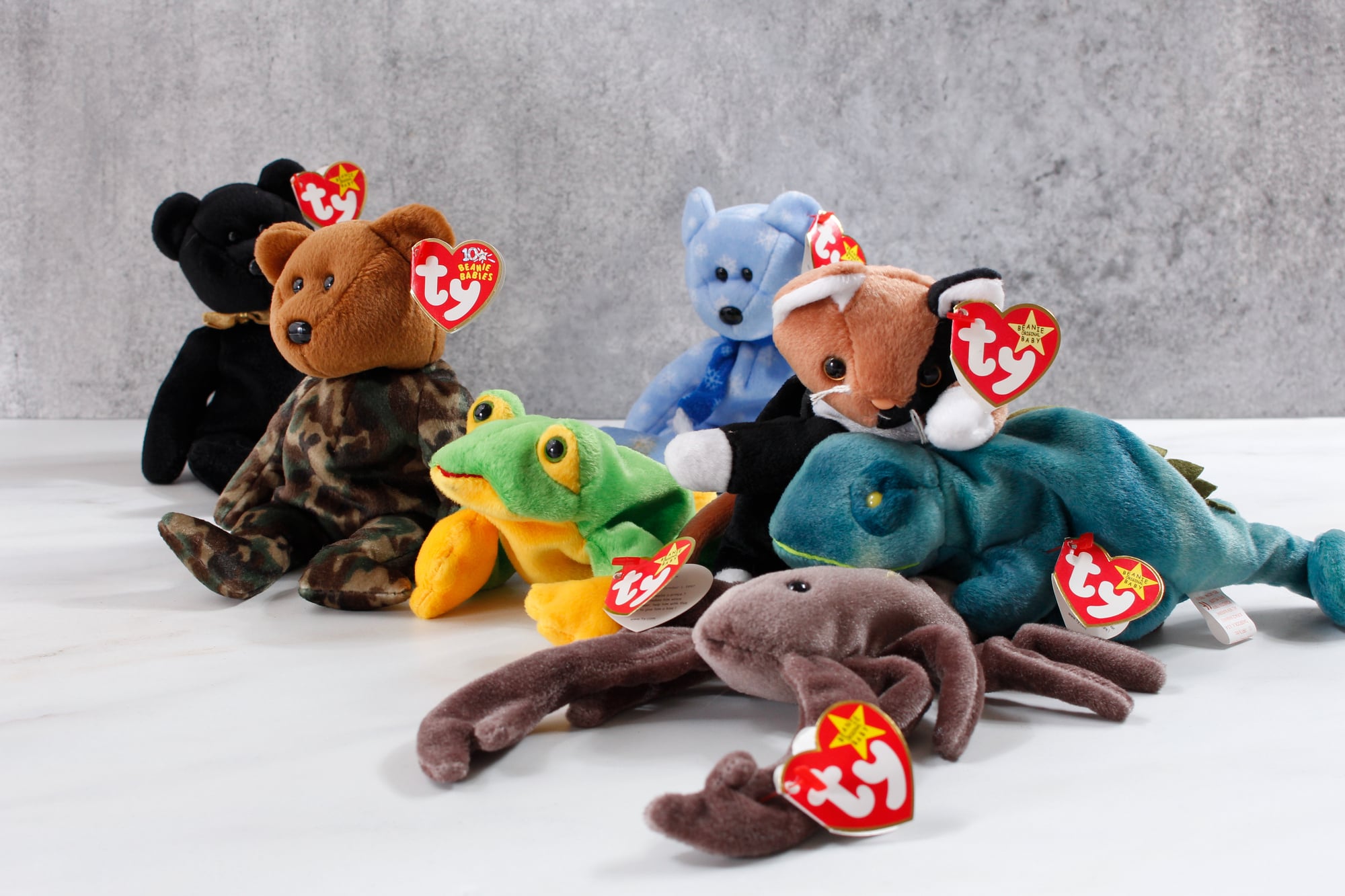
Ty Warner created these under-stuffed plush toys as an affordable alternative to traditional stuffed animals, not expecting them to become valuable collectibles. The company’s decision to “retire” certain animals created artificial scarcity that turned a simple toy into an investment frenzy.
At the height of Beanie Baby mania, the toys that retailed for $5 were selling for thousands on secondary markets, helping make Warner a billionaire.
Instant Ramen Cup

Momofuku Ando created Cup Noodles in 1971 as a convenient food solution, initially facing ridicule for suggesting people would prefer dried noodles in a cup. His company Nissin saw the product as somewhat gimmicky compared to traditional noodles.
The humble instant meal now sells 40 billion units annually worldwide, transformed from joke to staple food for students and busy professionals globally.
Crocs
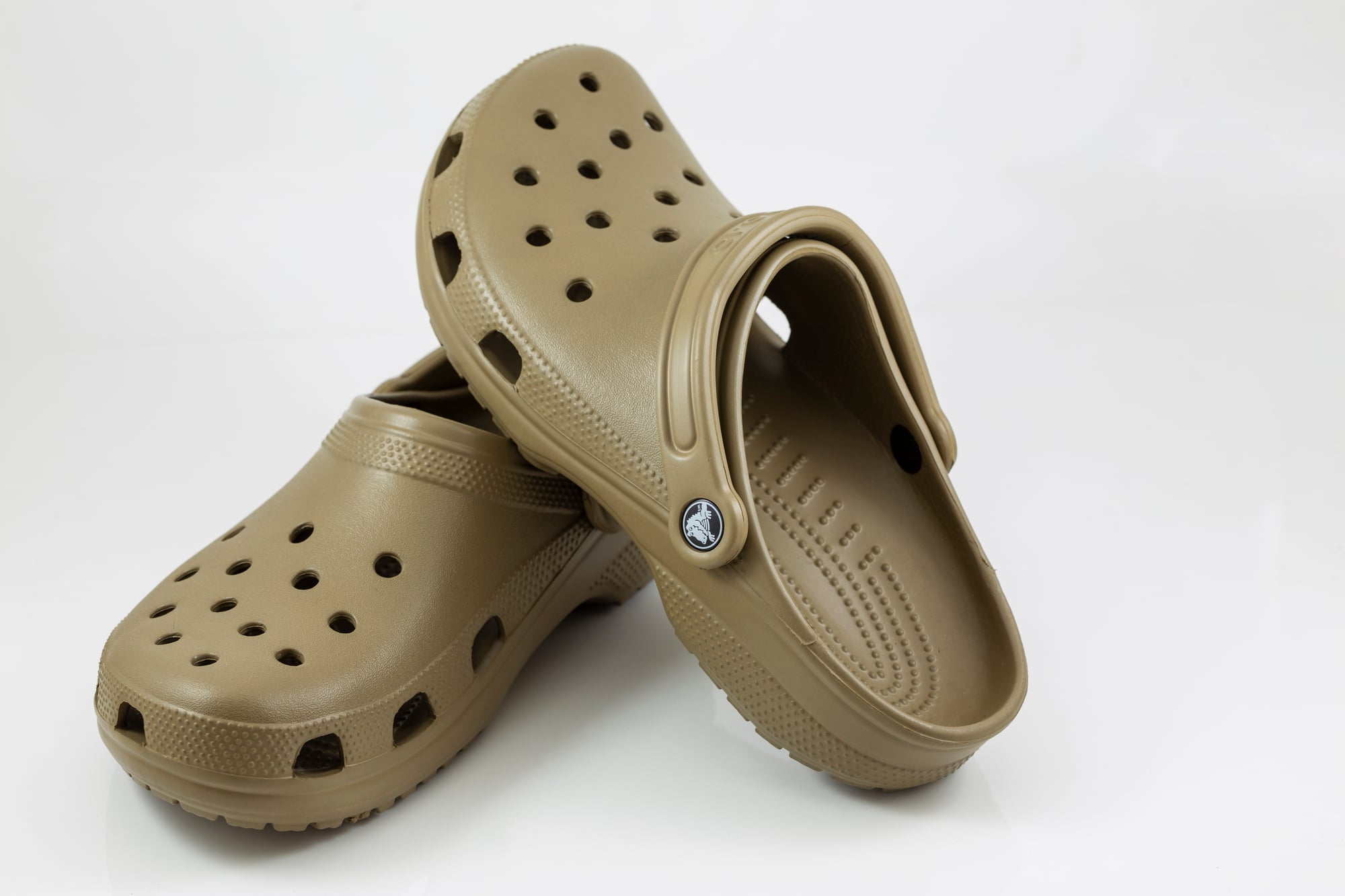
The ugly yet comfortable foam clogs were originally developed as a boating shoe and displayed at a boat show where they sold out immediately. The founders themselves acknowledged the shoes’ strange appearance but emphasized comfort over style.
Despite being widely mocked by fashion experts, Crocs has sold over 300 million pairs and generates annual revenues exceeding $1 billion from shoes that many consider fundamentally ridiculous.
From Punchline to Profit Line

These unexpected success stories reveal how initial mockery often precedes market domination. Products and services dismissed as jokes managed to tap into genuine consumer needs or desires that more serious business ventures overlooked.
Their journeys from ridicule to riches demonstrate that timing, marketing, and sometimes pure luck can transform the seemingly absurd into commercial gold mines. Perhaps the greatest business lesson here isn’t to create something revolutionary but rather to recognize when your joke might actually be solving a problem no one knew they had.
More from Go2Tutors!

- The Romanov Crown Jewels and Their Tragic Fate
- 13 Historical Mysteries That Science Still Can’t Solve
- Famous Hoaxes That Fooled the World for Years
- 15 Child Stars with Tragic Adult Lives
- 16 Famous Jewelry Pieces in History
Like Go2Tutors’s content? Follow us on MSN.



