20 Card Games Families Kept in the Kitchen Drawer
Long before video game consoles took over family game nights, a worn deck of cards tucked into a kitchen junk drawer was often the default entertainment option, pulled out during rainy afternoons, holiday gatherings, or the simple boredom of a weeknight after dinner. Certain games became so embedded in household routine that entire families played the same variations for generations without ever needing written rules.
Here are the card games that earned a permanent spot in that drawer.
Rummy
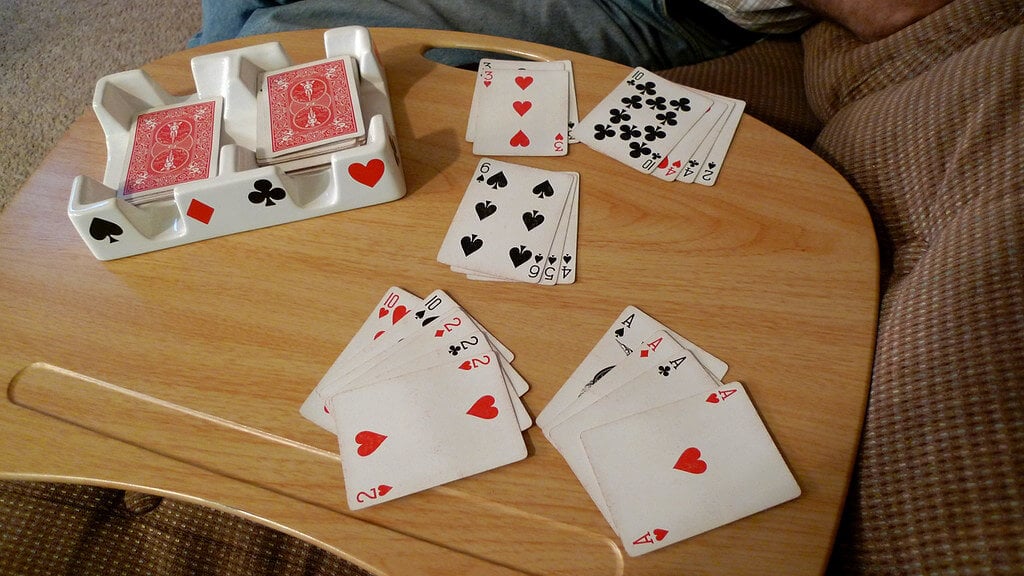
Rummy, in its many regional variations, has remained one of the most consistently popular family card games for over a century, built around the simple goal of forming sets and sequences before opponents can. Its flexible rule structure allowed families to develop their own house variations passed down without ever being formally written out.
Gin Rummy, a faster two-player variant, became especially popular for quick games between just two family members.
Go Fish
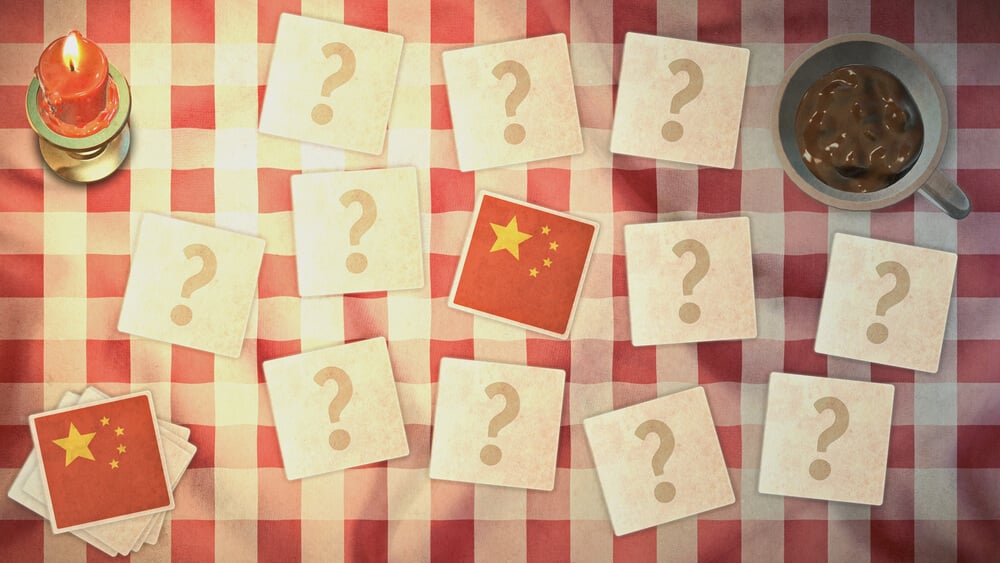
Go Fish is typically one of the first card games taught to young children, relying on simple matching rather than strategy, making it accessible even to players who cannot yet read numbers reliably. Its call-and-response structure, asking another player directly for a specific card, gives it a naturally social, conversational rhythm distinct from quieter games.
The game’s simplicity has kept it a consistent staple across generations of family gatherings.
Crazy Eights
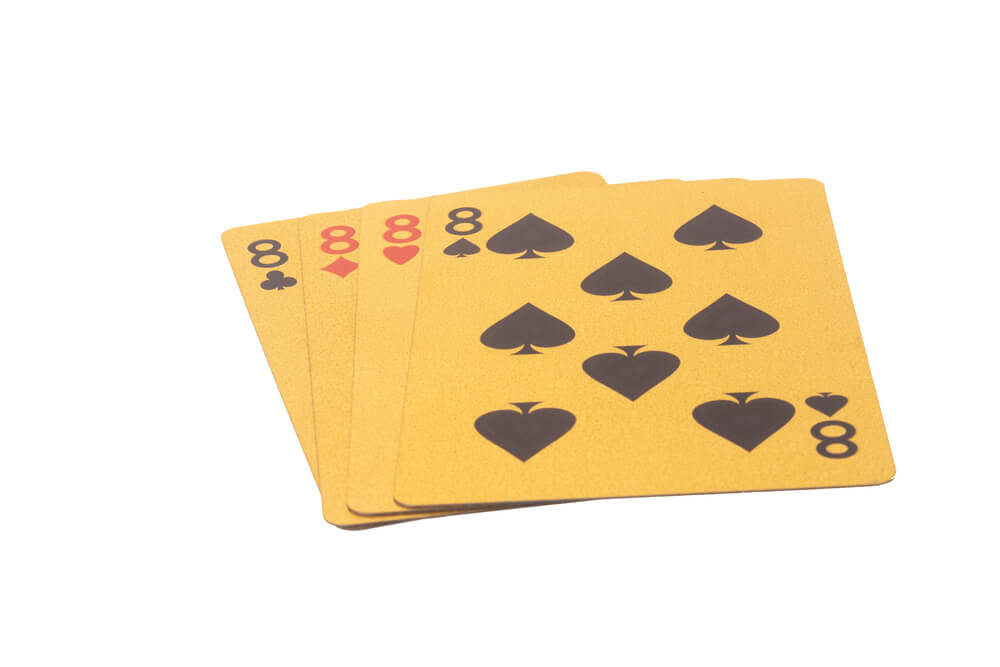
Crazy Eights, a shedding-style game where players try to empty their hand first while eights allow the active suit to be changed, was a common household staple for decades before the commercial card game Uno was released as a more structured, branded version of similar mechanics. Many families continued playing the original card-deck version long after Uno’s commercial popularity, preferring not to buy a dedicated deck.
Its flexible house-rule structure made it easy to adapt across different family groups.
War
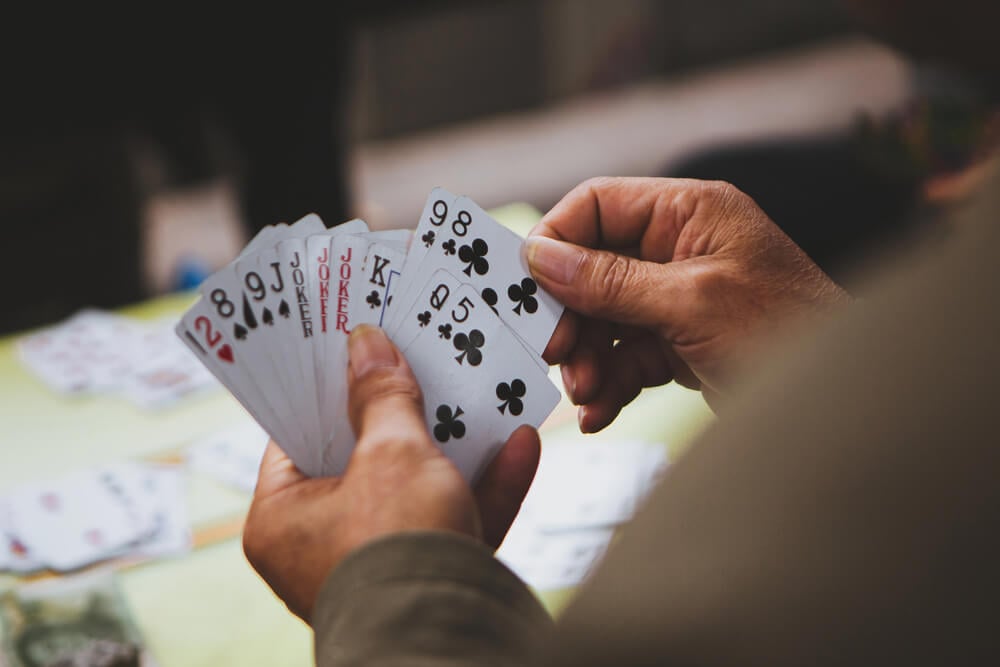
War requires no real strategy at all, relying purely on chance as players flip cards and compare values, making it a common choice for very young children still learning basic number recognition. Despite, or perhaps because of, its lack of strategic depth, the game has remained a consistent household staple for generations.
Its simplicity made it one of the easiest games for an older sibling to teach a younger one without adult involvement.
Solitaire
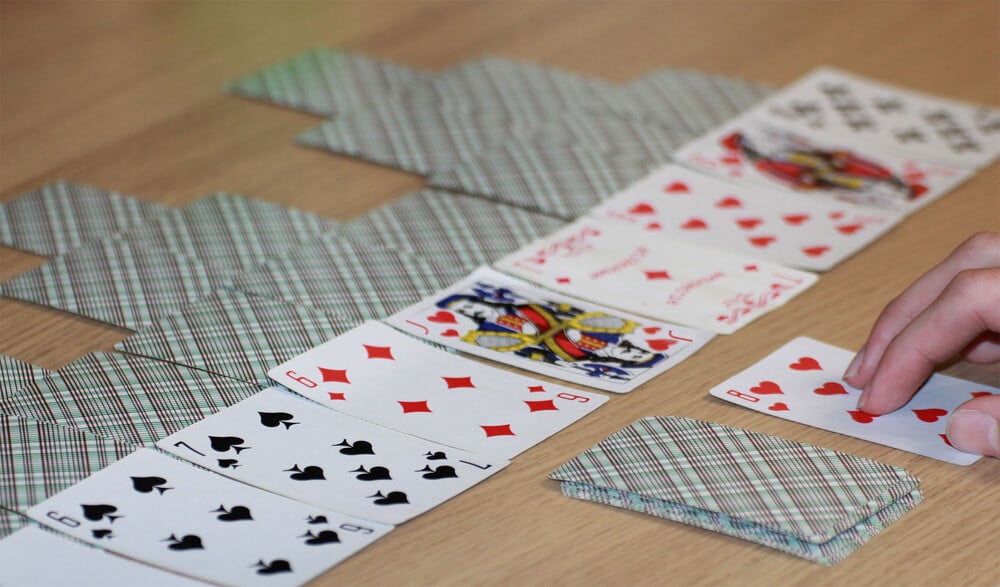
Solitaire, played alone rather than with family members directly, nonetheless became a fixture of household card drawers specifically because it offered entertainment during moments when no other players were available. Klondike, the most common variation, became so culturally dominant that it was bundled directly into early versions of Microsoft Windows in 1990, introducing an entirely new generation to the game through computers rather than physical cards.
The physical card version remained a household staple even as digital versions became widely available.
Spades
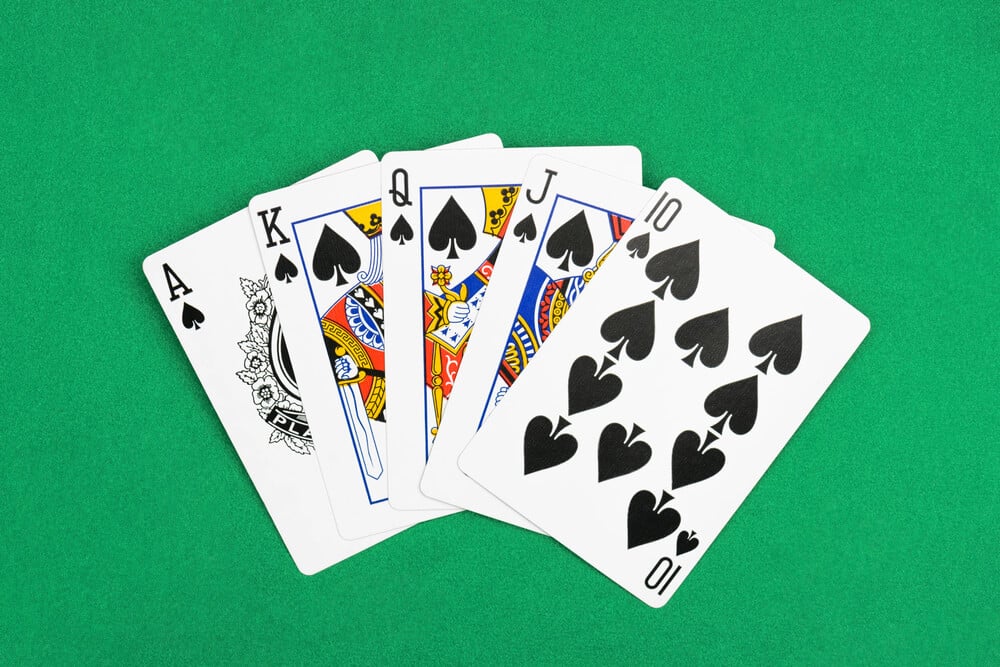
Spades, a trick-taking partnership game requiring players to bid on how many tricks they expect to win, became particularly popular in American households from the mid-20th century onward, often played competitively among family members during extended gatherings. Its partnership structure made it especially suited to holiday settings with four or more players available.
Regional and family-specific house rules around bidding and scoring remain common variations still debated among players today.
Hearts
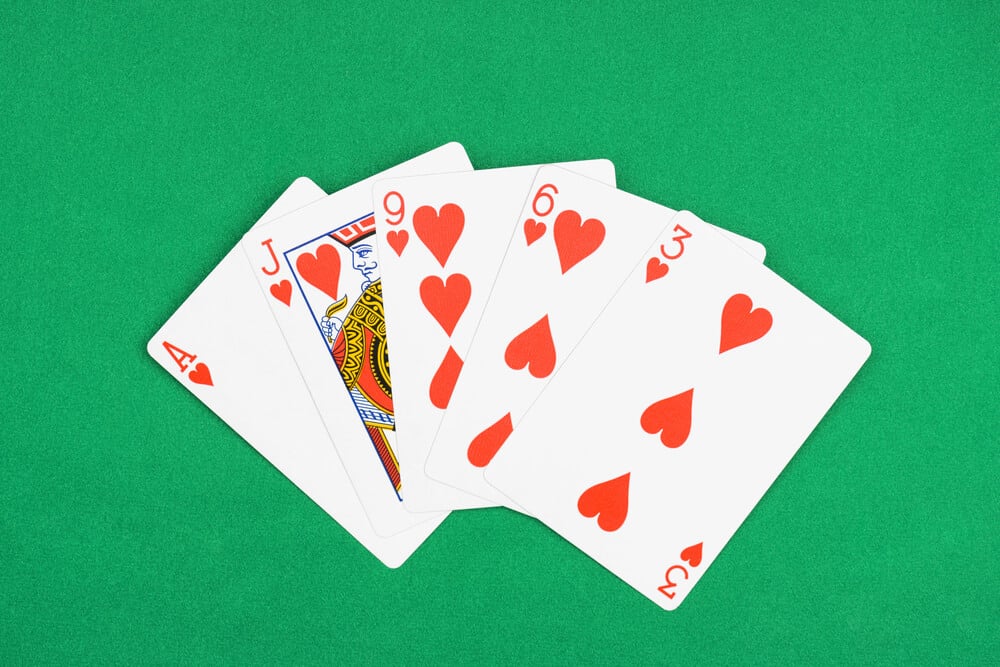
Hearts, a trick-avoidance game where players try to avoid collecting certain penalty cards, became a common family staple for its distinctive strategic tension, since the game rewards players for sometimes deliberately taking tricks they would normally avoid under the “shooting the moon” rule. The game’s relatively steep learning curve compared to simpler options made it more common among older children and adults specifically.
Its digital inclusion in early Windows software helped extend its popularity into new households as well.
Euchre
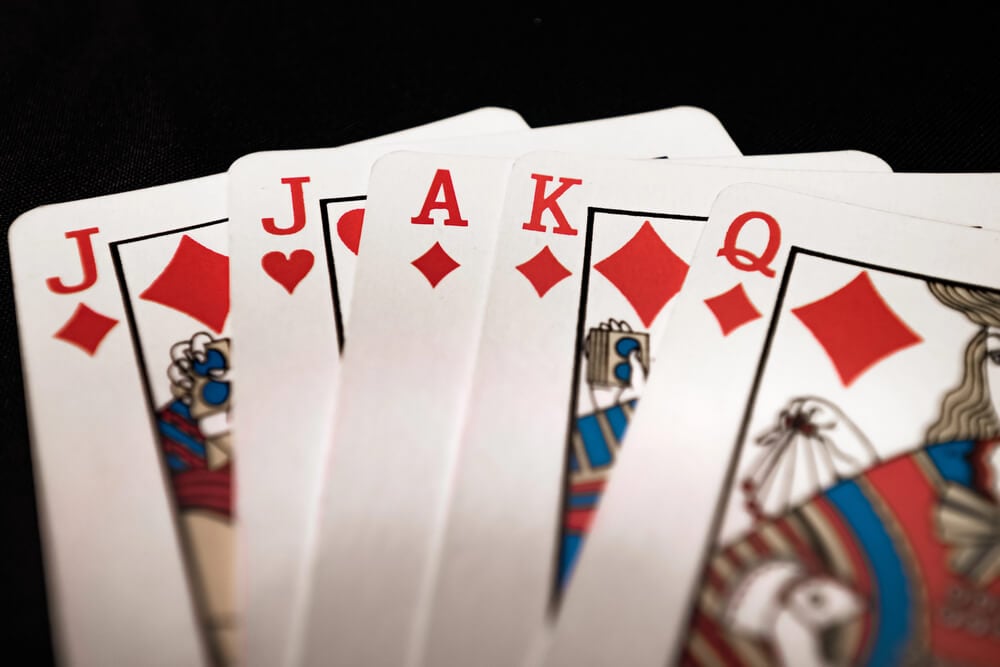
Euchre, a trick-taking game using a reduced deck, became particularly entrenched as a regional family tradition across the American Midwest and parts of Canada, often played in structured tournament-style formats at larger family gatherings. Its partnership structure and relatively fast round length made it well suited to social settings with rotating players.
Regional variation in rules remains strong enough that families from different areas sometimes disagree sharply over correct gameplay.
Canasta
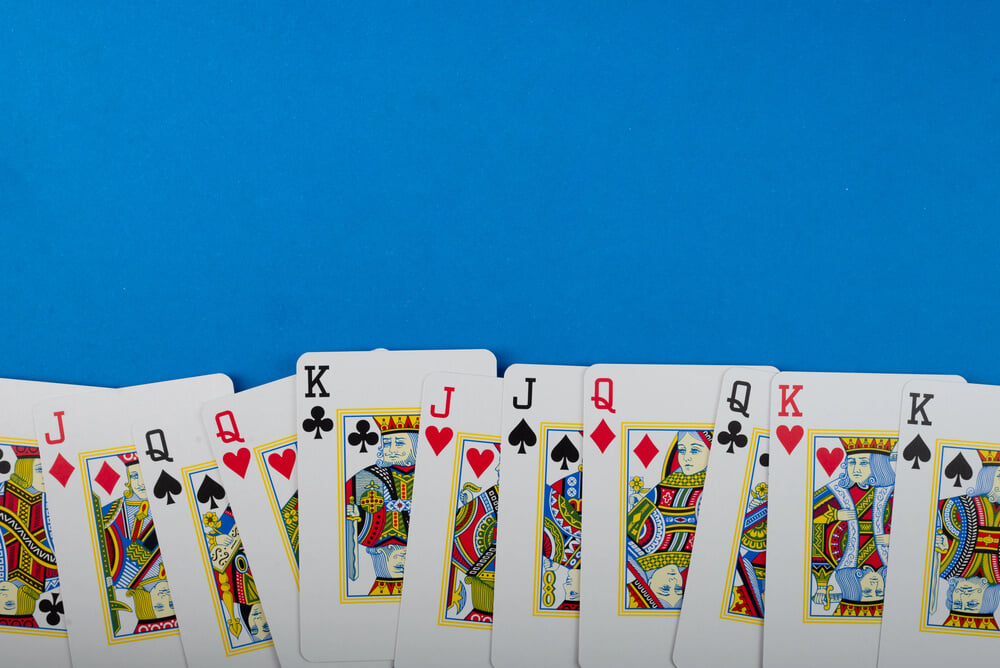
Canasta, a rummy-style game built around forming large sets called “melds,” saw a significant surge in American household popularity during the 1950s before settling into a smaller but consistent following among specific family groups afterward. The game’s relatively complex scoring system meant it was often taught specifically by grandparents to younger family members as a kind of intergenerational tradition.
Regional and family variations in scoring remain common points of friendly disagreement among longtime players.
Pinochle
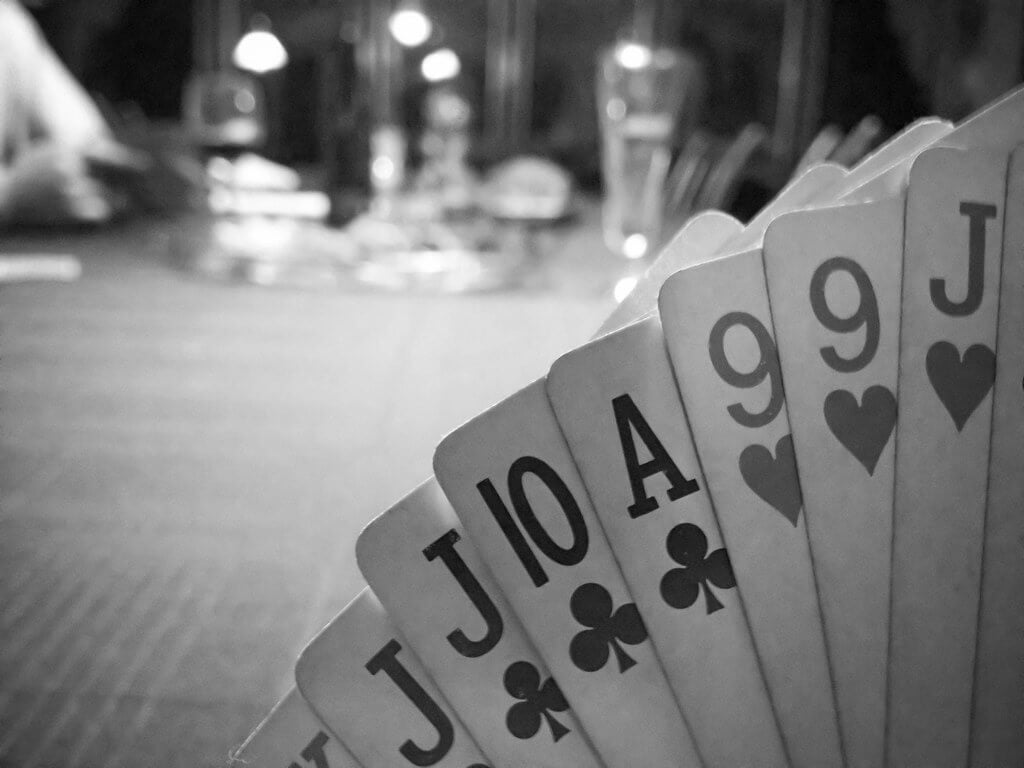
Pinochle, a trick-taking and melding game using a specialized deck with duplicate cards, became a strong regional tradition in several parts of the United States, particularly among families with German or Central European heritage. Its relatively steep rule complexity meant it was often reserved for adult players or older children during family gatherings.
The specialized deck itself, distinct from a standard 52-card deck, often lived permanently in the same drawer as regular playing cards in households that played regularly.
Old Maid
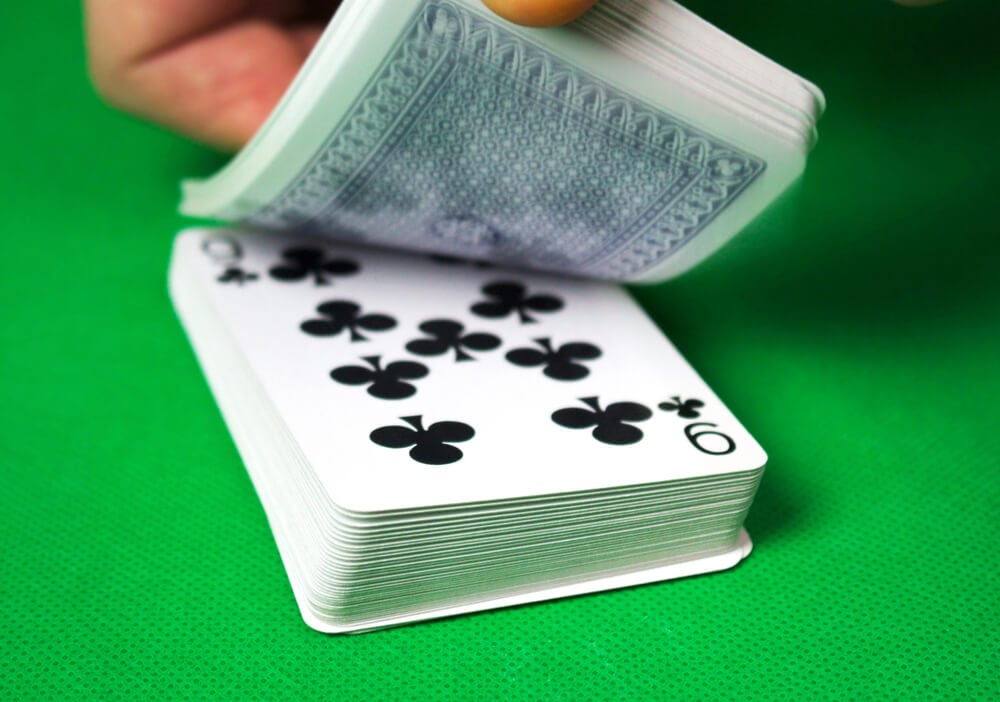
Old Maid, a simple matching game built around avoiding being left holding a specific unmatched card, was historically marketed with specially printed decks featuring illustrated characters rather than standard playing cards. The game’s simple mechanics made it a common first card game taught to young children alongside Go Fish.
Commercially printed Old Maid decks from earlier decades are now collected for their illustration styles specific to different printing eras.
Uno
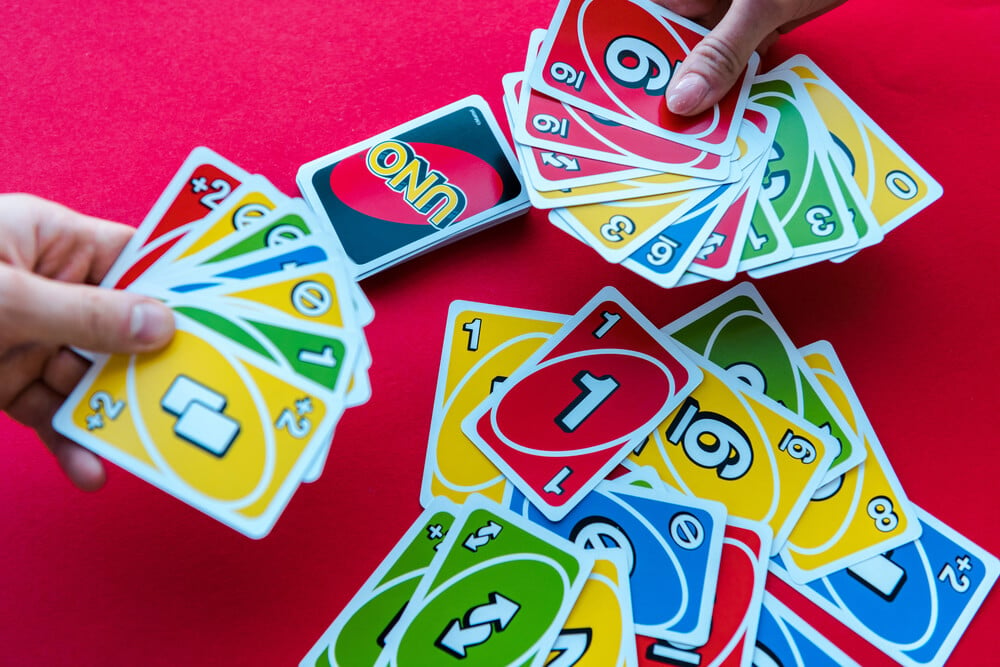
Though technically a proprietary card game requiring its own specialized deck rather than a standard 52-card deck, Uno became common enough in household game drawers after its 1971 release that it effectively joined the same category as traditional card games in family memory. Its mechanics closely mirror Crazy Eights, though with additional structured rules and specialized action cards not present in the original game.
Mattel currently owns the Uno brand after acquiring it in 1992.
Slapjack
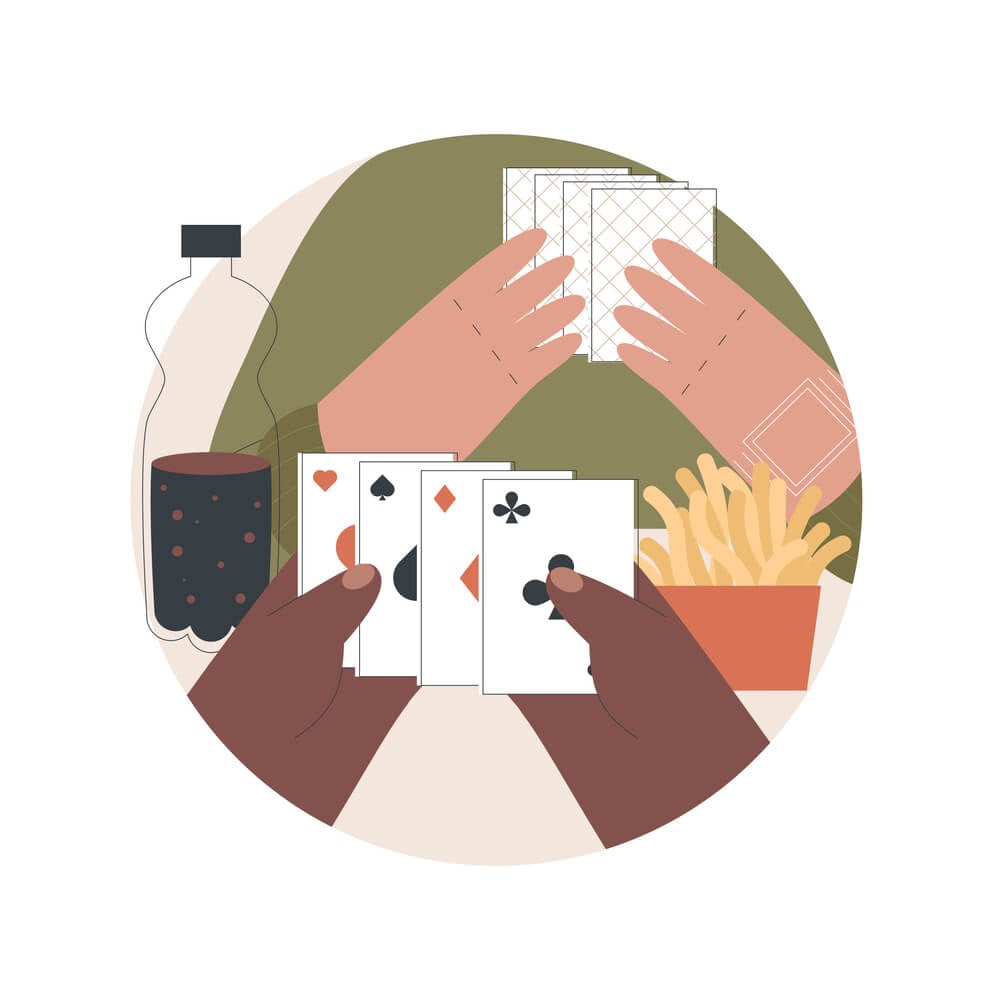
Slapjack, a fast-reflex game where players race to slap the pile whenever a jack is revealed, became a popular choice specifically for younger children due to its simple rules and physically active gameplay compared to quieter strategy-based card games. The game’s simplicity and physical component made it a common choice for larger groups of children at family gatherings.
Its fast pace and minimal rule complexity kept it accessible even to children too young for more strategic games.
Egyptian Ratscrew
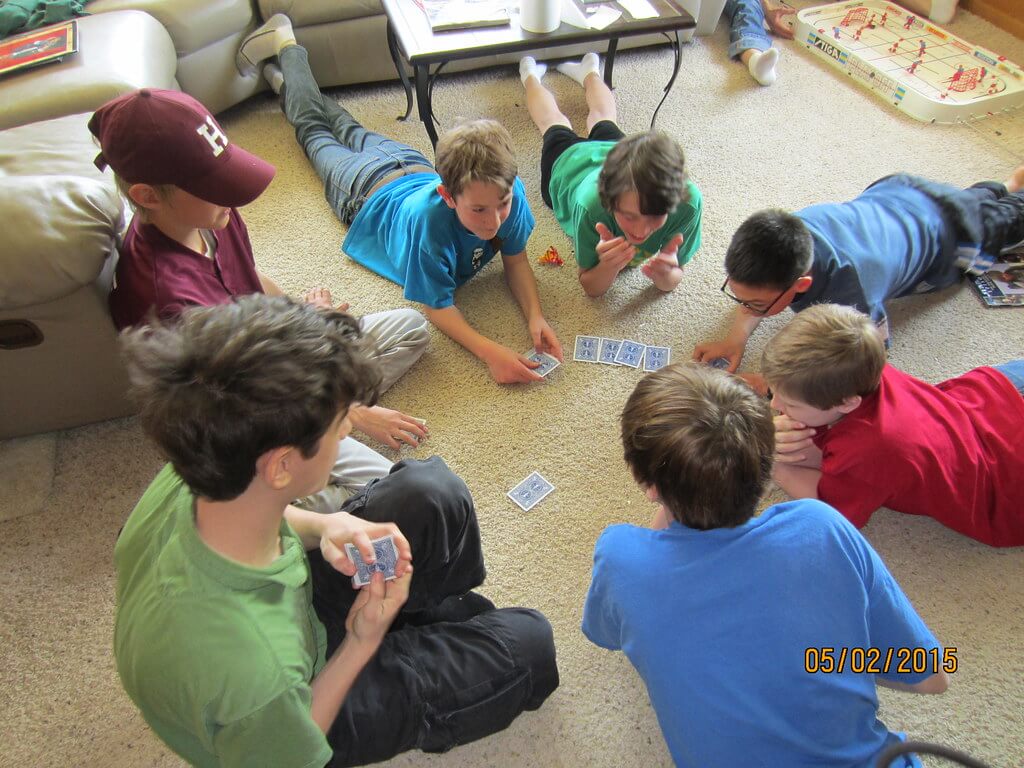
Egyptian Ratscrew, a faster and more complex variant building on the same slap-based mechanics as Slapjack, gained particular popularity among older children and teenagers due to its added layers of pattern recognition and quick reflexes. The game’s specific slap rules vary significantly between different regional and family traditions, making it a game frequently modified with house rules.
Its faster pace and higher complexity distinguished it from simpler slap games aimed at younger children.
Kings in the Corner
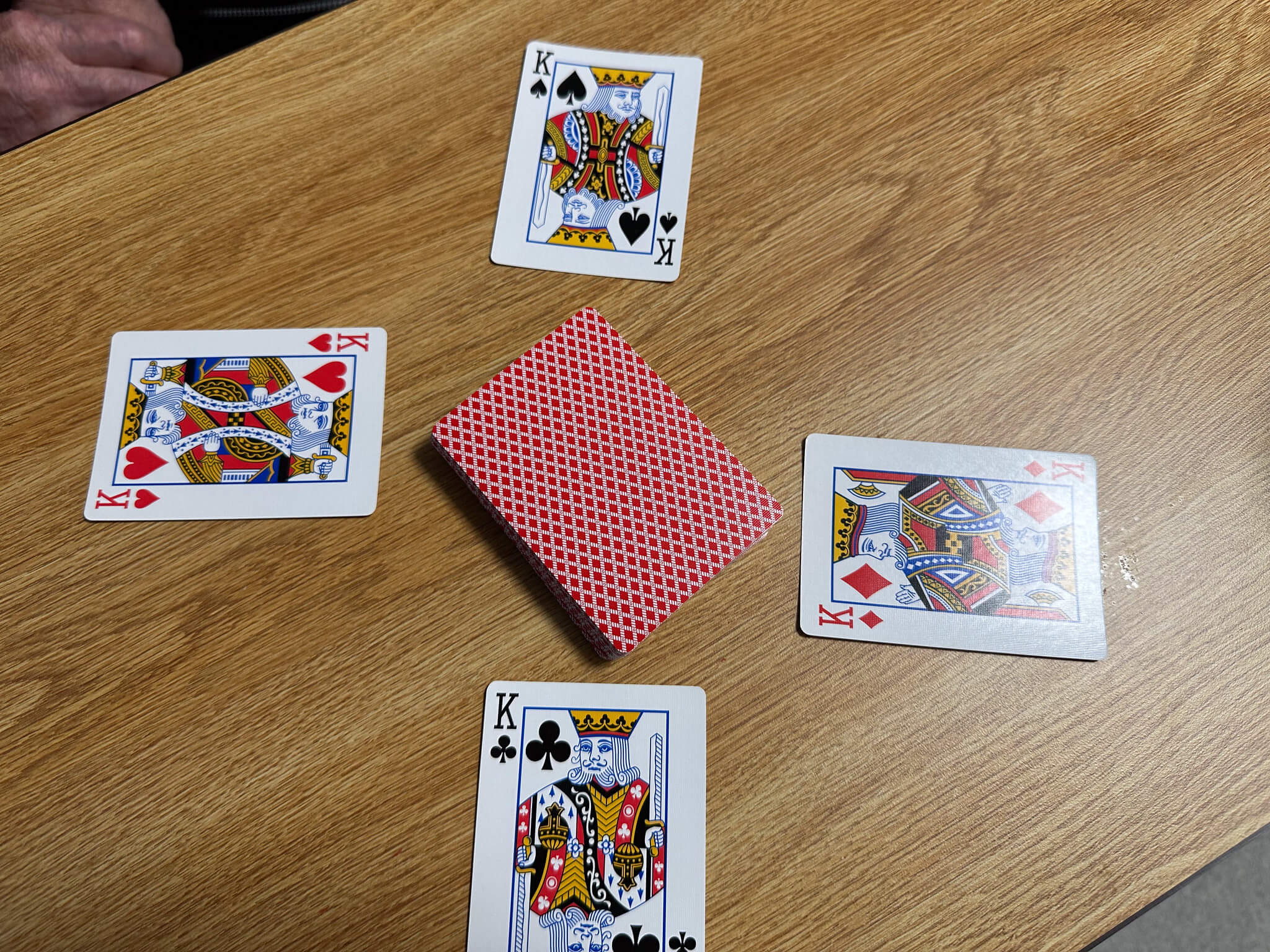
Kings in the Corner, a solitaire-style game adapted for multiple players using a cross-shaped card layout, became a common family choice specifically because it combined solitary card-laying mechanics with a competitive multiplayer structure. Its relatively simple rules made it accessible to a wide age range within the same family group.
The distinctive cross-shaped layout made it visually memorable compared to more standard card game formats.
Concentration
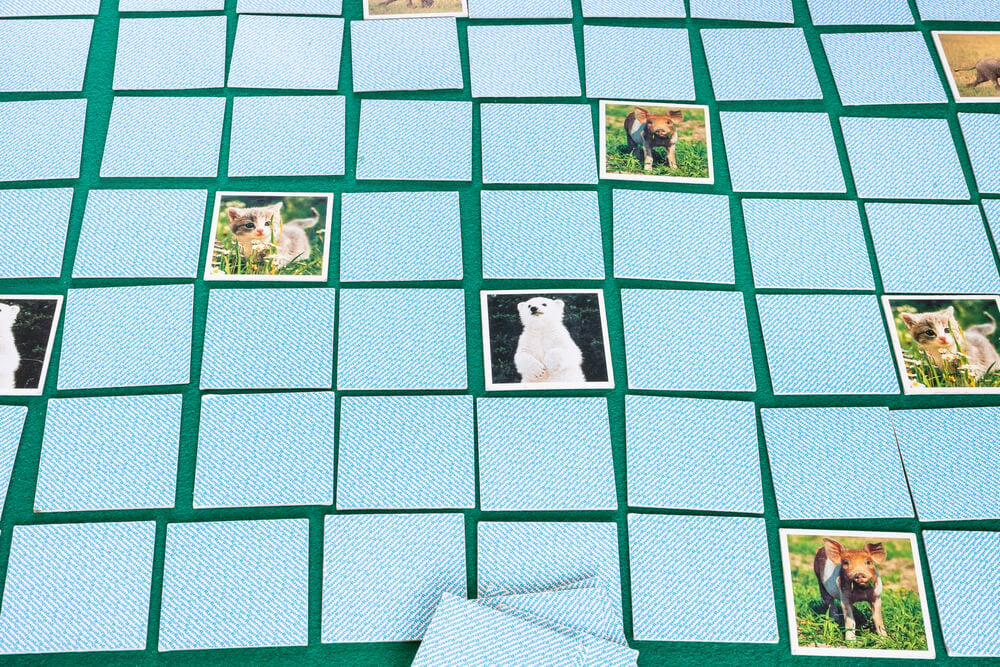
Concentration, also commonly called Memory, involves players trying to locate matching pairs among face-down cards, relying purely on memory rather than strategy or luck in the traditional sense. The game became a particularly common choice for young children specifically because it offered genuine cognitive engagement despite requiring no reading or numerical skill.
Commercially printed memory-matching card sets with illustrated designs remain a popular variation alongside standard playing card versions.
Speed
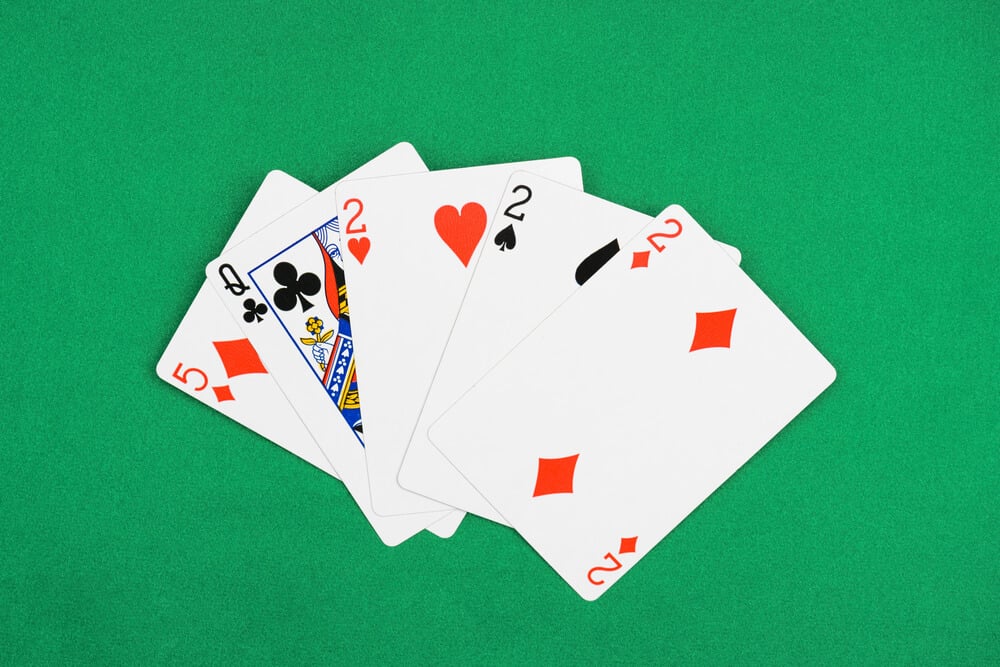
Speed, a fast-paced matching game where two players race to empty their hands by playing sequential cards as quickly as possible, became popular specifically among teenagers and young adults for its high energy and short round length. Unlike many family card games built around patience and strategy, Speed rewarded quick reflexes and rapid pattern recognition instead.
Its short, intense rounds made it a common choice for quick games between limited players rather than large group settings.
Rook
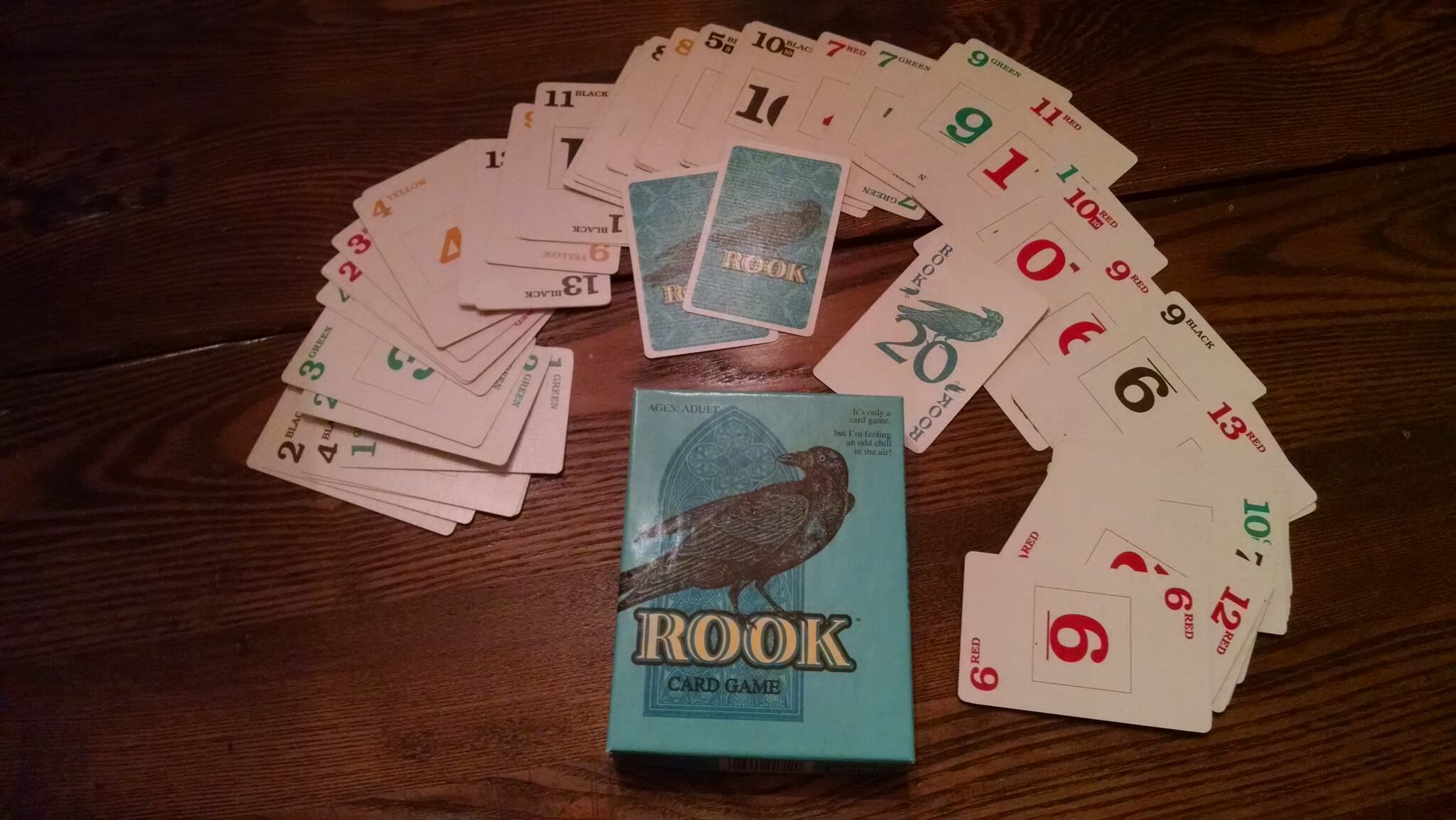
Rook, played with a specialized deck rather than standard playing cards, was historically marketed and adopted specifically by families and religious communities that avoided standard playing cards due to their association with gambling. The game’s trick-taking mechanics closely resemble Spades and Euchre despite the different deck.
Rook decks, distinct in appearance from standard playing cards, often occupied a separate space in household card collections specifically because of this historical association.
Bridge
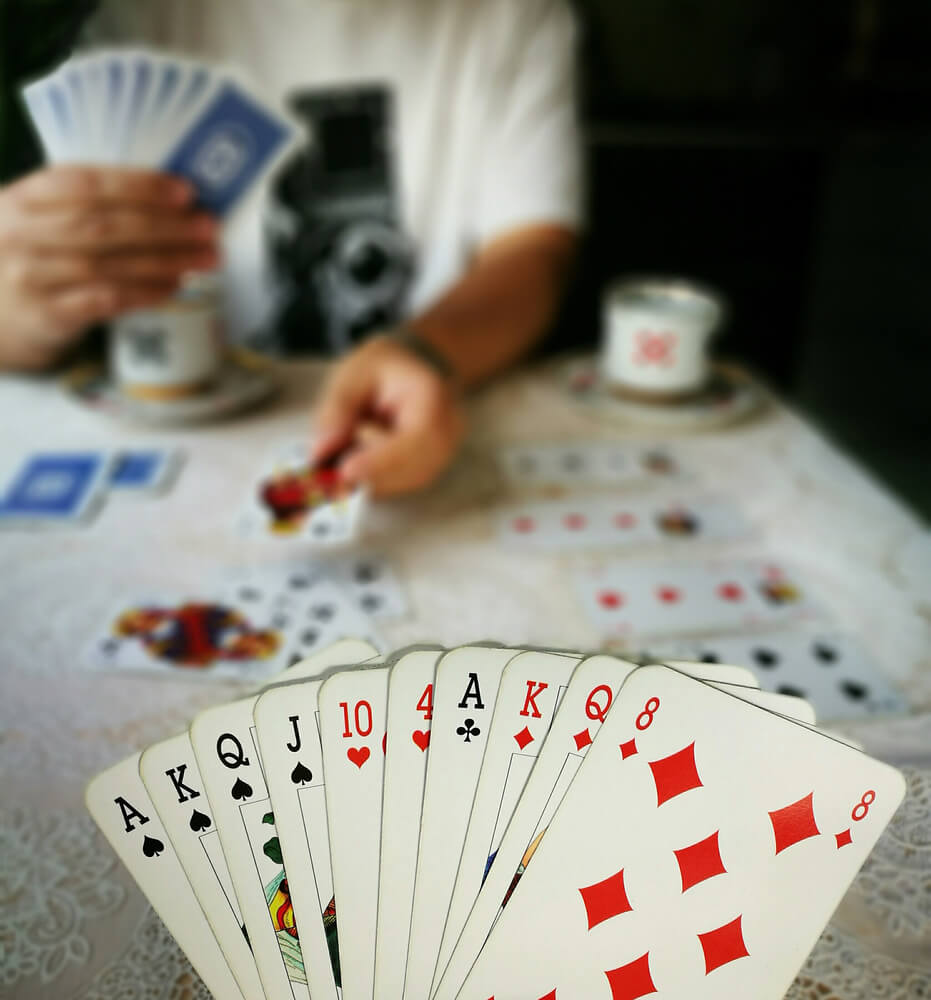
Bridge, one of the more strategically complex trick-taking partnership games, became a defining social card game for a significant portion of the 20th century, particularly among adult social groups and certain family traditions passed down specifically to older children. Its steep learning curve and structured bidding system set it apart from simpler family games, often requiring dedicated instruction rather than casual pickup.
Despite its complexity, dedicated family bridge traditions have persisted strongly enough that the game remains actively played today.
Skip-Bo
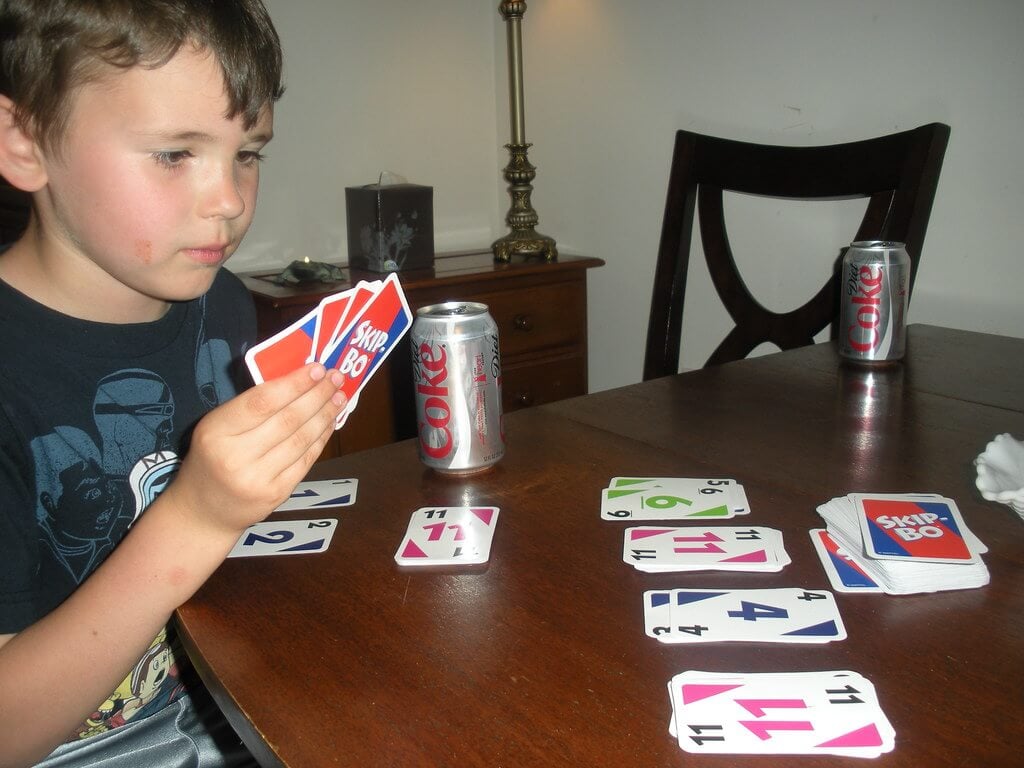
Skip-Bo, a proprietary sequencing card game requiring its own specialized deck, became a common household staple after its wider commercial release, eventually acquired and distributed by Mattel. Its relatively simple sequencing mechanics made it accessible to a broad age range while still offering enough strategic depth to remain engaging for adults.
The game’s specialized deck meant it typically occupied its own dedicated box rather than blending into a general card drawer alongside standard playing card games.
What the Drawer Held Onto
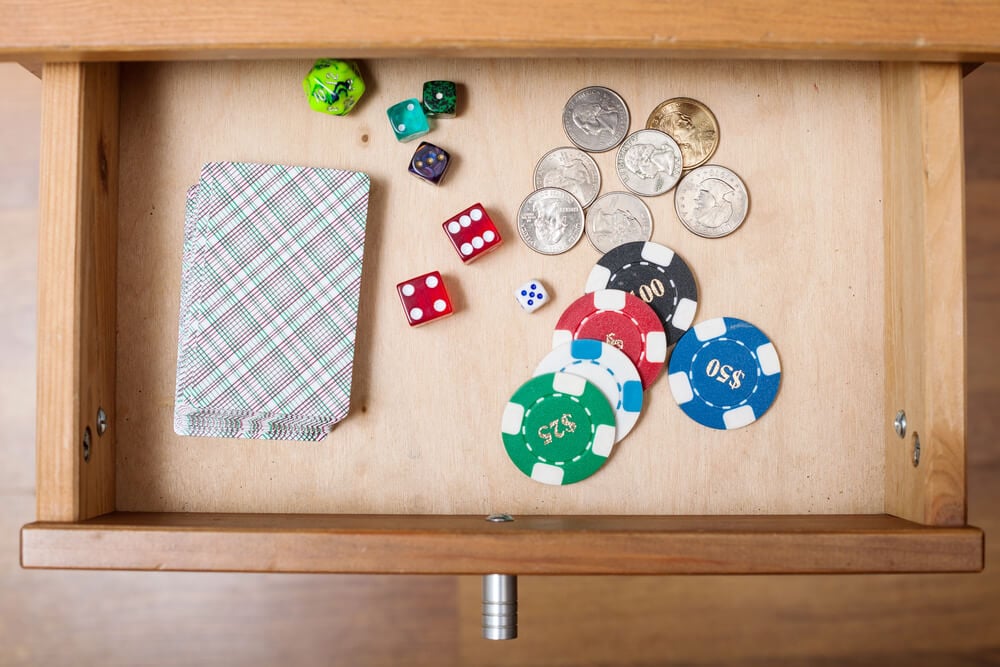
A kitchen drawer full of mismatched, slightly bent playing cards rarely looked like much, but it represented something harder to replace than the cards themselves: a shared, informal curriculum passed between generations without a single instruction manual ever being written down. Rules got remembered wrong, house variations multiplied, and nobody minded, because the point was never precision.
What made these games last wasn’t design or marketing but sheer convenience, a deck small enough to fit anywhere, flexible enough to scale from two players to eight, and durable enough to survive being shoved into a drawer for months between uses. Very few forms of entertainment have ever asked for so little and delivered so consistently in return.
More from Go2Tutors!

- The Romanov Crown Jewels and Their Tragic Fate
- 13 Historical Mysteries That Science Still Can’t Solve
- Famous Hoaxes That Fooled the World for Years
- 15 Child Stars with Tragic Adult Lives
- 16 Famous Jewelry Pieces in History
Like Go2Tutors’s content? Follow us on MSN.