26 Drive-In Theaters Still Open Across America That Feel Like a Time Capsule
At their peak in 1958, America had approximately 4,000 drive-in theaters. Today, depending on who’s counting and which month of the year you check, roughly 300 to 325 remain.
That’s a loss of more than 90 percent of the format in under 70 years — closed by shopping center developers, killed by cheap home video, and eventually finished off by the same land values that make real estate more profitable than movies. The survivors are something else: places that have outlasted the economics of their era through a combination of loyal local audiences, family ownership, and a specific refusal to concede that the format is obsolete.
Walking into a functioning drive-in in the current decade is genuinely disorienting. The FM transmitter crackle when you tune in, the concession stand menu typed in the same font it’s had since 1974, the national anthem before the feature — none of it has been updated because none of it needed to be.
These are the ones still running.
Shankweiler’s Drive-In Theatre — Orefield, Pennsylvania
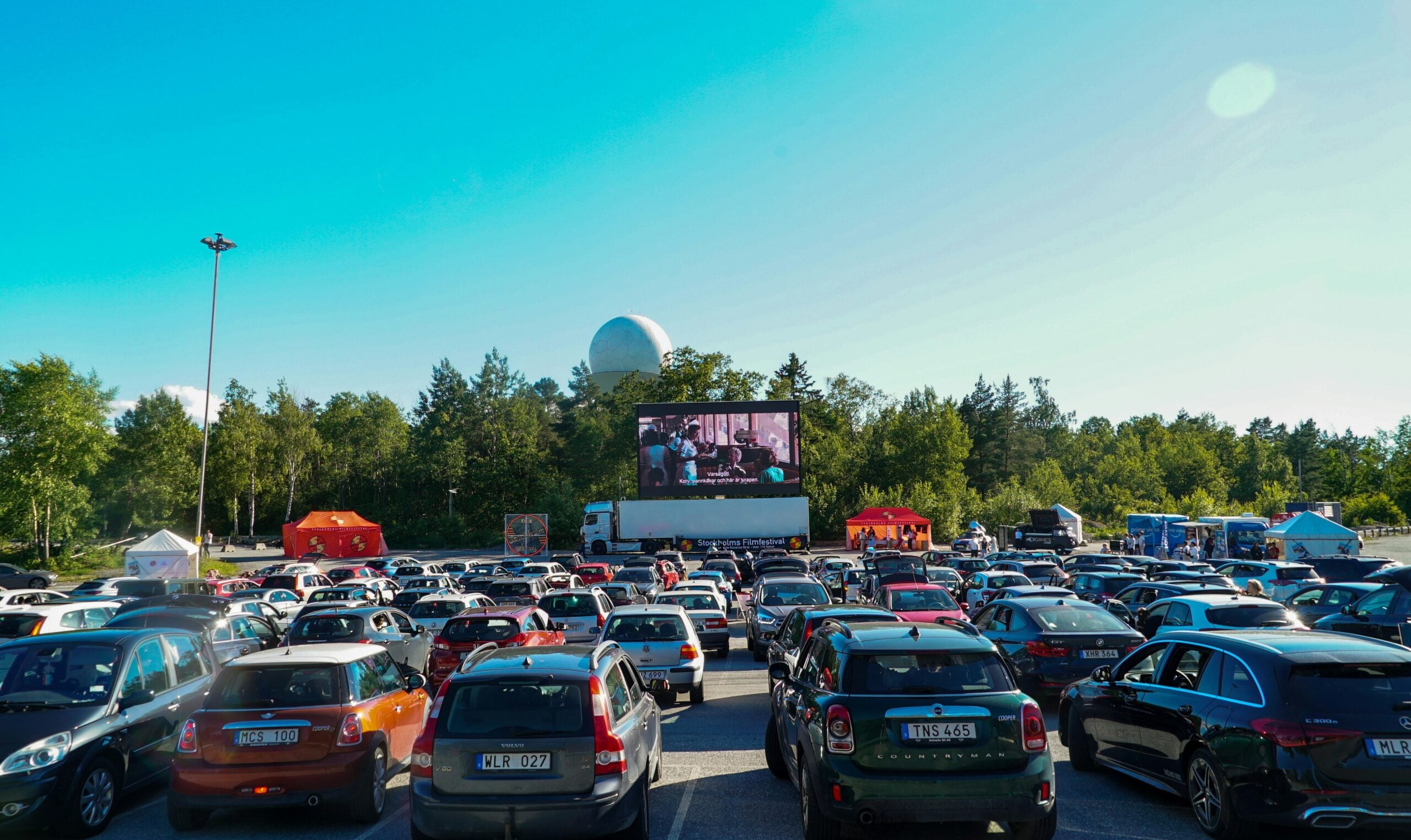
The oldest continuously operating drive-in theater in the world, according to Guinness World Records. Wilson Shankweiler opened it on April 15, 1934, a year after the first drive-in in American history opened in Camden, New Jersey — and that original Camden theater has since closed.
Shankweiler’s is still running. The original screen was described as a bedsheet hung between two poles.
Hurricane Diane leveled most of the property in 1955, and Shankweiler rebuilt. In 2022 it was sold for $1.05 million to new owners, who resumed operations year-round.
It has capacity for roughly 300 cars and recently celebrated its 90th anniversary in April 2024.
Bengies Drive-In Theatre — Middle River, Maryland
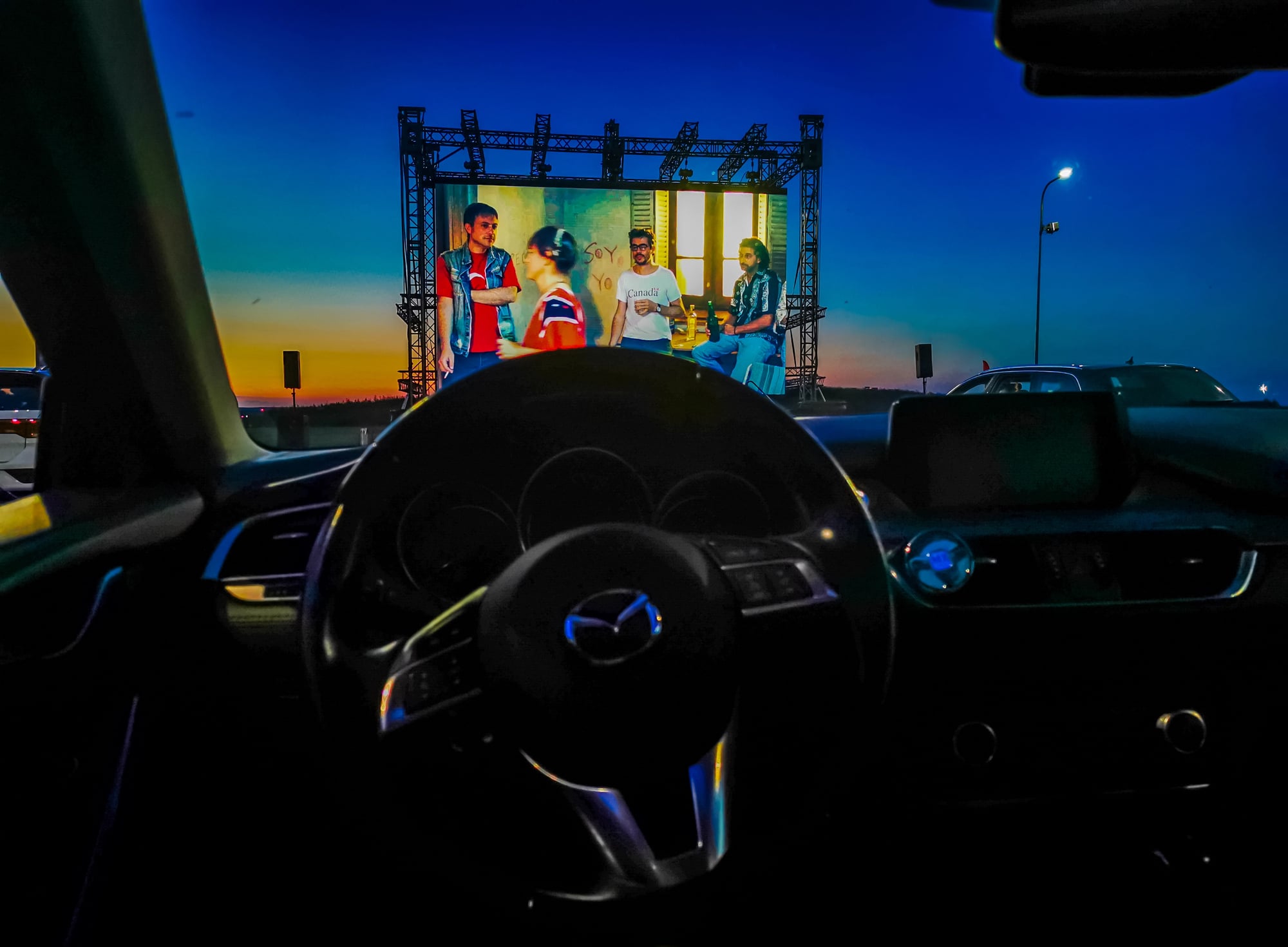
Opened June 6, 1956, Bengies claims the largest drive-in movie screen remaining in the United States — 120 feet wide and 52 feet tall. Every screening begins with the national anthem.
Triple features run on most Friday and Saturday nights, along with vintage intermission clips, classic cartoons, and old trailers between films. On Memorial Day and Labor Day weekends, Bengies runs all-night shows from dusk to dawn.
The theater rents electric in-car heaters for one dollar if temperatures drop. There is a concession stand and a playground.
Bengies archives its marquee photographs online, creating a photographic record of what has been showing for more than a decade.
Saco Drive-In — Saco, Maine
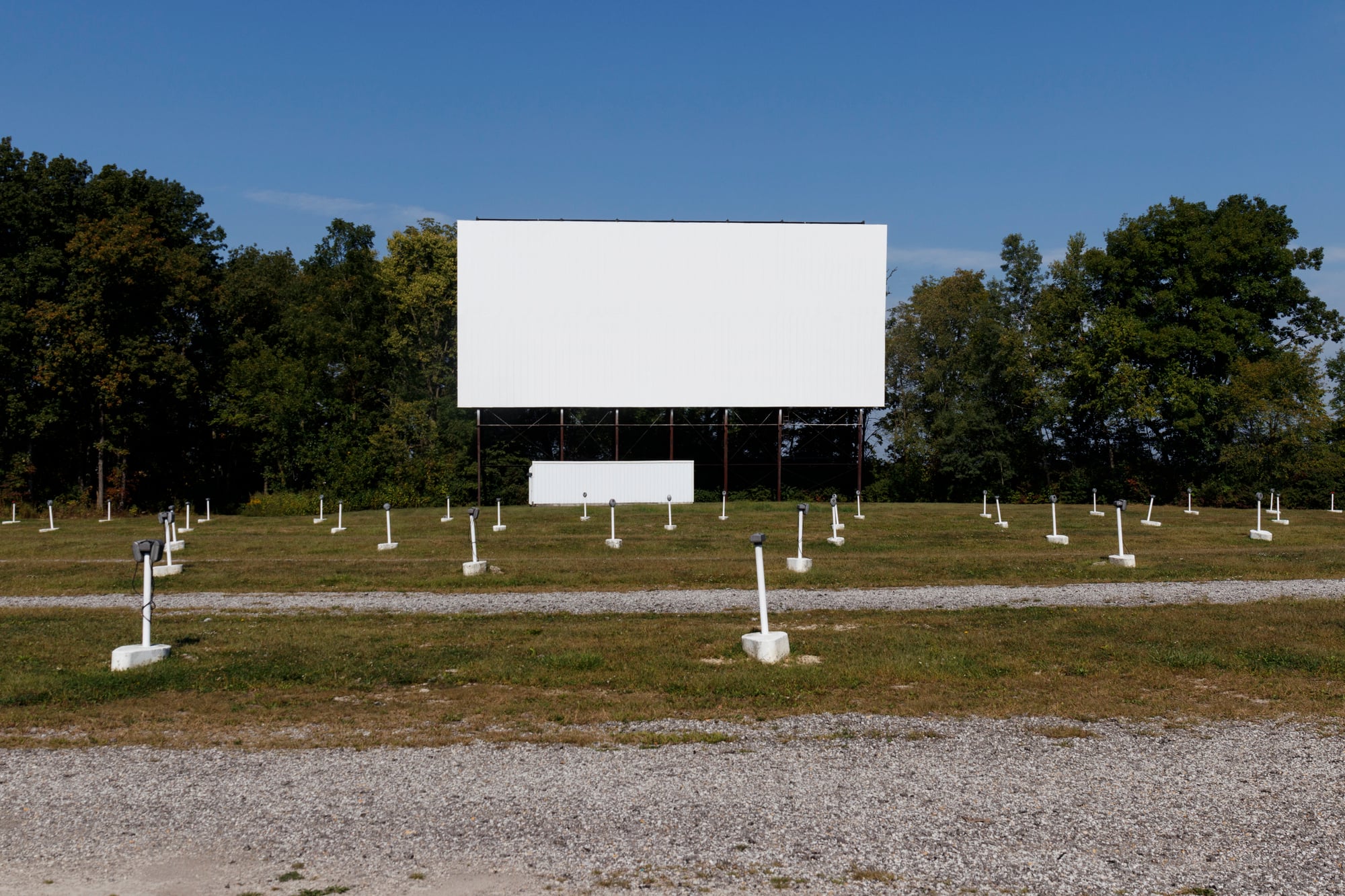
Opened in July 1939, the Saco Drive-In is one of the oldest operating drive-ins in the United States, having screened its first movie the same summer as several other now-closed theaters. It operates as a single-screen seasonal theater, open through the summer months on the Maine coast.
Its admission structure — historically priced per car — has made it a practical family option for generations. The theater sits in a region where coastal tourism means summer crowds and where the nostalgic draw of a working drive-in provides something that the area’s other entertainment options don’t.
Skyview Drive-In — Belleville, Illinois
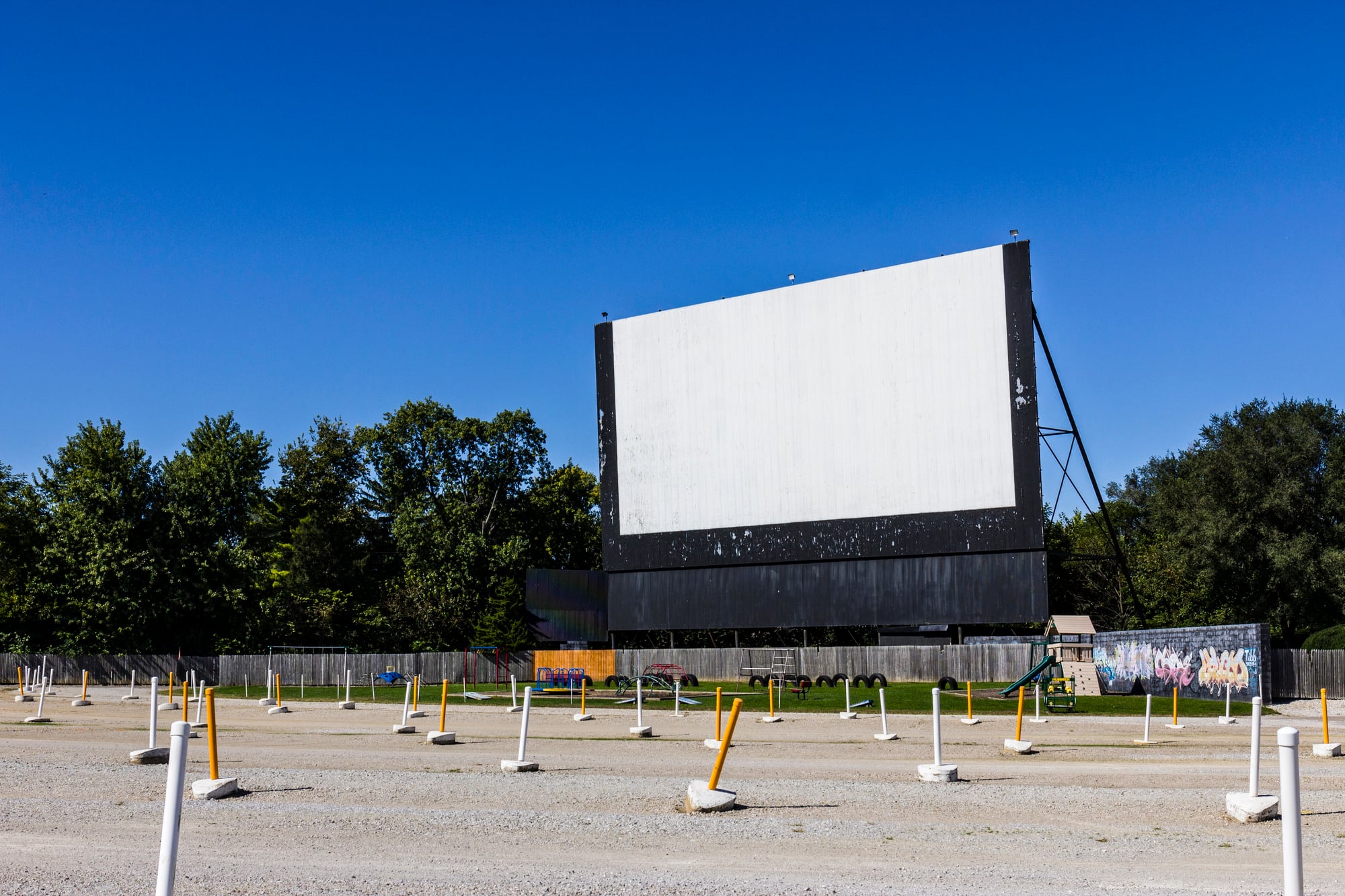
A staple in the St. Louis metro area since 1949, the Skyview Drive-In hosts first-run films as well as community events that go well beyond standard movie programming: retro film festivals, concerts, Halloween-themed double features, Christmas screenings with Santa appearances. The antique neon sign that greets arriving cars is part of the experience.
Moviegoers can reserve prime parking positions in advance — a feature that acknowledges that some patrons have preferences about their viewing angle. A single ticket covers two back-to-back films.
Wellfleet Drive-In Theater — South Wellfleet, Massachusetts
The only surviving drive-in on Cape Cod, opened in 1957. The Wellfleet is a one-stop operation: during the day there’s a flea market and mini golf; at dusk the movies start.
The dairy bar serves ice cream that Cape Cod visitors have been ordering for decades. The theater shows two current films per night during its season, which runs from late spring through the summer.
The combination of regional tourism traffic and an audience that returns year after year from the same rental cottages gives Wellfleet a loyal customer base that functions like a recurring family reunion with movies.
Swap Shop Drive-In — Fort Lauderdale, Florida
The Fort Lauderdale Swap Shop is a genuine dual-purpose operation: a massive flea market with hundreds of vendors during the day, and a drive-in theater at night with 14 screens. Open 365 days a year, it has served South Florida since 1963.
The flea market draws thousands of shoppers on weekend mornings; the drive-in draws families and nostalgists after dark. The combination of commercial activities has made the Swap Shop financially sustainable in a way that a theater-only model might not be in a Florida real estate market as active as Fort Lauderdale’s.
66 Drive-In — Carthage, Missouri
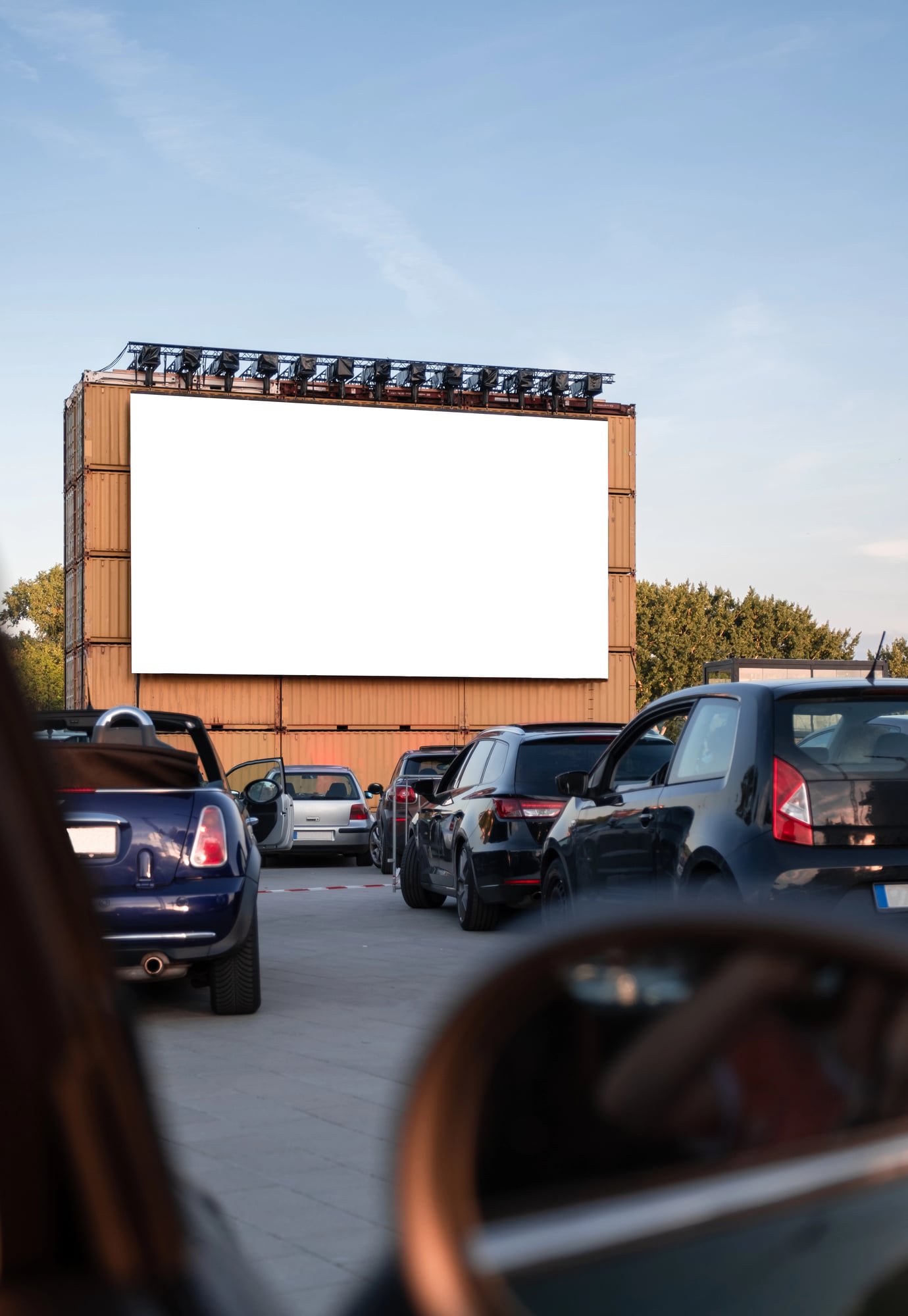
Opened in 1949, the 66 Drive-In in Carthage, Missouri sits on the actual Route 66 corridor and is one of only a handful of theaters that can claim both operational continuity and a setting with the specific historic weight of that highway. The theater closed in the 1980s and was eventually restored and reopened, which makes it a different kind of time capsule — not one that never stopped, but one that was retrieved.
The restoration preserved the original architecture and the period-appropriate signage that makes it photographically unmistakable.
Ford Wyoming Drive-In — Dearborn, Michigan
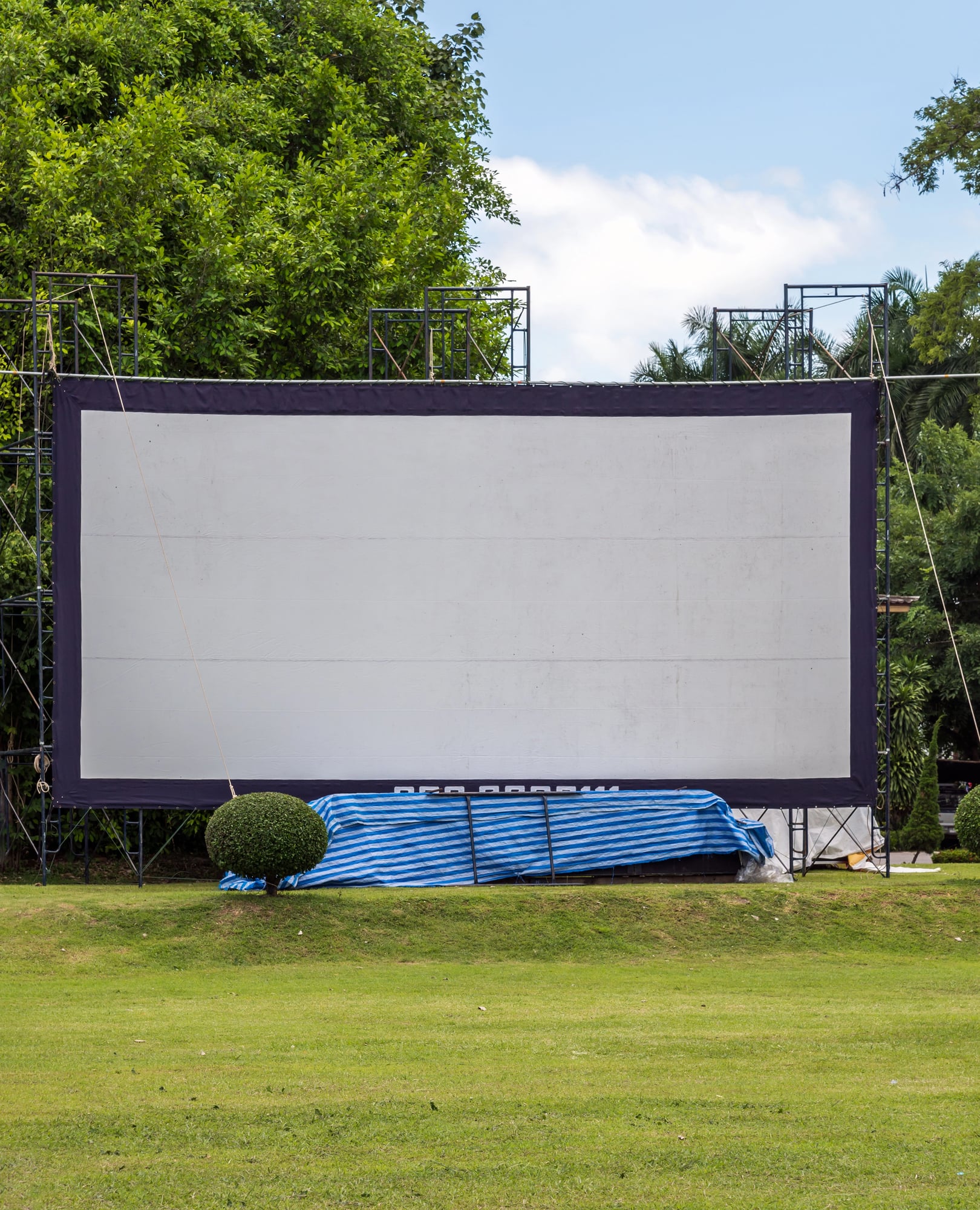
Located near the Ford Motor Company’s River Rouge complex, the Ford Wyoming opened in 1950 and operates nine screens showing double features — which means 18 movies on a full night of programming. As one of the largest drive-in operations in the country by screen count, it represents a scale of drive-in moviegoing that most surviving theaters cannot offer.
Being adjacent to a major automotive employer in a city with deep car culture has given the Ford Wyoming a geographic identity that reinforces what makes drive-in theaters culturally specific.
Cherry Bowl Drive-In — Honor, Michigan
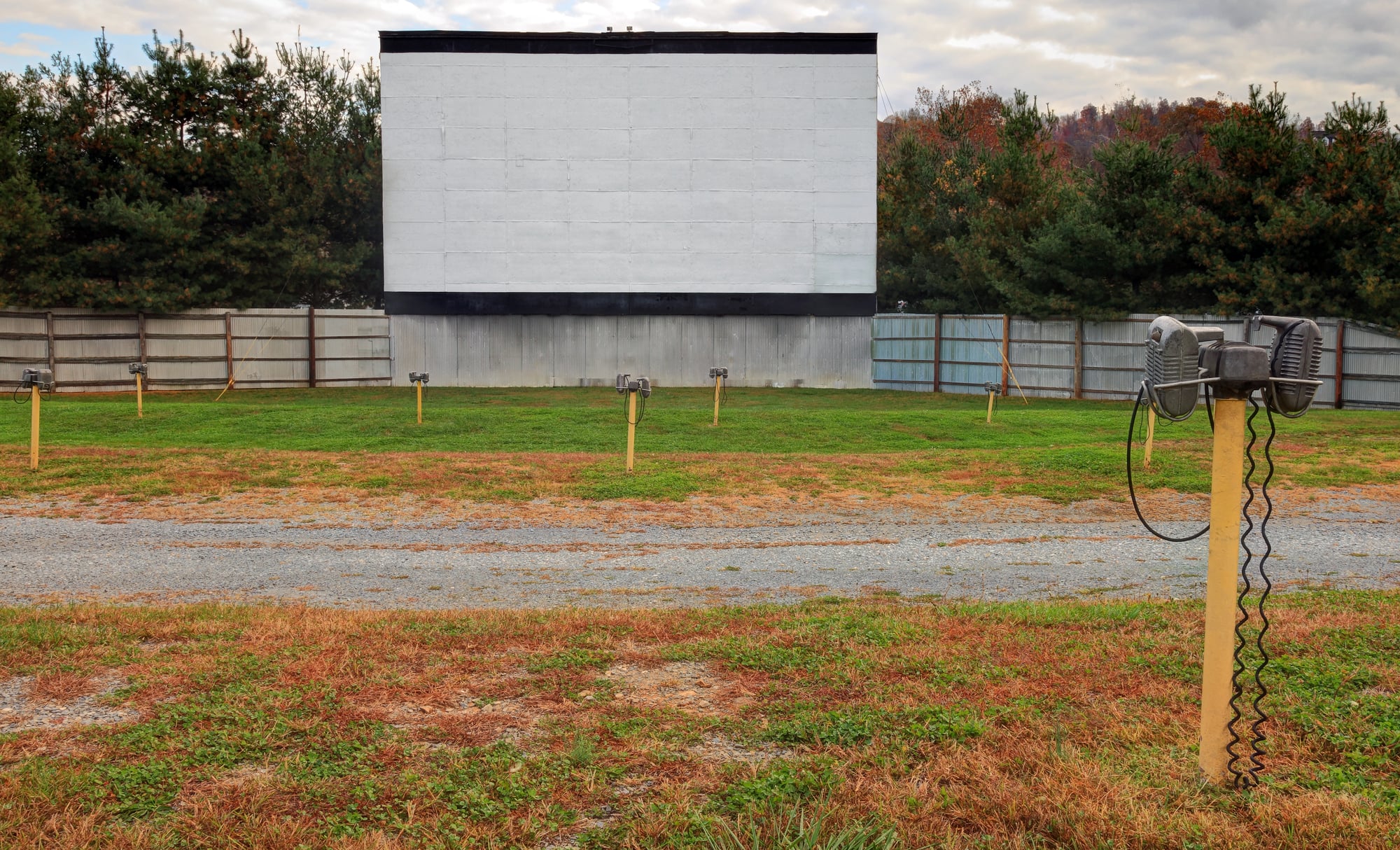
The Cherry Bowl Drive-In in Honor, Michigan has been operating since 1953 with a strict family-friendly policy: the owners have publicly stated they will never show anything stronger than PG-13. The theater is south of Traverse City on US-31 and serves the northern Michigan tourist corridor, drawing both local families and summer visitors.
The single-screen double feature format is intact. The concession stand reportedly makes homemade food.
The Cherry Bowl’s PG-13 ceiling is an unusual policy that has defined its audience and kept multi-generational family attendance as the norm rather than the exception.
Silver Moon Drive-In — Lakeland, Florida
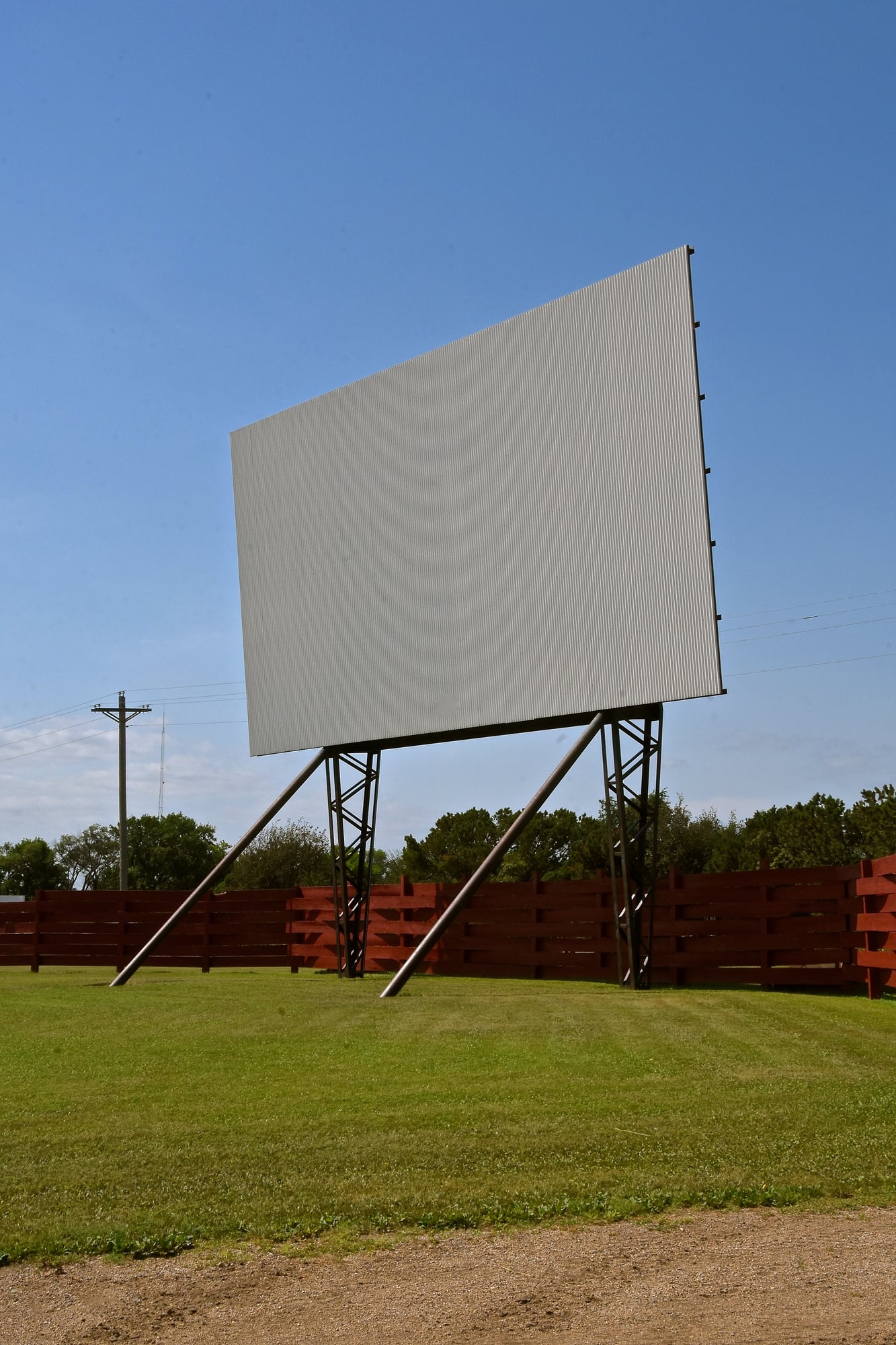
Central Florida’s Silver Moon Drive-In has been in operation for more than 70 years and shows first-run films at prices that undercut most indoor theater alternatives. The concession menu is impressively specific to the format, including items like corn dogs and chilly dill pickles that have been on the menu for decades.
The Silver Moon sits in a part of Florida where the drive-in format’s warmth compatibility is an asset: there are genuinely more months of the year when sitting in a car in an outdoor lot is comfortable here than in most northern states, which extends its practical operating season.
Capri Drive-In — Coldwater, Michigan
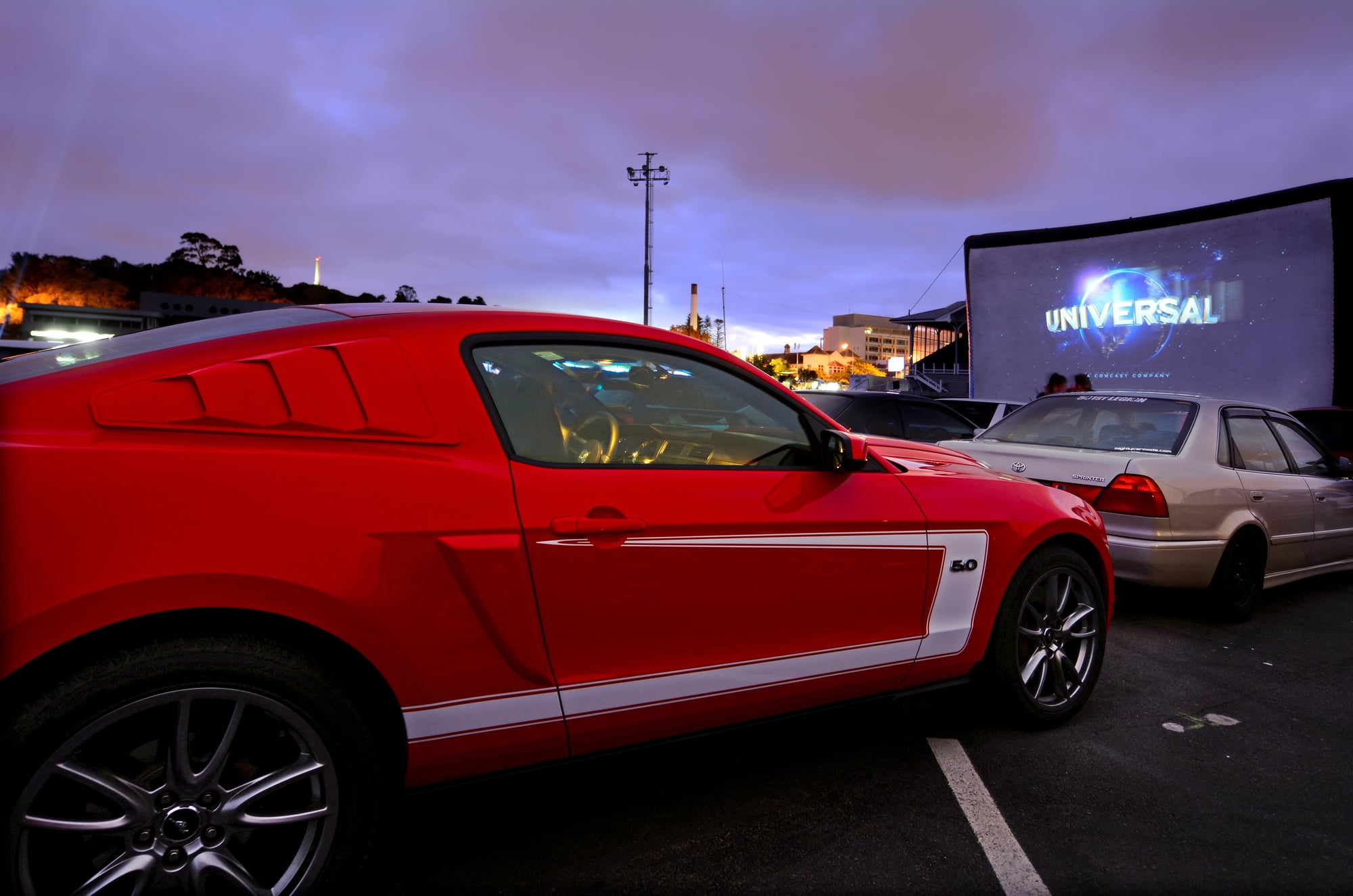
Opened in 1964, the Capri Drive-In in Coldwater operates two screens, each showing double features — four movies in a single evening’s programming. It has been in continuous operation for over 60 years and serves a rural Michigan community that has maintained its patronage across multiple generations of the same families.
The four-movie format means visitors who arrive for a weekend double bill can easily end up staying four or five hours, which is a commitment that the drive-in format actively supports in a way that indoor theaters generally don’t.
Mendon Twin Drive-In — Mendon, Massachusetts
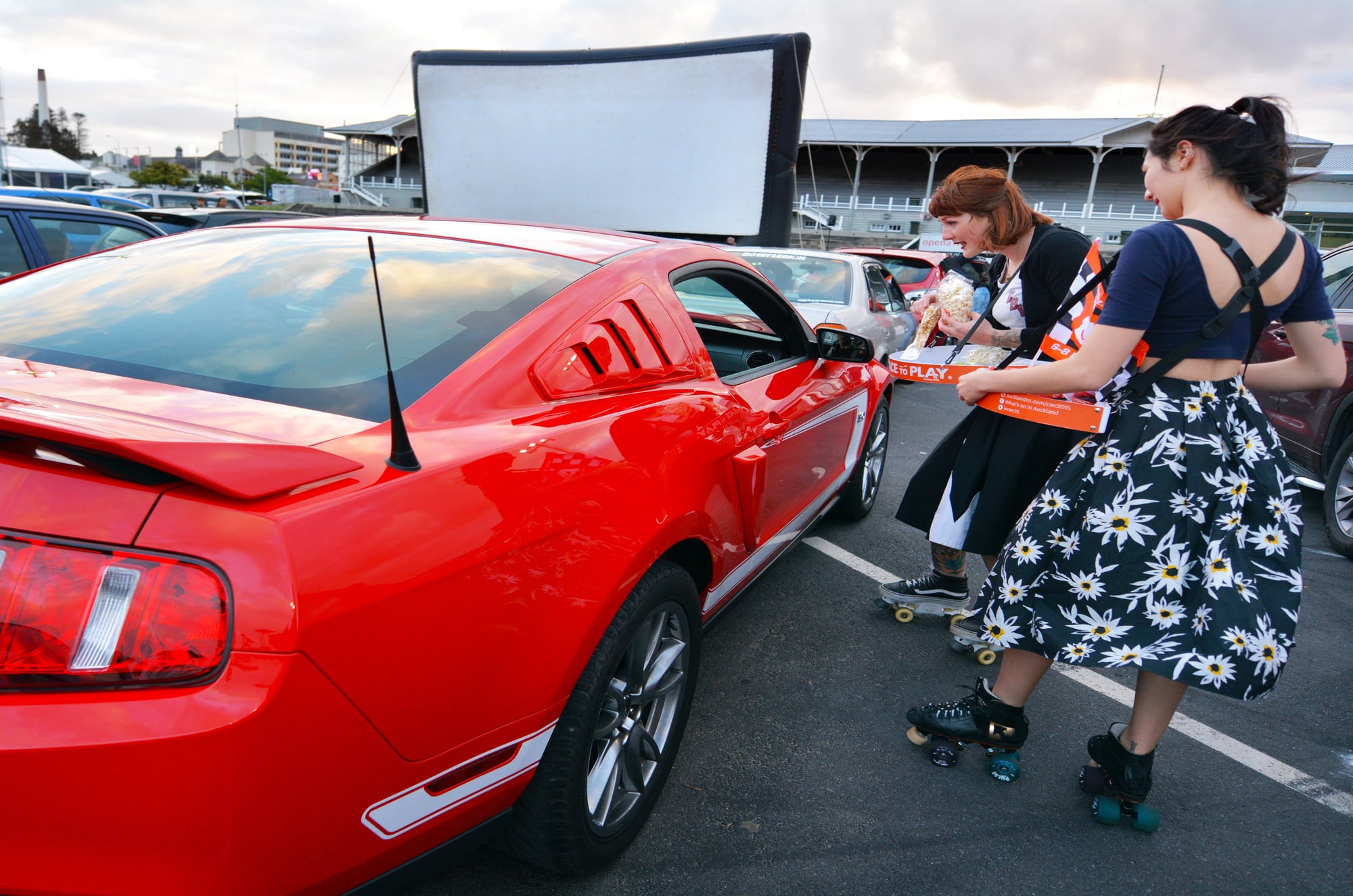
The Mendon Twin opened in 1954 and is among the longest-running drive-in theaters in New England outside of the Saco. It shows double features on its two screens through the spring, summer, and fall season.
The Mendon has remained in continuous operation through the periods that killed most New England drive-ins — the VHS era, the multiplex expansion, and the streaming age — and continues to draw from the suburban Boston population that has always been its primary audience. That persistence has given it a local cultural weight that goes beyond what the actual experience of watching a movie there might suggest.
Starlite Drive-In — Cadet, Missouri
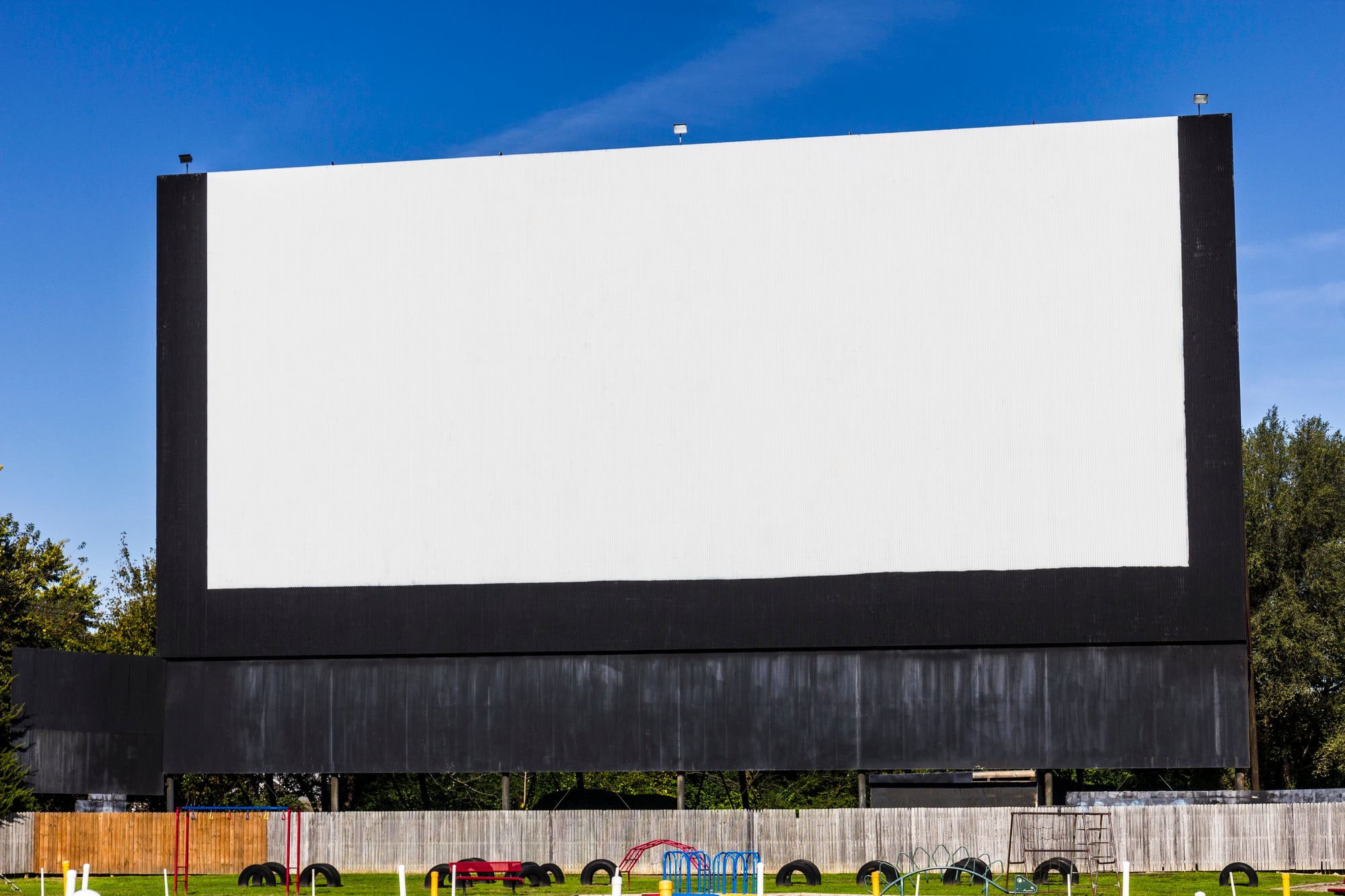
One of several Starlite-branded drive-ins operating across the Midwest, the Cadet location has served Missouri’s Washington County area for decades and functions as a community institution as much as a commercial cinema. Rural Missouri drive-ins have survived in some numbers because the alternative entertainment options in their service areas are limited and the land values haven’t reached the point where the theaters are worth more as real estate than as operating businesses.
The Starlite serves a function in Cadet that a multiplex in a nearby city does not substitute for.
Northfield Drive-In — Northfield, Massachusetts
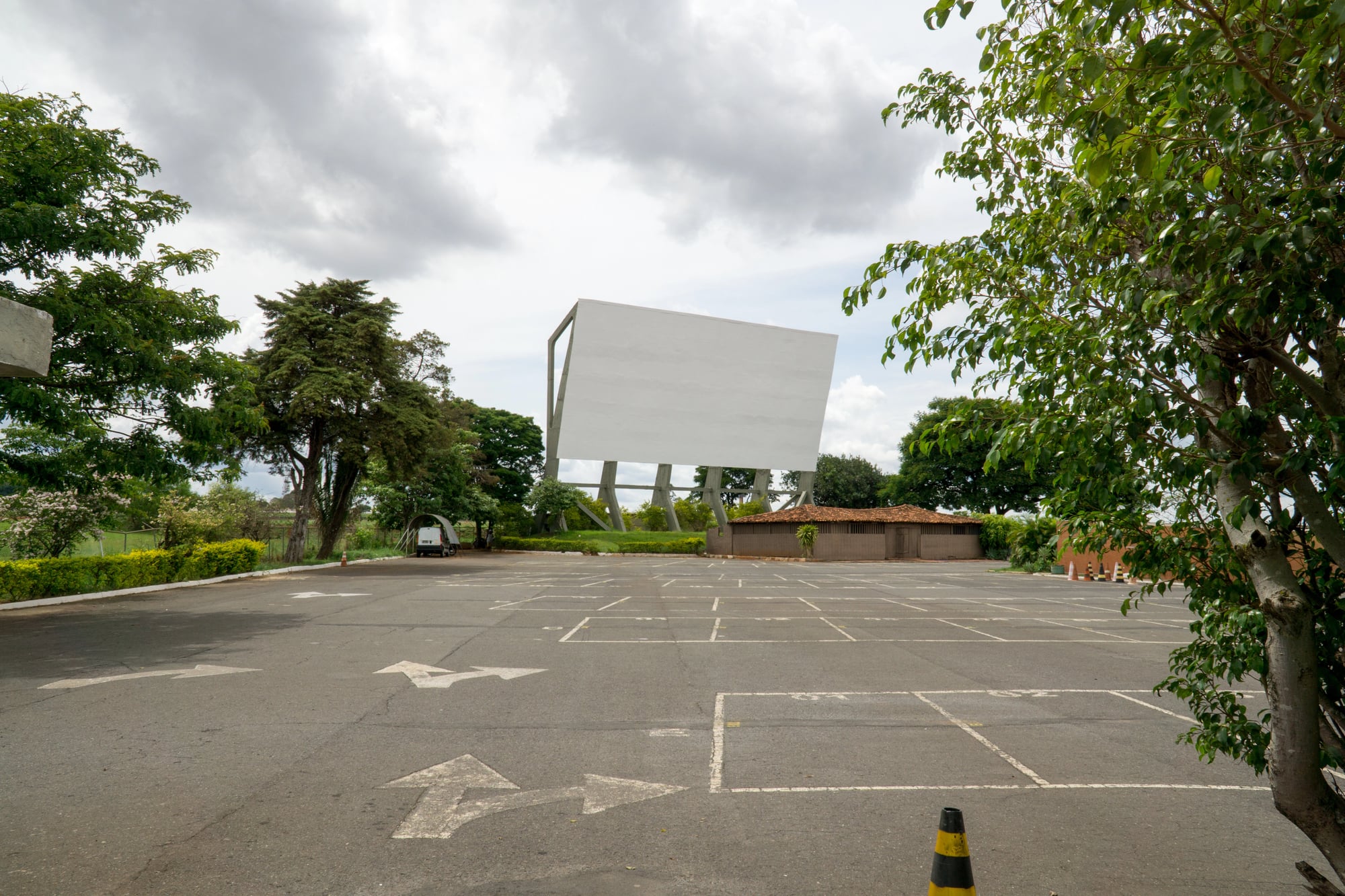
A smaller, seasonal operation in western Massachusetts that has maintained continuous operation through the decades when most New England drive-ins closed. The Northfield occupies a specific regional niche — a rural drive-in in a part of Massachusetts where alternatives are relatively scarce — that has kept its audience stable.
It shows double features through its operating season and maintains the format and feel of drive-ins built in the late 1950s without significant structural updates.
Delsea Drive-In — Vineland, New Jersey
New Jersey is the birthplace of the American drive-in: Richard Hollingshead opened the first one in Camden in 1933. Camden’s drive-in is long gone, but the Delsea Drive-In in Vineland carries the state’s drive-in tradition forward.
It reopened in 2004 after a period of closure and has operated continuously since. Its survival story — closed, restored, reopened — is a model that several other threatened drive-ins have pointed to when arguing for their own preservation.
Milford Twin Drive-In — Milford, New Hampshire
New Hampshire’s Milford Twin Drive-In is among the few remaining drive-ins in the Northeast that operates on a twin-screen basis, allowing it to program varied content for different audiences on the same evening. It serves the southern New Hampshire market and shows current films through its seasonal operating schedule.
The twin-screen format gives it programming flexibility that single-screen operations don’t have, allowing for different ratings, genres, or double-feature pairings on each screen simultaneously.
U.S. 23 Drive-In — Flint, Michigan
Named after the state highway it sits on, the U.S. 23 Drive-In in Flint has served the Genesee County area for decades and operates as one of the more straightforwardly utilitarian of the surviving drive-ins: films, concessions, and little else beyond the core experience. Flint’s economic history has been difficult, and the U.S. 23 has persisted through the same decades that saw much of the city’s manufacturing-based economy contract.
A drive-in movie at below-multiplex prices serves a community function in that context that’s different from what it represents in a wealthier market.
Swan Drive-In Theatre and Diner — Blue Ridge, Georgia
The Swan Drive-In sits in the Blue Ridge Mountains of north Georgia and celebrated 70 years of continuous operation in 2025. The location adds a geographic dimension that most drive-ins can’t offer: the screen faces a mountain backdrop, and the setting on a clear night is visually distinctive in a way that a suburban parking lot theater simply isn’t.
The attached diner serves as a restaurant operation independent of the movie programming, giving the property income that doesn’t depend entirely on film attendance. The combination has kept it operational through eras that closed most of its competitors.
Silver Bow Twin Drive-In — Butte, Montana
Montana has a small number of surviving drive-ins, and the Silver Bow Twin in Butte is among the most noted. Operating at high altitude in a state where outdoor evenings can be cold even in summer, it has survived by serving a community that has limited entertainment alternatives and a population large enough — by Montana standards — to sustain the format.
The twin-screen setup allows it to show two features simultaneously, increasing the range of audiences it can serve on a given evening.
Comanche Drive-In — Buena Vista, Colorado
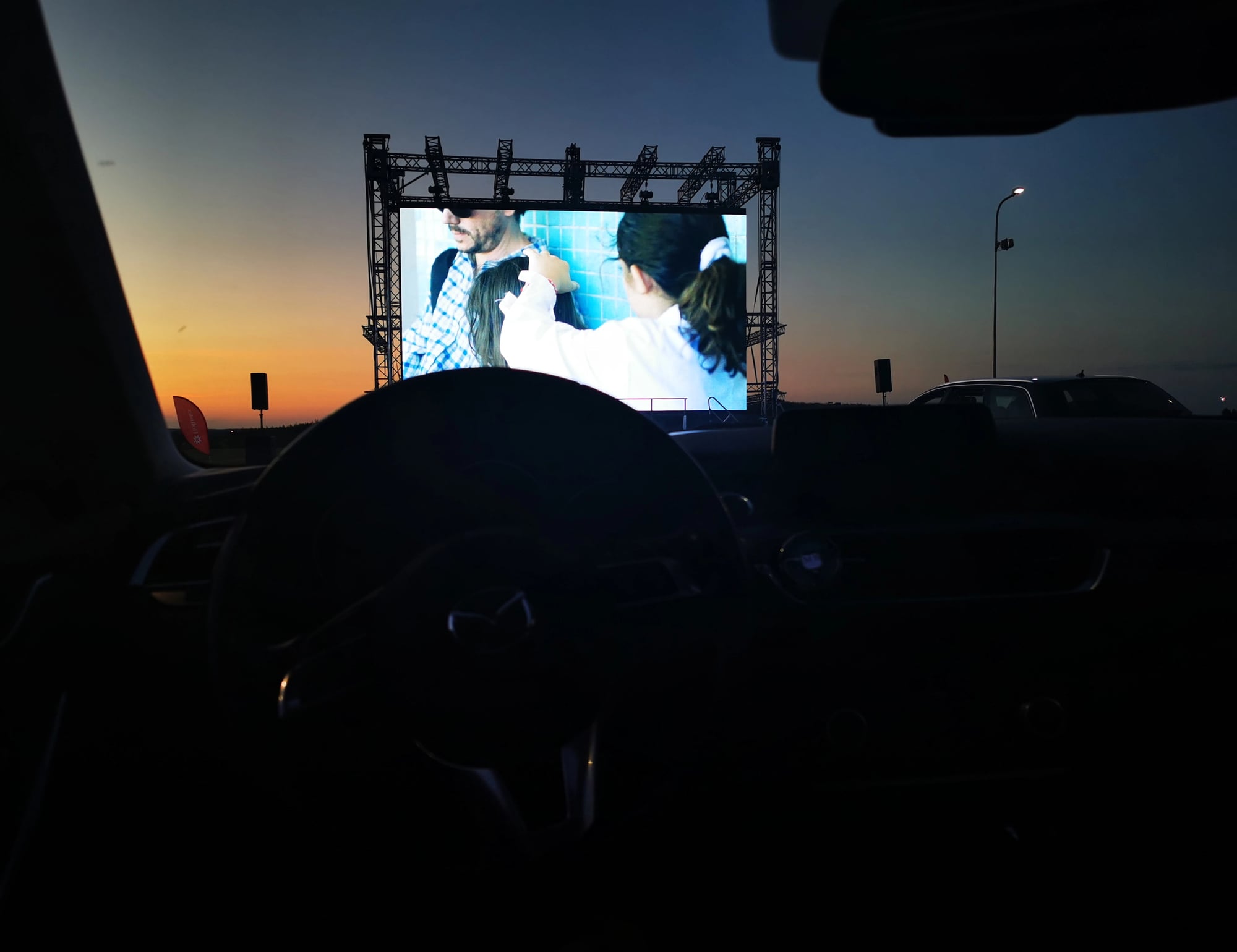
Situated at approximately 8,000 feet of elevation in the Arkansas River valley, the Comanche Drive-In is often called one of the highest-elevation drive-in theaters in the country. It has been operating since the 1960s and serves the outdoor-recreation-oriented population of central Colorado.
At that elevation, summer evenings are cool even when the days are warm, which means moviegoers often arrive with blankets and extra layers — a logistical reality the theater has accommodated for decades. The mountain landscape visible beyond the screen adds to the experience.
Star Drive-In Theatre — Montrose, Colorado
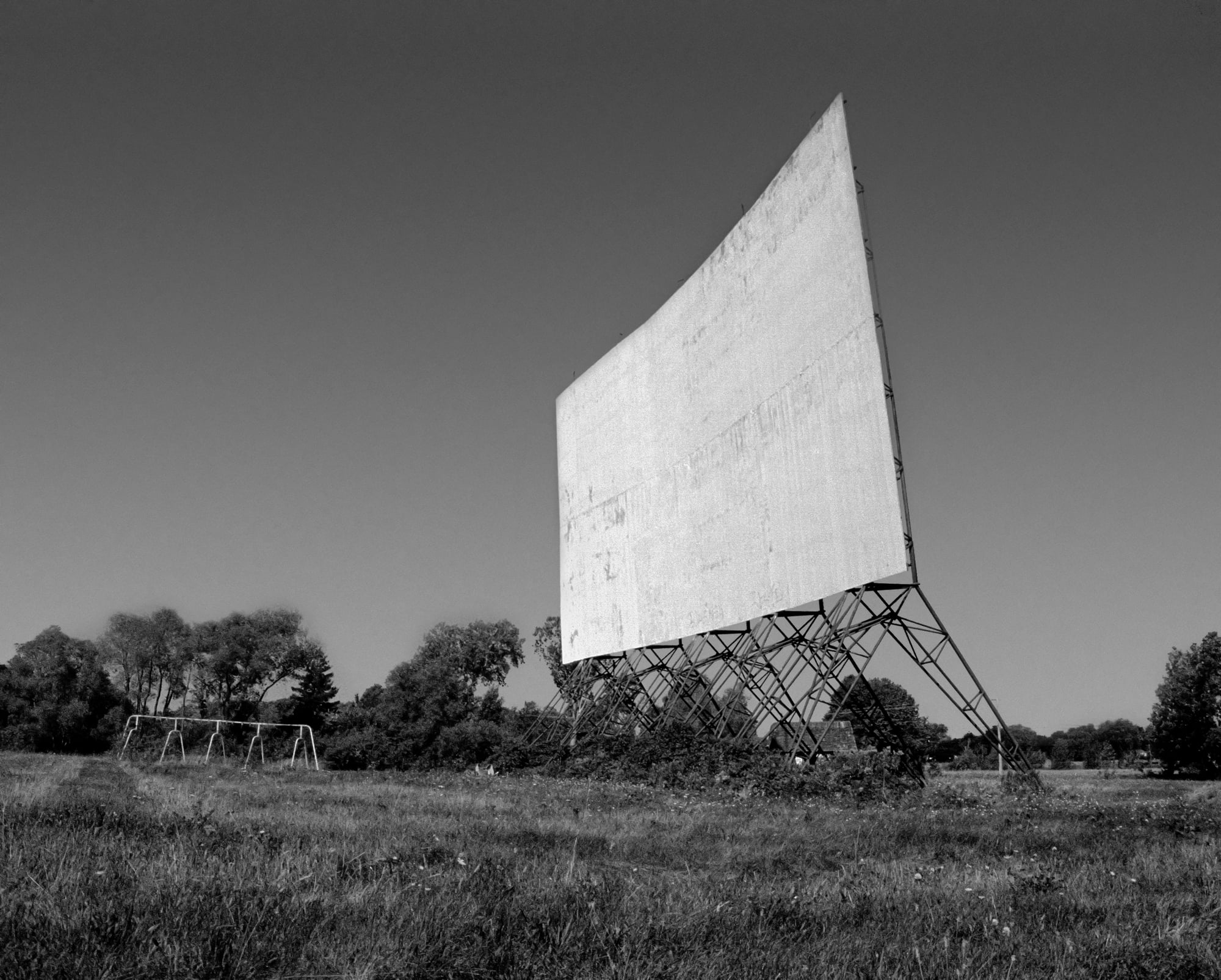
The Star Drive-In in Montrose celebrated 75 years of continuous operation in April 2024, making it one of the few Western drive-ins that can document an unbroken operating history from the late 1940s to the present. Montrose is in Colorado’s Uncompahgre Valley, a regional hub for the agricultural and ranching communities of the western slope.
The Star has served multiple generations of the same families and has acquired the kind of community significance that makes it effectively unchallengeable — closing it would mean something beyond losing a cinema.
Skyview Drive-In — Litchfield, Minnesota
Minnesota’s Skyview Drive-In in Litchfield has been operating through the specific climate challenges of a state where the viable outdoor movie season is genuinely limited by temperature. It typically operates from spring through fall and shows double features on weekends.
The experience of going to a drive-in in Minnesota necessarily involves planning for weather variability, which is a condition the theater’s regulars have integrated into the ritual rather than resenting.
Sunset Drive-In — San Luis Obispo, California
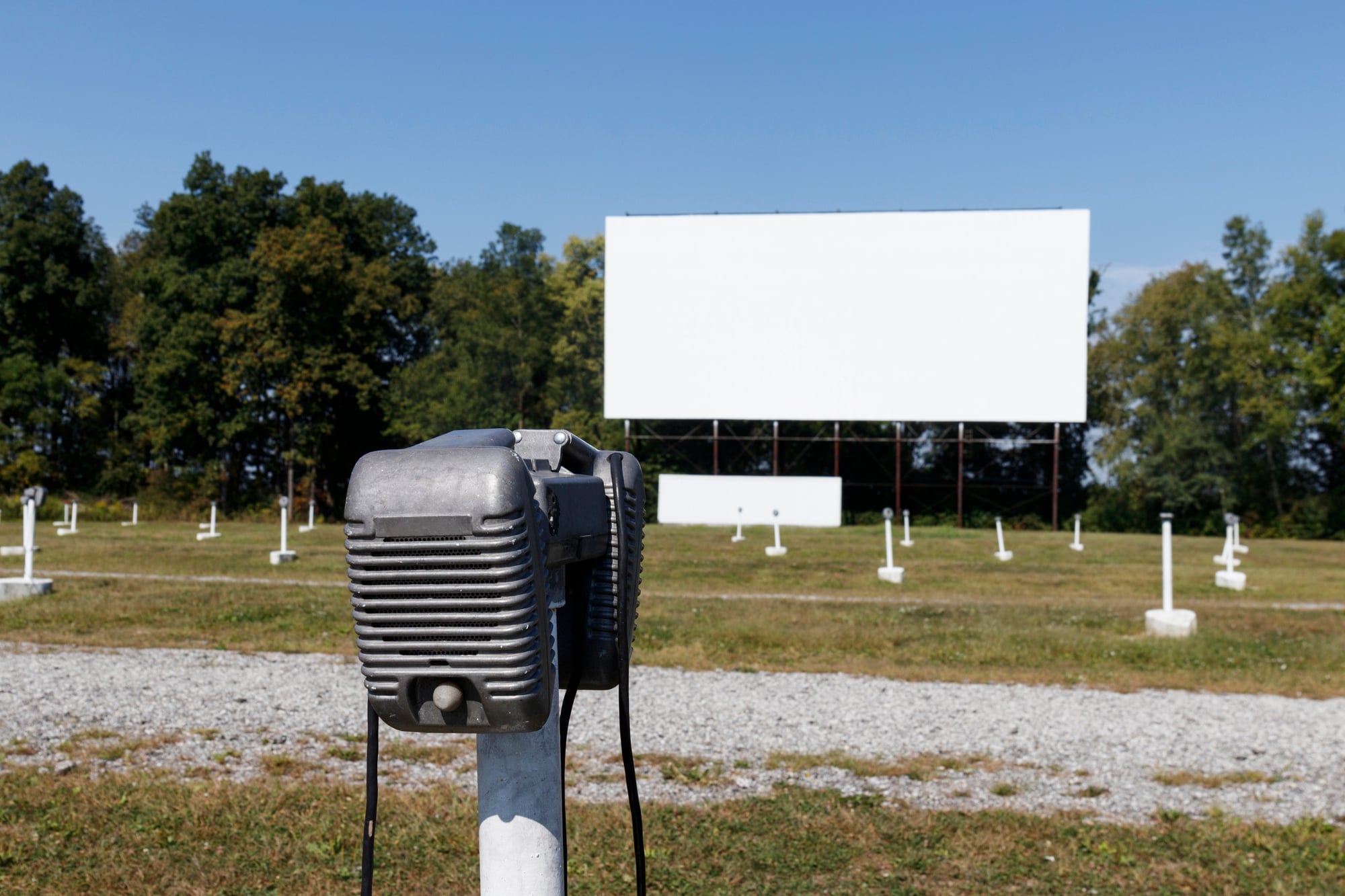
California lost most of its drive-in theaters to real estate development, but the Sunset in San Luis Obispo has survived by serving a college town and regional tourist market on the Central Coast. It operates year-round in California’s mild climate and shows current releases in the standard drive-in format.
The Central Coast’s tourism industry means that a significant portion of its audience is composed of visitors rather than locals, which gives it a different economic base than most Midwest or rural South drive-ins where the audience is almost entirely repeat local patrons.
McHenry Outdoor Theatre — McHenry, Illinois
The McHenry Outdoor Theatre, operating north of Chicago, has persisted through the decades when most Chicagoland drive-ins were converted to shopping centers or suburban developments. It has maintained a traditional operation: current films, double features, and concession stand staples.
The outer Chicago suburbs still have a density of population that can support a drive-in economically, and McHenry has been the beneficiary of that combination of density and available land.
Route 34 Drive-In Theater — Earlville, Illinois
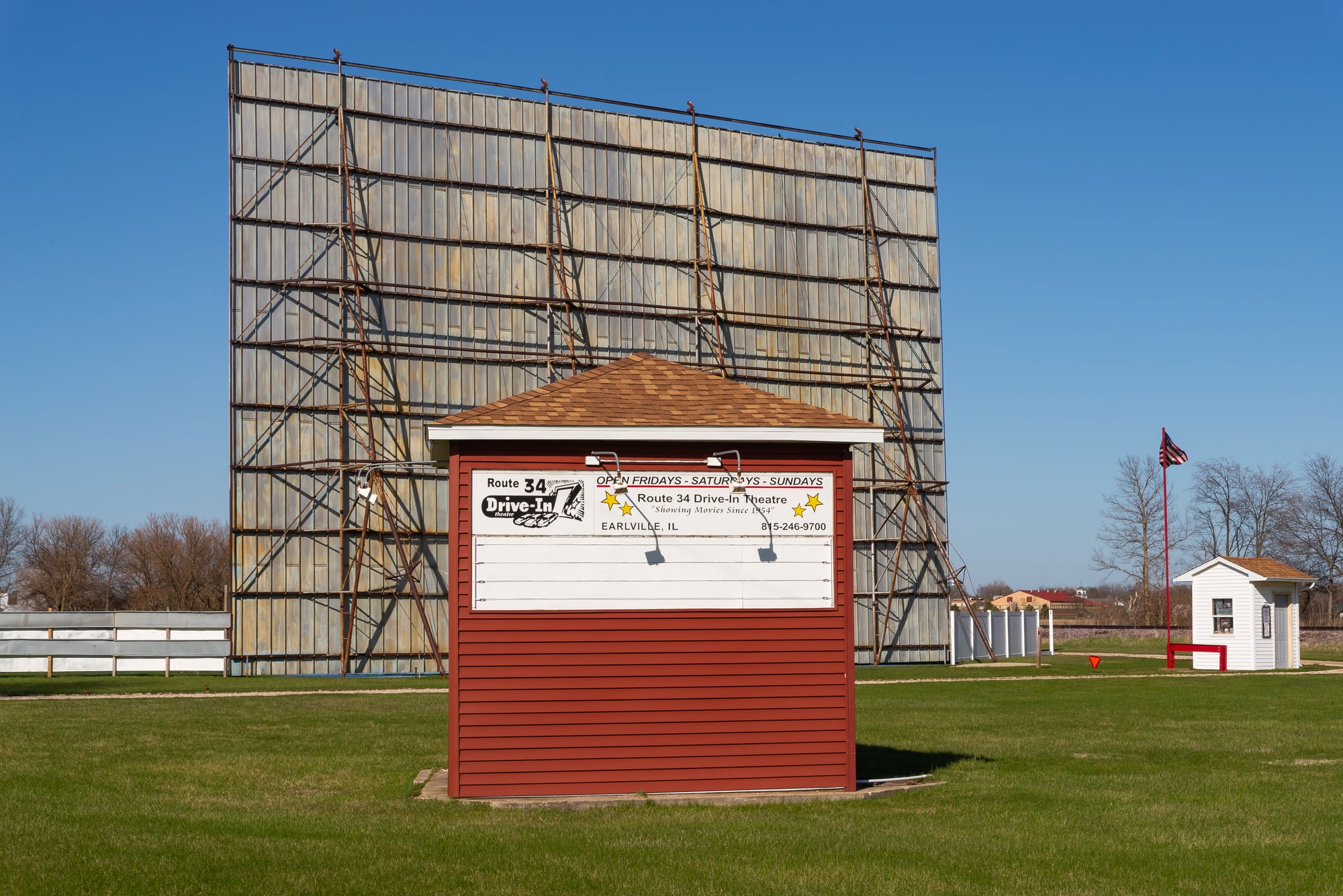
The Route 34 Drive-In in Earlville runs its outdoor season from April through October and maintains an active social media presence that keeps its audience informed of showings in a way that would have been unimaginable when the theater first opened. Its website and Facebook page have become part of the operational infrastructure — the theater has embraced current communication technology while keeping the 1950s-era experience itself largely unchanged.
The combination is characteristic of the best-surviving drive-ins: they adapted how they communicate without changing what they actually do.
Iuka Drive-In — Iuka, Mississippi
In the Deep South, where summer heat and thunderstorm season create weather challenges that drive-in operators in more temperate regions don’t face, the Iuka Drive-In in northeastern Mississippi has persisted as one of the state’s few remaining outdoor theaters. It serves a rural market with limited nearby entertainment alternatives and has maintained a loyal patronage that returns because there is, in the most direct sense, nothing else comparable within a reasonable drive.
That specific scarcity is both the drive-in’s challenge and its protection.
The Mathematics of Survival
The drive-ins that have survived aren’t the ones that competed hardest with indoor theaters. They’re the ones that stopped competing and simply stayed themselves.
They kept the double features. They kept the concession stands.
They kept the FM transmitters and the playgrounds and in some cases the vintage signs. They figured out, consciously or by instinct, that their real competition isn’t multiplexes — it’s every other thing a person could be doing on a warm summer evening, and their advantage is that nothing else provides the specific combination of a car, a screen, the sky overhead, and someone in the passenger seat.
What makes the surviving drive-ins feel like time capsules isn’t that they’re stuck in the past. It’s that they’ve identified which parts of the past are worth keeping and built their future around those.
The ones that are still running made that bet and kept making it, every summer, for 50 or 70 or 90 years. That’s a different kind of stubbornness than nostalgia.
More from Go2Tutors!

- The Romanov Crown Jewels and Their Tragic Fate
- 13 Historical Mysteries That Science Still Can’t Solve
- Famous Hoaxes That Fooled the World for Years
- 15 Child Stars with Tragic Adult Lives
- 16 Famous Jewelry Pieces in History
Like Go2Tutors’s content? Follow us on MSN.