15 Rare Colorized Photos Of The World’s Last Imperial Rulers
The final emperors, kaisers, and czars lived through history’s most dramatic pivot point. Their portraits, once painted in oils by court artists, became photographs captured on glass plates and film.
These rulers watched their ancient thrones crumble beneath the weight of world wars, revolutions, and the unstoppable march toward democracy. Many of these black-and-white images have been painstakingly colorized by modern artists, breathing new life into faces that witnessed the end of an era.
The results reveal something striking: these weren’t mythical figures from dusty textbooks, but real people who dressed in morning coats, posed for cameras, and watched their world disappear.
Kaiser Wilhelm II of Germany
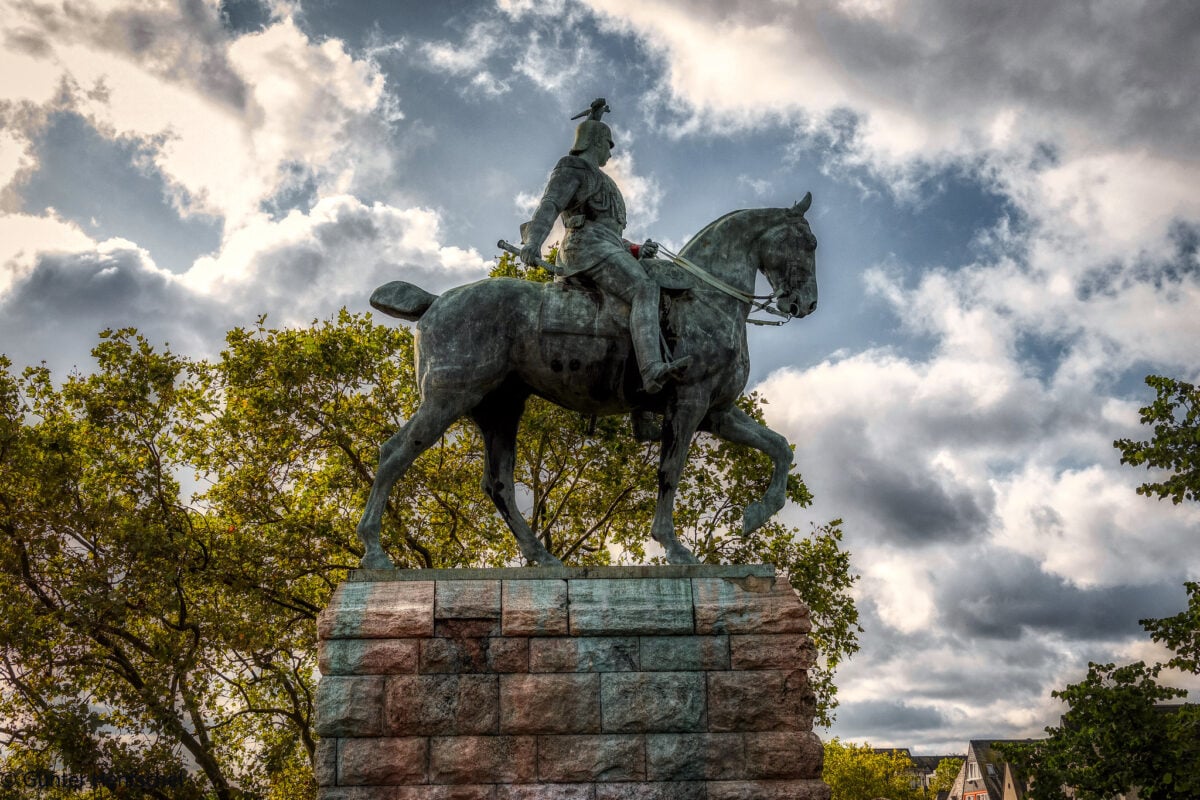
Wilhelm had a withered left arm that he spent his entire reign trying to hide. The colorized photos show him in his elaborate military uniforms, medals gleaming against deep blue fabric, his famous upturned mustache meticulously waxed.
His eyes look restless. The uniform was always perfect.
The posture was always rigid. And yet the colorization reveals something the black-and-white originals couldn’t: how desperately he wanted to look the part of a great emperor, even as his empire was falling apart around him.
Czar Nicholas II of Russia
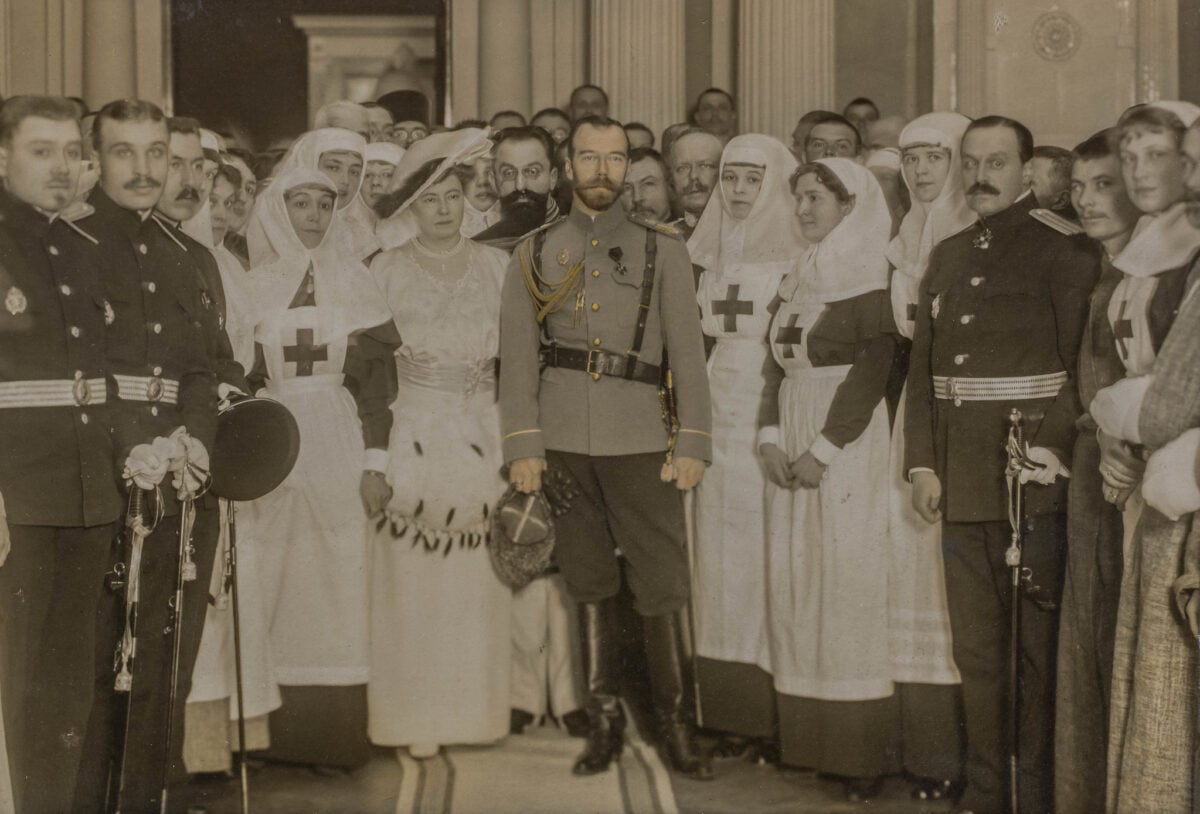
There’s something unsettling about seeing the last czar in full color — the way his beard catches the light, the deep blue of his military jacket, the surprising softness in his eyes that photographs from 1917 would later lose entirely. These earlier portraits (colorized decades after his execution) show a man who genuinely believed God had chosen him to rule over 130 million people, which is a staggering thing to carry in your head every morning when you wake up.
And the thing about divine right is that it works perfectly until it doesn’t. So when the revolution came, Nicholas seemed almost confused by the whole thing — not angry, not defiant, just genuinely puzzled that his subjects would reject what he considered a cosmic arrangement.
The colorized photos capture this odd innocence, this sense that he was playing a role he’d never really understood in the first place. But perhaps that’s what makes these images so haunting: they show us a man who had no idea he was already dead.
Emperor Puyi of China
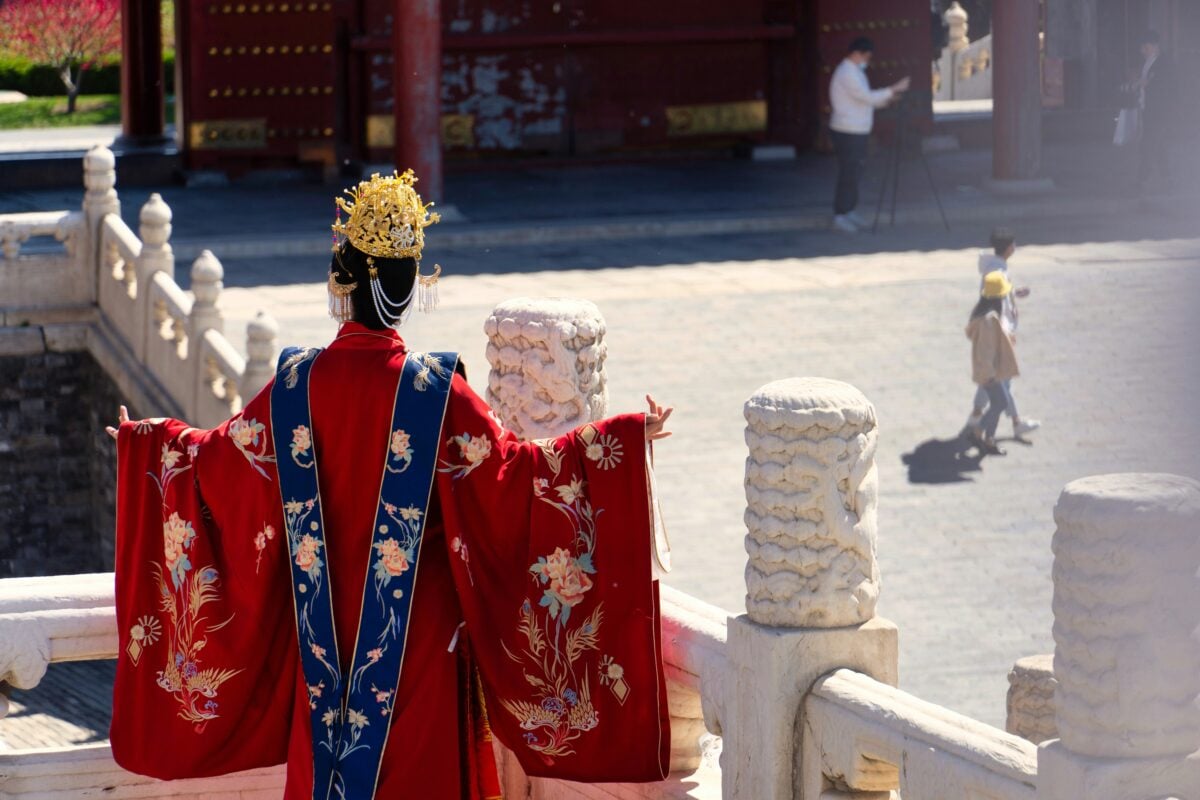
Puyi was three years old when he became emperor. Six when he was forced to abdicate.
The colorized photographs of his later years show a figure caught between worlds — sometimes in traditional silk robes with intricate golden dragons, sometimes in Western suits that never quite fit right. His story reads like something out of a fever dream.
Child emperor to puppet ruler to political prisoner to gardener in his own palace grounds. The colors in these restored images capture the surreal quality of his life: imperial yellow silk that meant everything and nothing, depending on which decade you happened to be looking at it.
Emperor Franz Joseph I of Austria-Hungary
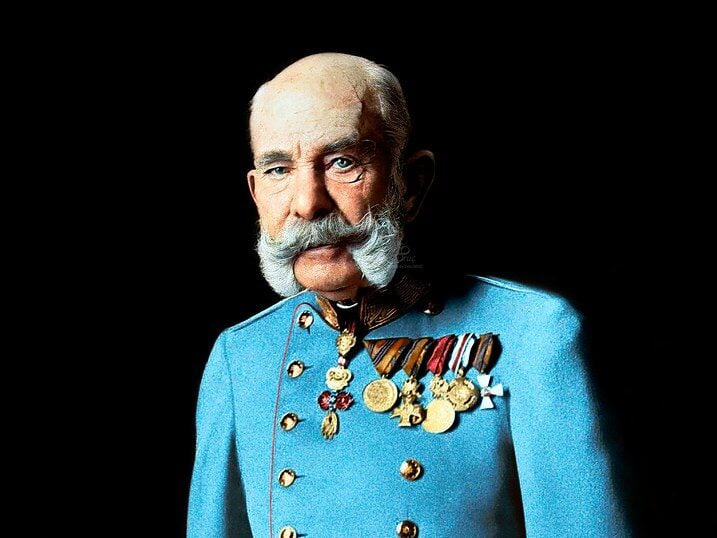
Franz Joseph ruled for 68 years, which means he watched his empire evolve from horse-drawn carriages to automobiles, from candlelight to electricity, from traditional warfare to machine guns and poison gas. The colorized portraits span decades, showing his famous mutton chops going from dark brown to silver to stark white.
His uniform never changed, though. Always the same military dress, always the same medals, always the same stern expression that suggested he was personally responsible for holding the entire Austro-Hungarian Empire together through sheer willpower.
Turns out he was mostly right about that — the empire lasted exactly two years after his death.
Sultan Mehmed VI of the Ottoman Empire
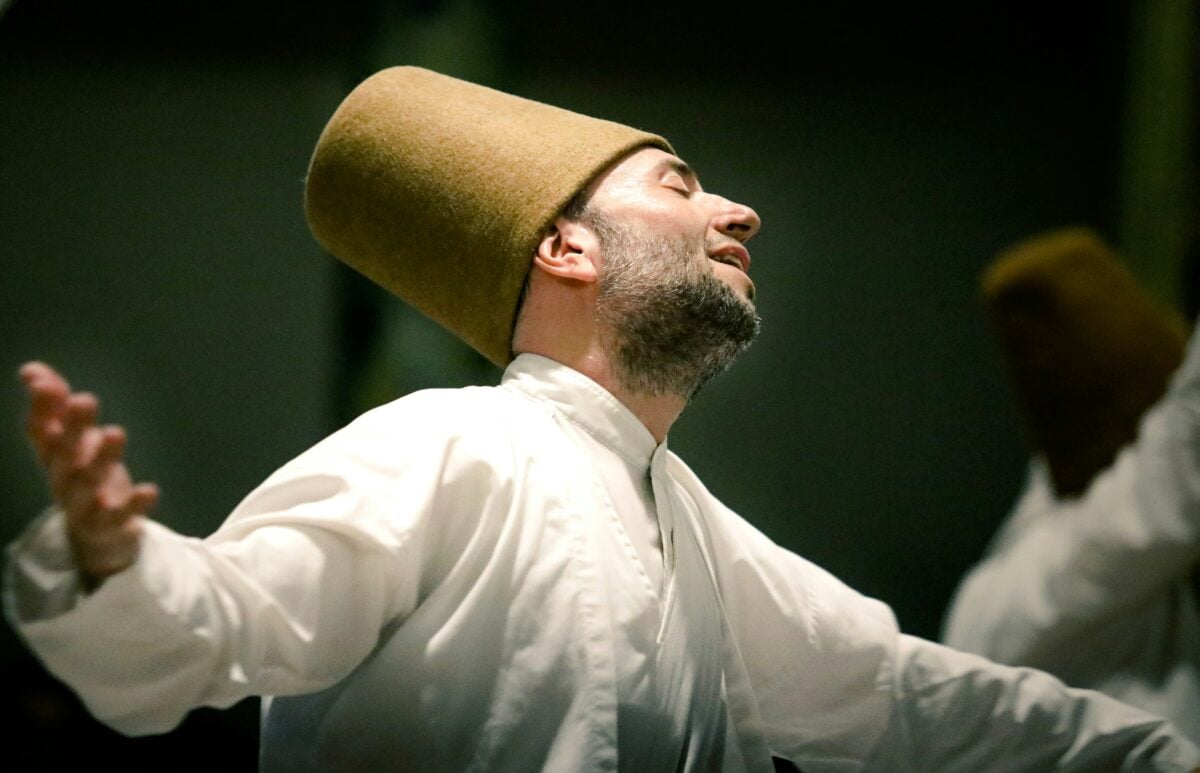
The last sultan looks tired in every photograph. Deep circles under his eyes, shoulders that seem to carry the weight of six centuries of Ottoman rule.
The colorized versions show the rich reds and golds of his robes, the careful arrangement of his turban, the formal staging that couldn’t quite hide the fact that his empire was being carved up by European powers even as he sat for these portraits.
Emperor Haile Selassie of Ethiopia
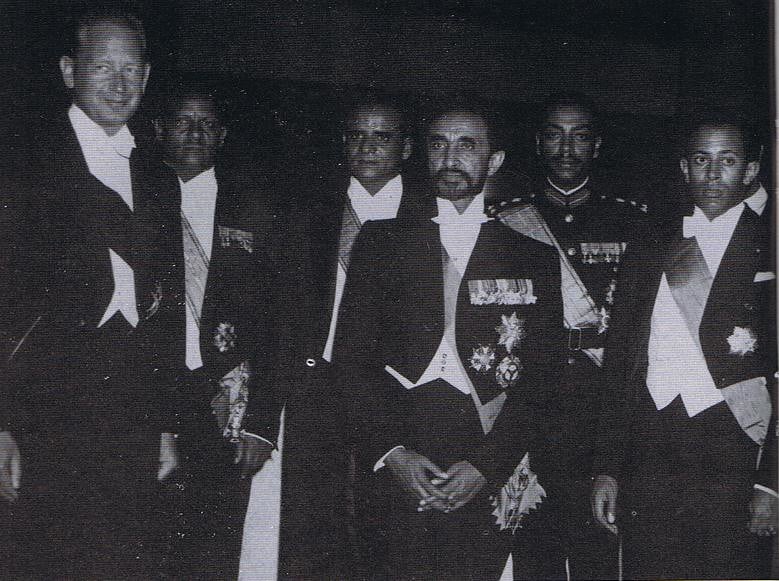
Haile Selassie claimed direct descent from King Solomon and the Queen of Sheba. Whether you believe that or not, the colorized photographs certainly make the case — there’s something regal in his bearing that no amount of staging could manufacture.
The deep greens and golds of his ceremonial dress, the careful positioning of his hands, the direct gaze that seems to look right through the camera. He understood something the other rulers on this list didn’t: empires end, but dignity doesn’t have to.
Even when Italian troops occupied his country, even when he was forced into exile, even when he addressed the League of Nations in a futile plea for help, he carried himself like an emperor. The colorized photos capture this quiet intensity, this refusal to accept that his story was over.
King Faisal I of Iraq
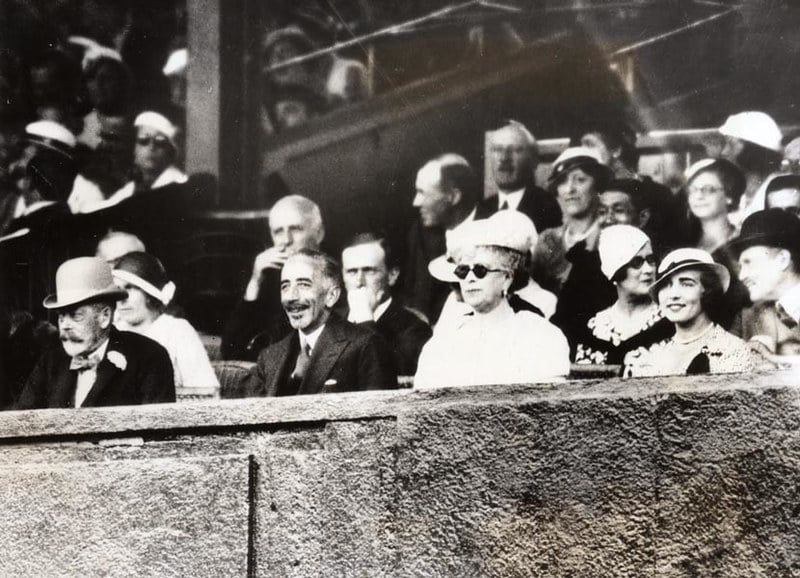
Faisal was basically invented by the British as part of their post-World War I reshuffling of the Middle East. The colorized photographs show him in Arab dress — white robes, traditional headdress, ceremonial sword — but there’s something almost theatrical about the whole presentation, like he’s playing a part in someone else’s production (which, to be fair, he basically was).
The British needed a king for their new mandate territory. Faisal needed a kingdom.
So they struck a deal that satisfied no one and solved nothing, which is pretty much how the British handled everything in 1921. The colorized portraits capture this odd arrangement — a real king ruling a made-up country, trying to make the best of an impossible situation.
King Constantine I of Greece
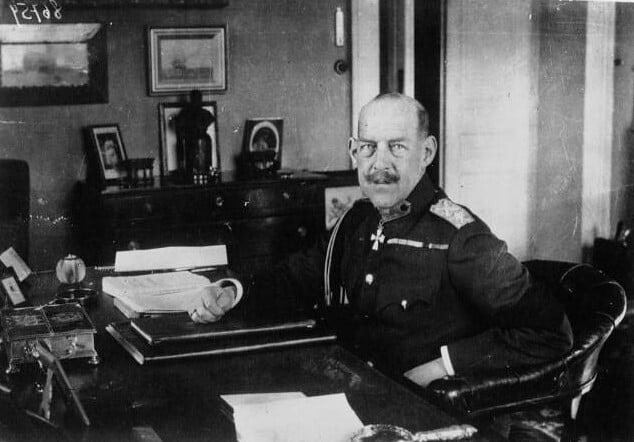
Constantine’s problem was simple: he married Kaiser Wilhelm’s sister, which made family dinners awkward when Greece was supposed to be fighting Germany in World War I. The colorized photographs show him in elaborate military dress, medals arranged just so, but there’s something defensive in his posture — the stance of a man who spent his entire reign explaining himself.
And honestly, who could blame him? His brother-in-law was starting world wars.
His prime minister wanted to join the Allies. His people were split down the middle.
The colorized images reveal the strain in his face, the careful way he holds his mouth, like he’s perpetually on the verge of saying something he probably shouldn’t. But that’s the thing about being king during a world war: there are no good choices, only different ways to be wrong.
Emperor Yoshihito of Japan
Yoshihito ruled during Japan’s rapid transformation from feudal society to industrial power, though “ruled” might be too strong a word — he spent most of his reign dealing with what historians politely call “mental health issues.” The colorized photographs show him in traditional court dress, the elaborate silk patterns rendered in stunning detail, but there’s something fragile about his expression.
His son Hirohito would later oversee Japan’s expansion into World War II. But Yoshihito’s reign was quieter, more uncertain.
The colorized images capture this transitional moment — ancient traditions rendered in modern photography, an emperor caught between the Japan that was and the Japan that was coming.
King Victor Emmanuel III of Italy
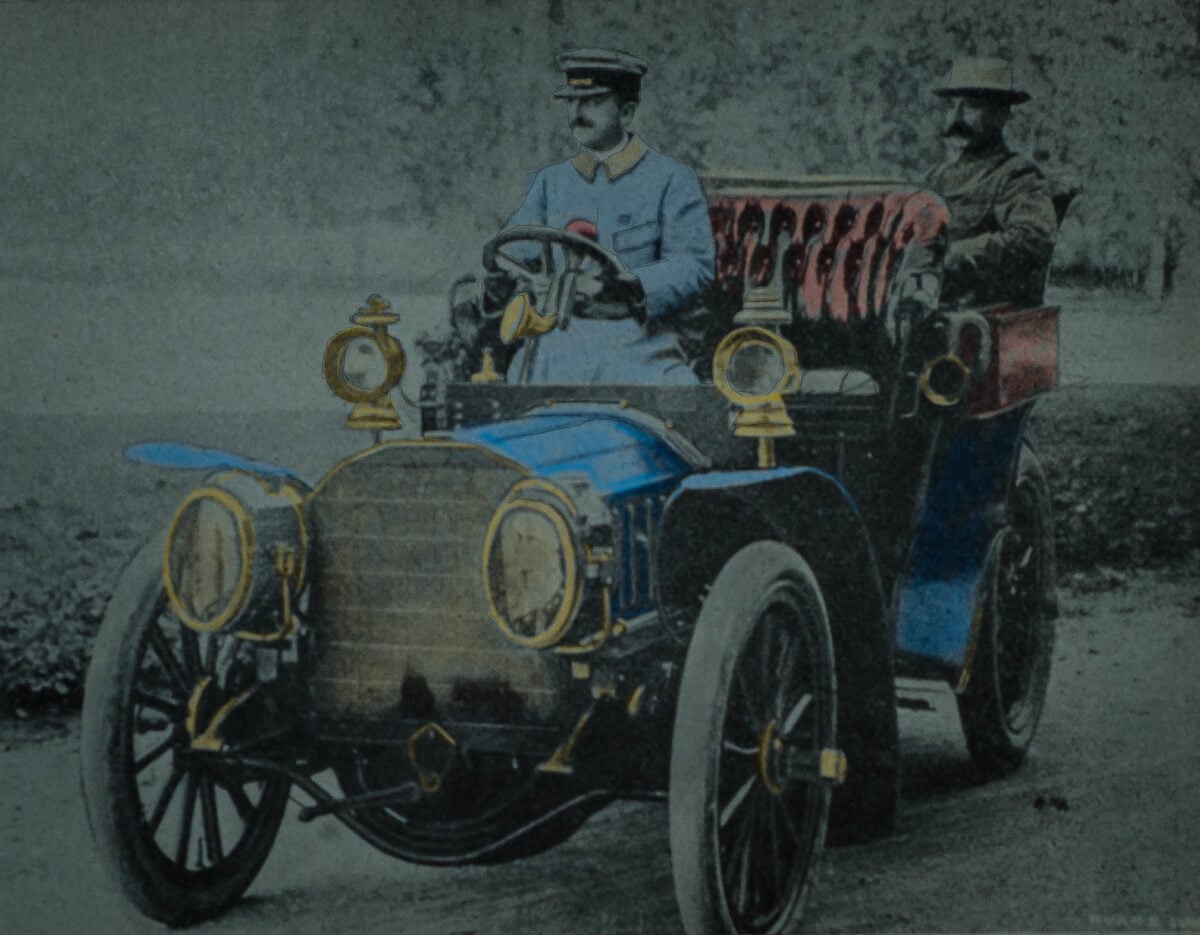
Victor Emmanuel was four feet, eleven inches tall, which made every official photograph an exercise in creative angles and strategic positioning. The colorized versions show his elaborate uniforms in full detail — deep blues and rich reds, gold braiding that probably cost more than most people made in a year — but they can’t hide the basic awkwardness of his physical presence.
And then there’s the Mussolini problem. Victor Emmanuel spent twenty years trying to figure out what to do about the fascist strongman who had basically taken over his country.
The colorized photos from the 1920s and 1930s show a man who looks increasingly uncomfortable in his own palace, like he’s a guest at his own party and he’s not sure when it’s polite to leave.
King Carol II of Romania
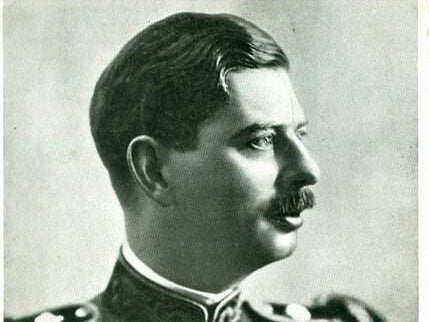
Carol abdicated once, came back, got remarried, had an affair, caused a constitutional crisis, and then abdicated again. His personal life was basically a soap opera, and the colorized photographs capture something of this chaos — there’s always something slightly disheveled about his appearance, even in full royal regalia.
The deep purples and golds of his ceremonial dress look magnificent in these colorized portraits. But there’s something in his eyes that suggests he knows the whole thing is temporary.
Which it was — he spent his final years in exile, writing memoirs that no one read and giving interviews that no one cared about.
King George II of Greece
George spent more time in exile than he did on his throne, which gives the colorized photographs an odd quality — like portraits of a king who was always packing for his next trip. The careful arrangement of his military dress, the precise positioning of his medals, the formal pose that can’t quite hide the fact that his kingdom kept voting him out of office.
But the colors tell their own story: the deep blue of his uniform, the warm gold of his decorations, the careful staging that announces his royal status even when his subjects weren’t particularly interested in acknowledging it. Being a king without a country is apparently exhausting work.
King Alexander of Yugoslavia
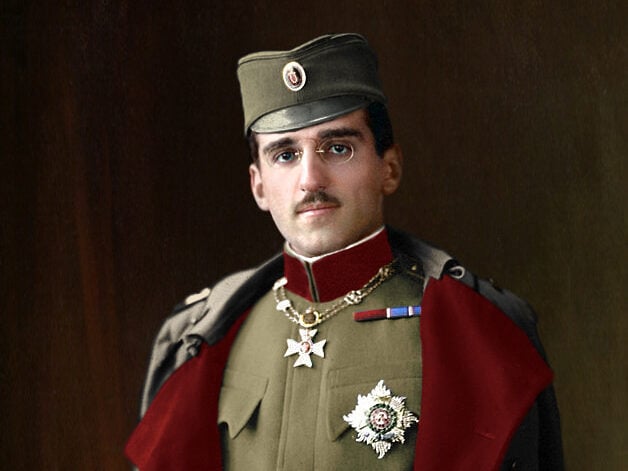
Alexander spent his reign trying to hold together a country that didn’t particularly want to exist. Serbs, Croats, Slovenes, Bosnians — all crammed together in a kingdom that made sense to European diplomats but not much sense to anyone who actually had to live there.
The colorized photographs show him in military uniform, looking stern and determined, but there’s something desperate about the whole presentation. And then someone shot him in Marseilles in 1934, which solved exactly nothing but confirmed what everyone already knew: Yugoslavia was an idea that sounded better on paper than it worked in practice.
The colorized portraits capture this sense of impending doom, this feeling that he was trying to hold water in his bare hands.
King Zog of Albania
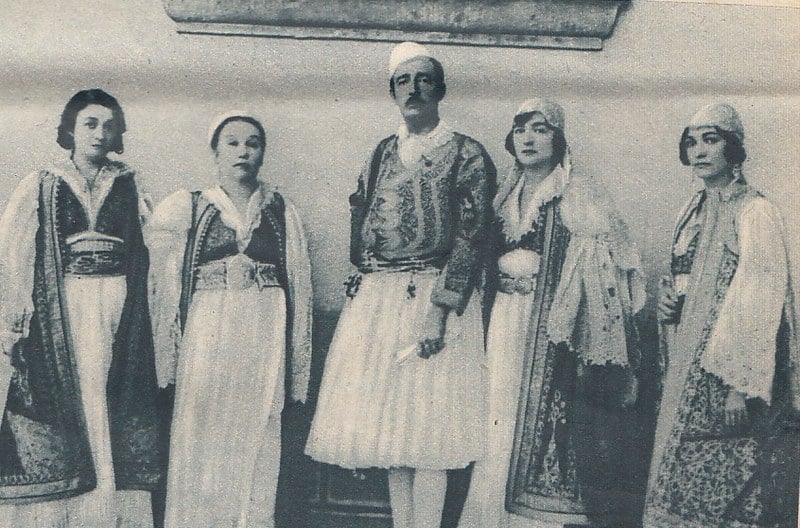
Zog was born Ahmed Zogu, which is not exactly a royal name, so he basically invented himself as he went along. The colorized photographs show him in elaborate uniforms covered with medals for battles he never fought and honors he awarded to himself, but there’s something almost endearing about the whole performance — like a child playing dress-up who got carried away with the game.
His kingdom lasted eleven years before the Italians invaded. But during those eleven years, he built roads, modernized the army, and generally tried to turn Albania into a real country instead of just a collection of mountain villages.
The colorized portraits reveal this strange mix of ambition and absurdity — a self-made king who knew he was making it up as he went along but was determined to do it right.
Emperor Kangde (Puyi as Puppet Emperor)
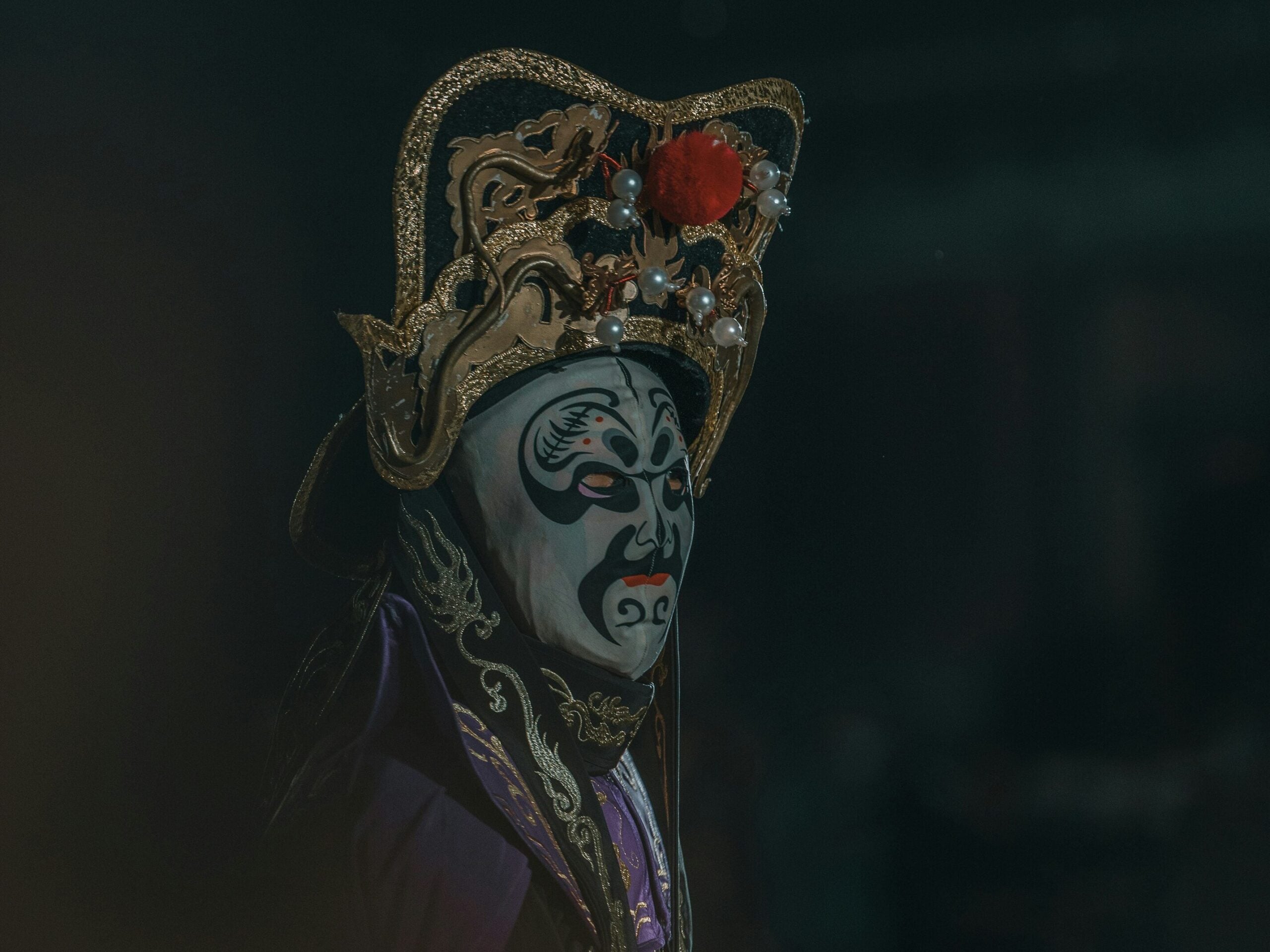
These later colorized photographs of Puyi show him in his second imperial incarnation — this time as the puppet emperor of Manchukuo, the Japanese-created state that existed mostly on paper and in the imaginations of Japanese military planners. The colors are striking: imperial yellow silk, elaborate gold embroidery, traditional Chinese patterns that meant everything and nothing at the same time.
But there’s something hollow about these images that the earlier photographs of his childhood don’t have. This time around, Puyi knew exactly what he was: a prop in someone else’s political theater, a former emperor playing an emperor in a country that wasn’t quite real.
The colorized portraits capture this quality perfectly — all the visual elements of imperial power, but none of the substance.
Echoes in Living Color
These colorized photographs do something remarkable: they collapse the distance between us and the final chapter of monarchy. The restored colors make these rulers feel immediate, present, almost like they’re sitting for portraits today rather than a century ago.
And maybe that’s the point — to remind us that the end of the imperial age wasn’t some distant historical event, but something that happened to real people who got dressed in the morning, looked in mirrors, and tried to make sense of a world that was changing faster than they could understand. The colors bring them back to life just long enough for us to realize how completely their world has vanished.
More from Go2Tutors!

- The Romanov Crown Jewels and Their Tragic Fate
- 13 Historical Mysteries That Science Still Can’t Solve
- Famous Hoaxes That Fooled the World for Years
- 15 Child Stars with Tragic Adult Lives
- 16 Famous Jewelry Pieces in History
Like Go2Tutors’s content? Follow us on MSN.