17 Superstitions That Have Logical Origins
Many beliefs we consider old-fashioned nonsense actually started for perfectly good reasons. Our ancestors weren’t just making up random rules to complicate life—they were solving real problems with the tools and knowledge they had available.
What we call superstitions today were often practical solutions disguised as folklore. Here is a list of 17 superstitions that have surprisingly logical origins.
Don’t Walk Under a Ladder

This one seems obvious once you think about it. Ladders are unstable, and someone could easily drop tools, paint, or themselves onto your head.
In ancient Egypt, ladders formed triangular shapes against walls, and triangles represented the divine trinity of gods. Walking through this sacred space was considered disrespectful, but the practical danger was always there too.
Knock on Wood

Before Christianity spread through Europe, people believed spirits lived inside trees. Knocking on wood was a way to wake up the good spirits and ask for their protection, or to thank them for good fortune.
The ritual made people feel more confident about their plans, which probably helped them succeed more often.
Like Go2Tutors’s content? Follow us on MSN.
Don’t Open an Umbrella Indoors

Early umbrellas had stiff springs and sharp metal spokes that could easily poke someone’s eye out in tight spaces. Victorian homes had low ceilings, delicate furnishings, and gas lamps that an opened umbrella could knock over.
The ‘bad luck’ was really just property damage waiting to happen.
Throwing Salt Over Your Shoulder

Salt was incredibly valuable in ancient times—Roman soldiers were sometimes paid in salt, which is where we get the word ‘salary.’ Spilling salt meant wasting money, so people developed a ritual to counteract the loss.
Throwing salt over your left shoulder was supposed to blind the devil, who was thought to lurk there waiting to tempt you.
Breaking a Mirror Brings Seven Years of Bad Luck

Mirrors were expensive and difficult to make before modern manufacturing. Breaking one meant a significant financial loss that could take years to recover from, especially for working-class families.
The Romans believed mirrors reflected your soul, so breaking one damaged your spiritual self for seven years—the time they thought it took for your body to completely renew itself.
Like Go2Tutors’s content? Follow us on MSN.
Don’t Put New Shoes on the Table

This superstition comes from coal mining communities, where placing someone’s shoes on the table meant they had died in a mining accident. Families would put the deceased miner’s shoes on the table while preparing for the funeral.
The practice became associated with death, so people avoided it entirely.
Black Cats Cross Your Path
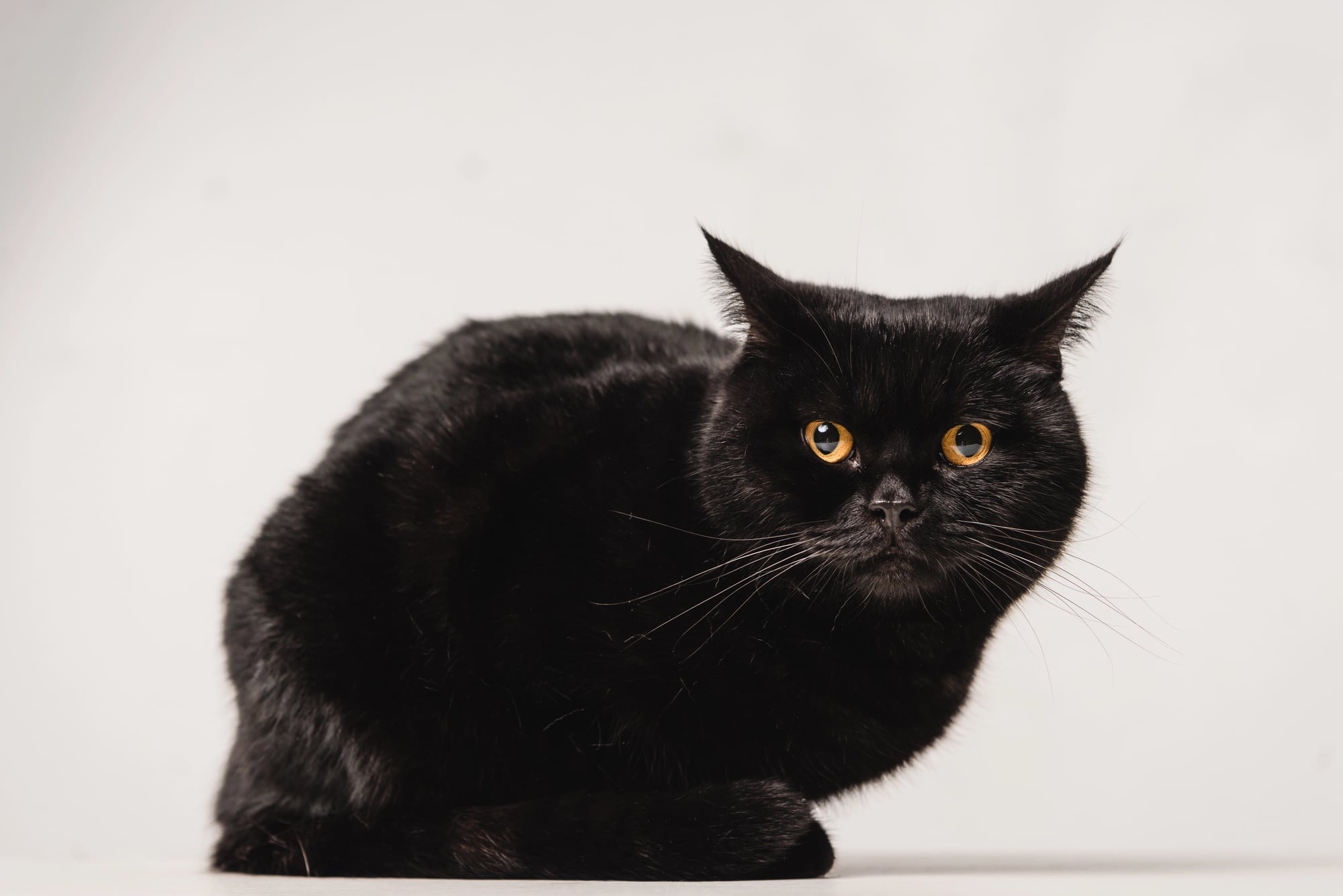
In medieval times, people associated black cats with witches and bad luck. But the real problem was practical—black cats are harder to see at night, especially on dark roads.
A black cat crossing your path might mean you were in an area where other dangers lurked in the shadows, or it could startle your horse and cause an accident.
Beginner’s Luck

People noticed that newcomers to gambling or games often won early on, then started losing once they played more. The real explanation is that beginners take fewer risks and quit while they’re ahead because they don’t understand the game well enough to make complicated bets.
Experienced players often get overconfident and chase their losses.
Like Go2Tutors’s content? Follow us on MSN.
Step on a Crack, Break Your Mother’s Back

This children’s rhyme originally warned kids to watch where they walked. Uneven sidewalks and broken pavement could cause serious falls, especially for older adults.
Teaching children to avoid cracks made them more careful walkers and helped prevent accidents.
Don’t Sleep with Your Head Facing North

Traditional Chinese medicine and Indian Ayurveda both discourage sleeping with your head pointing north. They believed it disrupted the body’s magnetic field and caused restless sleep.
Modern research suggests this might actually affect some people’s sleep quality, though scientists debate whether Earth’s magnetic field is strong enough to matter.
Whistling Past the Graveyard

Graveyards were often located outside town boundaries in isolated areas where criminals might hide. Whistling while walking past showed you weren’t trying to sneak around and helped mask the sound of your footsteps so you could hear if someone was following you.
The loud, cheerful noise also helped calm your nerves in a scary situation.
Like Go2Tutors’s content? Follow us on MSN.
Don’t Give Knives as Wedding Gifts

Sharp objects as gifts were thought to ‘cut’ the relationship between friends or lovers. The practical concern was that knives were weapons, and giving someone a blade could be seen as threatening.
Even today, many cultures require the recipient to give a coin in return, symbolically ‘buying’ the knife to avoid the curse.
Saying ‘Bless You’ After Sneezing

During plague outbreaks, sneezing was often the first sign of serious illness. People blessed sneezers hoping to protect them from disease, but they were also alerting others to stay away from someone who might be contagious.
The blessing served as both spiritual protection and public health warning.
Don’t Sit at the Corner of a Table

In Russian and Eastern European traditions, unmarried people shouldn’t sit at table corners because it means they’ll never marry. The real reason was more practical—corner seats were unstable and uncomfortable, reserved for the least important guests.
Putting unmarried people there reinforced social hierarchies about who deserved the best spots.
Like Go2Tutors’s content? Follow us on MSN.
Pinch of Salt in Baby Formula

Before modern sterilization, adding salt to baby food helped preserve it and kill harmful bacteria. Salt also made bland foods more appealing, encouraging babies to eat.
While we now know too much salt is dangerous for infants, small amounts served as a primitive food safety measure when refrigeration didn’t exist.
Don’t Put a Hat on the Bed

Hats collect dirt, lice, and other parasites from being worn outside all day. Putting a dirty hat on a clean bed spread germs and pests to where people slept.
In the Old West, placing a hat on the bed was also associated with death—cowboys would put a dead man’s hat on his bunkhouse bed as a memorial.
Crossing Your Fingers for Good Luck

Early Christians made small crosses with their fingers to invoke God’s protection, especially when telling lies or making promises they weren’t sure they could keep. The crossed fingers served as a silent prayer for divine help.
The gesture evolved into a general good luck charm, but it started as a way to ask forgiveness for minor deceptions.
When Old Wisdom Meets Modern Life

These superstitions remind us that human behavior often has deeper roots than we realize. Our ancestors weren’t less intelligent than us—they just worked with different information and faced different dangers.
Many of their solutions were surprisingly effective, even if the explanations sound silly today. The next time someone calls a belief ‘just superstition,’ it might be worth digging into the history to see what practical problem it originally solved.
More from Go2Tutors!

- 16 Historical Figures Who Were Nothing Like You Think
- 12 Things Sold in the 80s That Are Now Illegal
- 15 VHS Tapes That Could Be Worth Thousands
- 17 Historical “What Ifs” That Would Have Changed Everything
- 18 TV Shows That Vanished Without a Finale
Like Go2Tutors’s content? Follow us on MSN.