20 Expeditions That Never Returned
Exploration has always demanded a wager against the unknown, and every so often the unknown collects. Some of these journeys ended in a single catastrophic winter; others dissolved slowly into rumor, a scattering of bones, wreckage found generations later by people who were not even born when the ship sailed or the tent was pitched.
Franklin’s Lost Expedition
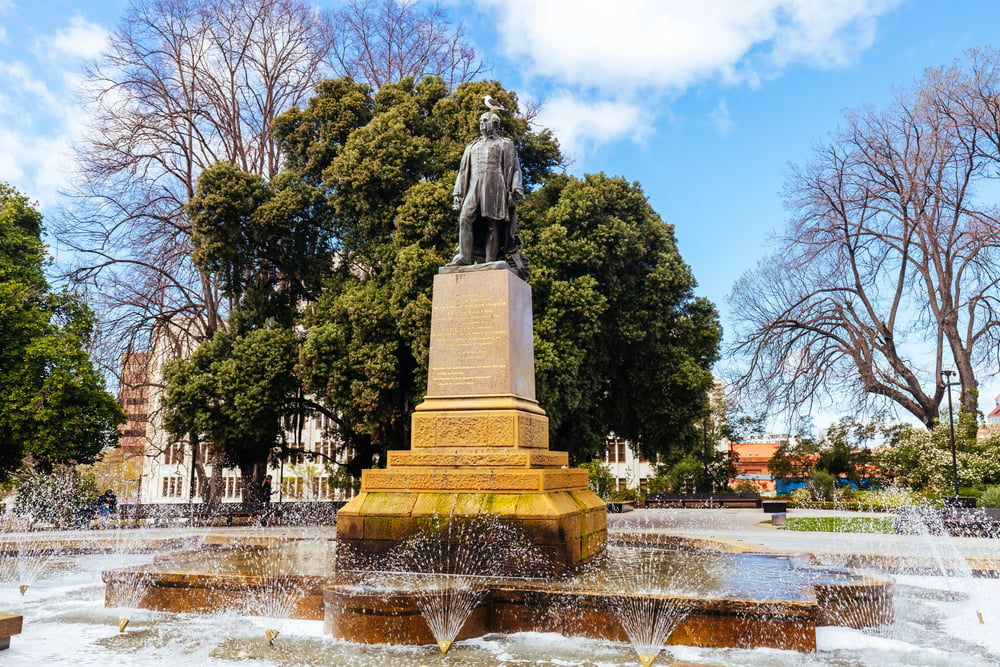
Sir John Franklin set out from England in May 1845 with 129 men aboard HMS Erebus and HMS Terror to chart the last unmapped stretch of the Northwest Passage, provisioned for three years and considered one of the best-equipped polar missions of its era. The ships became icebound off King William Island in the Canadian Arctic, and a note later recovered from a stone cairn recorded Franklin’s own death in June 1847, with the remaining crew abandoning ship the following spring in a desperate, failed march toward the mainland.
Every man on the expedition died, and Inuit testimony collected over the following decades pointed to starvation, lead poisoning, and cannibalism among the last survivors; the wrecks of Erebus and Terror were not located until 2014 and 2016.
La Pérouse’s Voyage of Discovery
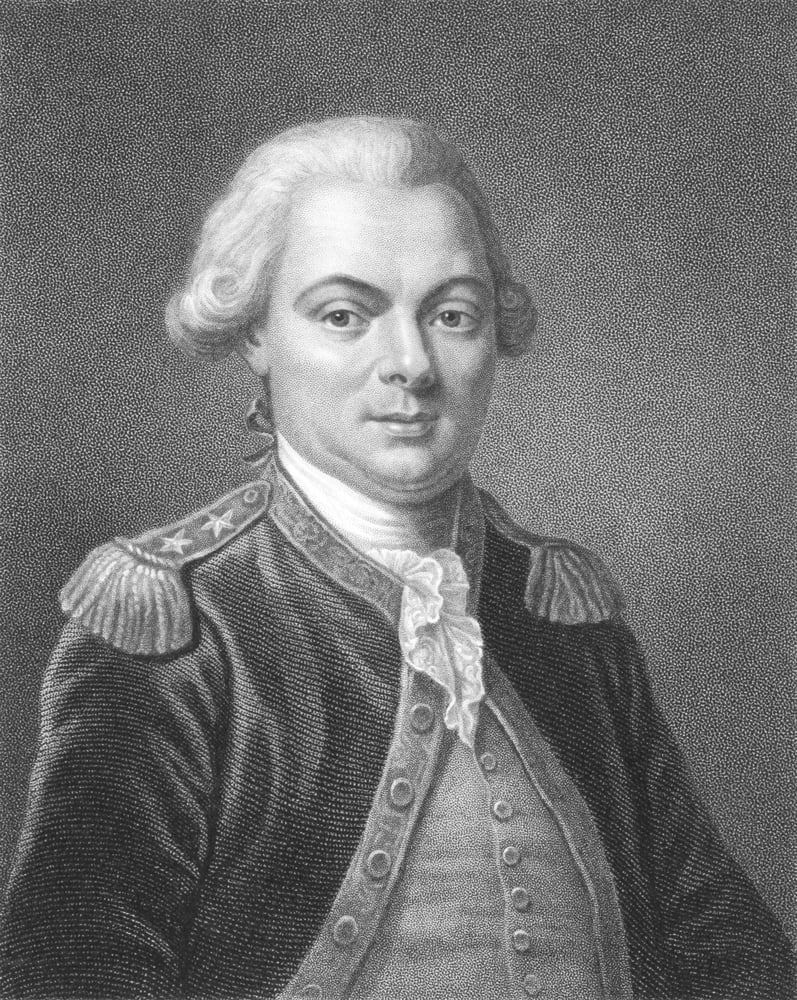
French naval officer Jean-François de Galaup, Comte de La Pérouse, left France in 1785 leading two frigates on a scientific circumnavigation intended to rival James Cook’s voyages, and by 1788 he had reached Botany Bay in Australia, just weeks after the first British penal fleet arrived there. He then sailed north and vanished completely.
It was not until 1826, nearly four decades later, that wreckage was traced to the reefs of Vanikoro in the Solomon Islands, where both ships had apparently been destroyed in a storm and the surviving crew killed by islanders or lost attempting to build an escape vessel.
Amelia Earhart and Fred Noonan

Attempting to become the first woman to circle the globe by air, Amelia Earhart and navigator Fred Noonan departed Lae, New Guinea on July 2, 1937, bound for tiny Howland Island in the Pacific, and were never heard from again after a series of increasingly strained radio transmissions. The largest search operation in US naval history at the time found no confirmed trace of the aircraft or its occupants.
Decades of subsequent searches, theories, and expeditions have produced fragments and speculation but no conclusive answer, making the disappearance one of the most examined unsolved cases in aviation history.
Percy Fawcett’s Search for Z

British explorer Percy Fawcett walked into the Brazilian Amazon in 1925 with his son Jack and a family friend, convinced that a sophisticated lost civilization he called simply “Z” lay hidden in the jungle. Fawcett had explicitly instructed that if the party failed to return, no rescue expedition should follow, believing anyone attempting it would meet the same fate.
Dozens of search missions ignored that instruction over the following decades regardless, and several searchers themselves died in the attempt, but neither Fawcett nor any confirmed trace of his party has ever been found.
Ludwig Leichhardt’s Final Expedition
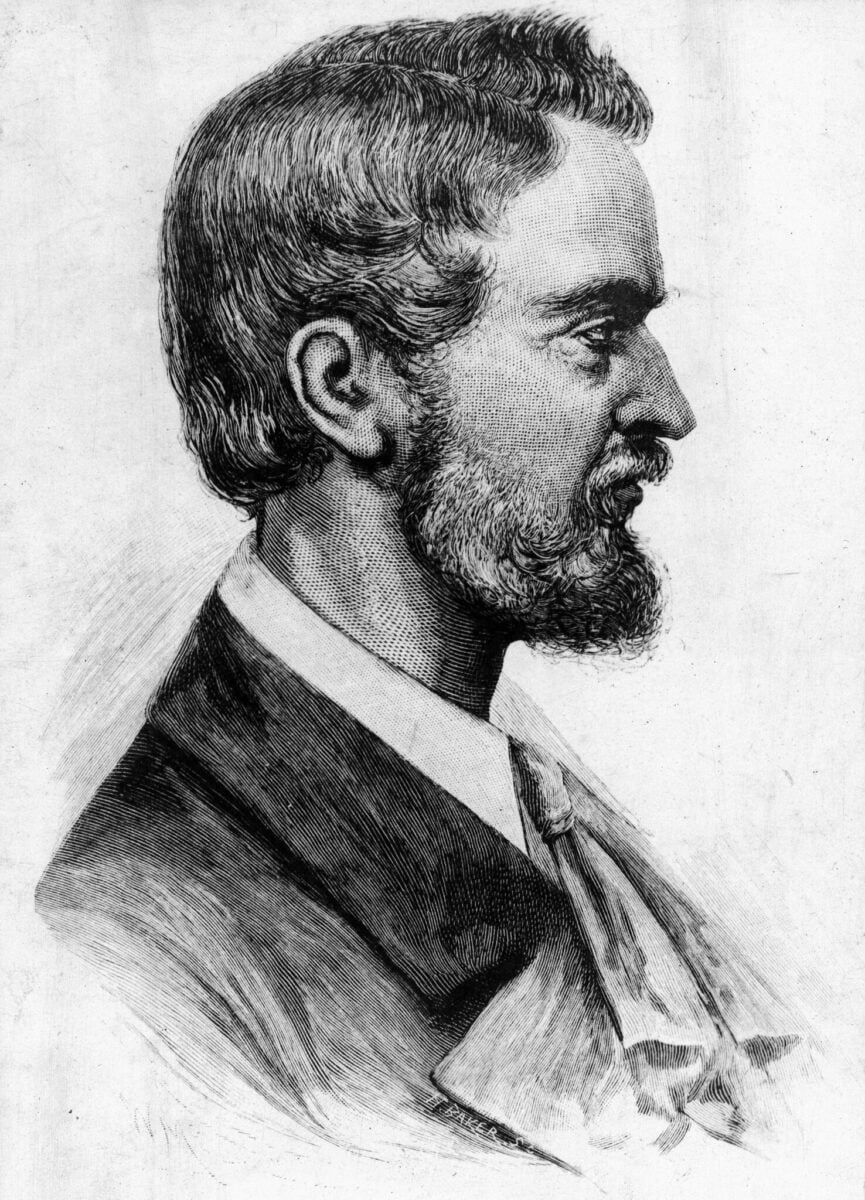
Prussian-born naturalist Ludwig Leichhardt, already celebrated for one successful Australian crossing, set out in 1848 with six companions attempting to cross the continent from east to west, a journey of roughly 4,800 kilometers through largely unmapped territory. The entire party vanished without a confirmed trace, and more search expeditions were launched over the following century to find evidence of Leichhardt’s fate than for almost any other explorer in Australian history.
Scattered artifacts recovered decades later have been debated by historians ever since, with no definitive account of how or where the group met its end.
Salomon Andrée’s Arctic Balloon Expedition
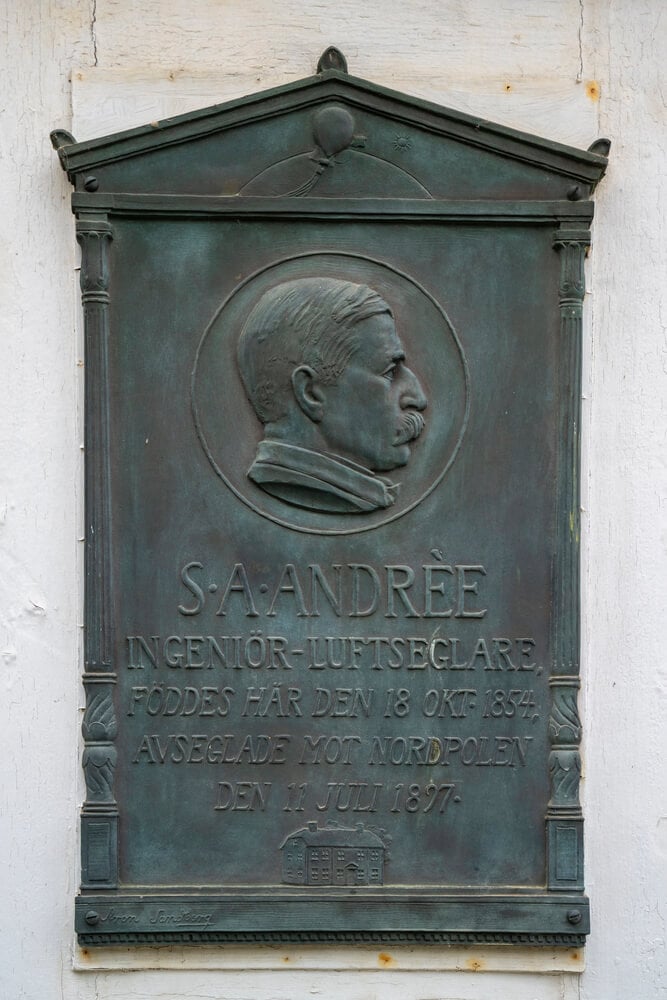
Swedish engineer Salomon August Andrée attempted to reach the North Pole by hydrogen balloon in 1897, a plan critics at the time considered reckless given the era’s balloon technology, and the craft came down on the ice just two days after launch.
Andrée and his two companions survived the crash and trekked for months across the ice before dying on the remote island of Kvitøya, their fate a complete mystery for 33 years until a Norwegian sealing expedition stumbled on their final campsite and remains in 1930, along with preserved diaries and undeveloped photographic film.
Mallory and Irvine on Everest

George Mallory and Andrew Irvine were last seen “going strong” for the summit of Everest on June 8, 1924, disappearing into cloud cover close enough to the top that debate has raged for a century over whether they became the first people to reach it, 29 years before Edmund Hillary and Tenzing Norgay’s confirmed ascent. Mallory’s body was finally located in 1999, remarkably preserved by the mountain’s cold and dry air, but without the camera he carried that might have settled the question. Irvine has never been found.
Henry Hudson’s Final Voyage
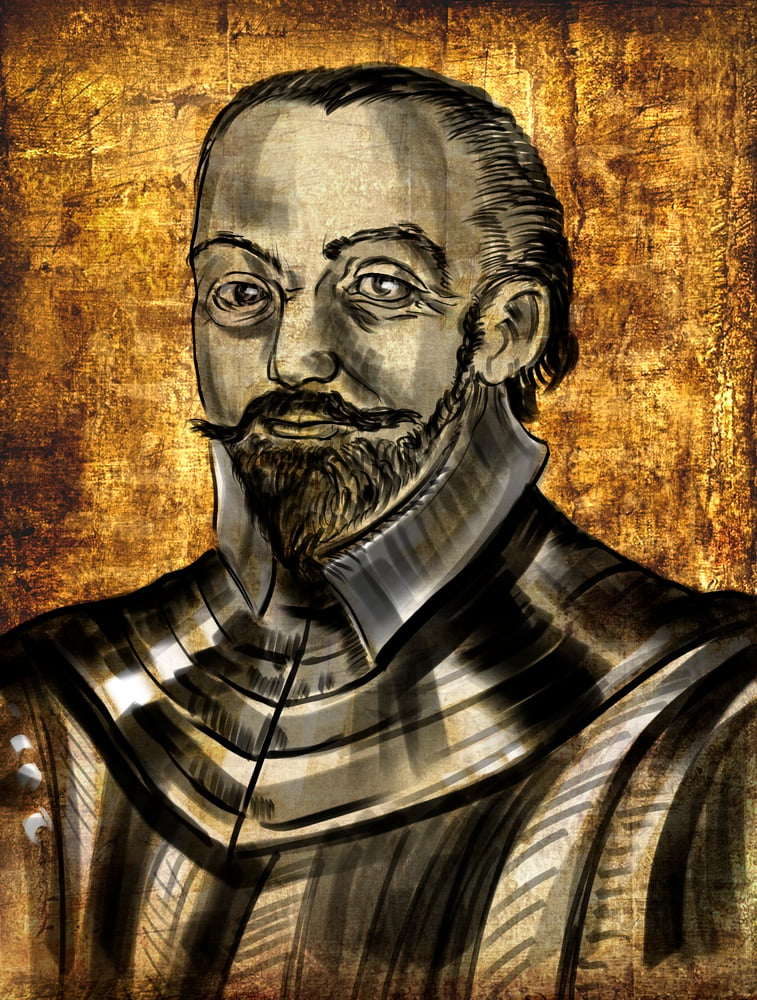
English explorer Henry Hudson spent the winter of 1610 to 1611 trapped in the bay that now bears his name, and when spring came and supplies remained short, his crew mutinied. Hudson, his teenage son, and several loyal or sick crew members were set adrift in a small open boat with almost no provisions and never seen again.
The mutineers who set them adrift eventually made it back to England, where several faced formal inquiry but, remarkably, no serious punishment.
The Roanoke Colony

England’s second attempt to settle Roanoke Island off the coast of present-day North Carolina left more than 100 colonists in 1587 under Governor John White, who then sailed back to England for supplies. Delayed for three years by war with Spain, White returned in 1590 to find the settlement completely abandoned, with no sign of struggle and the word “Croatoan” carved into a post.
No member of the colony was ever definitively located, and the fate of what became known as the Lost Colony remains one of the oldest unsolved mysteries in American history.
The Jeannette Expedition
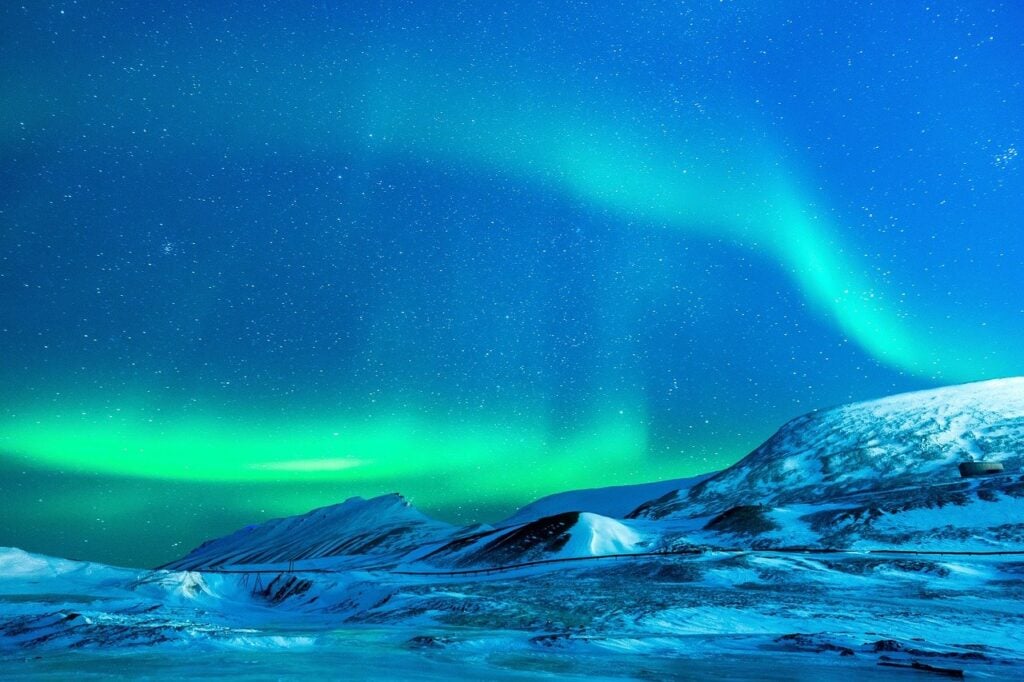
The USS Jeannette departed San Francisco in 1879 under naval officer George W. De Long, aiming to reach the North Pole by sailing through what was then believed to be an open polar sea. Instead the ship became trapped in pack ice for nearly two years before being crushed and sunk north of Siberia in 1881, forcing the crew onto small boats and sleds across brutal terrain.
De Long and most of his group died of starvation and exposure attempting to reach the Siberian mainland; only a fraction of the original crew survived to tell the story.
The Italia Disaster and Amundsen’s Search

Italian airship commander Umberto Nobile’s dirigible Italia crashed on the Arctic ice in 1928 while returning from the North Pole, scattering survivors across the ice and killing several crew members outright. Norwegian polar legend Roald Amundsen, who had famously reached the South Pole in 1911, volunteered to join the search effort despite a long-standing rivalry with Nobile, and his rescue aircraft vanished over the Barents Sea shortly after takeoff.
Nobile and several survivors were eventually rescued by other search parties, but Amundsen and his entire crew were never found.
Scott’s Terra Nova Expedition
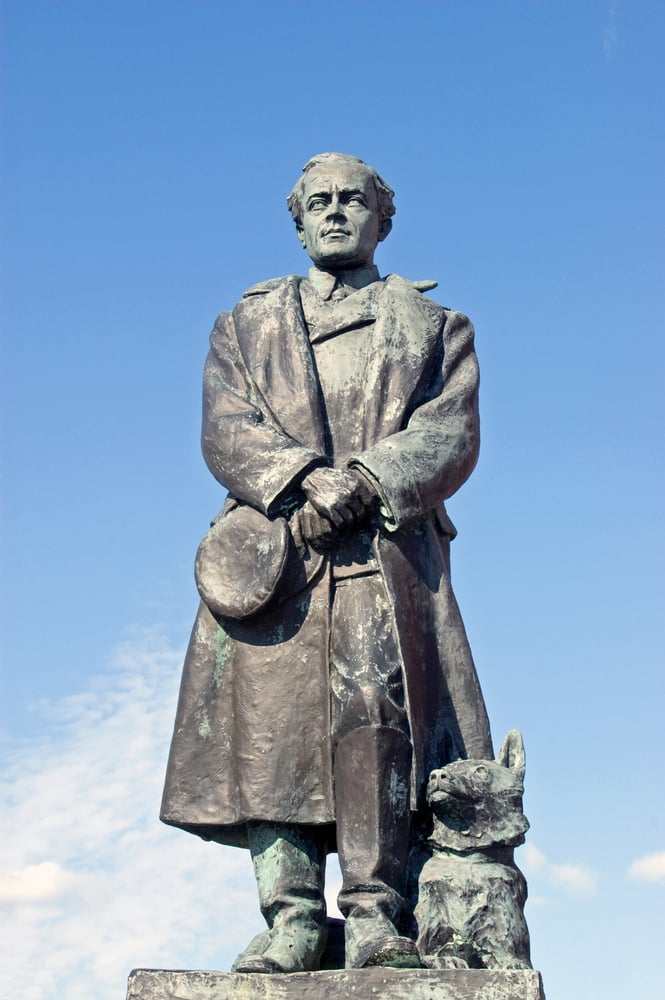
Captain Robert Falcon Scott reached the South Pole in January 1912, only to discover that Norwegian rival Roald Amundsen’s team had beaten him there by more than a month. Scott and his four remaining companions died on the return journey, trapped by a blizzard just kilometers from a supply depot that could have saved them.
A search party found their frozen bodies and Scott’s diary eight months later, and his final journal entries, describing the group’s slow decline, turned the failed expedition into one of the defining stories of the heroic age of polar exploration.
La Salle’s Texas Expédition
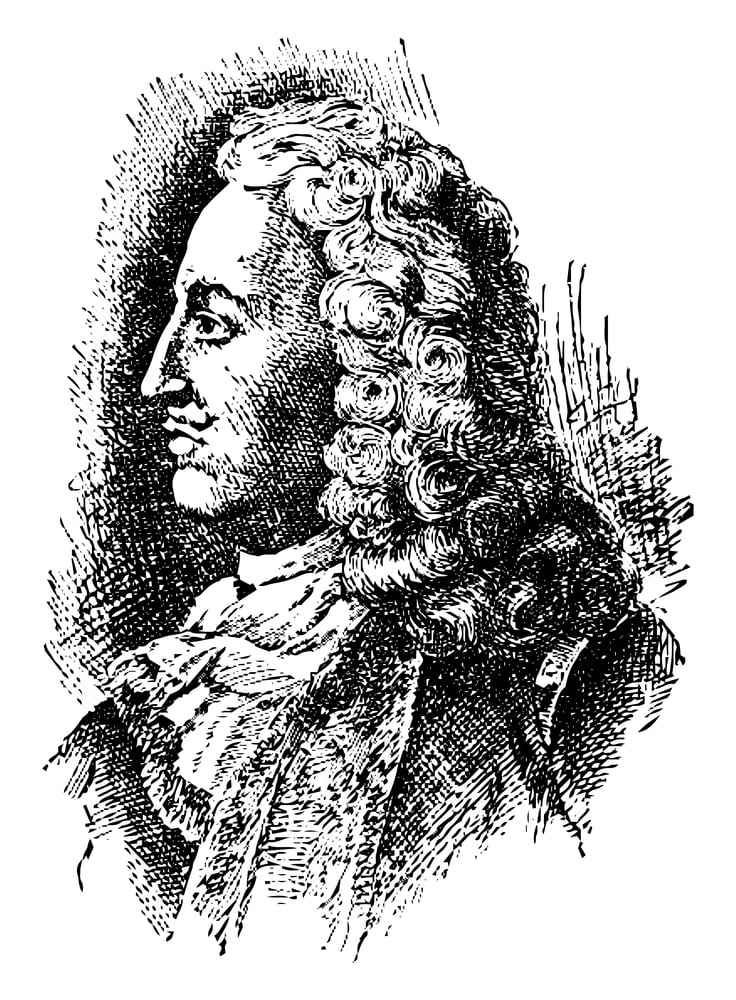
French explorer René-Robert Cavelier, Sieur de La Salle, set out in 1684 intending to establish a colony near the mouth of the Mississippi River but, due to a navigational error, landed his ships hundreds of kilometers off course on the coast of present-day Texas.
The colony collapsed amid disease, hostile encounters, and dwindling supplies, and in 1687 La Salle was killed by his own mutinous men during an attempt to reach French territory overland. Almost none of the original expedition ever made it home.
Burke and Wills Expedition

Robert O’Hara Burke and William John Wills led an Australian expedition in 1860 attempting the first south-to-north crossing of the continent, and while a small advance party did technically reach the northern coast, the return journey unraveled through poor planning and missed supply connections.
Both Burke and Wills died of starvation in the Australian outback in 1861, reportedly missing their support depot at Cooper Creek by only hours. A single member of their advance group, John King, survived to be found by a rescue party months later.
Willem Barentsz’s Third Voyage

Dutch navigator Willem Barentsz led three separate attempts in the 1590s to find a northeastern sea route to Asia above Russia and Siberia, and on the third voyage in 1596 his ship became trapped in ice off Novaya Zemlya, forcing the crew to overwinter in a hut built from driftwood and salvaged timber.
The following spring the surviving men set out by open boat for the Russian mainland, but Barentsz himself died just days into the journey and never saw home again, even as most of his crew eventually made it back.
The Karluk
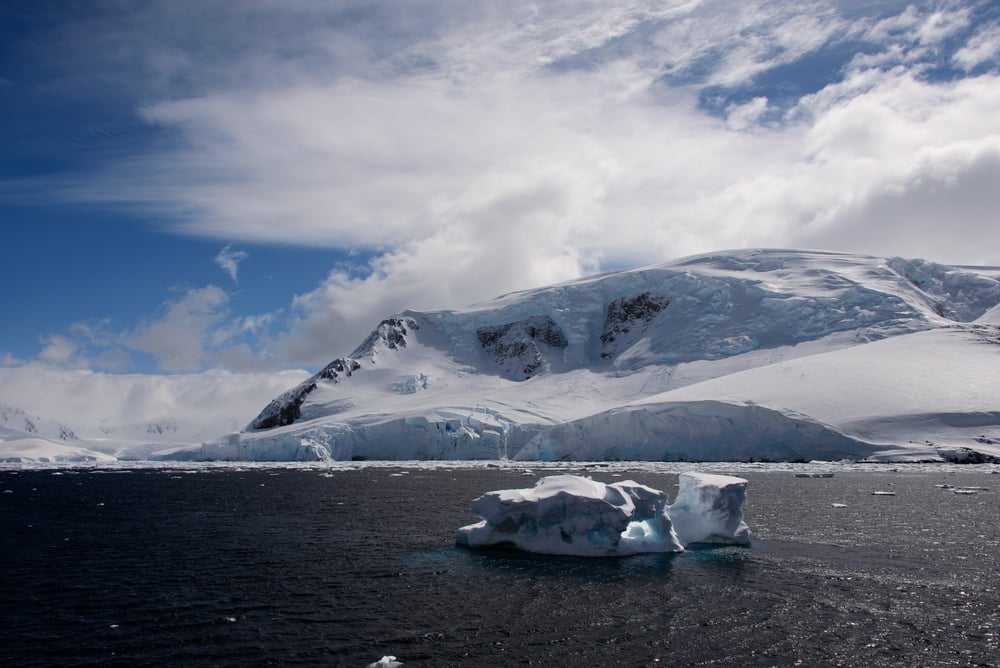
The Canadian Arctic Expedition’s ship Karluk became trapped in ice off Alaska in 1913, drifted for months, and was eventually crushed, forcing its crew onto the frozen sea with dwindling supplies. Eleven of the twenty-five men aboard died attempting to reach land across the ice or while stranded on remote Wrangel Island awaiting rescue, including several who set off on their own toward Siberia and were never seen again.
Captain Robert Bartlett’s grueling trek for help ultimately saved the remaining survivors, but only after months of desperate waiting.
Juan Ponce de León’s Florida Expedition

Spanish explorer Juan Ponce de León returned to Florida in 1521 with settlers and livestock intending to establish the region’s first European colony, only to be wounded during a conflict with the indigenous Calusa people shortly after landing.
He died from the wound soon after reaching Cuba, and the colonization attempt collapsed entirely, with survivors scattering rather than continuing the settlement he had planned.
The 1934 Nanga Parbat Expedition
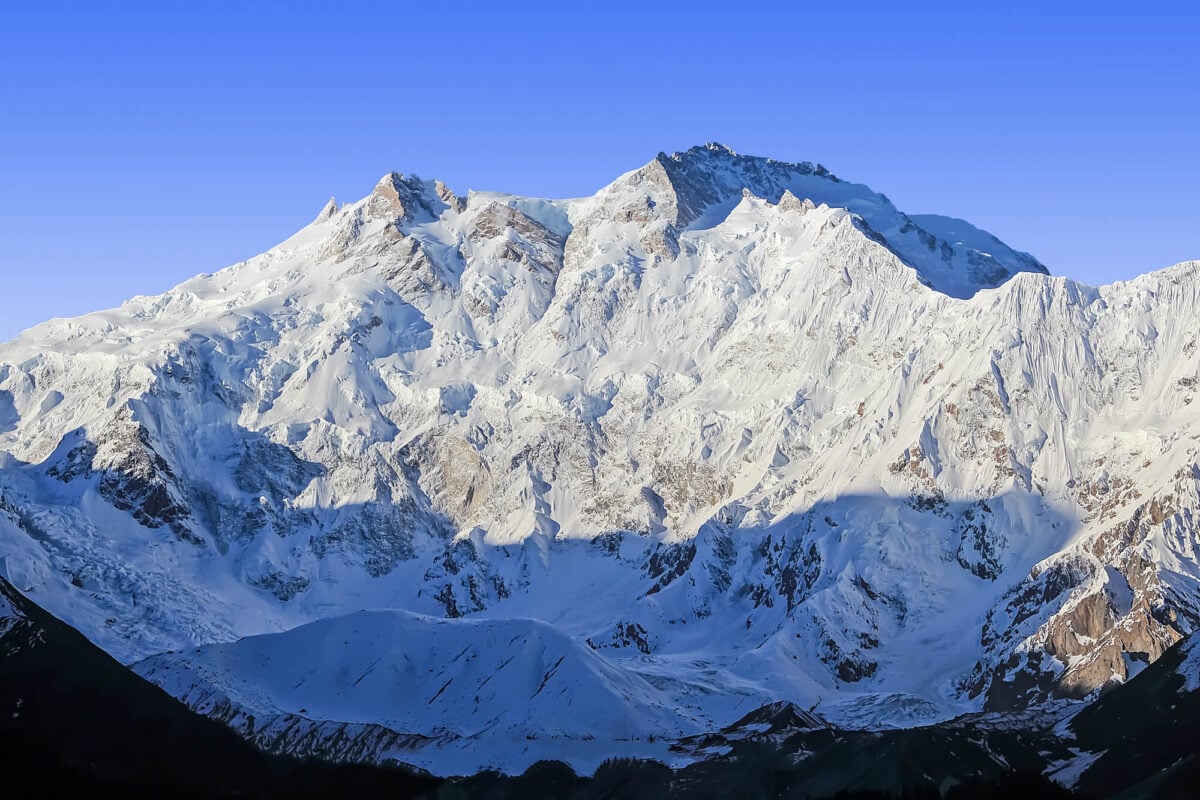
A German climbing team led by Willy Merkl attempted Nanga Parbat, one of the world’s most dangerous peaks, in 1934, and was caught by a catastrophic multi-day storm high on the mountain during their descent.
Merkl and several companions, already exhausted and frostbitten, died of exposure over the following days, and some bodies were not recovered for decades, discovered by later expeditions as glacial ice slowly shifted and melted. The mountain’s death toll from this and subsequent attempts earned it a grim nickname among climbers: the Killer Mountain.
The 1996 Everest Disaster
During a single, brutal day in May 1996, a sudden storm trapped multiple commercial climbing expeditions high on Everest, including groups led by experienced guides Rob Hall and Scott Fischer. Eight climbers died on the mountain over that stretch, several of them unable to descend from the summit ridge before the weather closed in completely.
The disaster, later chronicled in bestselling accounts, prompted a lasting reassessment of commercial high-altitude guiding practices that continues to shape how expeditions are organized today.
The Dyatlov Pass Incident
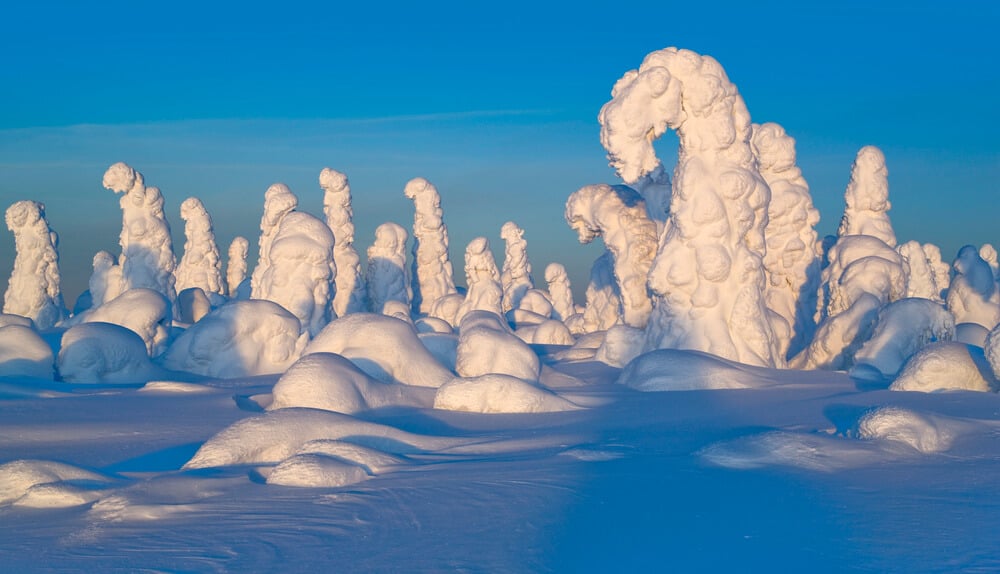
In February 1959, nine experienced Soviet hikers died during a skiing expedition in the northern Ural Mountains under circumstances that investigators, and amateur theorists, have argued over for more than six decades. The group’s tent was found cut open from the inside, and several bodies showed injuries inconsistent with any obvious cause, fueling explanations ranging from an avalanche to a military accident to simple panic in extreme cold.
No definitive account has ever been fully accepted, and the case remains one of the most debated expedition deaths of the twentieth century.
The Weight of an Empty Chair
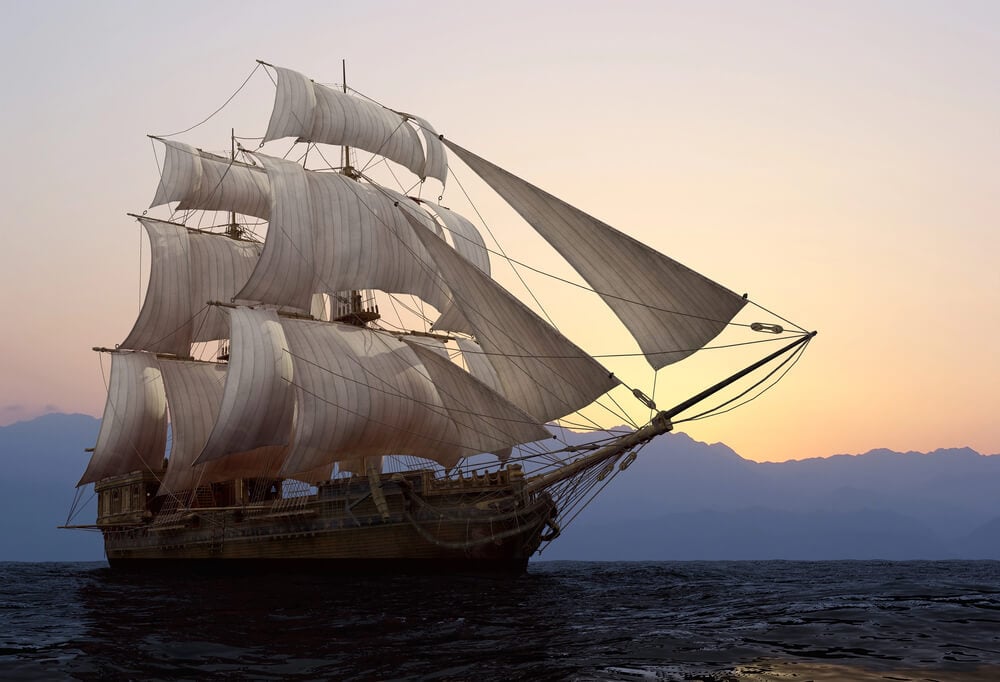
What these expeditions share is not carelessness. Franklin’s ships were the best-provisioned in the Royal Navy. Amelia Earhart was, by 1937, arguably the most famous aviator alive. Confidence, resources, and preparation all failed against conditions that simply refused to cooperate, and in each case, the world kept searching long after searching made any practical sense, because an unresolved disappearance is somehow harder to accept than a confirmed death.
That refusal to stop looking is its own kind of monument. Search parties for Franklin mapped huge sections of the Canadian Arctic that might otherwise have gone uncharted for another century. Decades-long hunts for Fawcett and Leichhardt turned into their own strange sub-genre of exploration.
The expeditions themselves failed, but the not-knowing they left behind kept working on people for generations after the fact.
More from Go2Tutors!

- The Romanov Crown Jewels and Their Tragic Fate
- 13 Historical Mysteries That Science Still Can’t Solve
- Famous Hoaxes That Fooled the World for Years
- 15 Child Stars with Tragic Adult Lives
- 16 Famous Jewelry Pieces in History
Like Go2Tutors’s content? Follow us on MSN.