Movies That Predicted Future Technology
Some films predicted the future in addition to providing entertainment. Filmmakers were imagining smartphones, smart homes, and virtual reality in great detail long before these technologies were commonplace.
In addition to foreseeing technology, their imagination envisioned how people would interact, work, and live in the digital era. The distinction between modern reality and movie magic has become increasingly hazy due to wearable technology and artificial intelligence.
This is a list of 14 movies that surprisingly predicted the future.
2001: A Space Odyssey (1968)
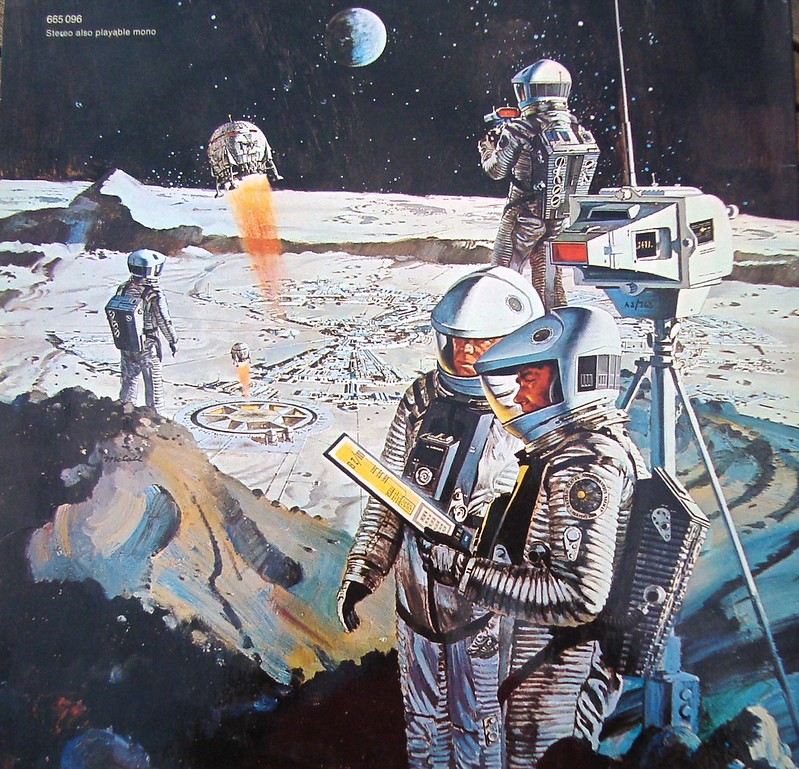
Stanley Kubrick’s visionary epic introduced HAL 9000, an intelligent computer capable of understanding speech, processing emotions, and making autonomous decisions. HAL’s eerily calm tone and logical dominance became an early model for AI-driven assistants like Siri, Alexa, and Google Assistant.
The film also imagined video calls, tablets, and even space tourism—concepts that were decades away from becoming reality. It’s remarkable how the movie’s sleek vision of technology set a tone for everything from UX design to human-computer relationships.
Blade Runner (1982)
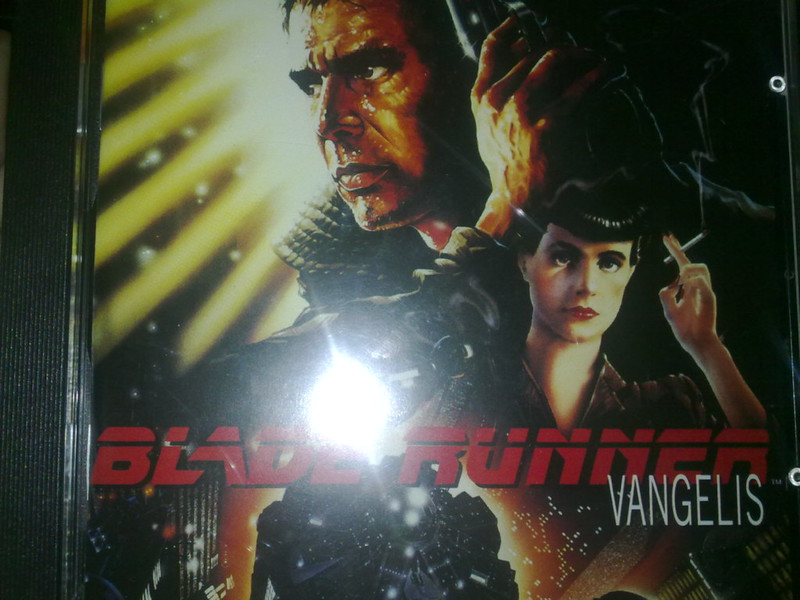
Ridley Scott’s dark and rain-soaked world of Blade Runner envisioned a future where artificial intelligence and genetic engineering merge to create human-like androids called replicants. The film didn’t just predict AI—it predicted moral confusion about it.
Questions about identity, empathy, and consciousness are central to modern debates around machine learning and robotics. Even the cityscape—filled with holographic ads, drone-like vehicles, and constant surveillance—feels like a hyper-stylized reflection of our present-day urban life.
Back to the Future Part II (1989)
While hoverboards remain elusive, many of this movie’s once-absurd ideas are now everyday items. Video calls, wearable devices, biometric locks, and smart homes are all standard.
Marty McFly’s 2015 world imagined wall-mounted flat-screen TVs, voice-controlled appliances, and digital payments—all of which turned out to be spot-on. The film captured a playful optimism about the future, suggesting that technology would make life more fun and convenient.
The Terminator (1984)
When The Terminator hit theaters, the idea of intelligent machines turning against their creators was pure science fiction. Decades later, the concept of autonomous drones, predictive AI, and automated defense systems doesn’t feel far-fetched.
The film’s portrayal of Skynet—a self-aware AI controlling global weapons—sparked real-world conversations about the ethical limits of machine intelligence. Scientists and policymakers still use the movie as shorthand for what can go wrong when AI outgrows human oversight.
Minority Report (2002)
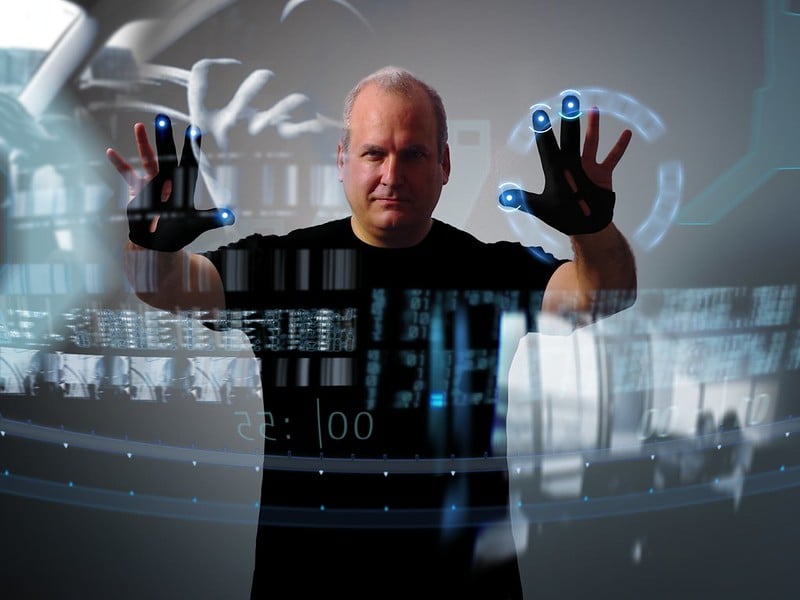
Steven Spielberg’s sleek thriller didn’t just predict technology—it inspired it. The film’s iconic gesture-based computer interfaces influenced the design of modern motion control systems like Microsoft’s Kinect and touchscreen gestures on smartphones.
The movie also explored predictive policing, targeted ads, and personalized data tracking—all of which have become very real. What makes Minority Report so impressive is how naturally it blended futuristic design with human behavior, showing not just what technology could do, but how people might misuse it.
Her (2013)

Spike Jonze’s quiet masterpiece about a man falling in love with an AI operating system turned out to be hauntingly prescient. Years before conversational AI like ChatGPT or digital companions became mainstream, Her explored the emotional side of artificial intelligence.
The film’s gentle tone and realistic depiction of voice-based AI feel eerily close to the digital assistants we now interact with daily. More than predicting a product, it predicted a feeling—the loneliness and connection that come with living in a hyper-connected world.
The Matrix (1999)

Few films have influenced pop culture and technology like The Matrix. Its vision of simulated reality questioned what it means to be human in a world run by machines.
At the time, brain-computer interfaces were science fiction, but now they’re being actively developed by companies like Neuralink. Virtual reality, too, has become a mainstream experience, from gaming to training simulations.
Iron Man (2008)
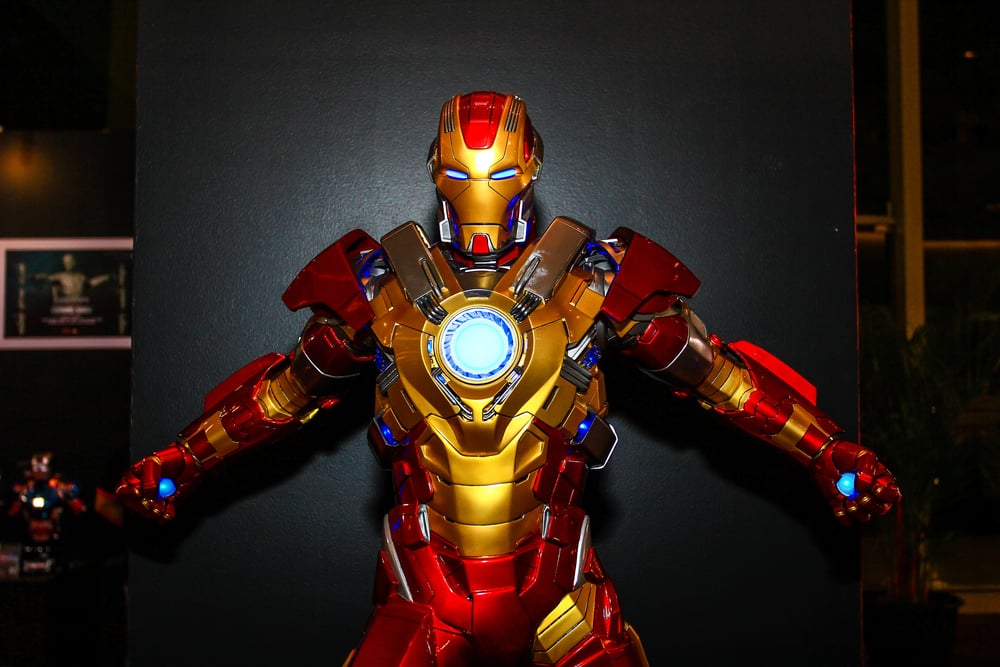
Tony Stark’s lab wasn’t just a billionaire fantasy—it was a peek into the future of design and engineering. His AI assistant, JARVIS, could recognize voice commands, analyze data, and manage complex systems—basically an advanced version of what today’s engineers are building with voice-activated smart assistants and robotics.
The holographic design tools he used inspired countless AR and VR applications in fields like architecture and medicine. Iron Man redefined what innovation looked like, making technology aspirational as well as functional.
Star Trek: The Motion Picture (1979)

Long before smartphones or tablets, Star Trek envisioned portable communicators, video conferencing, and voice-controlled computers. The show and its films presented a future where technology served human curiosity rather than control—a concept that inspired generations of scientists and engineers.
NASA has credited Star Trek with motivating space exploration research, while tech pioneers like Martin Cooper (who invented the first cellphone) admitted the communicator influenced his design. Its optimistic portrayal of progress continues to shape real-world innovation today.
The Truman Show (1998)
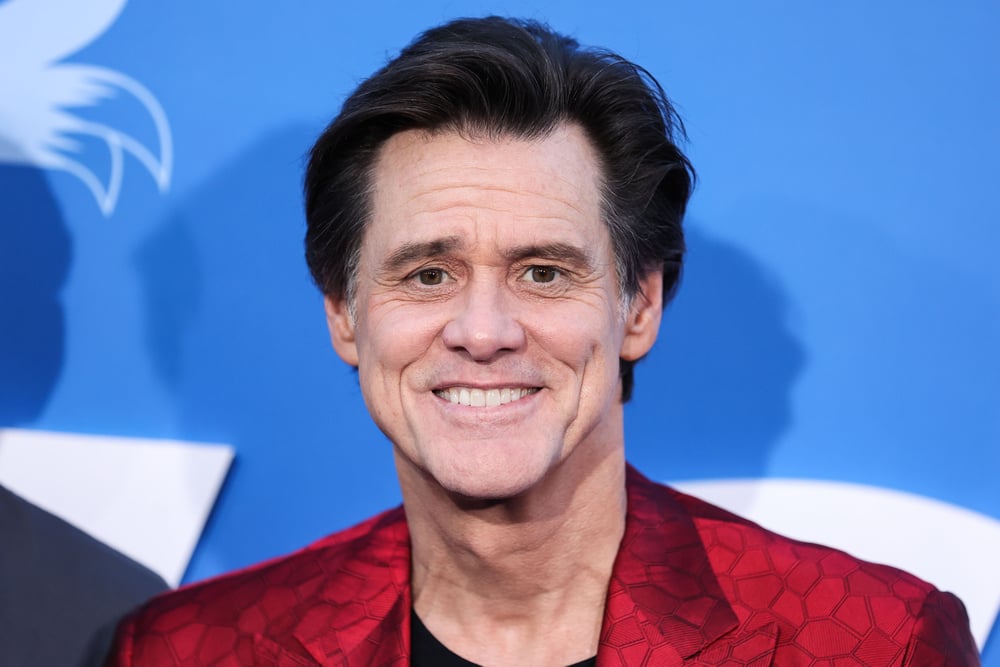
Jim Carrey’s performance in The Truman Show captured the surreal idea of a life lived entirely under surveillance, broadcast for entertainment. It was a satire at the time, but it predicted the social media era with eerie precision.
Today, millions share their lives online, constantly observed by followers, algorithms, and advertisers. The movie anticipated not just reality TV, but the cultural shift where privacy became optional and personal exposure turned into currency.
Total Recall (1990)

Arnold Schwarzenegger’s mind-bending adventure featured self-driving cars, memory implants, and biometric security—concepts that are no longer far from reach. The idea of altering or storing memories mirrors current research into neuroscience and digital brain mapping.
Even the movie’s self-operating taxis echo prototypes of driverless vehicles now being tested around the world. Total Recall wasn’t just about futuristic gadgets; it was about identity and how technology can rewrite what’s real, which feels especially relevant in an age of deepfakes and digital personas.
WALL·E (2008)
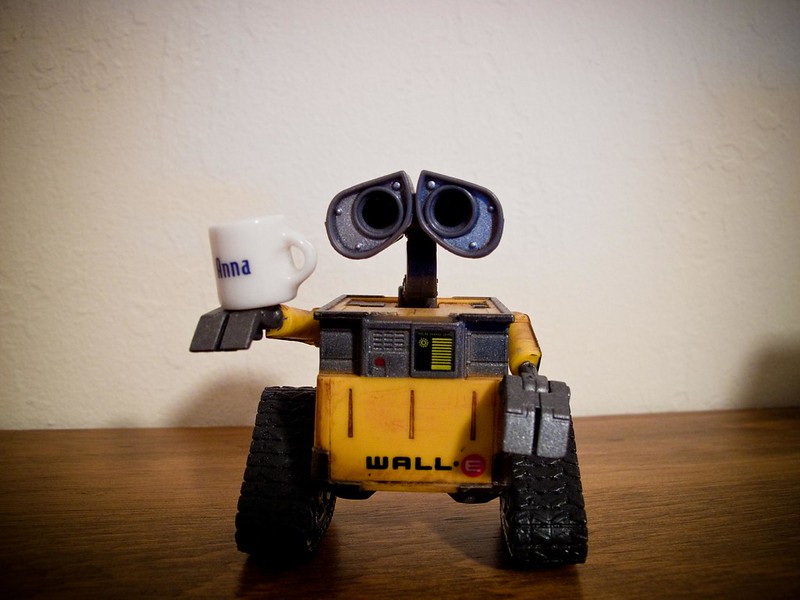
Pixar’s charming yet sobering story about a trash-collecting robot painted a picture of a future dominated by automation and consumption. Its depiction of humans relying entirely on screens and machines to live was both funny and unsettling.
As people increasingly depend on technology for everything from shopping to social interaction, WALL·E feels more like a warning than a children’s film. It predicted not just technological advancement, but the environmental and psychological costs of convenience.
The Net (1995)
Before most people even had an email address, The Net introduced audiences to the dangers of digital identity theft and online manipulation. Sandra Bullock’s character loses her entire life when hackers erase her records—a nightmare scenario that’s all too familiar today.
The film accurately foresaw the rise of data privacy issues, online fraud, and cybercrime. It was one of the first mainstream thrillers to show how vulnerable a connected world could become, long before “cybersecurity” was part of everyday vocabulary.
Ghost in the Shell (1995)
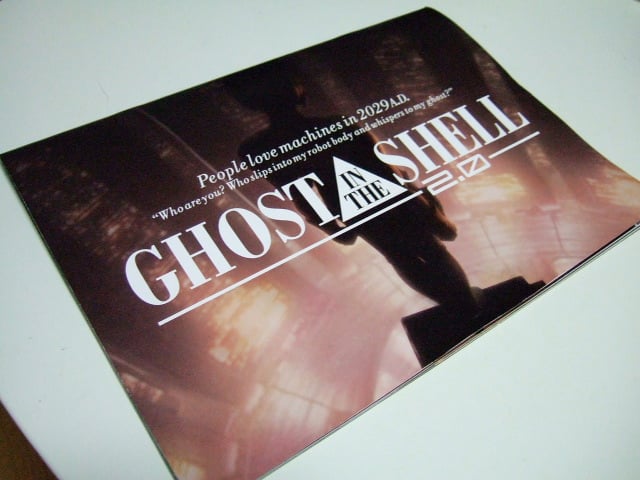
This Japanese cyberpunk classic explored the fusion of humanity and machine in a way that still feels ahead of its time. The story of a cyborg police officer questioning her own identity anticipated discussions about transhumanism, AI ethics, and consciousness transfer.
The film’s visual design directly influenced major Hollywood movies like The Matrix, and its philosophical questions remain relevant as we develop brain implants and neural networks. Ghost in the Shell didn’t just predict technology—it asked what it would mean for the soul.
When Fiction Becomes Blueprint

These movies demonstrate that innovation frequently comes after creativity. How engineers, designers, and thinkers construct the world has been influenced by the tools, systems, and concepts envisioned by screenwriters and directors.
The line between movie fiction and reality is becoming increasingly blurred, from voice assistants that mimic HAL 9000 to predictive algorithms straight out of Minority Report. As we continue to move into a future that was previously only imagined on screen, cinema has always served as a mirror for human ambition, reflecting not only what we can create but also what we must question.
More from Go2Tutors!

- The Romanov Crown Jewels and Their Tragic Fate
- 13 Historical Mysteries That Science Still Can’t Solve
- Famous Hoaxes That Fooled the World for Years
- 15 Child Stars with Tragic Adult Lives
- 16 Famous Jewelry Pieces in History
Like Go2Tutors’s content? Follow us on MSN.