Unheard Facts About Historical Landmarks
Historical landmarks stand as reminders of human achievement, tragedy, and everything in between. People visit them by the millions each year, snapping photos and reading plaques that tell the official story.
But behind every famous monument, statue, and building lies a collection of strange truths that rarely make it into the tour guide scripts. These hidden details often reveal more about the people and times that created these places than the polished narratives ever could.
Here are some facts that might change how you see these famous spots.
The Eiffel Tower was supposed to be temporary
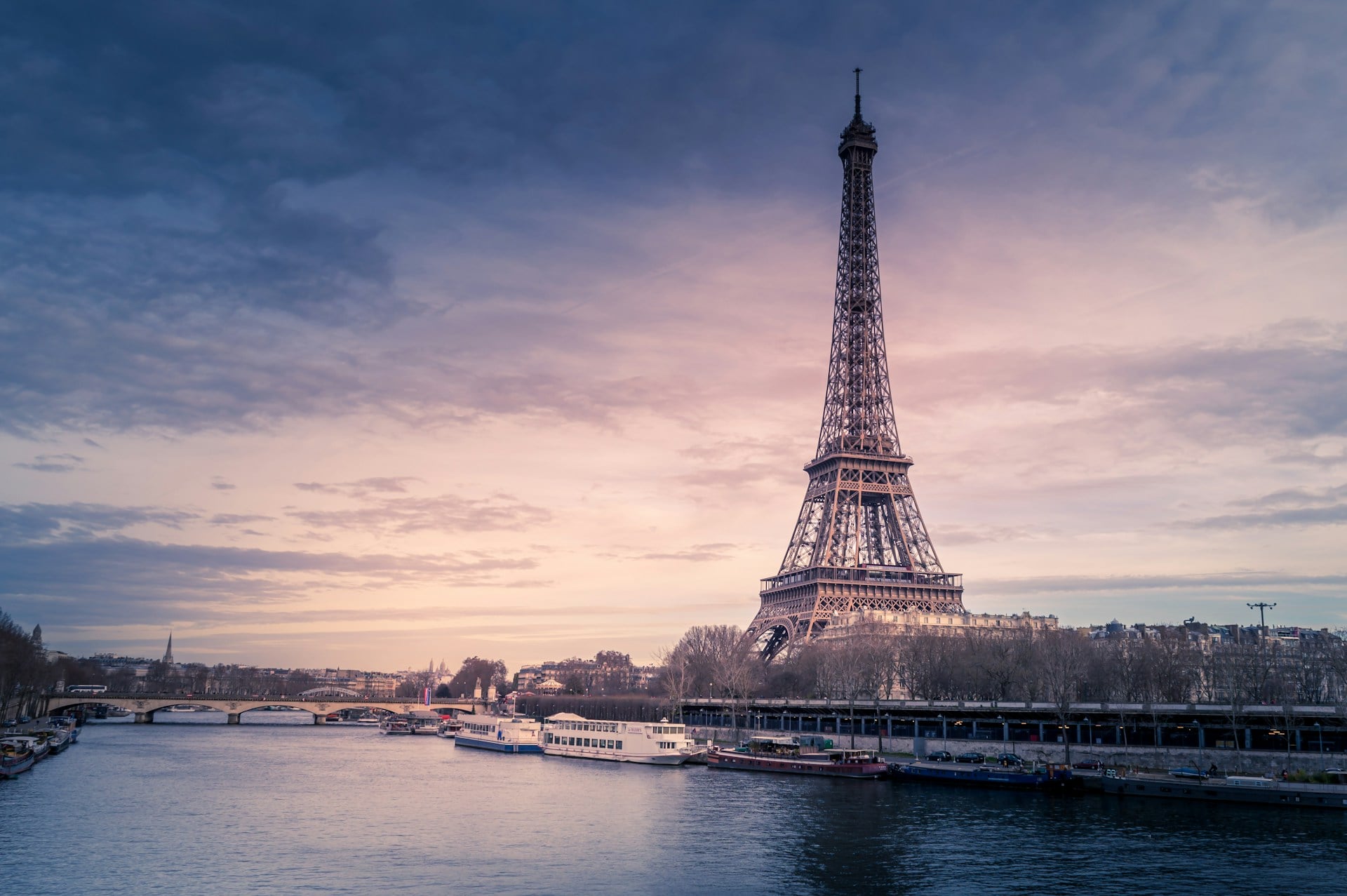
Gustave Eiffel’s iron tower was built for the 1889 World’s Fair in Paris, and officials planned to tear it down after 20 years. Parisians hated it at first, calling it an eyesore that ruined their beautiful city skyline.
The tower only survived because it proved useful as a radio antenna for military communications. Today, it’s the most visited paid monument in the world, showing how wrong first impressions can be.
The structure that nearly got scrapped now defines the Paris skyline that people once thought it was destroying.
The Statue of Liberty was originally copper colored
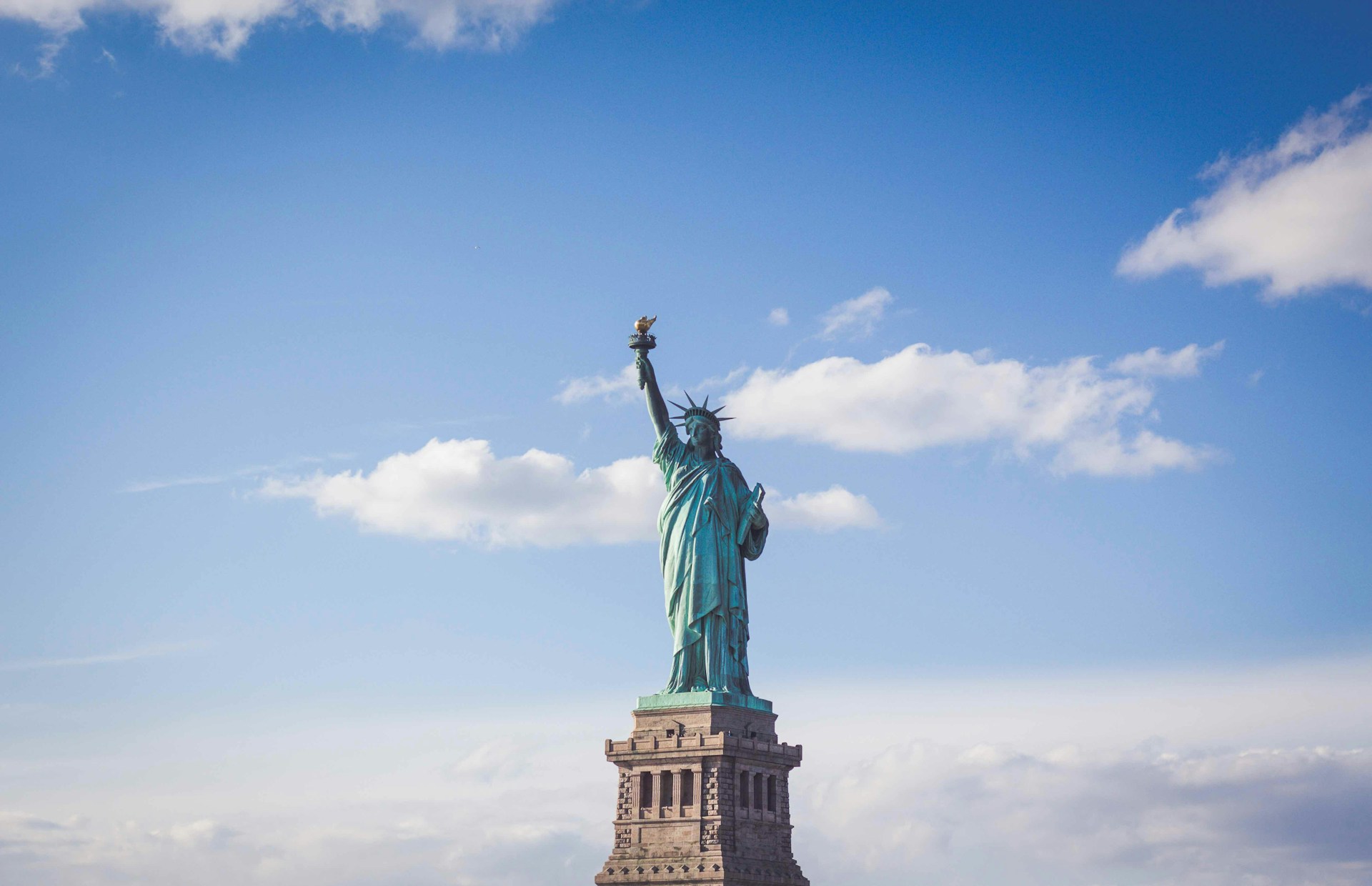
Lady Liberty’s green appearance isn’t paint or intentional design. She started out shiny and copper colored, like a new penny.
The green coating, called patina, developed naturally over about 30 years as the copper reacted with air and moisture. Some people wanted to remove it and restore the original copper shine, but experts decided the patina actually protects the metal underneath.
France gave this statue to America in 1886, and by the early 1900s, she’d turned completely green.
The Leaning Tower of Pisa started tilting during construction
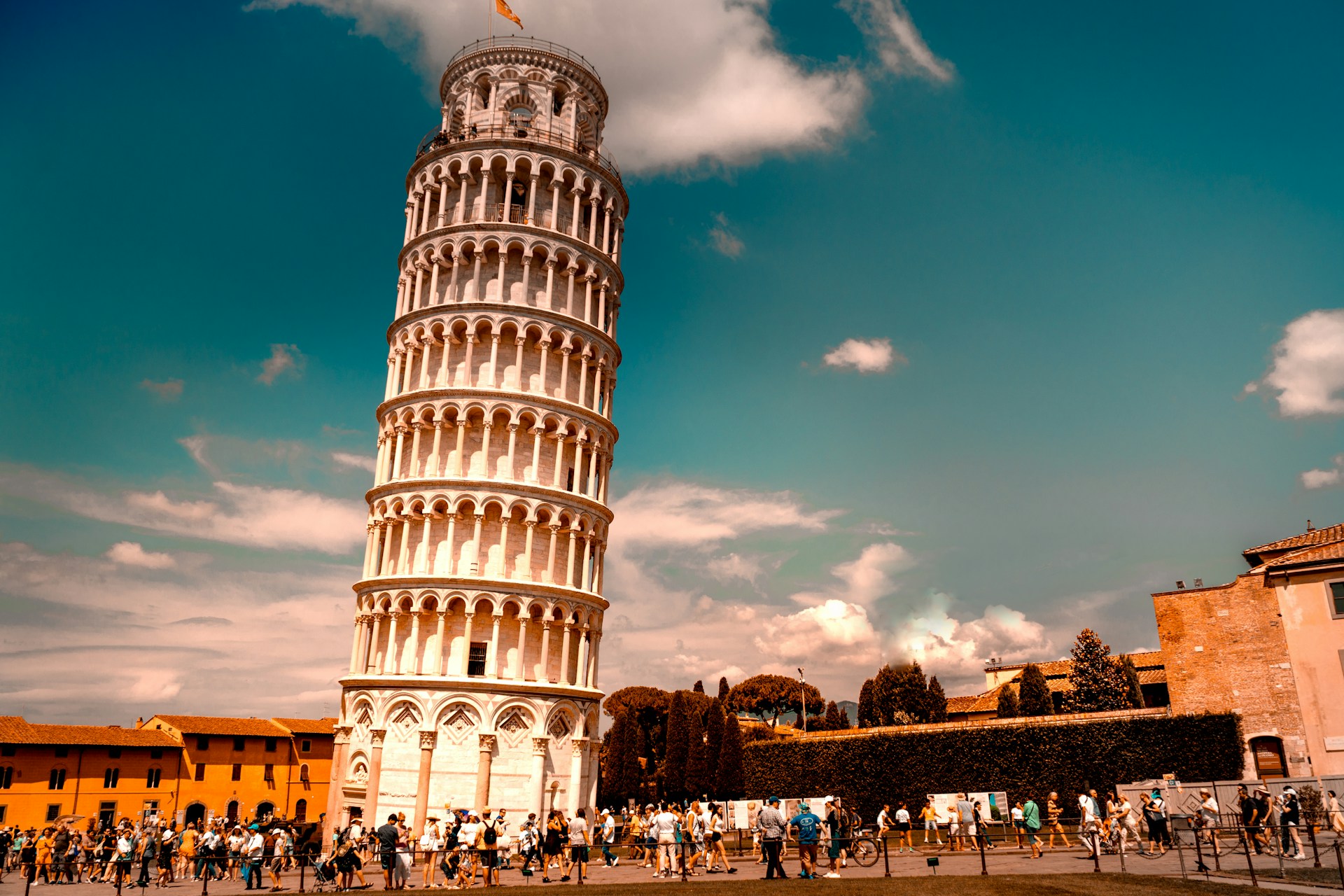
Engineers noticed the tower leaning before they’d even finished the third floor. Construction began in 1173, and the soft ground on one side couldn’t support the weight properly.
Workers actually tried to fix it by making the upper floors taller on the leaning side to compensate. This created a slight banana curve that’s hard to notice but definitely there.
The tower took nearly 200 years to complete because construction kept stopping, partly due to wars and partly because nobody knew how to fix the lean.
Mount Rushmore was never finished
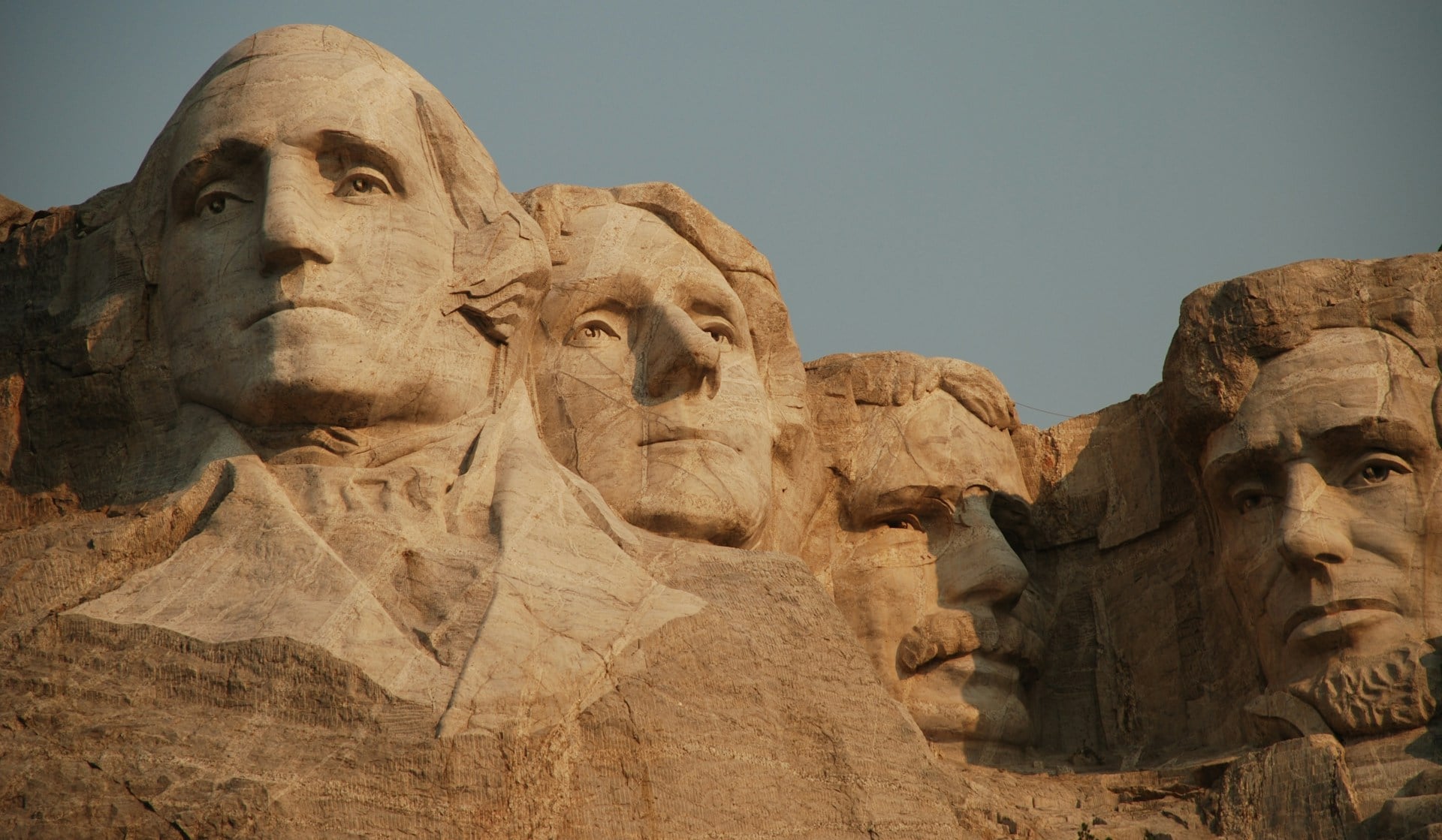
The four presidential faces carved into South Dakota’s Black Hills look complete in photos, but sculptor Gutzon Borglum had much bigger plans. He wanted to carve the presidents down to their waists, showing their torsos and arms.
Borglum died in 1941, and his son tried to continue the work but ran out of funding within months. The government ended the project, leaving just the heads.
Workers also carved a chamber behind Lincoln’s head meant to hold important historical documents, but it remains mostly empty and closed to the public.
The Great Wall of China used sticky rice as cement
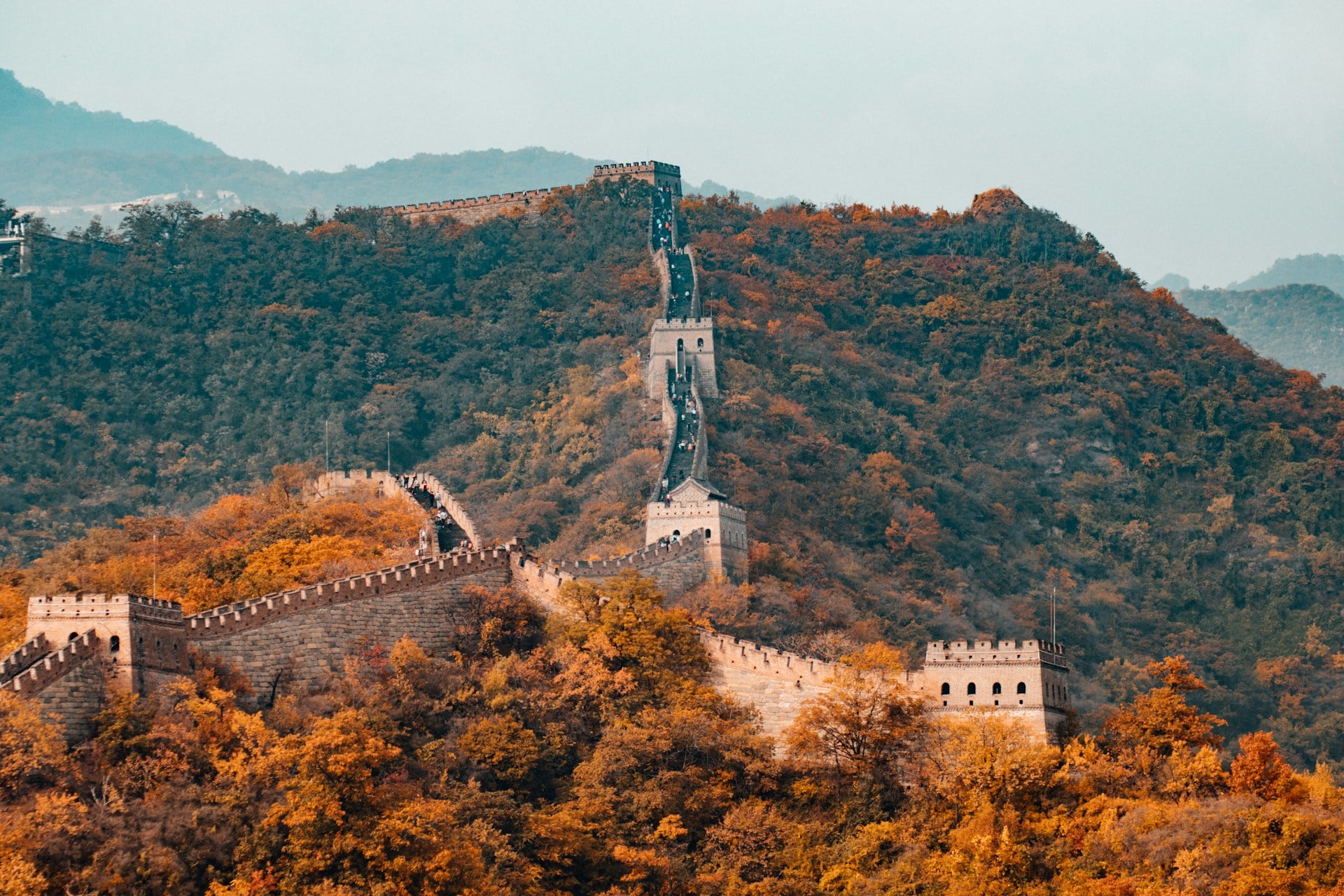
Ancient Chinese builders mixed sticky rice flour into their mortar to make it incredibly strong. This rice mortar is so effective that many sections of the wall have survived for over 1,500 years despite earthquakes and erosion.
Scientists tested the substance and found it creates a compound even stronger than pure lime mortar. The walls that used this mixture are still standing firm, while sections built with regular mortar have crumbled.
Sometimes the simplest ingredients produce the best results, and ancient builders knew tricks that modern engineers are just rediscovering.
Big Ben is actually the bell, not the tower
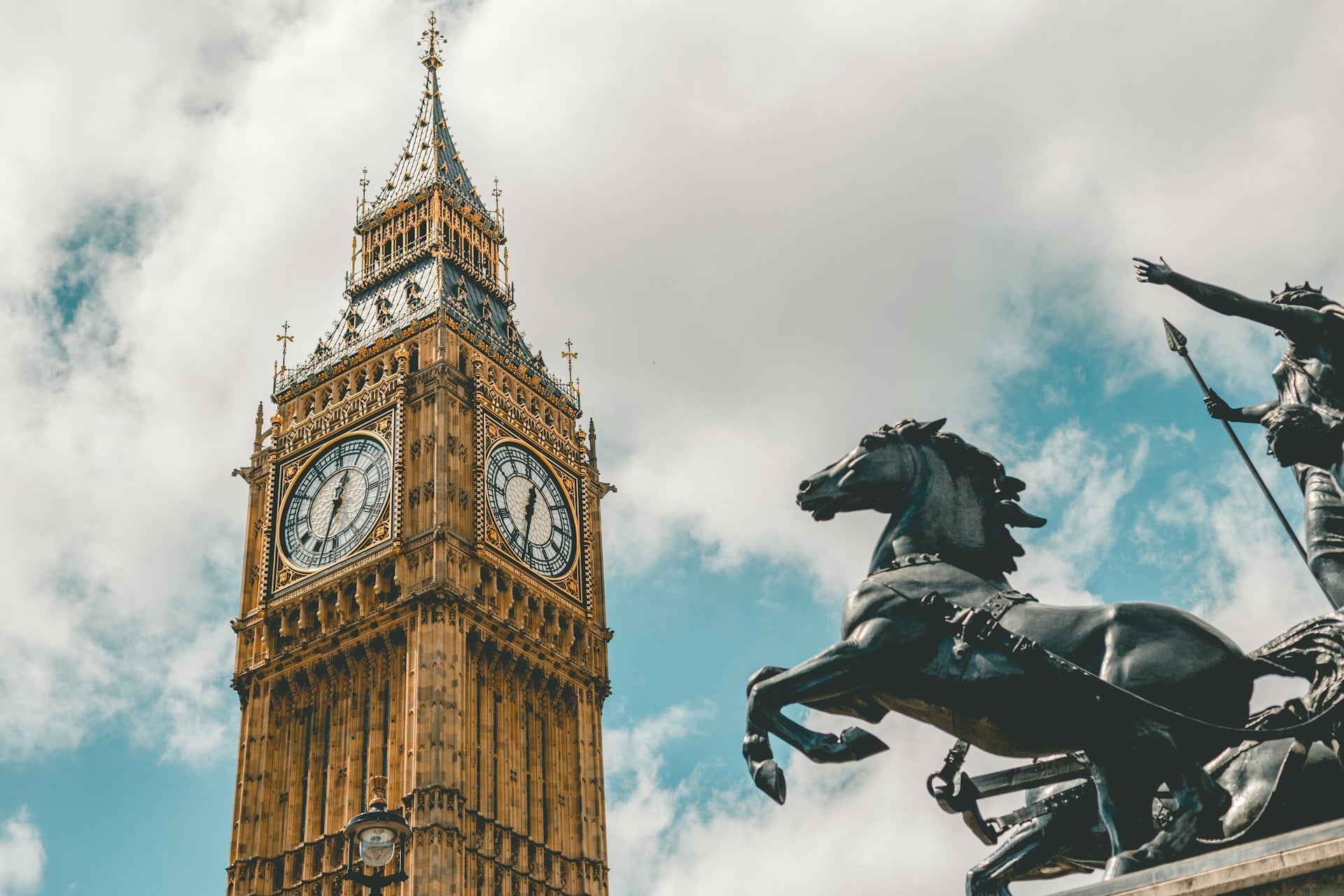
People use Big Ben to refer to the whole clock tower, but that’s not technically correct. Big Ben is the name of the massive bell inside the tower that chimes on the hour.
The tower itself was recently renamed the Elizabeth Tower in 2012 to honor Queen Elizabeth II’s Diamond Jubilee. The bell weighs over 13 tons and has a slight crack that gives it a distinctive sound.
Nobody knows for sure where the name Big Ben came from, though some think it honored a large commissioner of works named Benjamin Hall.
The Colosseum had a retractable roof
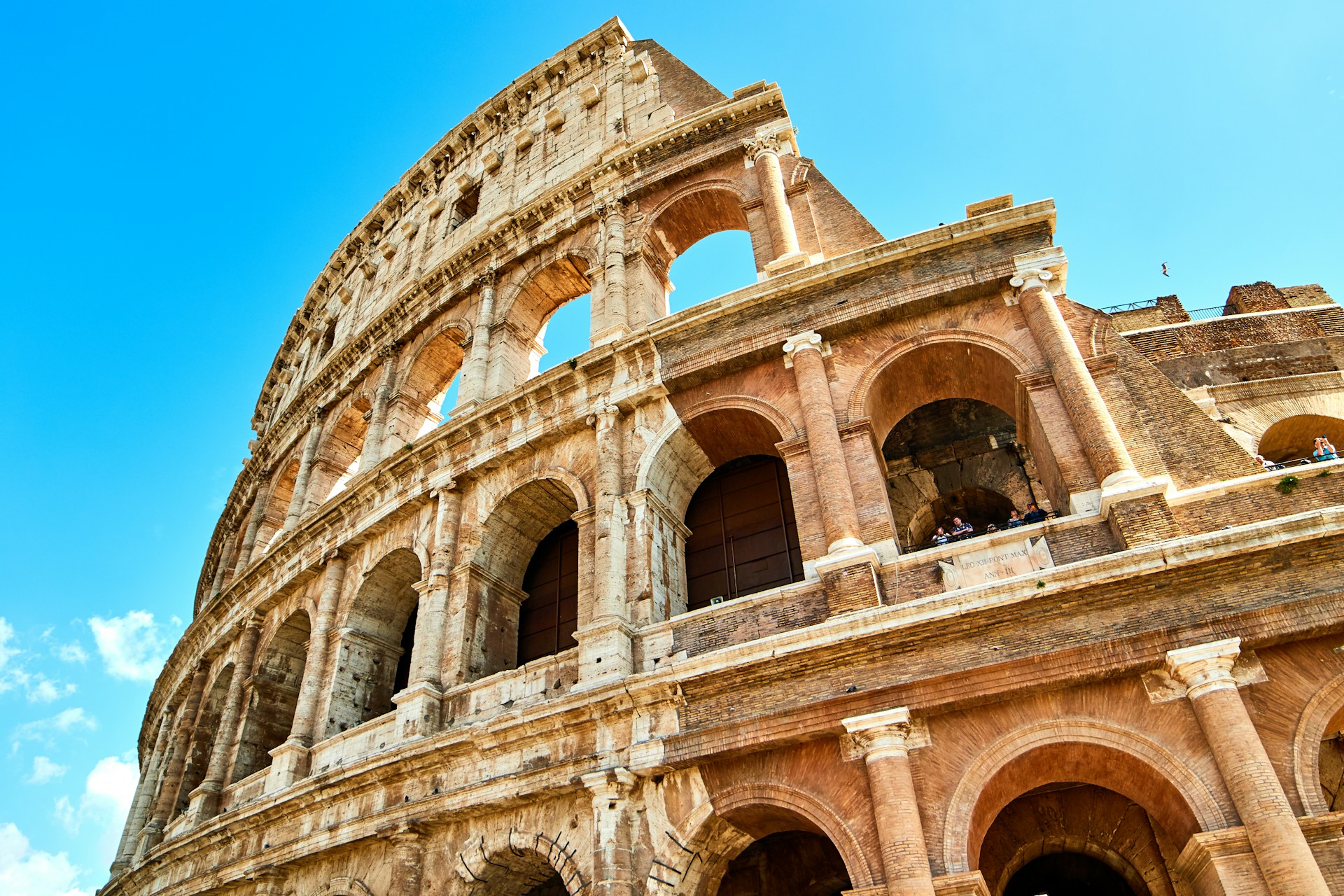
Roman engineers created a massive fabric covering called the velarium that could be pulled across the top of the Colosseum to provide shade for spectators. Sailors from the Roman navy operated this complex system of ropes, pulleys, and wooden poles.
The fabric didn’t cover the entire arena, just the seating areas, keeping around 50,000 people comfortable during events. Installing and removing this ancient roof system required a trained crew of about 1,000 people.
Modern stadiums with retractable roofs act like they invented something new, but Romans figured it out nearly 2,000 years ago.
Stonehenge once had companion stones that disappeared
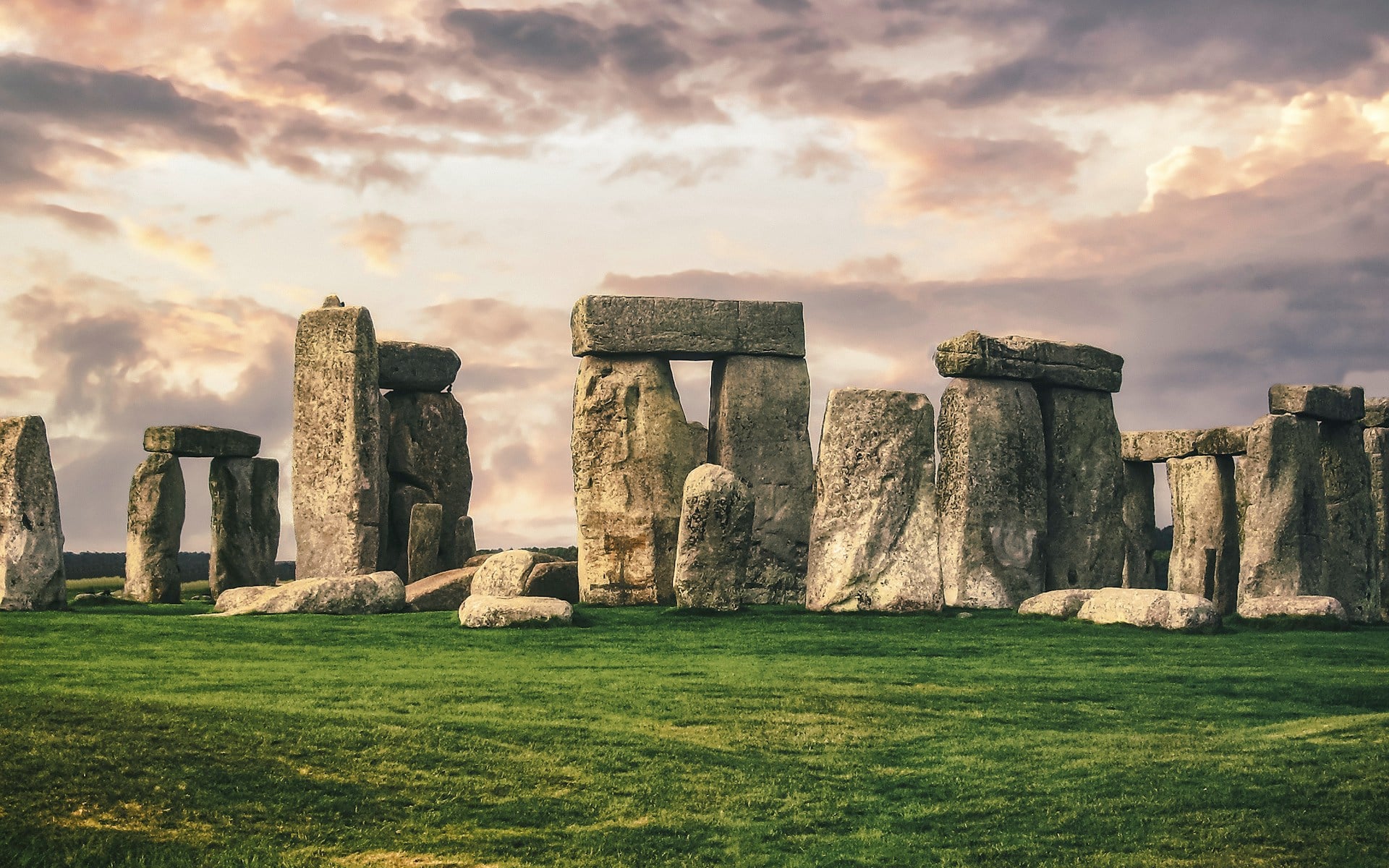
The standing stones everyone sees today are just what’s left of a much larger complex. Archaeological surveys have found evidence of wooden structures, additional stone circles, and earthworks that once surrounded the main monument.
Some stones were removed over the centuries by locals who used them for building materials or road repairs. The site also included a timber circle about 2 miles away that archaeologists call Woodhenge.
Stonehenge wasn’t a lonely circle in an empty field but part of a huge ceremonial landscape that people have mostly forgotten about.
The White House has been burned, rebuilt, and painted

British troops set fire to the presidential mansion during the War of 1812, leaving it a charred shell. Workers rebuilt it and painted the exterior white to cover the smoke damage from the fire.
Before that, the building was made of light gray sandstone. Every president since John Adams has lived there except George Washington, who never got to see it finished.
The building has 132 rooms, 35 bathrooms, and 6 levels, though tourists only see a tiny fraction of the total space during public tours.
The Taj Mahal changes color throughout the day
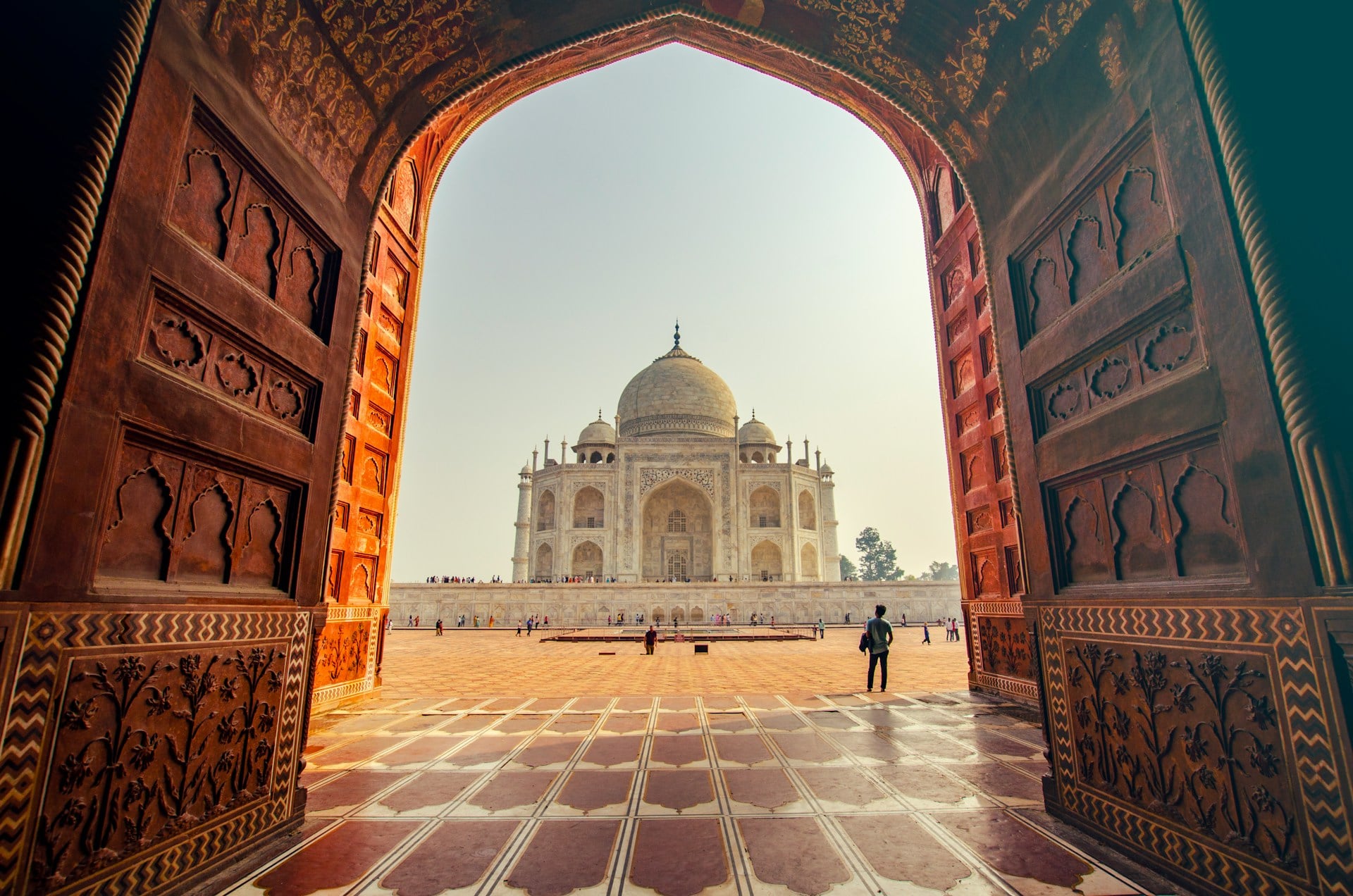
This white marble monument shifts from soft pink in the morning to bright white at noon to golden in the evening light. The marble contains tiny crystals that reflect light differently depending on the time and weather conditions.
Emperor Shah Jahan built it as a tomb for his wife Mumtaz Mahal, who died giving birth to their 14th child. Construction took over 20 years and required 20,000 workers and 1,000 elephants to transport materials.
The building achieves perfect symmetry except for one detail: Shah Jahan’s tomb sits slightly off-center because it wasn’t part of the original design.
The Golden Gate Bridge was almost yellow and black
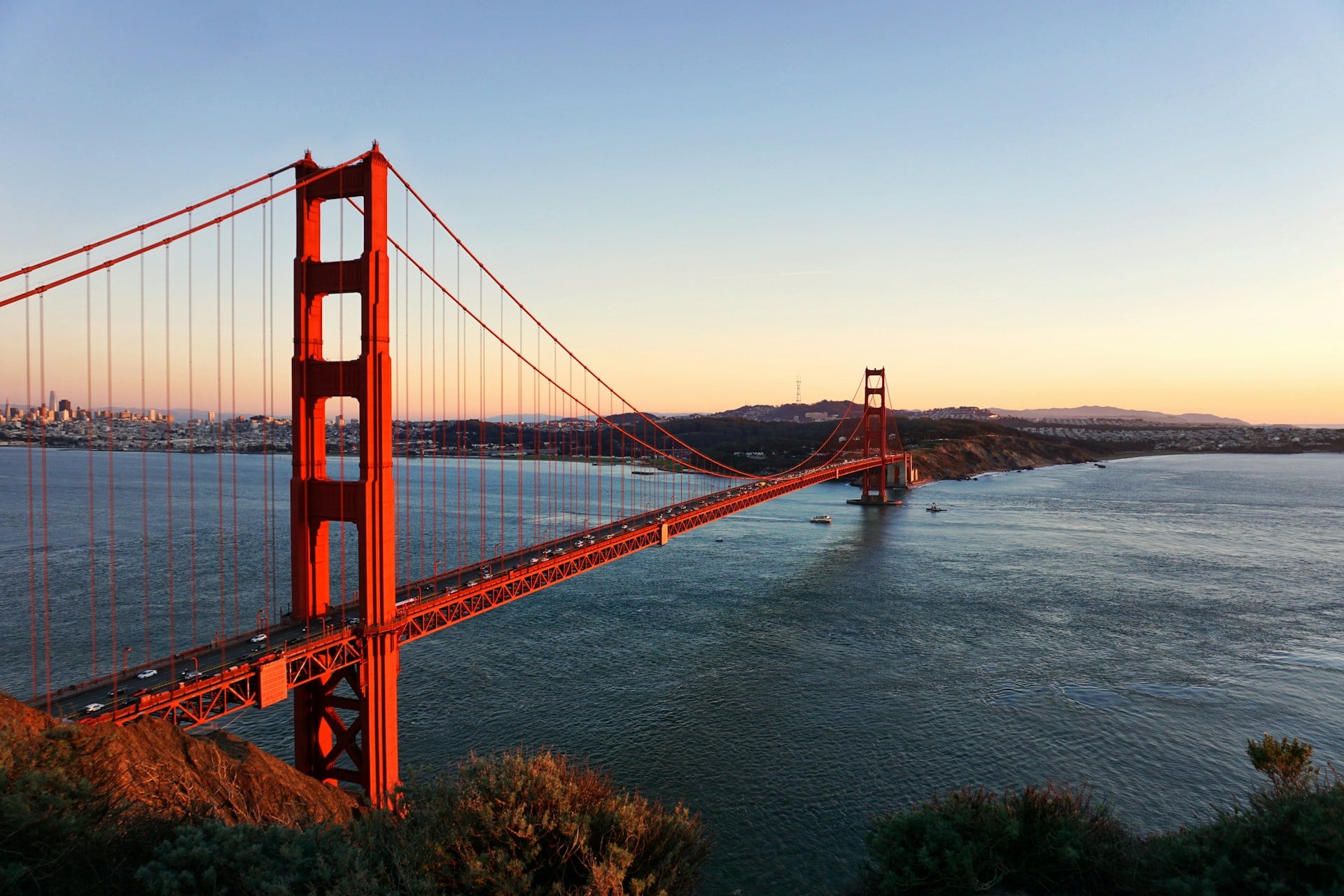
Navy officials wanted the bridge painted in yellow and black stripes to make it more visible to ships in the fog. The architect disagreed and pushed for the distinctive orange-red color officially called international orange.
This color complements the natural surroundings and stands out against the blue water and sky while remaining visible in fog. The bridge uses enough paint to cover 25 football fields, and crews constantly repaint sections because the salty air and wind wear down the coating.
Workers don’t actually paint the entire bridge end to end and start over, contrary to popular myth.
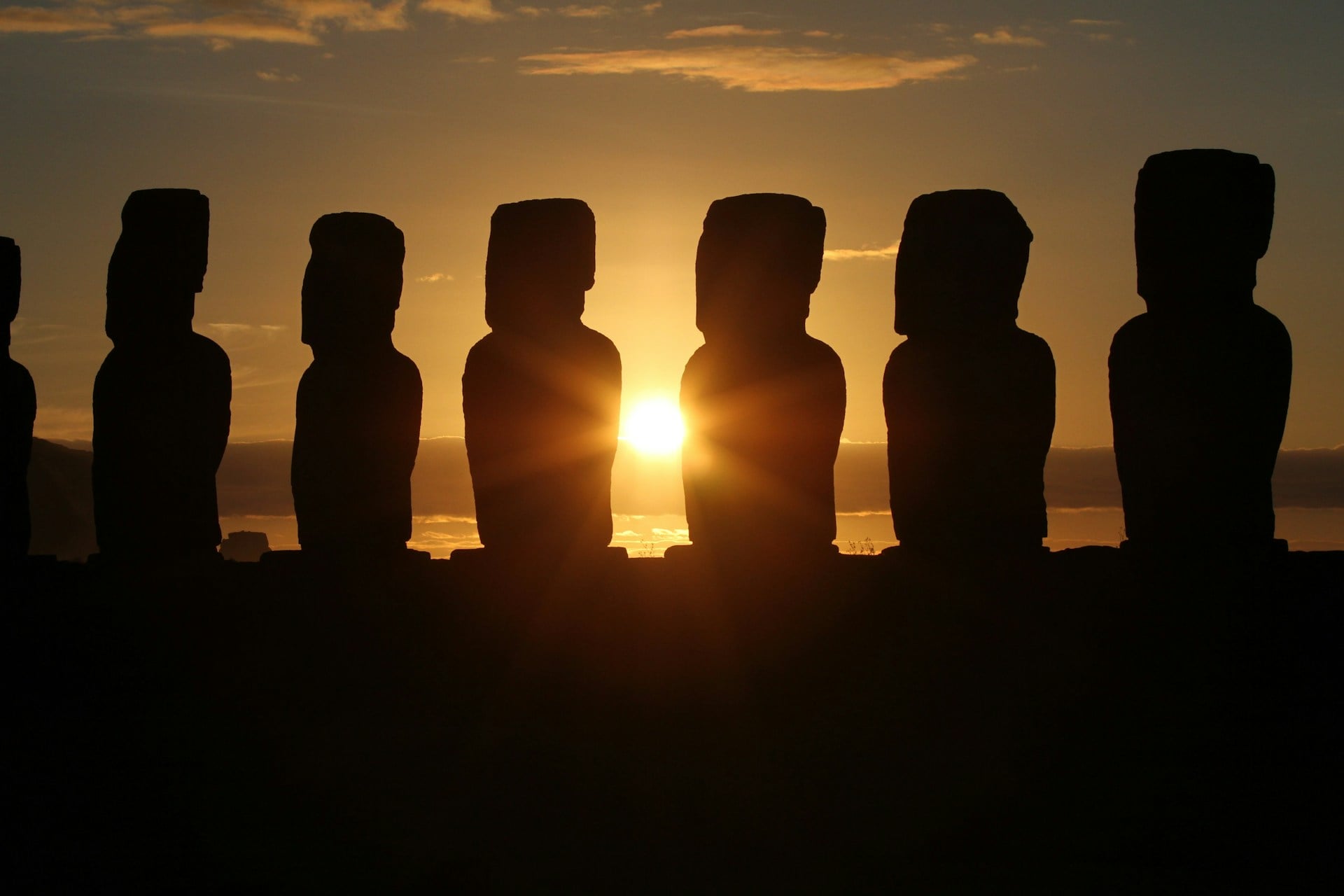
Easter Island statues have bodies underground
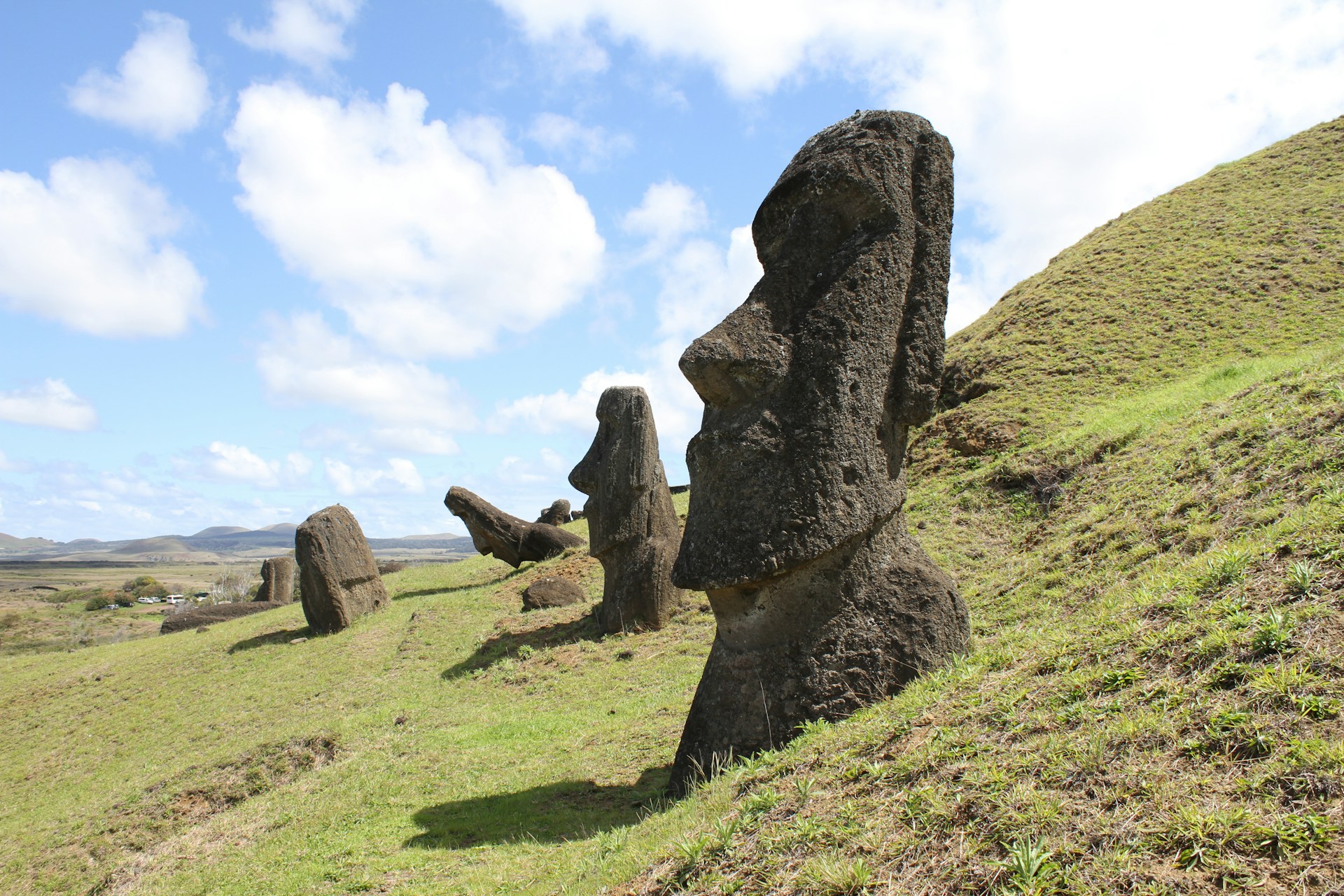
The famous heads aren’t just heads at all. Most of the moai statues have full bodies buried beneath the surface, some extending down 20 feet or more.
Archaeologists discovered this during excavations that started in 2010. The buried portions include detailed carvings of hands, torsos, and even ancient petroglyphs that nobody had seen for centuries.
The Rapa Nui people carved these figures from volcanic rock and transported them across the island using techniques that researchers still debate. Around 900 statues exist on the island, but only a fraction of them are fully standing and visible above ground.
The Parthenon was originally painted in bright colors
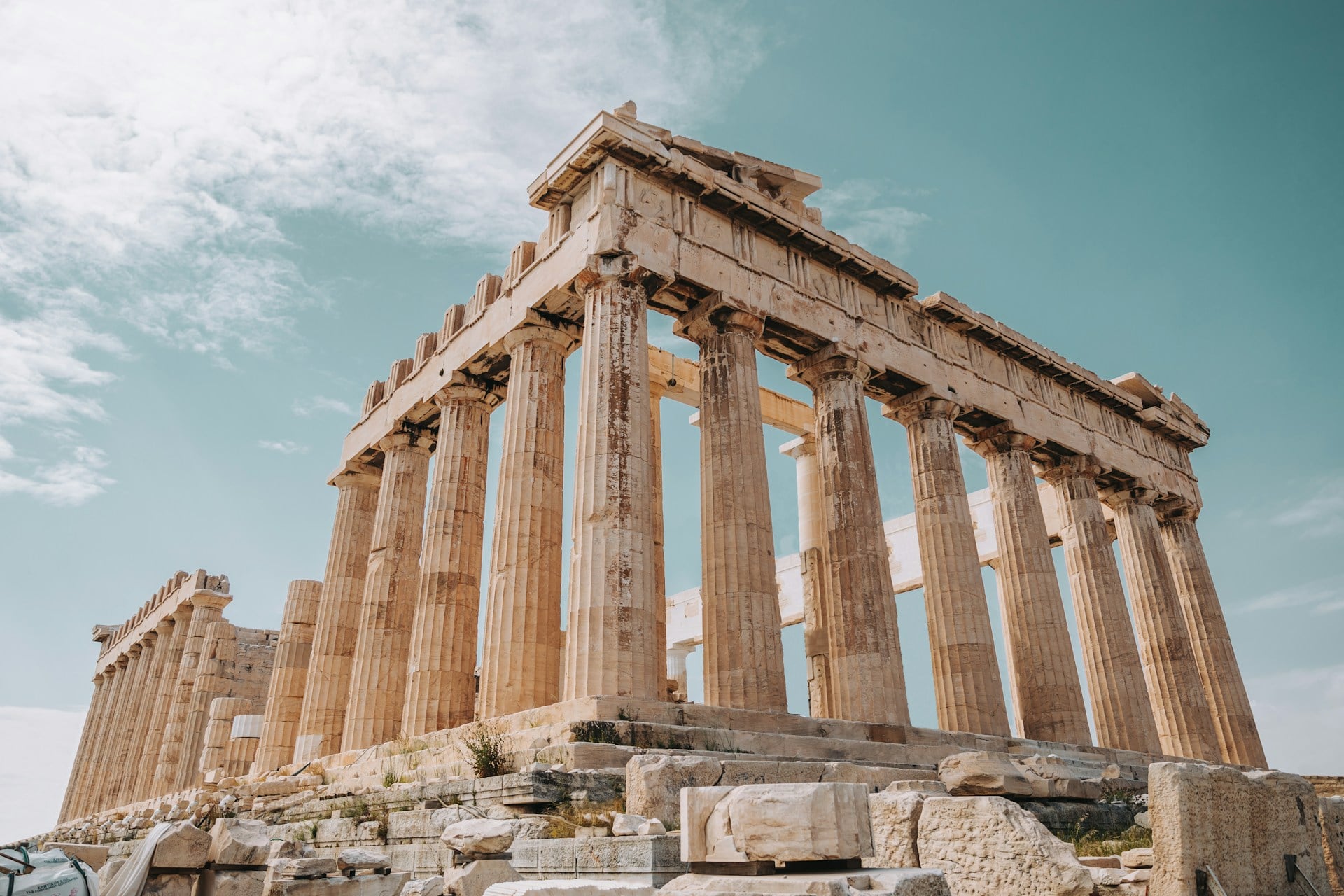
The pure white marble ruins that tourists see today looked completely different in ancient times. Greeks painted the temple in vivid reds, blues, and golds that would seem almost gaudy by modern standards.
Columns featured colorful patterns, and sculptures were painted to look lifelike with realistic skin tones, hair colors, and clothing details. The paint wore away over 2,000 years, leaving the bare marble that people now associate with classical Greek architecture.
Modern recreations that show the original colors often shock people because they clash with the elegant white image everyone has in mind.
Alcatraz was a fort before it became a prison
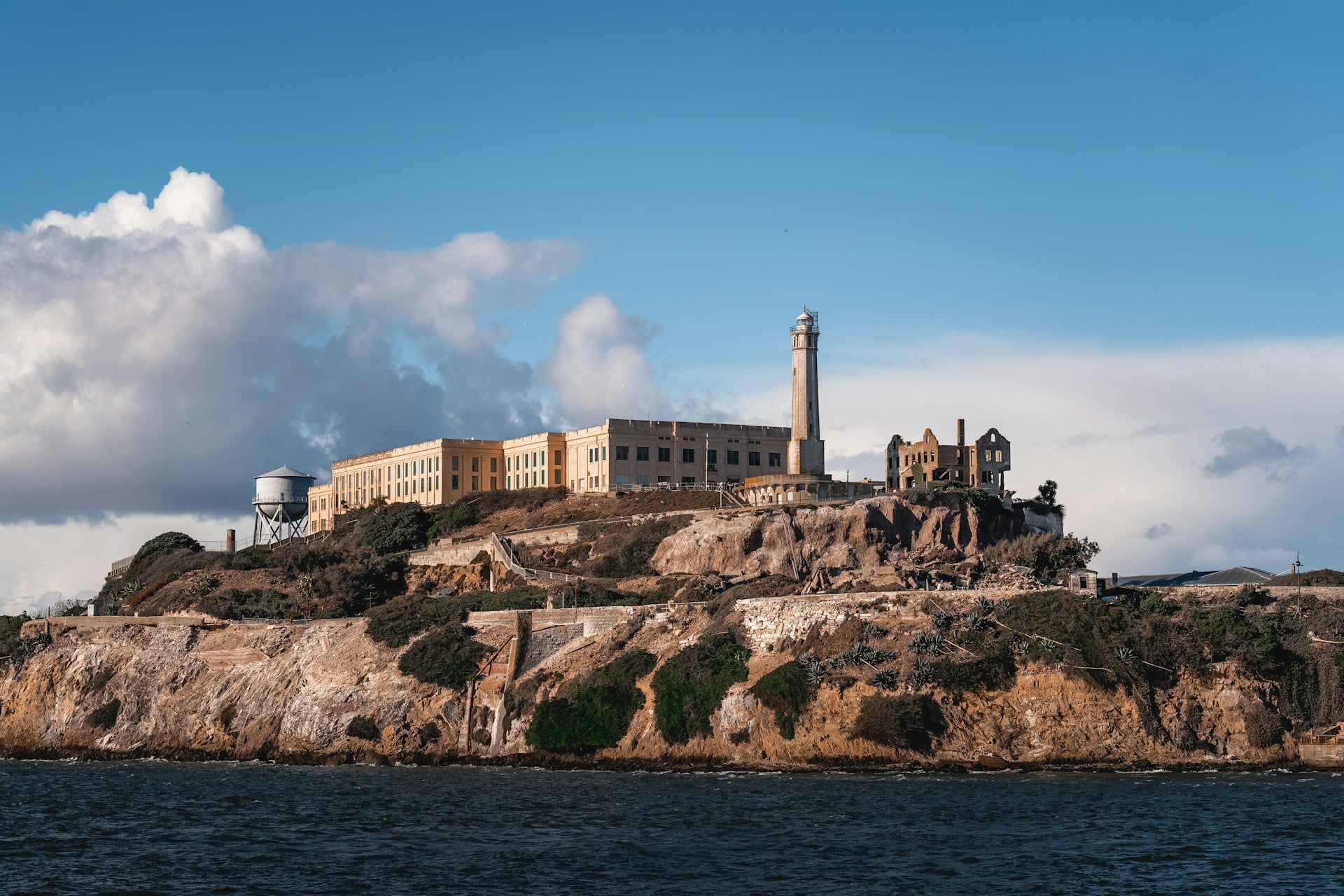
The famous island prison started as a military fortress in the 1850s, built to protect San Francisco Bay during the Gold Rush era. It served as a military prison during the Civil War before eventually becoming the maximum-security federal prison that held notorious criminals.
The island has no natural source of fresh water, so everything had to be brought in by boat. Native Americans also occupied the island for 19 months in the late 1960s and early 1970s, claiming it under an old treaty.
Today, the island hosts more nesting seabirds than it ever had prisoners, with thousands of birds sharing space with tourist groups.
The pyramids at Giza once had smooth white limestone covering
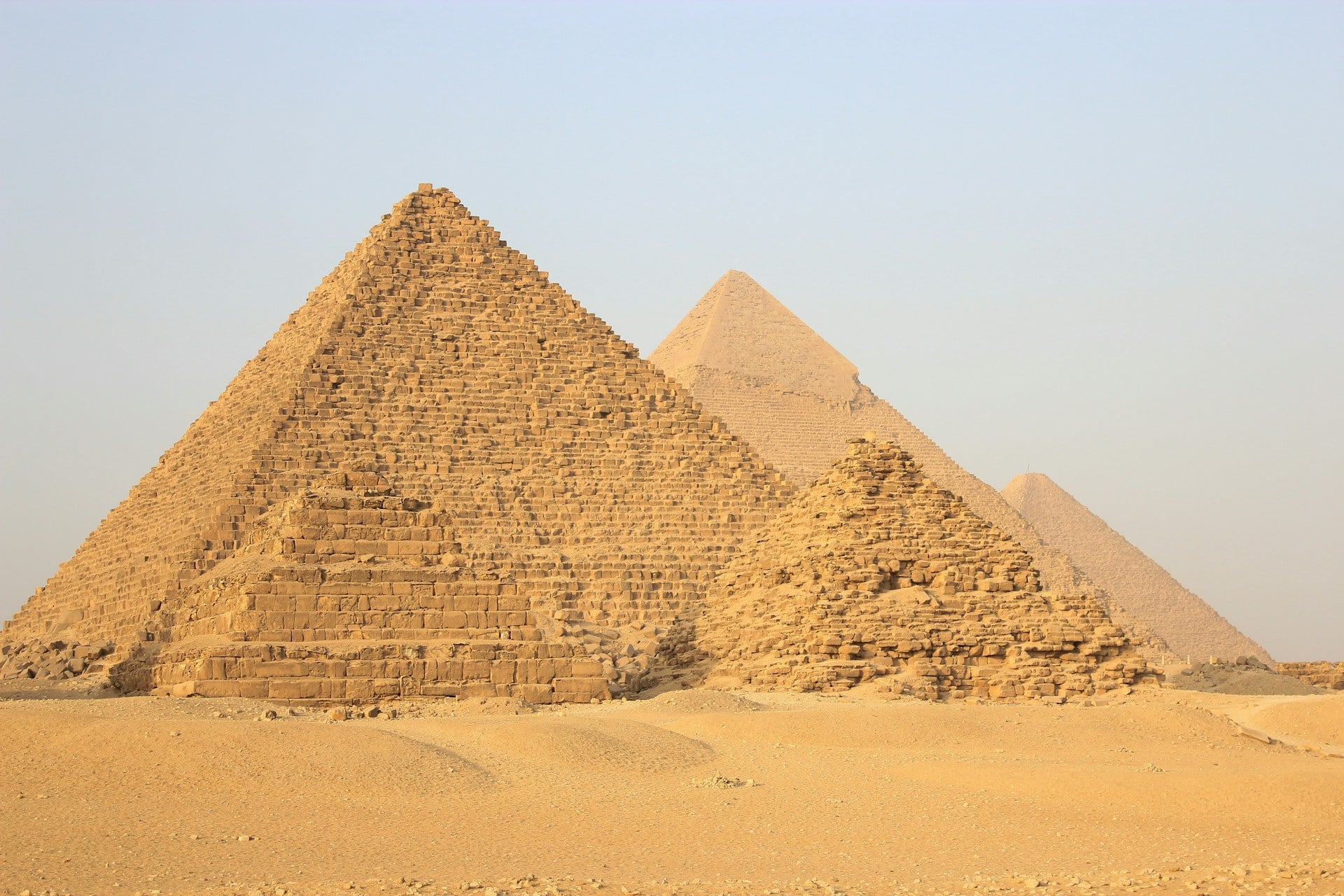
The rough, stepped appearance of the pyramids today isn’t how ancient Egyptians saw them. Workers covered the entire surface with polished white limestone that gleamed in the desert sun.
The smooth casing stones fitted together so precisely that you couldn’t slip a knife blade between them. Earthquakes in the Middle Ages loosened these outer stones, and later builders removed them for construction projects in Cairo.
Only a few casing stones remain at the top of one pyramid, giving a hint of the original appearance. The structures once shone like giant mirrors visible for miles across the desert.
Angkor Wat faces west instead of east like other temples
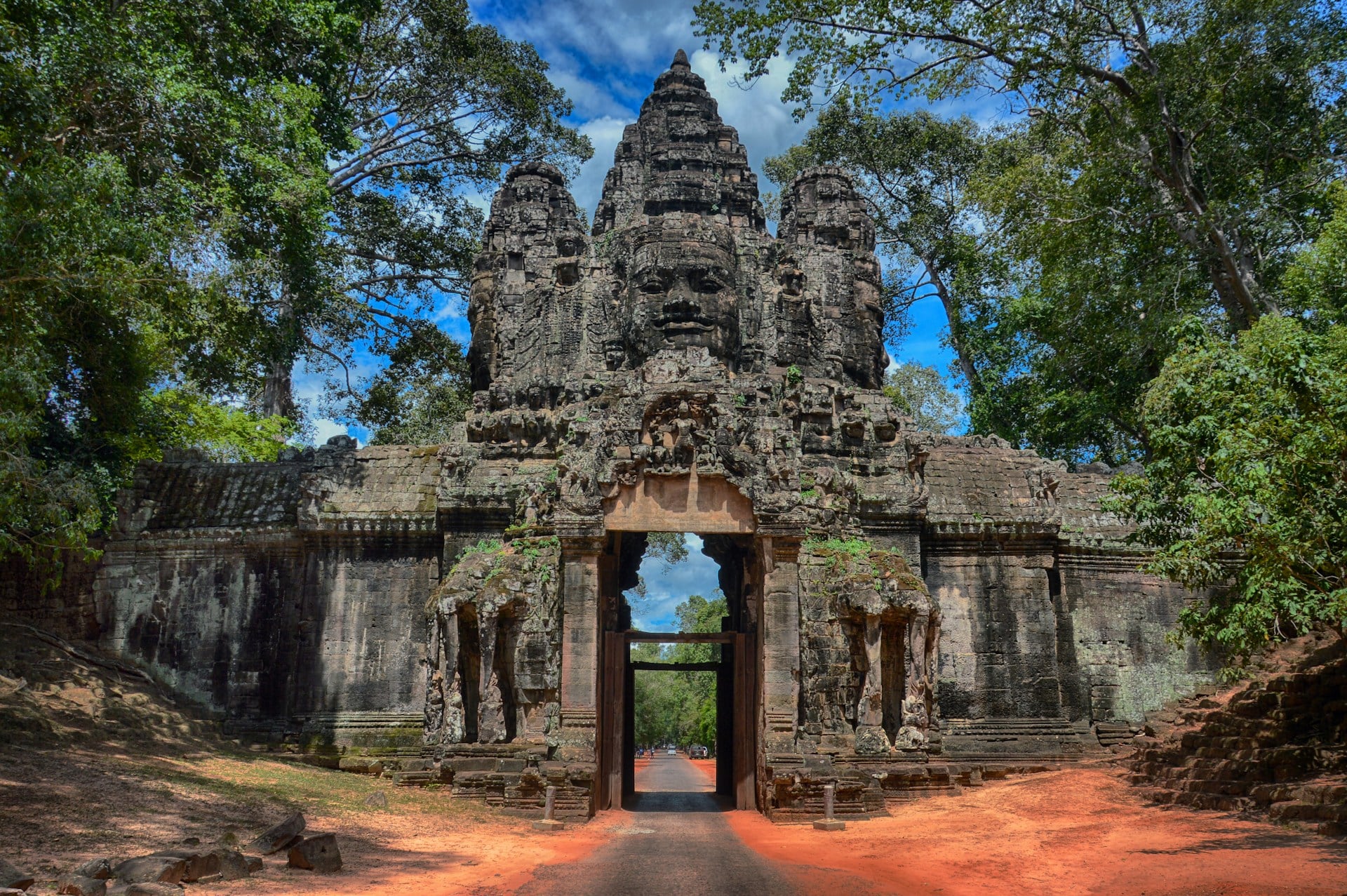
Most Hindu and Buddhist temples face east toward the sunrise, but Cambodia’s Angkor Wat breaks this tradition by facing west. Scholars debate why builders made this unusual choice, with theories ranging from astronomical alignments to the association of west with the Hindu god Vishnu.
The temple complex covers over 400 acres, making it the largest religious monument in the world. It took about 30 years to build in the early 12th century.
The structure transitioned from a Hindu temple to a Buddhist one over the centuries, and monks have continuously occupied parts of it for nearly 900 years, making it one of the longest-used religious sites on Earth.
These places keep surprising us
Historical landmarks continue revealing secrets as technology improves and researchers dig deeper into the past. Ground-penetrating radar finds hidden chambers, chemical analysis uncovers lost colors, and old documents surface in archives with new details about construction and purpose.
What seems familiar and thoroughly documented often turns out to have layers of mystery still waiting for answers. The stories behind these places matter just as much as the structures themselves, reminding everyone that history always holds more than the simplified versions taught in school or printed on tourist brochures.
Each landmark carries untold chapters that change how we understand the people who built them and the times they lived through.
More from Go2Tutors!

- The Romanov Crown Jewels and Their Tragic Fate
- 17 Halloween Costumes Once Considered Taboo
- Famous Hoaxes That Fooled the World for Years
- 15 Child Stars with Tragic Adult Lives
- 16 Famous Jewelry Pieces in History
Like Go2Tutors’s content? Follow us on MSN.