20 Famous Rivalries That Shaped the World
Rivalries have shaped history in ways few other forces can. From intellectual feuds that drove scientific breakthroughs to corporate battles that redefined entire industries, competition often fuels the very innovations we take for granted.
Some of the greatest achievements in technology, politics, and culture wouldn’t have been possible without a relentless drive to outdo the competition. These intense rivalries push competitors to achieve feats that might’ve remained impossible without the fierce pressure of competition.
Here is a list of 20 famous rivalries that fundamentally shaped our world, creating legacies that continue to influence society today.
Edison vs. Tesla

The battle between Thomas Edison and Nikola Tesla transformed how we power modern civilization. Edison stubbornly championed direct current (DC) electricity – while Tesla, his former employee, advocated for the technically superior alternating current (AC) system.
Their fierce competition, known as the War of the Currents, ended with Tesla’s AC becoming the global standard for power transmission, allowing electricity to travel efficiently across vast distances.
Rome vs. Carthage

Few ancient rivalries match the significance of Rome versus Carthage. These Mediterranean powers engaged in three brutal Punic Wars spanning more than a century – fighting relentlessly for trade routes and regional dominance.
Rome’s eventual triumph and complete destruction of Carthage in 146 BCE eliminated its greatest rival, paving the way for the Roman Empire to dominate the Mediterranean world for centuries afterward.
Coke vs. Pepsi

The Cola Wars between Coca-Cola and PepsiCo reshaped both advertising techniques and American consumer habits. Beginning in the 1970s, this corporate battle spawned iconic marketing campaigns and celebrity endorsements that revolutionized global product promotion.
Their intense competition drove constant innovation in flavors, packaging, and brand identity – while their aggressive expansion into other beverage categories created two of the world’s most recognized corporate empires.
Apple vs. Microsoft

The decades-long rivalry between Steve Jobs and Bill Gates pushed computing boundaries and democratized technology. Starting in the 1980s, their competition accelerated innovations in operating systems, user interfaces, and hardware design.
What began as a clash between fundamentally different philosophies – Apple’s tightly controlled ecosystem versus Microsoft’s open licensing approach – eventually transformed how people work, communicate, and consume entertainment worldwide.
Hamilton vs. Burr

Alexander Hamilton and Aaron Burr maintained a political rivalry so intense it culminated in their infamous 1804 duel – where Hamilton tragically lost his life. Their bitter conflict embodied the broader tensions in early American politics between Hamilton’s Federalists and Burr’s Democratic-Republicans.
The aftermath of their deadly confrontation shifted American political discourse and prompted significant reforms, including the gradual decline of dueling as an accepted method for settling disputes.
Cambridge vs. Oxford

This academic rivalry began when Oxford scholars founded Cambridge University in the thirteenth century. For more than 800 years, their rivalry has fostered innovation and intellectual success.
First conducted in 1829, the yearly boat race between the institutions represents their enduring spirit of rivalry. In addition to producing several literary masterpieces and scientific discoveries, their concurrent quest for knowledge established educational standards that are being imitated by educational institutions around the globe.
The Rolling Stones vs. the Beatles

The music of the 1960s was defined by the apparent competition between two British rock icons. Their rivalry drove both bands to greater creative accomplishments, even though it was more of a media fabrication than a real hostility.
The Stones created their raw, blues-based sound, while the Beatles adopted studio experimentation. Collectively, they revolutionized teenage culture, fashion, and music, inspiring future generations of musicians with an impact that went well beyond their peers.
USSR vs. USA
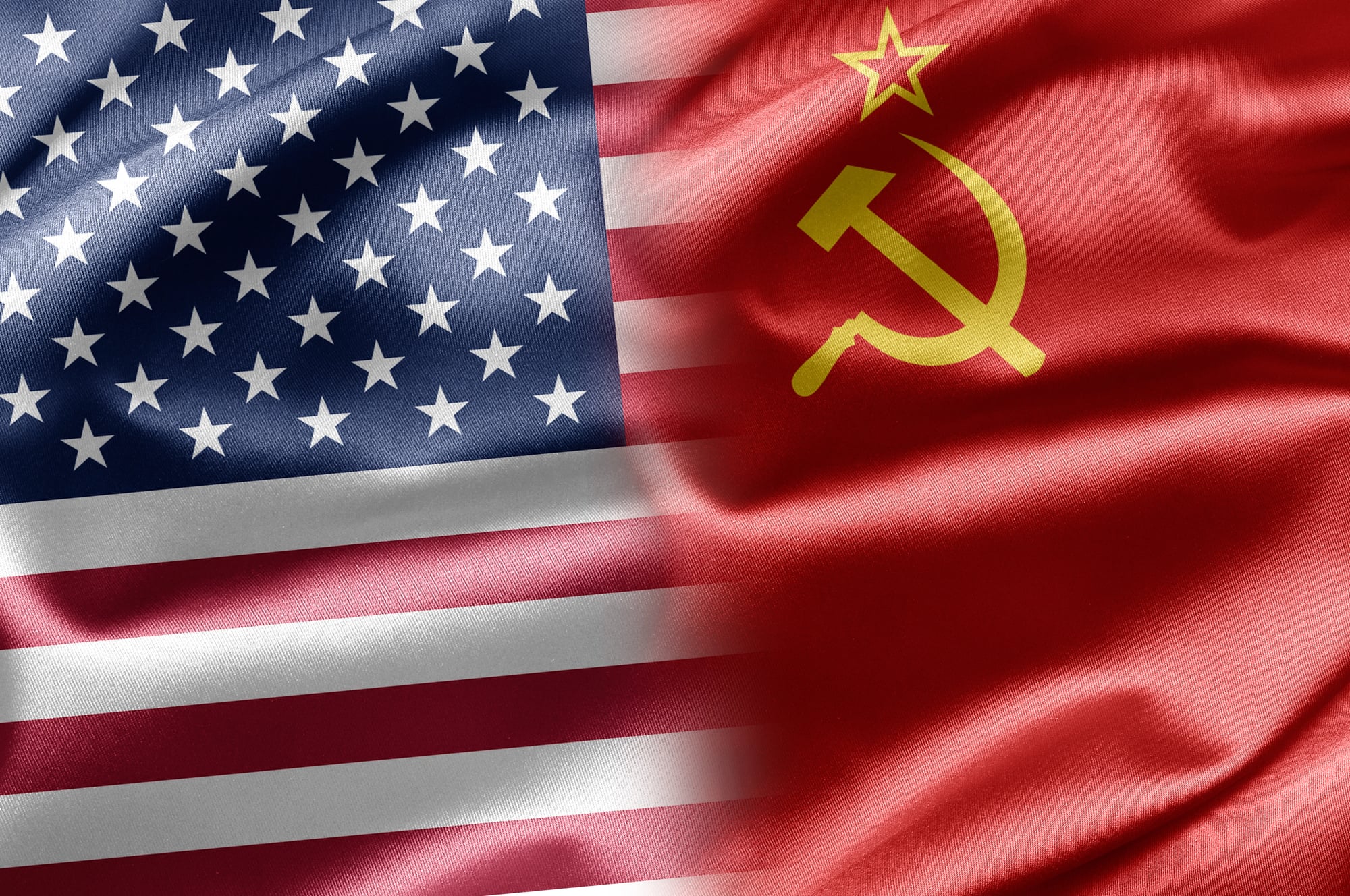
For almost fifty years, world politics were molded by the Cold War standoff between the US and the USSR. Through nuclear proliferation, proxy conflicts, and the dramatic Space Race, their ideological conflict between capitalism and communism was fought out.
Because of this fierce competition, technical advancements like the internet and GPS were developed directly from military research programs. The competition caused geopolitical tensions that continue to affect international relations, upended governments, and altered maps.
Adidas vs. Nike
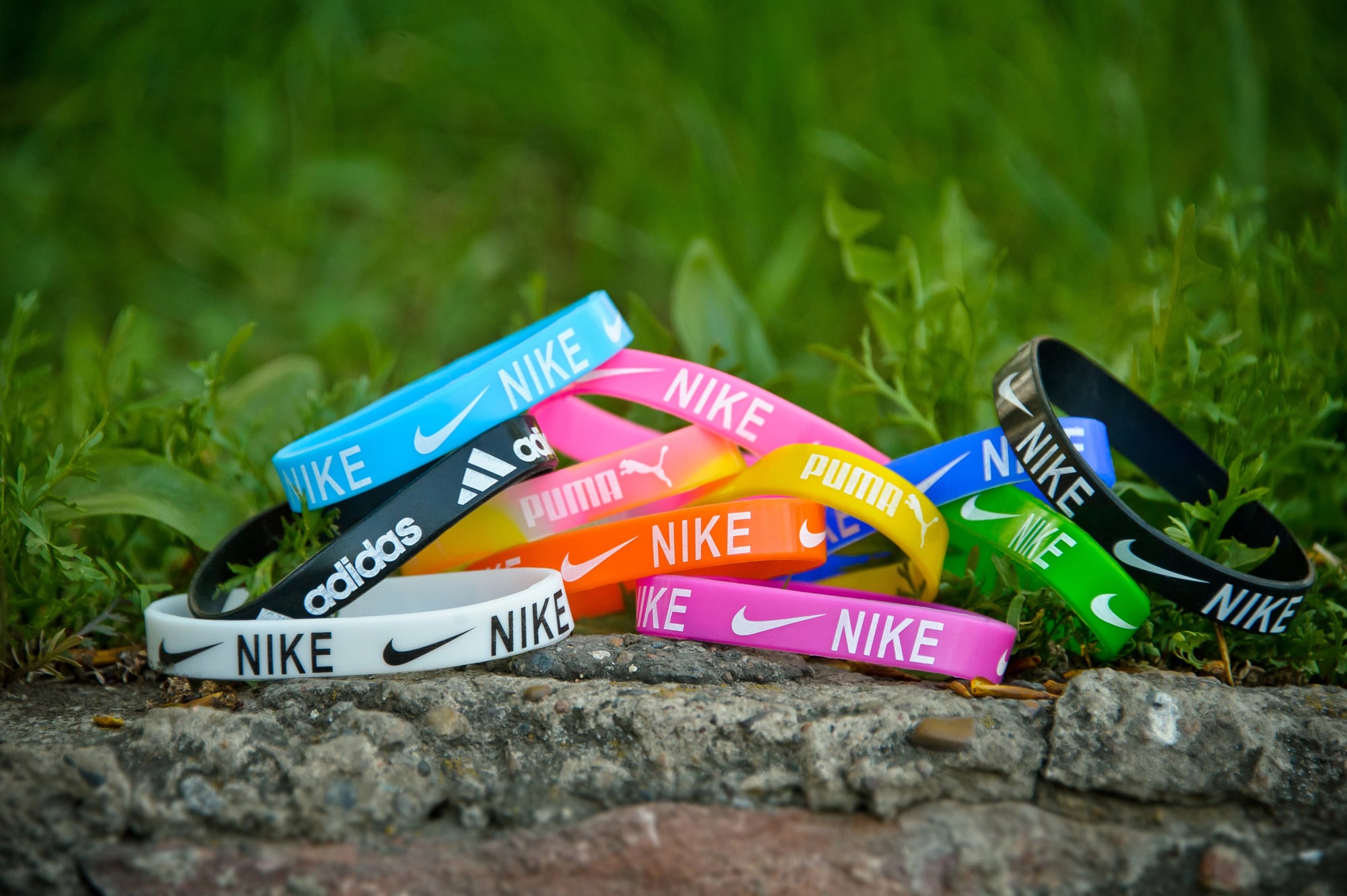
Since the Dassler brothers dissolved their original shoe company in the late 1940s, these sportswear giants have been engaged in intense competition. Their competition transformed sports marketing, celebrity endorsements, and athletic footwear.
Their competition led to significant advancements in shoe technology, such as Adidas’s Boost foam and Nike’s Air cushioning. Their rivals created a multibillion-dollar worldwide industry by transforming sportswear from merely useful equipment into stylish daily wear.
Sparta vs. Athens
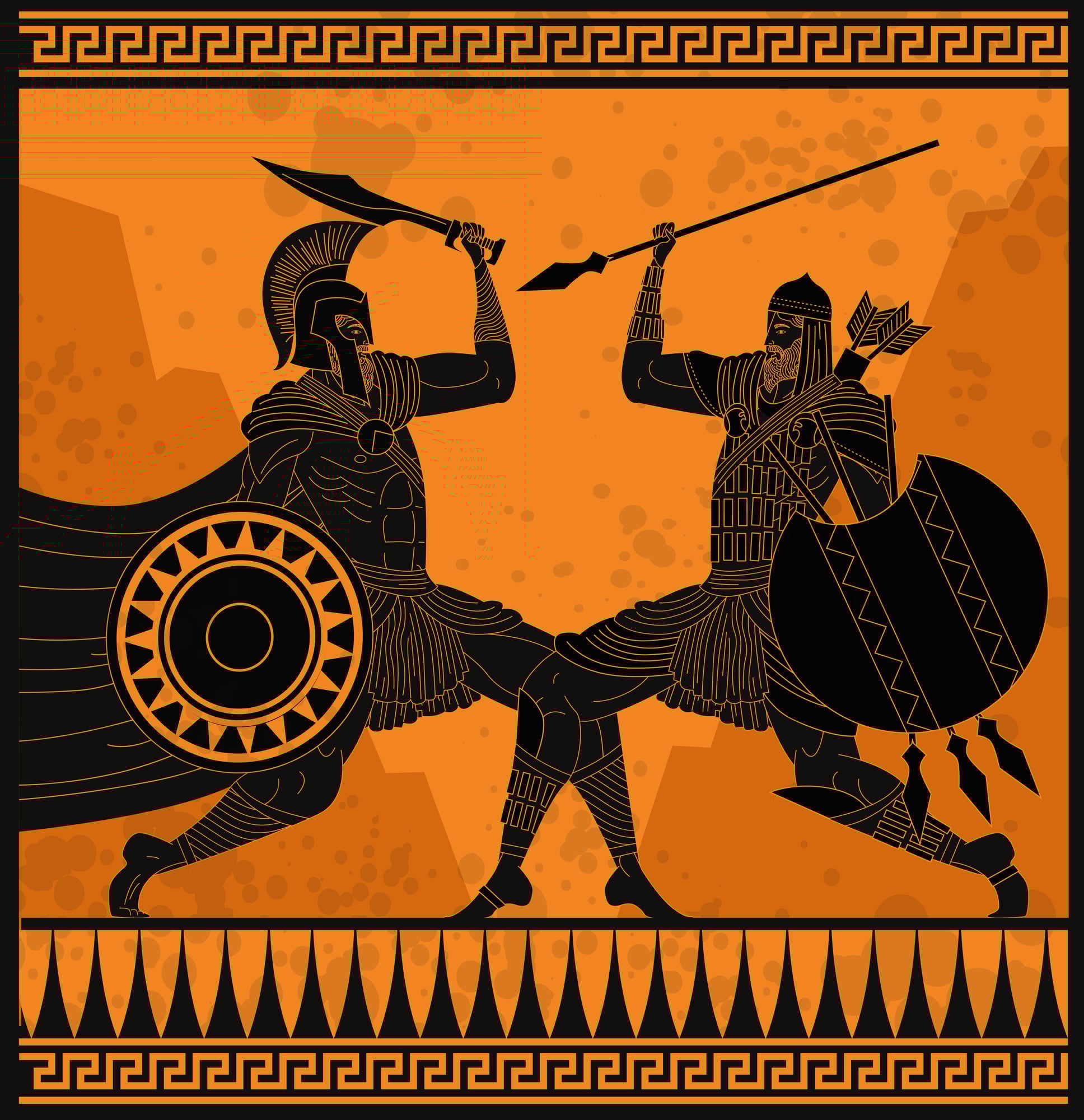
These Greek city-states represented contrasting societal models – militaristic Sparta against democratic, philosophical Athens. Their rivalry culminated in the devastating Peloponnesian War (431-404 BCE), which permanently altered power dynamics in ancient Greece.
Their competing ideals about government, education, and citizenship continue influencing political philosophy and military strategy today. The stark contrast between Athenian democracy and Spartan discipline provides a powerful framework for understanding different approaches to organizing society.
Newton vs. Leibniz

The bitter dispute between Isaac Newton and Gottfried Wilhelm Leibniz over calculus drove mathematical advancement in the 17th century. Both developed similar methods independently, leading to accusations of plagiarism and creating a rift in European mathematics.
This intellectual rivalry accelerated the development and refinement of calculus principles. Their competing notations and approaches still influence how mathematics gets taught and applied today in fields ranging from physics to economics.
Ford vs. Ferrari

The rivalry between these automotive giants reached its peak at the 24 Hours of Le Mans races in the 1960s. After Ferrari rejected Ford’s buyout offer, Henry Ford II launched a determined mission to defeat the Italian company on the racetrack.
Ford’s obsession led to the development of the legendary GT40, which secured four consecutive Le Mans victories. Their competition accelerated automotive innovation and transformed motorsport, constantly pushing boundaries of speed, endurance, and engineering.
Marvel vs. DC
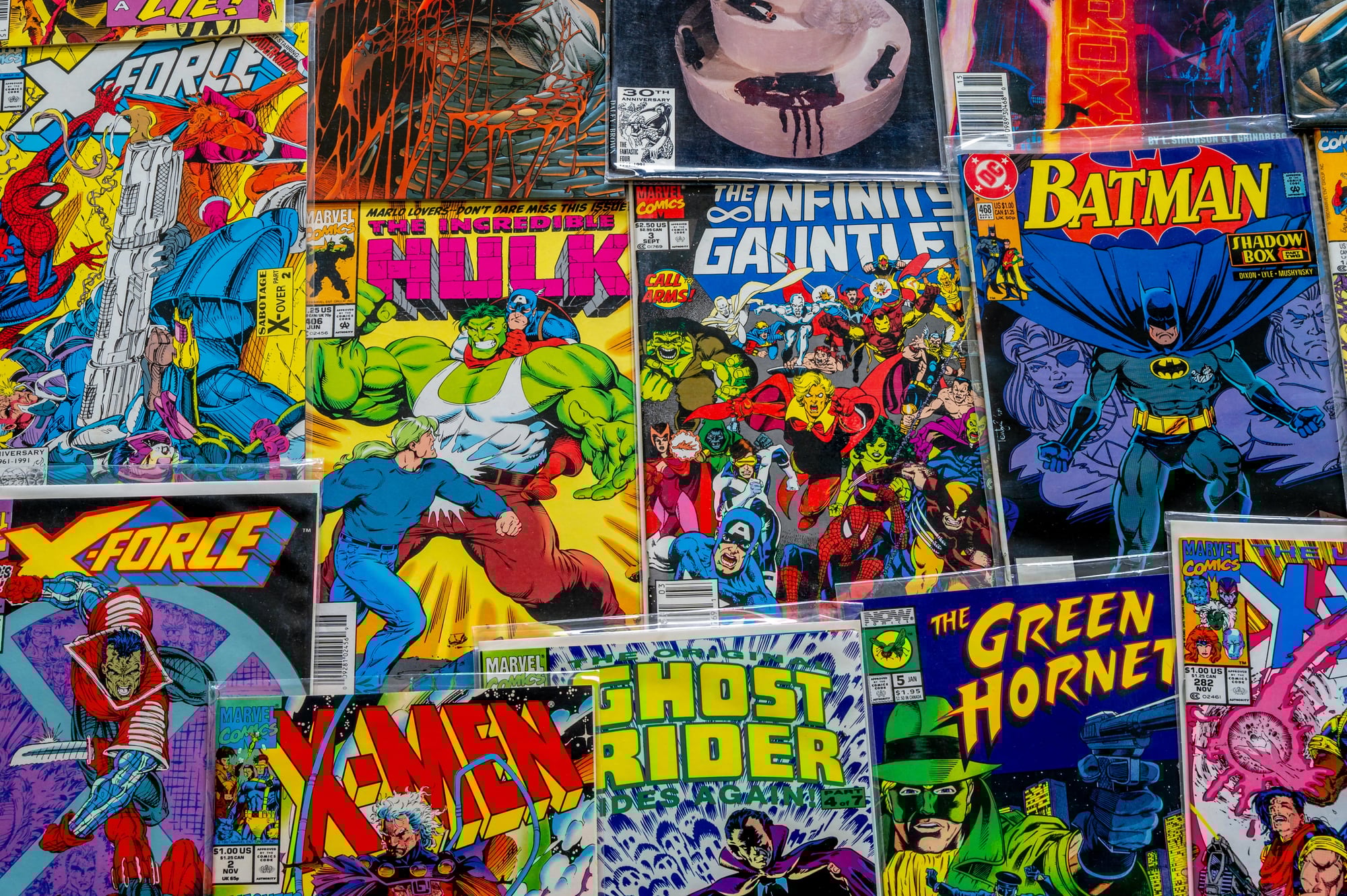
These comic book publishers have battled for supremacy since the 1930s, each creating iconic characters and expansive universes. Their competition has driven storytelling innovation and character development across multiple media formats.
DC’s early success with Superman and Batman pushed Marvel to create more relatable heroes with human flaws. Their rivalry has expanded from comic books to blockbuster films, television series, and merchandise, fundamentally reshaping popular culture and the entertainment industry.
Intel vs. AMD
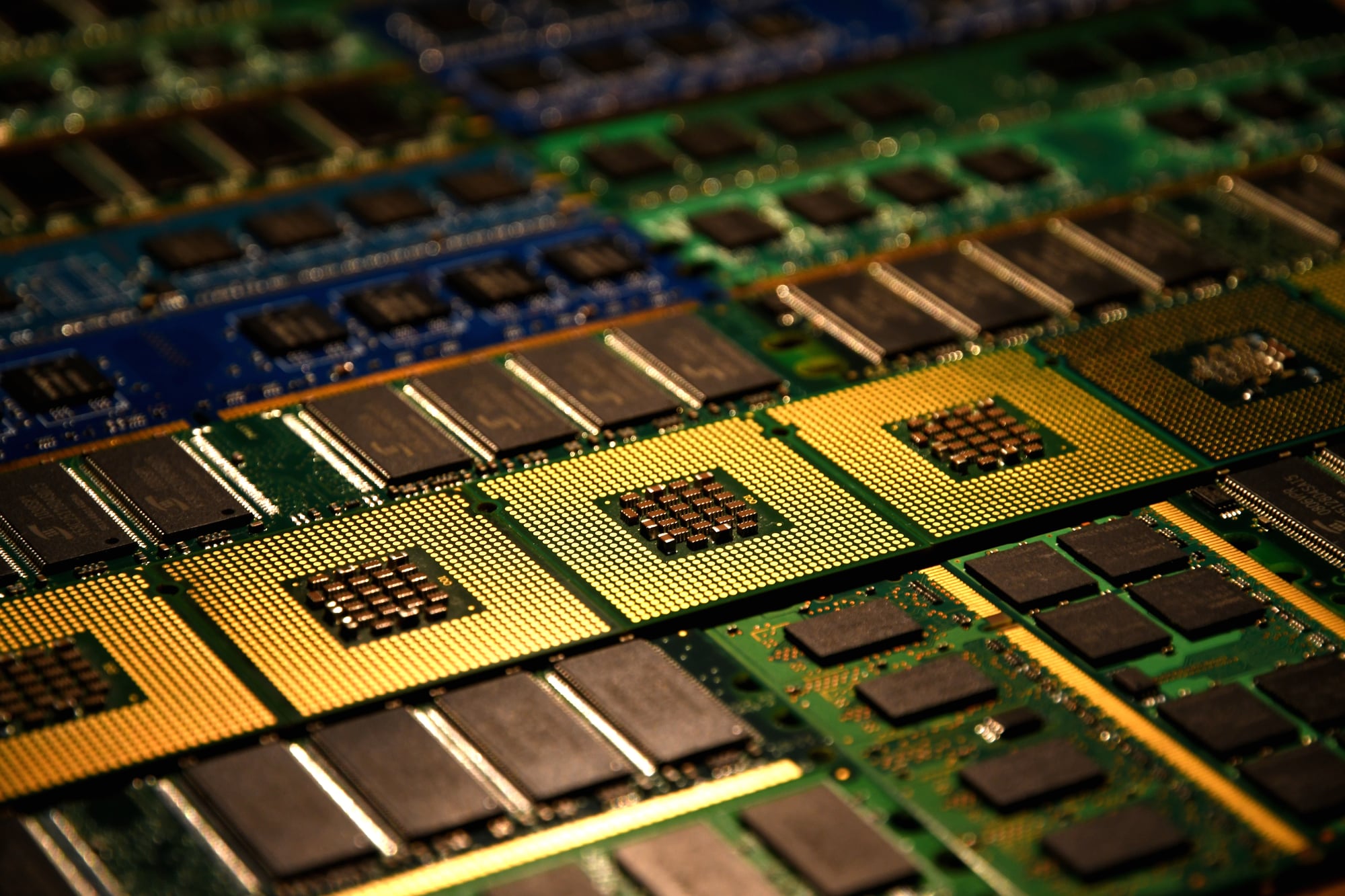
The decades-long battle between these semiconductor companies has driven computer processing power forward at an astonishing pace. Their relentless competition to create faster, more efficient chips underpins the rapid advancement of computing technology.
Consumers benefit directly from their rivalry through accelerated innovation cycles and more affordable prices. Their parallel development efforts have enabled everything from powerful supercomputers to sophisticated smartphones, fueling the ongoing digital revolution.
Federer vs. Nadal

The tennis rivalry between Roger Federer and Rafael Nadal elevated the sport to unprecedented heights of popularity and athletic excellence. Their contrasting styles—Federer’s elegant precision against Nadal’s relentless power—created some of tennis’s most memorable matches.
Beyond their 40 head-to-head encounters, their mutual respect demonstrated exceptional sportsmanship at the highest competitive level. Their competition pushed each player to improve continuously, resulting in a combined 42 Grand Slam titles and inspiring an entire generation of tennis players.
The Enduring Power of Competition

Throughout human history, great rivalries have accelerated achievement and progress. These competitive relationships, whether between brilliant individuals, ambitious companies, or powerful nations, create environments where innovation thrives and boundaries get pushed further than anyone thought possible.
The most significant rivalries transcend simple competition to fundamentally reshape their fields, leaving legacies that continue long after the original participants have vanished. Even today, new rivalries are forming in technology, politics, and culture that will define our future in ways we cannot yet fully comprehend.
More from Go2Tutors!

- The Romanov Crown Jewels and Their Tragic Fate
- 13 Historical Mysteries That Science Still Can’t Solve
- Famous Hoaxes That Fooled the World for Years
- 15 Child Stars with Tragic Adult Lives
- 16 Famous Jewelry Pieces in History
Like Go2Tutors’s content? Follow us on MSN.



