Deadliest Household Items of the Victorian Era
The Victorian home was a marvel of modern convenience and deadly sophistication. Behind the ornate wallpaper and beneath the polished mahogany furniture lurked a silent army of toxic materials, radioactive compounds, and poisonous substances that families welcomed into their most intimate spaces.
The Victorians, bless their ambitious hearts, had discovered chemistry before they understood safety, leading to an era where the very act of living required navigating a minefield of household hazards. Every room held its own particular dangers.
The parlor sparkled with arsenic-green wallpaper, the nursery glowed with radium-painted toys, and the kitchen buzzed with carbon monoxide from poorly ventilated gas fixtures. These weren’t accidents of ignorance—they were the proud products of industrial innovation, marketed as symbols of prosperity and modern living.
Arsenic-Based Wallpaper

Victorian wallpaper was stunning. Emerald greens that seemed to glow from within.
Vibrant patterns that never faded. The secret ingredient was Scheele’s Green (copper arsenite) and Paris Green (copper aceto-arsenite)—both arsenic-based compounds that gave wallpaper its brilliant color and homeowners slow arsenic poisoning.
Lead Paint

Children’s toys painted bright red contained enough lead to damage developing brains permanently, and (considering how Victorian children were expected to be seen and not heard) parents might not notice the subtle effects for years. The paint chips tasted sweet, which made them particularly appealing to toddlers who were already exploring their world one dangerous mouthful at a time.
Even the cribs themselves were often painted with lead-based formulations, creating a toxic sleep environment where infants spent most of their vulnerable early months. And yet families continued using these paints because they produced colors so vivid and durable that they seemed worth any risk—which, it turned out, was considerable.
Gas Lighting
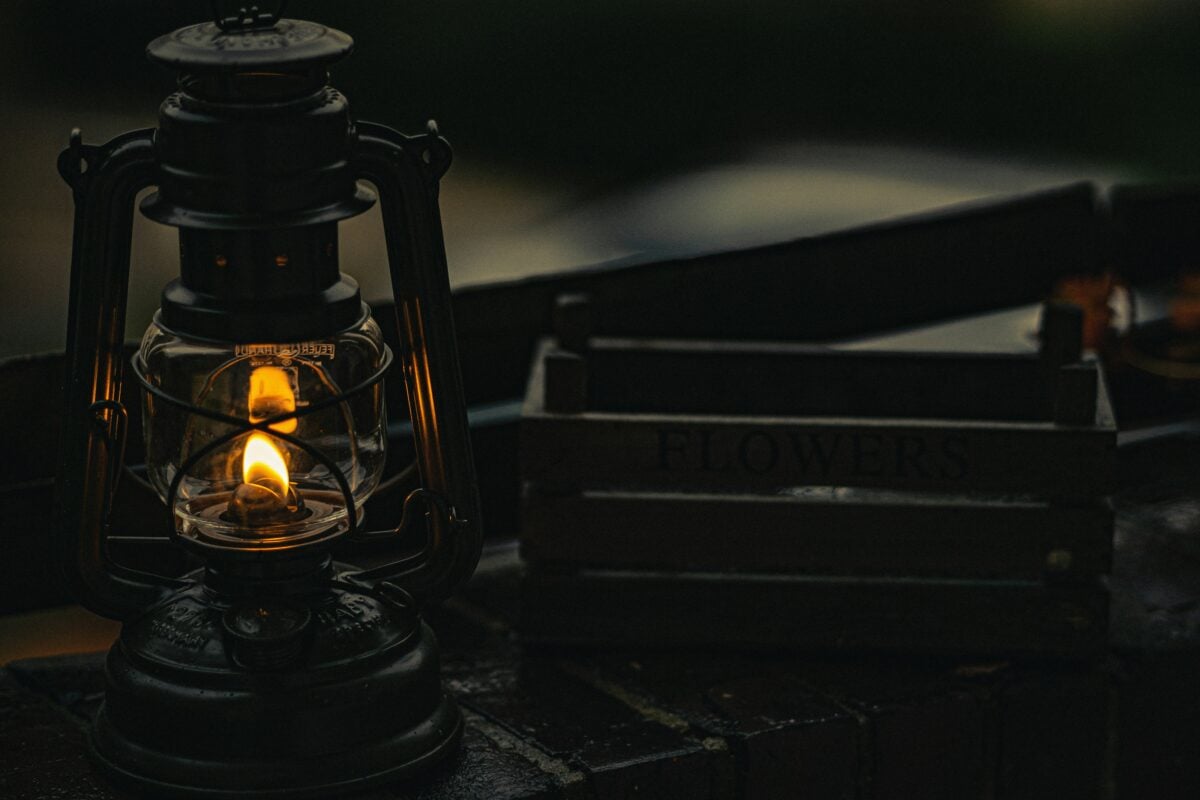
Gas fixtures leak. Always have, always will.
The Victorian home filled with carbon monoxide nightly—an invisible, odorless threat that killed families in their sleep. Most people assumed the occasional headaches and drowsiness were just part of modern living. They weren’t wrong, exactly.
Radium-Infused Products
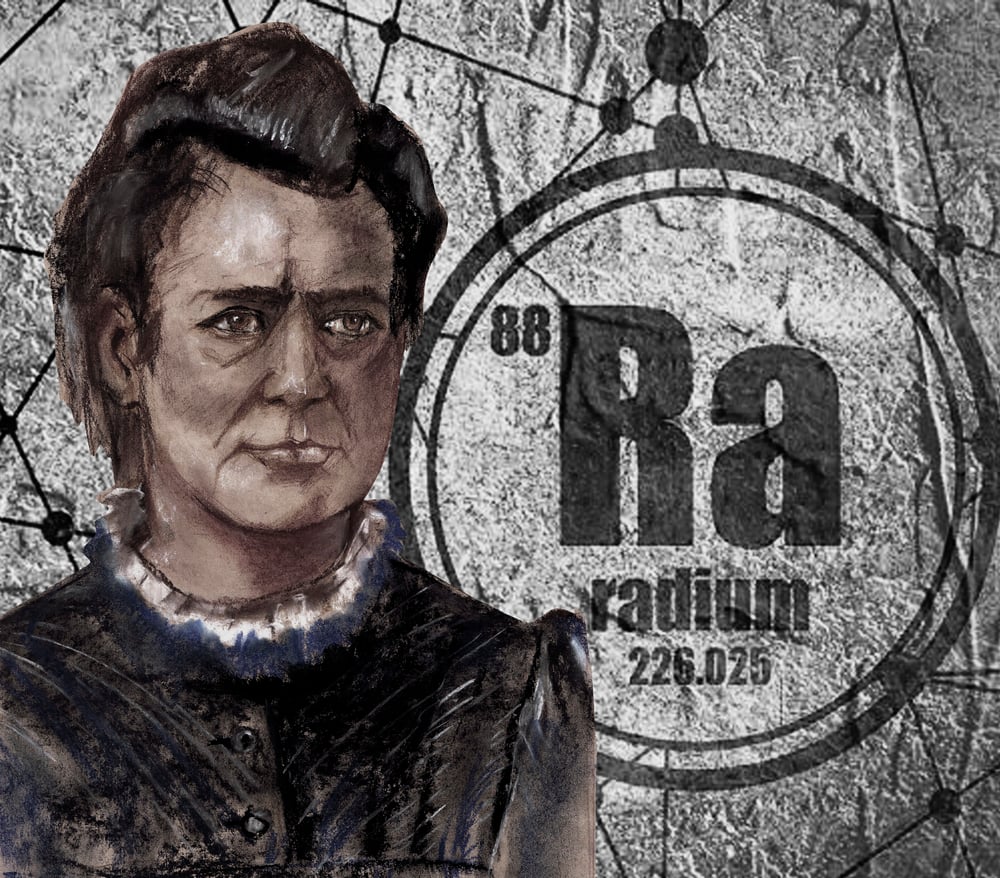
There’s something almost poetic about the way radium glowed in the dark nurseries of wealthy Victorian families, casting an ethereal green light across hand-painted ceiling murals while slowly irradiating sleeping children. The element had been discovered only recently, and like all new scientific marvels, it was immediately commercialized before anyone understood what it actually did to human tissue.
Radium found its way into everything from face creams (for that healthy glow) to children’s toys (for nighttime play), and even into patent medicines that promised to cure everything from arthritis to impotence. The marketing was brilliant in its simplicity: if something glowed with its own inner light, it must be magical, beneficial, life-giving.
The reality was more prosaic. Bone cancer, primarily.
Mercury-Based Medicine

Mercury cures everything, according to Victorian medical wisdom. Syphilis, constipation, teething pain in infants, general malaise.
The treatment often proved more lethal than the original complaint, but consistency is its own virtue. Households kept bottles of mercury compounds in medicine cabinets like modern families keep aspirin.
The difference being that aspirin won’t cause your teeth to fall out.
Asbestos Insulation
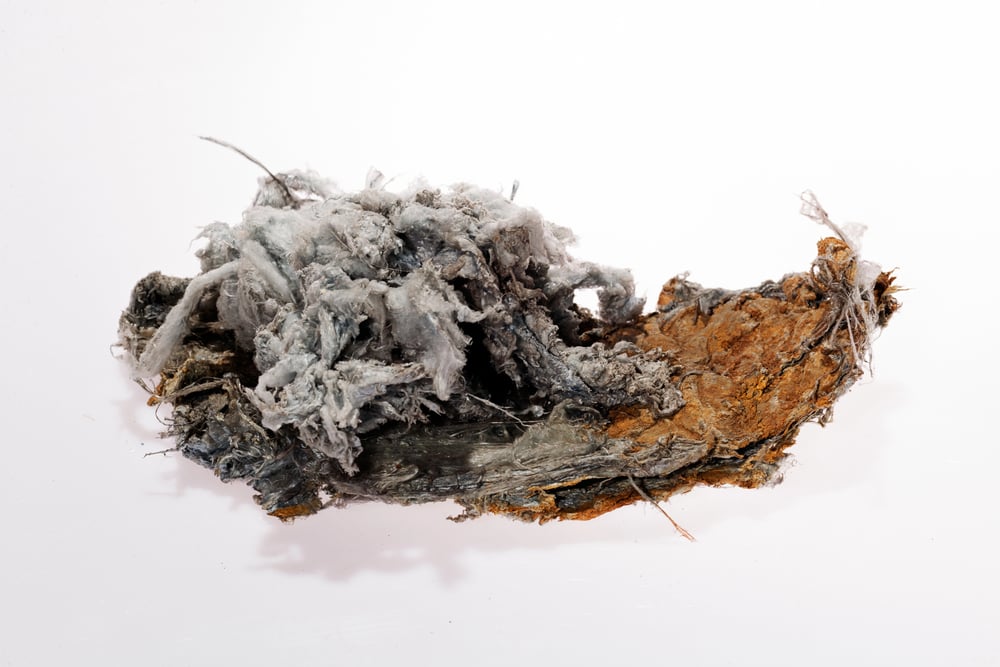
The Victorians discovered a miracle mineral that wouldn’t burn, wouldn’t rot, and could be woven into fabric or mixed into building materials with remarkable ease—so naturally, they used it everywhere (because when has enthusiasm for new technology ever gone wrong). Asbestos insulation wrapped around pipes, lined ovens, and filled the walls of homes where families would live for generations, breathing in microscopic fibers that would take decades to reveal their true cost.
The material was marketed as “white gold” and “the magic mineral,” advertised in terms so glowing you’d think they were describing a religious artifact rather than a substance that would eventually cause mesothelioma in anyone who handled it regularly. But the Victorians had a talent for embracing progress without questioning consequences.
They built beautiful, fireproof homes that killed their inhabitants slowly, one breath at a time.
Ceramic Glazes with Lead
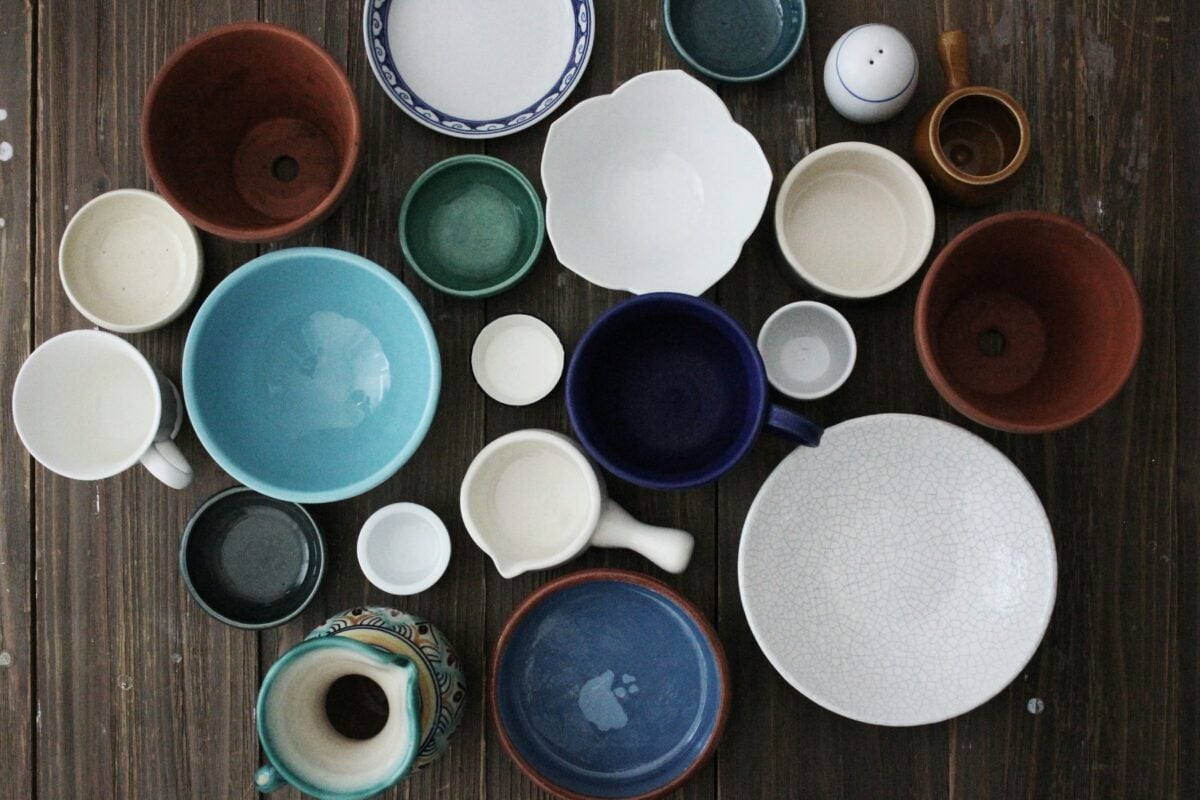
Dinnerware poisoned every meal. Victorian ceramic glazes contained lead levels that would make modern safety inspectors weep.
The more expensive the china, the more lead it contained. Wealthy families literally ate themselves to death one elegant dinner at a time.
Poor families, eating off plain pottery, accidentally dodged this particular hazard through economic necessity.
Patent Medicines with Cocaine and Opium
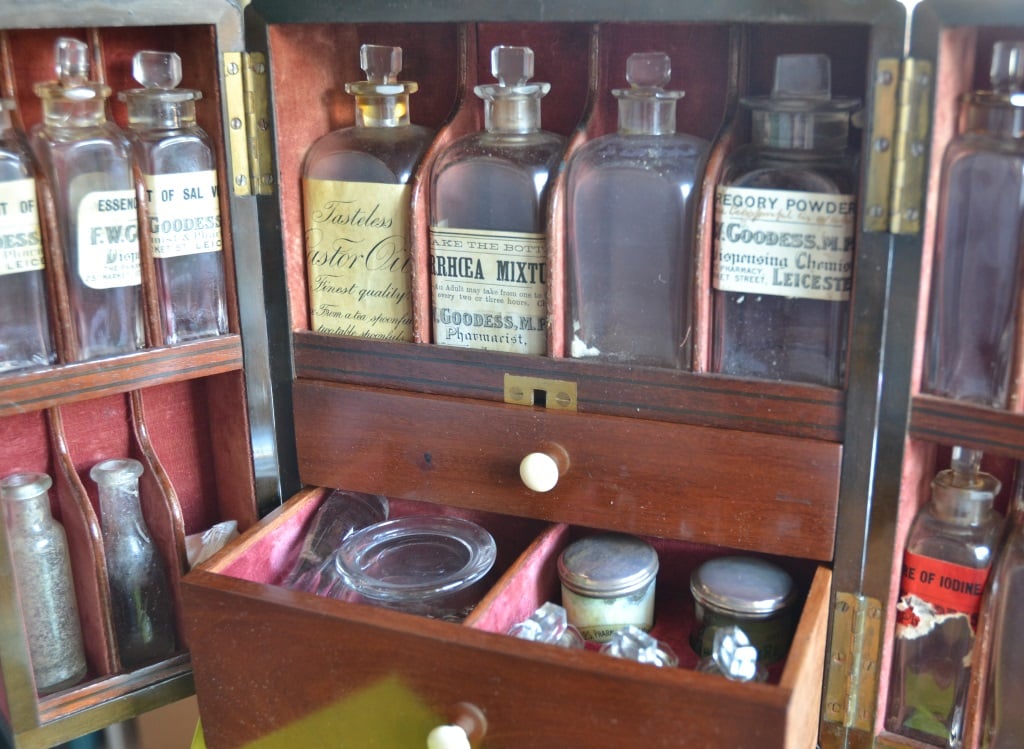
The Victorian medicine cabinet was essentially a pharmacy of substances that would make a modern drug dealer nervous—cocaine for toothaches, opium for crying babies, morphine for headaches, and various combinations of all three for anything else that ailed the human condition. These weren’t black market remedies; they were respectable products sold in respectable stores to respectable families who had no idea they were creating opium addicts out of colicky infants.
Laudanum, the most popular of these concoctions, was basically liquid opium mixed with alcohol, and it was administered as casually as modern parents give their children cough syrup (which, admittedly, occasionally contains codeine, so perhaps the Victorians weren’t entirely alone in their pharmaceutical enthusiasm).
The advertising was straightforward to the point of being charming: “Mrs. Winslow’s Soothing Syrup” promised to calm fussy babies, and it delivered on that promise by essentially drugging them into unconsciousness.
Antimony Cups and Tableware
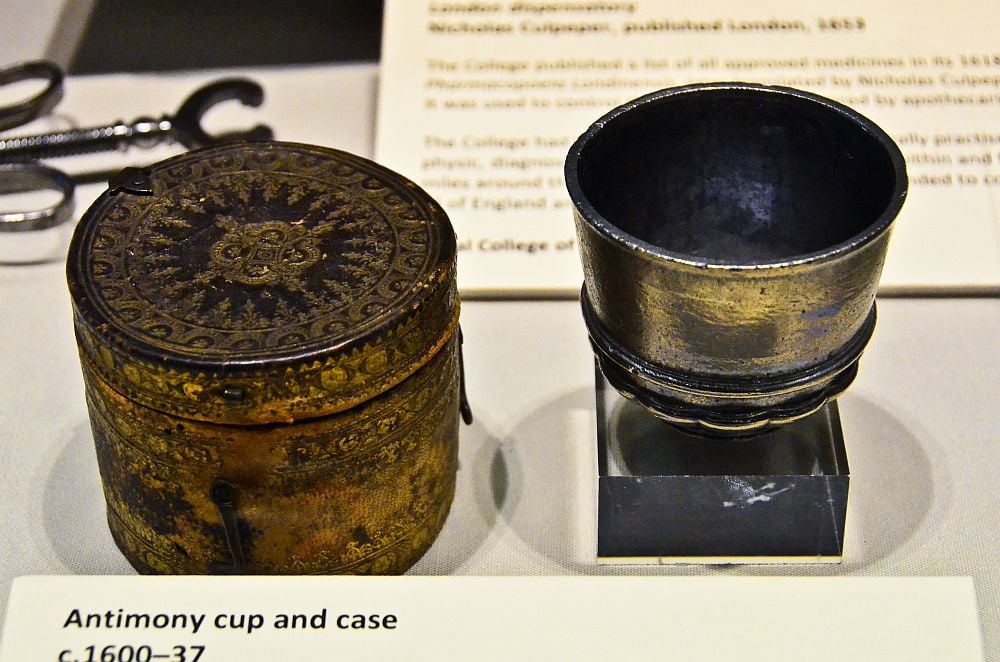
Antimony poisoning mimics food poisoning perfectly. Victorian families would blame the cook, the milk, the heat—never suspecting their elegant pewter cups were the culprit.
The symptoms appeared gradually. Nausea, vomiting, eventual organ failure. By the time anyone connected the dots, it was usually too late to matter much.
Wood-Burning Stoves with Poor Ventilation
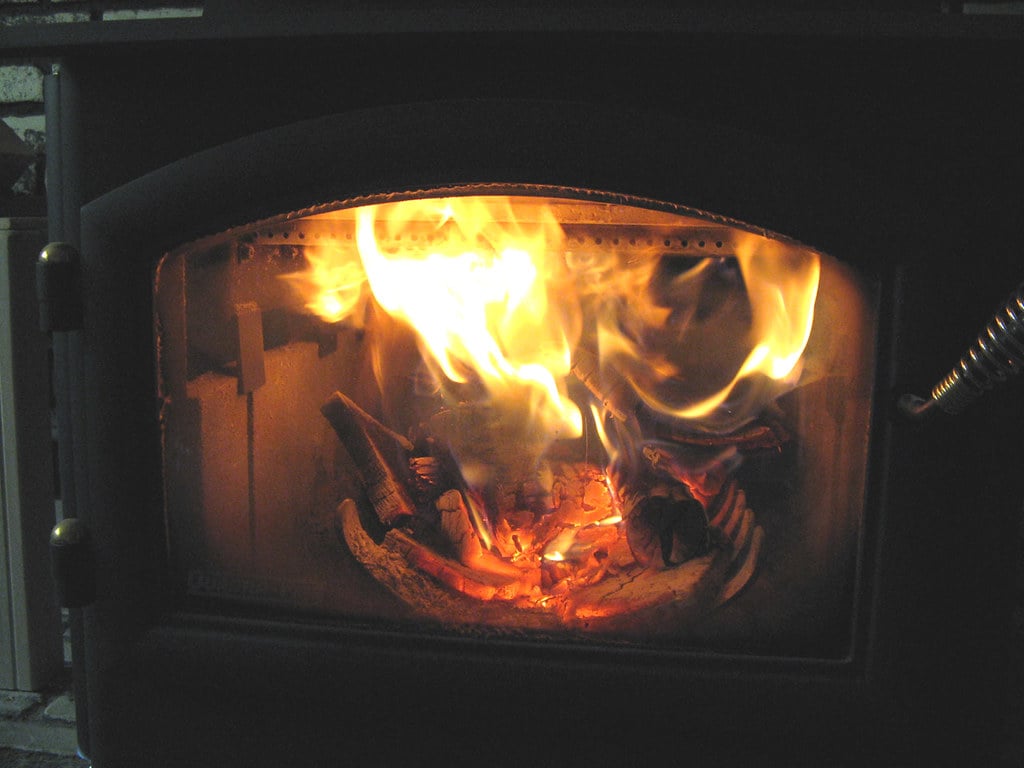
Victorian homes were marvels of engineering that somehow forgot to account for the basic human need to breathe clean air, an oversight that becomes particularly glaring when you consider how much thought went into making sure the parlor wallpaper matched the drapery. The wood-burning stoves that heated these homes were often installed by enthusiastic amateurs who understood fire but not airflow, creating systems that pumped carbon monoxide directly into living spaces with the efficiency of a gas chamber.
Families would wake up groggy and headache-prone, attributing their symptoms to everything except the obvious culprit smoldering away in the corner of their bedroom. The irony is almost literary: homes designed to keep families warm and safe were slowly suffocating the very people they were meant to protect.
But the Victorians had a remarkable capacity for accepting suffering as part of the natural order, so they simply endured the daily poisoning and called it winter.
Formaldehyde Preservation and Disinfection
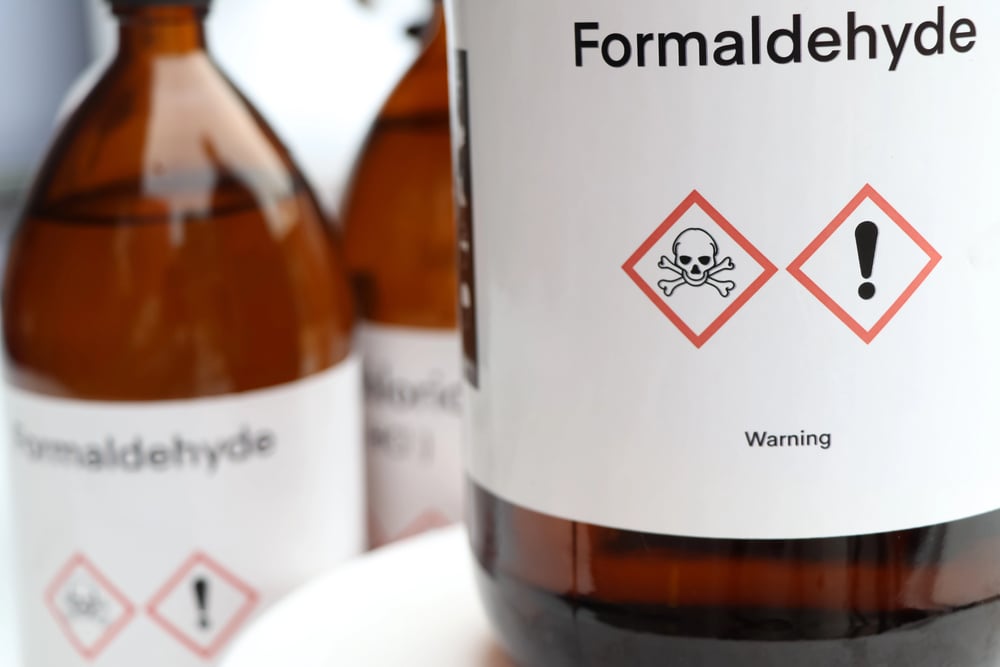
Formaldehyde was the Victorian solution to everything that rotted, smelled, or harbored disease. They used it to preserve food, disinfect rooms, and embalm the dead—sometimes all in the same afternoon.
The chemical worked exactly as advertised, killing bacteria with ruthless efficiency. It also killed human tissue, but the Victorians were willing to accept some collateral damage for the sake of cleanliness.
Phosphorus-Tipped Matches
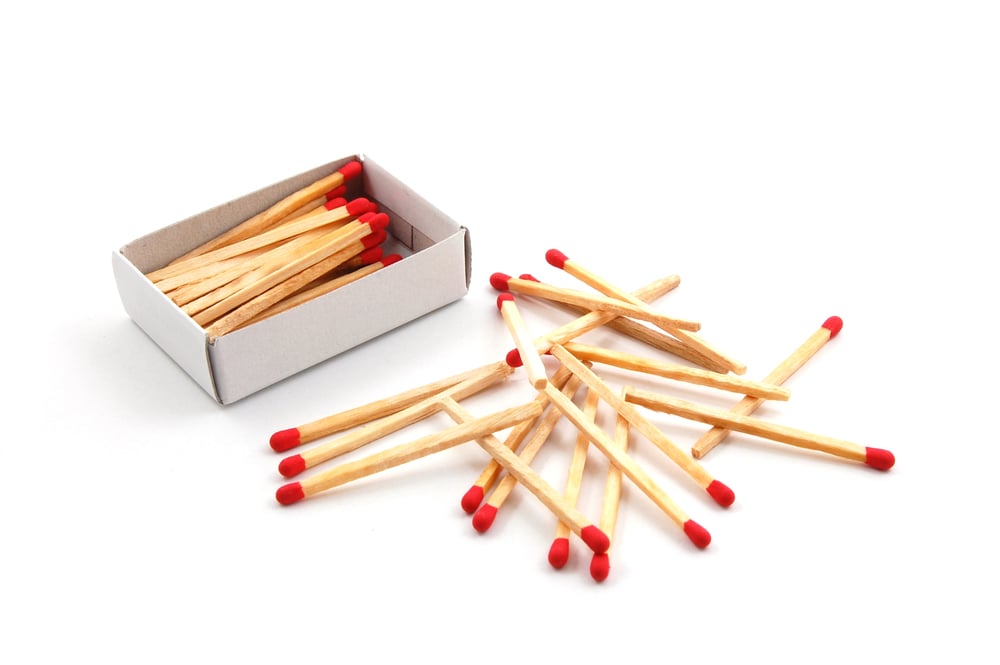
Strike-anywhere matches contain white phosphorus, which causes “phossy jaw”—a condition where the jawbone literally glows green in the dark before rotting away entirely. Match factory workers developed this delightful occupational hazard due to prolonged exposure, though household users also risked health effects from occasional phosphorus exposure when striking matches.
Every lit match released small amounts of phosphorus compounds into the air. Victorian homes went through dozens of matches daily for lighting lamps, stoves, and fires.
Toxic Dyes in Fabrics and Clothing
Victorian fashion was a walking chemistry experiment where looking good meant accepting the risk of slow poisoning through your largest organ—your skin (which, when you think about it, makes modern concerns about synthetic fabrics seem rather quaint by comparison). The brilliant reds came from mercury compounds, the lush greens from arsenic, and the deep blues from copper sulfate, creating wardrobes that were essentially wearable toxic waste dumps.
Women’s gowns contained enough dangerous chemicals to qualify as hazardous materials, but they also produced colors so vivid and beautiful that portraits from the era still take your breath away. The irony wasn’t lost on everyone: fashion magazines occasionally ran articles warning about the dangers of certain dyes, usually positioned right next to advertisements for those same dangerous products. But vanity proved stronger than self-preservation, as it tends to do.
Victorian women continued wearing their poisonous finery, trading their health for the social currency of appearing fashionable and prosperous.
Coal Gas for Cooking and Heating

Coal gas leaked constantly. Victorian homes reeked of it—a smell families learned to ignore the way modern people tune out traffic noise.
The gas contained carbon monoxide, hydrogen sulfide, and various other compounds that made breathing an adventure. Explosions were common enough that newspapers had standard formats for reporting them.
Chronic poisoning was so routine it didn’t make the papers at all.
Chloroform as Household Solvent

Chloroform cleaned everything beautifully and doubled as an anesthetic when household accidents required impromptu surgery. Victorian families kept bottles of it around like modern households keep bleach—except chloroform vapors cause liver damage, heart problems, and unconsciousness.
The chemical worked so well for so many purposes that the health risks seemed like acceptable trade-offs. After all, what’s a little organ damage compared to truly spotless upholstery?
Mercury-Filled Barometers and Thermometers

The gleaming mercury in Victorian weather instruments was mesmerizing to children, who would occasionally break thermometers just to watch the liquid metal roll around the floor in perfect, deadly spheres. Parents would scoop up what they could see and assume they’d solved the problem, unaware that mercury vapor could spread through the house and accumulate in the environment.
Prolonged exposure to these vapors could cause tremors, memory loss, and personality changes, particularly in households where breakage was frequent or cleanup incomplete. These weren’t cheaply made instruments either—the finest homes had elaborate barometers with substantial mercury reservoirs, sometimes containing enough of the element to pose a serious hazard if the glass ever cracked repeatedly or chronically.
The Victorian faith in scientific instruments was touching in its completeness: if a device could predict the weather, surely it couldn’t be dangerous to have around the house.
Living Through Beauty and Danger

The Victorian era ended not because people suddenly became wiser about household safety, but because enough families had died in beautiful, well-appointed homes that someone finally started asking uncomfortable questions about progress. The real tragedy wasn’t that these products were dangerous—it was that they worked exactly as advertised, creating homes of unprecedented comfort and elegance while slowly killing the people who lived in them.
Modern life has its own hazards, but at least we have the courtesy to print warning labels on our poisons.
More from Go2Tutors!

- The Romanov Crown Jewels and Their Tragic Fate
- 13 Historical Mysteries That Science Still Can’t Solve
- Famous Hoaxes That Fooled the World for Years
- 15 Child Stars with Tragic Adult Lives
- 16 Famous Jewelry Pieces in History
Like Go2Tutors’s content? Follow us on MSN.



