20 Greatest Historic Letters Ever Written
Letters were how people processed the world before text messages and emails condensed our thoughts into brief communication bursts.
They served as conduits for love, revolution, persuasion, and confession.
The most significant historical letters were more than just letters; they were documents of pivotal moments, when someone took a seat and used well-chosen words to alter the path of history.
While others were written in quiet reflection, others were written in the midst of combat.
Their ability to speak across centuries and go beyond their original intent is what ties them together.
It’s not always the longest or most poetic letters that survive.
They are the ones who managed to say something timeless while capturing something fundamental about their moment.
A closer look at twenty letters that influenced history, sparked movements, or just served as a reminder of what it means to be human is provided here.
Albert Einstein to Franklin D. Roosevelt, 1939

Albert Einstein’s letter to President Franklin D. Roosevelt, dated August 2, 1939, warned that Nazi Germany might be developing atomic weapons and urged the United States to begin its own nuclear research.
Written with physicist Leo Szilard, the letter led Roosevelt to establish the Advisory Committee on Uranium, the predecessor to the Manhattan Project.
Einstein later called signing this letter one of the great mistakes of his life, recognizing the devastating consequences of nuclear weapons.
The correspondence represents a pivotal moment when theoretical physics became a matter of national security.
Martin Luther King Jr. to Fellow Clergymen, 1963

Written on April 16, 1963, while imprisoned for nonviolent protest, Dr. Martin Luther King Jr.’s Letter from Birmingham City Jail responded to white clergymen who criticized his methods.
King wrote in newspaper margins and on scraps of paper, defending nonviolent resistance.
His eloquent argument that ‘injustice anywhere is a threat to justice everywhere’ articulated the moral urgency of the civil rights struggle.
First published in June 1963 in The Atlantic Monthly and New York Post, King’s words transformed a local dispute into a national conversation about race and justice.
Pliny the Younger to Tacitus, 79 AD

Pliny the Younger’s two letters to historian Tacitus provide the only surviving eyewitness account of Mount Vesuvius’s eruption that destroyed Pompeii and Herculaneum on August 24, 79 AD.
Written approximately 25 years after the event, Pliny described the ash cloud shaped like an umbrella pine tree and his uncle Pliny the Elder’s fatal rescue attempt.
The detailed observations combine personal tragedy with scientific documentation, offering historians invaluable insights that archaeologists and vulcanologists still reference today.
Vincent van Gogh to Theo van Gogh, 1888

Vincent van Gogh wrote approximately 800 letters between 1872 and 1890, with his brother Theo receiving most of this correspondence.
The letters from 1888, written during his time in Arles, reveal both his creative vision and deteriorating mental health.
Vincent’s detailed descriptions of color theory and artistic technique provide insight into his revolutionary approach to painting.
The letters to Theo are simultaneously heartbreaking and inspiring, documenting a friendship between brothers that sustained one of history’s greatest artists.
Abraham Lincoln to Lydia Bixby, 1864

A letter dated November 21, 1864, to Mrs. Lydia Bixby expressed condolences for what was believed to be the loss of her five sons in the Civil War, though she actually lost only two.
The phrase about ‘the solemn pride that must be yours to have laid so costly a sacrifice upon the altar of freedom’ captured both the tragedy and meaning of wartime loss.
Authorship remains disputed, with some scholars suggesting President Lincoln’s secretary John Hay may have written it.
Mahatma Gandhi to Adolf Hitler, 1939–1940
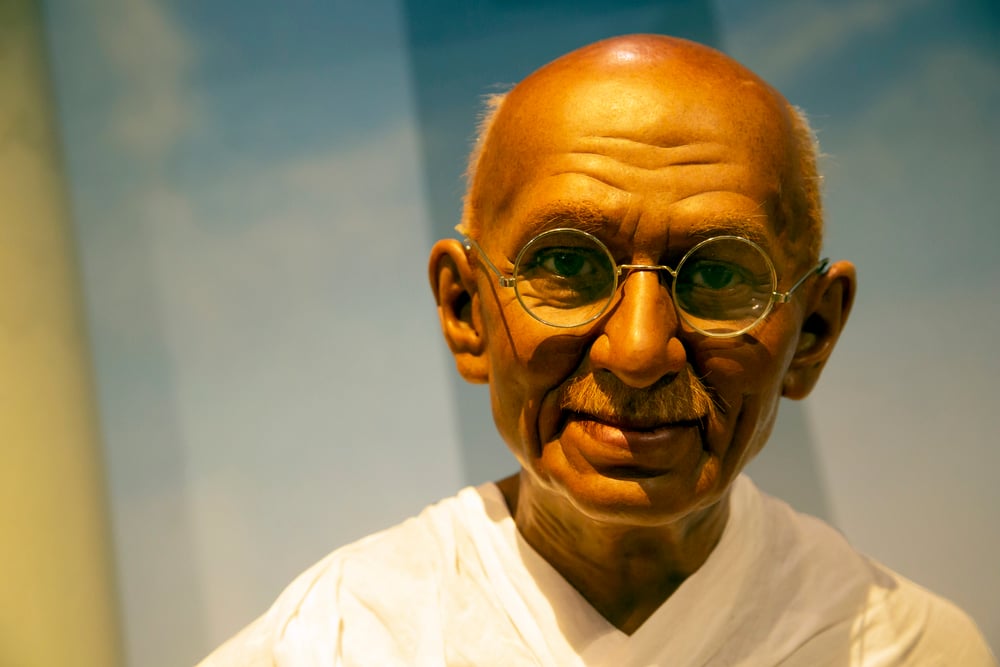
Mahatma Gandhi wrote to Adolf Hitler twice, on July 23, 1939, and December 24, 1940, addressing him as ‘Dear Friend’ and appealing to his humanity to prevent war.
British authorities intercepted both letters before they reached Hitler.
The correspondence, preserved in the Collected Works of Mahatma Gandhi, demonstrates both the nobility and limitations of Gandhi’s philosophy when confronting totalitarian evil.
The letters stand as testament to Gandhi’s consistency in applying nonviolent principles even to extreme situations.
Sullivan Ballou to Sarah Ballou, 1861
Major Sullivan Ballou’s letter to his wife Sarah, written on July 14, 1861, one week before he died at the Battle of Bull Run, is widely regarded as a notable personal letter from the Civil War era.
His words balance devotion to family with commitment to preserving the Union, capturing the terrible choice faced by soldiers throughout history.
The letter’s closing sentiment that he would love her even beyond death became iconic when featured in Ken Burns’s documentary The Civil War.
Galileo Galilei to Johannes Kepler, 1610

Galileo Galilei’s letter to Johannes Kepler on August 19, 1610, shared his telescopic observations of Jupiter’s four moons and expressed frustration with critics who refused to look through his telescope.
Galileo’s complaint that opponents ‘stopped their ears’ rather than consider evidence remains relevant to scientific discourse today.
The letter documents a pivotal moment when empirical observation began displacing philosophical speculation as the basis for understanding the universe.
Queen Victoria to King Leopold I, 1840

Queen Victoria’s letter to her uncle King Leopold I of Belgium, written on February 11, 1840, from Buckingham Palace the day after her wedding to Prince Albert, overflows with happiness.
She described Albert as ‘perfection in every way’ and expressed joy that contrasted with her usual reserved public persona.
The letter shows how royal correspondence served as an outlet for genuine emotion in an era when public displays were carefully controlled.
Charles Darwin to Joseph Hooker, 1844
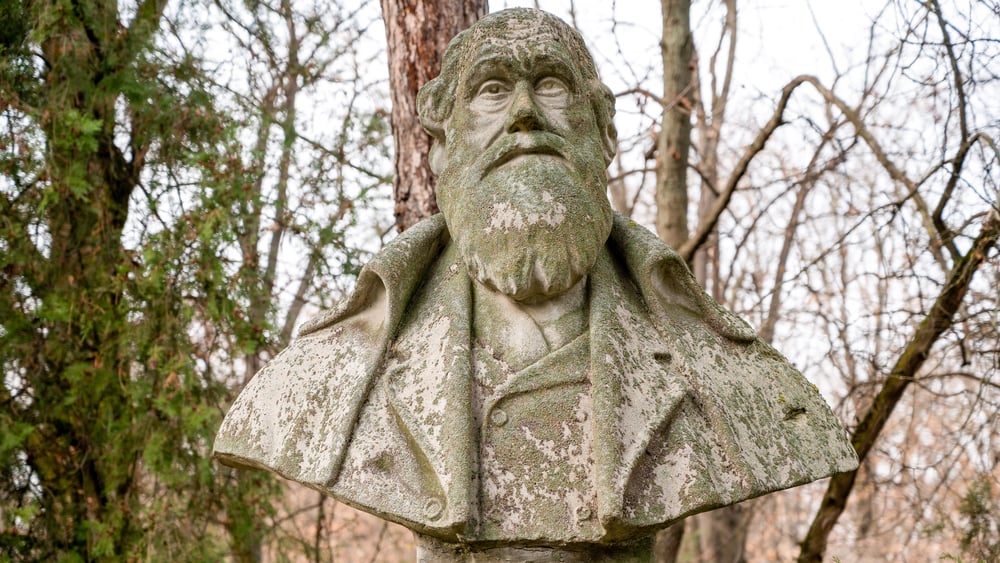
Charles Darwin’s letter to botanist Joseph Hooker on January 11, 1844, contained the first written admission of his theory of evolution by natural selection.
Darwin confessed that believing species were not immutable felt ‘like confessing a murder,’ revealing his awareness that his ideas would provoke controversy.
The letter, preserved in the Darwin Correspondence Project as Letter 729, captures the moment when private scientific speculation began its journey toward public revolution.
Napoleon Bonaparte to Josephine, 1796

Napoleon’s letters to Josephine written between March and May 1796 during his Italian campaign reveal an intensely devotional side of the military commander.
The letters, preserved in Correspondance de Napoléon Ier, show how even ambitious conquerors could be rendered vulnerable by romantic attachment.
Napoleon’s emotional intensity contrasts sharply with his calculated military strategy, proving that historical figures contained the same emotional complexity as anyone navigating love and distance.
Abigail Adams to John Adams, 1776

Abigail Adams’s letter to her husband John Adams on March 31, 1776, urged him to ‘remember the ladies’ while drafting laws for the new nation.
Her call for women’s rights was revolutionary for its time.
The correspondence, held in the Massachusetts Historical Society, demonstrates their intellectual partnership.
Abigail’s letter stands as an early feminist document, reminding us that the struggle for women’s rights is as old as American independence itself.
Franz Kafka to Hermann Kafka, 1919

Franz Kafka’s 47-page letter to his father Hermann Kafka, written in November 1919 but never sent, attempted to explain the psychological damage their relationship caused.
His mother Julie intercepted the letter and returned it to Franz, perhaps recognizing it would only deepen their estrangement.
The document provides crucial insight into the psychology behind Kafka’s nightmarish literary visions and captures a universal struggle between children and parents.
Emily Dickinson to Susan Gilbert, 1852

Emily Dickinson’s letters to Susan Gilbert from spring 1852 reveal the poet’s emotional intensity.
The correspondence contains language that goes beyond conventional friendship, with phrases like ‘Dear Sue — I love you’ appearing in manuscripts held in the Harvard Archive.
These letters provide insight into Dickinson’s interior life during the years when she began withdrawing from society, showing she was capable of deep connection even as she retreated from the world.
Winston Churchill to Franklin D. Roosevelt, 1940

Winston Churchill’s series of letters to President Franklin D. Roosevelt between May and December 1940, signed ‘Former Naval Person,’ urgently requested American aid while Britain stood alone against Nazi Germany.
Churchill’s correspondence helped persuade Roosevelt to support the Lend-Lease Act passed in March 1941.
The correspondence between these two leaders shaped the course of World War II and established the foundation for the postwar international order.
Frida Kahlo to Diego Rivera, 1940

Frida Kahlo’s letters to Diego Rivera written between May and December 1940, around their remarriage in San Francisco, contain some of art history’s most intense correspondence.
Her writing, documented in The Letters of Frida Kahlo (1995), combines fierce independence with vulnerable admission of dependence.
Kahlo’s letters show how she processed emotional pain through artistic expression, with her written words as raw as her paintings.
Oscar Wilde to Lord Alfred Douglas, 1897
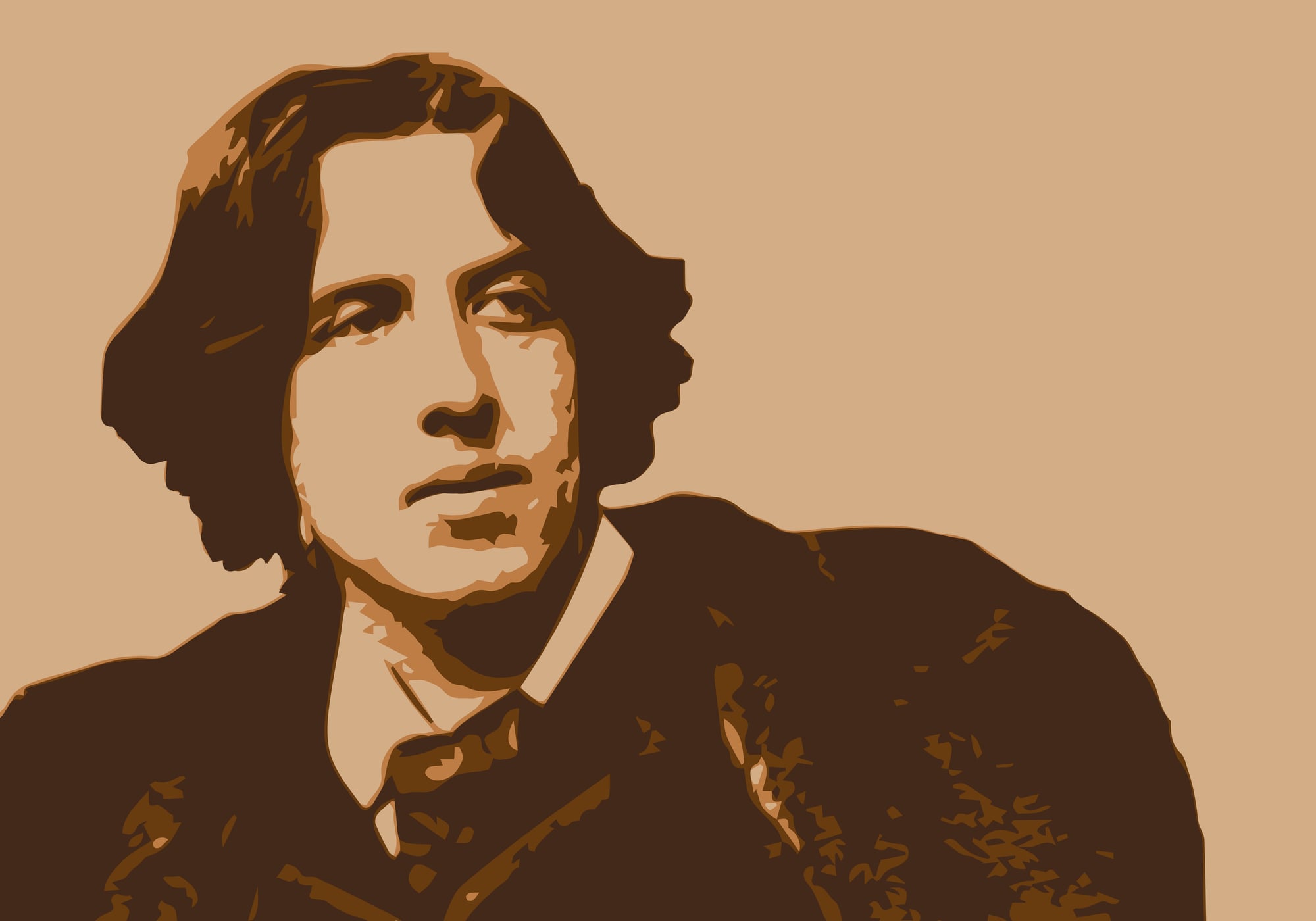
Oscar Wilde’s letter to Lord Alfred Douglas, written between January and March 1897 from Reading Gaol and later titled De Profundis, attempted to make sense of his downfall and their destructive relationship.
The letter combines bitterness with philosophical reflection, showing Wilde processing his suffering through the lens of art and spirituality.
Wilde’s ability to transform his own tragedy into literature demonstrates how great writers cannot help but create even in their darkest moments.
Sylvia Plath to Aurelia Plath, 1962
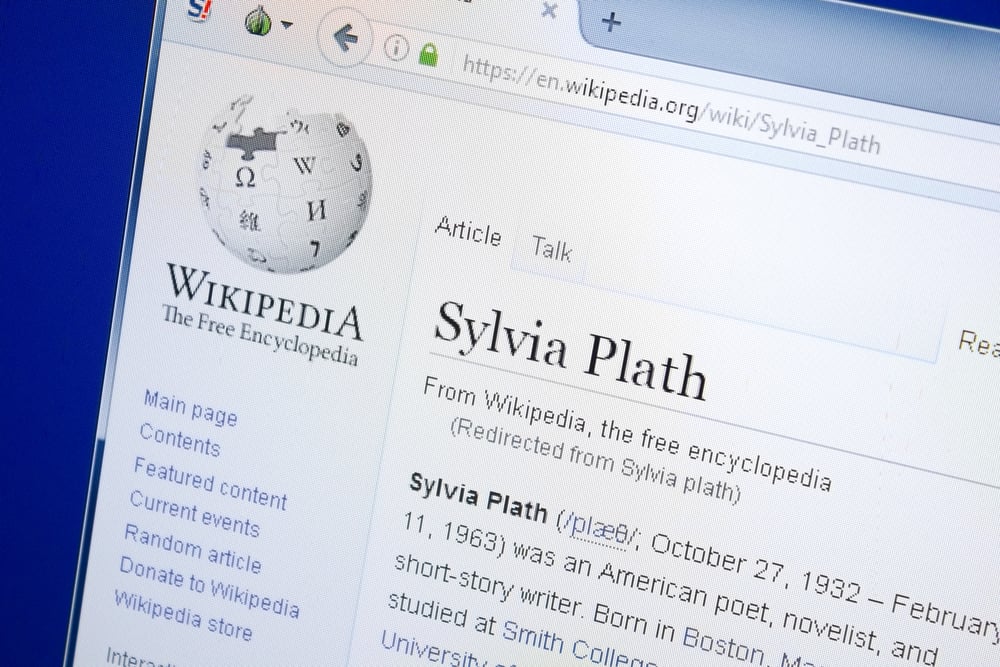
Sylvia Plath’s letters to her mother Aurelia Plath, particularly those from September and October 1962 written from Devon, provide counterpoint to the darkness in her poetry.
The gap between the optimistic tone in letters and the anguish in her late poems reveals the burden of maintaining appearances.
Plath’s correspondence, posthumously published as Letters Home (1975), shows someone fighting to maintain normalcy even as she unraveled.
Chief Joseph to U.S. Government Officials, 1879

Chief Joseph’s letter written in January 1879 protested the government’s failure to honor promises made when his people surrendered.
His dignified appeal contrasted sharply with the government’s broken treaties, captured in his statement: ‘I am tired of talking — our words are lies.’
First published in North American Review in April 1879, Chief Joseph’s correspondence documents the betrayal of indigenous peoples through official correspondence.
C.S. Lewis to Sheldon Vanauken, 1955

C.S. Lewis’s letter to Sheldon Vanauken on December 23, 1955, addressed the death of Vanauken’s wife Davy and explored questions of grief, faith, and divine purpose.
This correspondence, published in Letters of C.S. Lewis (1988), later appeared in Vanauken’s book A Severe Mercy.
Lewis’s ability to address profound loss with both intellectual rigor and tender humanity shows why his writing continues to resonate.
How Ink Shaped History

Despite spanning centuries, continents, and purposes, these twenty letters have one essential thing in common.
Each reflects a time when someone thought that written words could achieve what actions or speeches alone could not.
While some letters preserved personal legacies, others altered political outcomes.
The best historical letters survive because they addressed issues that go beyond their time while capturing something fundamental about their time.
These letters, which range from Plath’s last letters to her mother to Einstein’s warning about atomic weapons, demonstrate that written words have the same power as any physical force.
More from Go2Tutors!

- The Romanov Crown Jewels and Their Tragic Fate
- 13 Historical Mysteries That Science Still Can’t Solve
- Famous Hoaxes That Fooled the World for Years
- 15 Child Stars with Tragic Adult Lives
- 16 Famous Jewelry Pieces in History
Like Go2Tutors’s content? Follow us on MSN.