17 Times an Accidental Spill Created Something We Still Use Today
History’s pages are filled with brilliant minds who dedicated their lives to innovation, but sometimes the greatest discoveries happen when things go wrong. Those moments of clumsiness, distraction, or plain bad luck have occasionally led to breakthroughs that changed our world forever.
Here is a list of 17 accidental spills that resulted in inventions and discoveries we still rely on in our everyday lives.
Penicillin
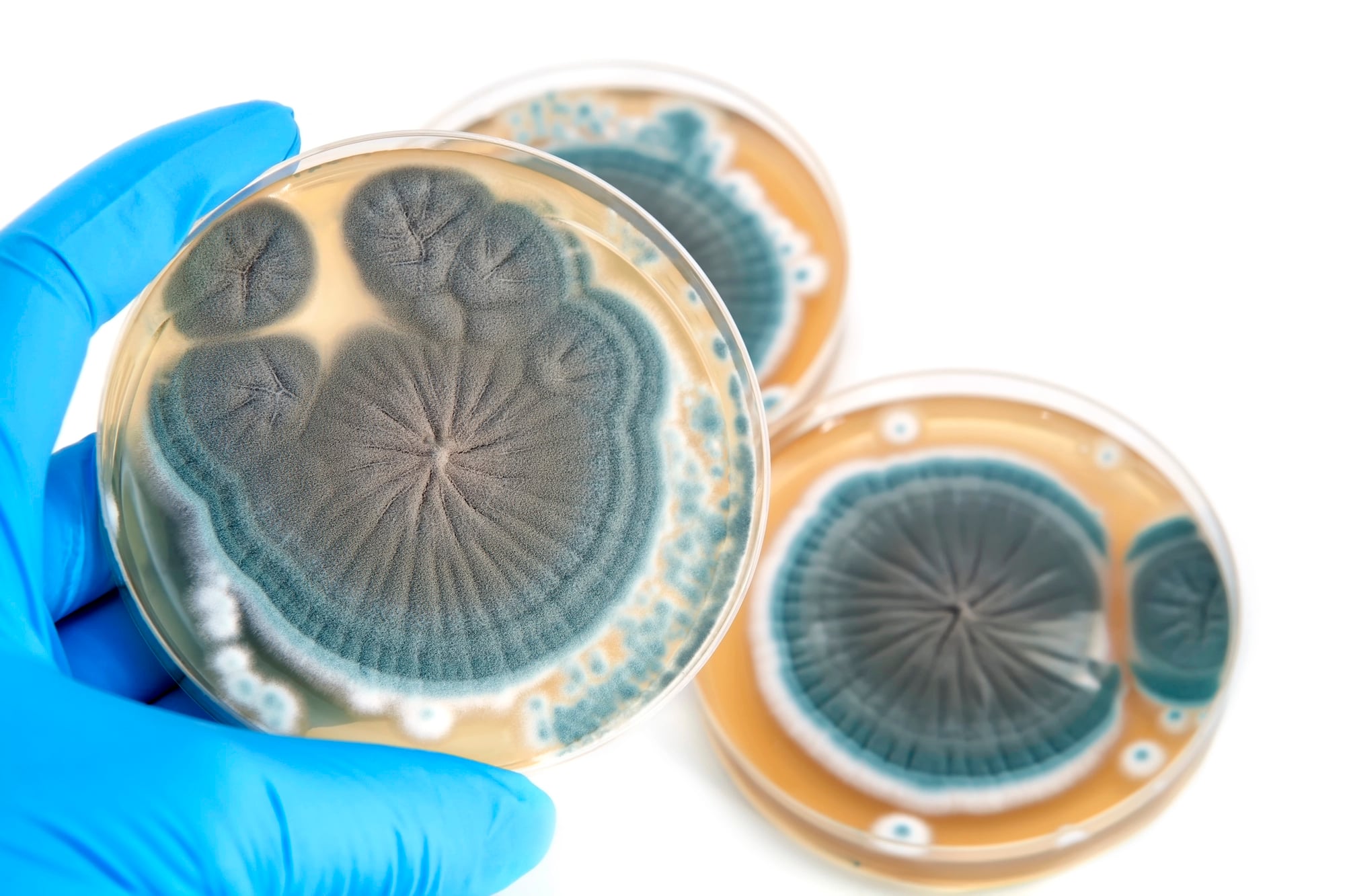
Mold was growing on Alexander Fleming’s abandoned petri plates when he returned from vacation in 1928. Rather than merely tidying up the mess, he discovered something amazing: bacteria wouldn’t proliferate close to the mold.
The first antibiotic in history, penicillin, was discovered as a result of this accidental contamination. By treating infections that were once fatal, penicillin and its derivatives have saved countless lives today.
Super Glue
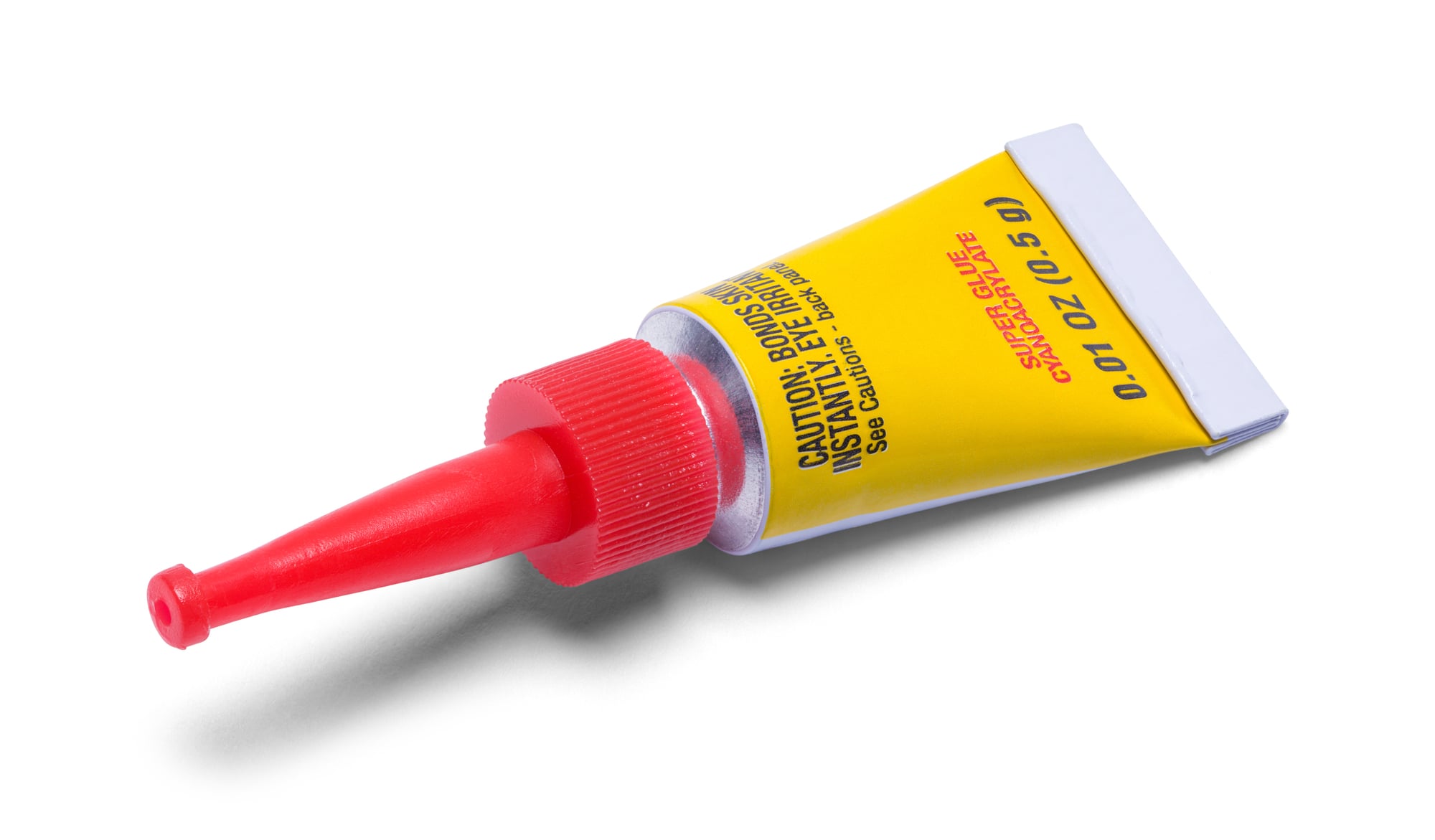
Researcher Harry Coover was trying to develop clear plastic gun sights during World War II when he accidentally created a substance that stuck to everything it touched. He initially dismissed it as too sticky to be useful.
Years later, while working on heat-resistant jet canopies, the same formula spilled and permanently bonded two expensive prisms together. Coover finally recognized the potential of this super-adhesive, and cyanoacrylate—commonly known as Super Glue—became a household staple.
Silly Putty
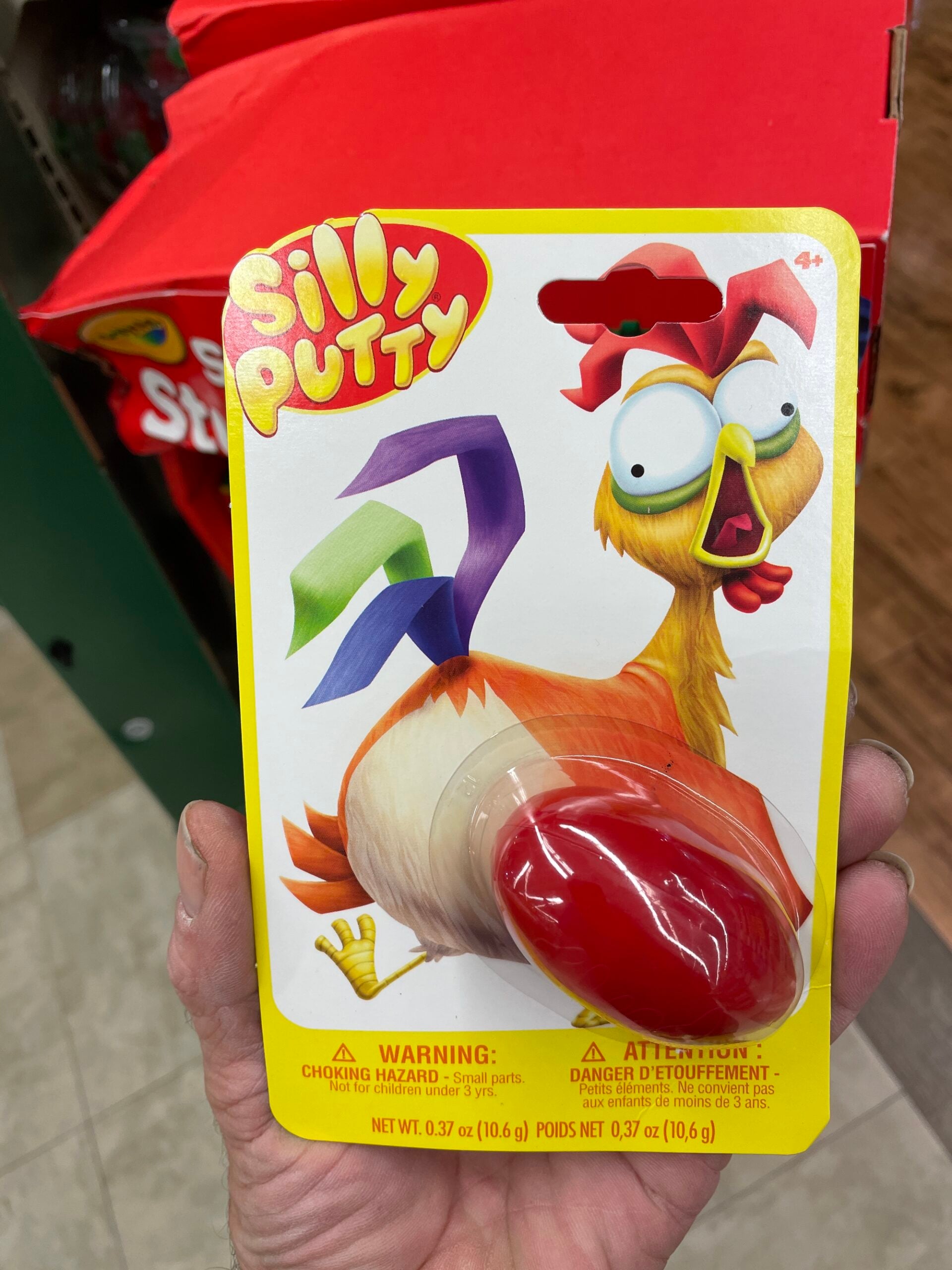
During World War II, engineer James Wright was attempting to create a synthetic rubber substitute when he accidentally dropped boric acid into silicone oil. The resulting gooey substance bounced when dropped and could stretch further than rubber.
While it failed as a rubber replacement, this strange material found new life as a beloved toy. Millions of eggs filled with Silly Putty have sold since its commercial introduction in 1950.
Post-it Notes
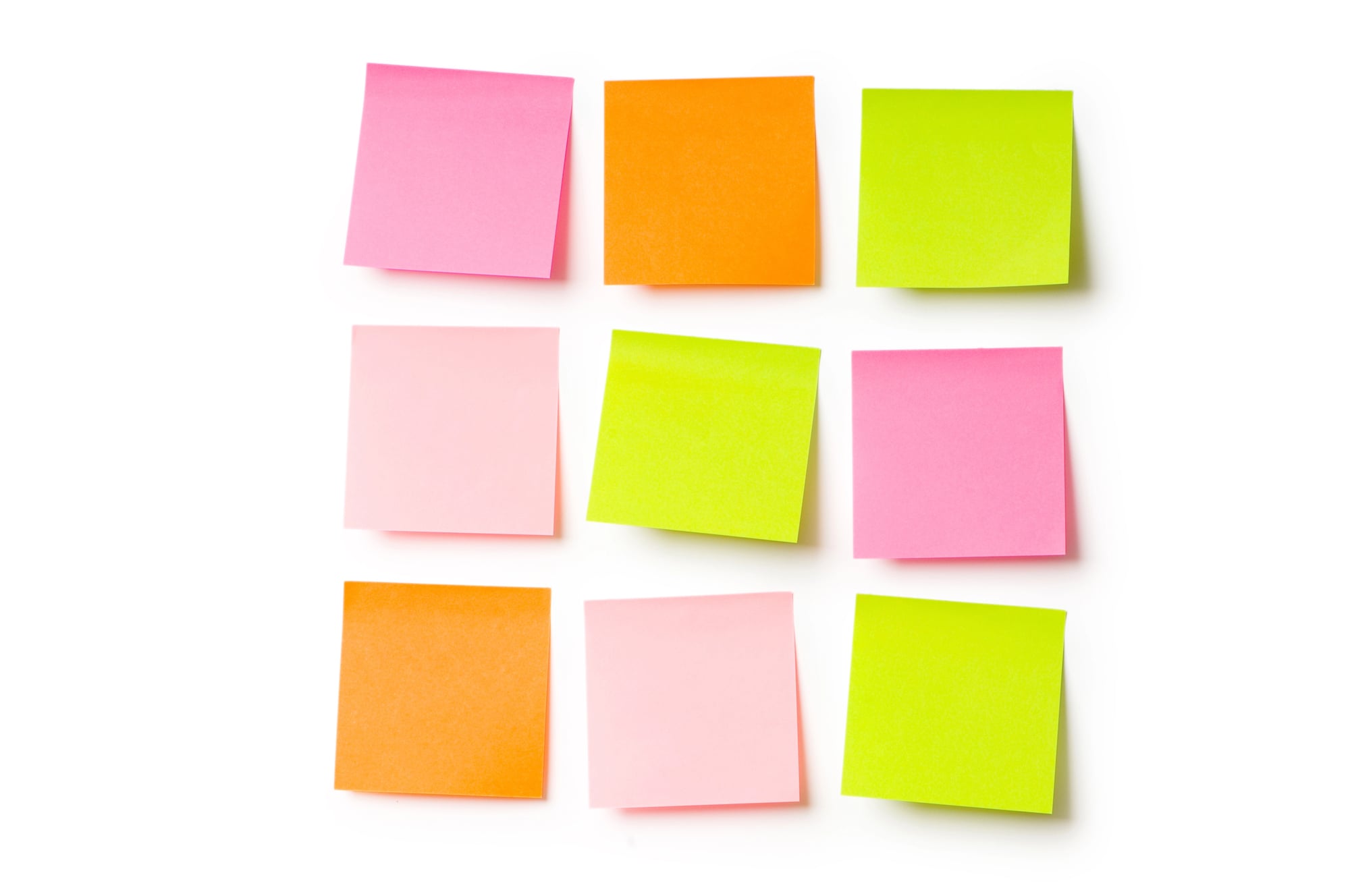
In 1968, scientist Spencer Silver was trying to develop a super-strong adhesive for 3M when he accidentally created the opposite—a weak, pressure-sensitive adhesive that could be repositioned multiple times.
For years, Silver couldn’t find a practical application for his “failure.” The breakthrough came when his colleague Art Fry needed removable bookmarks for his hymnal. The resulting Post-it Notes revolutionized office communication and organization methods worldwide.
Artificial Sweetener
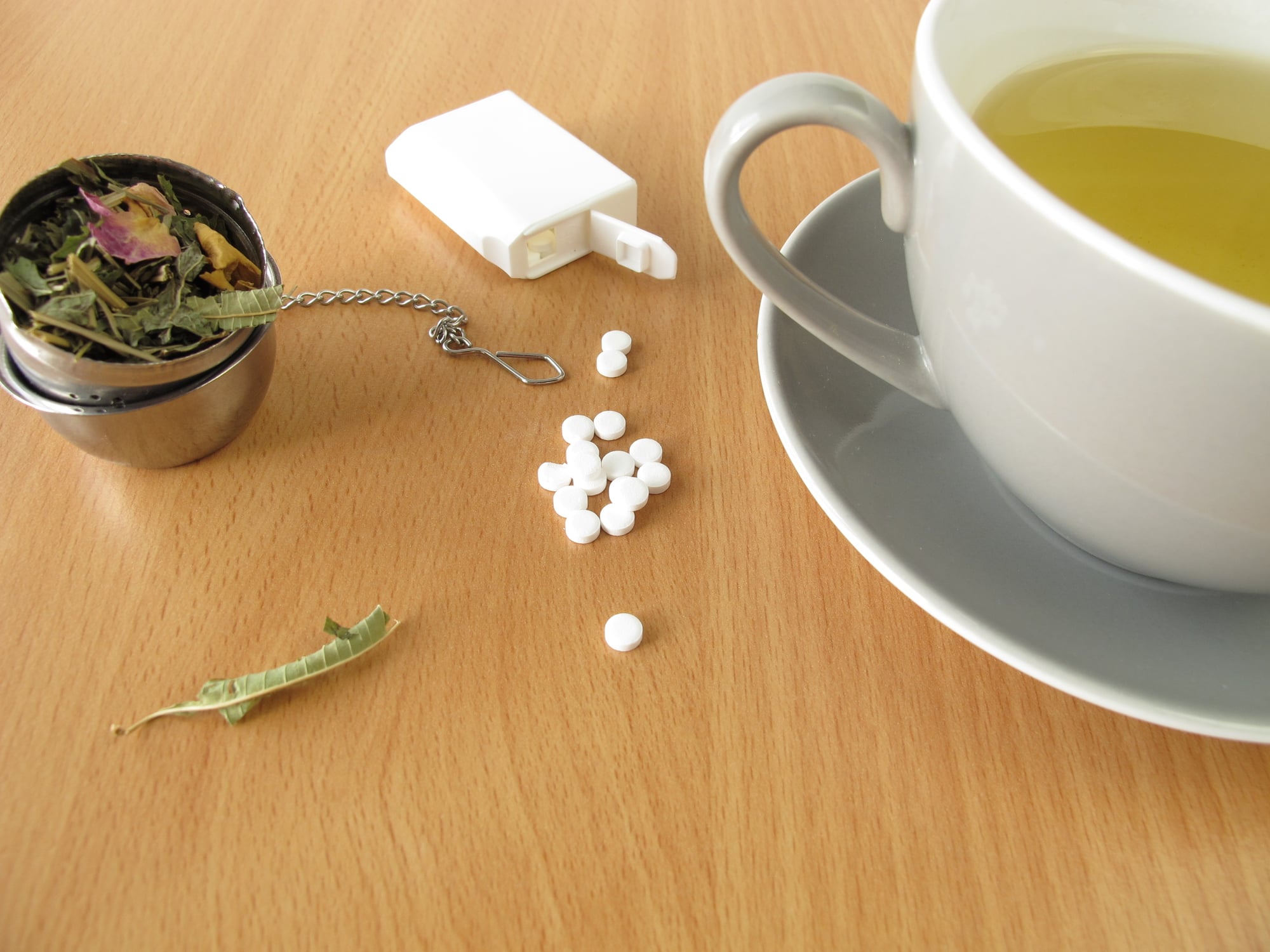
In 1879, after a long day in the laboratory, Constantine Fahlberg discovered saccharin, the first artificial sweetener. He noticed his fingers tasted exceptionally sweet after forgetting to wash his hands before supper.
Retracing this sweetness to his lab accident, Fahlberg had unintentionally produced a calorie-free, 300-times-sweeter substance than sugar. This accidental finding opened the door for the whole artificial sweetener market.
Corn Flakes
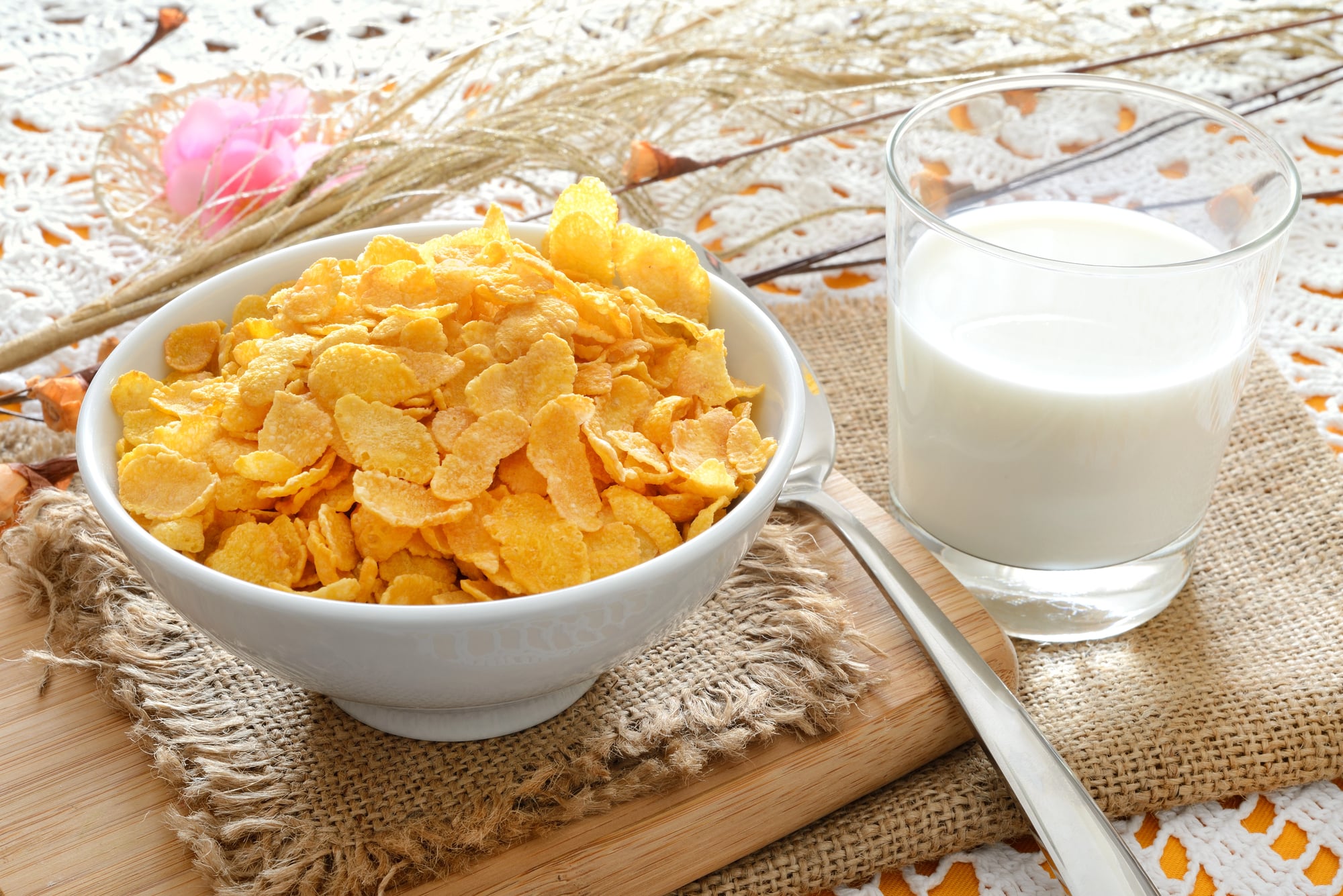
In 1894, Dr. John Harvey Kellogg and his brother Will Keith Kellogg accidentally left some cooked wheat sitting out while attending to hospital business. When they returned, the wheat had gone stale, but rather than throw it away, they processed it anyway.
The resulting flakes, when toasted, became a tasty breakfast option for patients. Later experiments with corn created the iconic Corn Flakes we still enjoy today.
Microwave Oven
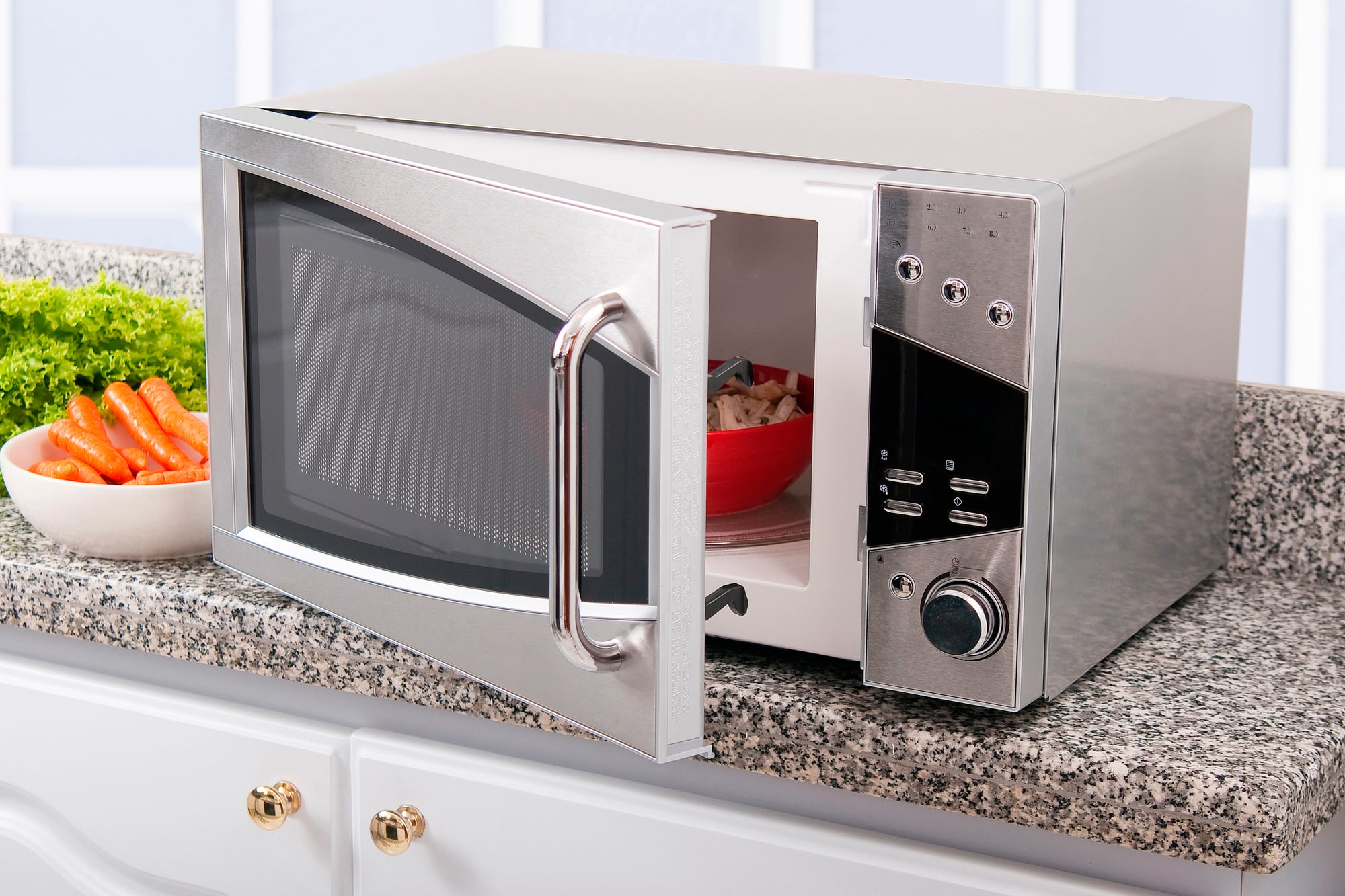
Percy Spencer wasn’t trying to revolutionize cooking when he stood near an active radar set in 1945. He simply noticed that the chocolate bar in his pocket had melted despite the room temperature being normal.
His curiosity about this accidental heat led to experiments with other foods, proving that microwave radiation could cook meals quickly. This spilled chocolate resulted in technology that now sits in kitchens worldwide.
Vulcanized Rubber
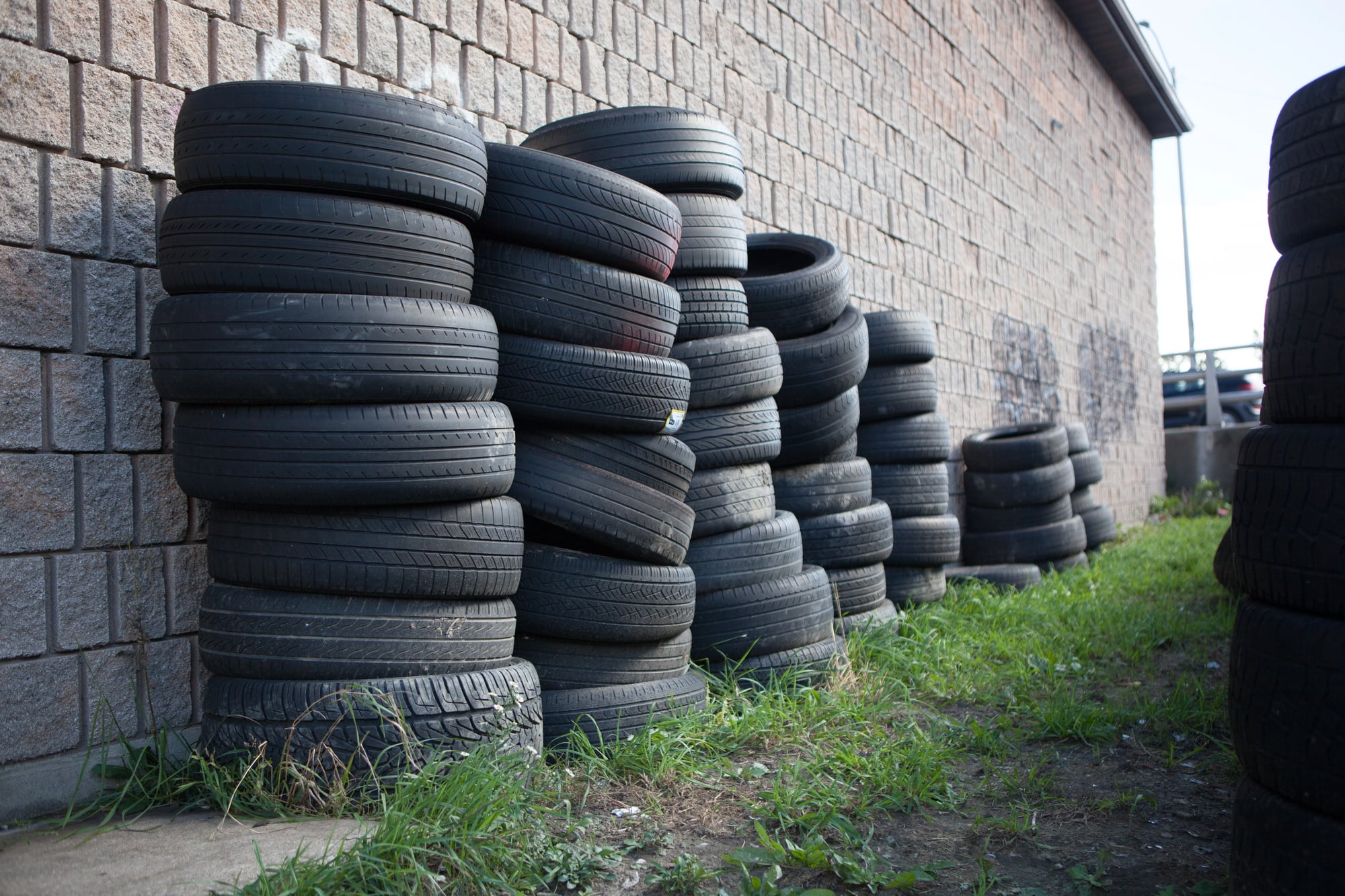
Charles Goodyear had been attempting to create weather-resistant rubber for years when a fateful accident changed everything. In 1839, he accidentally dropped a mixture of rubber and sulfur onto a hot stove.
Instead of melting, the rubber charred like leather and maintained its elasticity. This process, later termed vulcanization, transformed rubber into a commercially viable material used in everything from tires to medical devices.
Matches
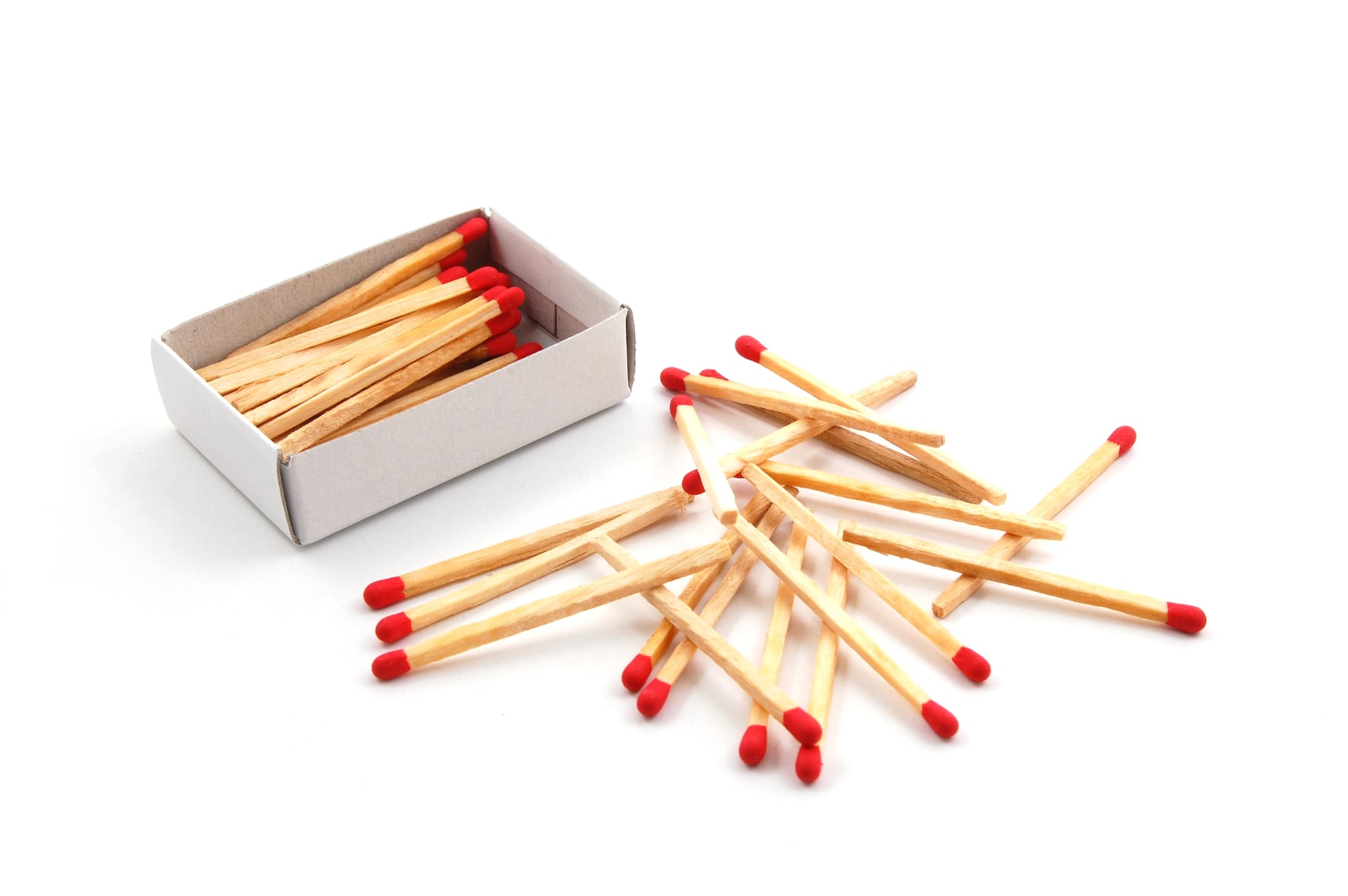
British pharmacist John Walker discovered the friction match in 1826 when he accidentally scraped a stick coated with chemicals across his hearth. The stick ignited instantly, creating the first easily controlled fire starter.
Walker had been mixing potassium chlorate and antimony sulfide for a gun coating when this fortunate accident occurred. His invention eliminated the need for complicated tinderboxes and unreliable fire-starting methods.
Safety Glass
Édouard Bénédictus, a French scientist, knocked a glass flask from a shelf in 1903, but rather than shattering completely, it cracked while maintaining its shape.
Investigating this strange occurrence, he discovered the flask had contained cellulose nitrate that had evaporated and coated the glass interior. This accidental discovery led to the development of laminated safety glass, now standard in automobile windshields and architectural applications.
Teflon
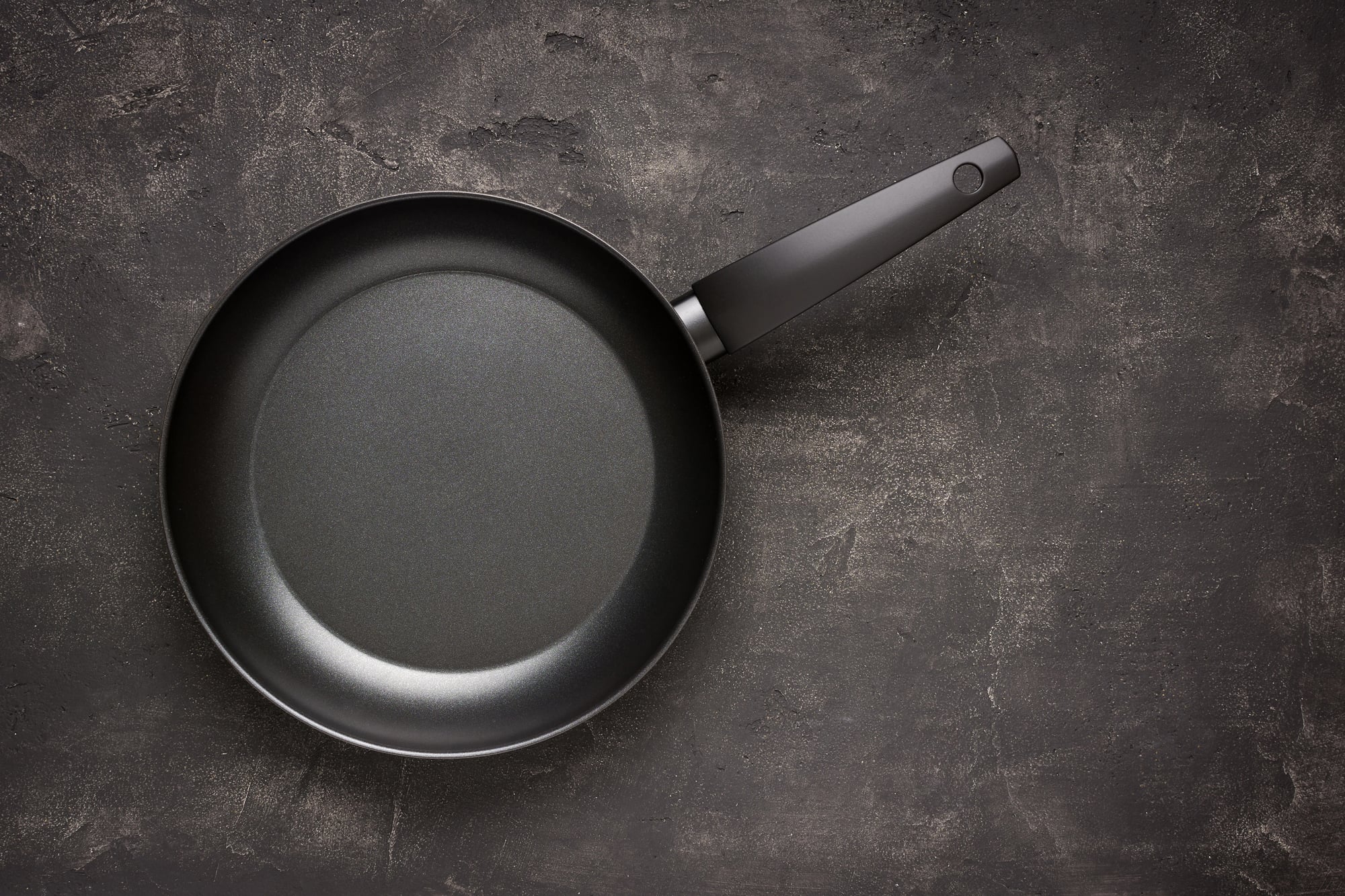
Roy Plunkett was researching refrigerants in 1938 when he checked a storage cylinder that should have contained gas but appeared empty despite its weight.
Cutting it open, he discovered a slippery white powder had formed—polytetrafluoroethylene (PTFE), later branded as Teflon. This accidental polymer creation eventually revolutionized cookware with non-stick surfaces and found applications in everything from space suits to medical devices.
Popsicles

Eleven-year-old Frank Epperson accidentally left a mixture of powdered soda and water with a stirring stick on his porch overnight in 1905. The unusually cold night froze the mixture, creating the first ice pop.
Eighteen years later, Epperson remembered his childhood accident and began selling “Epsicles,” later renamed “Popsicles,” which became an iconic summer treat enjoyed by generations of children.
Potato Chips
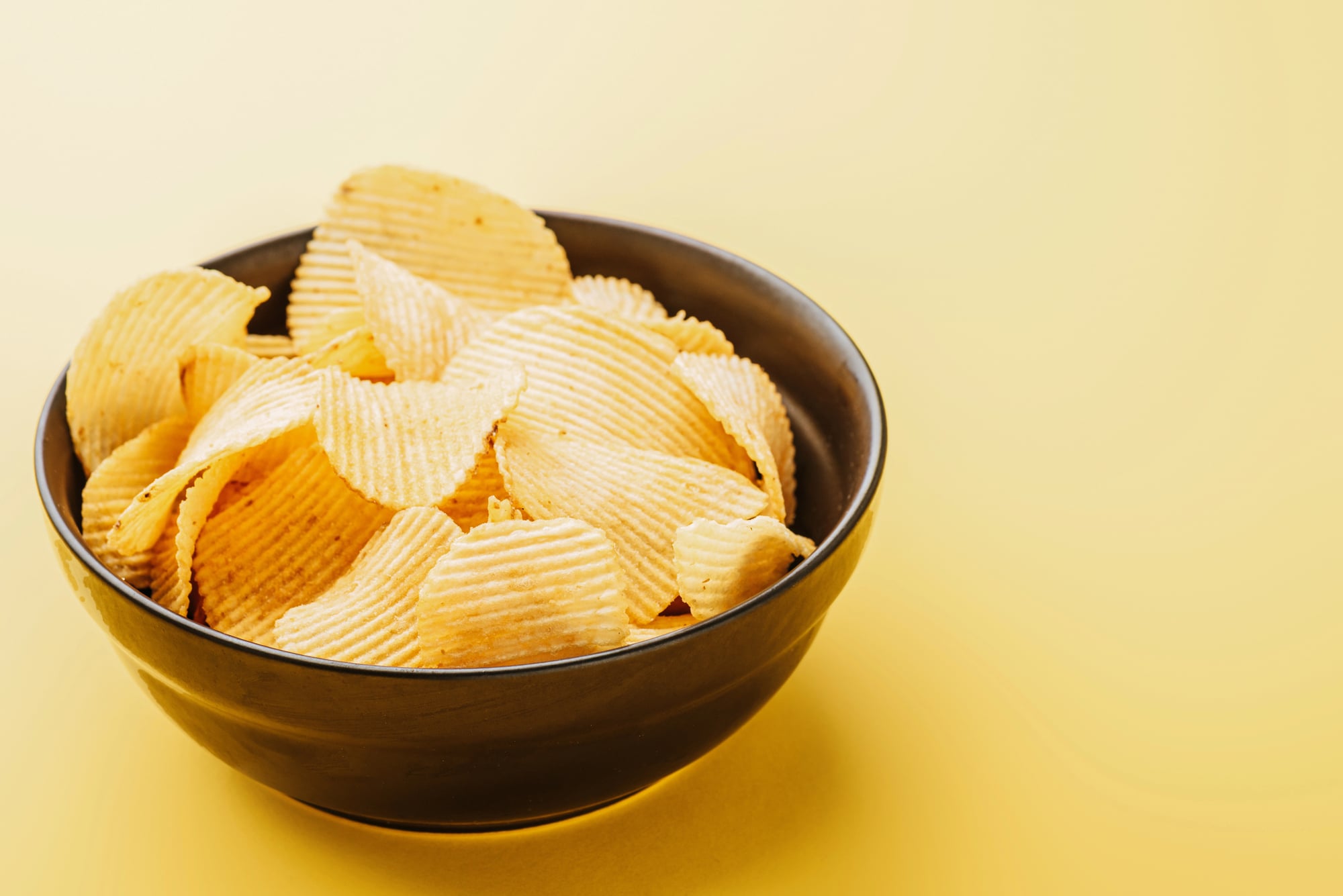
In 1853, chef George Crum responded to a customer complaint about thick, soggy french fries at Moon’s Lake House in Saratoga Springs, New York.
Irritated by the criticism, Crum sliced potatoes paper-thin, fried them to a crisp, and oversalted them to teach the customer a lesson. Instead of being offended, the customer loved them, and “Saratoga Chips”—now known as potato chips—became a popular snack food worldwide.
X-Rays
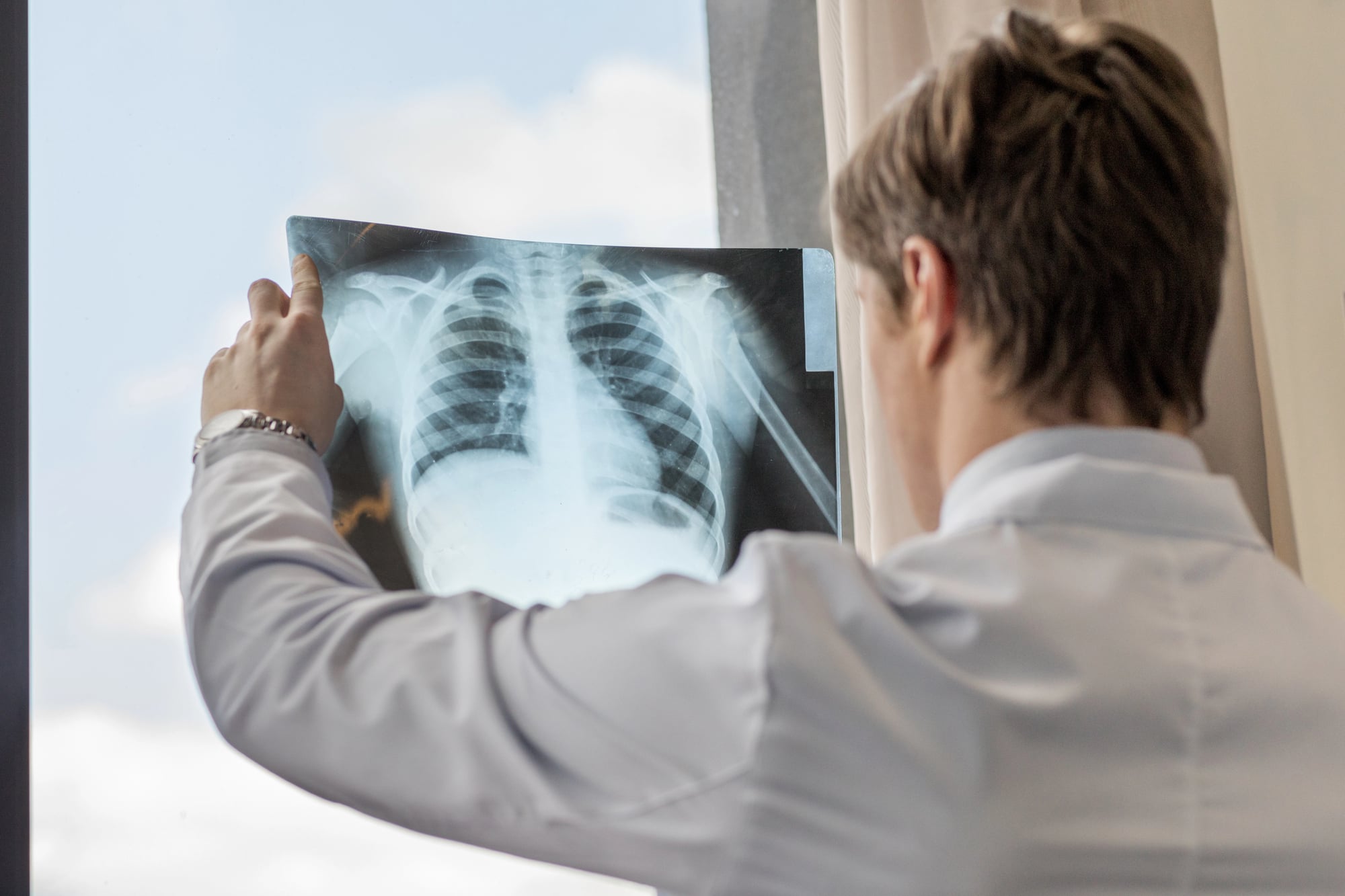
Wilhelm Röntgen was experimenting with cathode rays in 1895 when he noticed a fluorescent screen across the room glowing despite his apparatus being covered.
Further investigation revealed that unknown rays were passing through materials thought impenetrable by light. Röntgen called them “X-rays” for their mysterious nature. His accidental discovery transformed medical diagnosis and later influenced fields from security to astronomy.
Play-Doh
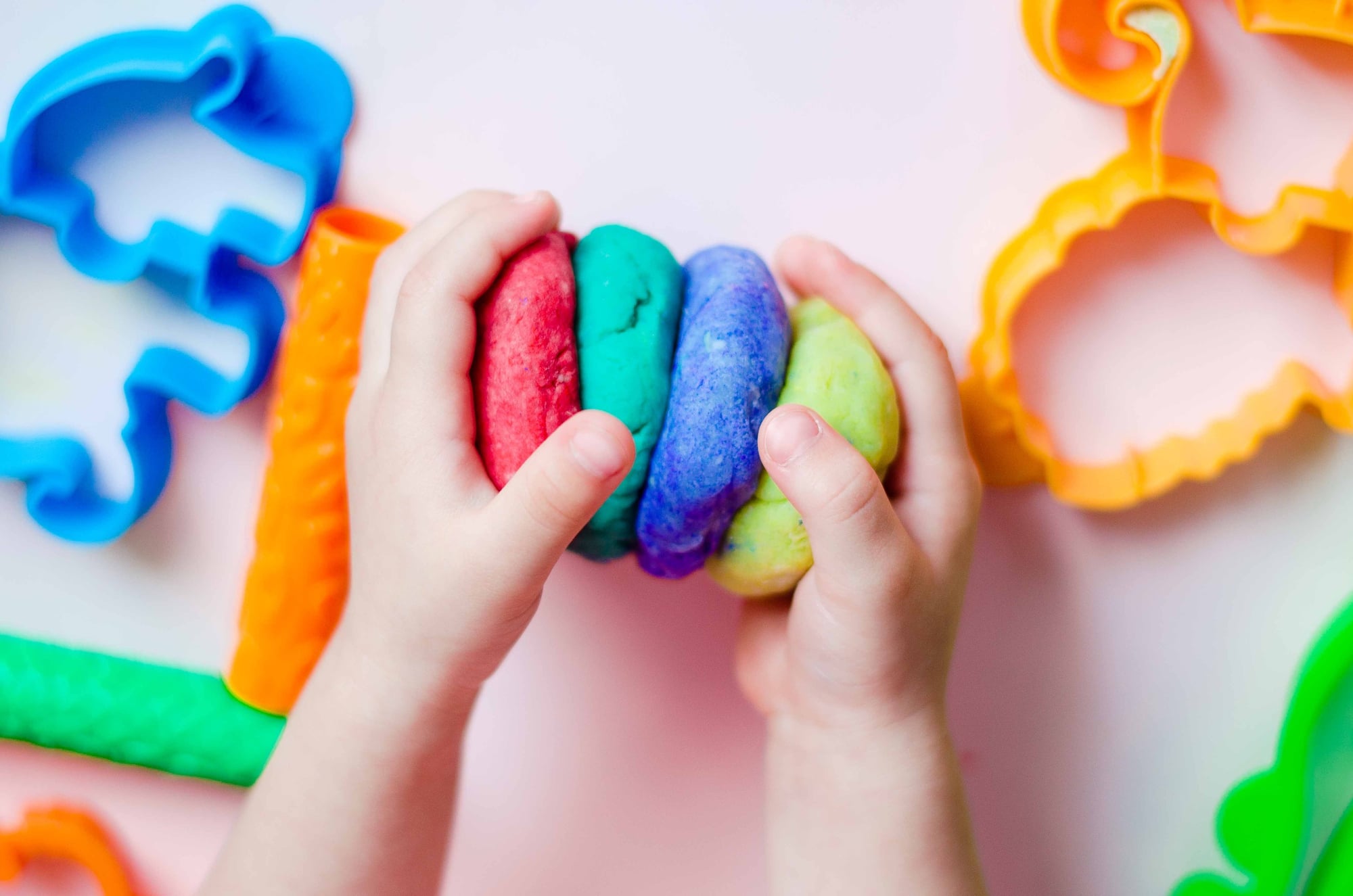
Initially created as a wallpaper cleaner in the 1930s by Noah McVicker, this putty-like substance faced obsolescence when vinyl wallpapers that could be cleaned with water emerged.
The product might have disappeared if not for McVicker’s nephew, who learned that schoolteachers were using the non-toxic cleaner as modeling clay. This accidental repurposing saved the company, and after reformulation and rebranding, Play-Doh became a childhood staple worldwide.
Ice Cream Cones
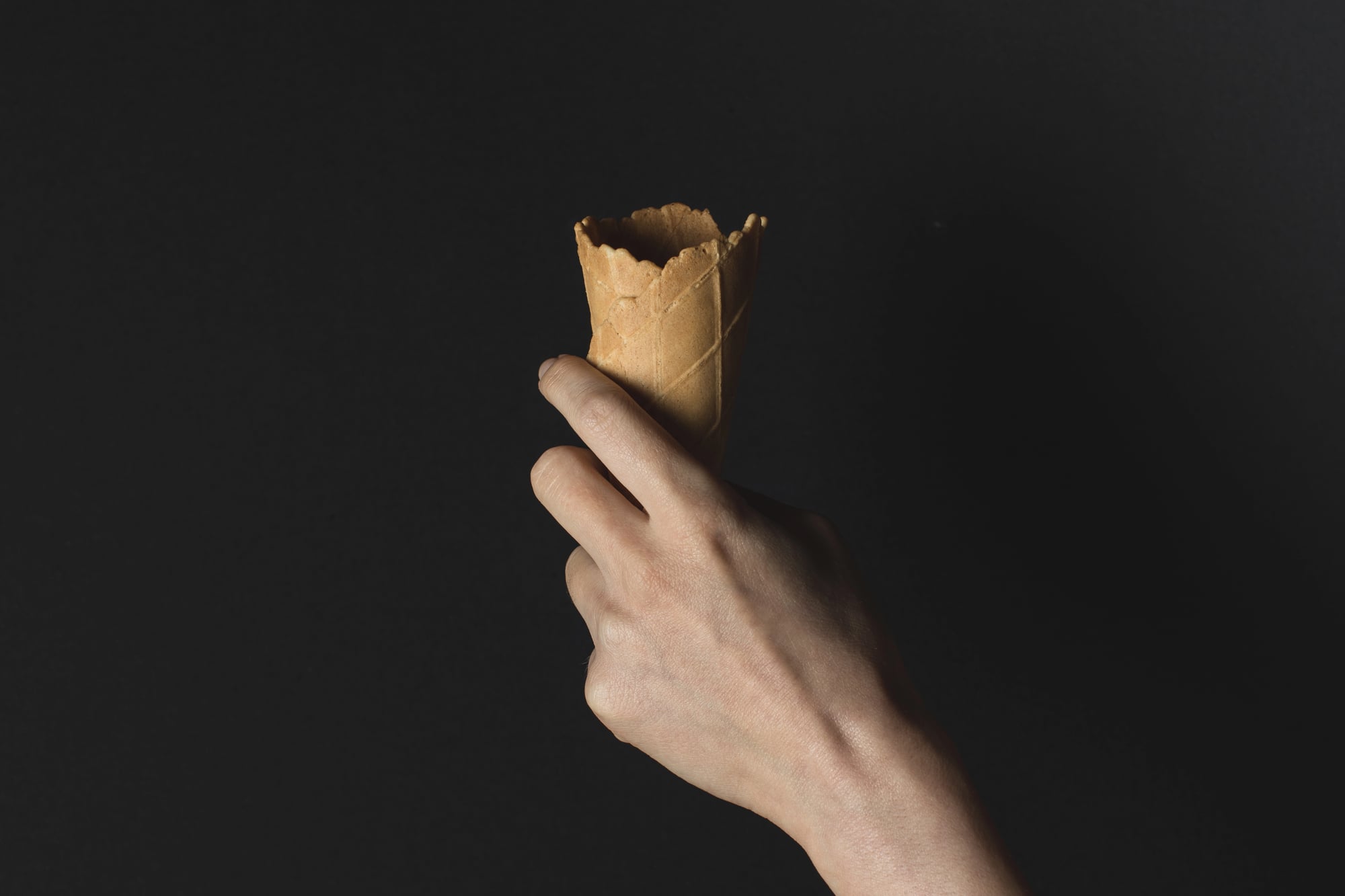
During the 1904 St. Louis World’s Fair, an ice cream vendor ran out of dishes. Nearby, Ernest A. Hamwi was selling a waffle-like pastry called zalabia.
When he saw the vendor’s predicament, Hamwi rolled one of his pastries into a cone shape and offered it as an ice cream container. This improvised solution to a messy situation became so popular that ice cream cones are now the standard vessel for the frozen treat around the globe.
Purple Dye

In 1856, 18-year-old William Henry Perkin was attempting to synthesize quinine for treating malaria when he accidentally created a purple substance while cleaning his glassware with alcohol.
This unexpected chemical reaction produced the first synthetic dye, mauveine. Perkin’s spill launched the synthetic dye industry, making colorful clothing accessible to average people and laying groundwork for developments in organic chemistry.
Life’s Unexpected Turns
These accidental discoveries remind us that innovation doesn’t always follow a straight path. The messy, unpredictable nature of experimentation sometimes yields results far more valuable than the original goal.
From life-saving medications to everyday conveniences, these accidents have shaped our modern world in profound ways.
Next time you drop something, spill a mixture, or make a mistake in your work, remember these stories. History suggests that paying attention to accidents, rather than merely cleaning them up, might occasionally reveal something extraordinary.
More from Go2Tutors!

- The Romanov Crown Jewels and Their Tragic Fate
- 13 Historical Mysteries That Science Still Can’t Solve
- Famous Hoaxes That Fooled the World for Years
- 15 Child Stars with Tragic Adult Lives
- 16 Famous Jewelry Pieces in History
Like Go2Tutors’s content? Follow us on MSN.



