Photos of 15 Most Stylish Olympic Uniforms Ever Worn
The Olympics have always been about more than medals and records. Every four years, the world’s greatest athletes march into stadiums wearing outfits that make statements about their countries, their cultures, and their moments in history.
Some uniforms fade into obscurity. Others become iconic pieces of design that people still talk about decades later.
Fashion and sport collide in ways that can feel magical or completely ridiculous, and sometimes both at the same time.
Team USA 2008 Opening Ceremony
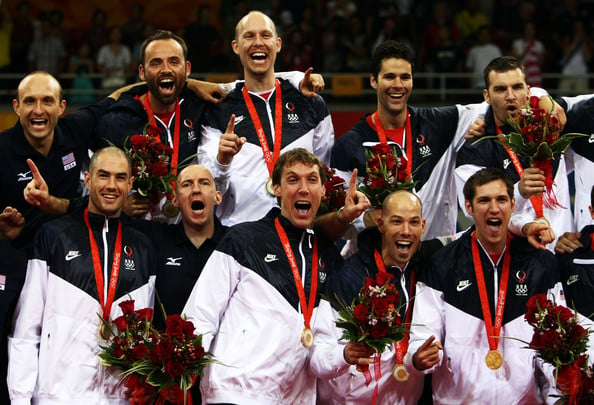
Ralph Lauren has designed Team USA’s opening ceremony uniforms since the 2008 Beijing Games.
Navy blazers. White pants. Simple and clean.
The uniforms worked because they looked like something the athletes actually wanted to wear, not costumes they’d been forced into for a few hours.
Great Britain 2012 Opening Ceremony
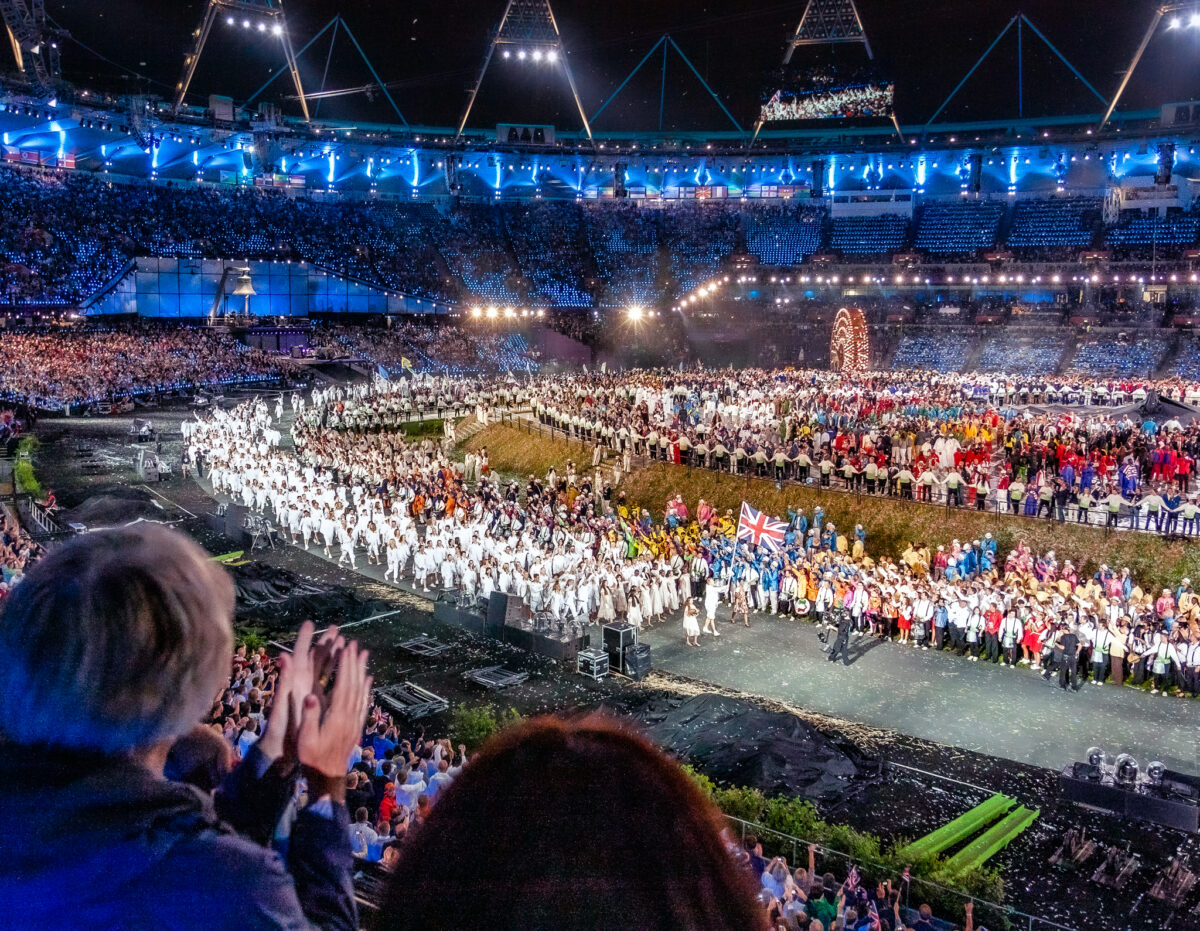
Stella McCartney created uniforms that captured something specific about British style without resorting to Union Jack clichés. The white jackets had gold trim that caught the light perfectly during the London ceremony, and the tailoring was sharp enough that the athletes looked like they belonged at both a state dinner and a track meet.
Jamaica Track and Field 1988
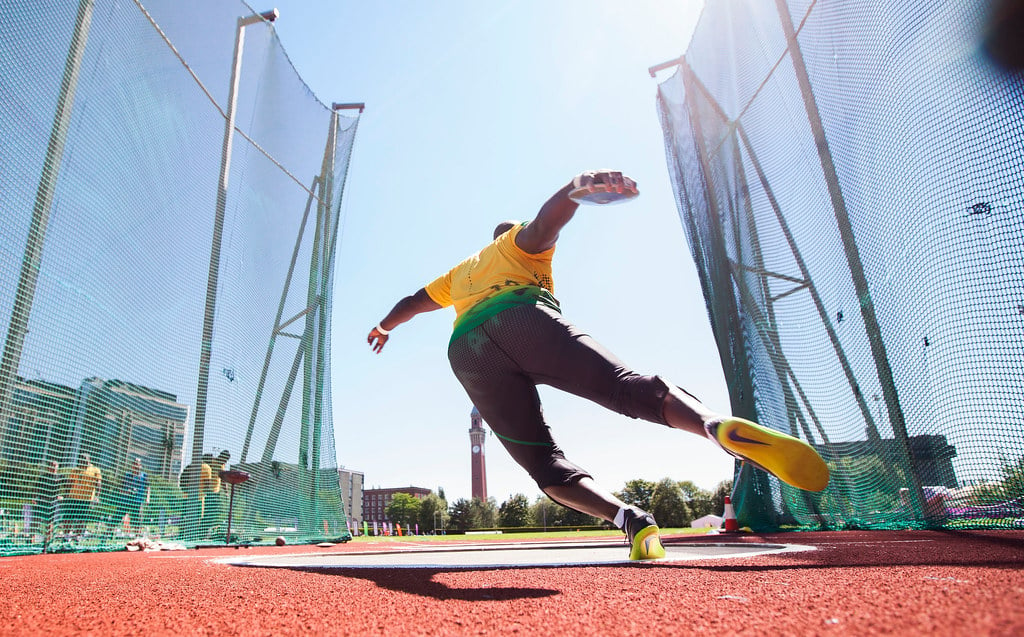
The yellow and green combination shouldn’t work as well as it does, but there’s something about the way these colors move together (especially when the person wearing them happens to be running faster than anyone else on the planet) that makes perfect sense. And when you consider that this was during the era when Olympic uniforms were often designed by committee and looked like it, Jamaica’s bold color choices were the equivalent of someone showing up to a beige party wearing neon — which is to say, they were exactly right.
The uniforms didn’t just represent Jamaica; they announced it, demanded attention, made you remember which tiny island nation was suddenly dominating events that had been controlled by much larger countries for decades.
Norway Curling 2010
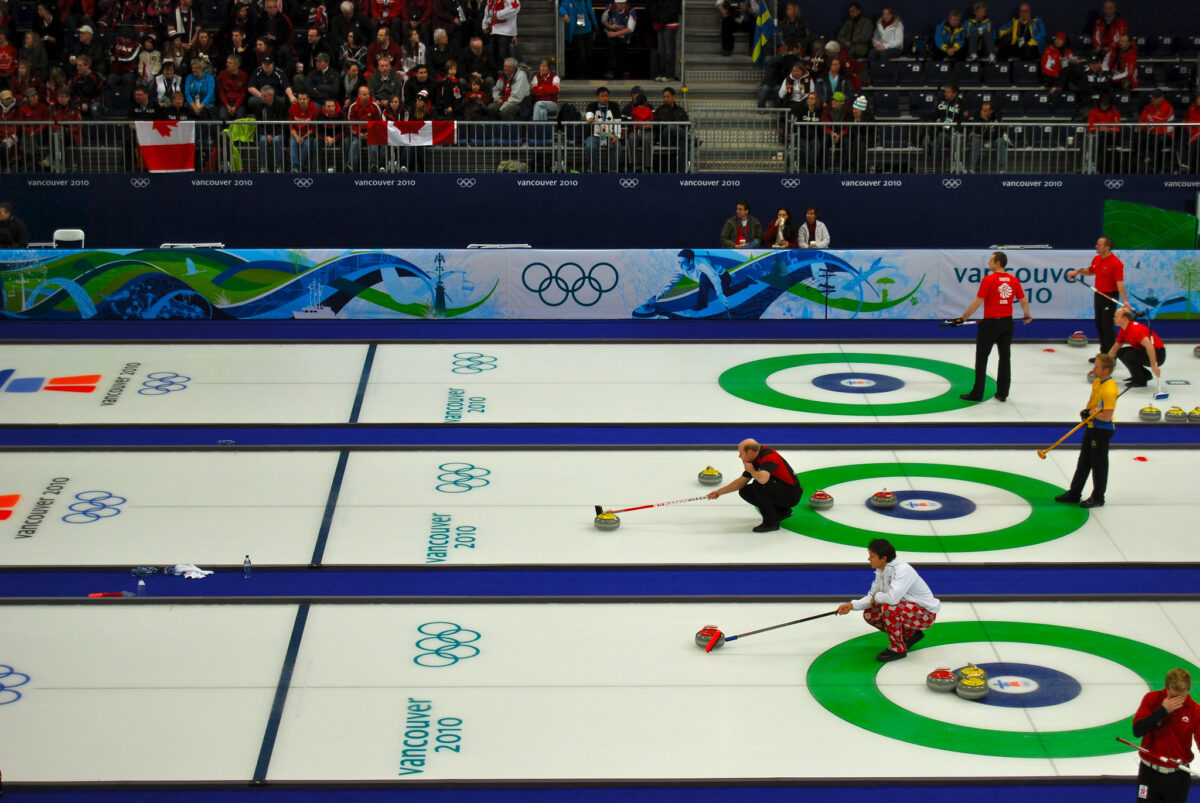
Geometric patterns, bold colors, and the kind of confidence that comes from knowing your sport doesn’t take itself too seriously. These uniforms worked because they understood something fundamental: curling is a sport where showmanship matters as much as skill, and dressing like you’re headed to a particularly festive holiday party is not a bug, it’s a feature.
Italy Opening Ceremony 2012
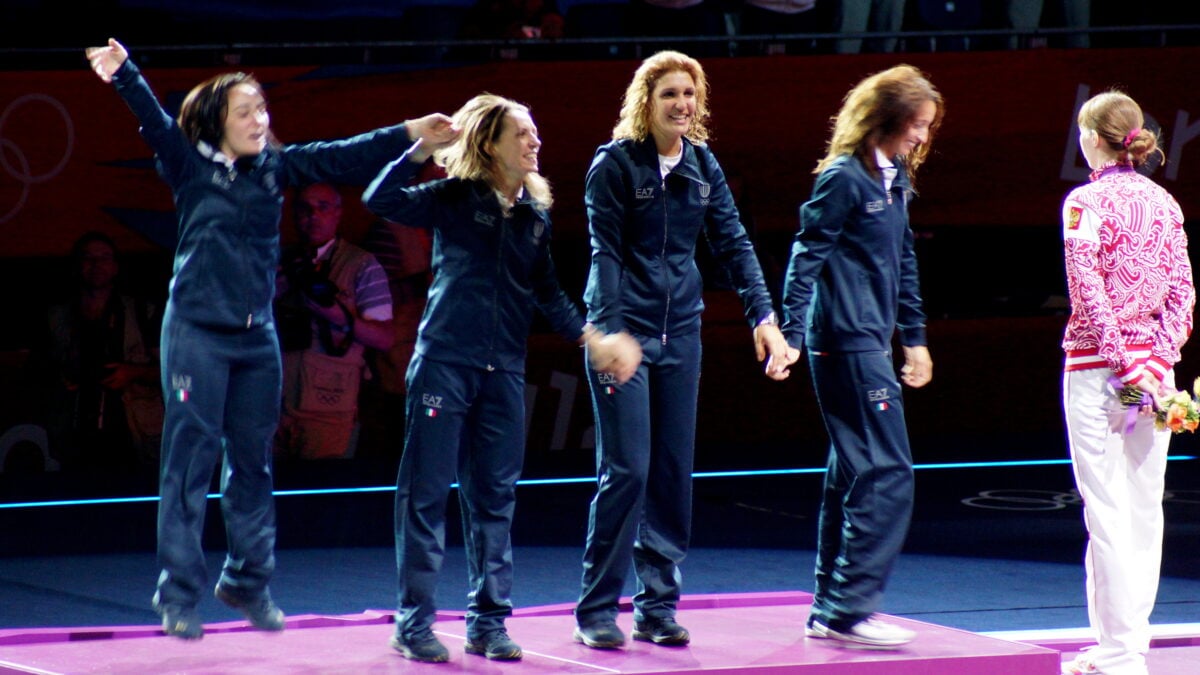
Armani understood the assignment. These uniforms captured the essence of Italian style — sophisticated but not stuffy, elegant but not precious.
The deep blue looked rich under the Olympic lights, and the cut was modern enough to feel contemporary while still respecting traditional tailoring principles. The athletes looked like they could walk directly from the ceremony to a Milan fashion show without missing a beat.
Australia Swimming 2000
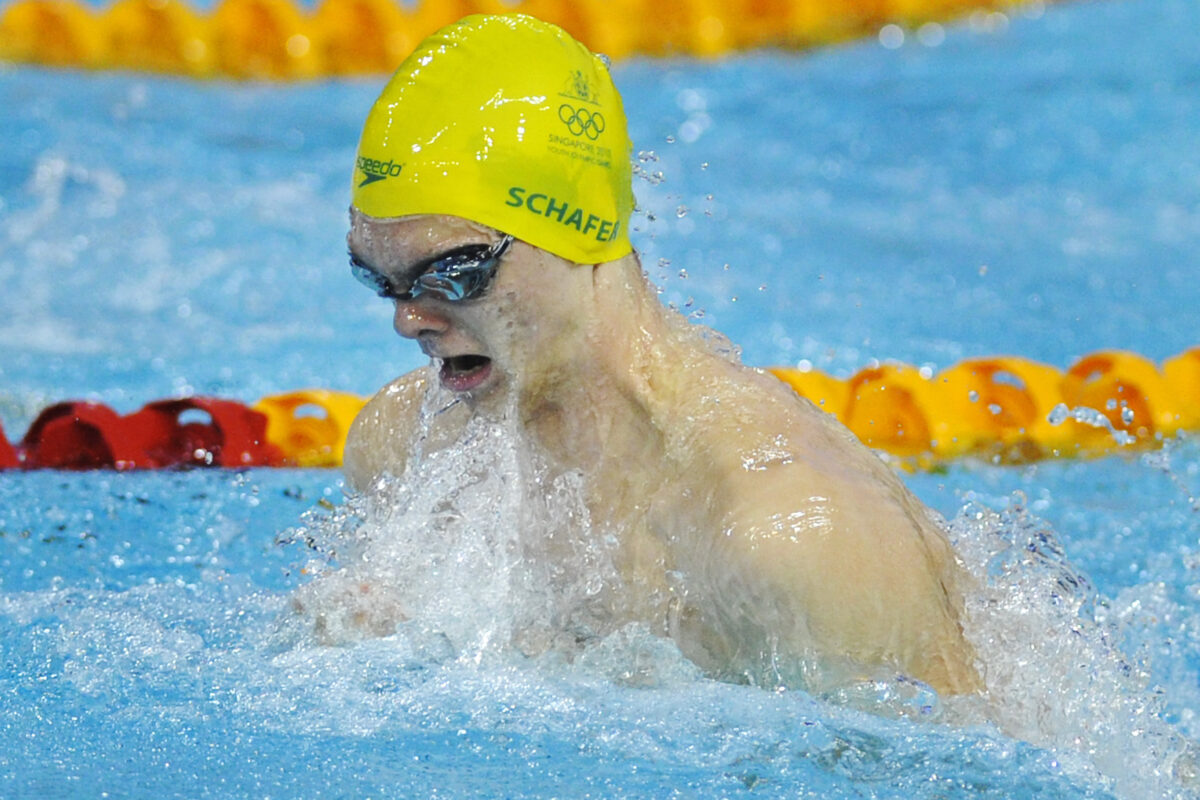
The golden yellow and green created a visual that was impossible to ignore, especially when Australian swimmers kept appearing on podiums wearing these colors. Sometimes the best Olympic uniform is the one that becomes associated with winning, and these suits managed to be both technically advanced and aesthetically bold without sacrificing either element.
Kenya Track and Field 1988
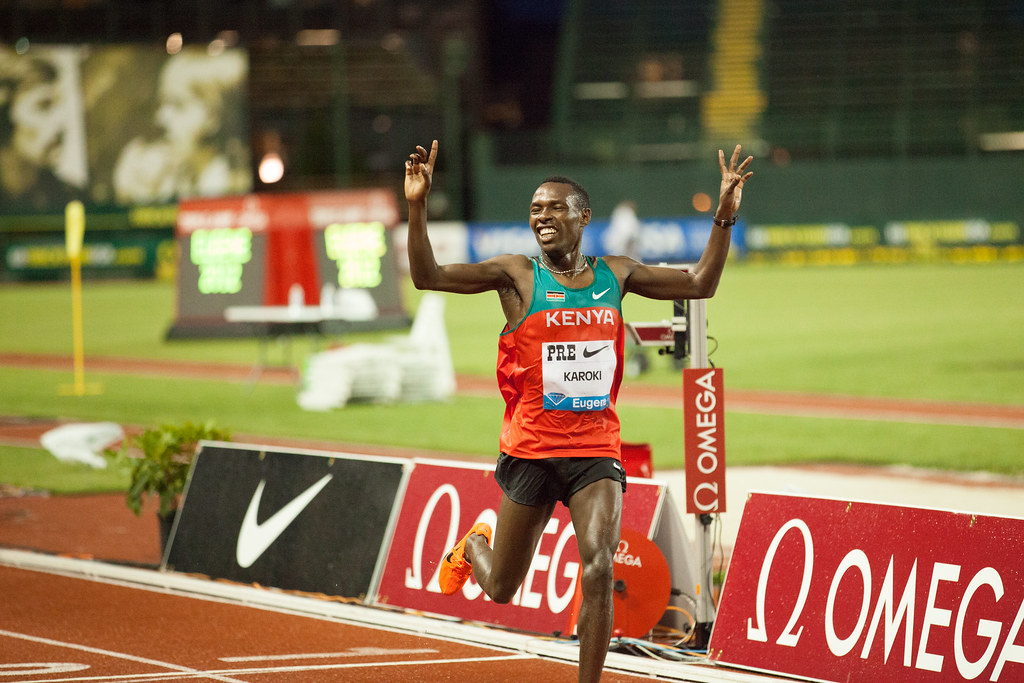
There’s poetry in the way these red, black, and green uniforms moved across tracks around the world, worn by runners who seemed to glide rather than pound the ground beneath them. The colors carried weight — they weren’t just representing Kenya, they were representing a running tradition that stretched back generations, a connection to the land that produced athletes who made distance running look like an art form rather than a test of endurance.
The uniforms became part of the story these athletes were writing with their feet.
France Opening Ceremony 1992

French Olympic fashion has always carried an expectation of sophistication, and these uniforms delivered without trying too hard. The blue was deep and rich, the white was crisp, and the red accents were placed with the kind of restraint that suggested confidence rather than uncertainty.
These weren’t uniforms designed to make headlines — they were designed to look effortless while being anything but.
Netherlands Speed Skating 2014
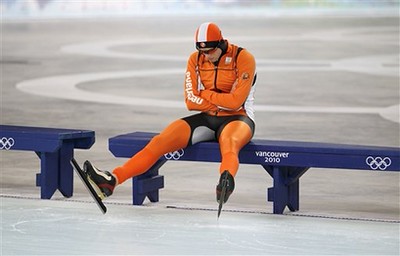
Orange uniforms in winter sports are a bold choice, but the Dutch have never been subtle about their national color. These suits were designed for speed, but they also created a visual impact that was impossible to miss on the ice.
When you’re representing a country that takes speed skating as seriously as other nations take soccer, your uniform needs to match that intensity.
Canada Opening Ceremony 2010
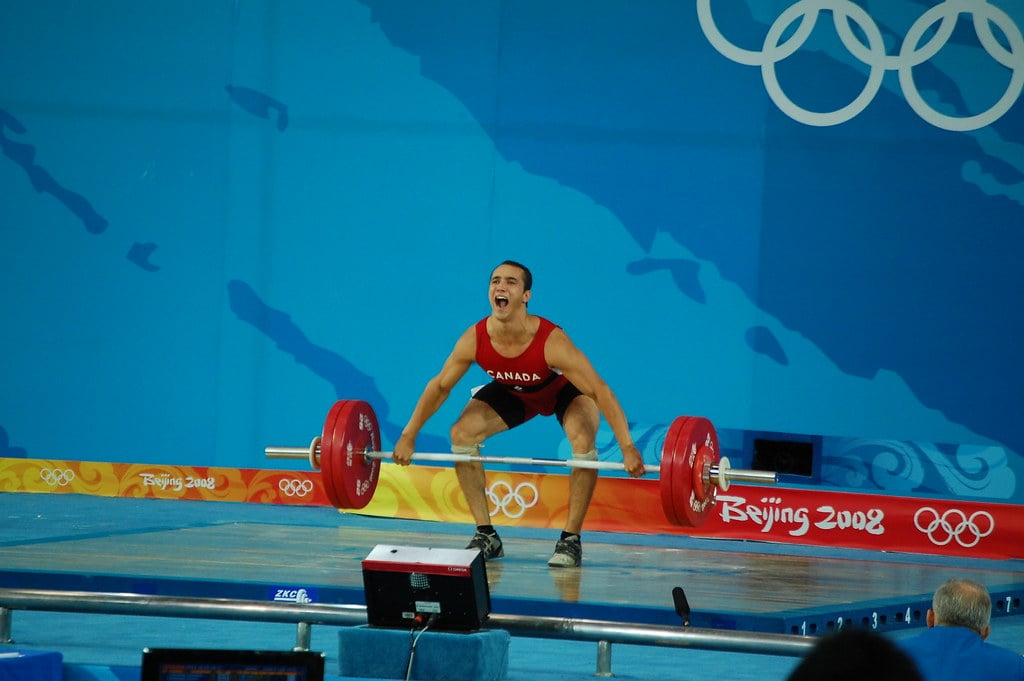
The red mittens became a cultural phenomenon, but the entire uniform package deserved attention. The Hudson’s Bay Company stripes were a callback to Canadian history that felt authentic rather than forced, and the overall look managed to be both patriotic and stylish without crossing into costume territory.
Sweden Equestrian 1956
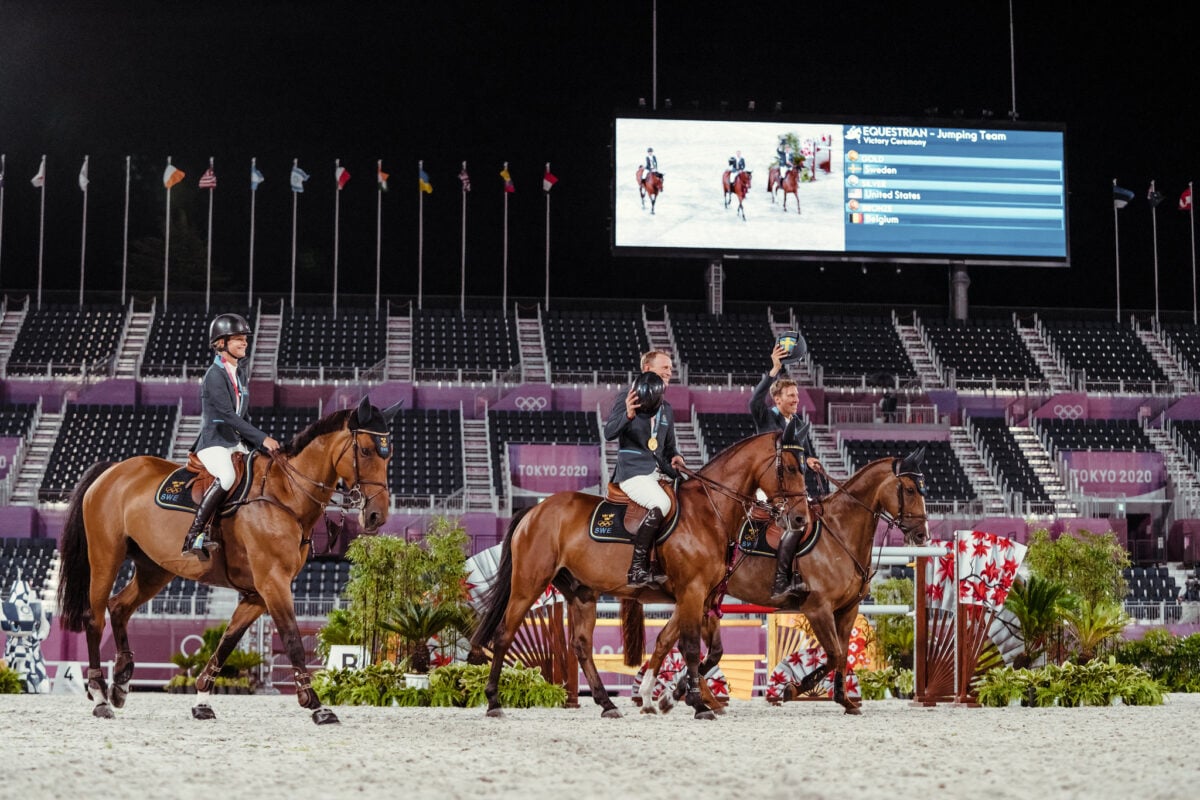
These uniforms captured something essential about Scandinavian design decades before that became a global aesthetic. Clean lines, minimal ornamentation, and colors that complemented rather than competed with the sport itself.
The riders looked elegant without being fussy, which is exactly what equestrian fashion should accomplish.
Czech Republic Ice Hockey 1998
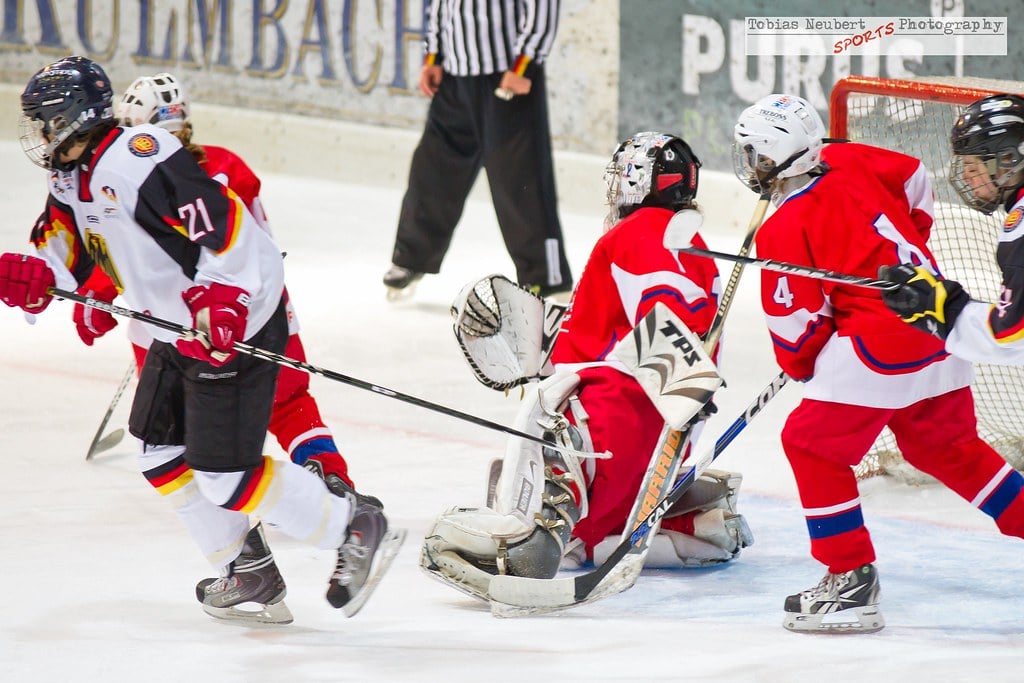
The deep red jerseys with gold accents created a look that was both traditional and modern, honoring Czech hockey heritage while feeling contemporary enough for the late 1990s. Hockey uniforms need to work on television, on ice, and in photographs, and these accomplished all three without compromising any element.
Spain Basketball 1992
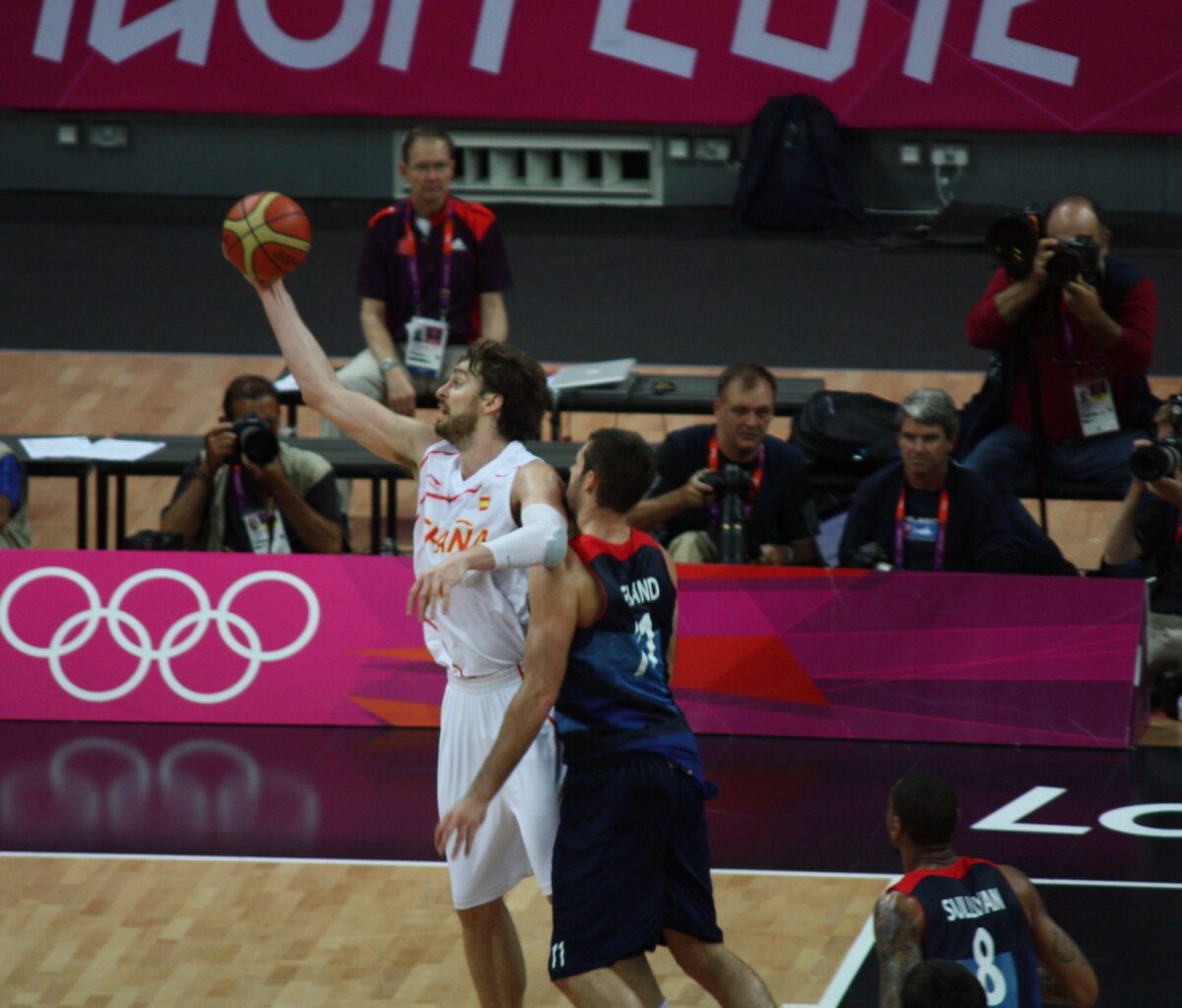
The uniforms were sharp and modern, with color combinations that looked good under arena lights and translated well to television broadcasts. Basketball uniforms from this era often looked dated within a few years, but Spain’s design choices held up because they focused on clean lines and classic proportions rather than trendy details.
Denmark Sailing 2008
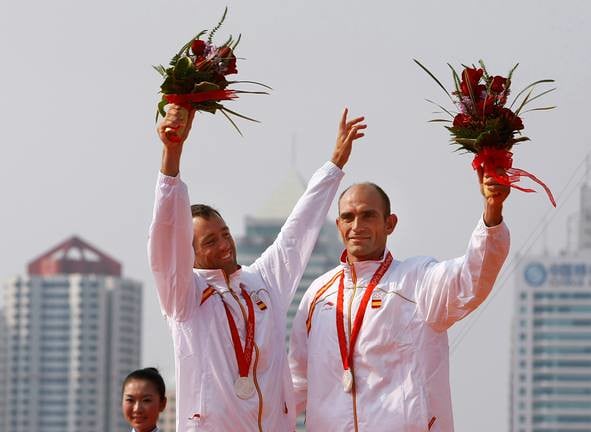
Sailing uniforms need to be functional first, but Denmark managed to create gear that looked technical and sophisticated at the same time. The red and white color scheme was classic without being boring, and the cut suggested performance without sacrificing style.
These uniforms understood that sailing is as much about precision as power.
East Germany Swimming 1976
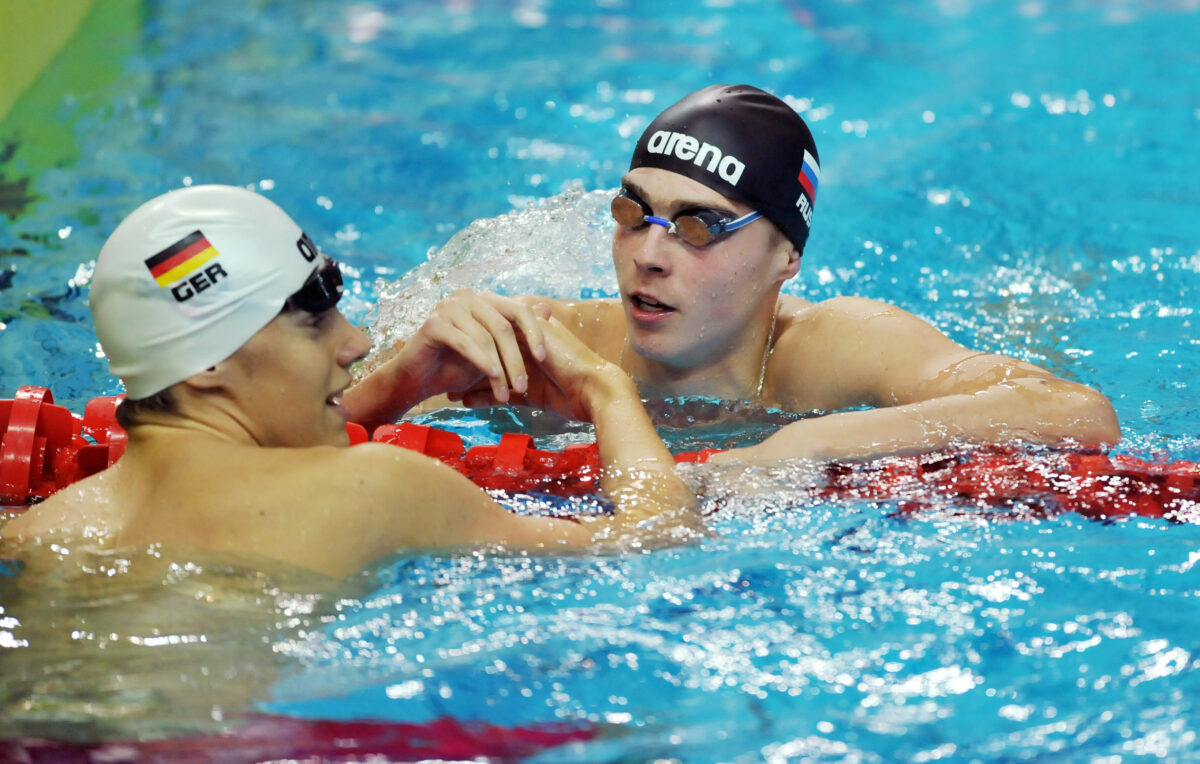
The simple blue suits became iconic not because of their design complexity but because of their association with swimming excellence. Sometimes the most memorable Olympic uniform is the one that gets worn to victory repeatedly, and these suits were present for some of the most dominant swimming performances in Olympic history.
More Than Fabric and Thread

Olympic uniforms become time capsules, preserving moments when sport and style aligned perfectly. The best ones understand that they’re not just clothing — they’re part of the story these athletes are telling, part of the visual language that helps us remember not just who won, but how winning looked and felt in that particular moment.
Years later, a single photograph of the right uniform can transport you back to a stadium, a pool, a track, or a rink where something extraordinary happened while someone happened to be wearing exactly the right thing.
More from Go2Tutors!

- The Romanov Crown Jewels and Their Tragic Fate
- 13 Historical Mysteries That Science Still Can’t Solve
- Famous Hoaxes That Fooled the World for Years
- 15 Child Stars with Tragic Adult Lives
- 16 Famous Jewelry Pieces in History
Like Go2Tutors’s content? Follow us on MSN.