Countries With the Most UNESCO World Heritage Sites
Traveling the world means stumbling upon places that take your breath away, and some countries seem to have more than their fair share of these spots. UNESCO World Heritage Sites represent the best of what humanity and nature have created over thousands of years.
These aren’t just pretty places to snap a photo. They’re locations that tell stories about civilizations, natural wonders, and the incredible things people built long before smartphones and airplanes existed.
Some countries have packed in dozens of these sites, and the numbers might surprise you. Let’s take a walk through the nations that top the list.
Italy

Italy sits at the very top with 59 UNESCO World Heritage Sites scattered across its boot-shaped landscape. From the ancient ruins of Rome to the canals of Venice, this country practically invented the concept of preserving history.
The Colosseum alone draws millions of visitors each year, and that’s just one site among dozens. Italy’s collection includes everything from prehistoric rock drawings to Renaissance masterpieces, proving that this peninsula has been a hub of human creativity for millennia.
China

China comes in second place with 57 sites that span its vast territory. The Great Wall is probably the most famous, snaking across mountains for thousands of miles like a stone dragon.
But China’s list goes way beyond that single structure. Ancient temples, imperial palaces, and natural landscapes like the karst formations in South China show off both human ingenuity and nature’s handiwork.
The country added several new sites in recent years, and it keeps climbing the ranks.
Germany
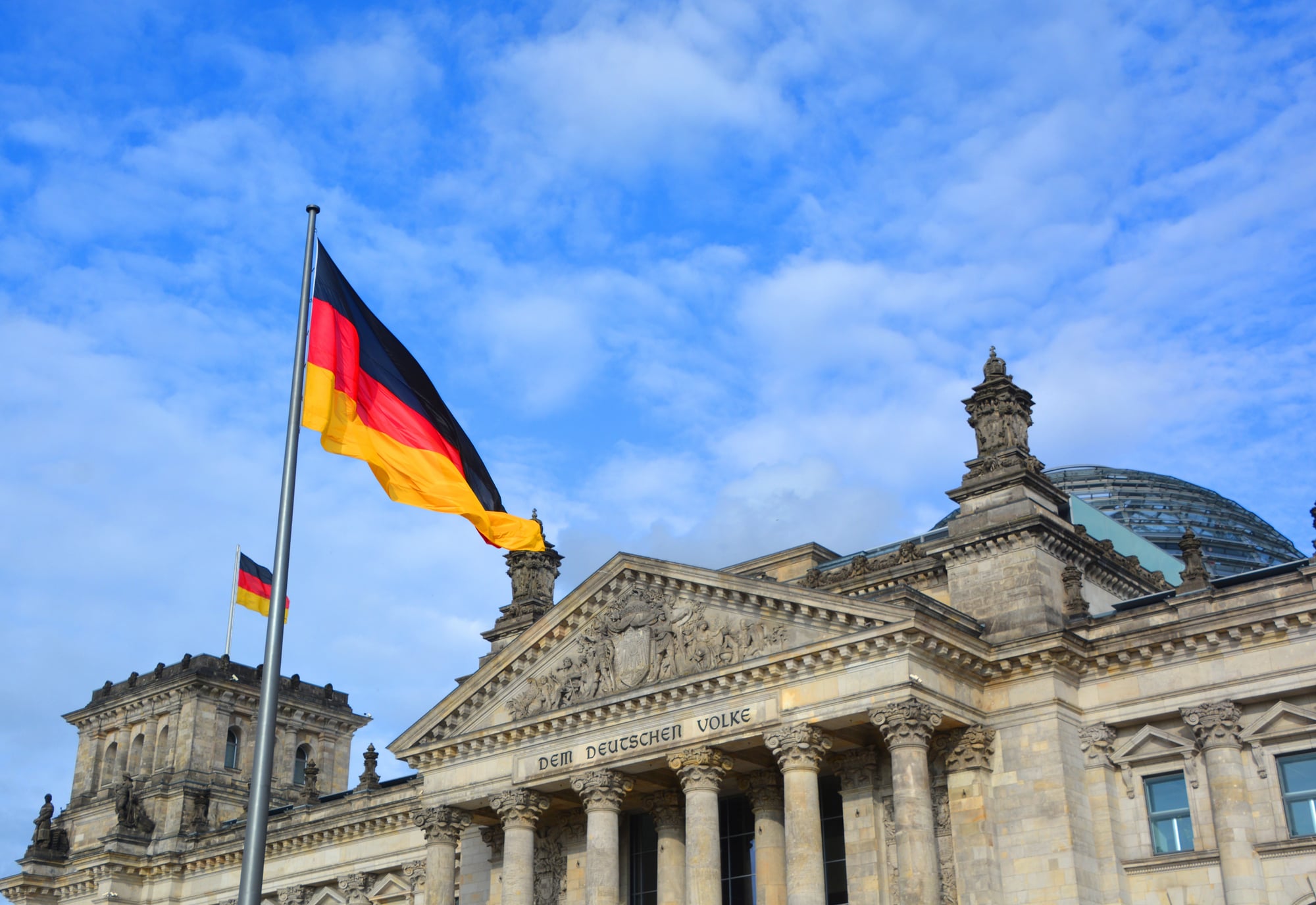
Germany holds 52 UNESCO sites, which is pretty impressive for a country that went through so much destruction during World War II. The country rebuilt many of its treasures and protected others that survived the bombings.
Cologne Cathedral towers over its city with Gothic spires that took over 600 years to complete. Meanwhile, places like the Bauhaus buildings show how Germany shaped modern architecture and design in the 20th century.
France

France claims 53 sites that range from medieval towns to prehistoric cave paintings. The Palace of Versailles glitters with gold and mirrors, showing off the wealth of French kings.
Mont-Saint-Michel rises from the sea like something out of a fairy tale, but it’s very real and very old. French sites also include vineyards and cheesemaking regions, because UNESCO recognizes cultural traditions alongside buildings and landscapes.
Spain

Spain has 50 UNESCO sites spread from Barcelona to Seville. Antoni Gaudí’s Sagrada Família in Barcelona looks like it belongs in another dimension, with its twisting towers and wild designs.
The Alhambra in Granada showcases Islamic architecture at its finest, with intricate tile work and peaceful courtyards. Spain’s list includes Roman aqueducts, prehistoric art, and entire historic city centers that transport visitors back centuries.
India

India boasts 42 sites that represent its long and complex history. The Taj Mahal in Agra is probably the most recognized building on the planet, built by an emperor as a tomb for his wife.
But India’s UNESCO list goes far beyond that white marble monument. Ancient Buddhist temples, mountain railways from the British colonial era, and living traditions like yoga all make the list.
The country’s sites span thousands of years and multiple religions.
Mexico

Mexico has 35 UNESCO sites, many of them from ancient civilizations that thrived before Europeans arrived. The pyramids at Teotihuacan near Mexico City rival anything in Egypt for sheer scale and mystery.
Chichen Itza in the Yucatan Peninsula draws crowds who come to see the famous stepped pyramid and learn about Mayan astronomy. Colonial cities like Guanajuato preserve Spanish architecture, while sites like the monarch butterfly reserves protect nature.
United Kingdom

The UK has 33 sites scattered across England, Scotland, Wales, and Northern Ireland. Stonehenge remains one of the world’s most puzzling monuments, with massive stones arranged in ways that still baffle researchers.
The Tower of London has seen everything from royal coronations to executions over its 900-year history. Industrial sites like the Ironbridge Gorge tell the story of how Britain sparked the Industrial Revolution and changed the world forever.
Russia

Russia holds 31 UNESCO sites across its enormous landmass. The Kremlin and Red Square in Moscow form the historic heart of Russian power.
Lake Baikal in Siberia is the world’s deepest and oldest lake, containing about 20 percent of the world’s fresh surface water. Russian sites range from wooden churches in remote villages to the grand palaces of St. Petersburg, showing both humble traditions and imperial grandeur.
Iran

Iran has 27 UNESCO sites that showcase one of the world’s oldest continuous civilizations. Persepolis was the ceremonial capital of the Persian Empire, with ruins that still impress visitors 2,500 years later.
The country’s bazaars, gardens, and mosques demonstrate architectural and engineering skills that influenced regions far beyond Iran’s borders. Many people don’t realize how many ancient treasures Iran preserves within its borders.
Japan

Japan protects 25 UNESCO sites that blend nature and human creation beautifully. Ancient Kyoto has 17 separate properties included in one listing, from golden pavilions to Zen rock gardens.
Mount Fuji gained UNESCO status relatively recently, in 2013, recognizing both its natural beauty and cultural importance. Japanese sites also include Hiroshima’s Peace Memorial, which serves as a reminder of the atomic bomb’s devastation.
Brazil

Brazil has 24 UNESCO sites in a country famous for the Amazon rainforest and Carnival celebrations. The historic center of Salvador preserves Portuguese colonial architecture with colorful buildings.
Brasília, the country’s purpose-built capital from the 1960s, earned UNESCO status for its modernist design. Brazil’s natural sites include the Pantanal wetlands and the Atlantic Forest, showing that UNESCO values ecosystems alongside human achievements.
United States

The United States holds 25 UNESCO sites, from the Grand Canyon to Independence Hall. Yellowstone became the world’s first national park in 1872, and it later earned UNESCO recognition for its geysers and wildlife.
The Statue of Liberty represents immigration and freedom, while sites like Mesa Verde protect ancient cliff dwellings. American sites tend to emphasize natural landscapes and relatively recent history compared to older countries.
Greece
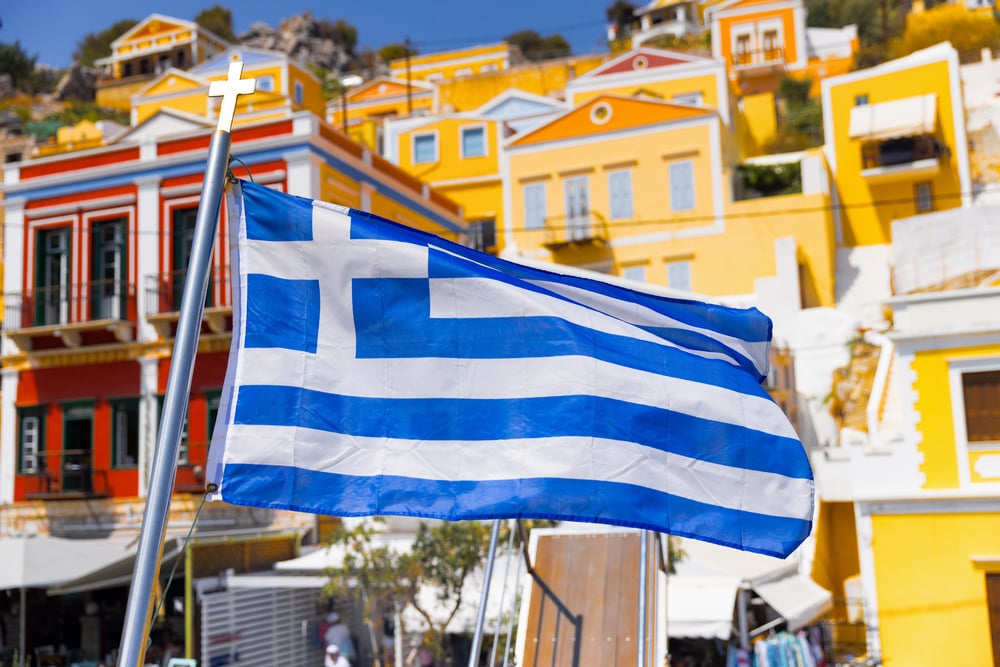
Greece has 19 UNESCO sites, which makes sense for a country that birthed Western philosophy, democracy, and drama. The Acropolis in Athens dominates the city’s skyline just as it did 2,400 years ago when the Parthenon was built.
Mount Athos remains a functioning monastic community where time seems to have stopped centuries ago. Greek islands like Delos and Rhodes add archaeological sites to beach destinations.
Turkey

Turkey straddles Europe and Asia with 21 UNESCO sites that reflect its position as a crossroads of civilizations. The ancient city of Troy, made famous by Homer’s epic poems, reveals multiple layers of settlement going back millennia.
Cappadocia’s fairy chimneys and underground cities create a landscape unlike anywhere else on Earth. Istanbul’s historic areas show Byzantine and Ottoman influences mixing together in mosques, palaces, and markets.
Poland

Poland has 17 UNESCO sites despite losing so much during World War II. The historic center of Krakow survived the war mostly intact, preserving medieval streets and buildings.
The Wieliczka Salt Mine near Krakow has operated for 700 years and features underground chapels carved entirely from salt. Sadly, Poland’s list also includes Auschwitz-Birkenau, which UNESCO protects as evidence of the Holocaust and a warning to future generations.
Sweden

Away in eastern Sweden, the island of Björkö holds quiet traces of bustling trade routes long vanished. Not far off, Drottningholm’s grand halls mix daily life with curious visitors walking its gardens.
Once a hub where Norse merchants bartered goods under open skies, Birka now rests beneath layers of earth and time. High up in central Dalarna, red-painted cottages surround a mine whose tunnels once fed Europe’s hunger for metal.
Portugal

Small though it is, Portugal holds seventeen places named by UNESCO. In Lisbon stands the Jerónimos Monastery, tied to times when seafarers sailed far beyond known waters.
Terraces carved into the Douro Valley hold vines that made port wine famous across ages. These spots reveal how one compact land shaped much larger global stories.
Old ways live here alongside today

It isn’t about trophies when a country lands a UNESCO title. Year after year, the roster swells – governments submit proposals, panels weigh their worth.
Energy poured into paperwork shifts the standings, some push harder than others. Yet top spot on the count? Doesn’t guarantee top wonder.
Beauty hides beyond the registry, unmarked but vivid. In the end, what sticks is how we guard these fragments of earth, so those who come later can feel them too.
More from Go2Tutors!

- The Romanov Crown Jewels and Their Tragic Fate
- 13 Historical Mysteries That Science Still Can’t Solve
- Famous Hoaxes That Fooled the World for Years
- 15 Child Stars with Tragic Adult Lives
- 16 Famous Jewelry Pieces in History
Like Go2Tutors’s content? Follow us on MS