21 Facts About the Lake Where Nothing Can Ever Sink
There’s a place on Earth where the laws of physics seem to bend just enough to make you question reality. The Dead Sea sits roughly 1,300 feet below sea level, making it the lowest exposed spot on the planet.
With a salinity of 34.2%, it’s nearly ten times saltier than the ocean, and that’s precisely why anything that enters it floats right back up to the surface. For thousands of years, travelers have flocked to this natural wonder, drawn by its bizarre properties and therapeutic waters.
Here is a list of 21 fascinating facts about the lake where nothing can ever sink.
The Saltiest Water You’ll Ever Touch
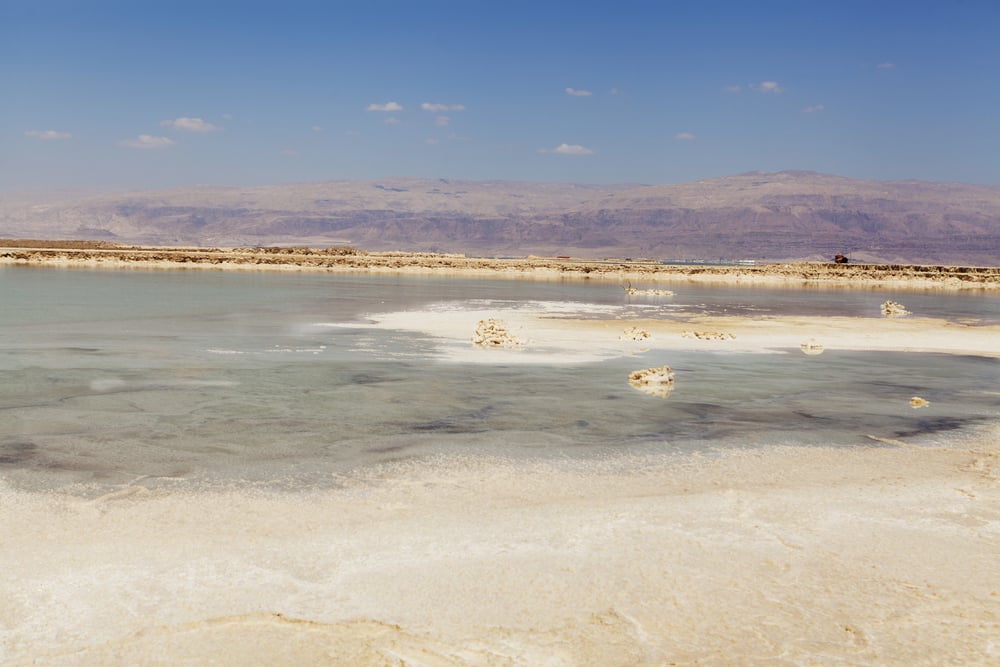
Every kilogram of Dead Sea water contains 342 grams of salt. That’s not a typo. Regular ocean water contains about 35 grams per kilogram, which means the Dead Sea is roughly ten times more concentrated.
This extreme salinity is caused by evaporation, which leaves mineral salts behind in a body of water that has no outlet. Water flows in from the Jordan River and smaller streams, but the only way it leaves is by evaporating into the desert air.
You Float Without Even Trying

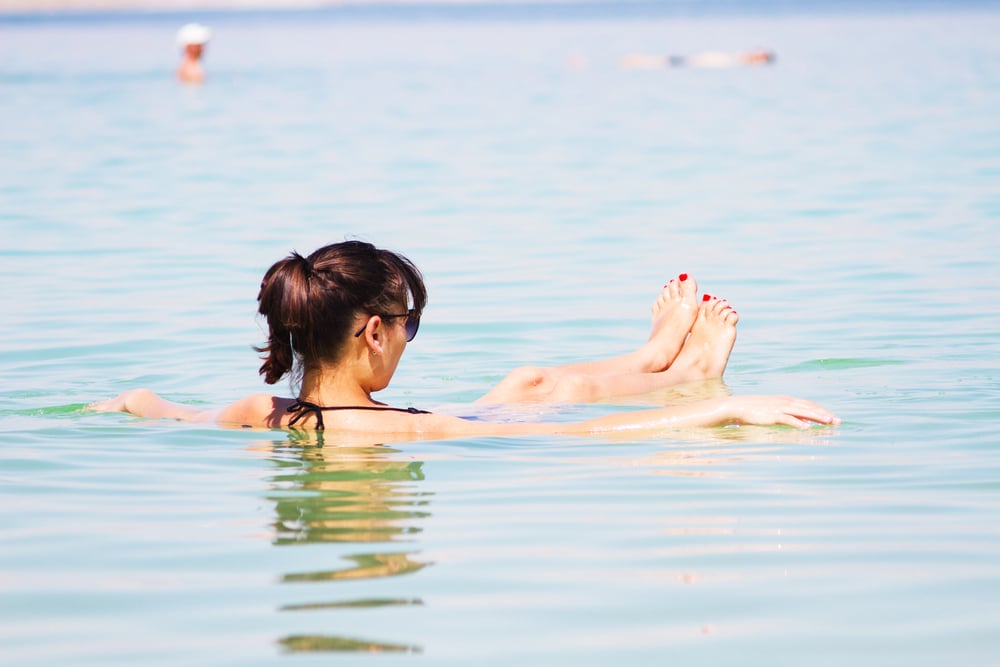
The water’s density reaches 1.24 kilograms per liter, while the average human body density is only 1.078 kilograms per liter. This means you’re naturally lighter than the water around you. You don’t need to tread water or swim to stay afloat.
Just lean back and the water does all the work. Mark Twain famously wrote about his experience in 1867, describing how he could stretch out at full length on his back with his arms crossed, and everything above a line from his jaw through his ankle would stay out of the water.
Like Go2Tutors’s content? Follow us on MSN.
It’s Not Actually a Sea
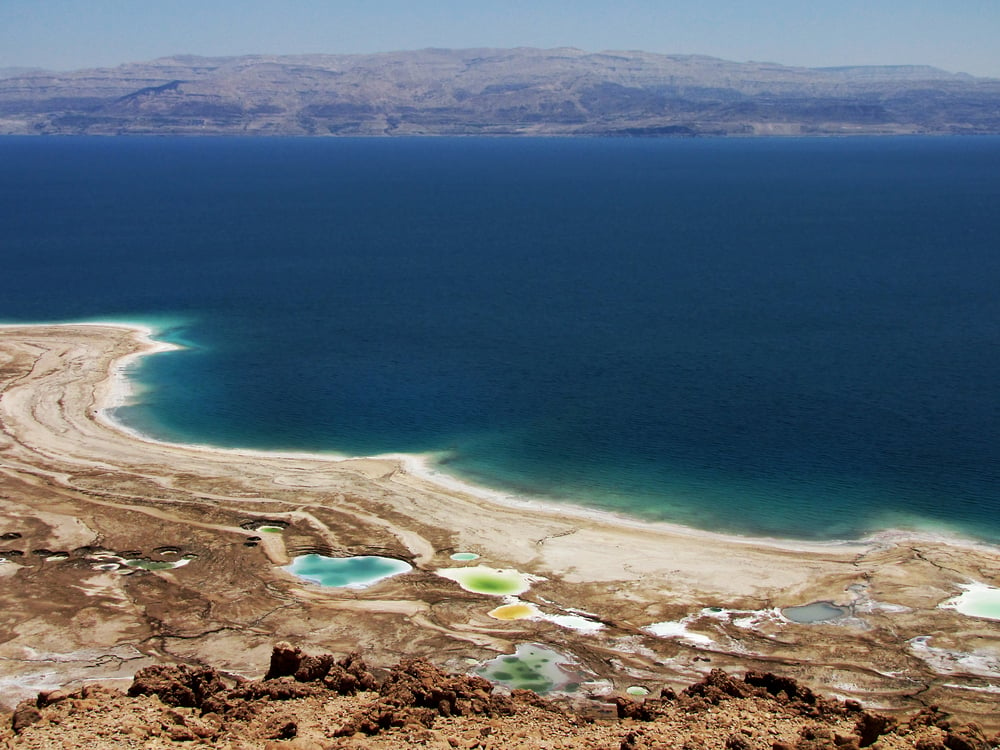
Despite its name, the Dead Sea is a landlocked salt lake. It’s bordered by Jordan to the east and Israel and the Palestinian West Bank to the west. The naming confusion stems from ancient civilizations who used the word ‘sea’ more loosely than we do today.
In Hebrew, it’s called ‘Yam HaMelach,’ which translates to ‘Sea of Salt’, a far more accurate description of what it actually is.
The Lowest Point on Earth’s Surface
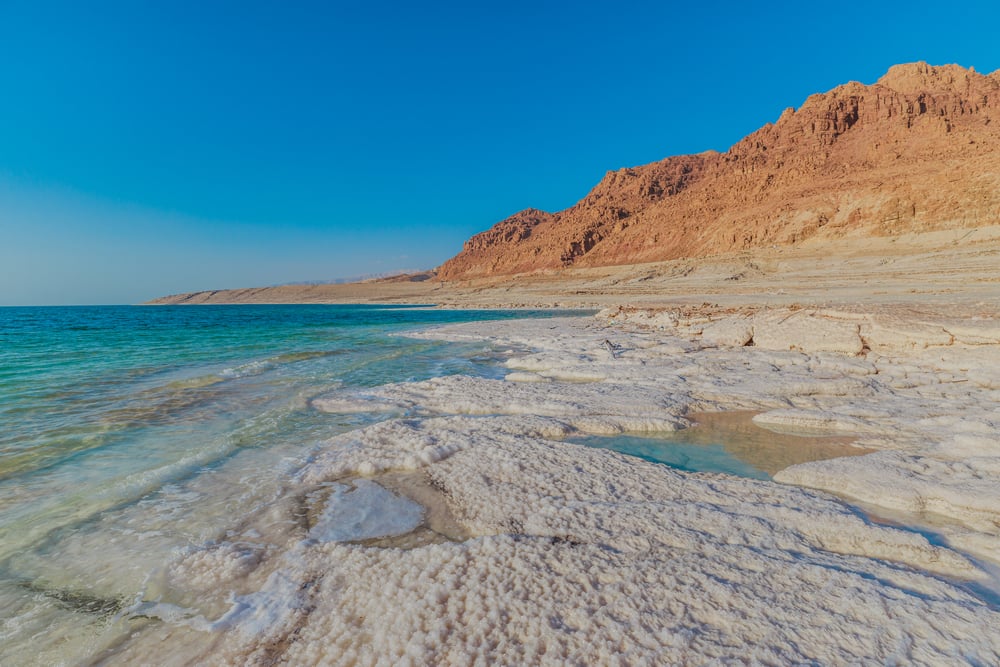
As of 2025, the Dead Sea’s surface sits about 440 meters below sea level. This makes its shores the lowest land-based point on the entire planet.
If you wanted to climb from the Dead Sea to sea level, you’d be hiking upward for nearly a quarter mile. The dramatic elevation creates unique atmospheric conditions that have drawn visitors for millennia.
Nothing Lives Here Except Bacteria
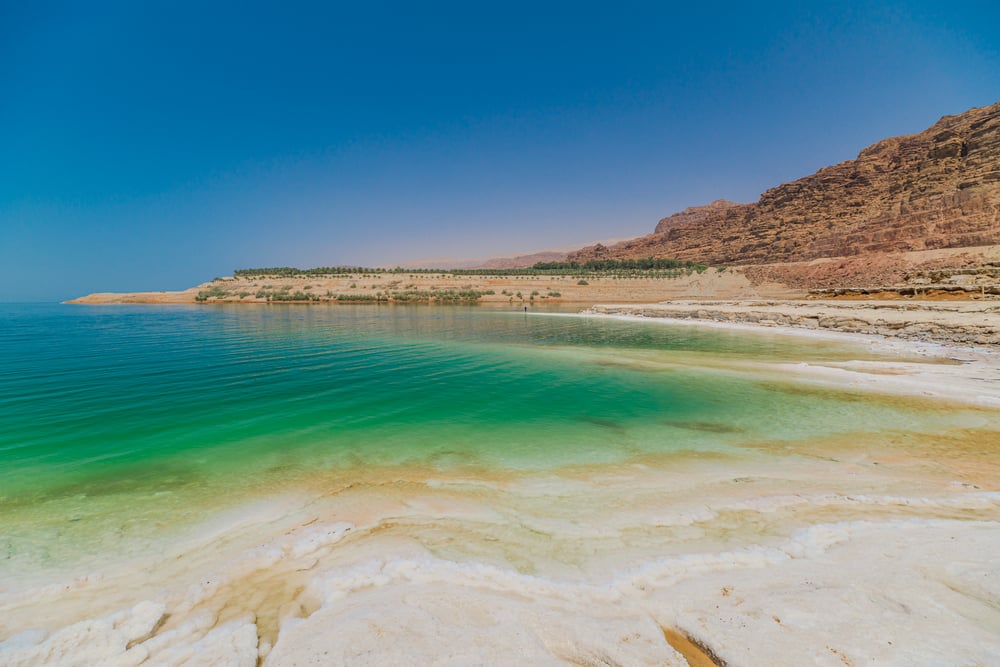
The sea is called ‘dead’ because its extreme salinity prevents macroscopic aquatic organisms like fish and plants from living in it. Any fish that accidentally wash in from the Jordan River die almost immediately.
The only living things that manage to survive are certain bacteria and microbial fungi that have adapted to the harsh, salty environment. It’s about as close to a sterile body of water as you’ll find anywhere on Earth.
Like Go2Tutors’s content? Follow us on MSN.
Ancient Egyptians Used It for Mummification
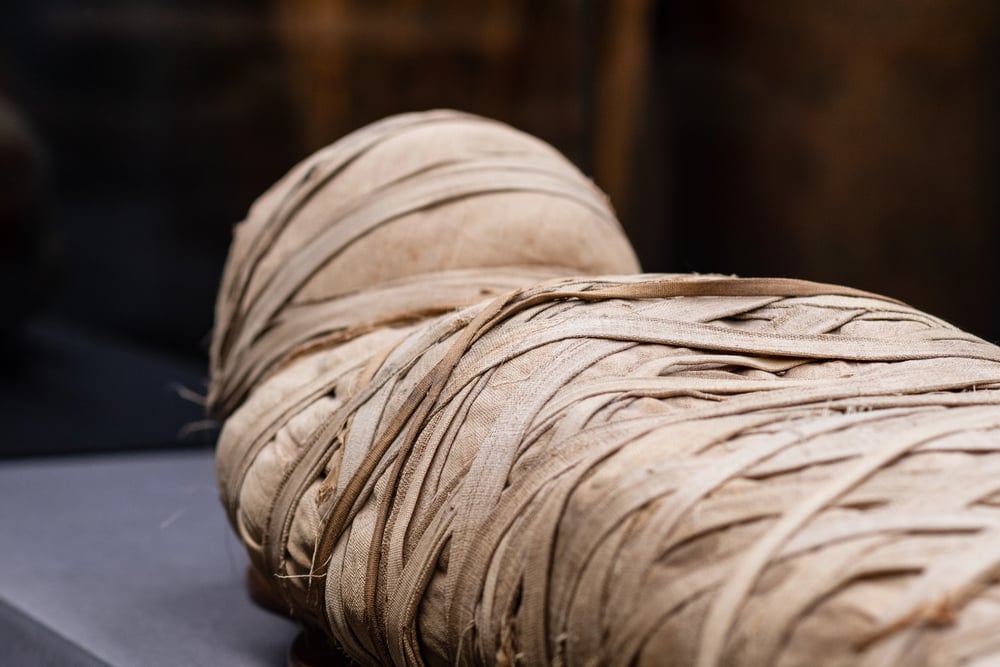
The ancient Egyptians used salts from the Dead Sea for mummification, fertilizers, and potash. Asphalt from the seabed was exported to Egypt for the mummification process, likely used as a disinfectant to halt biological decay and as a mechanical shield on mummy wrapping.
The natural resources of this bizarre lake played a role in preserving some of history’s most famous bodies.
The Water Burns If You’re Not Careful
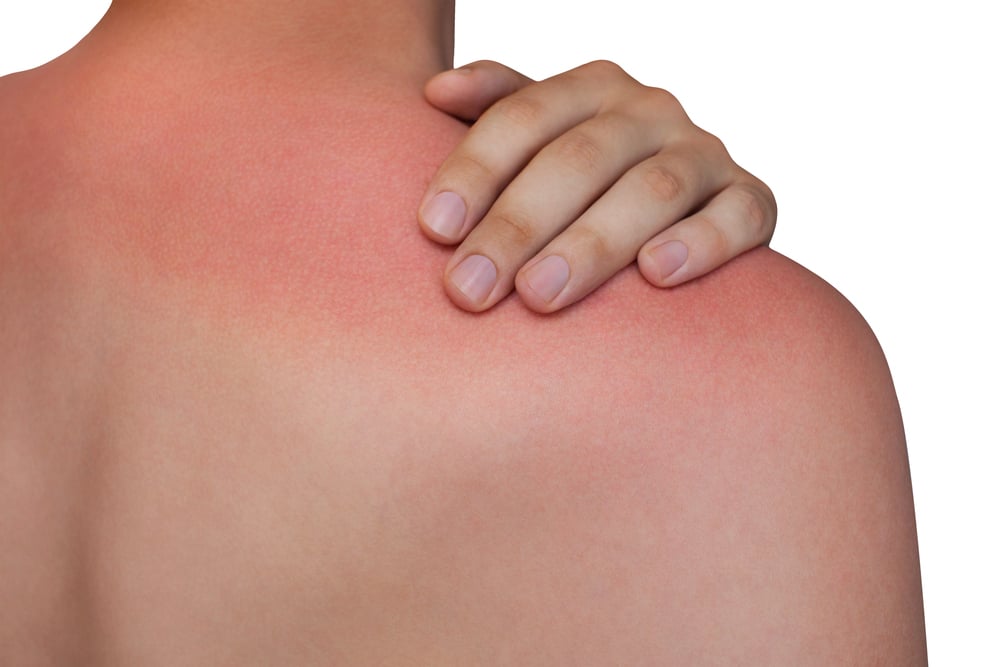
Swimming in the Dead Sea isn’t quite like any other water experience. Mark Twain noted that his face smarted for a couple of hours after bathing, partly because he stayed in too long and became plastered over with salt.
If you have any cuts, scrapes, or recently shaved skin, the ultra-salty water will sting intensely. Most visitors learn quickly to avoid splashing or getting water in their eyes.
It Contains 21 Different Minerals
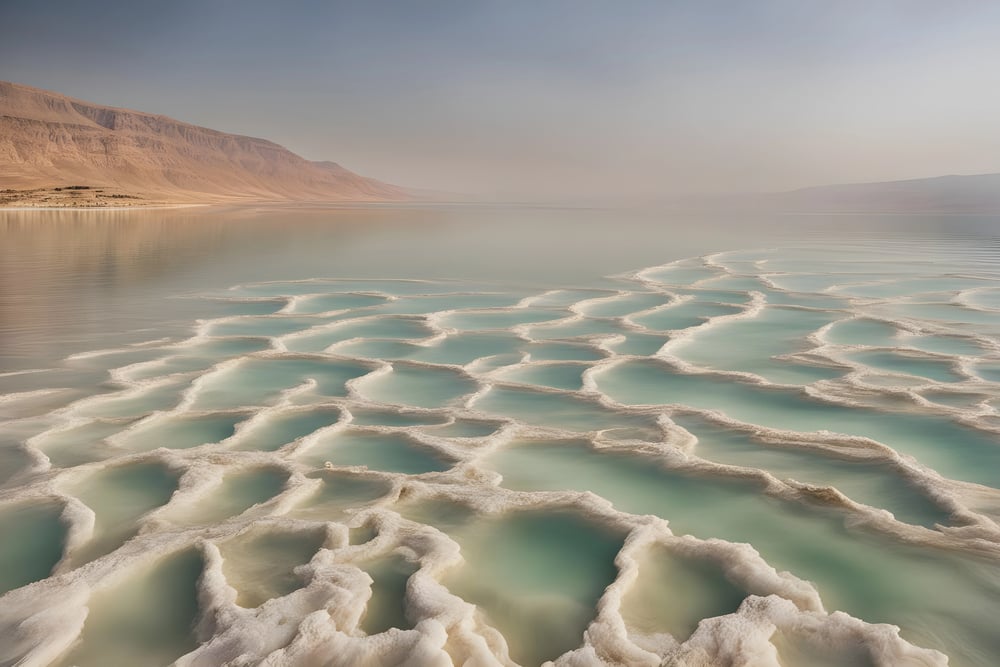
The water contains 21 minerals including magnesium, calcium, bromine, and potassium. These mineral-rich waters and mud have been used for therapeutic purposes, particularly for skin, respiratory, and rheumatic ailments.
Modern cosmetics companies harvest Dead Sea minerals for skin care products sold worldwide. Historical figures like Cleopatra and Herod the Great were drawn to its healing properties.
Like Go2Tutors’s content? Follow us on MSN.
The Dead Sea Scrolls Were Found Nearby
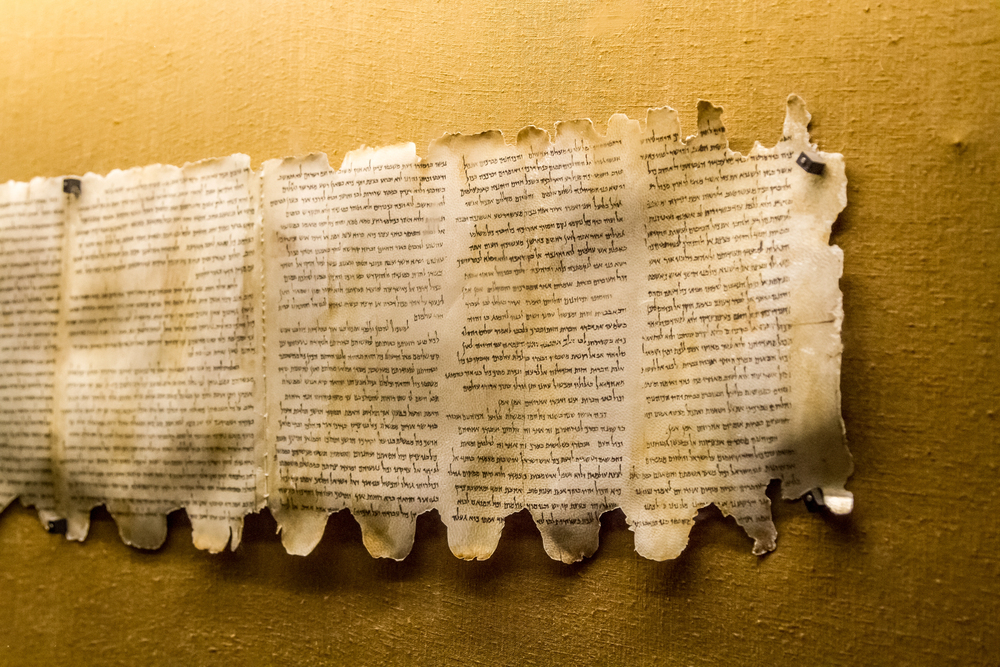
Between 1946 and 1956, about 800 ancient texts were discovered in the Qumran Caves near the Dead Sea. These papyrus-and-ink texts are some of the oldest preserved fragments of the Hebrew Bible and other Judeo-Christian documents.
The dry climate and sealed caves helped preserve these manuscripts for nearly two thousand years, providing invaluable insight into ancient religious texts.
It’s Shrinking at an Alarming Rate
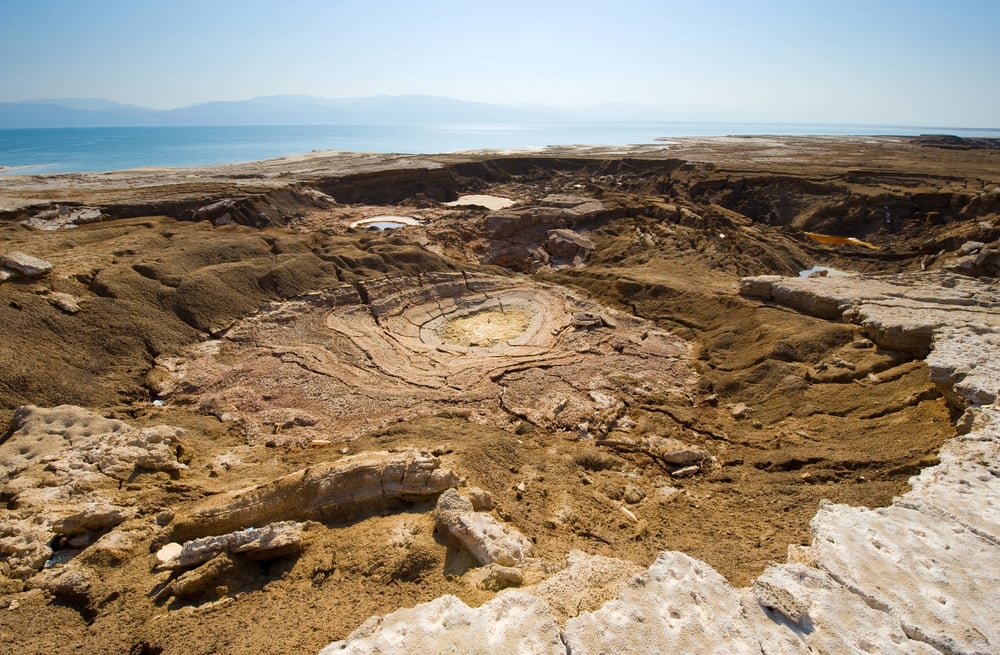
The Dead Sea has lost about 33 percent of its surface area since the 1960s. The water level drops approximately one meter every year. The main culprit is the diversion of water from the Jordan River, which used to provide about 450 billion gallons annually but now only provides about 20 percent of that amount.
Mineral extraction operations and regional agriculture consume massive amounts of water before it ever reaches the lake.
Sinkholes Are Swallowing the Shoreline
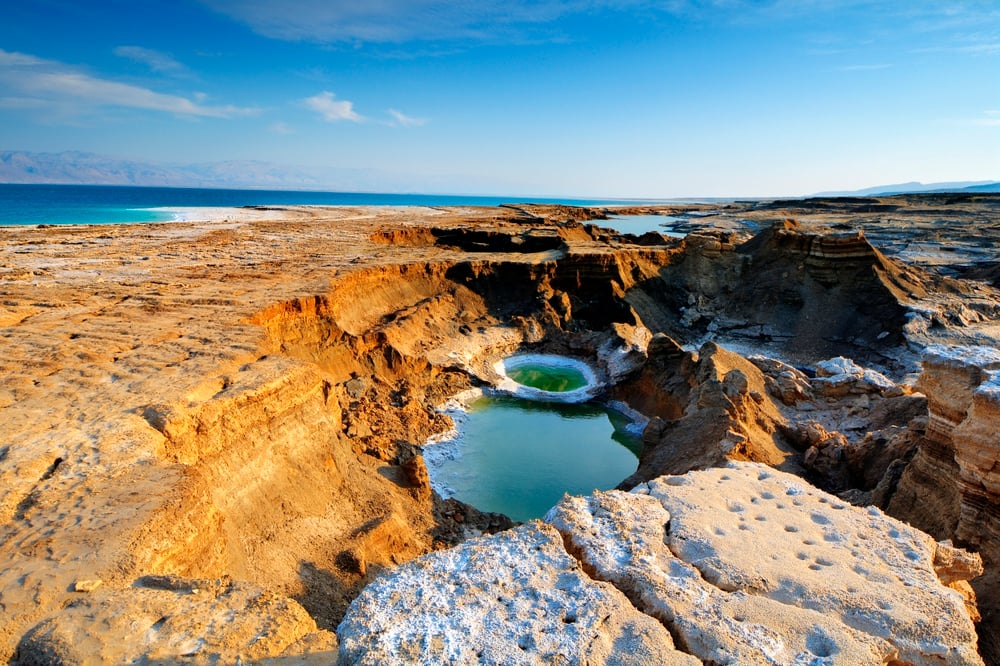
In the past 15 years, more than 1,000 sinkholes have appeared around the Dead Sea. These craters can exceed 10 meters in depth. As the salty water recedes, fresh groundwater flows in and dissolves underground salt deposits, creating large cavities that eventually collapse.
Date palm fields, portions of roads, and several buildings have been swallowed by these sinkholes.
Like Go2Tutors’s content? Follow us on MSN.
It’s Nearly 1,000 Feet Deep
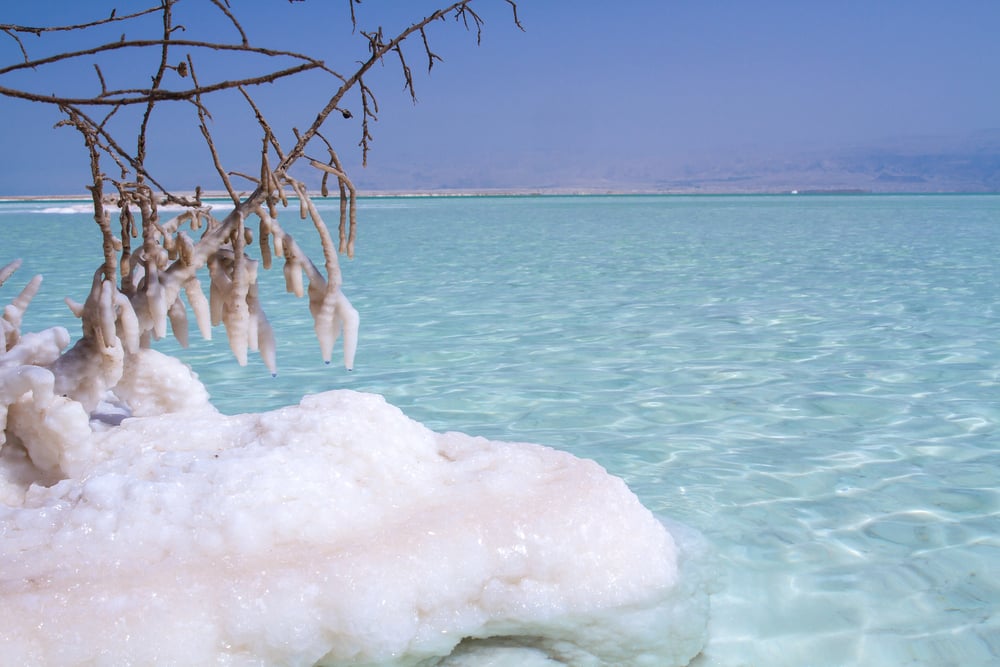
The Dead Sea reaches depths of 304 meters, making it the deepest hypersaline lake in the world. The combination of extreme depth and high salinity creates unique stratification, with different density layers that don’t mix easily.
The deepest sections contain water that’s even saltier than the surface, increasing buoyancy the deeper you go.
The Air Has Extra Oxygen
The higher atmospheric pressure at this low elevation results in increased oxygen levels. The unique attenuation and spectrum of UV rays near the Dead Sea contribute to effective phototherapy for conditions like psoriasis, partly because the reduced exposure to harmful radiation allows for longer periods of sunbathing.
The thick atmosphere acts as a natural filter, making it one of the few places where extended sun exposure is actually recommended for certain medical conditions.
It Formed Millions of Years Ago
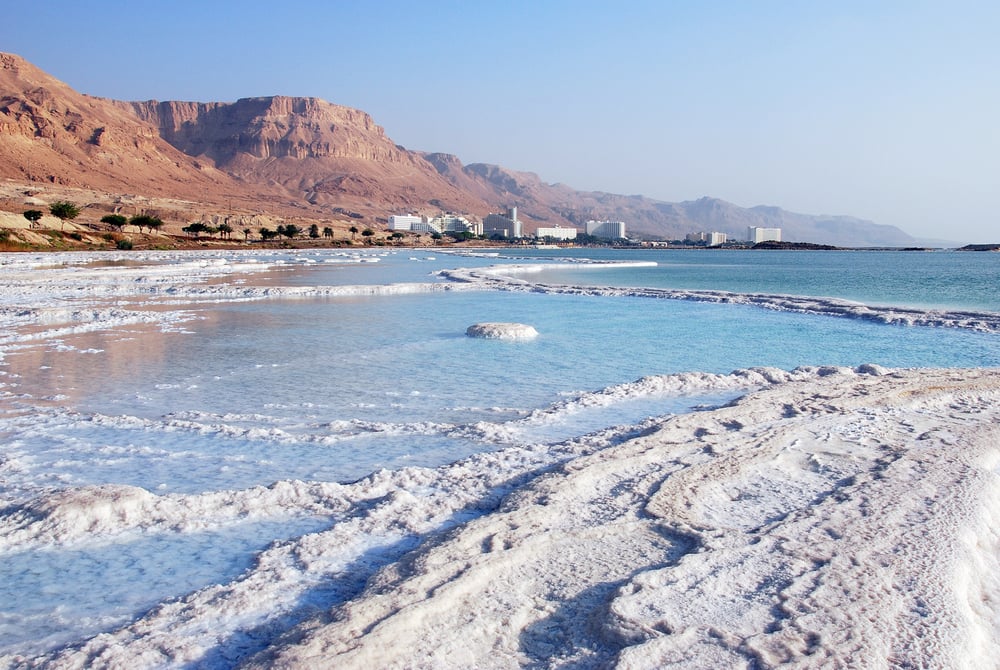
Historical evidence suggests the Dead Sea’s initial formation occurred over two million years ago. The land between the Jordan Rift Valley and the Mediterranean Sea rose so quickly that ocean water stopped flowing into the area, creating an enclosed lake.
Sediments of shale, clay, sandstone, rock salt, and gypsum accumulated over millions of years, reaching thicknesses of up to 2.3 kilometers in some areas.
Like Go2Tutors’s content? Follow us on MSN.
Balancing Is Almost Impossible
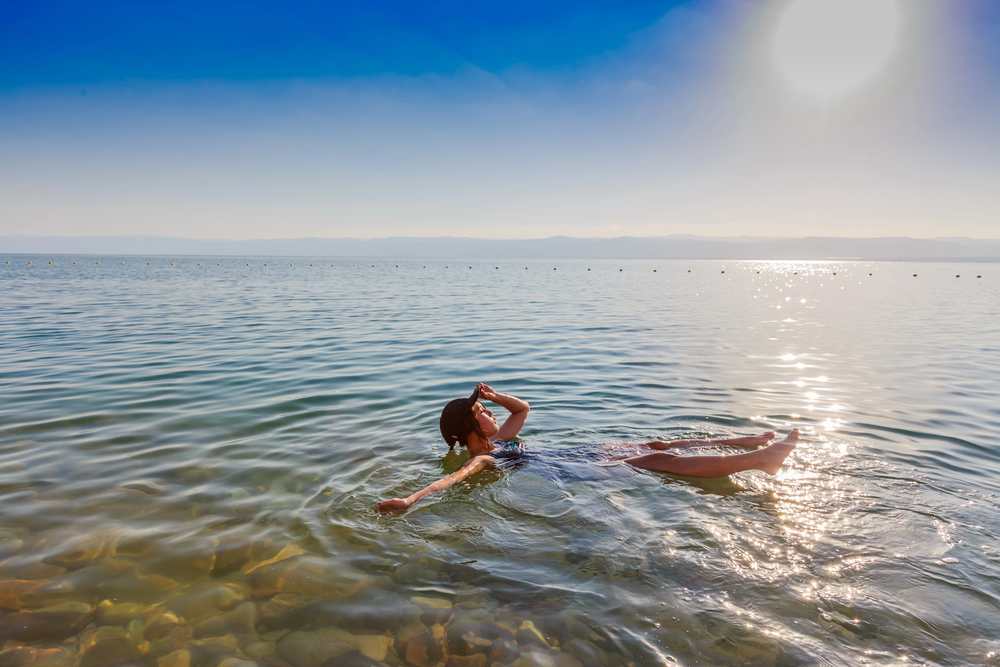
Mark Twain wrote that ‘no position can be retained long; you lose your balance and whirl over, first on your back and then on your face’. The extreme buoyancy makes it difficult to maintain any stable swimming position.
Your feet want to float upward, making conventional swimming nearly impossible. It’s less like swimming and more like awkwardly bobbing on the surface while trying not to flip over.
It Was a Finalist for the Seven Wonders
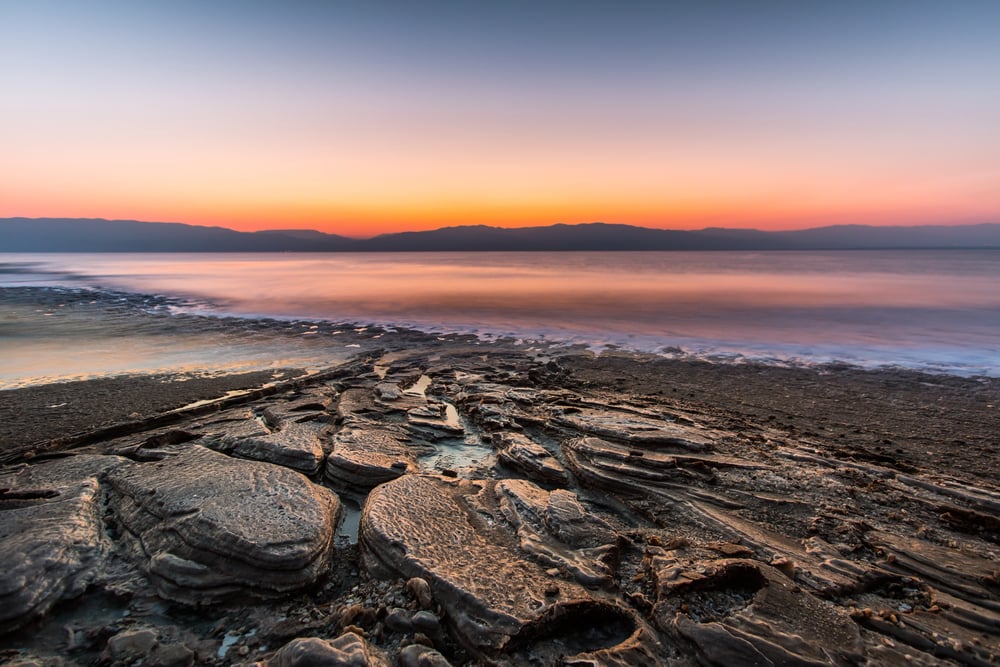
The Dead Sea was a finalist in the Seven World Wonders contest. Though it didn’t make the final list, its unique properties and historical significance earned it global recognition.
The combination of its extreme geography, therapeutic properties, and cultural importance made it a serious contender among Earth’s most remarkable natural features.
The Surrounding Area Is a Desert
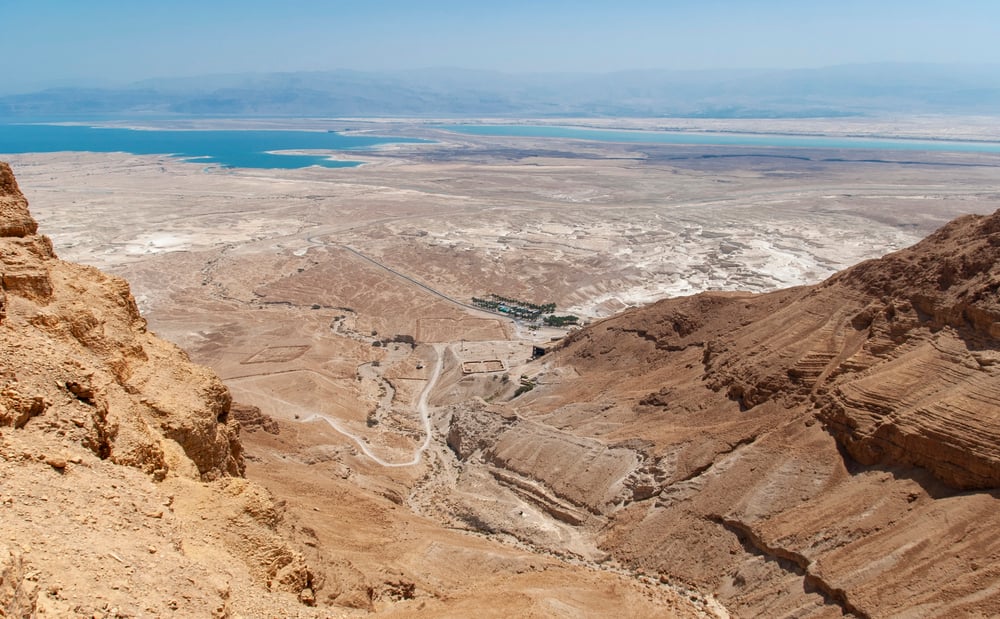
The Dead Sea has a hot desert climate with year-round sunny skies and dry air, receiving less than 50 millimeters of mean annual rainfall. In July 2019, the town of Sodom near the Dead Sea recorded Israel’s highest temperature in over 70 years at 49.9 degrees Celsius.
The extreme heat accelerates evaporation, contributing to the lake’s increasing salinity and shrinking water levels.
Like Go2Tutors’s content? Follow us on MSN.
You Can Still Dive in It
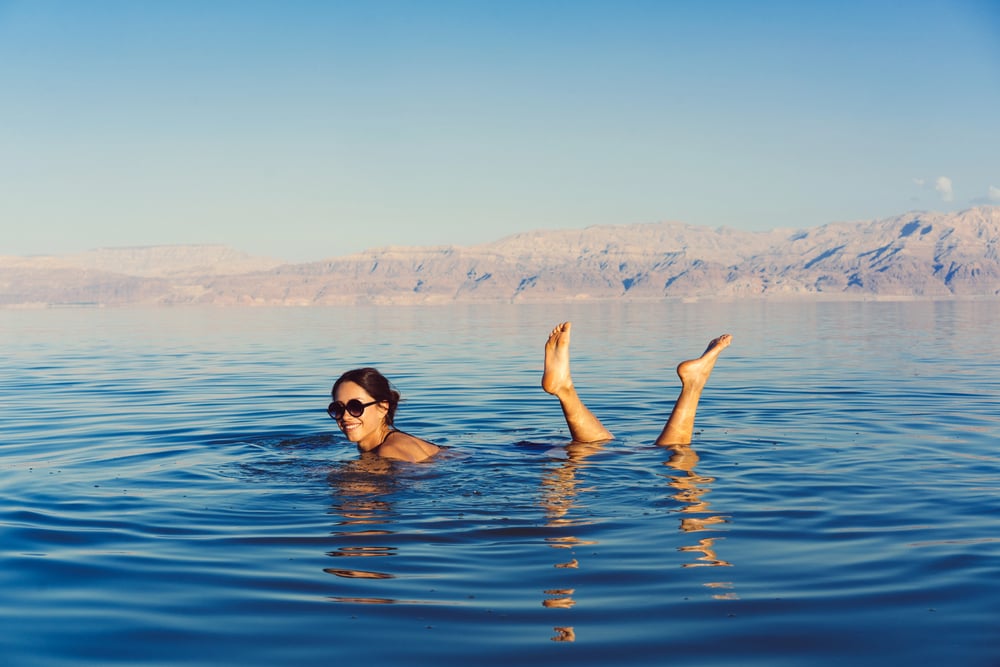
Although floating is the norm, it’s possible to dive in the Dead Sea with unique diving skills. Special divers who master the technique can explore spectacular geological salt formations on the lake bed.
It takes significantly more effort and weight to overcome the buoyancy, but those who manage it are rewarded with otherworldly underwater landscapes of crystalline salt structures.
Industrial Mining Is Changing It Forever
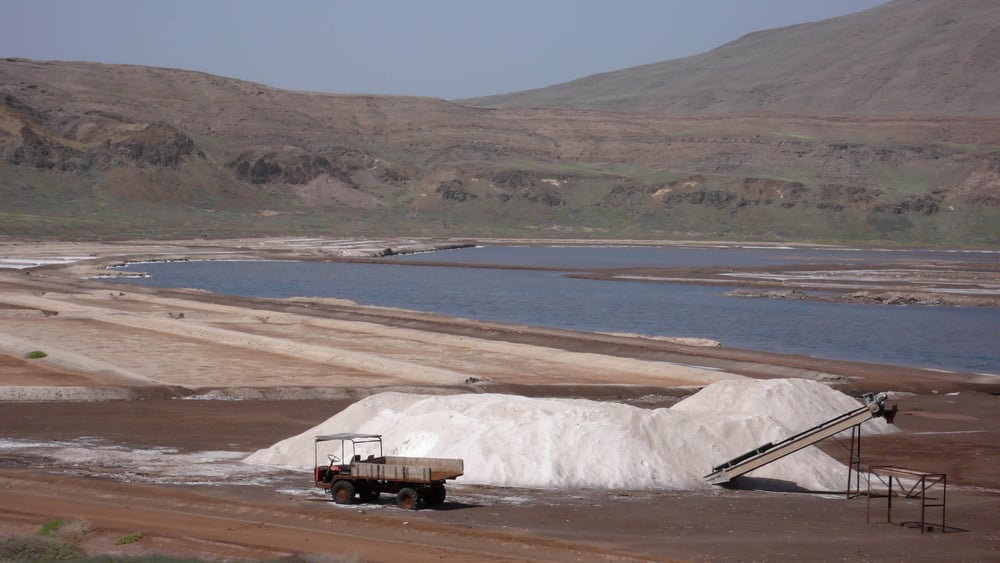
The Dead Sea Works factory mines the lake for minerals such as potash, bromine, and bromine compounds, pumping out seawater to harvest salts and minerals. In modern times, sodium chloride and potassium salts are used for water conditioning, road de-icing, and manufacturing PVC plastics.
These industrial operations contribute significantly to the declining water levels, as they extract millions of gallons for mineral processing.
Scientists Predict It Won’t Disappear Completely
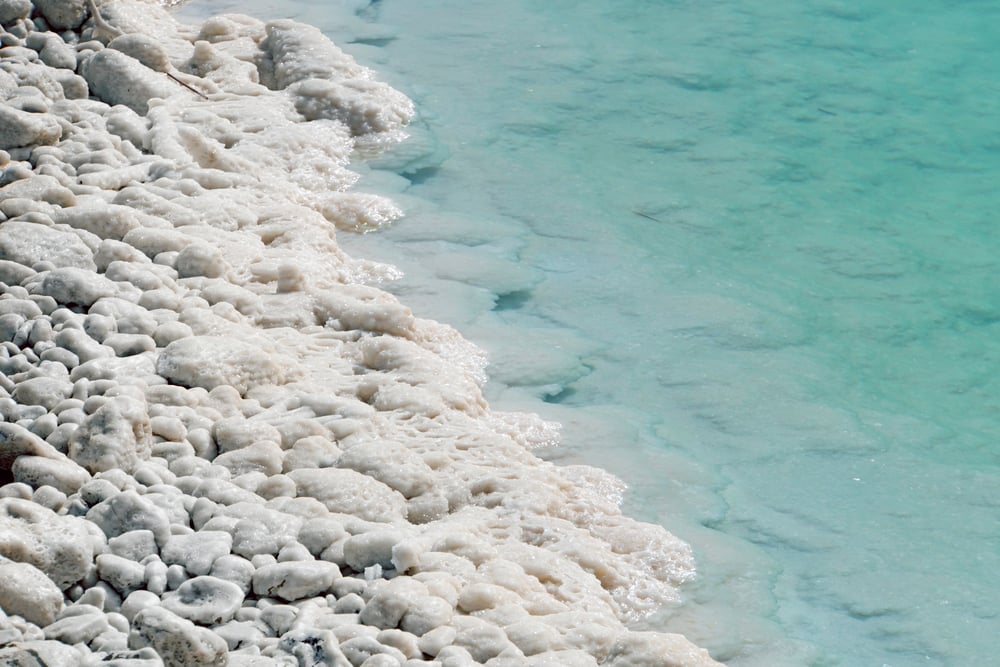
While the Dead Sea’s decline is considered inevitable for at least the next 100 years, scientists believe it could reach an equilibrium because as its surface decreases, the water becomes saltier and evaporation slows down. The lake might shrink to a much smaller body, but the increasing salinity will eventually create a balance between water input and evaporation.
It won’t look anything like the Dead Sea of today, but it probably won’t vanish entirely.
Like Go2Tutors’s content? Follow us on MSN.
The Black Mud Is Therapeutic Gold
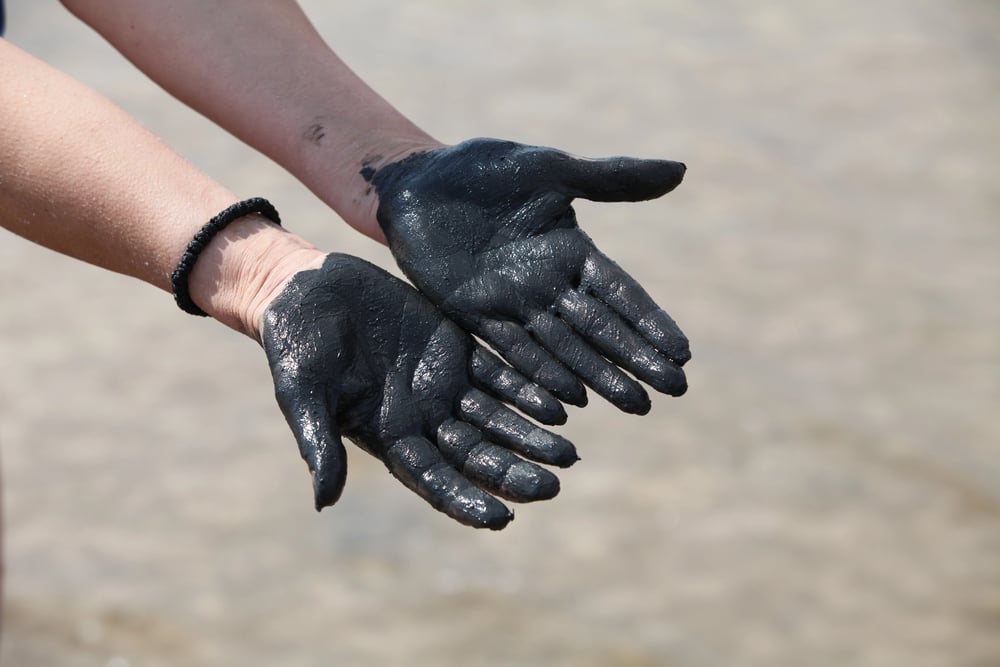
The mineral-rich mud found thick on the seabed contains more than 20 minerals including sulfur, calcium, magnesium, and potassium. Visitors scoop up handfuls and coat themselves in the thick, dark substance.
Dead Sea mud pack therapy has been suggested to temporarily relieve pain in patients with osteoarthritis, and treatment with mineral-rich mud compresses can augment conventional medical therapy. The mud’s popularity has spawned an entire industry of therapeutic products.
Where the Past Meets an Uncertain Future
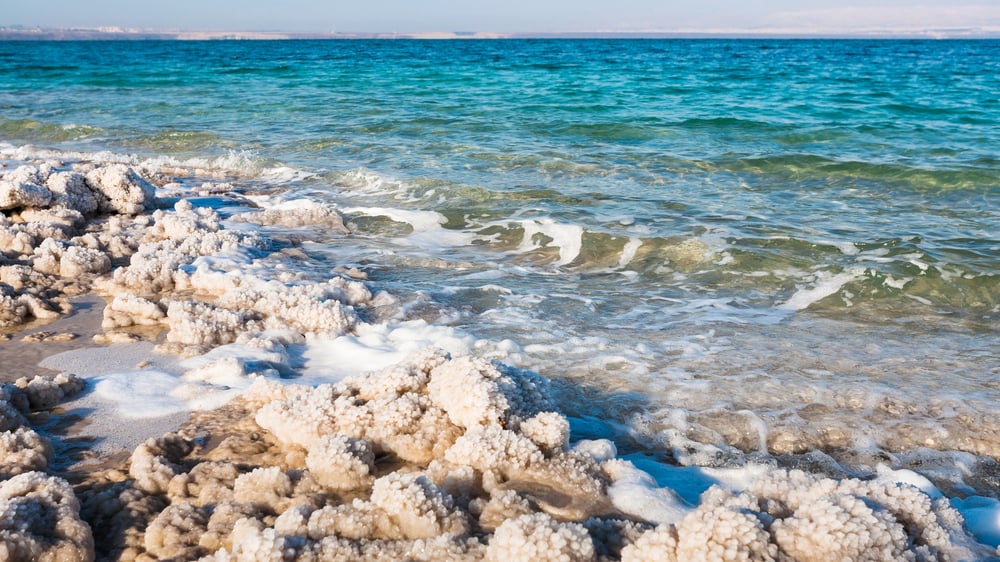
The Dead Sea stands at a crossroads between preservation and exploitation. Proposals exist for a Red Sea-Dead Sea canal that would bring water from the Red Sea to replenish the shrinking lake, though environmental concerns and political complexities make implementation uncertain.
Meanwhile, thousands of sinkholes continue appearing, beaches close permanently, and the waterline retreats further each year. What took millions of years to create might transform beyond recognition within our lifetime, leaving future generations with only photographs of the remarkable lake where nothing could sink.
More from Go2Tutors!

- 16 Historical Figures Who Were Nothing Like You Think
- 12 Things Sold in the 80s That Are Now Illegal
- 15 VHS Tapes That Could Be Worth Thousands
- 17 Historical “What Ifs” That Would Have Changed Everything
- 18 TV Shows That Vanished Without a Finale
Like Go2Tutors’s content? Follow us on MSN.