20 Psychological Tricks Companies Use That Most People Don’t Notice
We encounter thousands of advertisements and marketing messages every day, yet rarely do we pause to consider the sophisticated psychological techniques being deployed to influence our decisions. Companies invest millions in understanding consumer behavior, employing subtle tactics that work beneath our conscious awareness.
Here is a list of 20 psychological tricks that companies regularly use but most consumers fail to notice in their daily lives.
Decoy Pricing

Companies often introduce a third pricing option that makes their preferred option seem more reasonable by comparison. When you see three subscription tiers with the middle option highlighted as “most popular,” you’re witnessing this strategy in action.
This creates an artificial reference point that makes their target option appear to be a better value.
Social Proof Indicators

Those little notifications showing “15 people are viewing this item” or “Sarah from Michigan just purchased this” aren’t coincidental. They trigger our herd mentality, creating urgency and validating our interest in products through the actions of others.
The power of social proof makes us more likely to trust and purchase items when we see others doing the same.
Artificial Scarcity

“Only 2 rooms left at this price!” or “Limited time offer” messages tap into our fear of missing out. Companies artificially limit availability or create time constraints to pressure consumers into making quicker decisions.
This manufactured urgency often bypasses our rational decision-making process.
Strategic Color Psychology

The colors used in logos and marketing materials are meticulously chosen to evoke specific emotions. Fast food chains favor red and yellow combinations because red stimulates appetite while yellow evokes happiness.
Banking institutions prefer blue tones to suggest trustworthiness and stability.
Sensory Marketing
Grocery stores pipe in the smell of fresh bread, while luxury car dealerships create distinctive “new car smells.” Companies understand that our senses create powerful emotional connections to products.
Even the specific sound of a potato chip crunch is engineered to enhance our perception of freshness.
Loss Aversion Framing
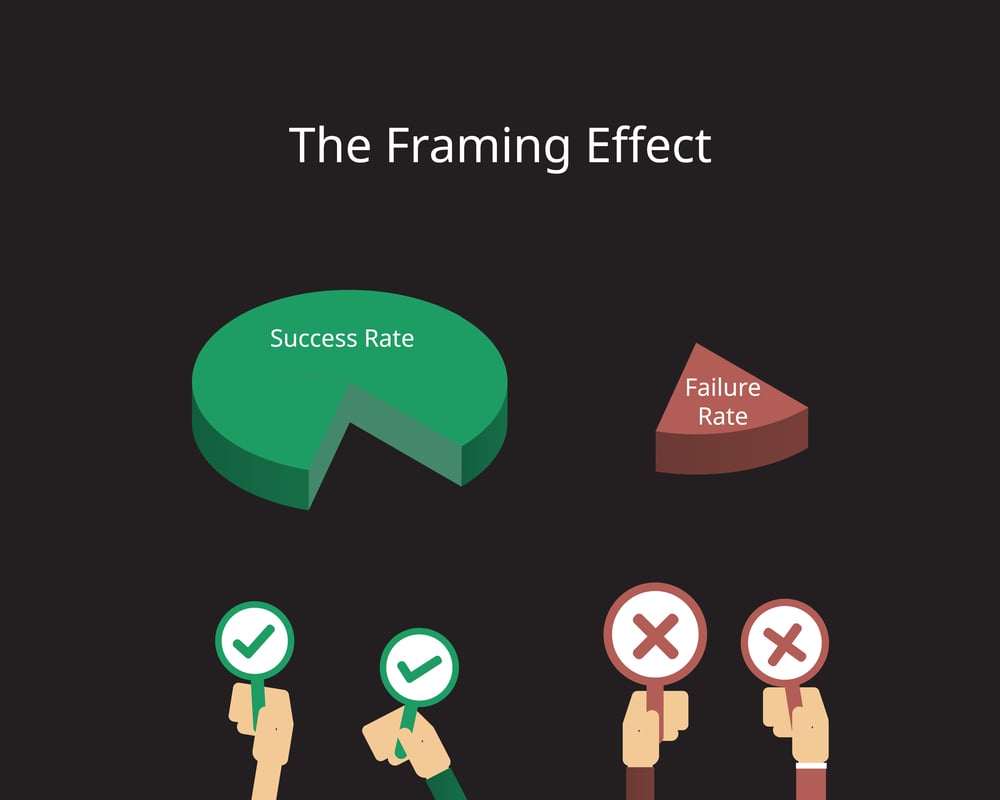
Marketing messages often emphasize what you’ll lose rather than what you’ll gain. Insurance companies don’t sell “protection” as much as they highlight the devastating losses you might face without their services.
This approach works because psychologically, we feel the pain of losses more intensely than the pleasure of equivalent gains.
Decision Fatigue Exploitation
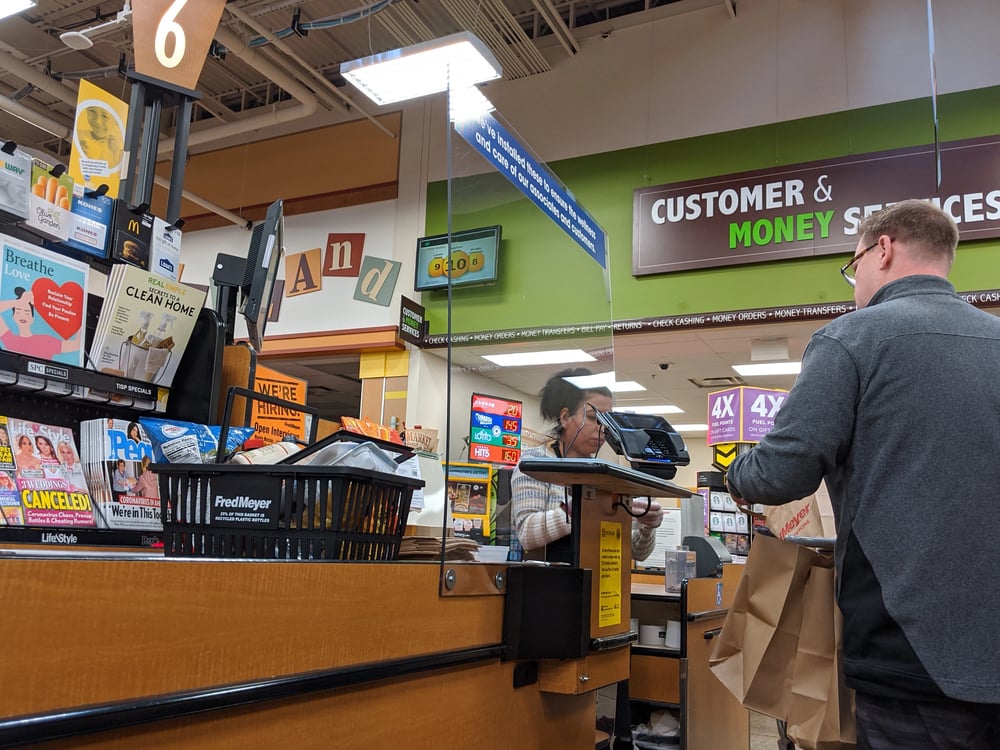
Ever wondered why checkout lines are filled with small impulse purchases? By the time you reach the end of your shopping journey, your decision-making ability is depleted.
Companies place high-margin impulse items exactly where your willpower is at its weakest point.
Free Gift Psychology

The word “free” triggers powerful emotional responses that often outweigh the actual value of what’s being offered. Adding a “free” item to your purchase creates a sense of reciprocity and obligation.
This technique has been shown to increase overall spending despite the “gift” being factored into the pricing structure.
Anthropomorphic Design
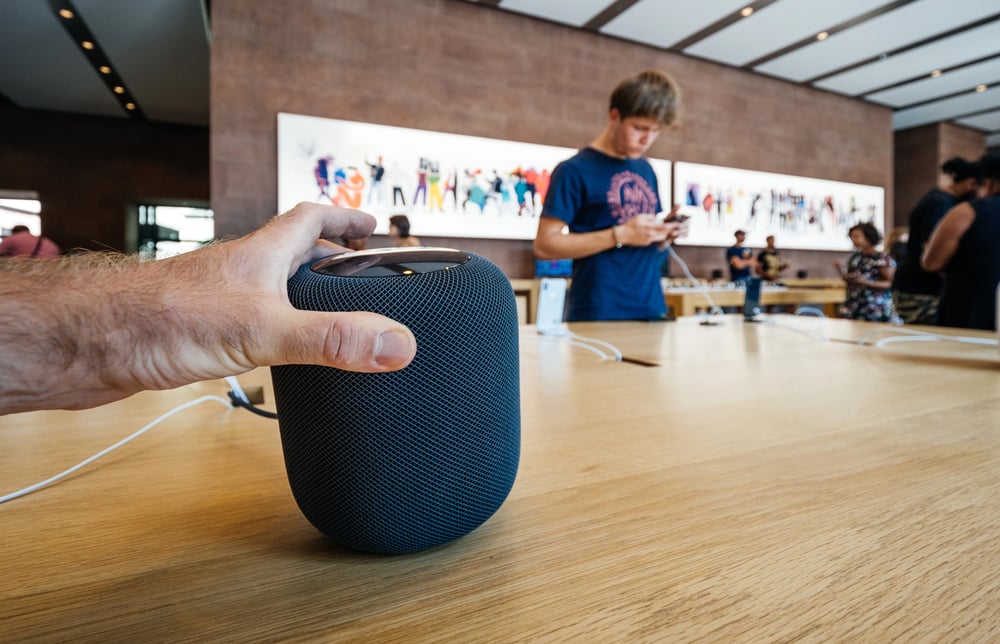
Companies give products and digital assistants human-like qualities to create emotional attachments. From cars with “faces” to voice assistants with personalities, these design choices make us form relationships with inanimate objects.
We become more loyal to brands that successfully create these connections.
Anchoring Effect
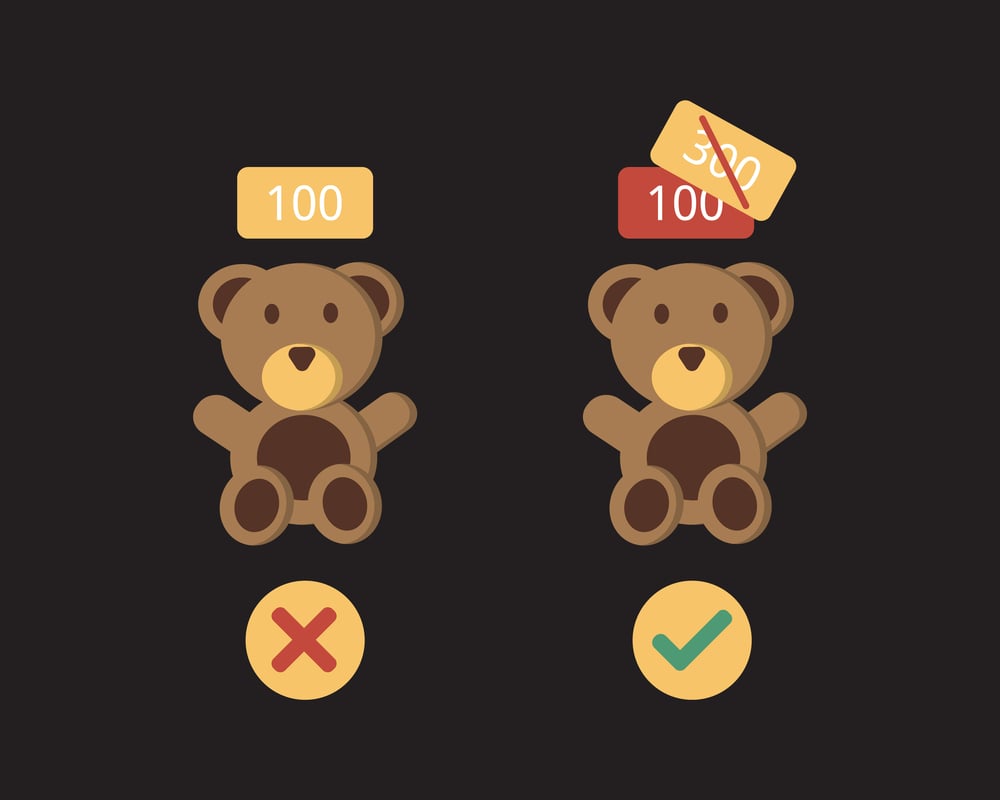
The first price you see serves as a mental anchor for evaluating all subsequent prices. Retailers often show the “original” price crossed out before showing the “sale” price, even if items rarely sell at that original figure.
This technique makes discounts appear more substantial than they actually are.
Default Settings Power
Companies carefully craft default options knowing most people won’t change them. From insurance add-ons to data-sharing preferences, the “standard” package leverages our tendency to accept pre-selected choices.
This single technique drives billions in revenue for businesses across industries.
Endless Scroll Design
Social media platforms and shopping sites implement infinite scrolling to remove natural breaking points where you might reconsider your time investment. Without the definitive endpoint of traditional pages, users continue consuming content far longer than they initially intended.
Exclusivity Appeals
Messages like “invitation only” or “join our select group” exploit our desire to feel special and part of something exclusive. Luxury brands master this technique by creating artificial barriers to ownership, making their products symbols of status rather than just functional items.
Environmental Priming

Retail environments are designed to put consumers in specific mindsets. Slow music encourages shoppers to browse longer, while upscale stores use minimal displays to create perceptions of higher value.
Even the temperature of a store is calibrated to maximize comfort and time spent shopping.
Reciprocity Triggers
Feelings of indebtedness are produced by complimentary consultations, free samples, and small favors. Businesses are aware that we feel obligated to return favors once we receive them.
This psychological concept explains why grocery store sales are greatly increased by those little food samples.
Positive Association Creation
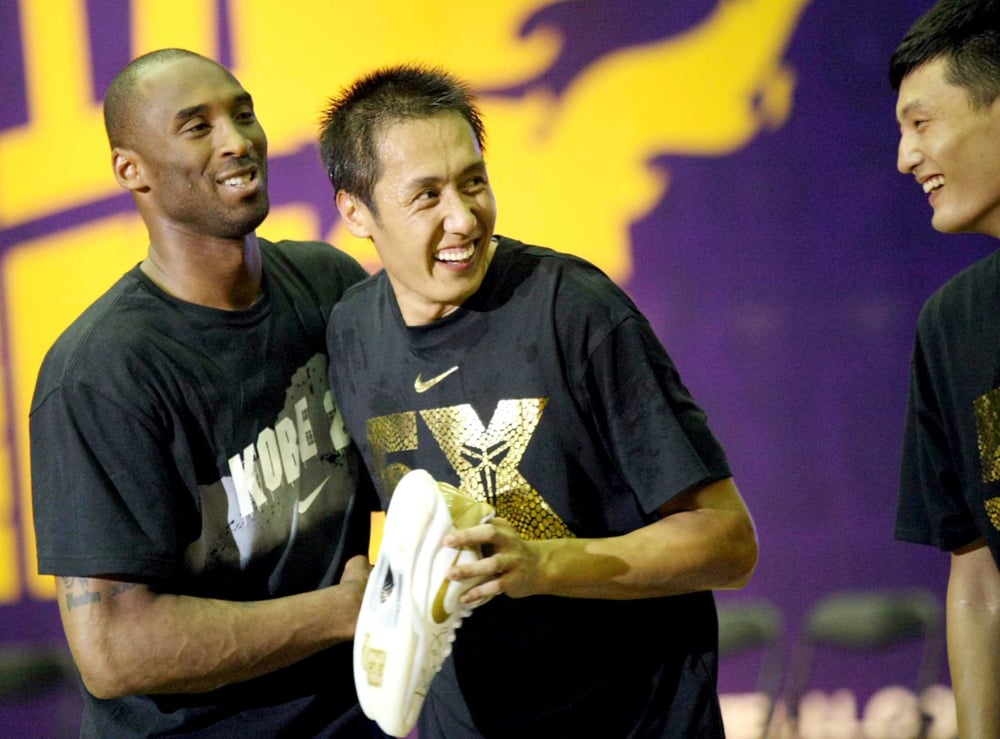
Brands pay celebrities and create aspirational advertising to link their products with desirable lifestyles. Athletic gear shown on professional athletes associates the product with excellence and achievement.
Your brain creates connections between the positive feelings evoked by the imagery and the product itself.
Strategic Pricing Digits

Prices ending in .99 or .95 are no accident. Our brains process these prices from left to right, making $19.99 feel significantly cheaper than $20, despite the negligible difference.
This pricing strategy exploits the way we mentally categorize and perceive numerical values.
Gamification Elements

Achievement badges, progress bars, and point systems all appeal to our innate drive for mastery and accomplishment. To boost engagement and repeat behaviors, businesses include these game-like features in loyalty programs, retail experiences, and even workplace settings.
Emotional Storytelling

Companies craft narratives around their products rather than focusing on features. These stories create emotional connections that bypass logical evaluation of the product’s actual utility.
An effectively told brand story can transform ordinary products into meaningful purchases.
Illusion of Choice

Many companies offer seemingly diverse options that actually represent very minimal differences. Cable packages, insurance plans, and even political candidates often present the appearance of variety while limiting the true range of possibilities.
This technique allows businesses to control outcomes while satisfying our desire for autonomy.
Beyond Awareness: Making Informed Choices
Understanding these psychological tactics doesn’t make us immune to them, but awareness is the first step toward more conscious consumption. These techniques work precisely because they operate beneath our conscious attention, subtly guiding our choices in ways that benefit companies.
The most effective defense against unwanted influence is mindful decision-making—pausing before purchases, questioning our motivations, and recognizing when our emotions are being deliberately targeted. Companies will continue refining these psychological approaches, but informed consumers can make choices aligned with their true preferences rather than responding to carefully engineered stimuli.
More from Go2Tutors!

- The Romanov Crown Jewels and Their Tragic Fate
- 13 Historical Mysteries That Science Still Can’t Solve
- Famous Hoaxes That Fooled the World for Years
- 15 Child Stars with Tragic Adult Lives
- 16 Famous Jewelry Pieces in History
Like Go2Tutors’s content? Follow us on MSN.