Mind-Bending Brain Facts
You use your brain for everything — reading this sentence, remembering what you had for breakfast, deciding whether to keep scrolling. It runs constantly, without rest, and manages more processes simultaneously than any computer ever built.
Yet most people know surprisingly little about the three-pound organ sitting inside their skull. Some of what science has uncovered about the brain is genuinely strange — the kind of strange that makes you stop and reconsider things you assumed were simple.
Your Brain Never Actually Stops

Sleep feels like the brain is powering down, but that’s not what happens. During sleep, the brain is highly active — consolidating memories, flushing out waste products through a system called the glymphatic network, and running through complex cycles of activity.
In some stages of sleep, certain brain regions are more active than when you’re awake. The brain doesn’t get a break. It just shifts what it’s doing.
You Have More Neural Connections Than Stars in the Milky Way
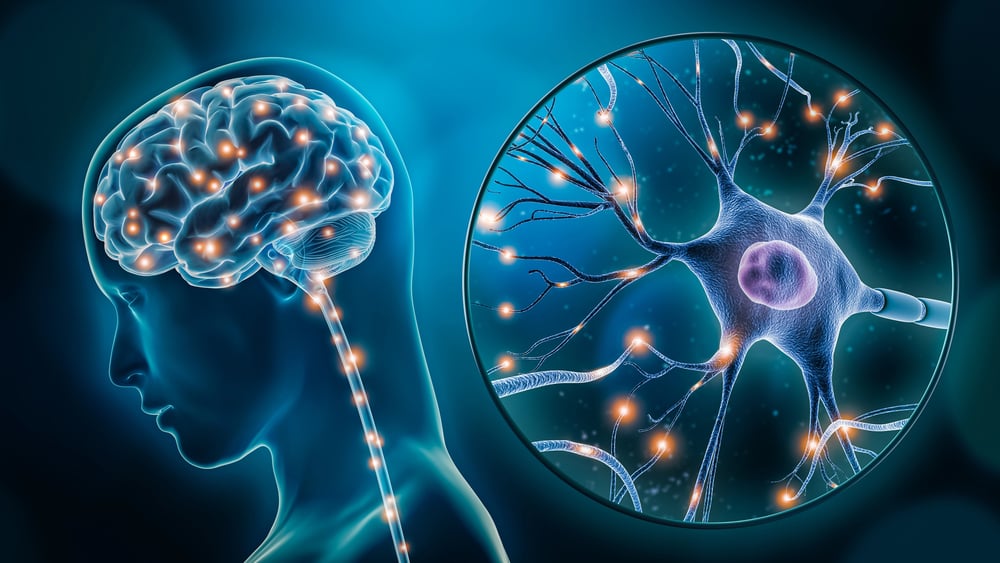
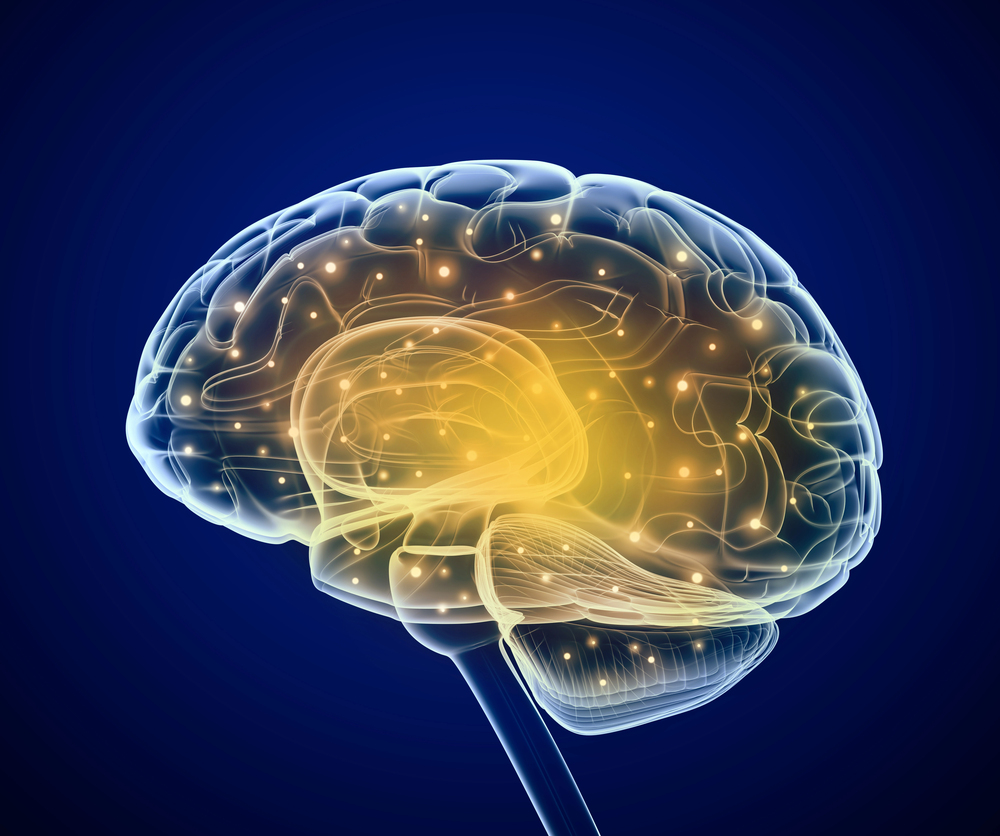
The human brain contains roughly 86 billion neurons. Each of those neurons can connect to thousands of others.
The total number of synaptic connections in a single human brain is estimated at around 100 trillion — several times more than the number of stars in the Milky Way galaxy. The sheer scale of connectivity is part of what makes the brain so difficult to map, even with the most advanced imaging tools available.
Pain Signals Travel at Different Speeds
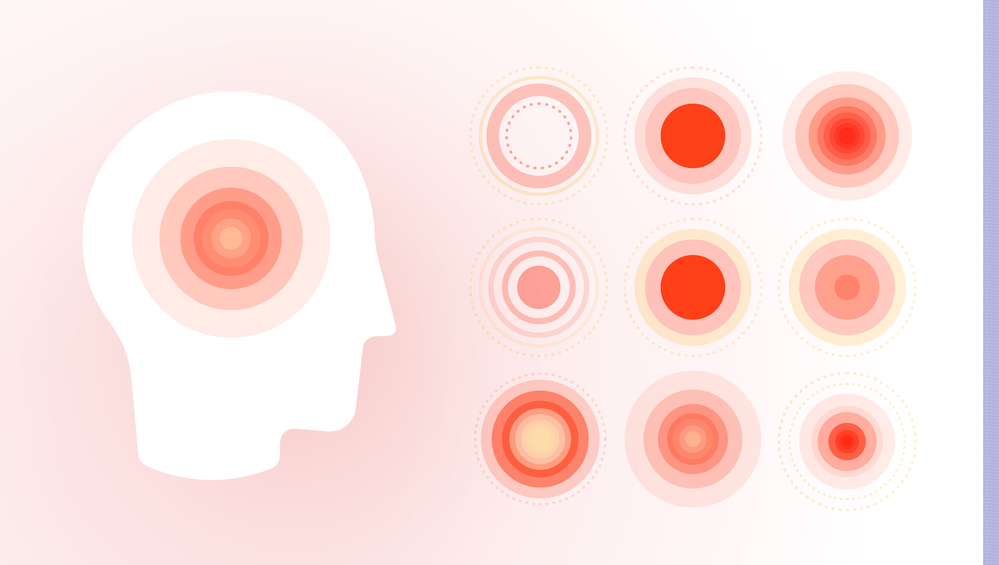
Not all pain reaches your brain at the same pace. Sharp, immediate pain — like touching something hot — travels along fast nerve fibres at speeds of up to 30 metres per second. The dull, throbbing ache that follows travels along slower fibres at around 2 metres per second.
That’s why you sometimes feel a sharp sting first, and then a deeper, longer-lasting sensation arrives a moment later. Two separate systems, two separate signals.
The Brain Generates Its Own Electricity
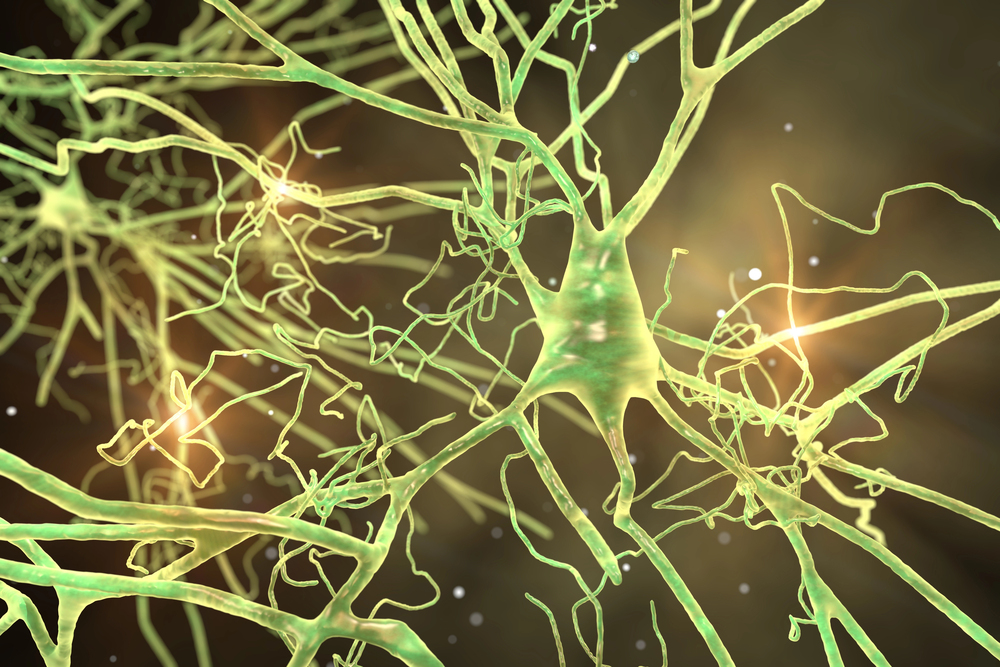
Your brain runs on electrical signals. Neurons fire by exchanging charged particles across their membranes, and this activity generates measurable electrical fields.
An electroencephalogram, or EEG, detects these fields from outside the skull. The brain produces different types of electrical waves depending on what you’re doing — faster waves during focused thought, slower waves during relaxed states or deep sleep.
The total electrical power of a human brain is roughly equivalent to a 20-watt light bulb.
Memories Are Reconstructed, Not Replayed
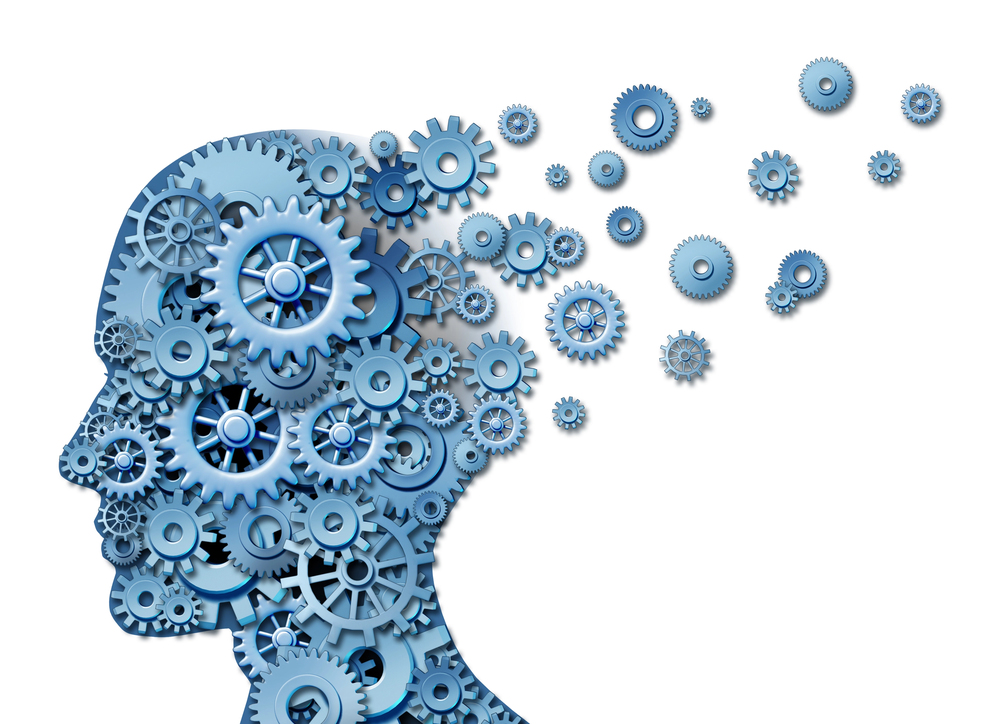
Most people think of memory like a video recording — something you play back to retrieve what happened. The reality is quite different.
Every time you recall a memory, your brain reconstructs it from fragments, and that reconstruction is influenced by your current mood, expectations, and anything you’ve learned since the original event. This is why memories change over time, why eyewitness testimony is unreliable, and why two people can remember the same event completely differently.
You’re not retrieving a file. You’re rebuilding something from pieces.
The Brain Physically Changes With Experience

For most of the 20th century, scientists believed the brain stopped developing in early adulthood and that was that. Research over the past few decades has overturned that idea entirely.
The brain remains capable of forming new neural connections throughout life — a property called neuroplasticity. Learning a new skill, practicing an instrument, or even changing habitual thought patterns can physically alter the structure of the brain.
London taxi drivers, who spend years memorizing complex street layouts, show measurable changes in the part of the brain associated with spatial navigation.
You Can’t Tickle Yourself

Try it. It doesn’t work. The reason is that your cerebellum — a region at the back of the brain involved in coordinating movement — predicts the sensory consequences of your own actions.
When you move your hand toward your own body, the brain anticipates the sensation and dampens the response. A tickle only works when the stimulus is unexpected.
The brain filters out anything it can predict, which is also part of why you stop noticing the feeling of your clothes on your skin within seconds of getting dressed.
The Brain Has No Pain Receptors
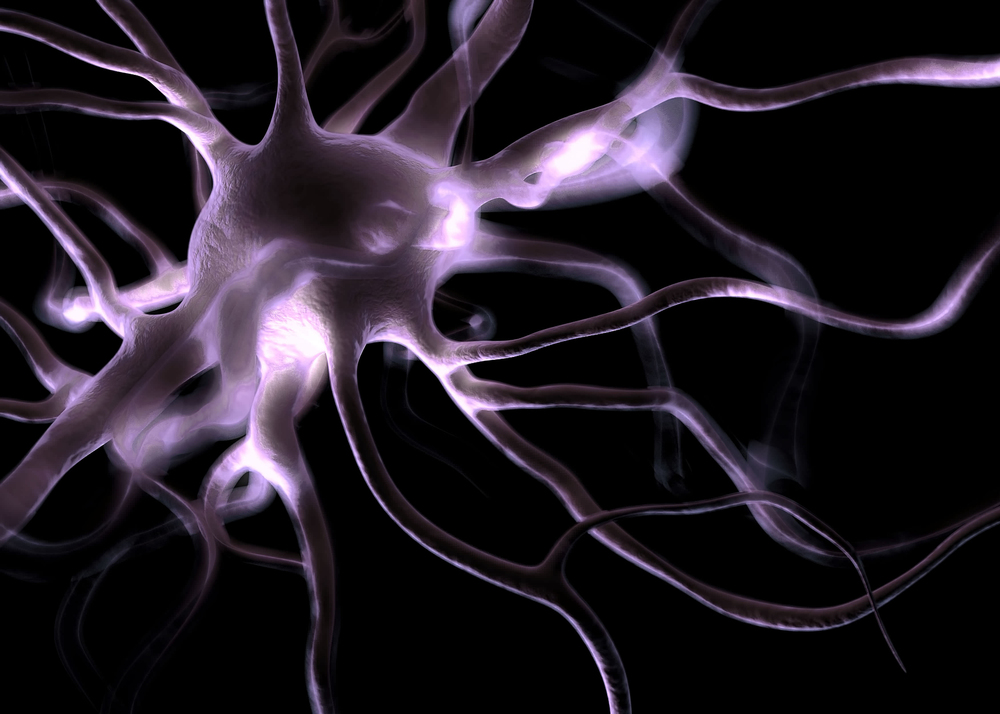
The brain feels no pain directly. It processes pain signals from the rest of the body, but the brain tissue itself contains no nociceptors — the sensory receptors that detect damage and trigger the sensation of pain. This is why brain surgery can be performed on a conscious patient.
Neurosurgeons sometimes keep patients awake during certain procedures to monitor speech and movement in real time. The patient feels no discomfort from the brain tissue being touched.
Yawning Is Linked to Brain Temperature

The exact function of yawning isn’t fully settled, but one well-supported theory connects it to brain cooling. When the brain gets warm, yawning draws cooler air across the roof of the mouth and into the sinuses, which sit close to brain tissue.
Studies have found that people yawn more when the temperature around them is slightly cooler than body temperature — when cooling is actually possible. This also helps explain why yawning is contagious.
It may function as a social signal to coordinate group alertness.
The Brain Is Surprisingly Selective About What It Processes
Your eyes take in an enormous amount of visual information every second, but the brain doesn’t process most of it in detail. Instead, it builds a rough map of your surroundings and fills in gaps using prediction and past experience.
This is why change blindness occurs — people regularly fail to notice significant changes in a scene when their attention is directed elsewhere. The brain isn’t passively recording reality.
It’s actively constructing a version of it, based on what it expects to see.
Forgetting Is an Active Process

Forgetting isn’t just failure. The brain actively prunes and discards information, and there’s evidence this process is just as important as remembering.
Without forgetting, the brain would be overwhelmed with irrelevant detail, making it harder to focus, generalize, and make decisions. Some researchers argue that healthy forgetting is a feature of a well-functioning memory system, not a flaw.
The goal isn’t to retain everything — it’s to retain the right things.
The Brain Responds to Social Rejection the Same Way It Responds to Physical Pain

Brain imaging studies show that social rejection and physical pain activate overlapping regions of the brain, including areas associated with the distress component of pain. Being left out, dismissed, or cut off from a group registers in the brain as a genuine threat.
This isn’t a metaphor. From the brain’s perspective, social pain and physical pain share neural real estate, which is why the language people use to describe heartbreak — “it hurts,” “I feel wounded” — maps more accurately onto biology than it might seem.
You Have Multiple Memory Systems
Memory isn’t one thing. The brain uses separate systems for different types of memory.
Episodic memory holds personal experiences — what you did last Tuesday. Semantic memory holds general knowledge — what the capital of France is.
Procedural memory handles skills — how to ride a bicycle. These systems operate largely independently, which is why a person with severe amnesia who can’t form new conscious memories can still learn new physical skills without having any recollection of practicing them.
The Brain Shrinks Slightly as You Age

Starting in your mid-twenties, the brain gradually loses volume over time. The prefrontal cortex — involved in planning, decision-making, and impulse control — tends to thin earliest.
The hippocampus, critical for memory formation, also shrinks with age. But brain volume isn’t the whole story.
Older adults often compensate by recruiting additional brain regions for tasks that younger people handle with fewer resources — a process sometimes called scaffolding. Experience and strategy can offset some of what’s lost in raw processing speed.
Dreams Use the Same Neural Machinery as Waking Perception

When you dream, your brain activates many of the same visual, emotional, and motor regions it uses when you’re awake. The primary difference is that the input comes from inside rather than from the outside world, and the prefrontal cortex — responsible for logical reasoning and self-awareness — is less active, which is why dreams feel real and rarely strike the dreamer as strange while they’re happening.
The brain isn’t watching a dream. It’s living it.
The Organ That Thinks About Itself
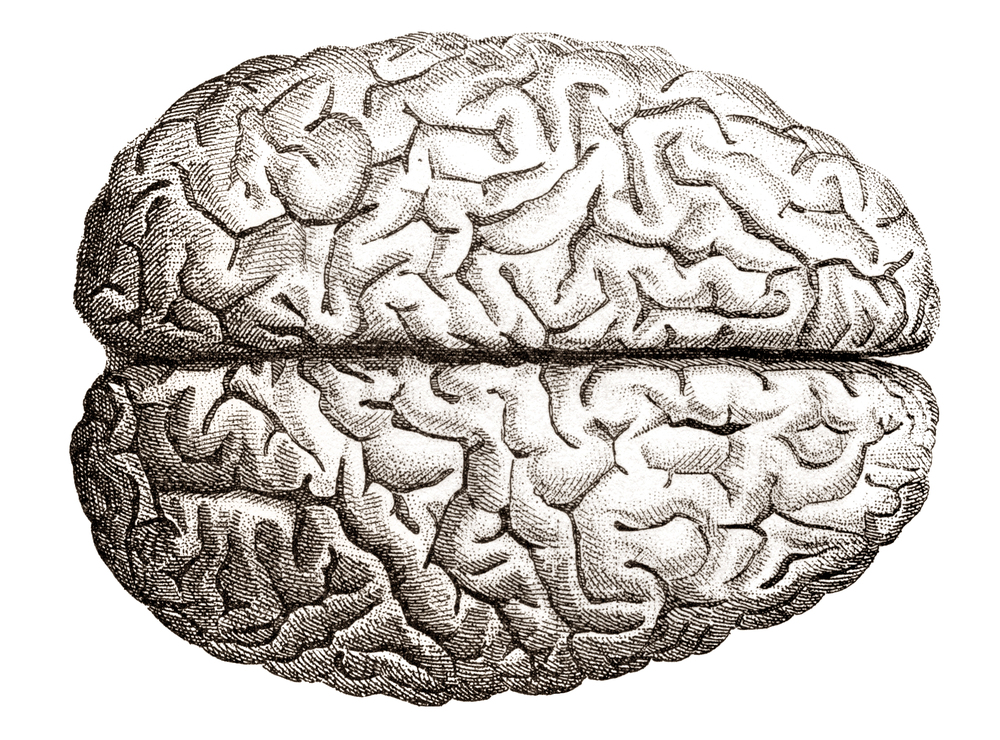
The Organ That Thinks About Itself There’s really something quite weird about the brain being the only thing in the whole known universe that can examine itself. All knowledge about neuroscience, all brain scans, experiments, and theories from brains that were trying to understand what brains are.
That process is just beginning. Even after years of research, consciousness , subjective experience, and the exact correspondence between neural activity and thoughts are still open questions.
The brain is definitely unsolved. It is probably the deepest unsolved problem that exists.
More from Go2Tutors!

- The Romanov Crown Jewels and Their Tragic Fate
- 13 Historical Mysteries That Science Still Can’t Solve
- Famous Hoaxes That Fooled the World for Years
- 15 Child Stars with Tragic Adult Lives
- 16 Famous Jewelry Pieces in History
Like Go2Tutors’s content? Follow us on MSN.



