20 Public Service Announcements Children Remember
Public service announcements filled the gaps between cartoons, usually in the form of a mascot, a jingle, or a slightly alarming warning. They had very short airtime and very specific jobs, and a surprising number of them stuck for decades.
Many of these campaigns used animals, cartoon characters, and catchy slogans to teach children and their parents something practical. A few of them became famous enough to be parodied for years afterward.
Smokey Bear and the Forest Fire Slogan
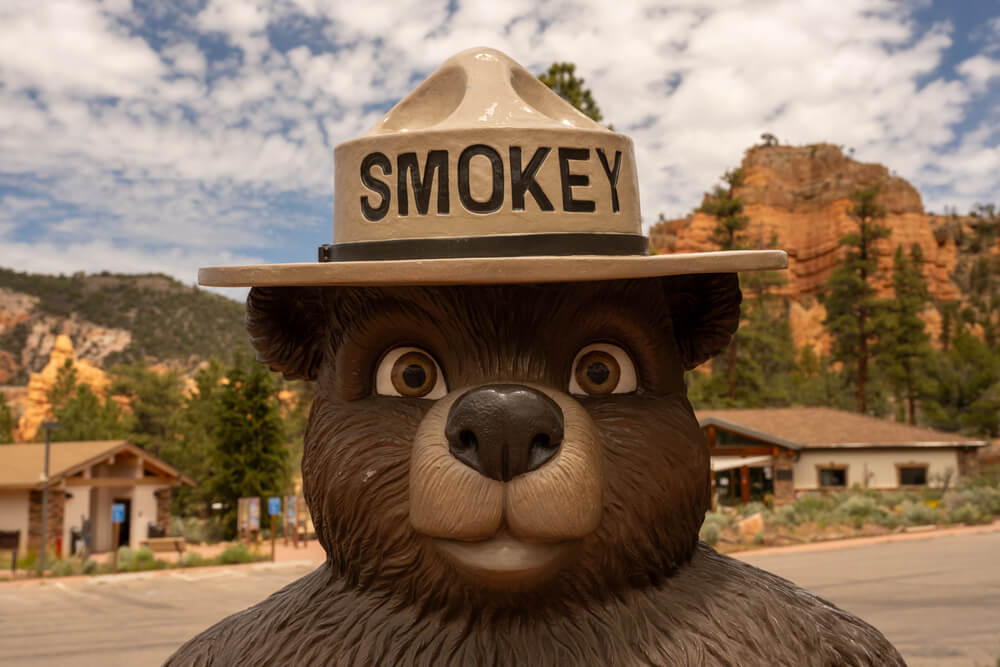
Smokey Bear debuted in 1944 as a wartime forest fire prevention campaign, and his slogan, Only You Can Prevent Forest Fires, arrived in 1947. A real bear cub rescued from a fire in New Mexico’s Capitan Mountains in 1950 became a living symbol and later lived at the National Zoo in Washington, D.C.
In 2001 the slogan changed to refer to wildfires, reflecting the fact that not all blazes occur in forests.
McGruff the Crime Dog
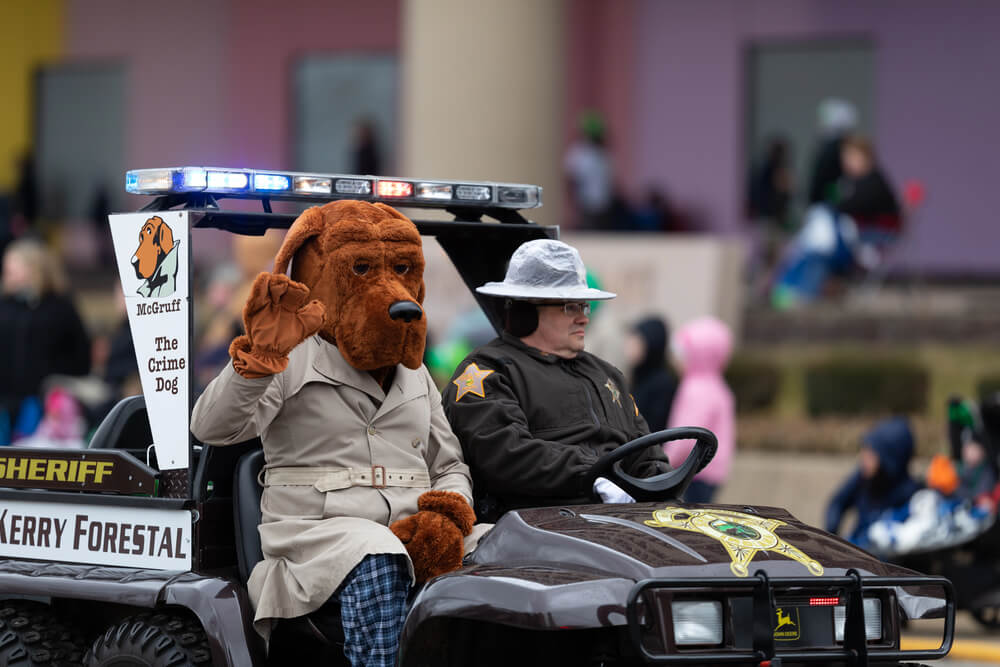
McGruff the Crime Dog debuted in 1980 as the face of the National Crime Prevention Council’s campaign. His slogan, Take a Bite Out of Crime, promoted safety habits for children and neighborhoods.
Jack Keil provided the gravelly voice that made the trench-coated hound instantly recognizable.
Woodsy Owl and the Rhyme Against Litter
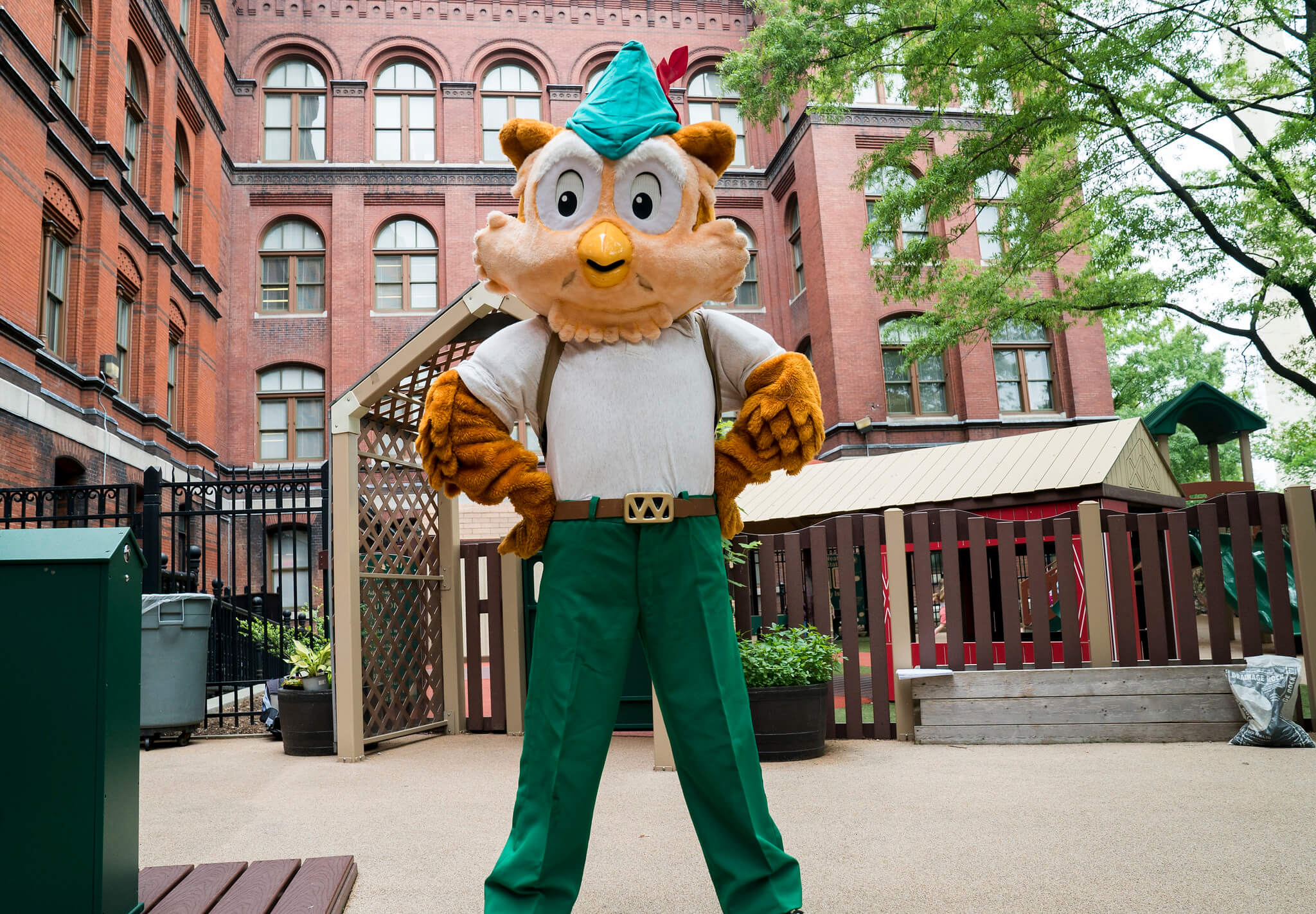
Woodsy Owl was introduced in 1971 by the U.S. Forest Service, and his slogan, Give a hoot, don’t pollute, became one of the most quoted rhymes of the era. The owl wore a Robin Hood-style hat and appeared in classrooms as well as on television.
The simple rhyme made it easy for kids to remember and repeat to adults.
The Crying Indian and the Litter Campaign
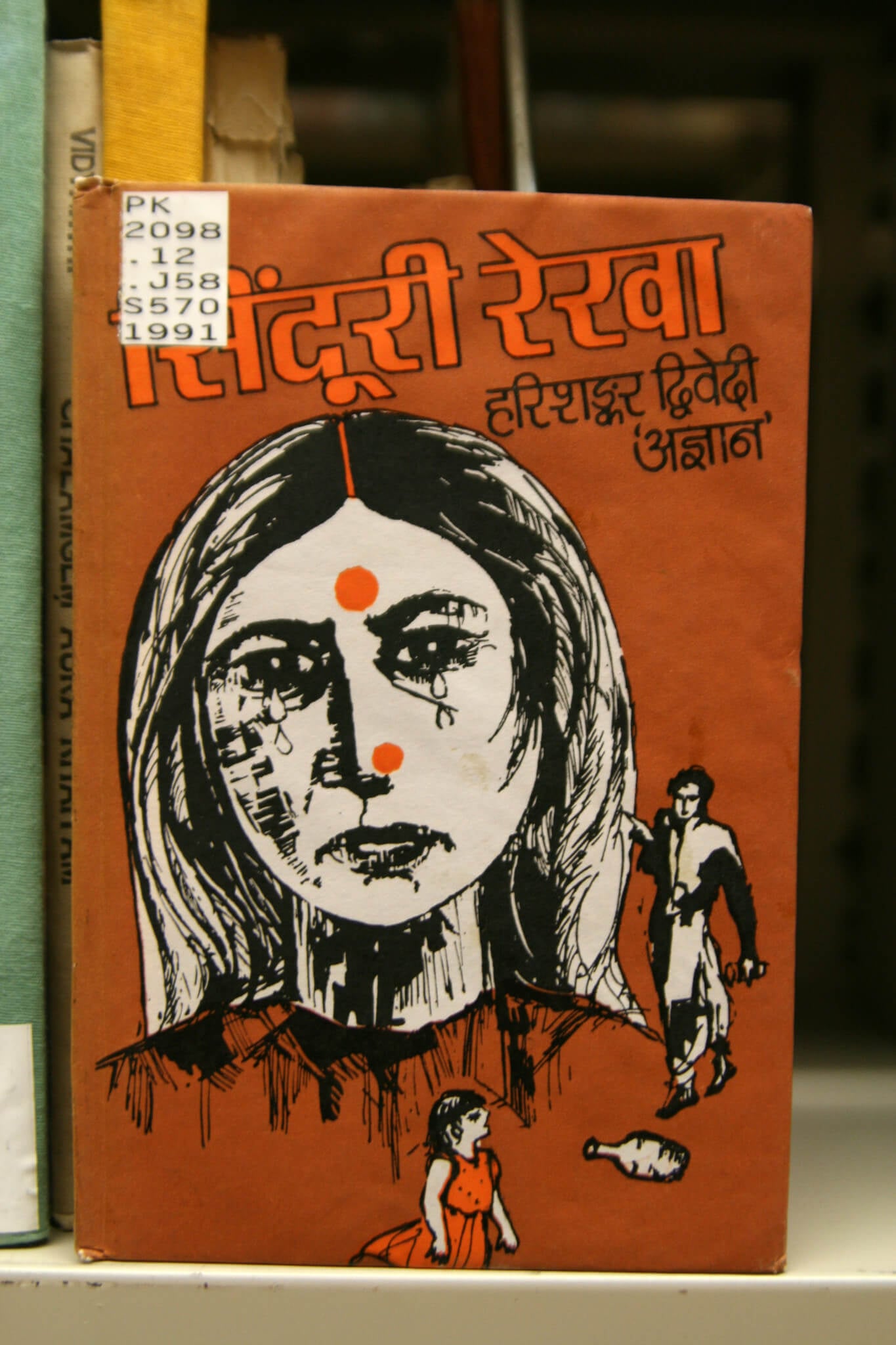
Keep America Beautiful introduced its famous anti-litter advertisement in 1971, around the time of the first Earth Day. It showed a man in buckskin shedding a tear after someone tossed trash from a car.
The actor, Iron Eyes Cody, was later widely reported to have been of Italian American descent, which added a complicated footnote to the spot’s legacy.
This Is Your Brain on Drugs

In 1987 the Partnership for a Drug-Free America aired a spot in which a man held up an egg and said it was a brain, then cracked it into a hot frying pan. The sizzling egg served as a stark visual comparison.
The spot was so memorable that it was parodied for decades afterward.
Mr. Yuk and the Green Scowl

Mr. Yuk was introduced in Pittsburgh in 1971 by the Poison Center at Children’s Hospital of Pittsburgh as a warning sticker for household poisons. The scowling green face replaced the traditional skull and crossbones because children associated the pirate symbol with treasure rather than danger.
Parents placed the stickers on cleaners and chemicals as part of a safety campaign.
Vince and Larry, the Crash Test Dummies
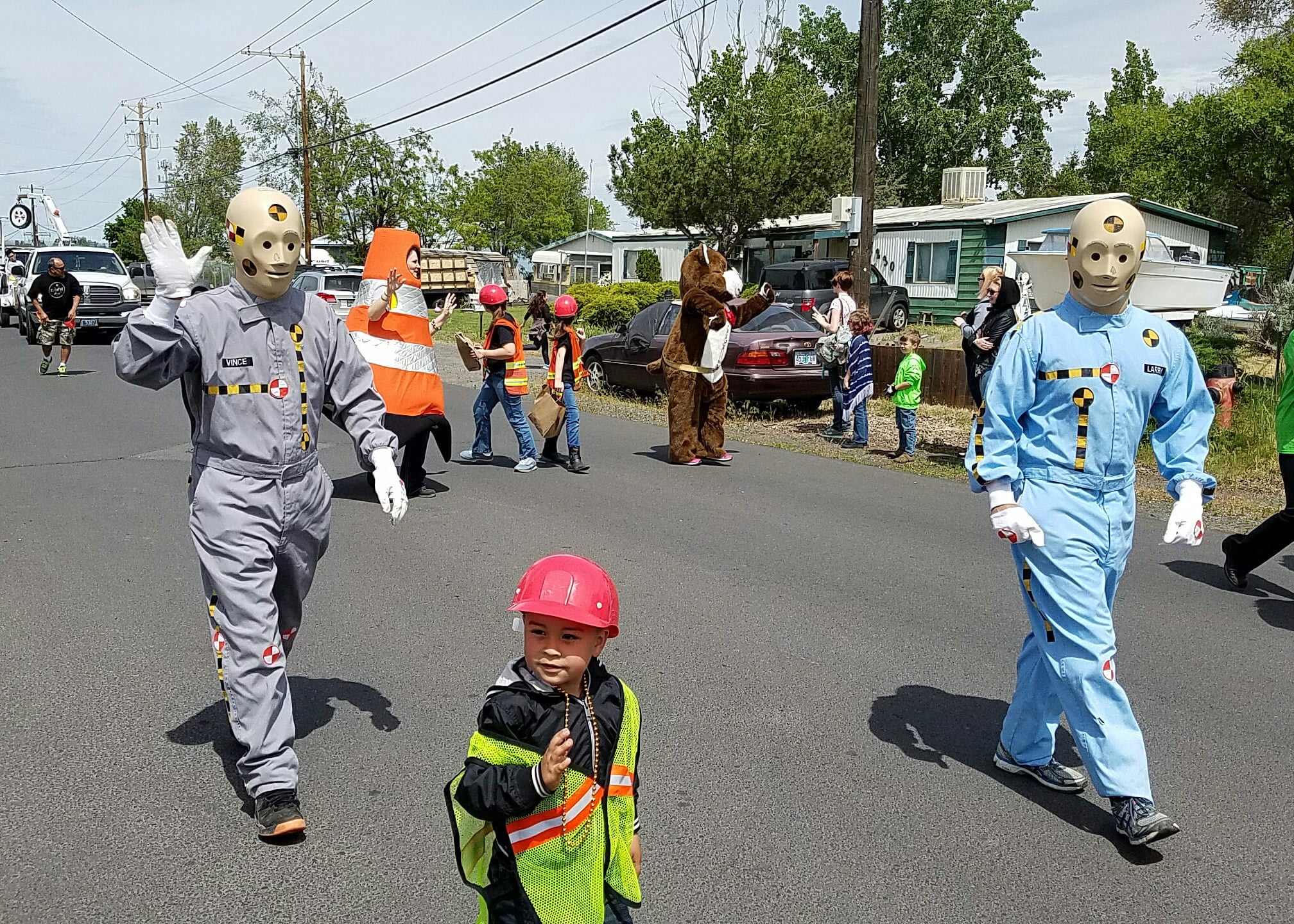
The Ad Council introduced Vince and Larry in 1985 to promote seat belt use, and their tagline suggested people could learn a lot from a dummy. The two characters walked away from staged crashes with comic stoicism.
Their cartoonish bodies and cheerful voices softened a serious message about traffic injuries.
The More You Know

NBC launched The More You Know in 1989, pairing well-known actors with short messages about education, health, and safety. The spots ended with a shooting star and a tagline that became part of the network’s identity.
Kids remembered the star animation and the celebrity cameos better than the individual topics.
Don’t Mess With Texas
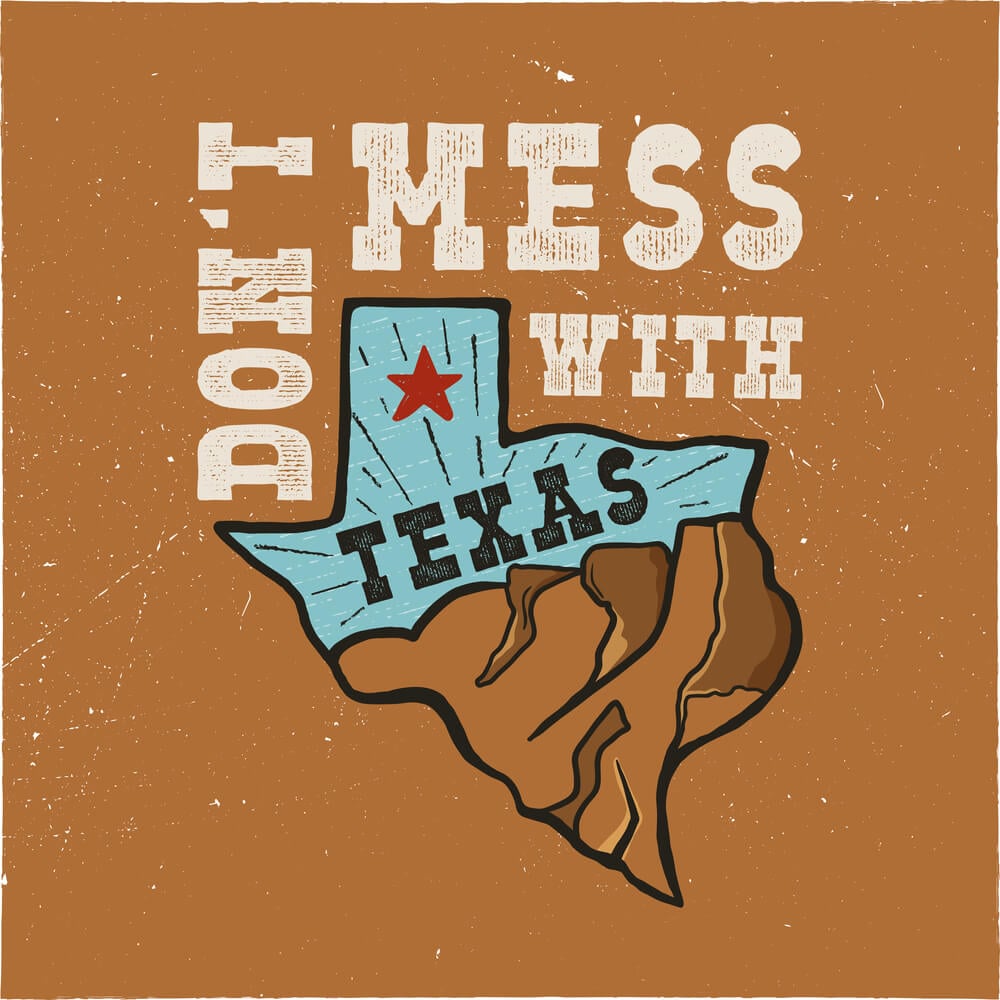
The Texas Department of Transportation launched Don’t Mess With Texas in 1985 to reduce roadside litter. The slogan sounded like a tough-guy challenge rather than a polite request, which appealed to the target audience of young men.
Texas musicians such as Stevie Ray Vaughan appeared in early commercials.
Just Say No

First Lady Nancy Reagan popularized Just Say No in 1982 after a schoolgirl in Oakland, California, asked what to do if someone offered her drugs. The slogan became the name of a national campaign and led to clubs in schools across the country.
Critics later argued that it oversimplified a complicated problem.
Friends Don’t Let Friends Drive Drunk

The Ad Council and the U.S. Department of Transportation introduced the slogan Friends Don’t Let Friends Drive Drunk in 1983. Public service spots showed friends taking away keys and arranging rides home.
Even children who were years from driving learned the line.
Sparky the Fire Dog
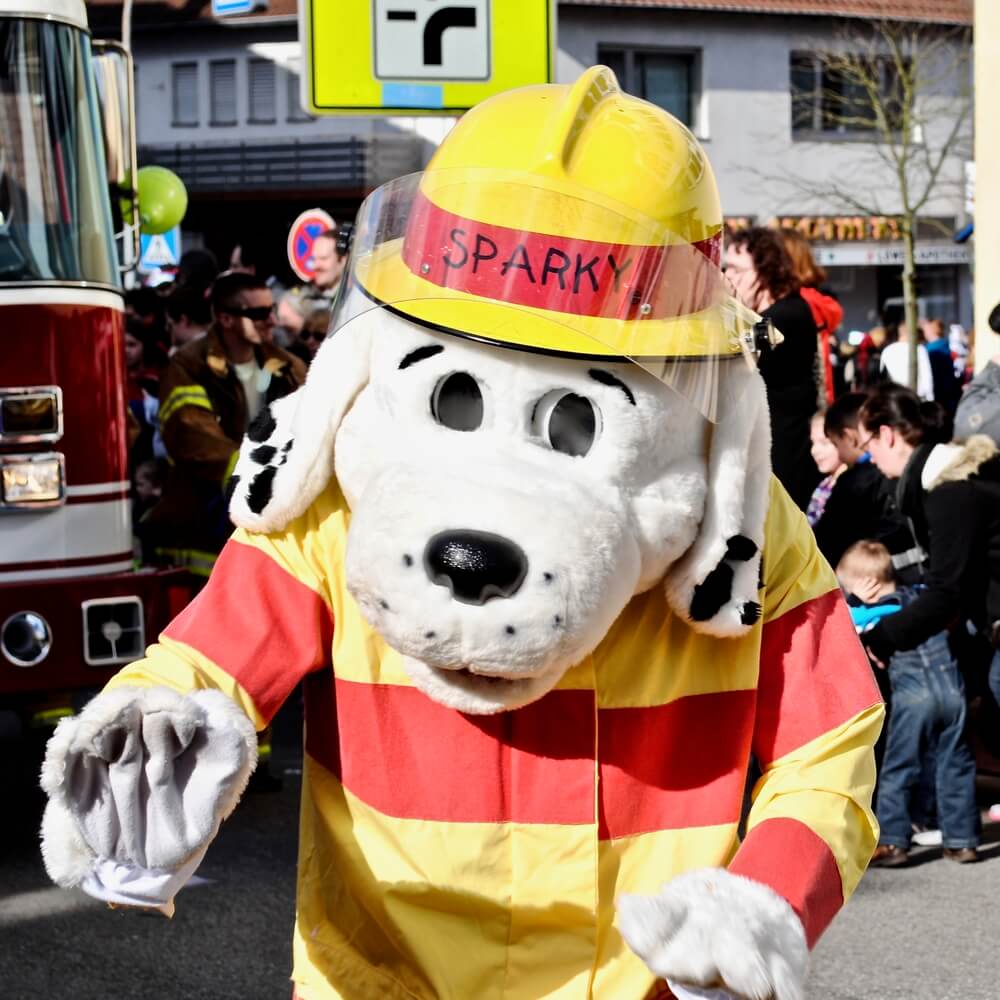
The National Fire Protection Association introduced Sparky the Fire Dog in 1951. The Dalmatian appeared in classrooms, parades, and fire station visits, and the breed’s connection to firefighting made him a natural mascot.
Children received stickers, coloring books, and reminders to check smoke alarms.
Bert the Turtle and the Duck-and-Cover Drill

Bert the Turtle starred in a 1951 civil defense film that taught schoolchildren to duck and cover during a nuclear attack. Bert pulled his head into his shell, and kids were instructed to crouch under their desks.
The cheerful tone and cartoon animation made the subject matter feel stranger with each passing decade.
The Green Cross Code Man

Britain’s Green Cross Code Man, a superhero-style road safety character, appeared in public information films in the mid-1970s. The actor inside the costume was Dave Prowse, who was also the body of Darth Vader in the original Star Wars trilogy.
Children learned to stop, look, listen, and think before crossing.
Charley Says
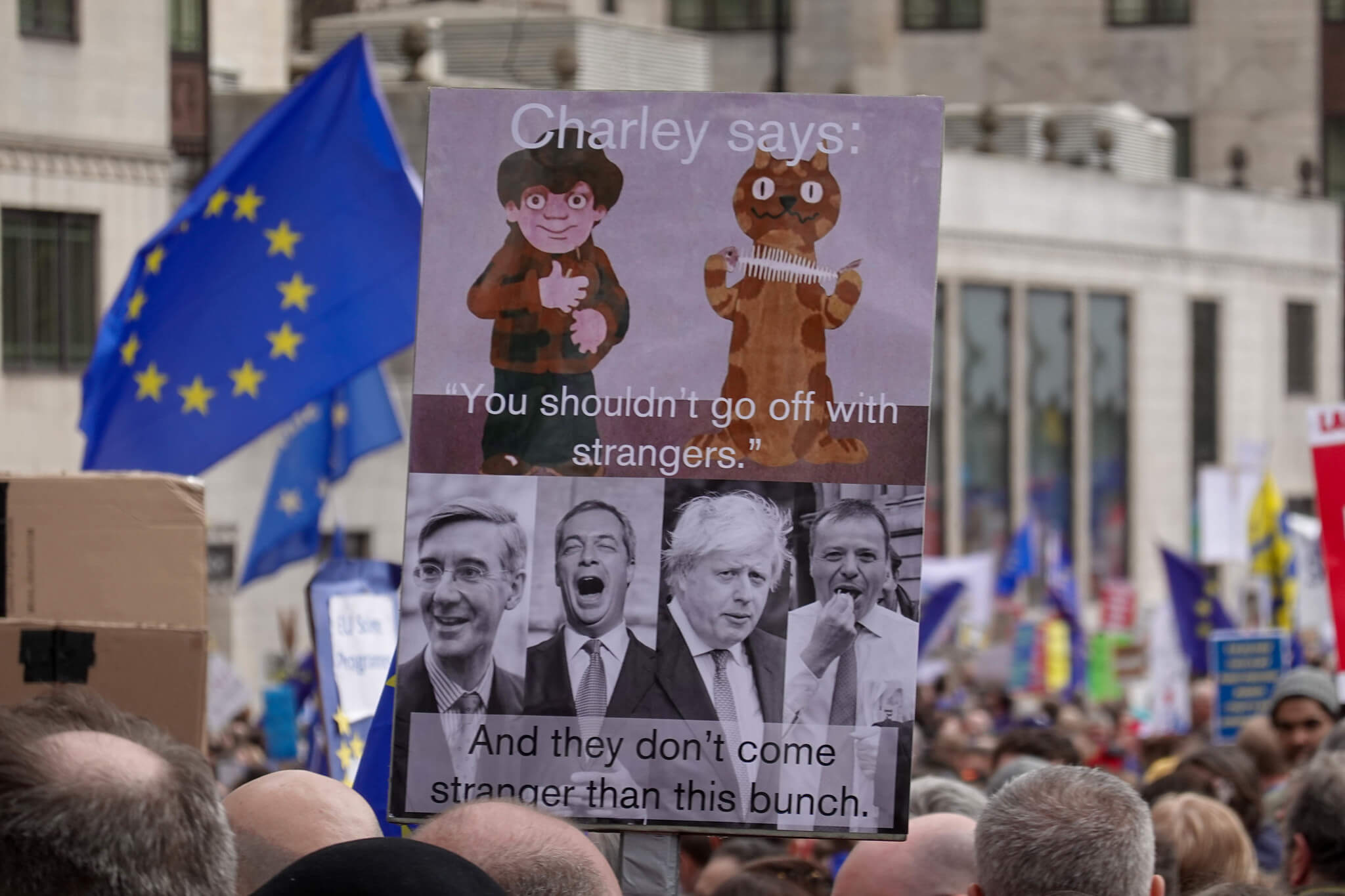
The British Charley Says films in the 1970s featured an animated cat who warned children about hazards such as strangers, matches, and fireworks. Kenneth Williams supplied Charley’s voice, and the shorts ended with the cat’s catchphrase.
They were brief enough to run between children’s programs.
Slip! Slop! Slap!
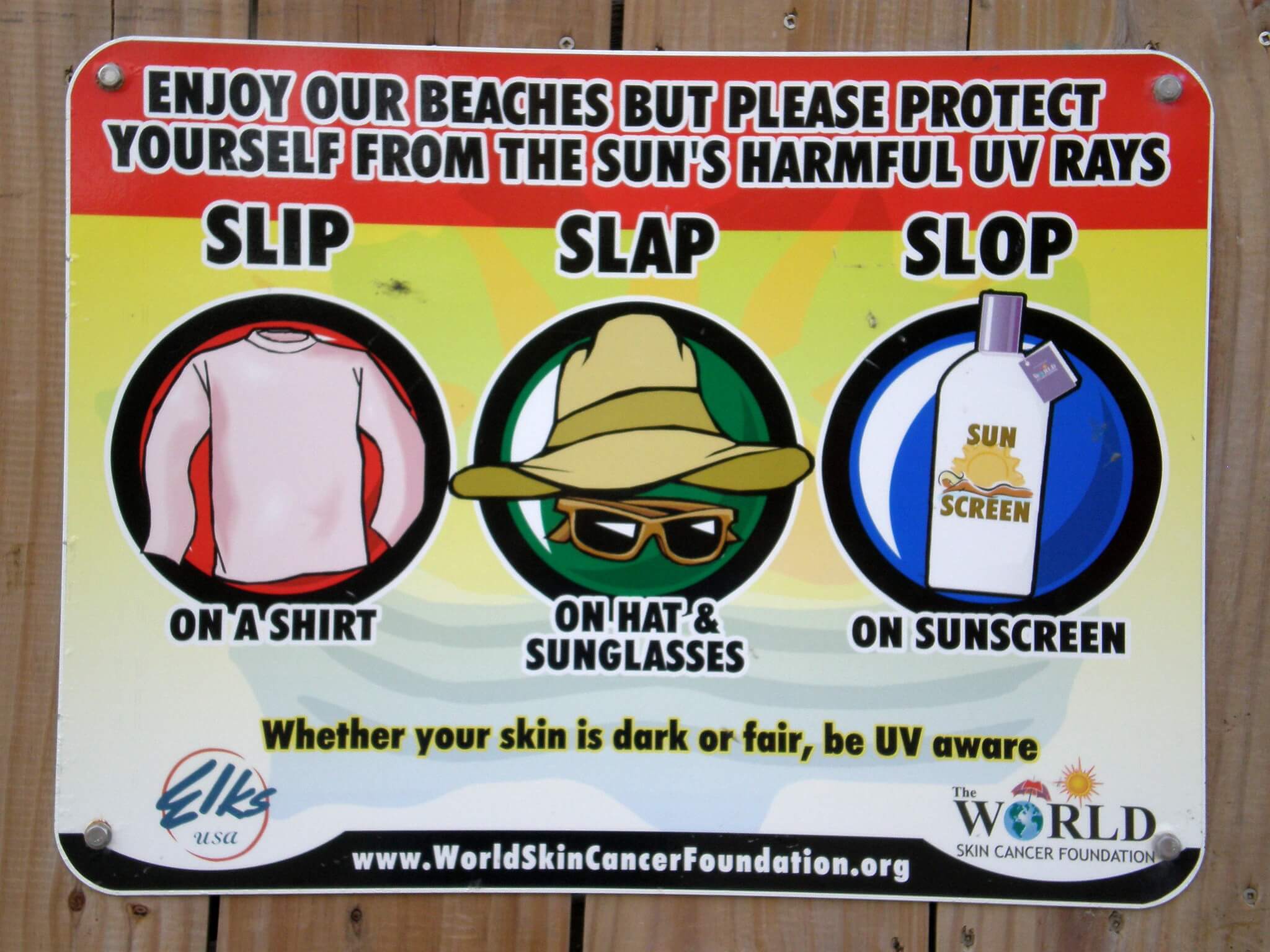
In 1981 the Cancer Council Victoria in Australia launched Slip! Slop! Slap!, a campaign encouraging people to slip on a shirt, slop on sunscreen, and slap on a hat. Sid the Seagull, a dancing cartoon bird, sang the jingle.
The slogan became part of Australian childhood and helped change habits at the beach.
ParticipACTION and the Sixty-Year-Old Swede

Canada’s ParticipACTION began in 1971 to encourage physical activity. An early advertisement compared the fitness of a typical 30-year-old Canadian with that of a 60-year-old Swede, to the Canadian’s disadvantage.
The comparison became so famous that people still cite it as a classic example of public shaming that worked.
Life. Be in It. and the Cartoon Named Norm
Australia’s Life. Be in It. campaign debuted in 1975 and starred Norm, a cartoon man whose stomach hung over his shorts. The animated spots encouraged people to move more and sit less.
Norm’s unflattering appearance made him easy to remember and easy to joke about.
A Mind Is a Terrible Thing to Waste
The United Negro College Fund adopted the slogan A Mind Is a Terrible Thing to Waste in 1972. Public service spots encouraged donations that supported students at historically Black colleges and universities.
The line is regularly cited as one of the most effective advertising slogans in American history.
Tufty the Squirrel and the Road Safety Club
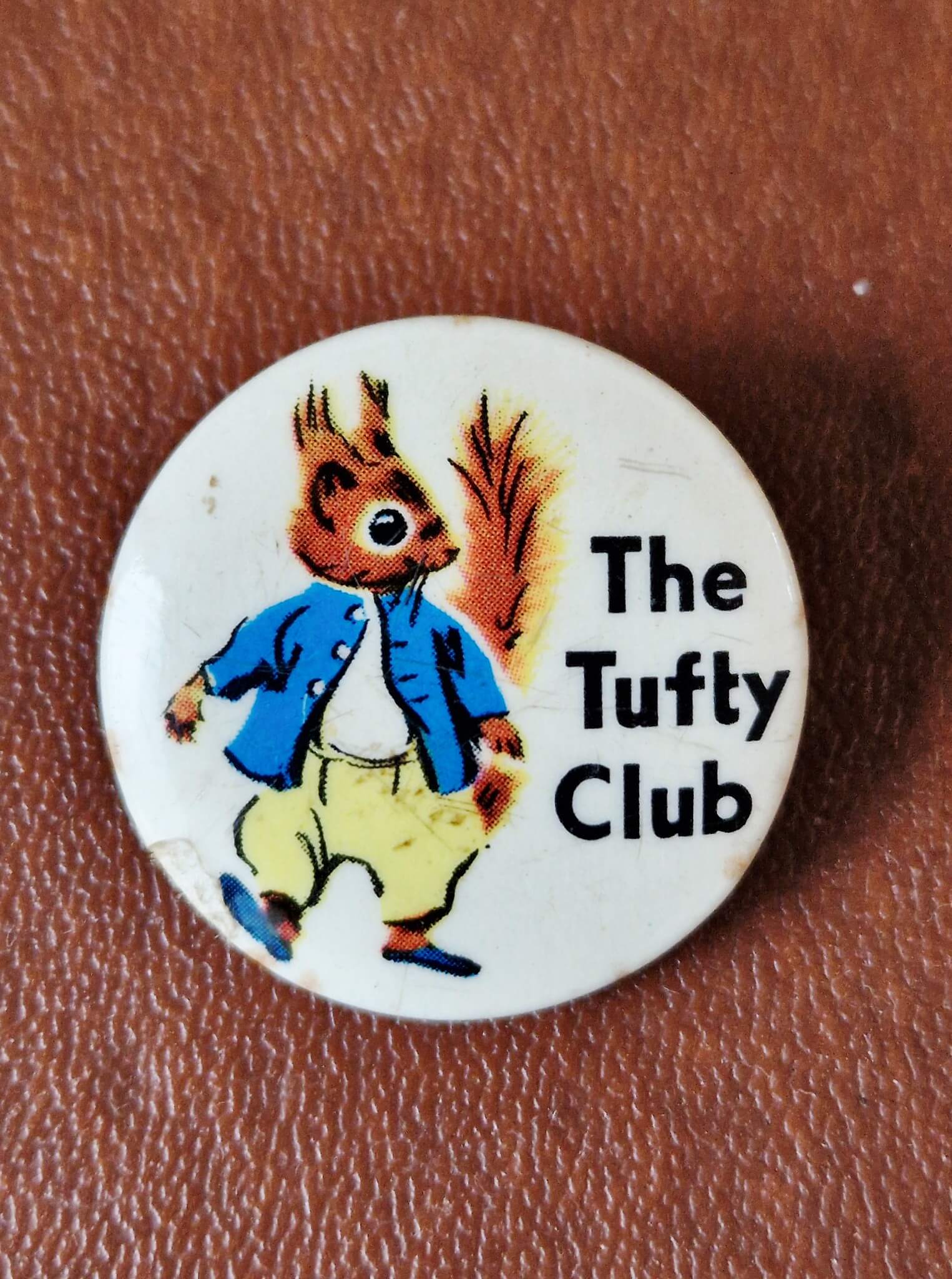
The Royal Society for the Prevention of Accidents introduced the Tufty Club in 1953, built around Tufty Fluffytail, a red squirrel who taught young children how to cross the road safely. Members received badges and membership cards.
Several generations of British children grew up following the squirrel’s rules.
The Jingle That Outlived the Warning

Most children never forgot a slogan, even when they forgot the details of the warning. A rhyme, a mascot, or a catchy tune carried a message into adulthood far more reliably than a pamphlet.
That durability is why campaigns hired cartoonists and songwriters instead of just printing instructions. The best announcements treated children as capable listeners rather than miniature adults.
They respected short attention spans and used memorable characters to make a safety rule feel like a secret. Their messages are still repeated by grown-ups who remember exactly where they first heard them.
More from Go2Tutors!

- 27 Silver Dollars and Half Dollars Worth Keeping
- 28 Restaurant Menu Items Nobody Orders Anymore
- 17 Places Built in Seemingly Impossible Spots
- 27 Vintage Rings Worth More Than They Look
- 25 Restricted Sites Tourists Can’t Enter
Like Go2Tutors’s content? Follow us on MSN.