15 Tallest Waterfalls You Can Actually Visit
There’s something magical about standing in front of a massive waterfall, feeling the mist on your face while thousands of gallons of water crash down from incredible heights. Many of the world’s tallest waterfalls hide in remote locations that require serious expedition gear and weeks of planning, yet plenty of spectacular giants remain accessible to regular travelers with a sense of adventure.
Here’s a list of 15 towering waterfalls that you can actually reach without needing a helicopter or mountaineering experience.
Angel Falls, Venezuela

Angel Falls holds the undisputed title as the world’s tallest waterfall — plunging an astounding 3,212 feet from the top of Auyán-tepui mountain in Venezuela’s Canaima National Park. The water falls so far that much of it turns to mist before hitting the ground.
This creates an otherworldly spectacle that seems almost too dramatic to be real. Getting there requires a flight to Canaima followed by a river journey and jungle trek, though tour operators make this Venezuelan wonder accessible to determined visitors.
Tugela Falls, South Africa
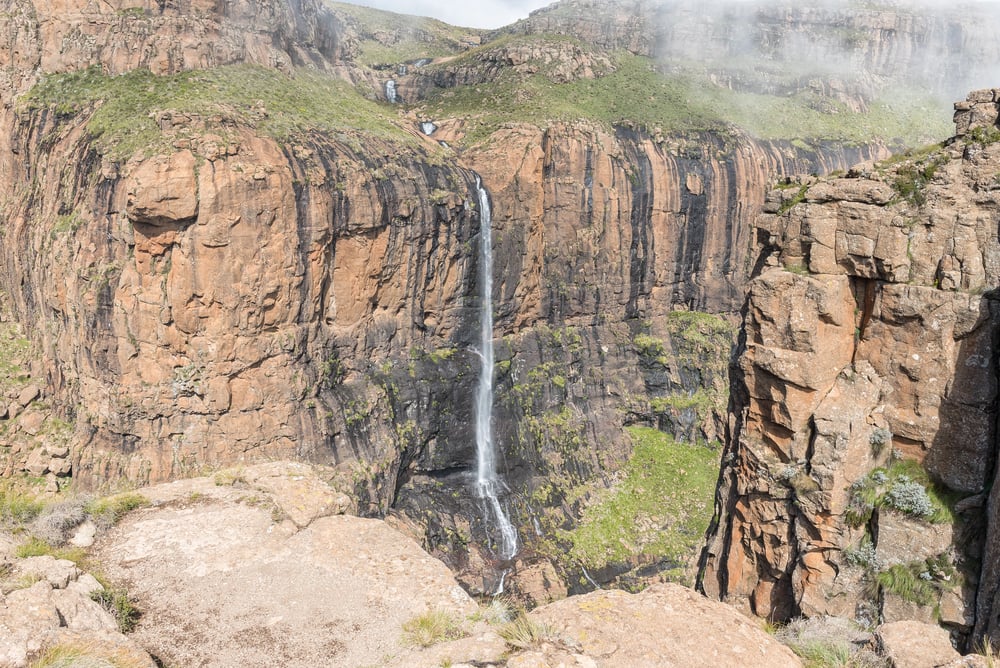
Nestled in the Drakensberg Mountains, Tugela Falls drops 3,110 feet in five spectacular tiers — making it the second-highest waterfall on Earth. The falls flow year-round thanks to the region’s reliable rainfall, yet they’re most impressive during the wet season from October to March.
You can reach viewing points via a challenging but manageable day hike from the Royal Natal National Park, where the trail rewards hikers with panoramic views of the entire cascade system.
Like Go2Tutors’s content? Follow us on MSN.
Tres Hermanas Falls, Peru

Hidden deep in the Peruvian Amazon, Tres Hermanas Falls tumbles 3,000 feet through dense jungle canopy. It creates a misty paradise that feels like stepping into a nature documentary.
The falls consist of three distinct drops — hence the name ‘Three Sisters’ — each offering its own unique perspective on this remote wonder. Reaching the falls requires a multi-day expedition through the rainforest, though specialized tour companies provide guided trips that handle all the logistics for adventurous travelers.
Olo’upena Falls, Hawaii
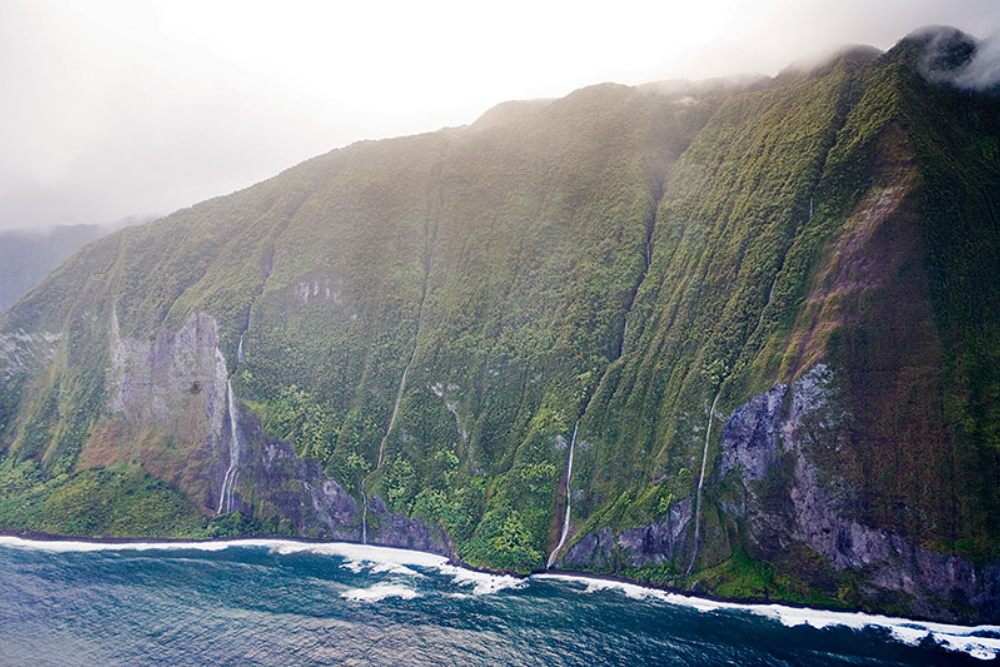
Located on the remote island of Molokai, Olo’upena Falls drops 2,953 feet down a sheer cliff face that seems to emerge directly from the Pacific Ocean. This Hawaiian giant flows strongest during the rainy season, when trade winds carry ocean moisture up the island’s towering sea cliffs.
The falls are best viewed from helicopter tours or boat trips along Molokai’s north shore — offering visitors a chance to experience this natural wonder from multiple angles.
Yumbilla Falls, Peru

Peru’s Yumbilla Falls cascades 2,938 feet through multiple tiers in the Amazon basin, creating a series of natural pools and smaller waterfalls along its descent. The falls were only officially measured and recognized in 2007 — making them one of the more recent additions to the world’s tallest waterfall rankings.
Visitors can reach the falls via a moderate hike from the town of Cuispes, where local guides provide insights into the surrounding cloud forest ecosystem.
Like Go2Tutors’s content? Follow us on MSN.
Vinnufossen, Norway

Norway’s Vinnufossen plunges 2,822 feet down a series of rocky steps — fed by glacial meltwater from the Vinnufjellet mountain. The waterfall flows most dramatically during spring and early summer when snowmelt reaches its peak, creating a thunderous display that can be heard from miles away.
The falls are easily accessible by car along the scenic Sunndalsøra valley, with several viewing points offering different perspectives of this Nordic giant.
Balåifossen, Norway

Another Norwegian powerhouse, Balåifossen drops 2,788 feet in the Hordaland region — fed by snowmelt from the surrounding peaks. The waterfall flows seasonally, typically from May through September, when warming temperatures release water from high-altitude snow and ice.
Visitors can reach viewing areas via hiking trails from the nearby village of Ulvik, where the journey through alpine meadows proves almost as spectacular as the destination.
Browne Falls, New Zealand
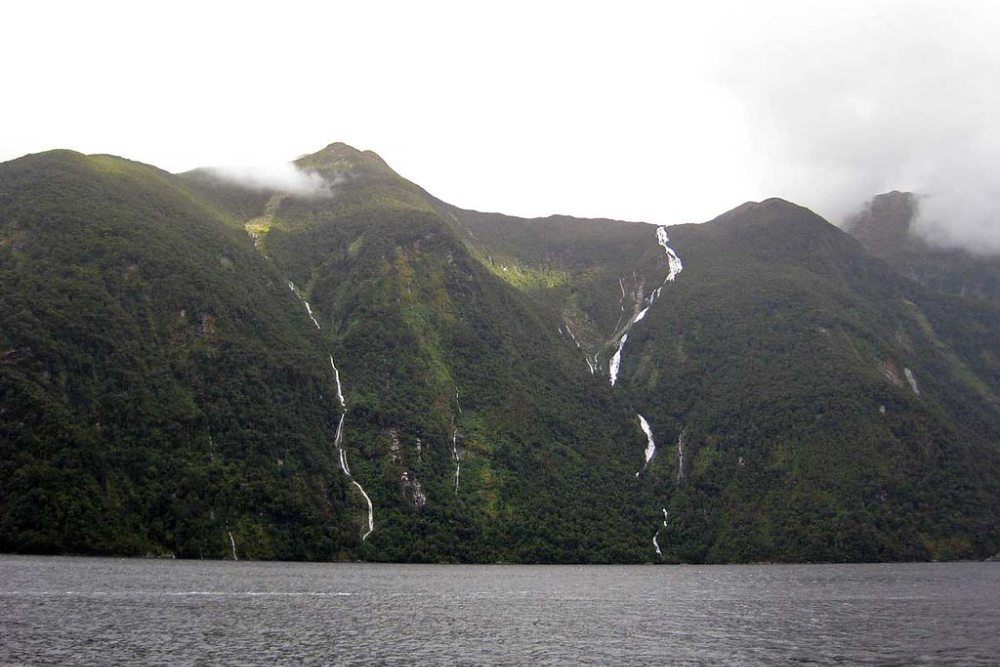
New Zealand’s Browne Falls tumbles 2,744 feet into Doubtful Sound — one of the country’s most pristine fiords. The waterfall flows permanently thanks to the region’s abundant rainfall, which averages over 250 inches annually in this part of Fiordland National Park.
The falls are best experienced via boat tours through Doubtful Sound, where visitors can witness the water cascading directly into the dark waters of the fiord.
Like Go2Tutors’s content? Follow us on MSN.
James Bruce Falls, Canada

Located in British Columbia’s Princess Louisa Marine Provincial Park, James Bruce Falls drops 2,755 feet down a granite cliff face into the pristine waters of Princess Louisa Inlet. The falls flow year-round — fed by snowmelt and rainfall from the surrounding Coast Mountains.
Visitors can reach the area by boat or seaplane, with the inlet itself offering some of the most spectacular scenery in the Pacific Northwest.
Pu’uka’oku Falls, Hawaii
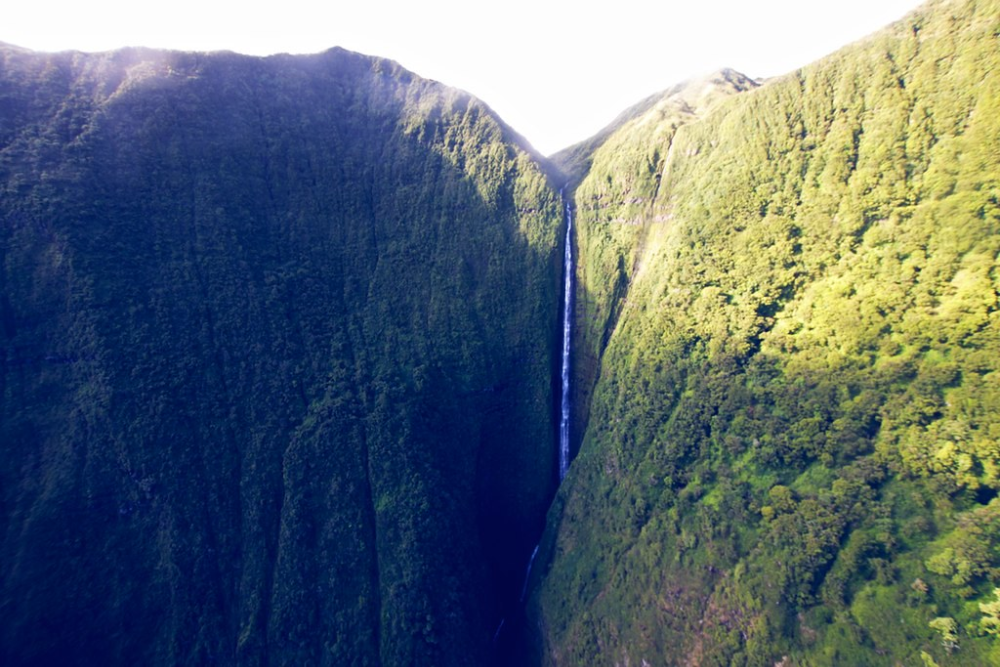
Hawaii’s second entry on this list, Pu’uka’oku Falls plunges 2,756 feet down the sea cliffs of Molokai’s north shore. Like its neighbor Olo’upena Falls, this waterfall flows strongest during the rainy season when trade winds bring moisture to the island’s windward slopes.
The falls are best viewed from helicopter tours or boat excursions — offering visitors a chance to experience the raw power of Hawaiian geology.
Ramnefjellsfossen, Norway
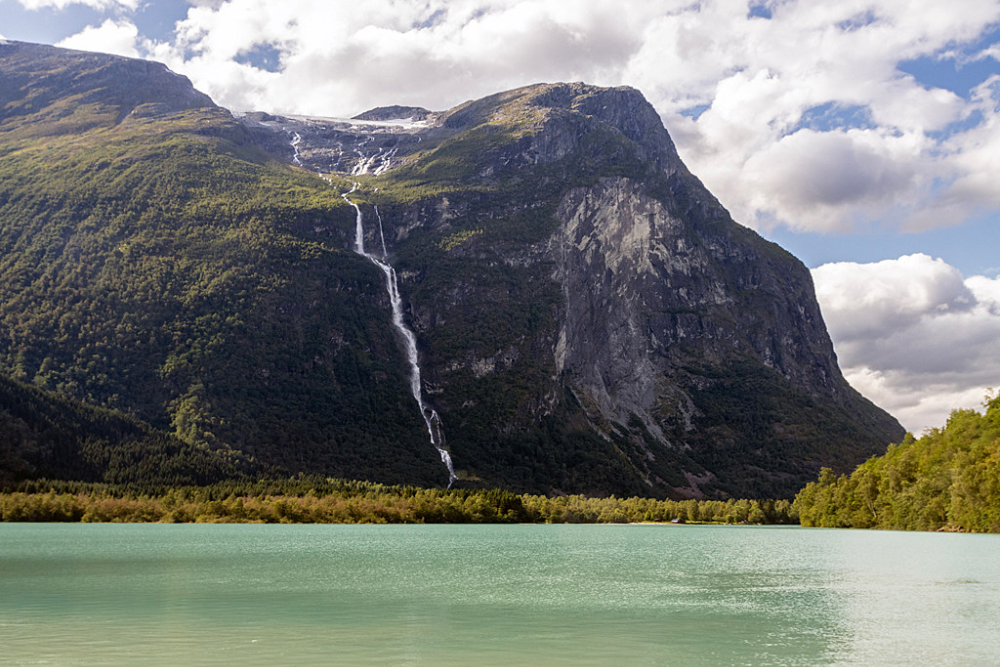
Norway claims another spot with Ramnefjellsfossen, which drops 2,684 feet in the Møre og Romsdal region. This seasonal waterfall flows most impressively during spring snowmelt.
It creates a temporary but spectacular display that attracts photographers from around the world. The falls can be viewed from various points along the nearby roads, making them among the most accessible of Norway’s giant waterfalls.
Like Go2Tutors’s content? Follow us on MSN.
Waihilau Falls, Hawaii

The third Hawaiian entry, Waihilau Falls cascades 2,600 feet down the walls of Waipi’o Valley on the Big Island. This waterfall flows year-round, fed by streams that originate in the island’s central mountains and flow through lush tropical vegetation.
Visitors can reach viewing points via a steep hike into Waipi’o Valley, where the journey through this sacred Hawaiian landscape adds cultural significance to the natural spectacle.
Colonial Creek Falls, Washington
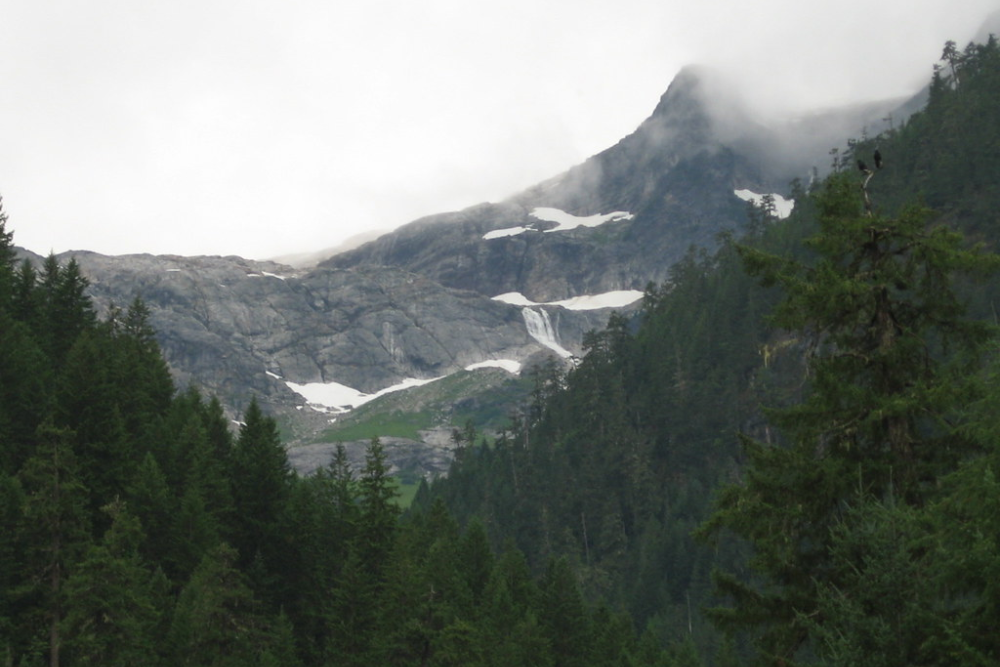
Washington State’s Colonial Creek Falls drops 2,584 feet in the North Cascades, creating a spectacular display that’s unfortunately seasonal due to the region’s dry summers. The falls flow most dramatically during spring snowmelt, when the surrounding peaks release their winter accumulation.
Visitors can reach viewing areas via hiking trails from the Colonial Creek Campground, where the falls provide a dramatic backdrop for camping and outdoor activities.
Mongefossen, Norway
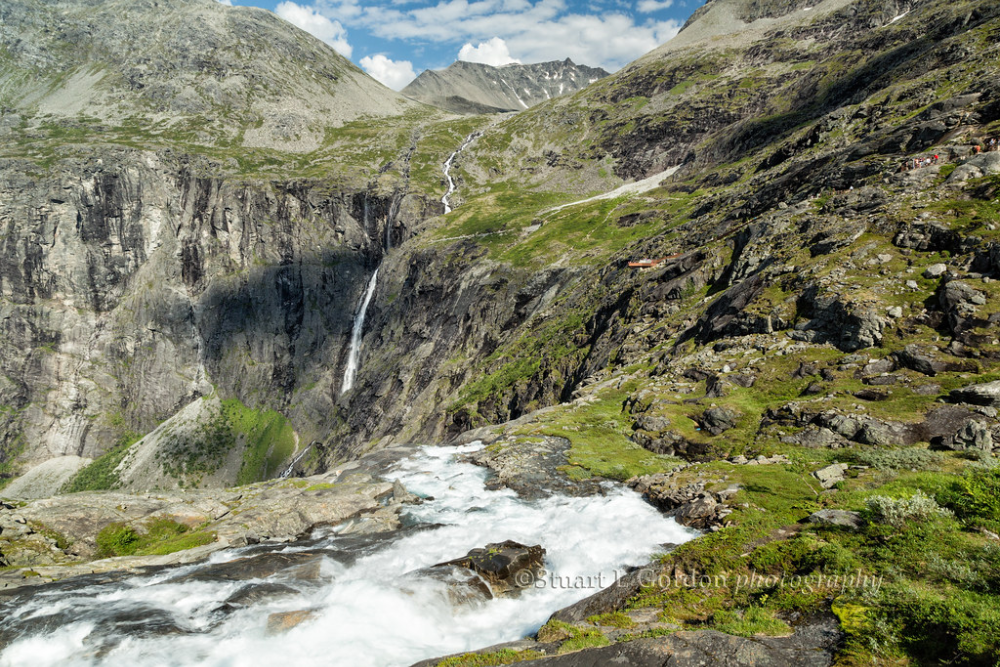
Norway’s Mongefossen tumbles 2,535 feet down a series of rocky terraces, fed by glacial meltwater from the Jostedalsbreen glacier system. The waterfall flows seasonally, typically from May through September, when warmer temperatures release water from the surrounding ice fields.
The falls are accessible via hiking trails from the nearby village of Luster, where visitors can experience both the waterfall and the broader glacial landscape.
Like Go2Tutors’s content? Follow us on MSN.
Gocta Falls, Peru

Peru’s Gocta Falls drops 2,531 feet in two main tiers, surrounded by cloud forest that creates a mystical atmosphere around this Amazonian giant. The falls flow year-round, though they’re most impressive during the rainy season from December to March.
Visitors can reach the falls via a moderate hike from the village of Cocachimba, where local guides share stories about the waterfall’s recent ‘discovery’ by the outside world in 2005.
Nature’s Vertical Theater Still Beckons
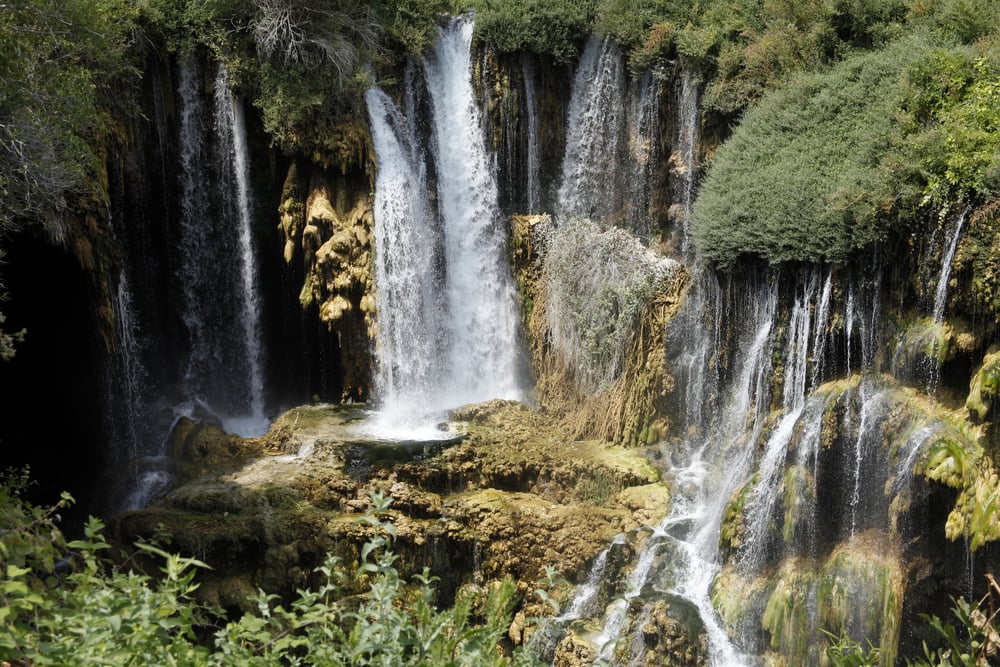
These towering waterfalls represent some of our planet’s most dramatic natural sculptures, carved by millions of years of flowing water and geological forces. While technology has made many of these giants more accessible than ever before, they still require a spirit of adventure and respect for the natural world.
Whether you’re planning a helicopter tour over Hawaiian sea cliffs or preparing for a jungle trek in the Amazon, these waterfalls offer experiences that remind us why some of nature’s greatest performances are worth the journey to witness firsthand.
More from Go2Tutors!

- 16 Historical Figures Who Were Nothing Like You Think
- 12 Things Sold in the 80s That Are Now Illegal
- 15 VHS Tapes That Could Be Worth Thousands
- 17 Historical “What Ifs” That Would Have Changed Everything
- 18 TV Shows That Vanished Without a Finale
Like Go2Tutors’s content? Follow us on MSN.



