20 Reasons Homemade Halloween Costumes Always Got More Attention Than Store-Bought Ones
A store-bought costume arrives in a bag with a picture of what it’s supposed to look like on the front. A homemade one arrives with a story. That difference sounds small until you’re standing on a doorstep at night and a neighbour looks at what you’re wearing and says — not as a formality, but genuinely — “Did you make that?” The question is its own small compliment. It means you made something that required actual looking.
Homemade costumes have commanded a different kind of attention for as long as Halloween has existed as a dress-up occasion, which in the United States dates to the early twentieth century. The reasons are not mysterious. They have to do with specificity, effort, and the way attention responds to things that couldn’t have been produced identically by anyone else.
Every One of Them Was the Only One
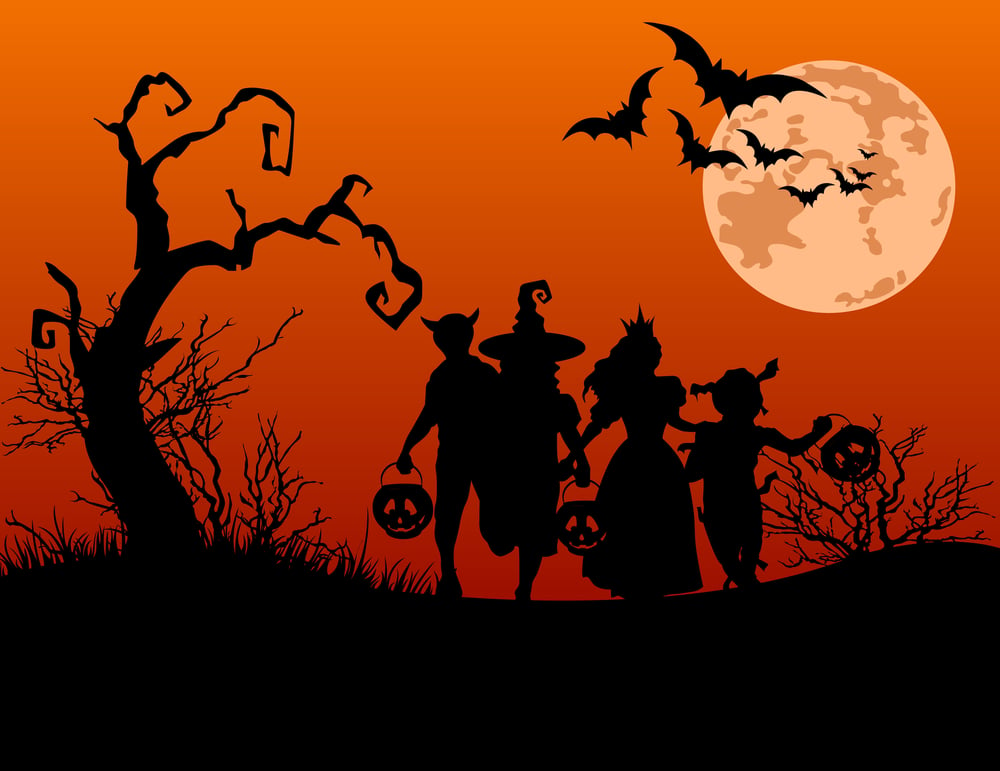
A store-bought pirate costume meant there were forty pirate costumes of exactly that type in the school parade. A homemade pirate costume meant there was exactly one — assembled from a parent’s old coat, a headband with a fabric skull, and a cardboard sword painted silver.
Even if both were technically “pirate,” one of them stopped people and one of them was processed and moved past. Uniqueness is attention-generating by definition, and homemade costumes were unique by necessity.
You Could See the Work in Them
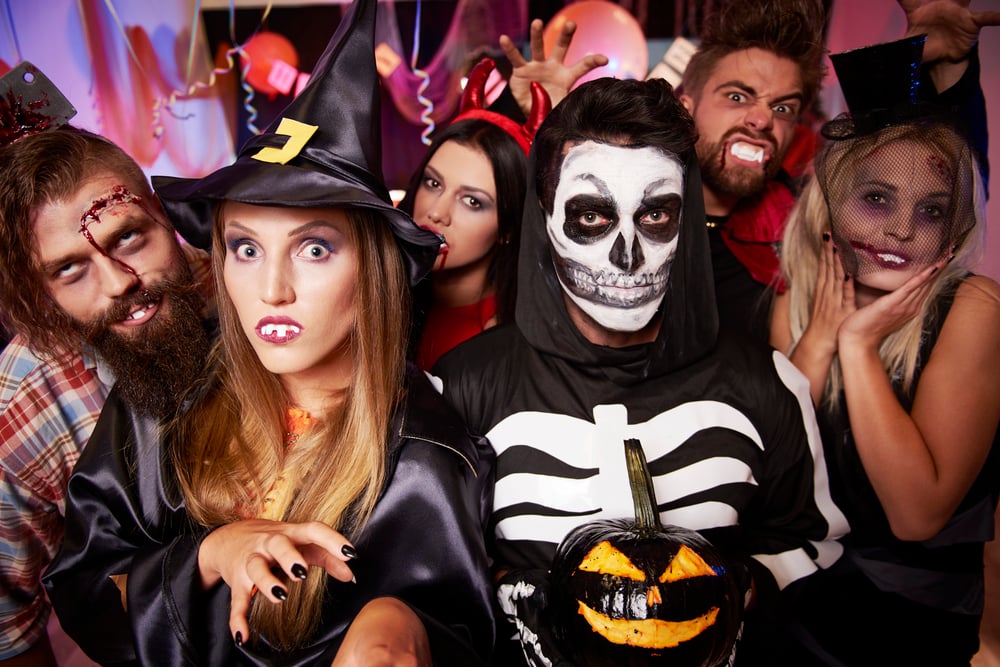
Visible effort is one of the things human attention is most reliably drawn to. When a costume involved papier-mâché, hand-painted details, a wig assembled from string, or an elaborate headpiece built from cereal boxes and spray paint, the evidence of that work was legible to anyone looking.
People leaned in. They asked how it was done. They examined specific parts. The costume invited engagement because the engagement was part of what was being offered.
The Concept Was Always Specific

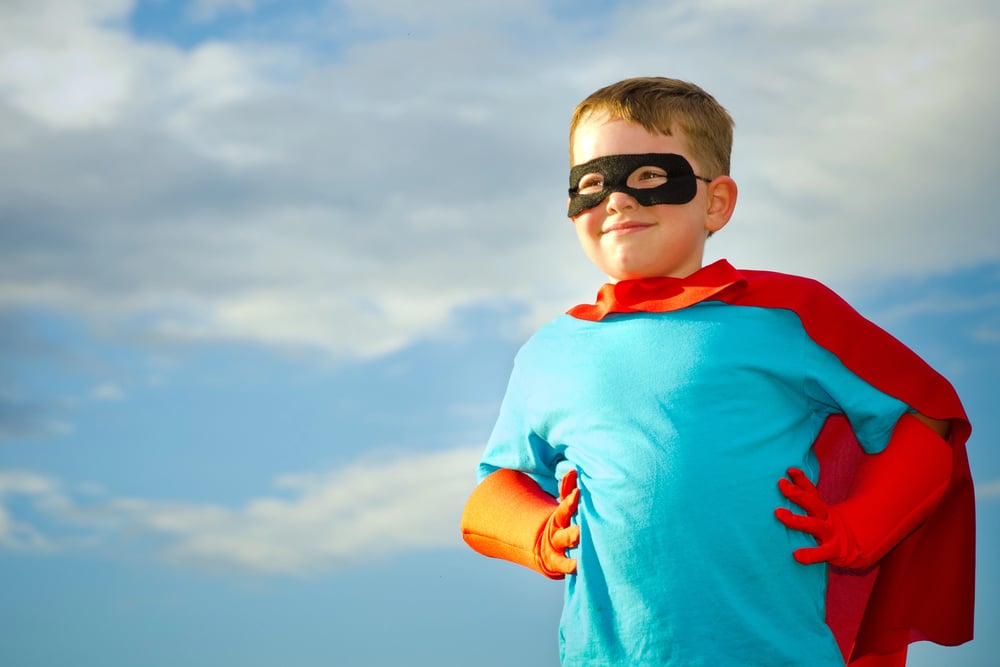
Store-bought costumes defaulted to recognisable categories: witch, vampire, ghost, superhero. Homemade costumes could be anything, and the specific things they chose were often funnier, more personal, or more obscure.
A child dressed as a specific character from a book the family loved. A kid as a household appliance. Siblings as a pair of items that only made sense together. That specificity was impossible to manufacture in advance and extremely possible to construct in a garage over three weekends in October.
They Fit Correctly

Mass-produced Halloween costumes are sized to approximate body shapes in blunt categories. They are too long, or too wide, or too short in the torso, or have sleeves that end somewhere unexpected.
A homemade costume, built around the actual body wearing it, fit. The fitting made it look more like a costume and less like a bag with a character printed on it. This sounds obvious but produced a visual difference that was meaningful and noticed.
The Parent’s Investment Showed and Was Felt
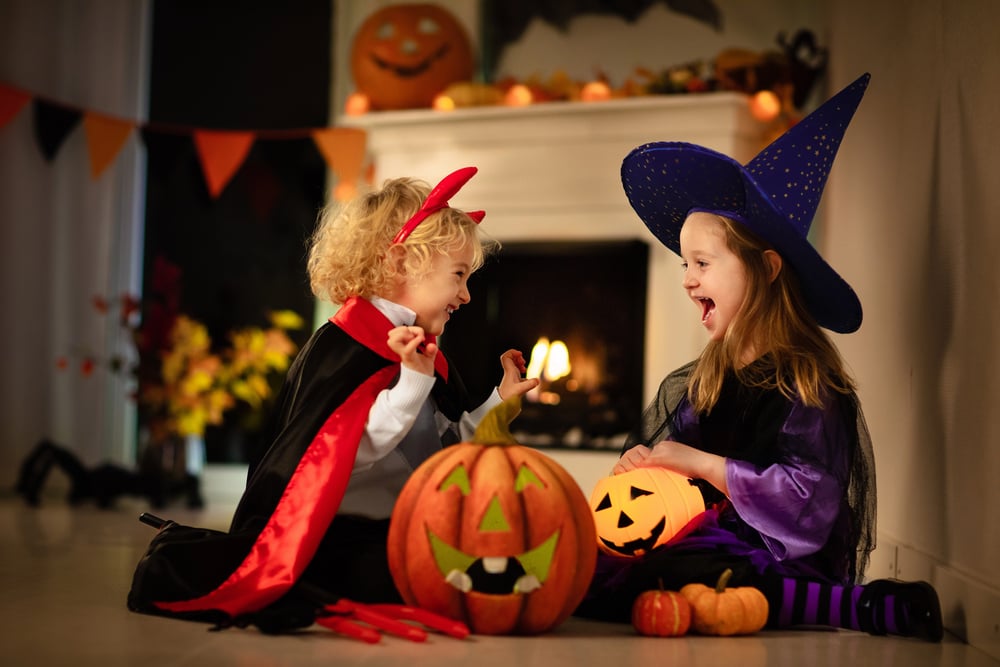
A homemade costume represented real hours. A parent who spent evenings for three weeks on a child’s Halloween costume was communicating something that no store transaction could replicate, and children — even young ones — absorbed this.
The costume was evidence of being seen and known: someone had listened to what you wanted and then made the thing. Wearing that felt different from wearing something removed from packaging.
They Required Interpretation
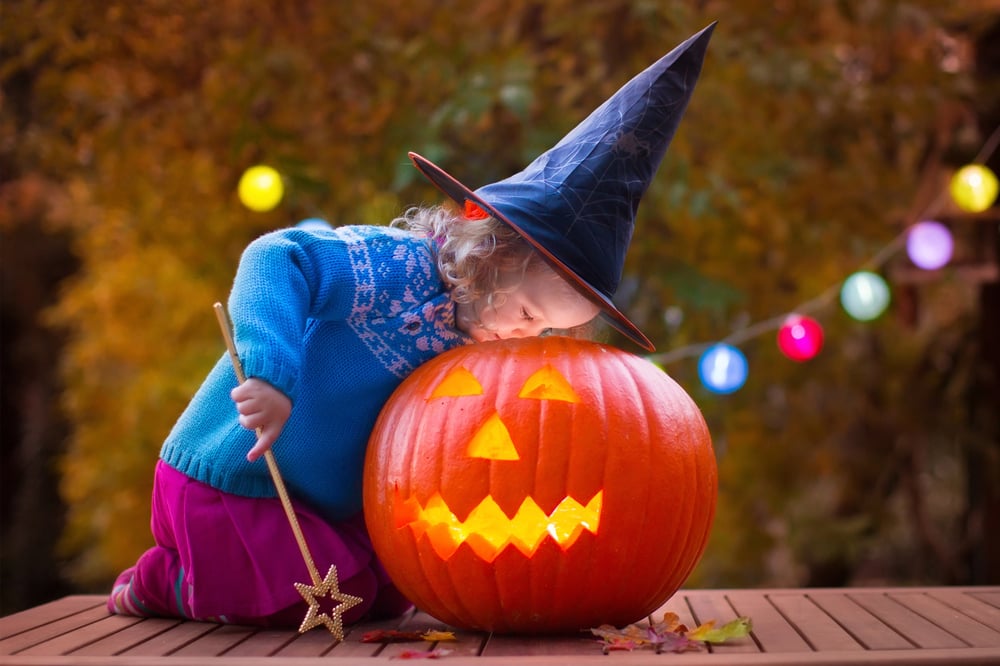
A great homemade costume sometimes needed a brief explanation, and that explanation was its own social interaction. “I’m a — ” and then the description, and then the person’s face shifting from polite curiosity to genuine delight.
The interpretive gap was a feature, not a flaw. It created a moment of connection around the costume that a recognisable off-the-shelf option couldn’t produce, because recognition is fast and conversation is slow, and conversation is where the interaction actually lived.
The Materials Were Recognisable
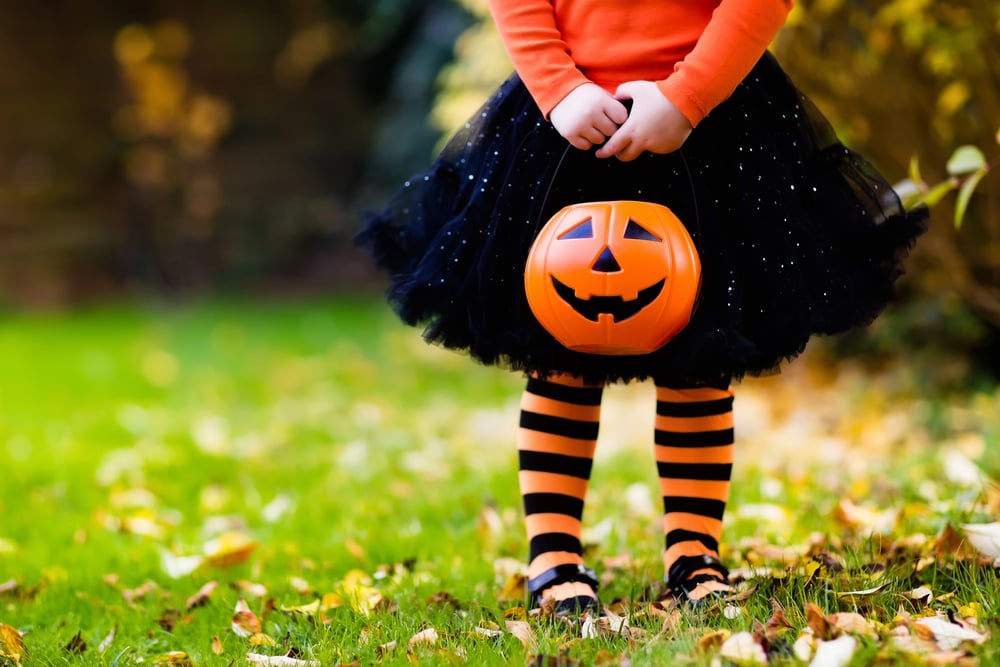
Cardboard, fabric scraps, old clothes from the back of the wardrobe, things purchased at a craft shop without a particular plan — homemade costumes were made from stuff that people knew. There was something immediately humanising about seeing a costume and being able to identify the box it came from, or the trousers that used to be a different colour.
The recognisability was part of what made them charming. You could see the resourcefulness in them.
They Reflected the Child’s Actual Personality
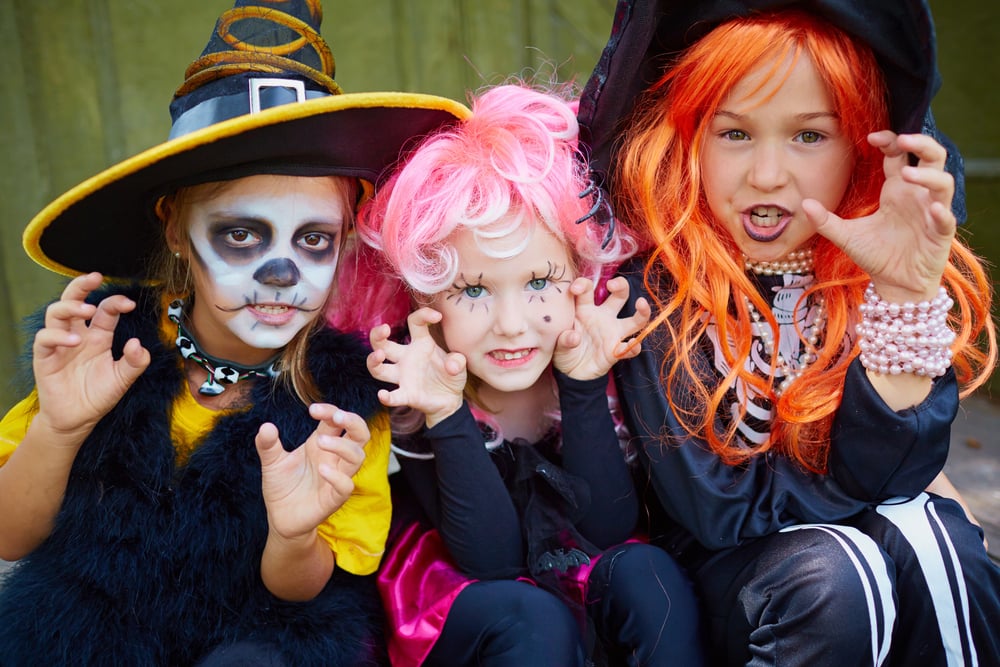
A costume chosen by a child and then constructed by or with a parent tended to reflect something real about that child — a specific passion, a sense of humour, a reference point that was entirely their own. Store-bought costumes were selected from whatever the market had decided was popular that year.
Homemade ones were selected from the child’s interior world. The difference between those two sources was legible from the outside.
They Held Up Better in Memory

Decades later, people can describe their best homemade Halloween costumes in specific detail: what was used to make the hat, which part didn’t work and had to be fixed on the night, what the finishing touch was and when it arrived. Store-bought costumes are remembered as a category rather than a specific object.
Homemade ones are remembered the way handmade things generally are — with the particularity that effort produces.
They Were Funnier When They Missed
A homemade costume that didn’t quite come together still commanded attention — of a different and often better kind. The robot made of cardboard that began drooping halfway through trick-or-treating.
The face paint that transferred onto everything it touched. The ghost sheet with the eyeholes in slightly the wrong place. These failures were memorable in ways that a wilting polyester superhero cape never was, because the failure implied the attempt, and the attempt implied the earnestness, and earnestness is funny in a way that produces warmth rather than mockery.
They Created a Build-Up That Lasted Weeks
The weeks before Halloween, when a homemade costume was in progress, were part of the event. There were materials on the table.
There was progress to report. Friends were told “I’m going to be —” in a tone of genuine anticipation. The costume existed as a promise for weeks before it existed as a thing, and that extended anticipation made the night itself feel earned in a way that ripping open a bag the afternoon before never did.
The Ghost Sheet Costume Was Honest
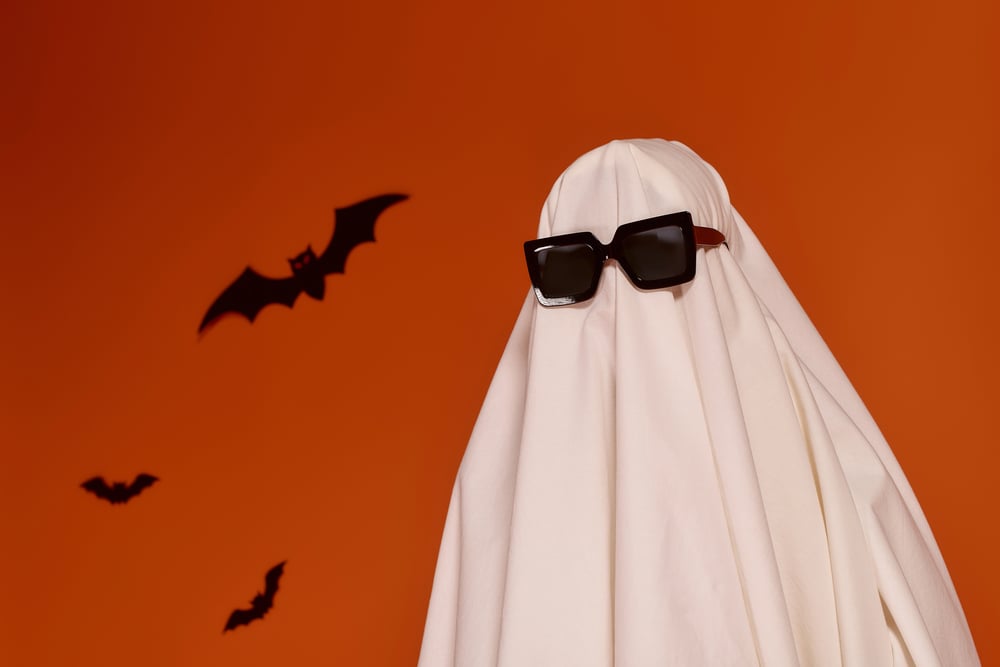
The simplest possible homemade costume — a white sheet with two eyeholes — was and remains the most honest costume on the street. No manufacturer’s vision.
No licensed character. Just a sheet and a decision and a child walking around at night looking like a basic concept. There is something that gets consistent attention about pure simplicity of concept executed with total commitment, and the ghost sheet has been doing it since before anyone alive can remember.
They Engaged Other Adults Differently

The adults handing out sweets at doorsteps had seen every version of the same store-bought costumes for years. A homemade costume gave them something to respond to with genuine interest rather than performed appreciation.
“What are you supposed to be?” asked with real curiosity was a different experience from “Oh, great costume!” offered reflexively. Adults who encountered a genuinely creative homemade costume sometimes called other adults in the house to come look, which was the highest form of Halloween recognition available to a child.
The Process Was Part of the Night
Kids who had participated in making their own costume wore it differently. They knew the decisions behind each piece.
They could explain the specific problem that was solved by the thing on their head. They had opinions about which parts had worked and which hadn’t. That ownership was visible in how they moved in the costume — with a kind of investment that made the whole presentation more convincing and more alive.
They Required Commitment to a Concept
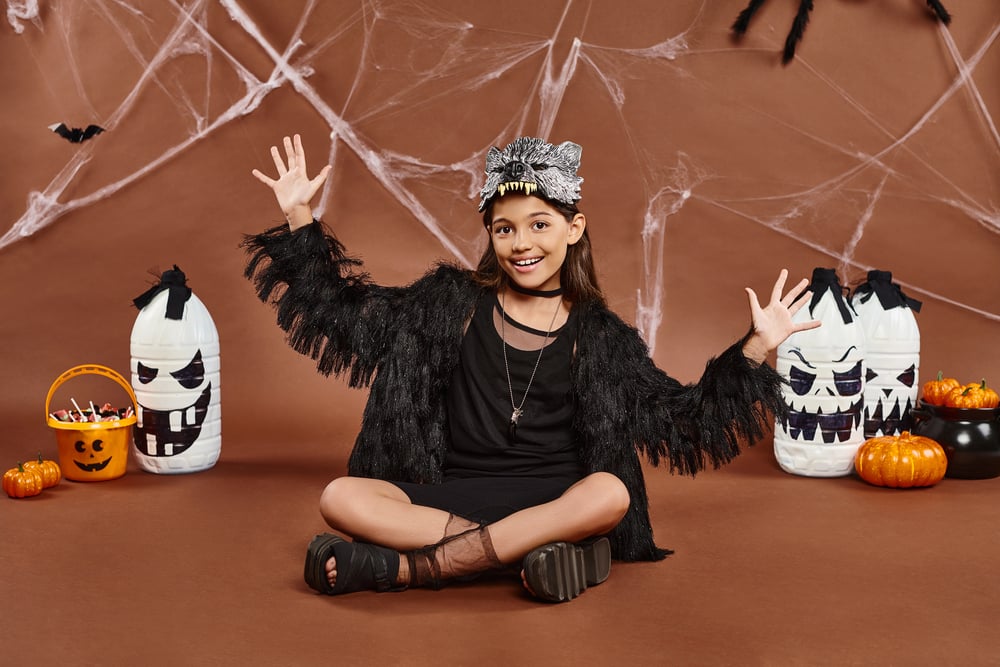
A homemade costume, especially a complex one, required settling on an idea early and committing to it through the weeks of construction. You couldn’t change your mind in the car on the way to school.
The commitment itself produced a more considered choice — something thought about rather than grabbed. That considered quality often produced more interesting results than whatever was available on the shelf, which was, after all, whatever was commercially viable rather than whatever was actually good.
Cardboard Had More Creative Range Than Polyester

The materials available for homemade costumes — cardboard, paint, fabric, foam, household items, things found in the recycling bin — were genuinely versatile. You could build a vehicle, a building, a creature with multiple moving parts, an optical illusion.
Mass-produced costumes were largely constrained to shapes that could be shipped in a bag. The homemade format had no such constraint, which occasionally produced something that had to be seen to be believed.
They Acknowledged the Creative Side of the Holiday
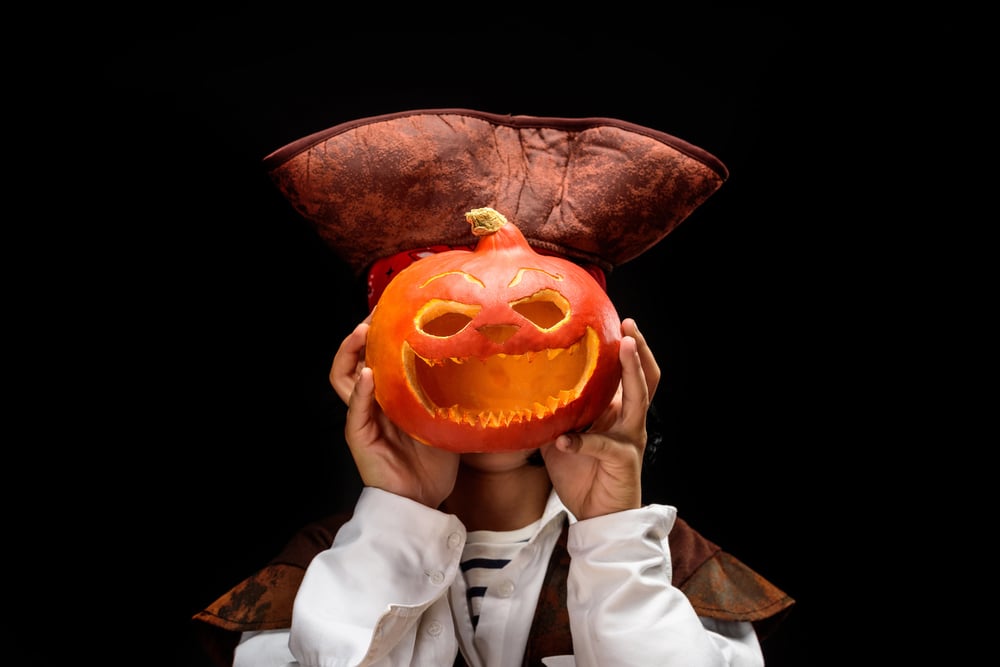
Halloween was never intended to be a shopping event. It developed its costume tradition from disguise — wearing something that made you unrecognisable, or strange, or part of the night rather than the ordinary day.
Homemade costumes preserved that spirit more faithfully than marketed ones. They were constructed from intent rather than purchased from inventory, which put them closer to the original logic of the thing. Adults who cared about that distinction noticed and said so.
The Smell of the Face Paint Was Its Own Memory
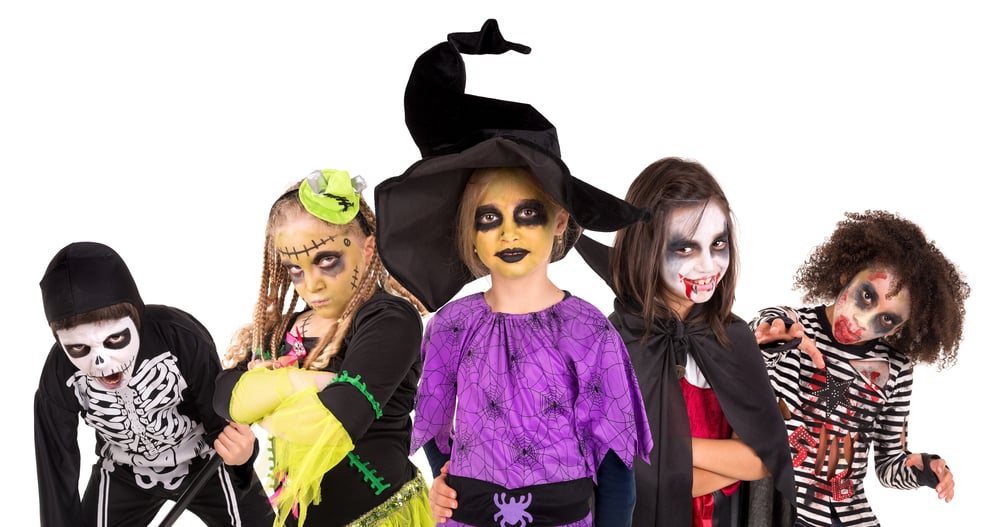
Cheap face paint from the craft shop had a specific smell — slightly chalky, faintly chemical — that was associated exclusively with Halloween. A child being painted in the bathroom mirror, checking the effect, going back for adjustments, stepping back to look at the total result — that process was a ritual inside the ritual, and the smell of the paint was part of its texture.
Adults who encounter it unexpectedly now report the memory arriving immediately and completely, as specific smells reliably do.
They Generated Conversation at School the Next Day
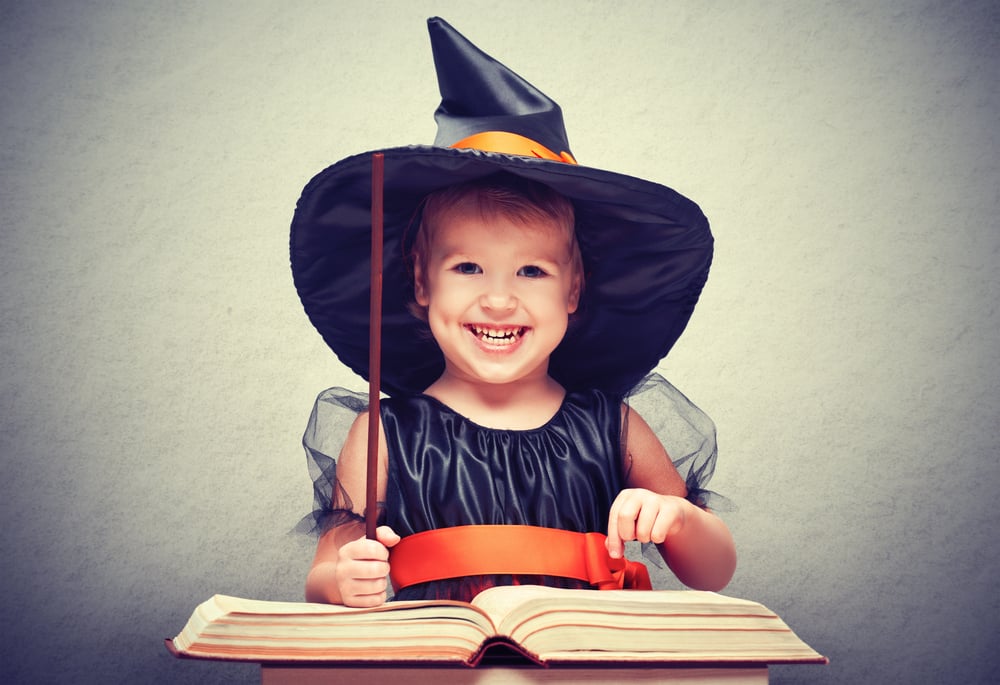
The school day after Halloween, comparisons and descriptions flew across classrooms and playgrounds. Homemade costumes gave their wearers more to say.
There was the construction to describe, the decisions to explain, the thing that almost went wrong and then didn’t. Kids with store-bought costumes could say “I was a witch.” Kids with homemade ones had a story, and stories held the room longer.
They Proved That Attention Follows Effort
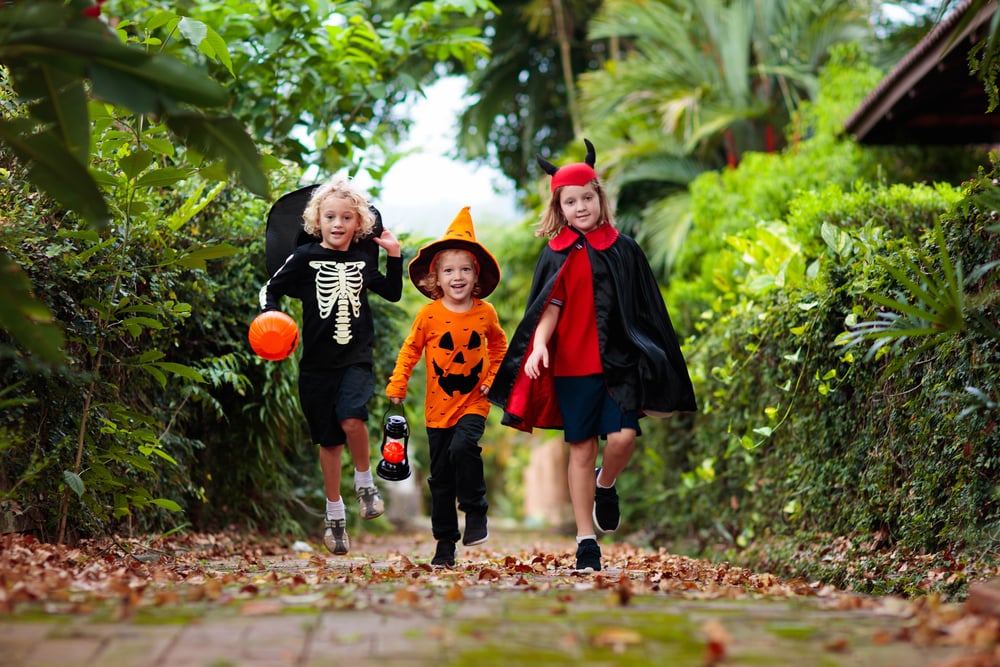
The underlying reason homemade Halloween costumes have always commanded more attention than store-bought ones is not sentimentality. It’s that human attention gravitates toward evidence of care.
When someone has put real thought and real time into something — when you can see the decisions, the choices, the hours — you look at it differently than you look at something produced by a machine to a commercial specification. This is not a unique Halloween insight. It is a basic fact about how humans respond to made things. Halloween just made it visible once a year, one doorstep at a time, in the dark.
More from Go2Tutors!

- The Romanov Crown Jewels and Their Tragic Fate
- 13 Historical Mysteries That Science Still Can’t Solve
- Famous Hoaxes That Fooled the World for Years
- 15 Child Stars with Tragic Adult Lives
- 16 Famous Jewelry Pieces in History
Like Go2Tutors’s content? Follow us on MSN.