20 Technologies We Can’t Imagine Living Without (But Didn’t Exist 30 Years Ago)
The rate of technological progress has accelerated exponentially over the past few decades, bringing us devices and systems that have become so ubiquitous in our lives that we hardly recall how we managed without them. Most of the innovations that today seem to be here to stay and are now integral components of our lives did not exist prior to 1995. These technologies have transformed the way we communicate, work, travel, shop, and entertain ourselves in profound ways.
The following are 20 technologies that are now an integral part of life but would have been the subject of science fiction a couple of decades back.
Smartphones
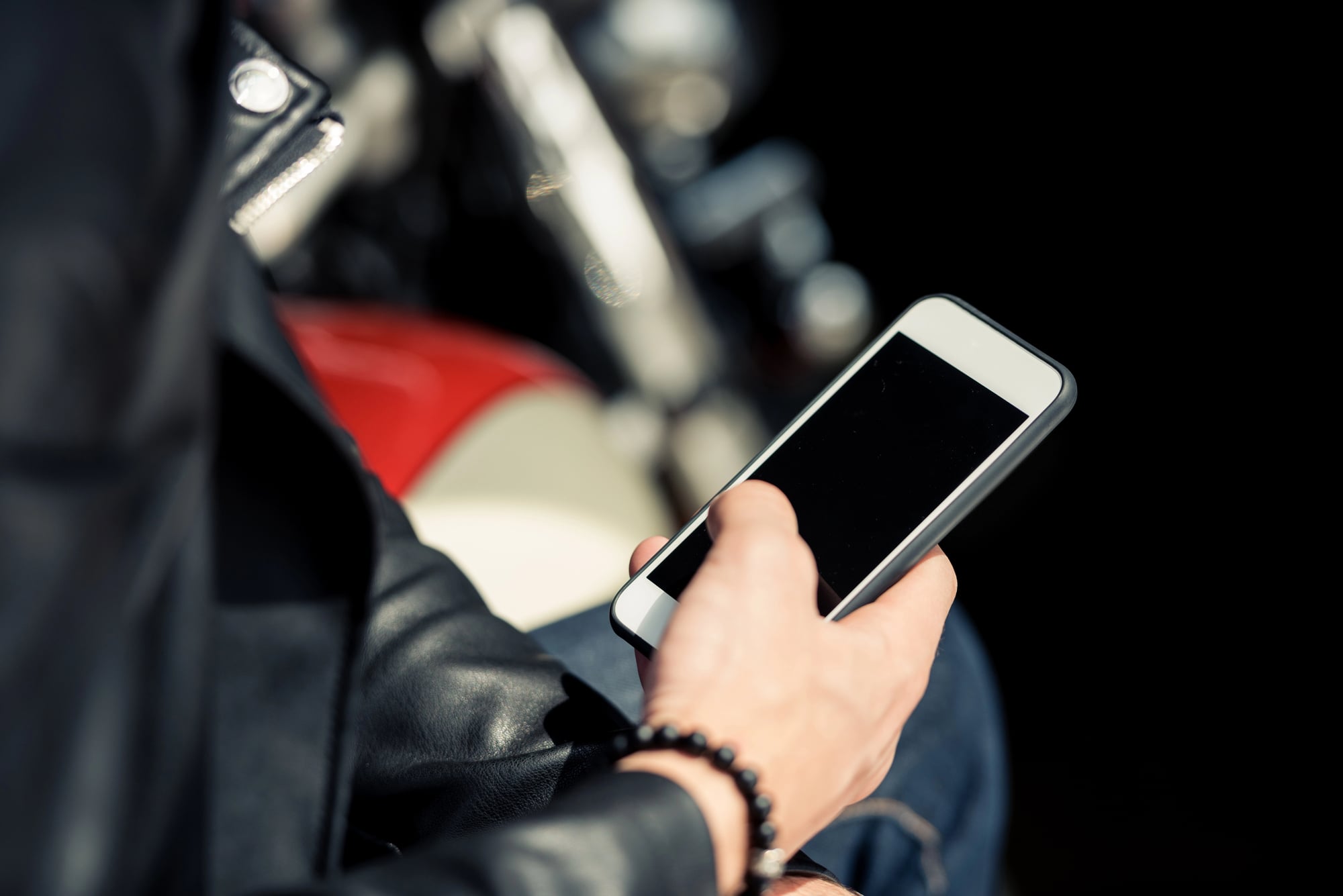
The modern smartphone combines countless tools into one pocket-sized device that would have amazed anyone from 1995. While cellular phones existed then, they were bulky devices used almost exclusively for voice calls.
Today’s smartphones function as cameras, maps, music players, video conferencing tools, and miniature computers with processing power that exceeds what filled entire rooms in the early 1990s.
Social Media Platforms
Facebook didn’t launch until 2004, with Instagram following in 2010 and TikTok not appearing until 2016. These platforms have fundamentally changed how people connect, share information, and consume content.
The concept of having instant access to updates from hundreds or thousands of connections worldwide would have been unimaginable to most people in 1995, when maintaining long-distance relationships relied primarily on phone calls and letters.
Wireless Earbuds
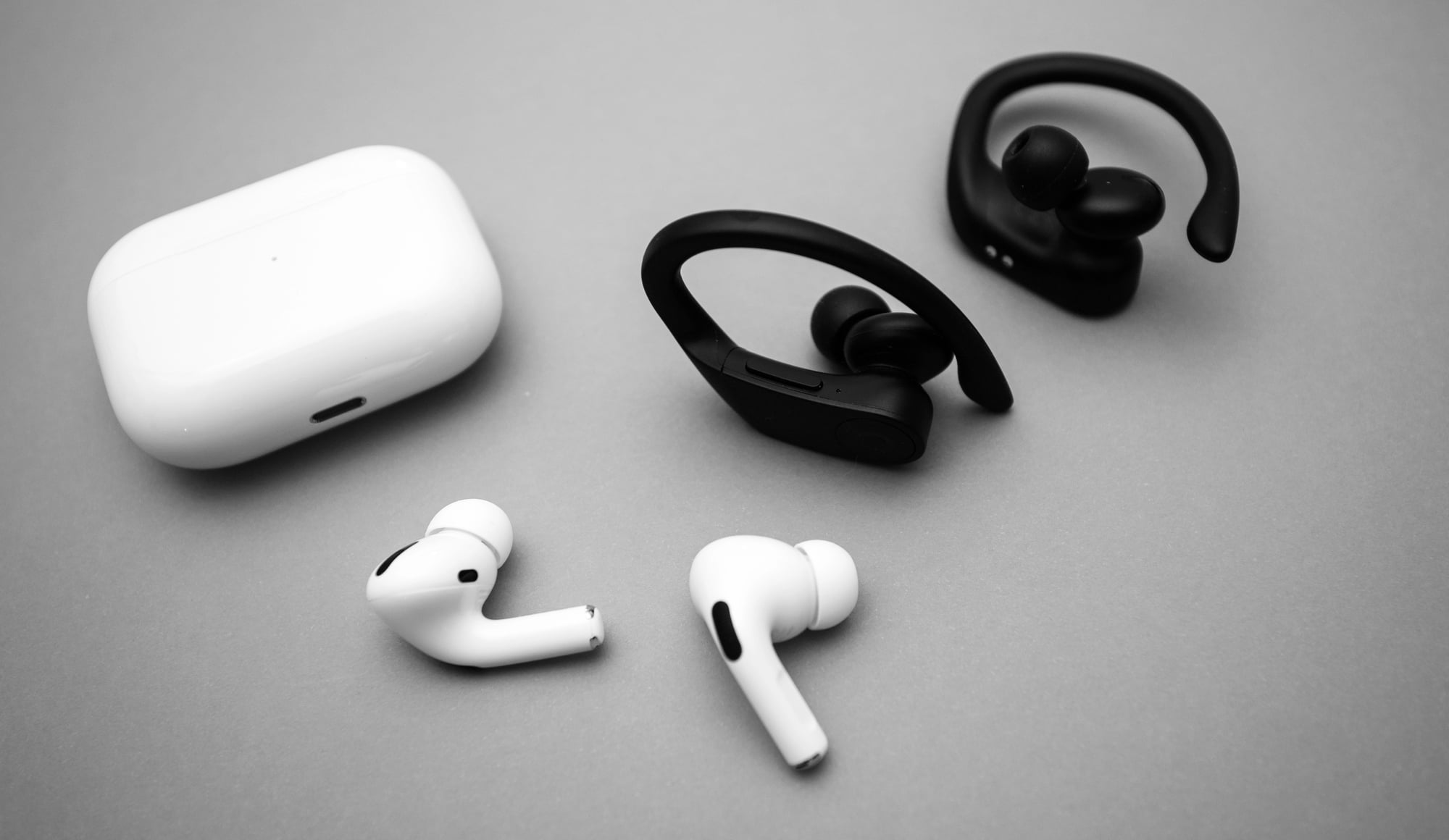
Truly wireless earbuds that connect via Bluetooth became mainstream only in the late 2010s. The technology allows for complete freedom of movement without any tangled wires while delivering sound quality that rivals professional headphones from decades past.
The miniaturization required to fit batteries, speakers, and wireless receivers into such tiny devices represents engineering that would have seemed impossible thirty years ago.
Cloud Storage
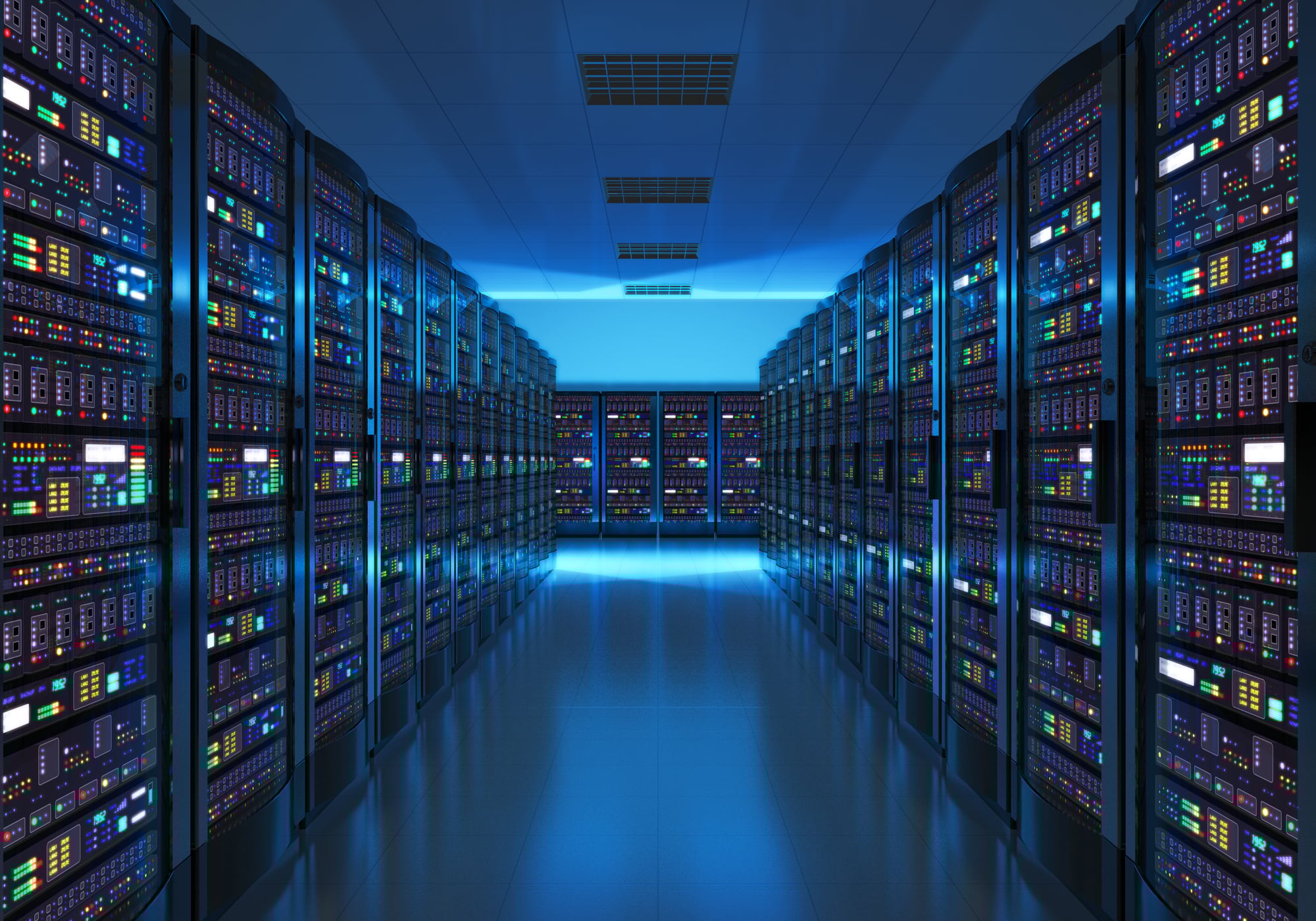
The ability to store thousands of photos, documents, and videos on remote servers accessed through the internet has transformed data management for both individuals and businesses. In 1995, important files were primarily stored on physical media like floppy disks with severely limited capacity.
Cloud storage has eliminated the fear of losing precious memories or critical documents due to hardware failure, creating a level of data permanence that previous generations could only dream about.
Video Streaming Services
Netflix began as a DVD-by-mail service in 1997 and didn’t launch streaming until 2007. Three decades ago, the concept of having instant access to thousands of movies and TV shows without physical media would have seemed magical.
Streaming services have completely disrupted traditional television and video rental industries, giving viewers unprecedented control over what, when, and where they watch content.
GPS Navigation Apps
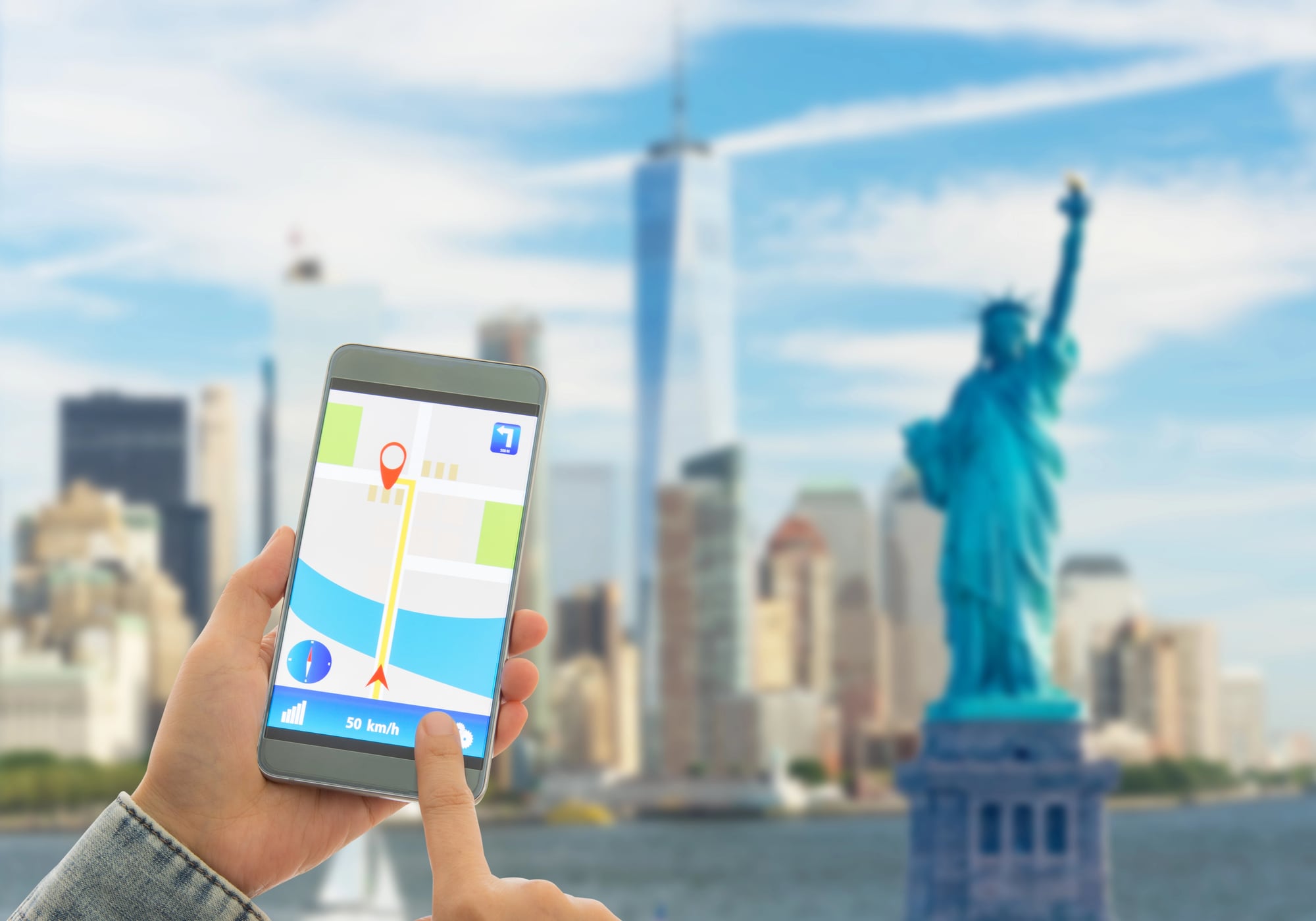
Consumer GPS systems were in their infancy thirty years ago, with accuracy measured in yards rather than feet and interfaces that were complicated to use. Today’s navigation apps provide turn-by-turn directions almost anywhere on Earth, reroute instantly around traffic jams, and even find nearby businesses or services.
The transition from paper maps and printed directions to real-time location tracking has transformed how people navigate unfamiliar areas.
E-commerce Platforms

Amazon launched in 1994 as an online bookstore, but the modern e-commerce ecosystem with one-click ordering, next-day delivery, and virtual shopping carts didn’t mature until well into the 2000s. The ability to order almost any conceivable product and have it arrive at your doorstep within days has fundamentally changed consumer behavior.
Physical retail continues to adjust to this massive shift that has made shopping from home the default for many people.
Ride-sharing Apps
Uber was launched in 2009, creating an entirely new transportation category that has changed urban mobility worldwide. The concept of using your phone to summon a nearby driver who would arrive within minutes would have seemed like a fantasy in 1995.
Ride-sharing services have disrupted traditional taxi industries and provided flexible employment opportunities while making car-free living more practical in many cities.
Voice Assistants

Alexa, Siri, and Google Assistant have brought voice-controlled computing into millions of homes since the 2010s. The natural language processing that allows these assistants to understand and respond to complex queries represents artificial intelligence that was purely theoretical thirty years ago.
These systems continue to evolve, becoming increasingly integrated into homes, vehicles, and workplaces.
High-speed Wireless Internet
Reliable wireless internet that can stream high-definition video wasn’t available to consumers until well into the 2000s. The 56k modems of the 1990s took minutes to download a single image, making today’s instant access to information seem impossible.
Modern 5G networks deliver speeds hundreds of times faster than what was available three decades ago, enabling the mobile computing revolution that defines modern connectivity.
Digital Photography

While digital cameras existed in 1995, they were expensive specialty items with resolutions measured in less than one megapixel. The ability to take thousands of high-quality photos, view them instantly, and share them globally has transformed how we capture and preserve memories.
Even professional photographers who once maintained darkrooms and chemical processing setups have largely transitioned to digital workflows.
Video Conferencing
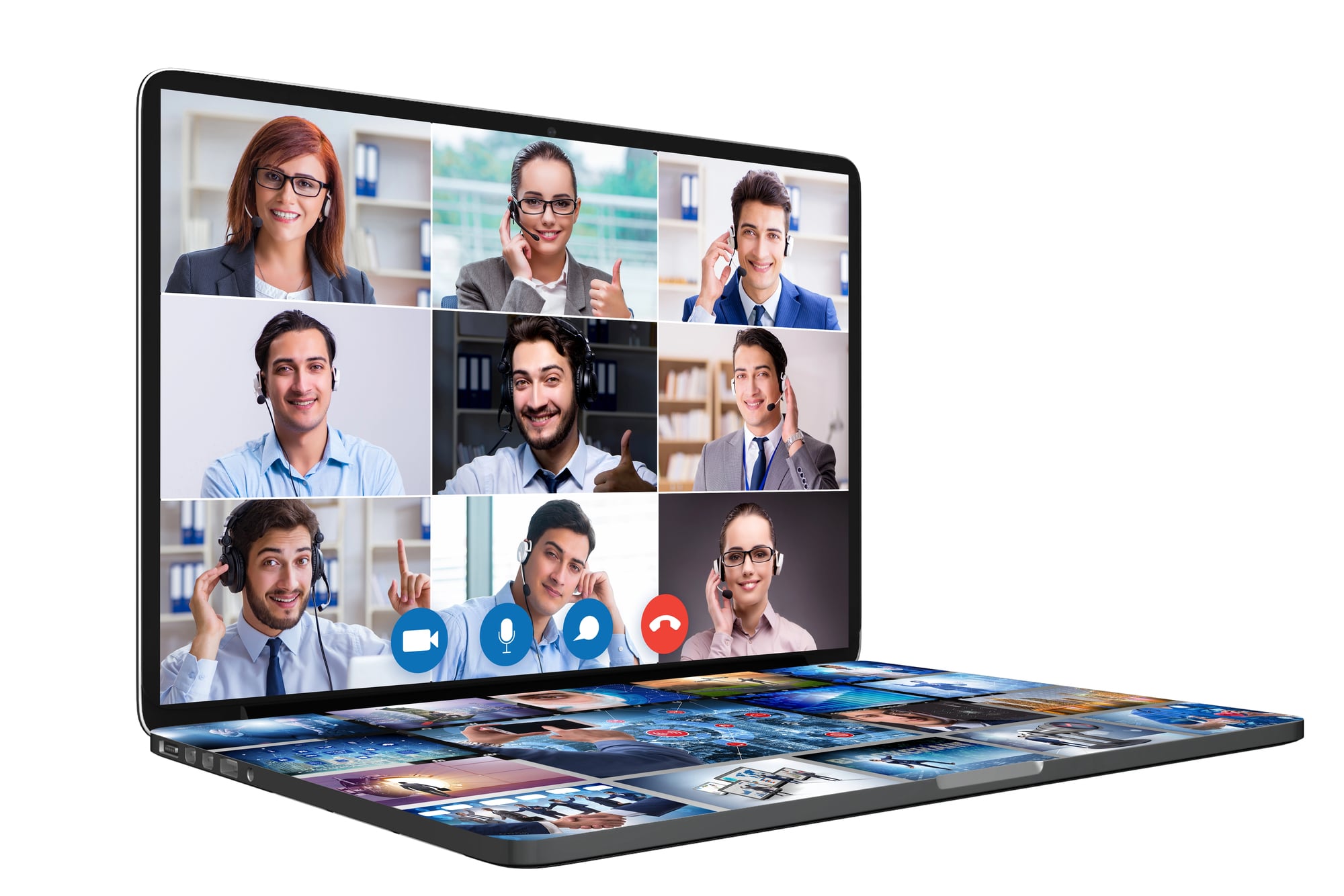
Applications like Zoom became household names during the pandemic, but the technology enabling smooth, reliable video calls across continents has only matured in the past decade. Earlier attempts at video calling suffered from poor quality, connection issues, and complicated setup processes.
Modern video conferencing has changed work patterns, education, and family connections by making face-to-face communication possible regardless of physical distance.
Electric Vehicles
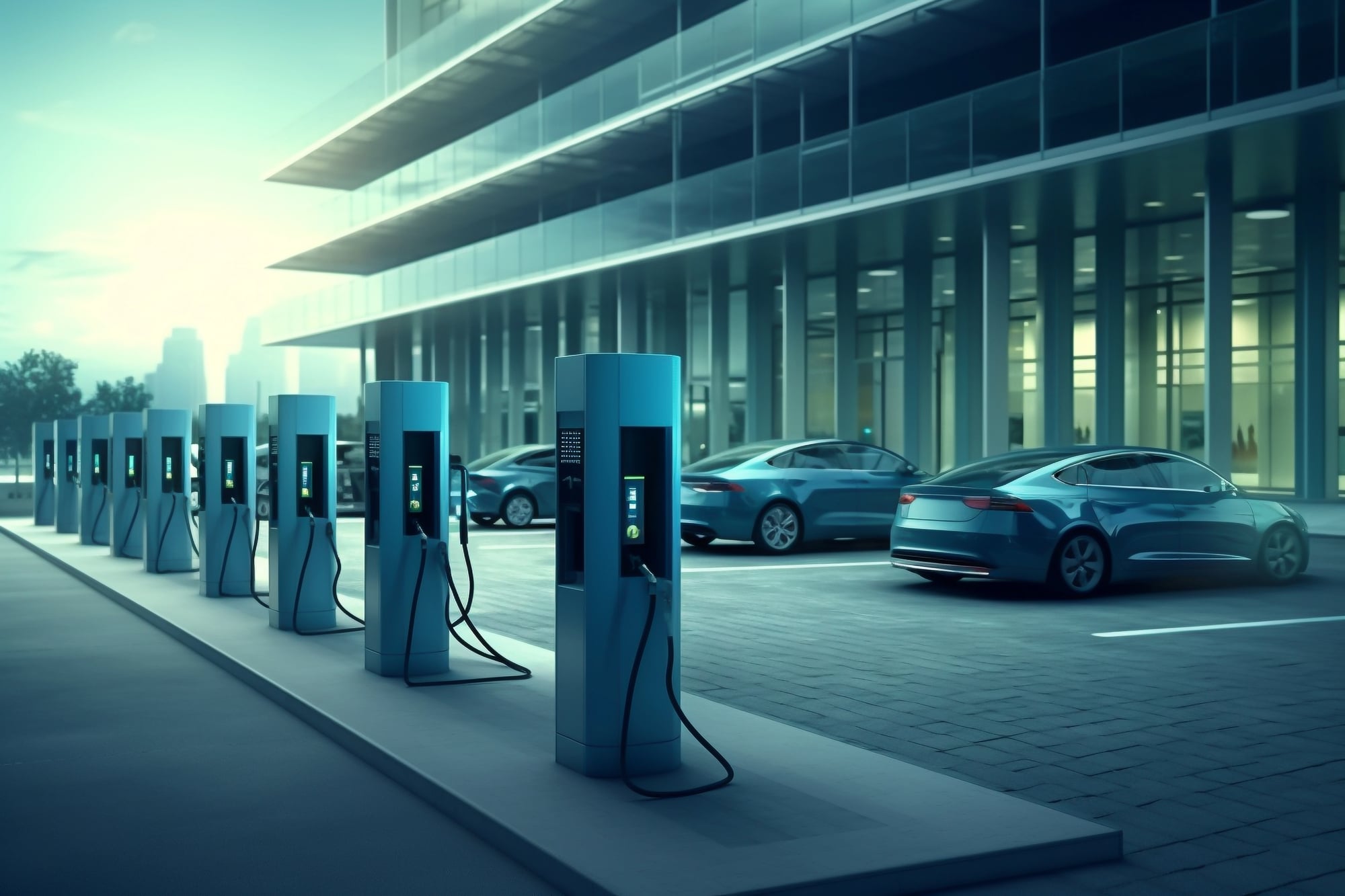
While electric cars existed as novelties thirty years ago, practical electric vehicles with substantial range have only become mainstream in the past decade. Tesla delivered its first production vehicle in 2008, pioneering features like over-the-air updates and autopilot assistance that have redefined what consumers expect from automobiles.
The transition from internal combustion to electric propulsion represents one of the most significant shifts in transportation technology since the original automobile replaced horse-drawn carriages.
Music Streaming Services
Spotify was launched in 2008, introducing the concept of on-demand access to millions of songs without purchasing or downloading individual tracks. Physical media like CDs dominated music consumption thirty years ago, requiring listeners to purchase albums individually without guaranteeing they would enjoy every track.
The current model of unlimited streaming for a monthly fee has completely restructured the music industry and consumer listening habits.
Social Payment Apps

Venmo launched in 2009, with similar services like Cash App following shortly after. These applications eliminated the need for cash or checks when splitting bills, repaying friends, or making small payments.
The ability to instantly transfer money to anyone with a few taps on a smartphone has simplified countless social and commercial interactions that once required physical currency or complex bank transfers.
Fitness Trackers
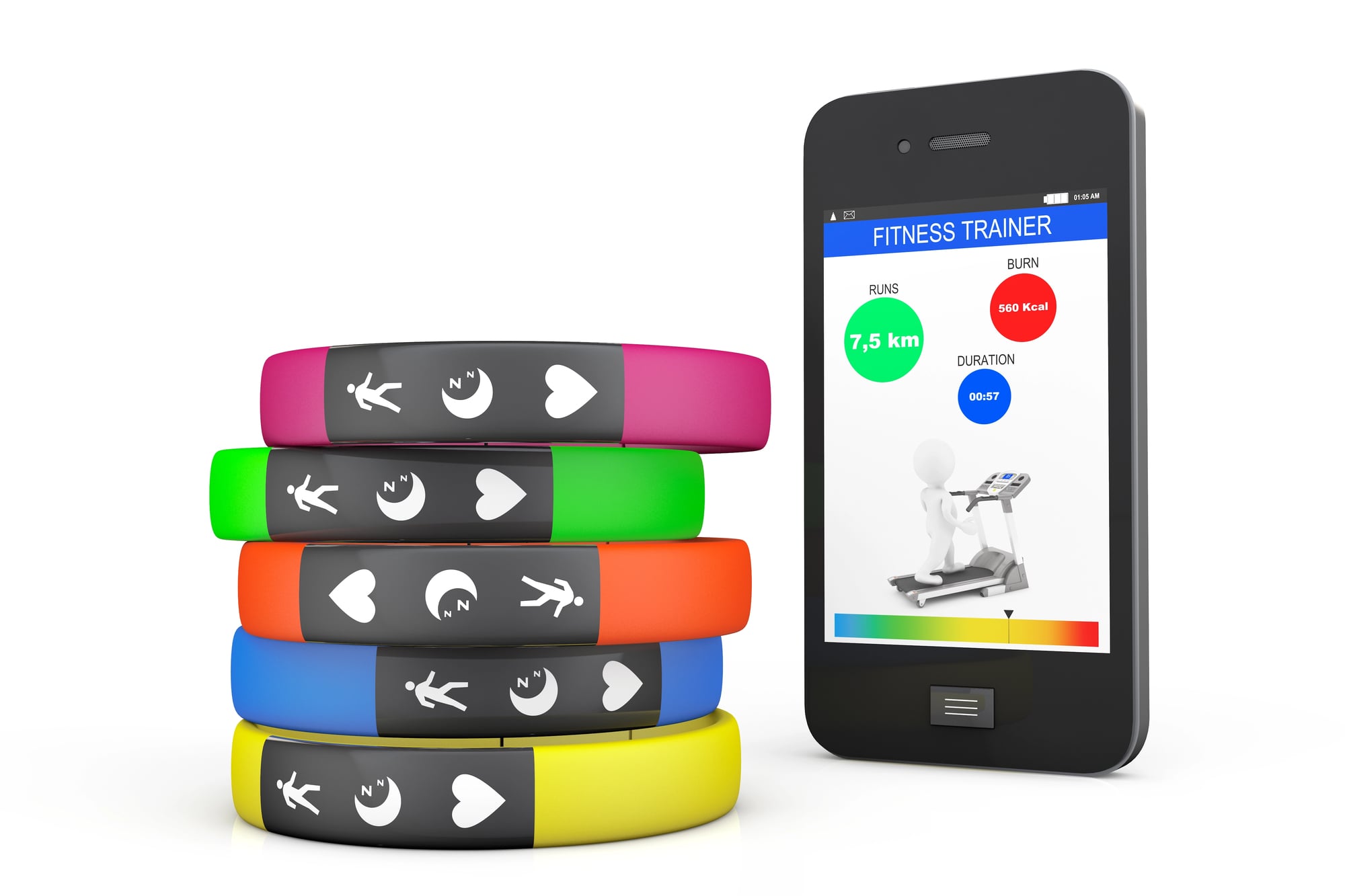
Devices that continuously monitor heart rate, sleep patterns, and activity levels have only become mainstream in the past decade. The first Fitbit was released in 2009, introducing technology that now helps millions track their health metrics with accuracy previously available only in medical settings.
These devices provide data-driven insights into personal health that would have required professional monitoring thirty years ago.
Touch Screens
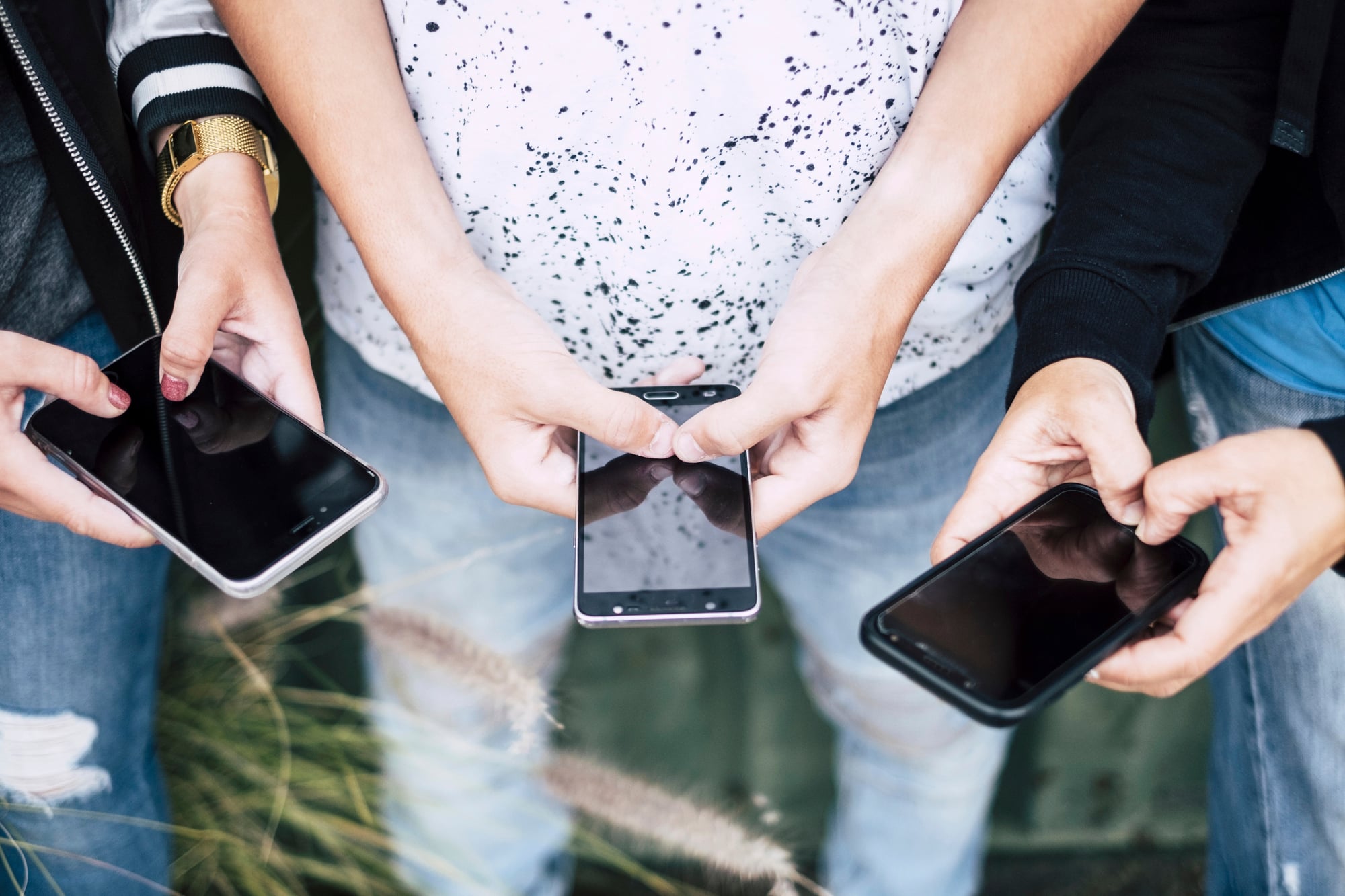
While rudimentary touch screens existed in specialized applications thirty years ago, the responsive multi-touch interfaces found in today’s devices weren’t introduced until the iPhone launched in 2007. This fundamental shift in how humans interact with computers eliminated physical buttons and complicated interfaces in favor of intuitive gestures.
Touch screen technology has made computing accessible to people of all ages and technical abilities, including young children and those with limited previous exposure to technology.
Online Learning Platforms

Comprehensive digital education platforms that deliver entire degree programs and professional certifications online have matured primarily in the past decade. While distance learning existed thirty years ago through correspondence courses, the interactive video lectures, discussion forums, and real-time feedback of modern platforms create an experience comparable to traditional classrooms.
The pandemic accelerated the adoption of these technologies, demonstrating their capacity to deliver quality education regardless of physical location.
Augmented Reality
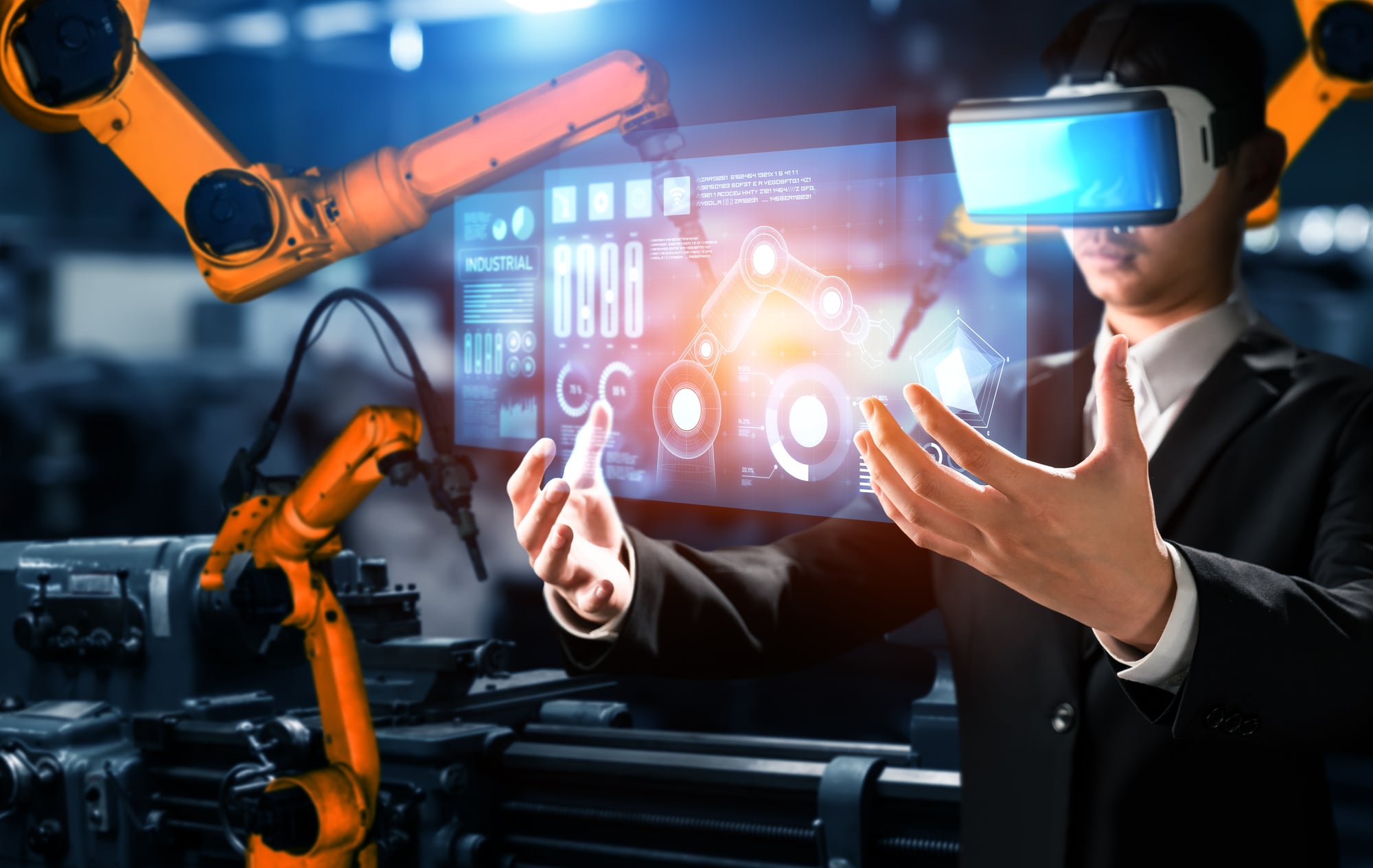
AR applications that overlay digital information onto the physical world through smartphone cameras have become increasingly common since the mid-2010s. From games like Pokémon GO to furniture placement apps and navigation overlays, augmented reality has begun integrating digital and physical experiences in ways that would have seemed purely fictional thirty years ago.
As hardware continues improving, AR stands poised to become an even more central part of how we interact with our surroundings.
Digital Assistants and Task Management
Apps like Todoist, Asana, and Trello have transformed how people organize tasks, projects, and collaborative work. The shared digital workspaces, automatic reminders, and progress tracking provided by these platforms enable levels of organization and productivity that paper systems could never match.
These tools have restructured both personal task management and complex corporate projects, creating digital infrastructures that make previous organizational systems seem primitive by comparison.
How These Technologies Reshaped Human Experience

These developments have radically changed human behavior and expectations rather than just making already-existing tasks more convenient. Many of these technologies were once considered luxury goods, but as society reorganized around their potential, they soon became needs.
Emerging technologies like virtual reality, artificial intelligence, and driverless cars may take similar routes from novelty to necessity over the next thirty years, changing daily life in ways that are nearly unthinkable from our current point of view.
More from Go2Tutors!

- The Romanov Crown Jewels and Their Tragic Fate
- 13 Historical Mysteries That Science Still Can’t Solve
- Famous Hoaxes That Fooled the World for Years
- 15 Child Stars with Tragic Adult Lives
- 16 Famous Jewelry Pieces in History
Like Go2Tutors’s content? Follow us on MSN.