20 Things You’ve Definitely Heard Of, But Didn’t Know the Full Story Behind
We all know those familiar names, places, and things that pop up in conversation or flash across our screens. They’re part of our shared cultural knowledge—or so we think. The truth is, many of these common references have backstories that are surprisingly different from what most people assume.
Here is a list of 20 everyday things you’ve definitely heard of, but probably don’t know the complete story behind. Some of these revelations might just change the way you see these familiar items forever.
Play-Doh
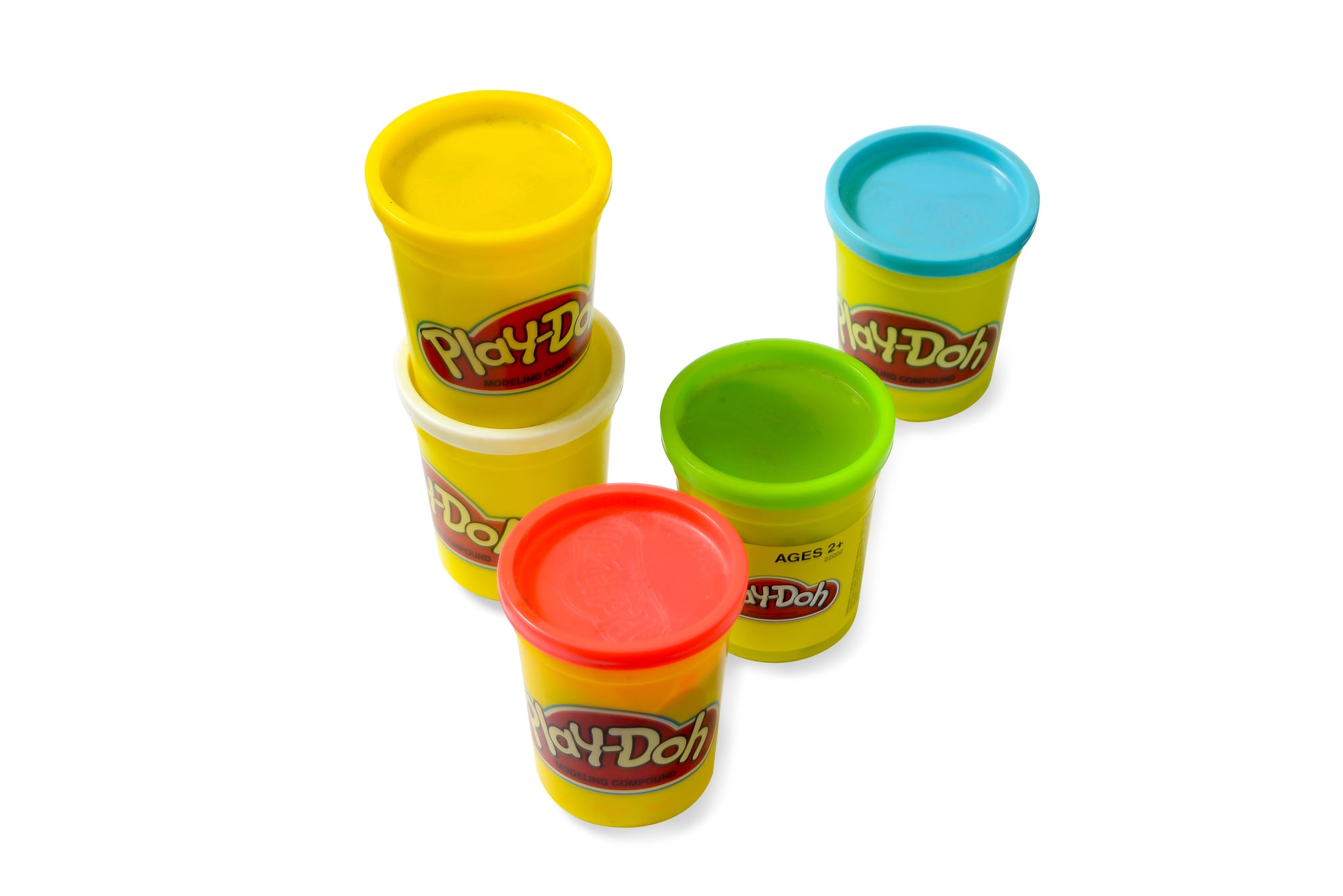
This colorful modeling compound began its life as a wallpaper cleaner in the 1930s. When heating homes transitioned from coal to natural gas, the need for cleaning soot-covered walls declined dramatically.
The struggling product found new life when the manufacturer’s nephew noticed teachers using it as a modeling clay in classrooms. A few tweaks to the formula, some vibrant colors, and a rebranding later, Play-Doh became one of the most iconic children’s toys in history.
The Hollywood Sign
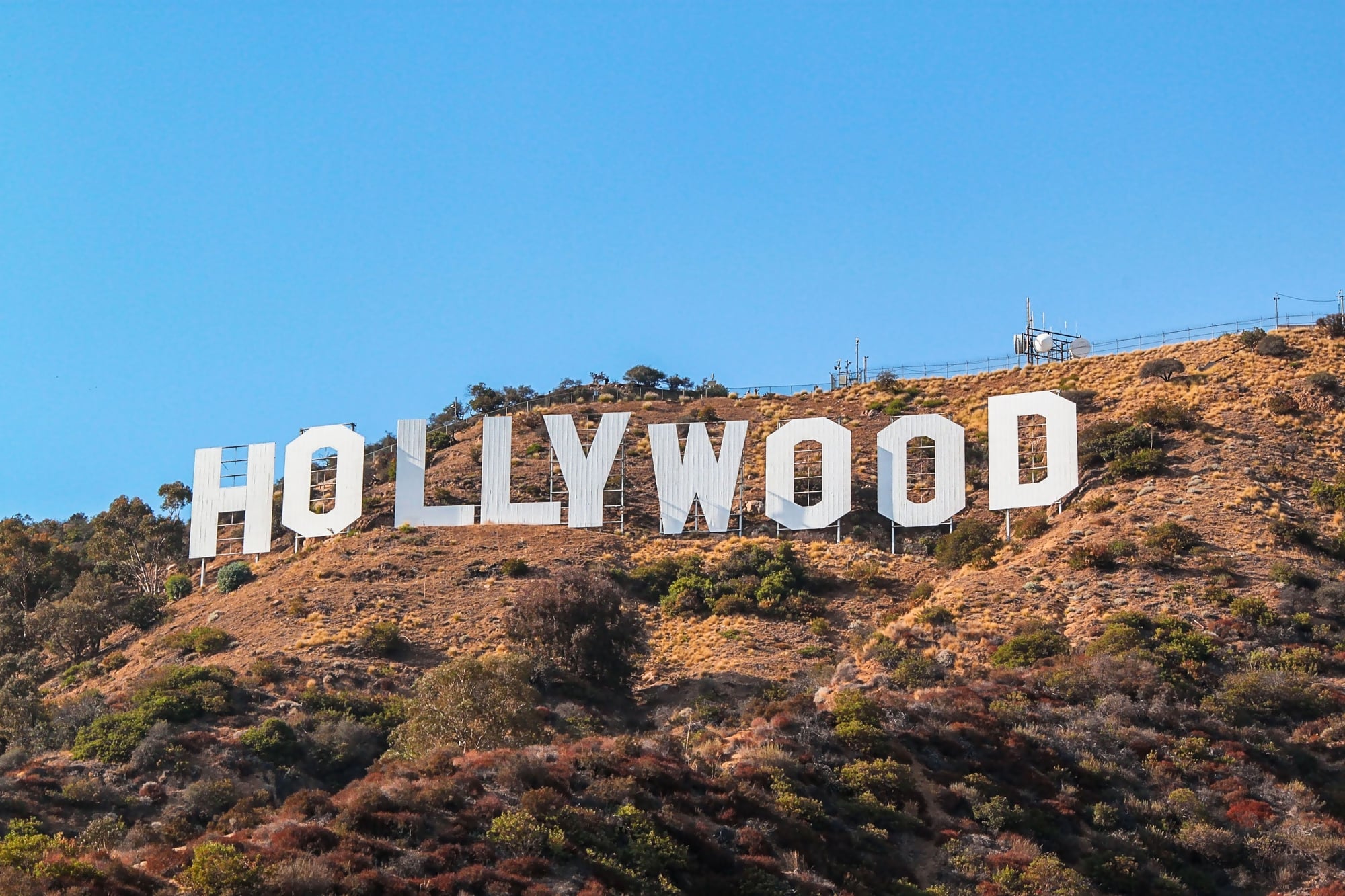
The famous landmark wasn’t created to celebrate the film industry at all. Originally erected in 1923, the sign actually read ‘HOLLYWOODLAND’ and served as an advertisement for a new real estate development.
The sign was only meant to stand for about 18 months, but as Hollywood grew into the entertainment capital of the world, the sign became an icon. The ‘LAND’ portion was removed in 1949 during renovations, creating the symbol we recognize today.
Like Go2Tutors’s content? Follow us on MSN.
Monopoly
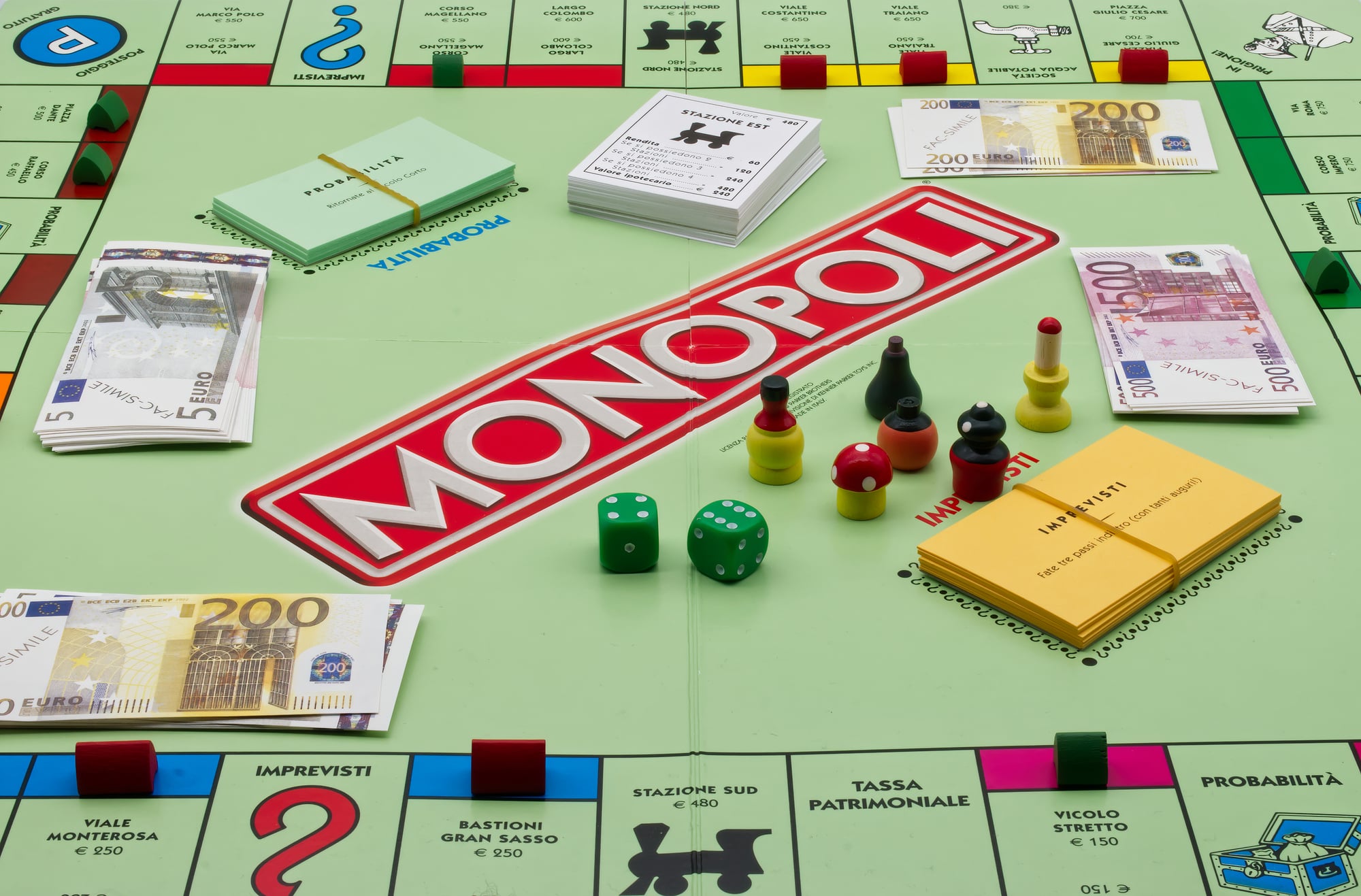
This frustration-inducing board game was originally designed to demonstrate the dangers of unchecked capitalism, not celebrate it. Created by Elizabeth Magie in 1904 as ‘The Landlord’s Game,’ it aimed to illustrate the negative aspects of concentrating land in private monopolies.
Ironically, when Parker Brothers eventually published it in the 1930s, they transformed it into a celebration of wealth accumulation and dominating competitors—precisely what the original designer was warning against.
Bubble Wrap

This popular packing material was never intended to protect your online purchases. Inventors Alfred Fielding and Marc Chavannes created it in 1957 as a new type of textured wallpaper.
When that idea flopped, they marketed it as greenhouse insulation, which also failed. Only in 1960 did they realize its potential as packaging material when IBM was looking for a way to protect their new computers during shipping. Now over 1.2 million miles of Bubble Wrap are produced annually—enough to wrap around the Earth more than 48 times.
The QWERTY Keyboard

The keyboard layout you’re probably using right now wasn’t designed for typing efficiency. Created by Christopher Latham Sholes in the 1870s for early typewriters, the QWERTY layout was actually designed to slow typists down.
Early mechanical typewriters would jam if adjacent keys were pressed too quickly, so Sholes deliberately placed common letter combinations far apart. Despite modern computers having no such limitations, the layout persists due to widespread familiarity and the massive cost of retraining everyone.
Like Go2Tutors’s content? Follow us on MSN.
Coca-Cola
This world-famous soft drink started as a medicinal product containing cocaine. Pharmacist John Stith Pemberton created it in 1886 as a patent medicine that supposedly cured many diseases.
The original formula included coca leaves (which contain cocaine) and kola nuts (a source of caffeine), giving the drink its name. Cocaine wasn’t removed from the formula until 1903, and the exact recipe remains one of the world’s most closely guarded trade secrets.
Frisbees

These flying discs began as pie plates from the Frisbie Baking Company in Connecticut. Yale students discovered that the empty tins made great flying objects and would yell ‘Frisbie!’ as a warning when throwing them.
Entrepreneur Walter Morrison later developed a plastic version, which was eventually purchased by Wham-O in 1957. The company slightly modified the spelling to ‘Frisbee’ to avoid trademark issues while keeping the recognizable sound.
Kleenex
These ubiquitous tissues were originally marketed as cold cream removers for women, not for blowing noses. Kimberly-Clark introduced them in 1924 as a disposable way to remove makeup and facial cleansers.
The company only realized their potential as disposable handkerchiefs when consumer surveys revealed that over 60% of users were already using them for that purpose. The marketing strategy shifted in 1930, and sales doubled within a year.
Like Go2Tutors’s content? Follow us on MSN.
Listerine
This common mouthwash started as a surgical antiseptic and floor cleaner. Created by Dr. Joseph Lawrence in 1879, it was named after Joseph Lister, the pioneer of antiseptic surgery. The product bounced between uses as a general germicide, floor cleaner, cure for gonorrhea, and even a deodorant.
It wasn’t marketed as a solution for bad breath until the 1920s, when the company created the clinical-sounding term ‘halitosis’ to make bad breath seem like a serious medical condition that required their product.
Viagra

The famous blue pill was originally developed to treat angina and hypertension. During clinical trials in the 1990s, Pfizer researchers were disappointed by its modest effects on heart conditions.
However, male participants began reporting an unexpected side effect—improved erections. The researchers quickly shifted focus, and Viagra became one of the fastest-approved drugs by the FDA. The medication that failed its original purpose went on to generate over $1 billion in annual sales.
Microwaves
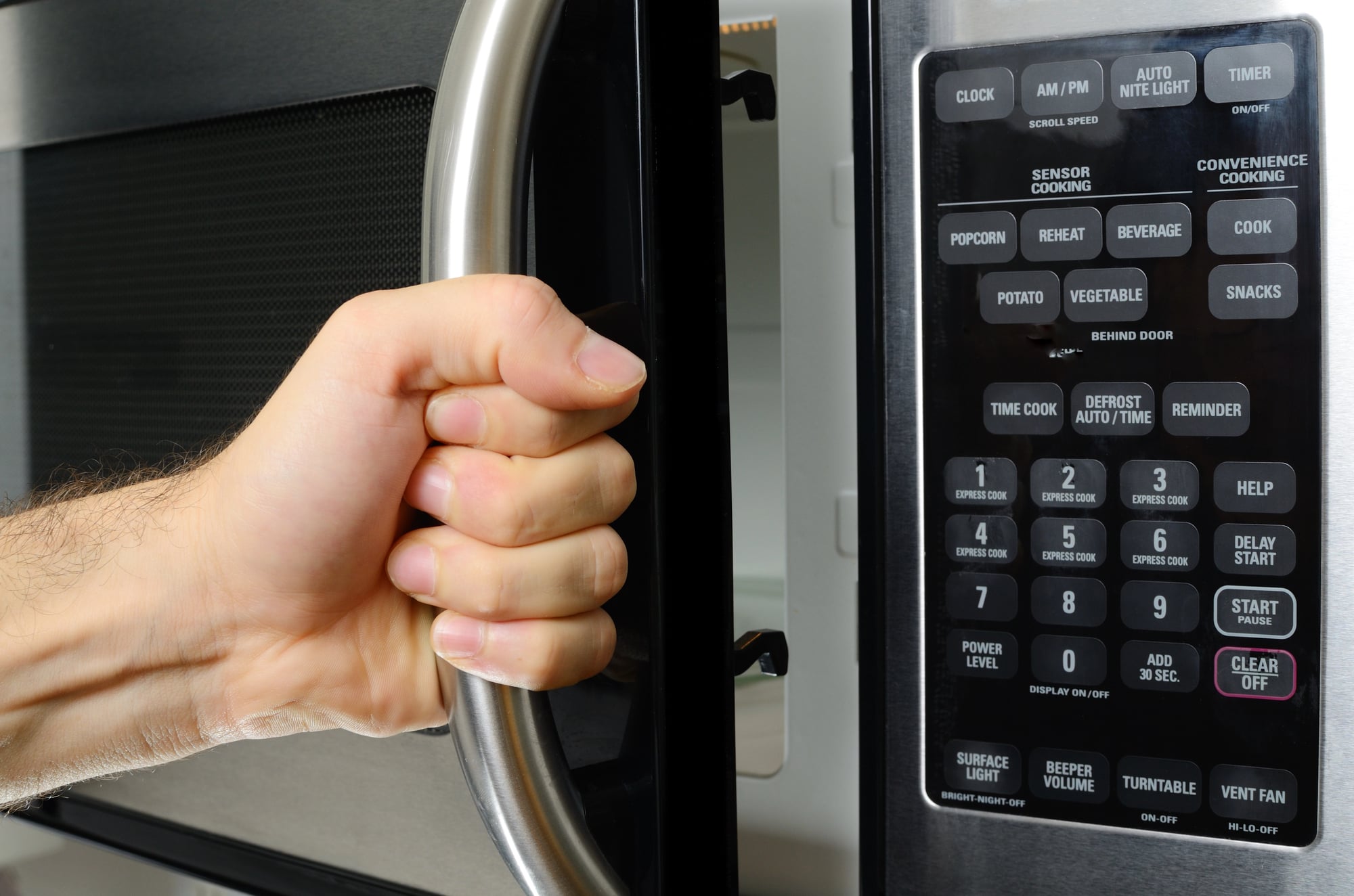
The technology behind your quick meals was discovered by accident while testing radar equipment. In 1945, engineer Percy Spencer was working with an active radar set when he noticed the candy bar in his pocket had melted.
Intrigued, he experimented by placing popcorn kernels near the magnetron tube, which promptly popped. The first commercial microwave oven, released in 1947, was nearly 6 feet tall, weighed 750 pounds, and cost about $5,000 in today’s dollars.
Like Go2Tutors’s content? Follow us on MSN.
Febreze
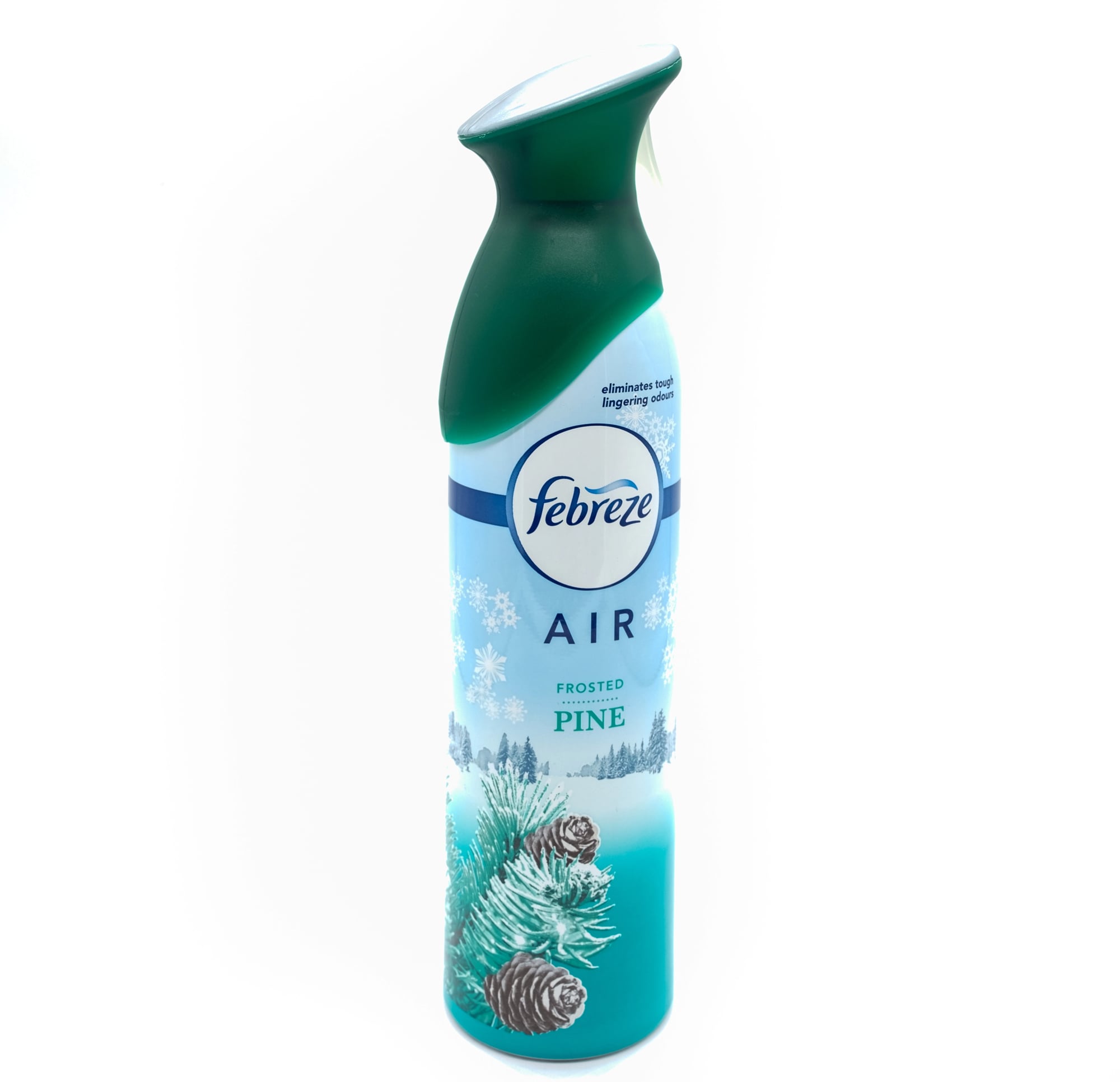
This household freshener was developed as a miracle odor eliminator, not just a pleasant fragrance. Scientists at Procter & Gamble created a compound called hydroxypropyl beta-cyclodextrin that actually traps odor molecules rather than just masking them.
Initial marketing focused on its odor-eliminating capabilities, but consumers weren’t interested because they became ‘nose-blind’ to their own home’s smells. Only when P&G repositioned it as the finishing touch to cleaning—with added fragrance—did it become a commercial success.
Silly Putty
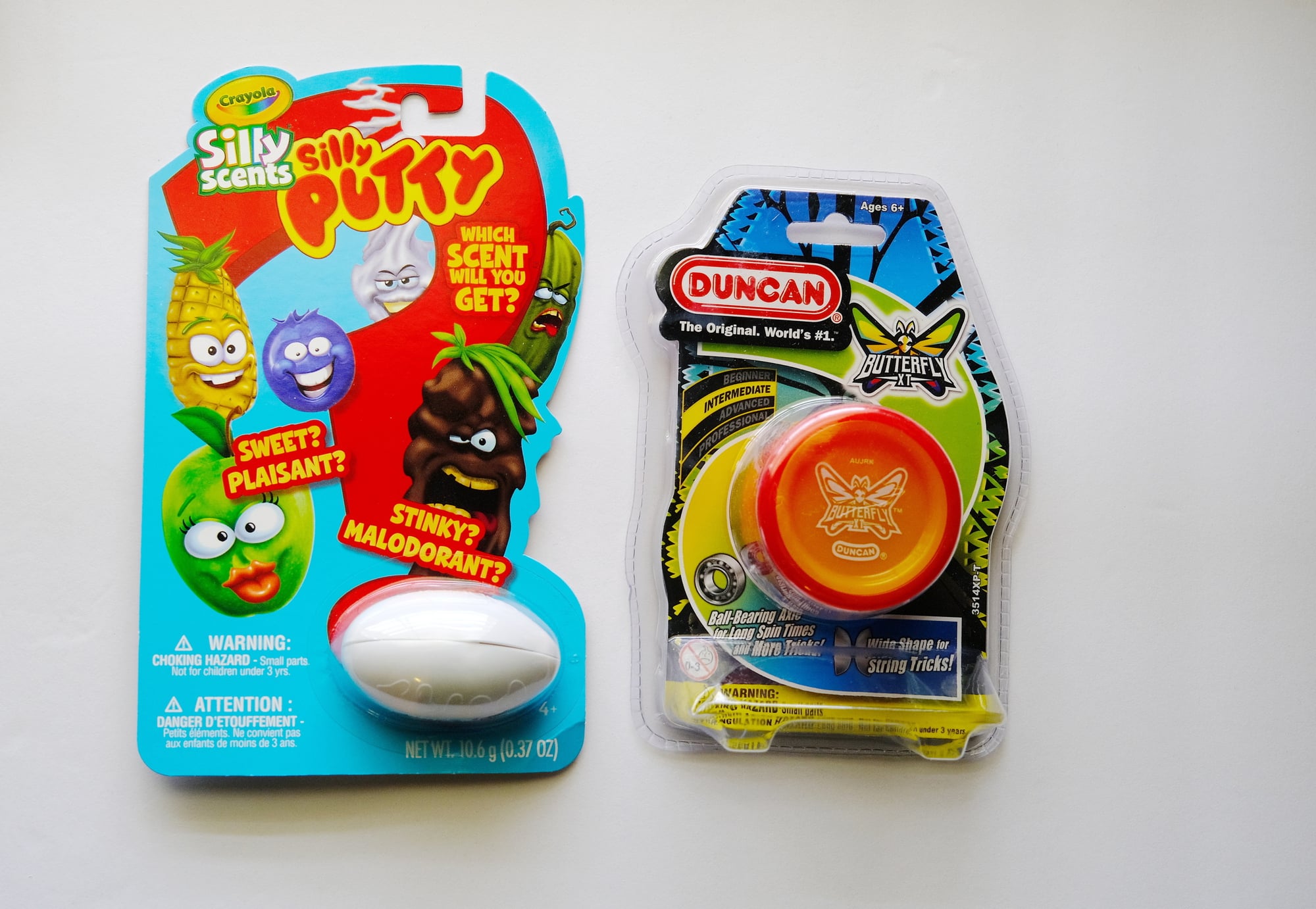
This strange, bouncy substance was created during America’s rubber shortage in World War II. Engineer James Wright was attempting to create a synthetic rubber substitute when he combined boric acid and silicone oil, producing a strange material that bounced, stretched, and could even lift images from newspaper comics.
While it failed as a rubber replacement, it found unexpected success as a toy after a marketing consultant saw its potential for entertainment rather than industrial use.
Botox

The popular cosmetic injection was originally developed to treat eye muscle disorders. In the 1970s, ophthalmologist Dr. Alan Scott began using tiny amounts of botulinum toxin (one of the most potent toxins known) to treat strabismus (crossed eyes) and blepharospasm (uncontrollable blinking).
The treatment’s ability to temporarily paralyze muscles led to its cosmetic applications when doctors noticed it also reduced wrinkles in the treated areas. Now Botox treatments generate billions in revenue annually, with cosmetic uses far outpacing medical applications.
Like Go2Tutors’s content? Follow us on MSN.
WD-40
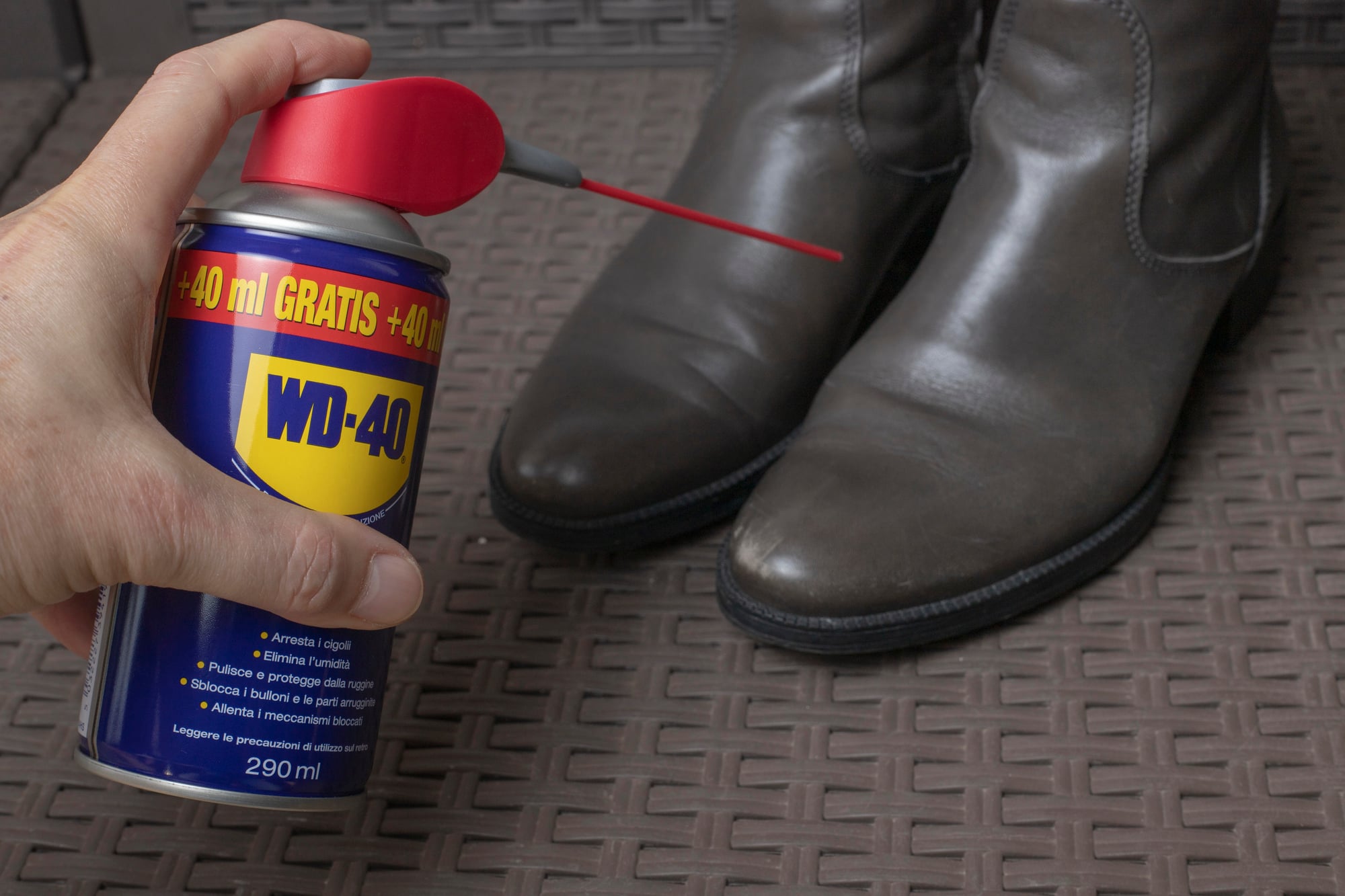
The versatile lubricant got its name because it was the 40th attempt at creating a ‘Water Displacement’ formula. Developed in 1953 by the Rocket Chemical Company, it was originally designed to protect the outer skin of the Atlas missile from rust and corrosion.
The product proved so effective that employees began sneaking it home for personal projects. Its first commercial cans weren’t sold until 1958, and the formula remains largely unchanged today, stored in a bank vault in San Diego.
Treadmills

These fitness machines were originally designed as prison punishment devices. In 1818, English engineer William Cubitt created the ‘treadwheel’ to reform stubborn and idle inmates.
Prisoners would climb the spokes of a large paddle wheel for up to six hours daily, effectively crushing their spirits through monotonous labor. Modern exercise treadmills emerged in the early 20th century for medical testing, before becoming popular for home fitness in the 1960s—transforming a literal torture device into a voluntary health tool.
Lysol
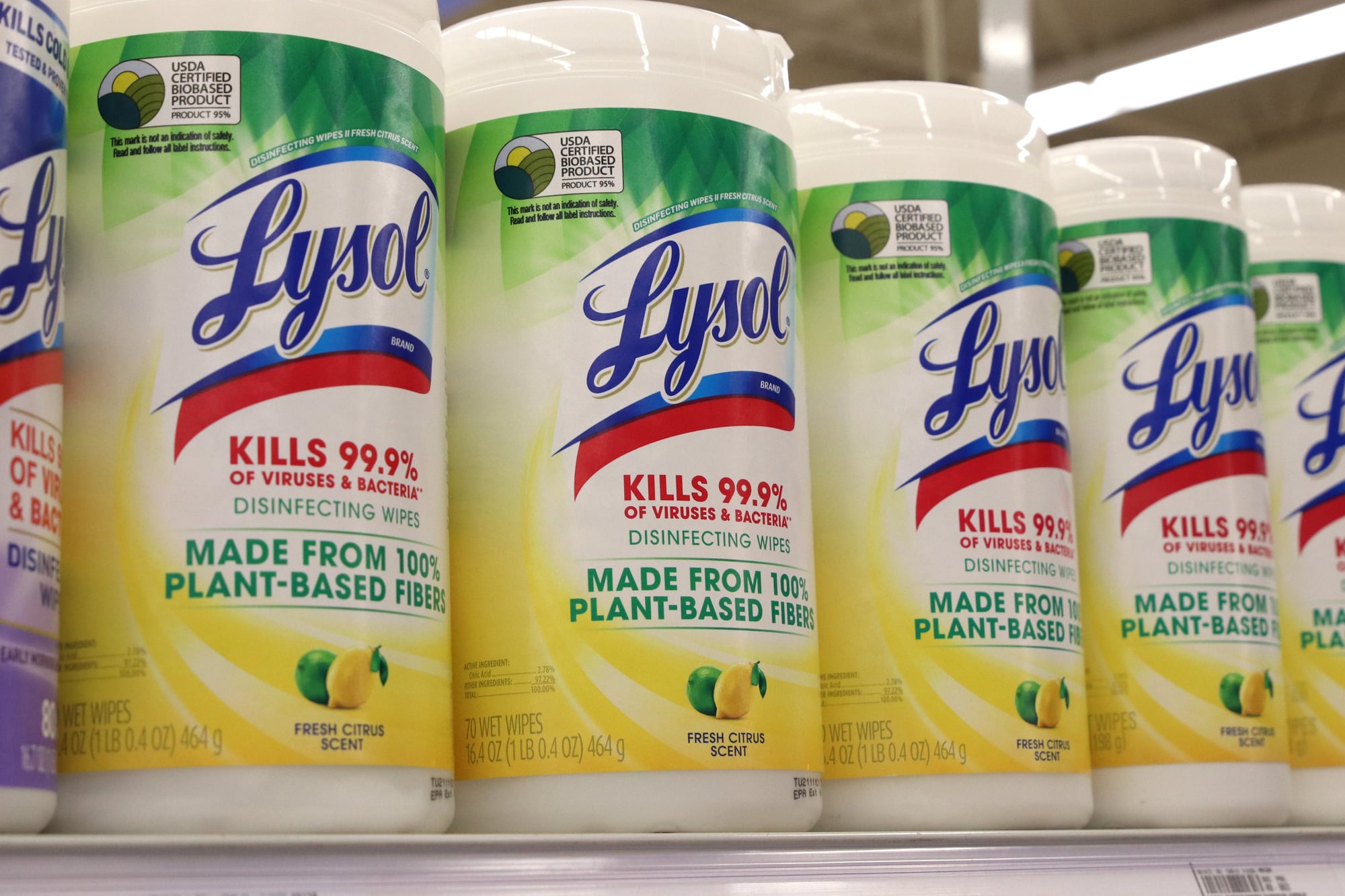
This household disinfectant was marketed as a feminine hygiene product and birth control method in the early 1900s. Advertisements used euphemisms like ‘married hygiene’ to suggest its use as a contraceptive douche, despite its harsh ingredients that could cause inflammation or worse.
The product contained cresol, which can cause burns and kidney damage. Only after the introduction of safe, effective birth control options did Lysol pivot to focus exclusively on cleaning and disinfecting surfaces.
Like Go2Tutors’s content? Follow us on MSN.
Super Glue
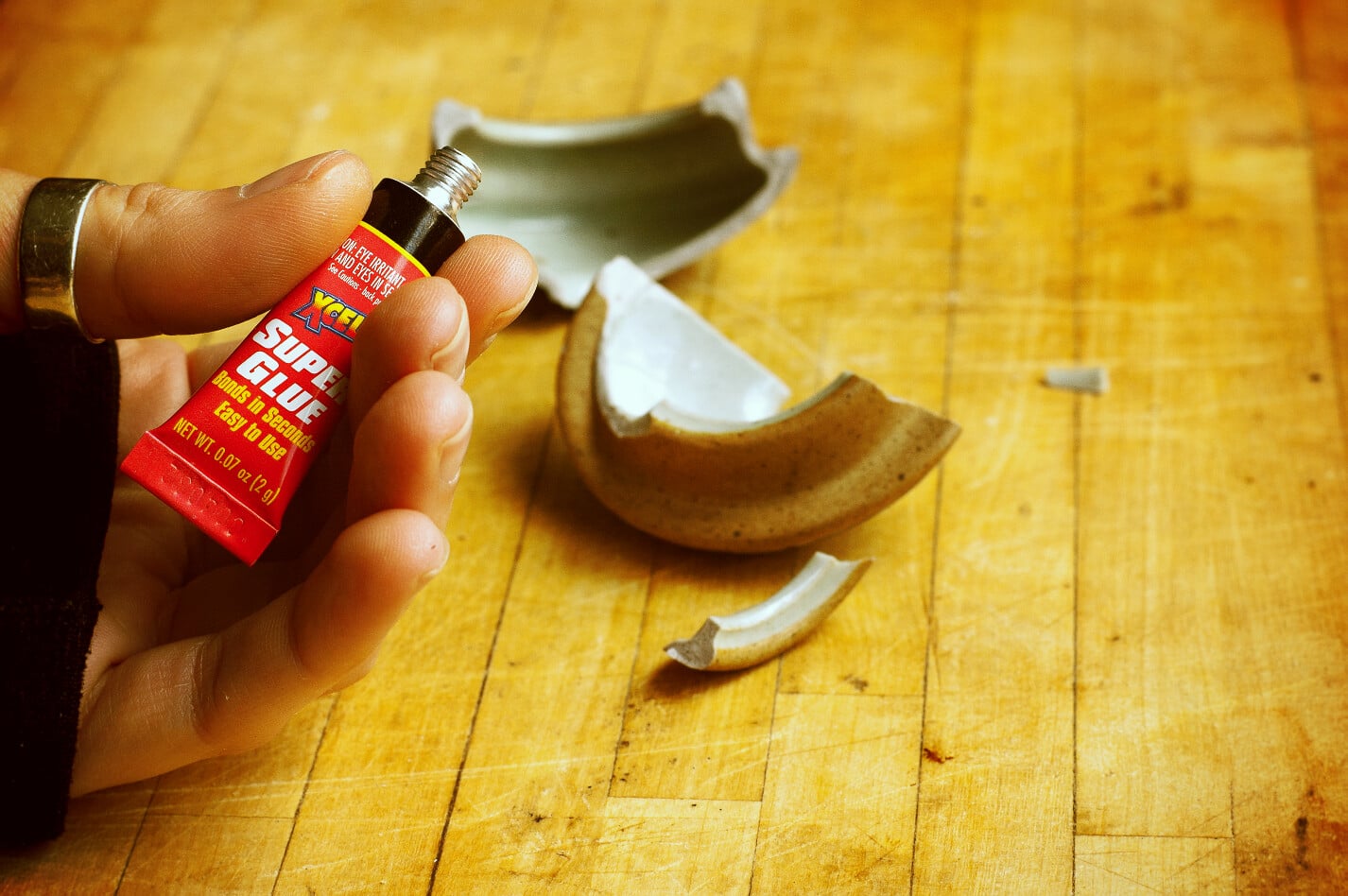
This powerful adhesive was discovered accidentally during attempts to make clear plastic gun sights during World War II. Researcher Harry Coover first synthesized cyanoacrylate in 1942 but rejected it because it stuck to everything it touched.
Nine years later, while working on a heat-resistant coating for jet cockpits, Coover rediscovered the substance and recognized its potential as an adhesive. During the Vietnam War, field medics even used a spray version to seal wounds temporarily until soldiers could reach proper medical facilities.
Post-it Notes

These ubiquitous sticky notes came from a failed attempt to create a super-strong adhesive. In 1968, 3M scientist Spencer Silver developed an adhesive that formed tiny spheres that were strong enough to hold paper together but weak enough to allow for easy separation.
The discovery sat unused for years until colleague Art Fry, frustrated by bookmarks falling out of his hymnal during choir practice, remembered Silver’s adhesive. The resulting product revolutionized office communication despite initial market research suggesting it would fail.
Cheetos
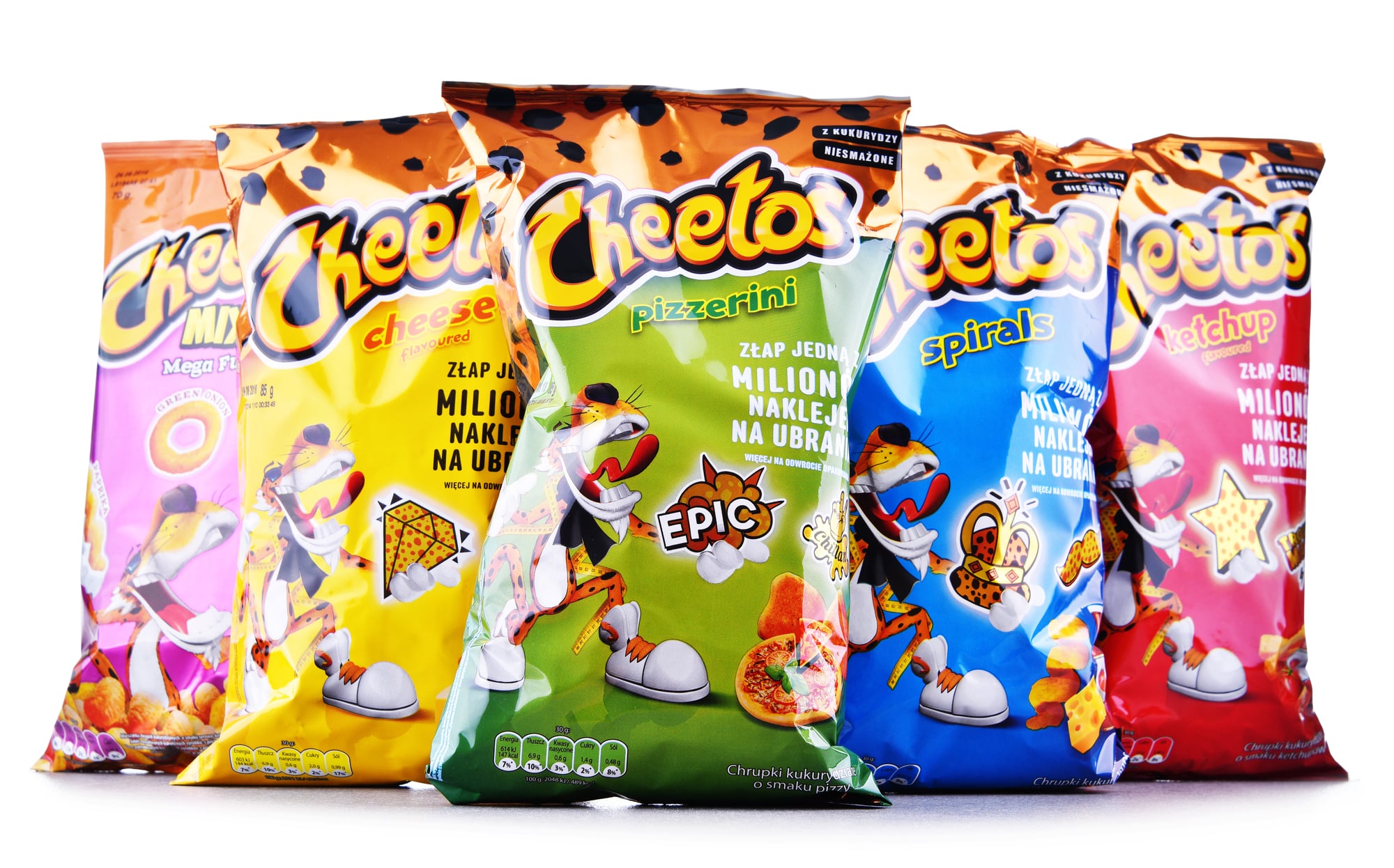
These orange snacks were created from animal feed materials during the Great Depression. In the 1930s, the Frito Company was looking for ways to use extruded corn meal, primarily used as cattle feed, for human consumption.
The process of forcing corn meal through a die under high temperature and pressure created the unique texture, while the iconic orange dust came later. Creator Charles Elmer Doolin built a special machine in his mother’s kitchen to mass-produce the snacks, which are now consumed at a rate of about 15 million pounds annually.
Like Go2Tutors’s content? Follow us on MSN.
The Fascinating Evolution

These origin stories remind us that innovation often takes unexpected turns. What begins as one thing frequently evolves into something entirely different through a combination of serendipity, market forces, and human ingenuity. The items we take for granted in our daily lives rarely followed straight paths from conception to our homes and offices.
The distance between original purpose and eventual use isn’t just an interesting historical footnote—it’s a powerful reminder that failure often contains the seeds of greater success. Many of these products became cultural icons and commercial juggernauts precisely because they failed at their intended purpose and found unexpected new applications.
More from Go2Tutors!

- 18 Unexpectedly Valuable Collectibles You Might Have Lying Around
- 20 Little-Known Historical Battles That Had Huge Consequences
- 20 Historical Artifacts That Scientists Can’t Explain
- 15 Inventions That Were Immediately Banned After Being Created
- 20 Actors Who Were Almost Cast in Iconic Roles
Like Go2Tutors’s content? Follow us on MSN.