Mirror Traditions That Carried Mystical Meaning
Mirrors have always been more than just tools for checking appearances. Throughout history, people across different cultures believed these reflective surfaces held special powers and connected them to unseen worlds.
From ancient civilizations to modern households, mirrors carried meanings that went far beyond their practical use. Let’s look at some of the most interesting beliefs and practices that made mirrors so important in different cultures.
Breaking a mirror brings seven years of bad luck
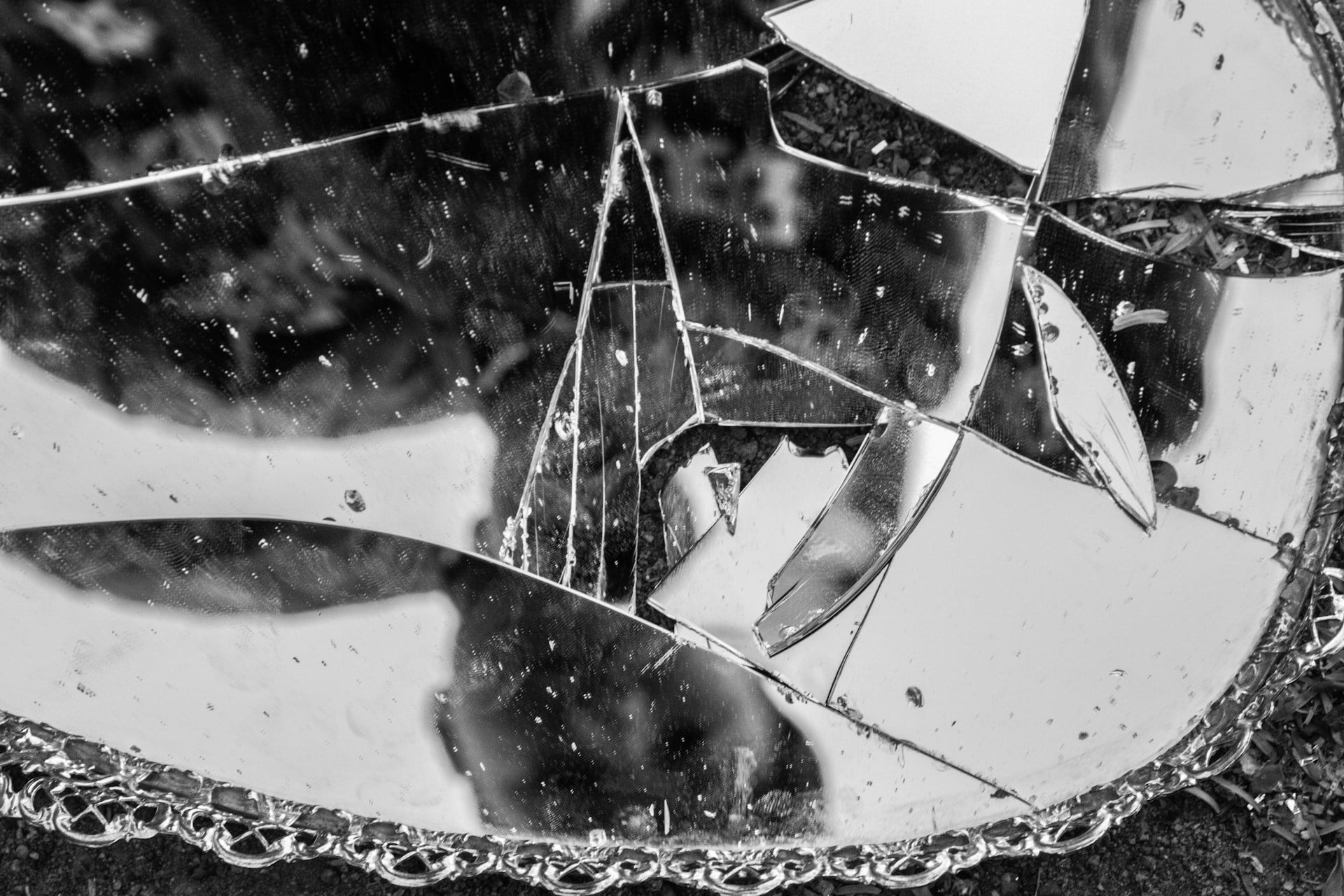
This belief started with the Romans, who thought mirrors held pieces of a person’s soul. When someone broke a mirror, they believed it damaged that soul fragment, causing misfortune for seven years.
The Romans also thought the body renewed itself every seven years, which explains the specific timeframe. People took this belief so seriously that they developed rituals to reverse the curse, like burying the broken pieces under moonlight or throwing them into running water.
Covering mirrors after someone dies
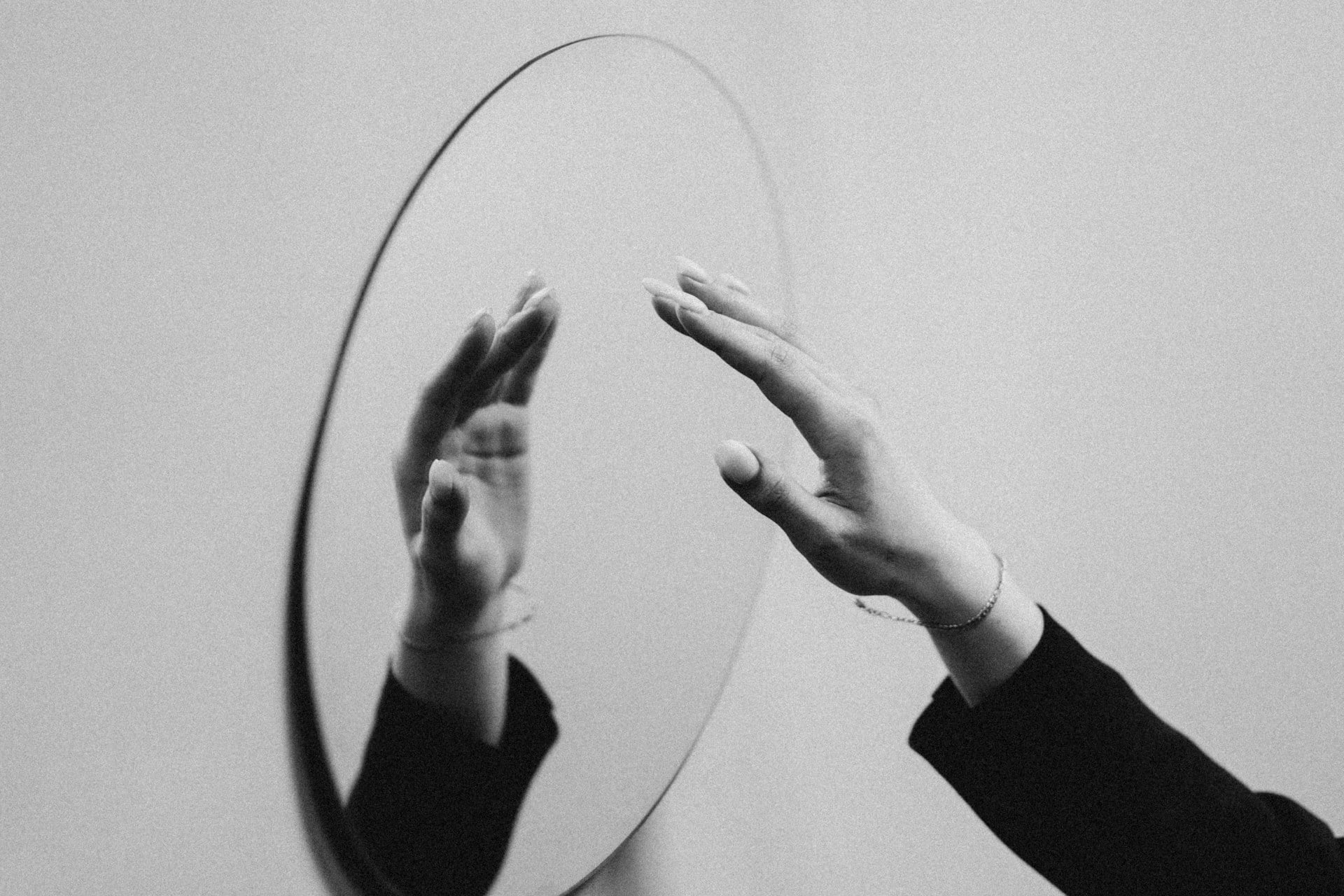
Many cultures covered mirrors in homes where someone had passed away. Jewish tradition required this during the mourning period called shiva, believing that mirrors distracted people from focusing on the deceased.
Other cultures worried that the departed person’s spirit might get trapped in the mirror or that mourners might see ghostly reflections. Some believed the soul lingered for days after death and could be captured by reflective surfaces, preventing it from moving on to the afterlife.
Chinese mirror magic for protection

Ancient Chinese people placed mirrors facing their doorways to ward off evil spirits. They believed mirrors had the power to reflect negative energy back to its source, creating a spiritual shield around homes.
Bronze mirrors with special designs were especially valued for their protective qualities. Practitioners of feng shui still use mirrors strategically to redirect energy flow and keep harmful forces away from living spaces.
Victorian mourning mirrors
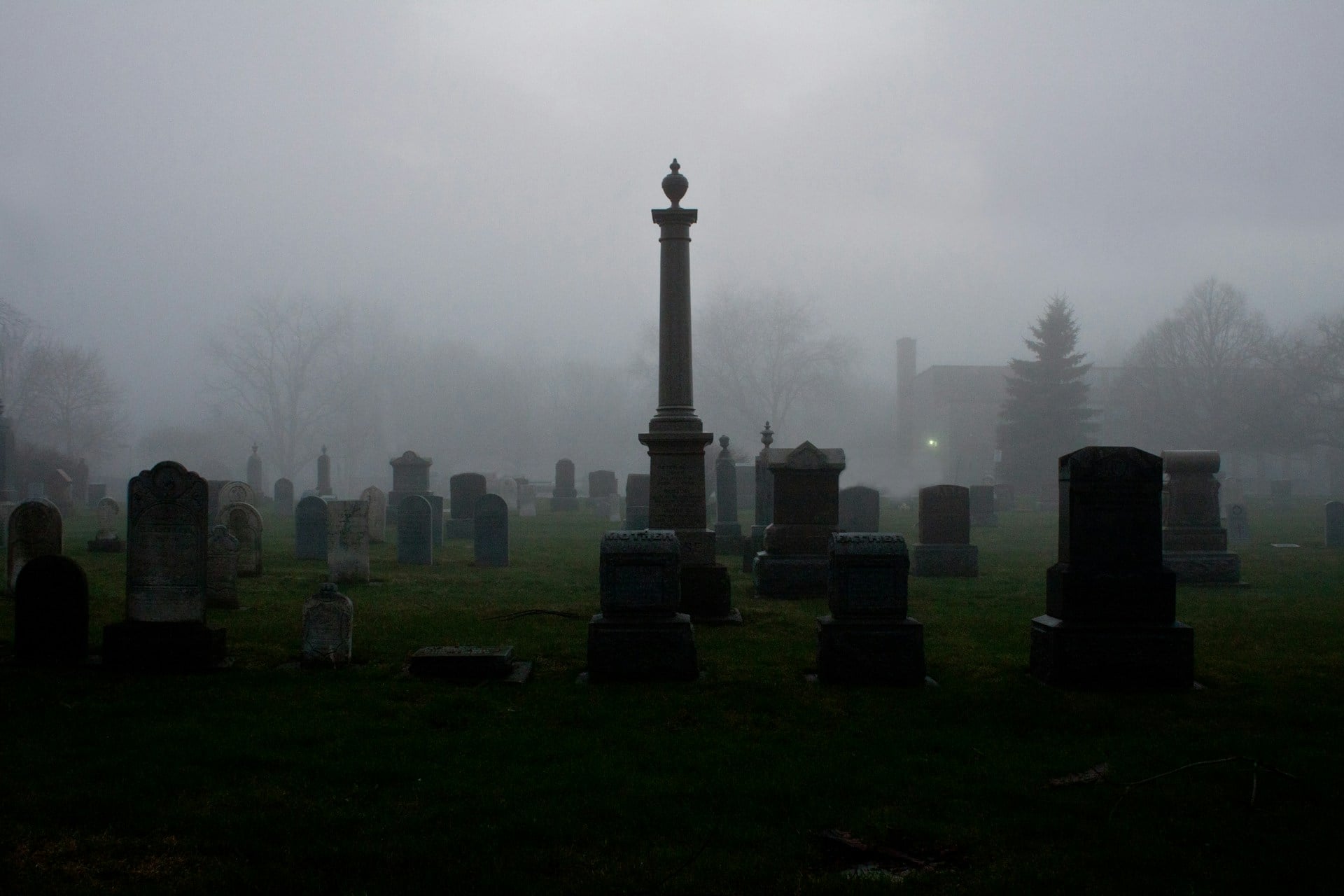
During the Victorian era, people draped black cloth over mirrors when someone in the household died. This practice combined superstition with practicality, as Victorians believed vanity was inappropriate during mourning periods.
Some thought that seeing your own reflection while grieving could attract death to claim another family member. The custom also prevented mourners from being startled by their own pale, grief-stricken faces in dimly lit rooms.
Greek and Roman divination through mirrors
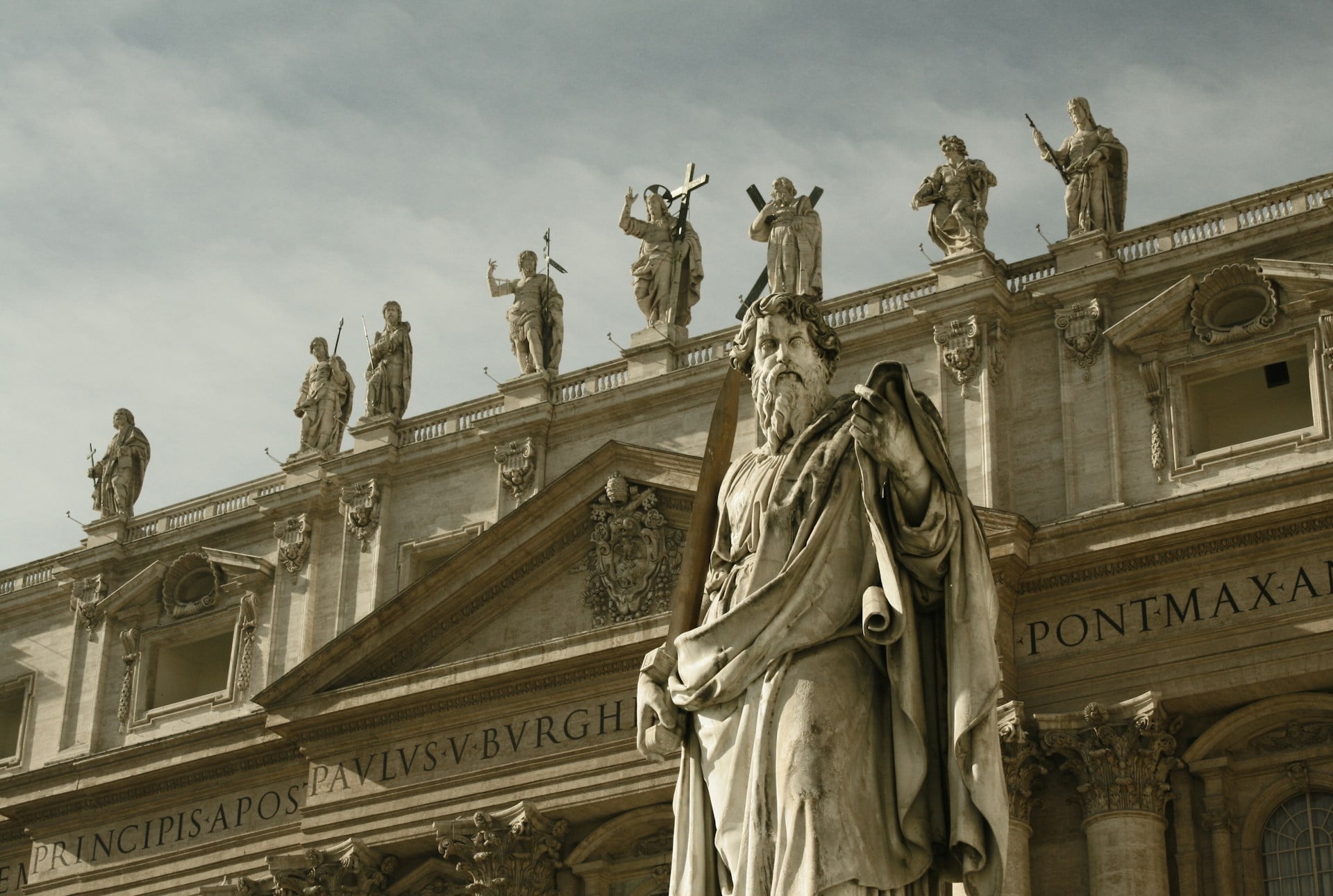
Ancient Greeks and Romans used mirrors for a practice called catoptromancy, which involved predicting the future through reflections. Practitioners would lower mirrors into water or hold them at specific angles to see visions of coming events.
Young women sometimes performed mirror rituals on certain holidays, hoping to see the face of their future husband. These divination practices were taken seriously and often performed by trained priests or oracles.
Japanese mirror worship

In Japanese Shinto tradition, mirrors represent one of the three sacred treasures of Japan. The Yata no Kagami, a legendary mirror, supposedly helped lure the sun goddess Amaterasu from a cave and restore light to the world.
Mirrors in Shinto shrines symbolize purity, wisdom, and the presence of divine spirits. Worshippers believe that looking into a sacred mirror allows them to see their true self and connect with spiritual realms.
Aztec obsidian mirrors for seeing the future

The Aztecs crafted mirrors from polished obsidian, a volcanic glass with deep black surfaces. Priests used these mirrors in ceremonies to communicate with gods and glimpse future events.
The Aztec god Tezcatlipoca, was often depicted with an obsidian mirror replacing one of his feet. These mirrors were powerful religious objects, not everyday items, and only spiritual leaders could use them for sacred purposes.
Indian mirror ceremonies for weddings
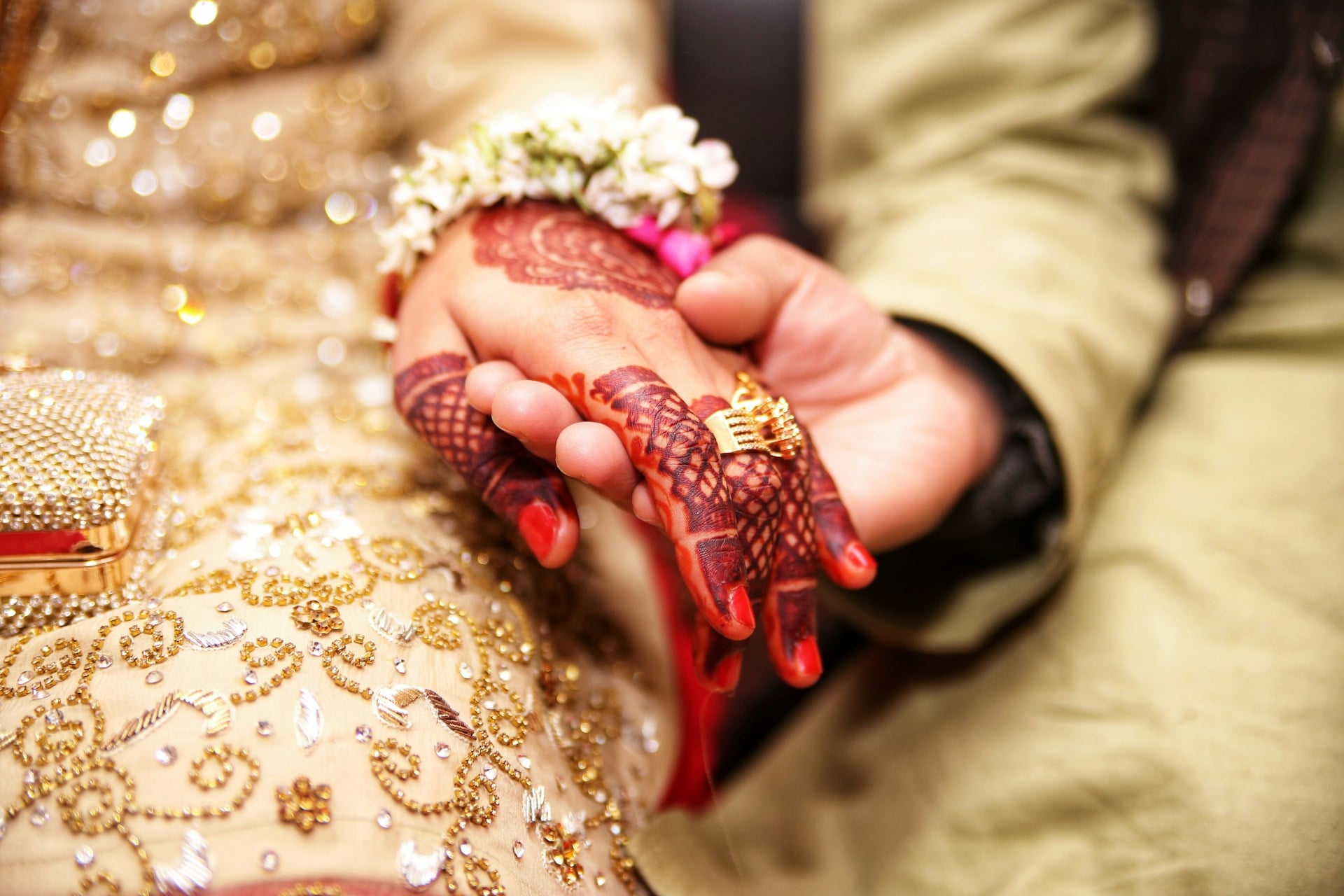
Traditional Indian weddings include a ritual called Aaina Mushaf, where the bride and groom see each other’s faces for the first time through a mirror. This practice originated when arranged marriages were common and couples hadn’t met before their wedding day.
The mirror symbolizes clarity, truth, and the reflection of two souls becoming one. Some families still maintain this custom even when couples know each other, honoring the tradition’s symbolic value.
Vampire myths and missing reflections

European folklore claimed that vampires cast no reflection because mirrors revealed the true nature of things, and vampires had no souls. This belief made mirrors useful tools for identifying supernatural creatures hiding in human form.
The legend likely connected to older ideas about mirrors showing spiritual truth rather than just physical appearance. Silver-backed mirrors were considered especially effective because silver was thought to have purifying properties against evil.
Persian mirror rooms for spiritual enlightenment

Persian palaces featured entire rooms covered in small mirrors, creating infinite reflections of light and space. These mirror halls served both decorative and spiritual purposes, representing the endless nature of divine presence.
Visitors experienced a sense of being surrounded by multiplied reality, which encouraged meditation and spiritual contemplation. The mirrors also symbolized how one truth can appear in countless forms.
Scottish mirror superstitions for newborns

Scottish tradition warned against letting babies see their reflection before their first birthday. People believed that showing an infant its own image could stunt the child’s growth or development.
Some thought the baby’s soul wasn’t fully anchored in its body yet and might become confused by seeing itself. Parents kept mirrors covered or turned away when caring for young children to protect them from these supposed dangers.
African mirror divination practices

Various African cultures incorporated mirrors into spiritual practices for communicating with ancestors and spirits. Healers and diviners used mirrors to diagnose illnesses, find lost objects, or receive guidance from the spirit world.
Some traditions held that mirrors could trap harmful spirits or reveal hidden truths about a person’s character. The reflective surface served as a portal between the physical world and spiritual dimensions.
Medieval European mirror protection spells

During medieval times, people engraved mirrors with religious symbols or protective phrases to enhance their mystical properties. These specially prepared mirrors were believed to deflect curses, reveal hidden enemies, or protect against the evil eye.
Wealthy families commissioned elaborate mirrors blessed by clergy members for extra spiritual protection. Mirrors became household guardians, watching over families while they slept.
Russian mirror fortune-telling on New Year’s Eve
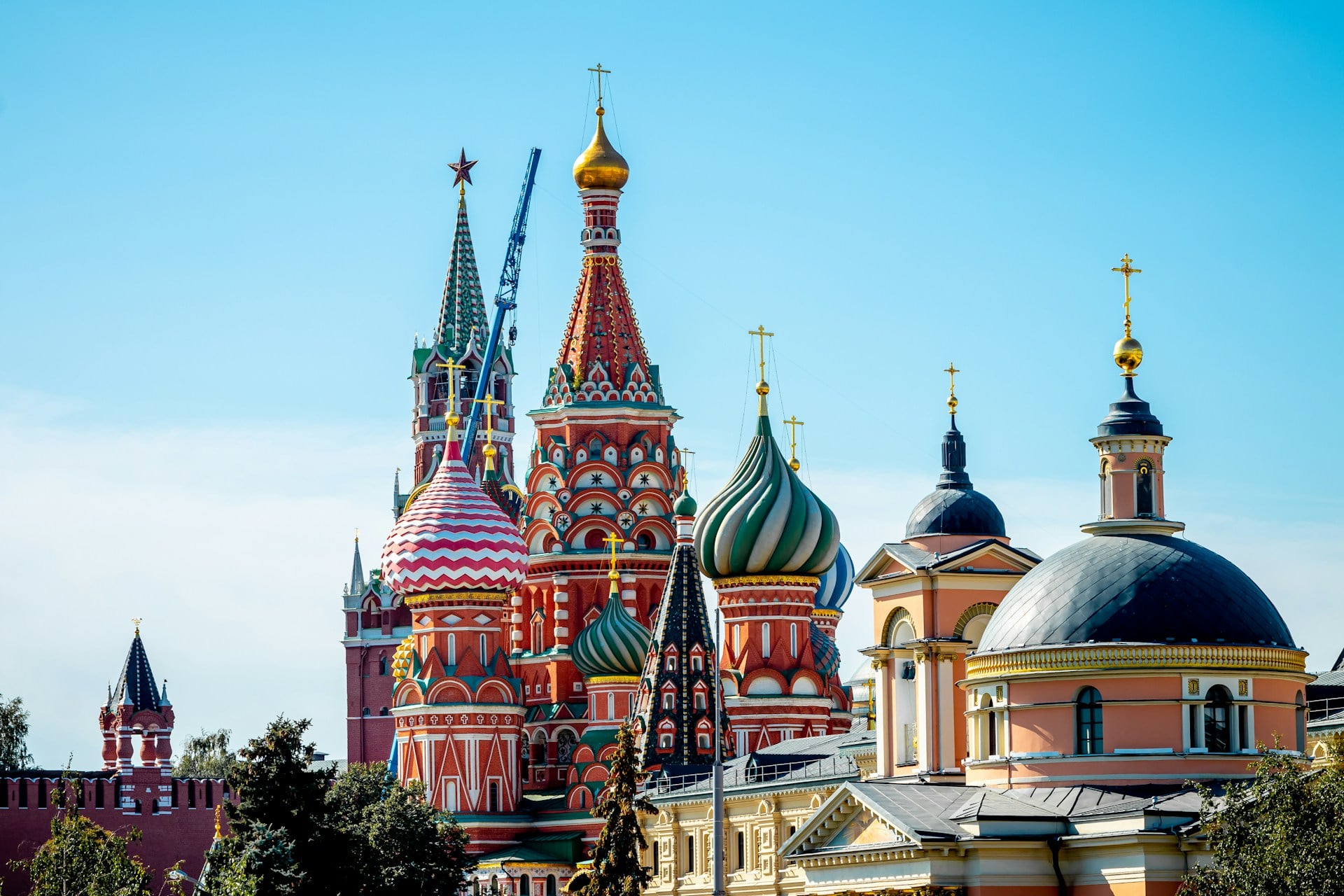
Back in Russia, girls tried mirror games every New Year’s Eve – just to catch a peek at what life had waiting. At twelve o’clock, some sat with mirrors facing each other, making tunnels of light that sometimes showed strange pictures.
Others walked backward clutching glass, thinking it’d show bits of days still coming. All these tricks mixed old beliefs with the thrill of fresh beginnings.
Thai shrines that have mirrors on them

In Thailand, folks set up tiny spirit huts near their houses so guardian spirits have a place to stay. Sometimes these little buildings include mirrors that boost good vibes while pushing bad ones back.
Mirrors let the spirits spot threats early and alert families before trouble hits. This custom mixes Buddhist ideas with ancient views on how shiny surfaces can hold special strength.
Moroccan handheld mirrors that shield your eyes from glare

Moroccan artisans crafted small handheld mirrors covered in detailed shapes and meaningful signs meant to guard the spirit. Often, you’d spot the Hand of Fatima on them – or marks that ward off the evil eye – alongside lines taken from holy writings.
Ladies kept these mirrors close, thinking they blocked envy and ill will aimed their way. Because they reflected images while carrying divine elements, folks saw them as twice as strong within old customs.
Caribbean mirror magic in folk practices

Caribbean folk practices often include mirrors for defense and purification. They might set them by entrances so bad vibes get thrown back.
In certain cures, a mirror pulls sickness out by sending it off through reflection. During rites, they’re part of sacred setups – helping folks reach spirits or forebears.
Korean burial mirrors meant for life beyond death

Ancient Koreans occasionally put mirrors in tombs to assist a dead person’s soul. The reflective surfaces faced angles that caught light, standing for safety and optimism after dying.
Others thought these items lit paths or helped souls move through the unknown. That tradition revealed how closely folks linked shiny discs to travel past earthly existence.
Mirrors act like doorways connecting different places

Folks often felt mirrors were a bit odd – like they copy real life in a weird sort of way. Old customs show tribes and nations wrestled with what reflections really meant, trying to make sense of their strange pull.
Not just for checking looks – they guarded houses, hinted at what’s coming, even linked to spirits of those gone. Sure, ideas changed from place to place, time to time… yet deep down, people everywhere kept thinking there was more to mirrors than meets the eye.
More from Go2Tutors!

- The Romanov Crown Jewels and Their Tragic Fate
- 13 Historical Mysteries That Science Still Can’t Solve
- Famous Hoaxes That Fooled the World for Years
- 15 Child Stars with Tragic Adult Lives
- 16 Famous Jewelry Pieces in History
Like Go2Tutors’s content? Follow us on MSN.



