16 Strange Predators Hunting in the Amazon Basin
The Amazon Basin operates like a vast biological casino where the house always wins — and the house is composed of teeth, venom, and patience. This sprawling wilderness harbors predators that evolved in isolation for millions of years, developing hunting strategies so unusual they seem pulled from science fiction. Some dangle lures from their heads. Others fire water bullets with sniper precision.
A few have turned their entire bodies into electrical weapons. Most people think of jaguars and anacondas when they imagine Amazon predators, but the rainforest’s most fascinating hunters are often the ones you’d never suspect.
They’ve mastered the art of deception, ambush, and biological warfare in ways that make conventional predators look almost quaint.
Electric Eel
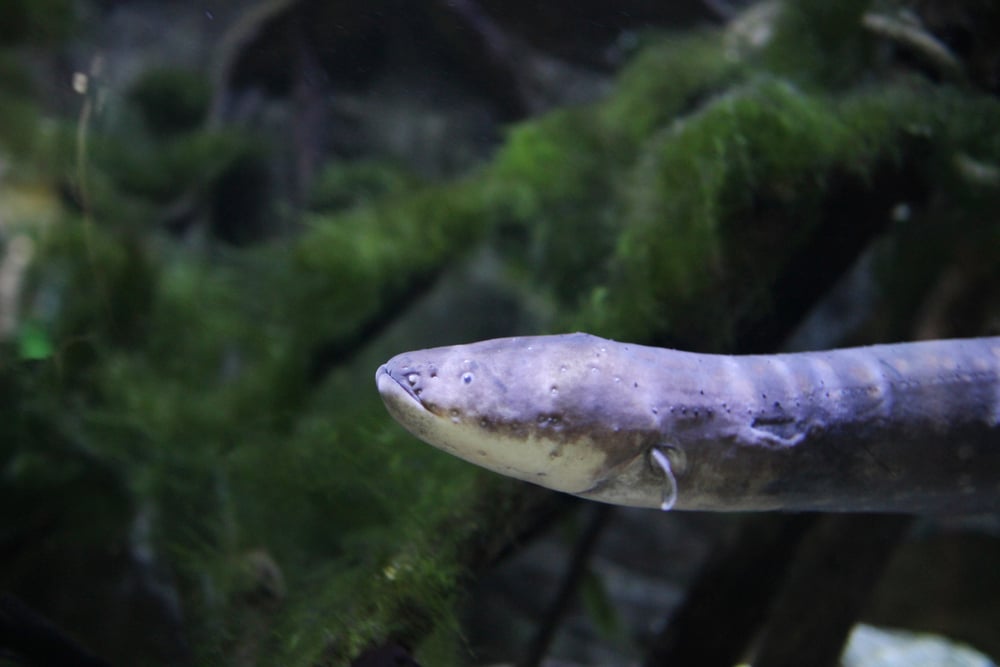
Electric eels aren’t actually eels. They’re knife fish that decided conventional hunting was for amateurs.
These living power plants generate up to 600 volts of electricity — enough to kill a horse or knock a human unconscious. The hunting technique borders on the absurd.
An electric eel herds small fish into shallow water, then releases a massive electrical discharge that stuns everything in the vicinity. Fish float to the surface, helpless. The eel simply swims around collecting its paralyzed prey like someone gathering groceries.
Candiru
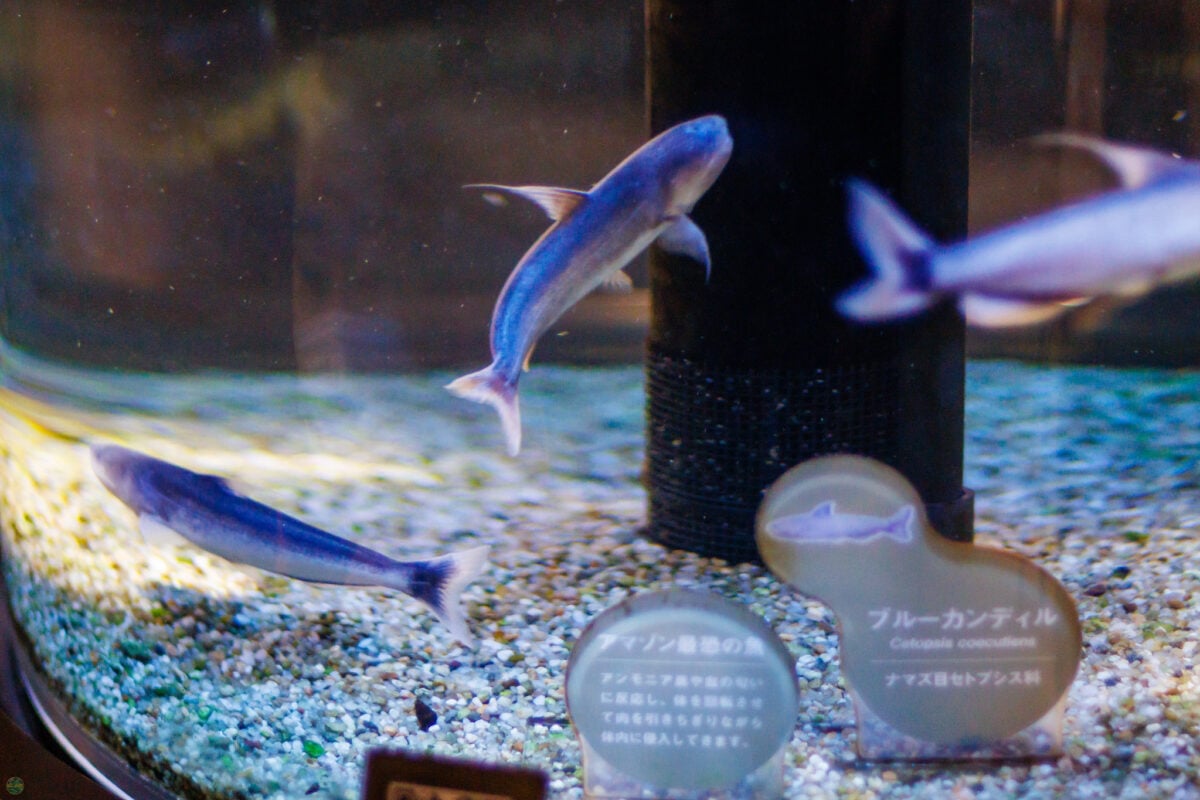
This translucent catfish measures less than an inch long, yet it inspires more fear among locals than jaguars and caimans combined. The candiru typically parasitizes larger fish by following their urine trails upstream (fish excrete ammonia through their gills), then lodging itself inside with backward-pointing spines.
The nightmarish part isn’t what it does to fish — it’s the documented cases of candiru mistaking human urine for fish excretions. Once inside a human host, those spines make removal require surgery.
Local fishermen won’t enter certain waters without protection, and they have good reason.
Matamata Turtle
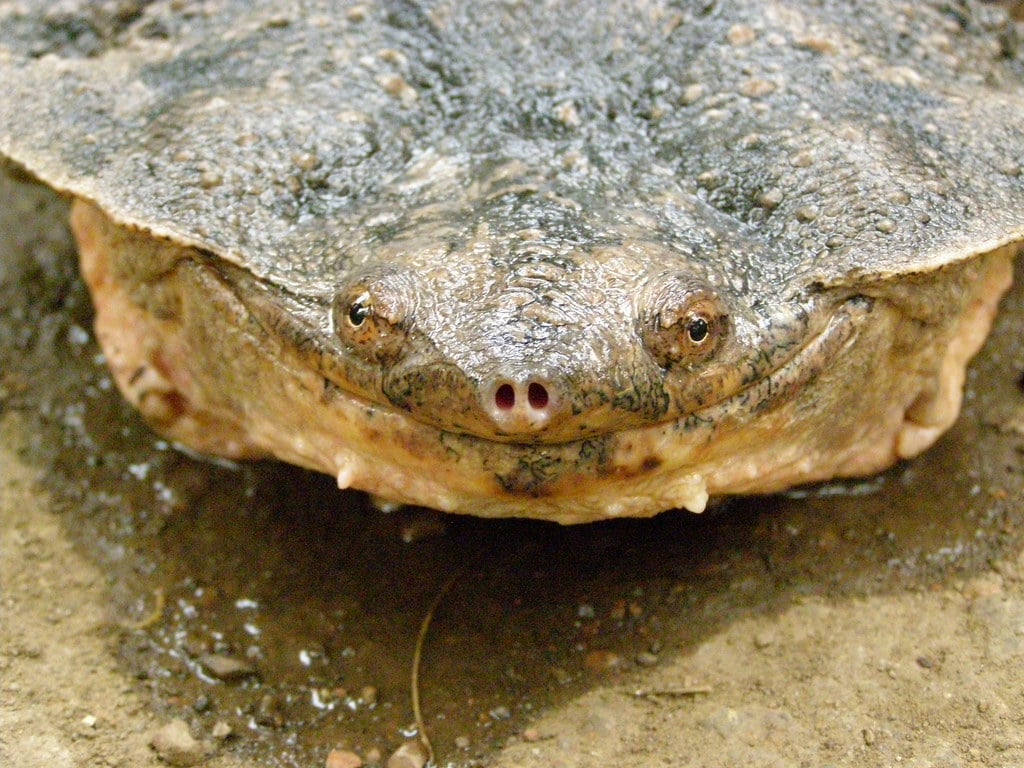
Picture a turtle designed by someone who had only heard turtles described secondhand while severely intoxicated, and you’d approximate the matamata. Its shell looks like a pile of rotting leaves, its head resembles a flattened snake, and its neck extends like a periscope covered in algae.
This aquatic gargoyle practices the ultimate patience game (which says something, given that regular turtles aren’t exactly known for their haste), lying motionless on river bottoms for hours. When a fish ventures close enough, the matamata opens its enormous mouth and creates a vacuum that sucks in prey faster than the victim can react.
And yet somehow, despite looking like something scraped off a swamp floor, this method works flawlessly.
Fer-de-Lance
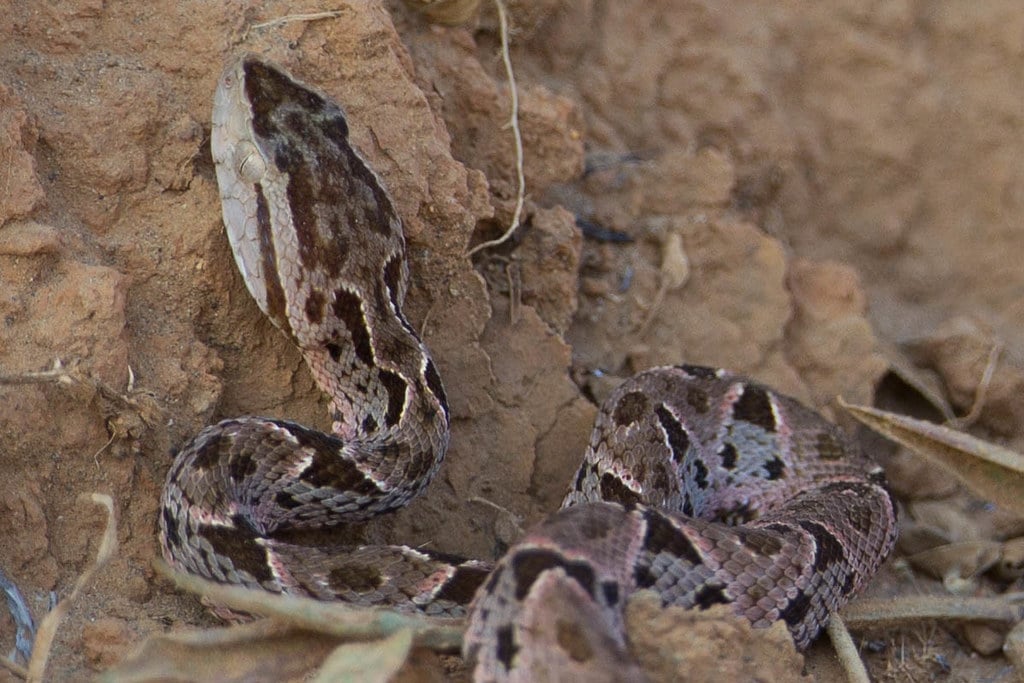
The fer-de-lance embodies everything terrifying about pit vipers, then adds a few nightmare touches for good measure. Heat-sensing pits along its face detect warm-blooded prey in complete darkness — essentially biological thermal imaging that makes night vision look primitive.
But here’s where it gets genuinely disturbing: fer-de-lance venom doesn’t just kill, it liquefies tissue from the inside out. The snake injects its prey, then follows the scent trail as the animal stumbles away to die. By the time the snake catches up, its meal has been partially pre-digested by its own venom.
Arapaima
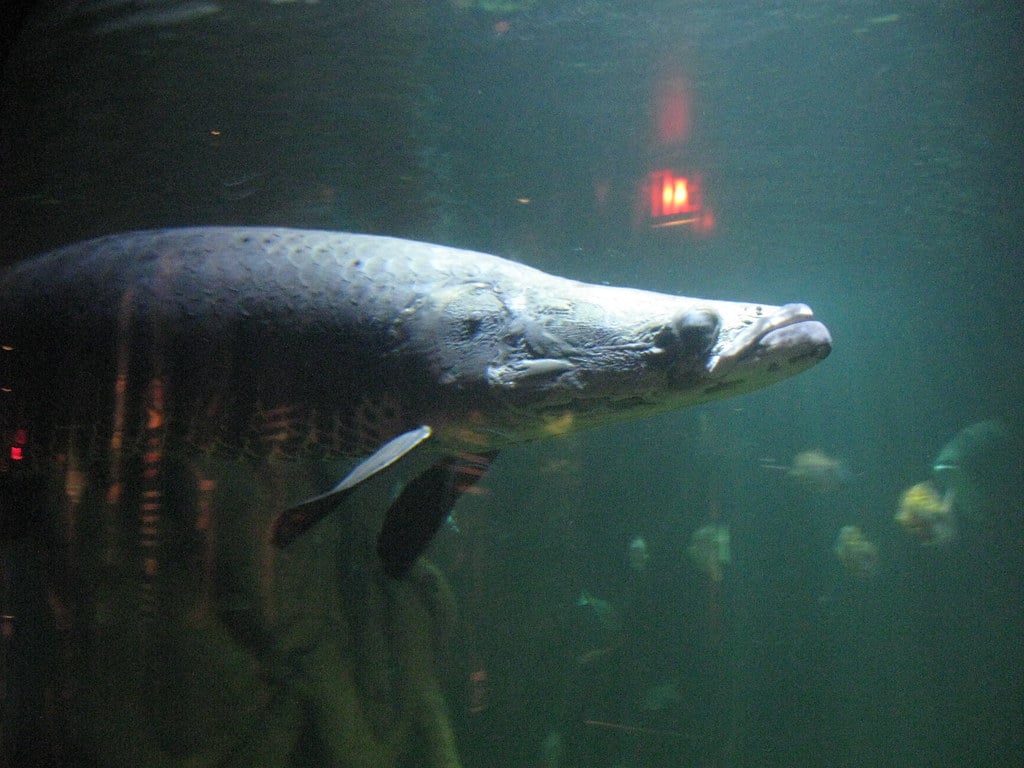
Arapaimas are what happens when evolution decides a fish needs to breathe air, grow to the size of a canoe, and hunt like an aquatic missile. These giants reach nine feet long and can leap entirely out of the water to snatch birds, monkeys, and anything else foolish enough to venture near the surface.
They’re living fossils that have remained virtually unchanged for 23 million years. There’s something unsettling about a predator so perfectly designed that it saw no need to evolve further — like nature declaring the design complete and walking away from the drafting table.
Goliath Birdeater
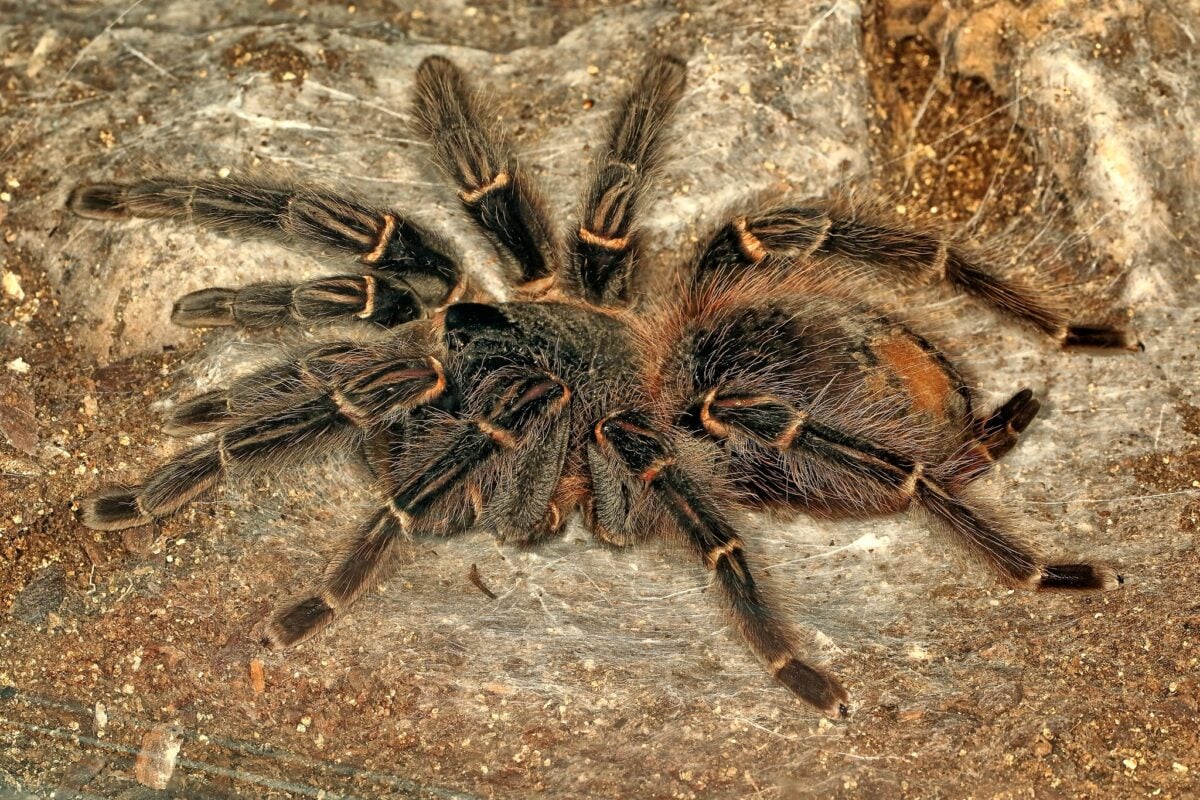
Despite its name, the Goliath birdeater rarely bothers with birds. This dinner-plate-sized tarantula prefers easier targets: frogs, insects, small reptiles, and anything else it can overpower with sheer bulk and fangs the size of cheetah claws.
The hunting strategy is brutally simple. The spider lurks in its burrow until vibrations alert it to nearby prey, then explodes from hiding with surprising speed for something weighing as much as a small puppy.
Fangs inject venom that begins dissolving internal organs before the victim stops moving.
Jaguar
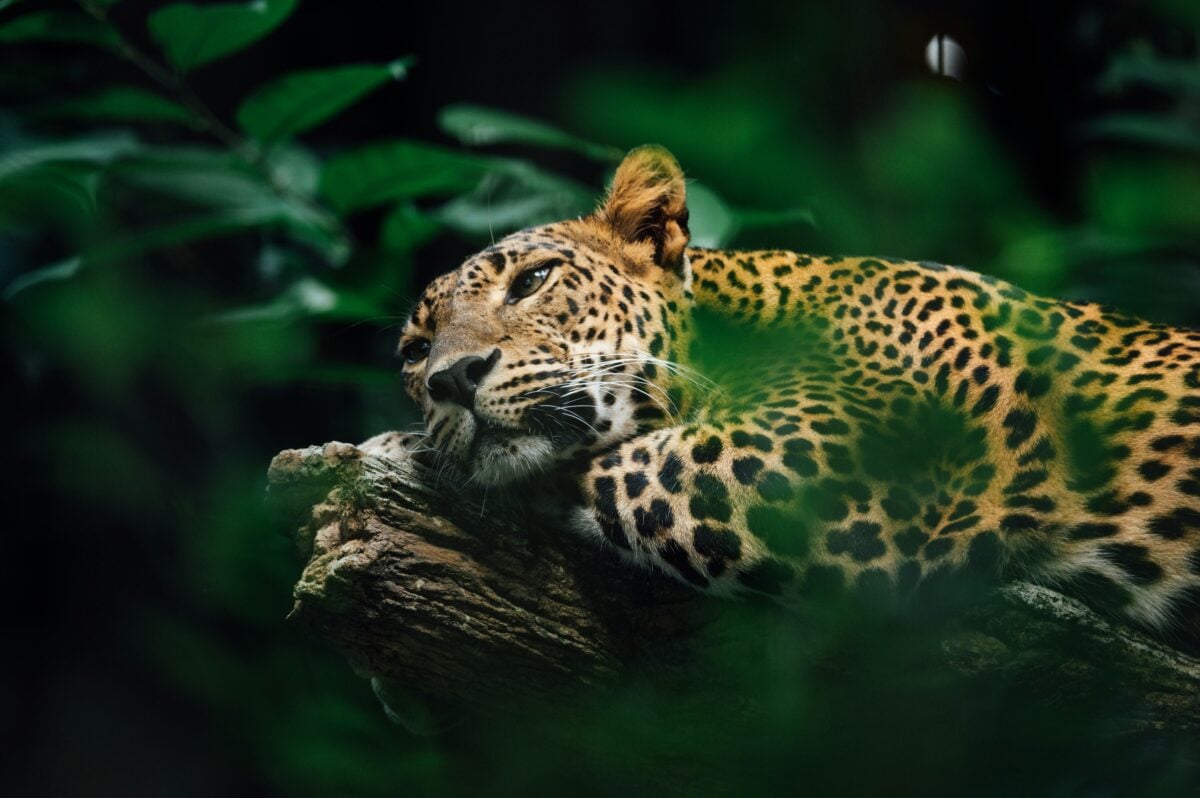
Jaguars hunt differently than any other big cat, and the difference matters more than their rosette-covered coat might suggest. Where leopards and tigers go for the throat, jaguars bite straight through the skull — their jaw muscles generate enough force to crush bone and penetrate directly into the brain.
This technique evolved specifically for hunting caimans and turtles, prey with armor that would stymie other predators. So when a jaguar decides to hunt something without a shell or armored hide, the encounter ends almost instantly. The jaguar simply walks up to its prey and crushes its head like someone stepping on an eggshell — which explains why even experienced hunters speak of them with genuine respect rather than the casual admiration reserved for other big cats.
Poison Dart Frog
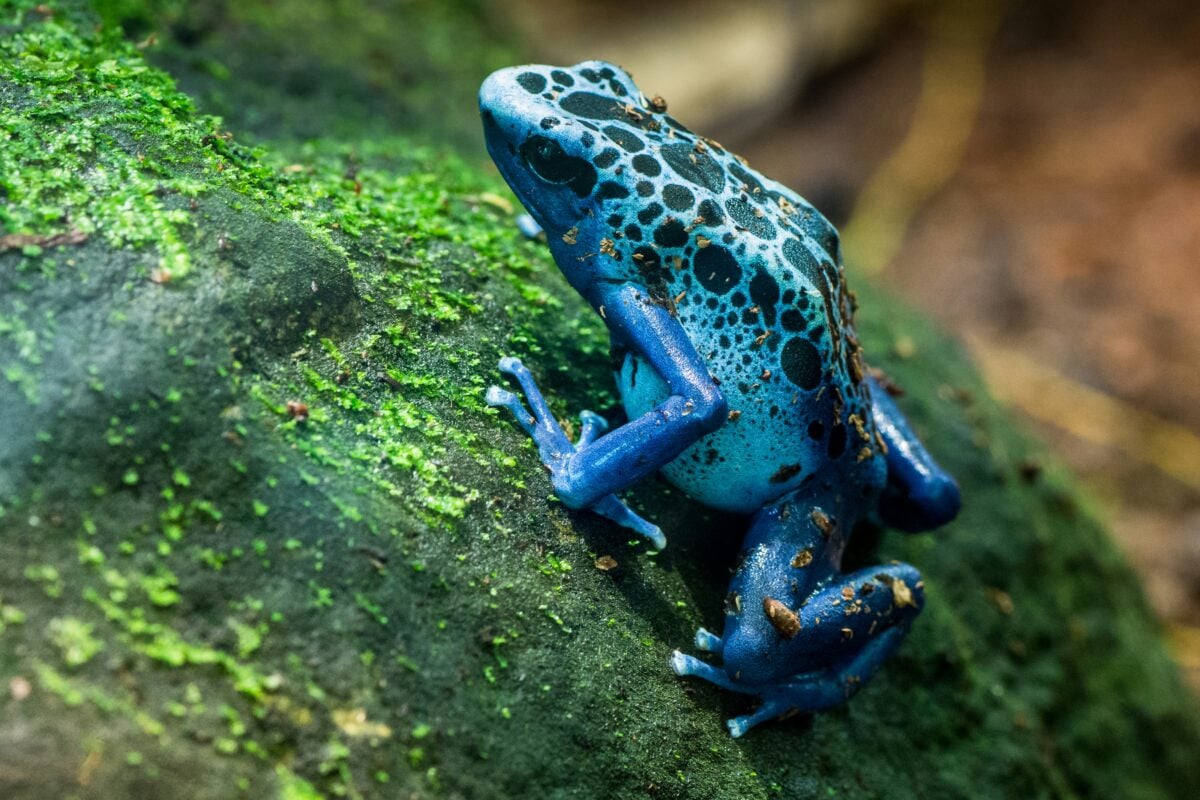
These jewel-bright frogs practice chemical warfare so sophisticated it makes modern military applications look crude by comparison. Their skin secretes batrachotoxin — one of the most potent neurotoxins known to science.
A single frog contains enough poison to kill ten adult humans. But the frogs themselves don’t produce the toxin (that would be evolutionary self-harm, given that they handle their own skin daily). Instead, they concentrate alkaloids from their diet of specific ants, then modify the compounds into something exponentially more lethal.
Indigenous hunters have used these toxins for centuries, and modern medicine still can’t synthesize anything more effective.
Giant Otter
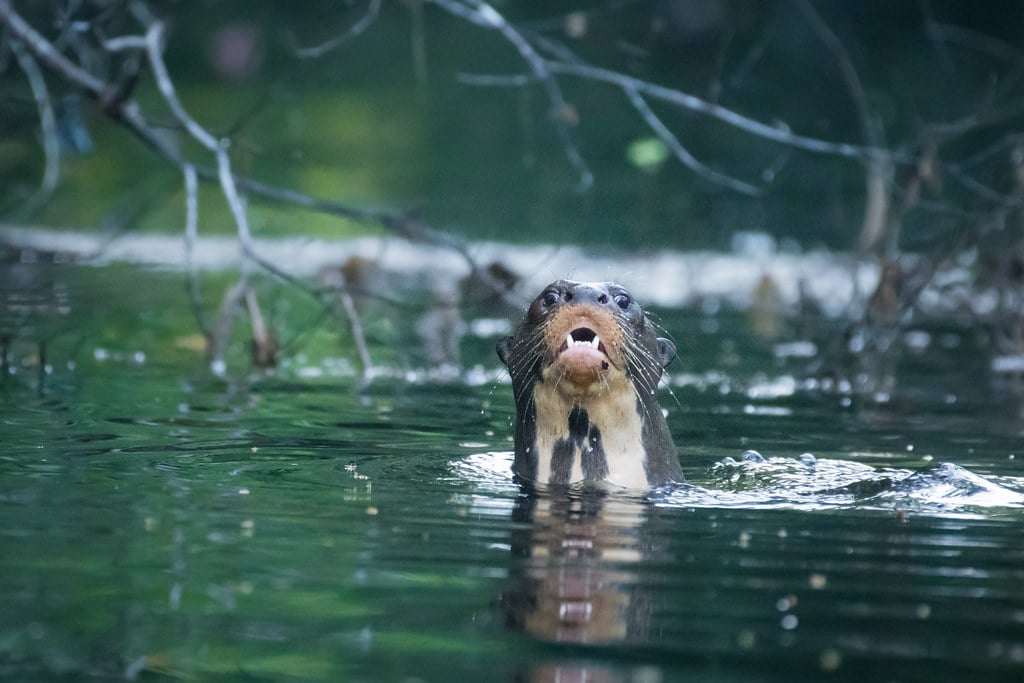
Giant otters seem almost comically misnamed until you witness them hunt. These six-foot-long predators move through water with a fluid grace that makes dolphins look clumsy, and they hunt in coordinated packs that would impress wolves.
Their preferred prey includes piranhas and small caimans — essentially, they specialize in hunting other predators. A pack of giant otters will surround a caiman, then take turns diving beneath it to bite its soft underbelly while others distract it from above.
The entire process unfolds with the choreographed precision of a military operation, which makes watching it feel both beautiful and deeply unsettling.
Bushmaster
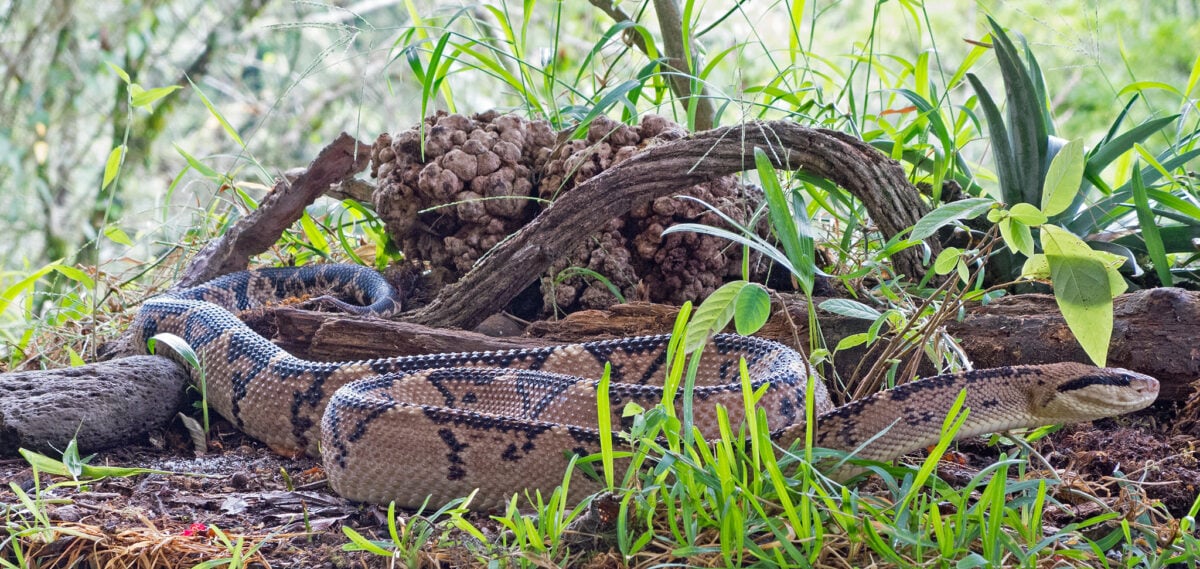
The bushmaster represents everything that makes New World pit vipers genuinely terrifying. At twelve feet long, it’s the largest viper in the Western Hemisphere, and it possesses a temperament that makes rattlesnakes seem almost friendly by comparison.
But length isn’t what makes bushmasters genuinely frightening — it’s their hunting methodology. Unlike most vipers that wait for prey to come to them, bushmasters actively hunt. They follow scent trails through dense jungle, moving with surprising stealth for something the thickness of a fire hose.
When they strike, they don’t release their prey like other vipers do. They hold on, pumping venom until their victim stops struggling entirely.
Anaconda
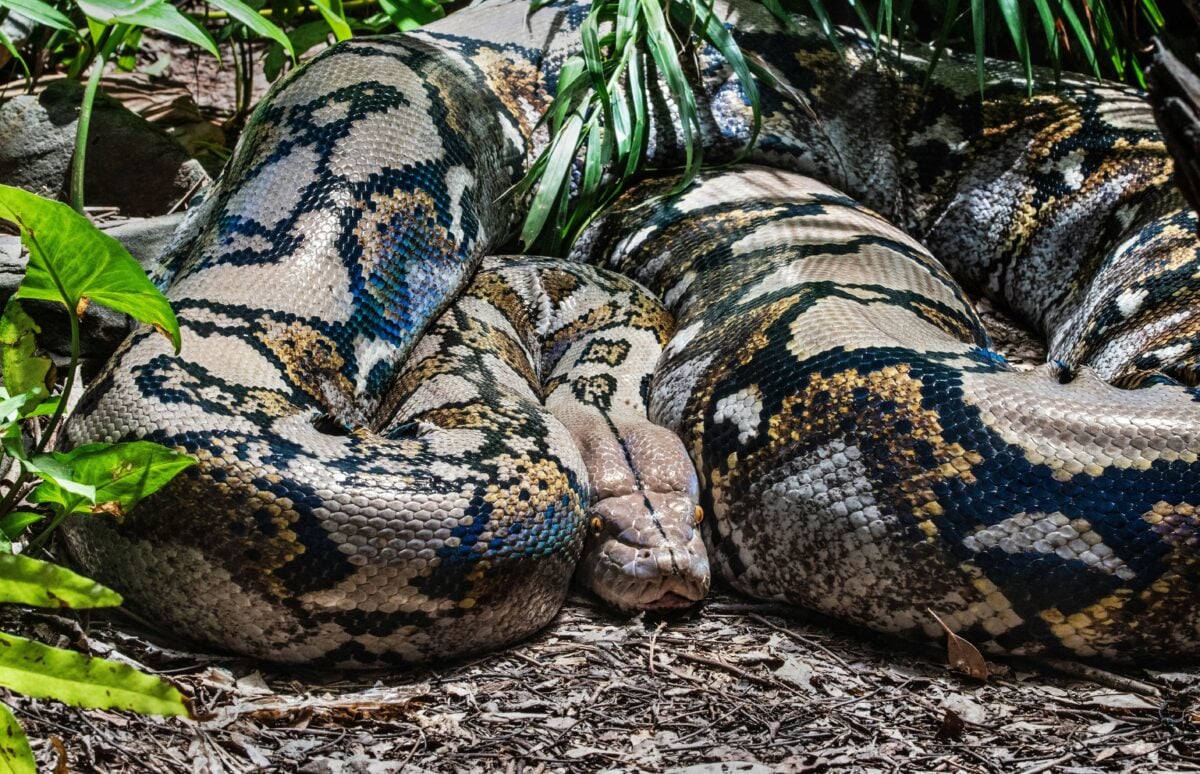
Anacondas have solved the fundamental problem of being a predator in an environment where everything either has armor, venom, or both: they simply became too large for any of that to matter. A twenty-foot anaconda weighing 550 pounds doesn’t worry about defensive mechanisms because nothing in its environment can meaningfully resist that much applied pressure.
The hunting technique reflects this brute-force approach. An anaconda doesn’t strike and retreat like venomous snakes do — it simply flows over its prey like a muscular tide, then applies steady pressure until breathing becomes impossible.
Fish, caimans, capybaras, even jaguars: the anaconda’s attitude toward prey diversity is refreshingly egalitarian. If it breathes and fits in the snake’s mouth, it’s food.
Army Ants
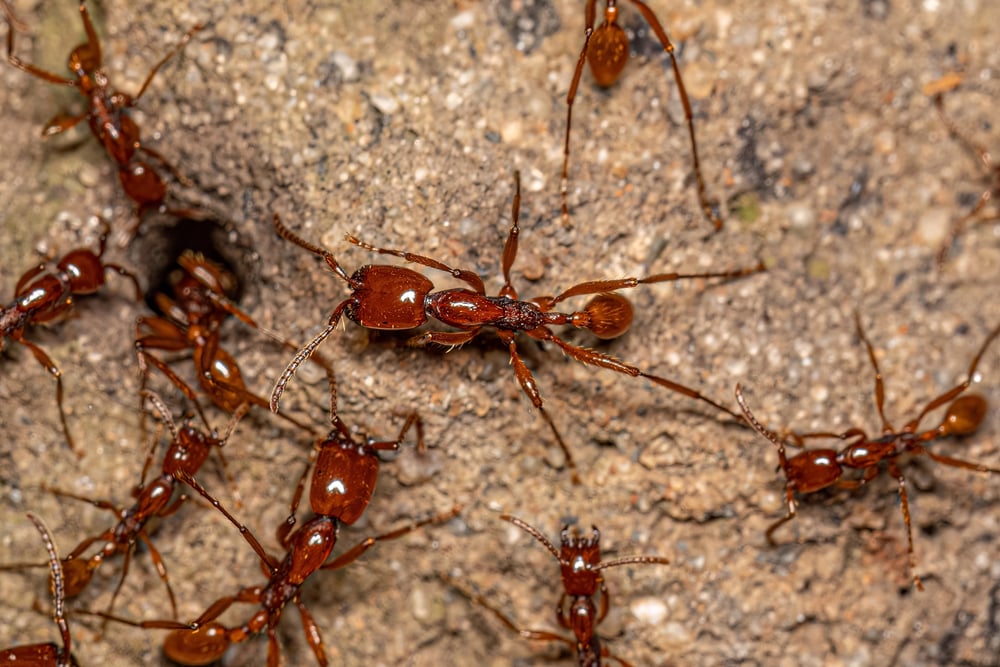
Individual army ants are unremarkable insects that most people would barely notice. But army ants don’t hunt individually — they hunt in columns containing up to 20 million individuals, flowing across the forest floor like a living carpet of mandibles and aggression.
Nothing in their path survives. The column engulfs everything from insects to small vertebrates, then dismantles it piece by piece with the methodical efficiency of a biological harvesting machine (and that’s not metaphorical — the ants literally strip prey down to cleaned bones in minutes, then carry the pieces back to their temporary nest in perfectly organized supply lines).
Even other predators flee when they detect the chemical signature of an approaching army ant raid.
Piranha
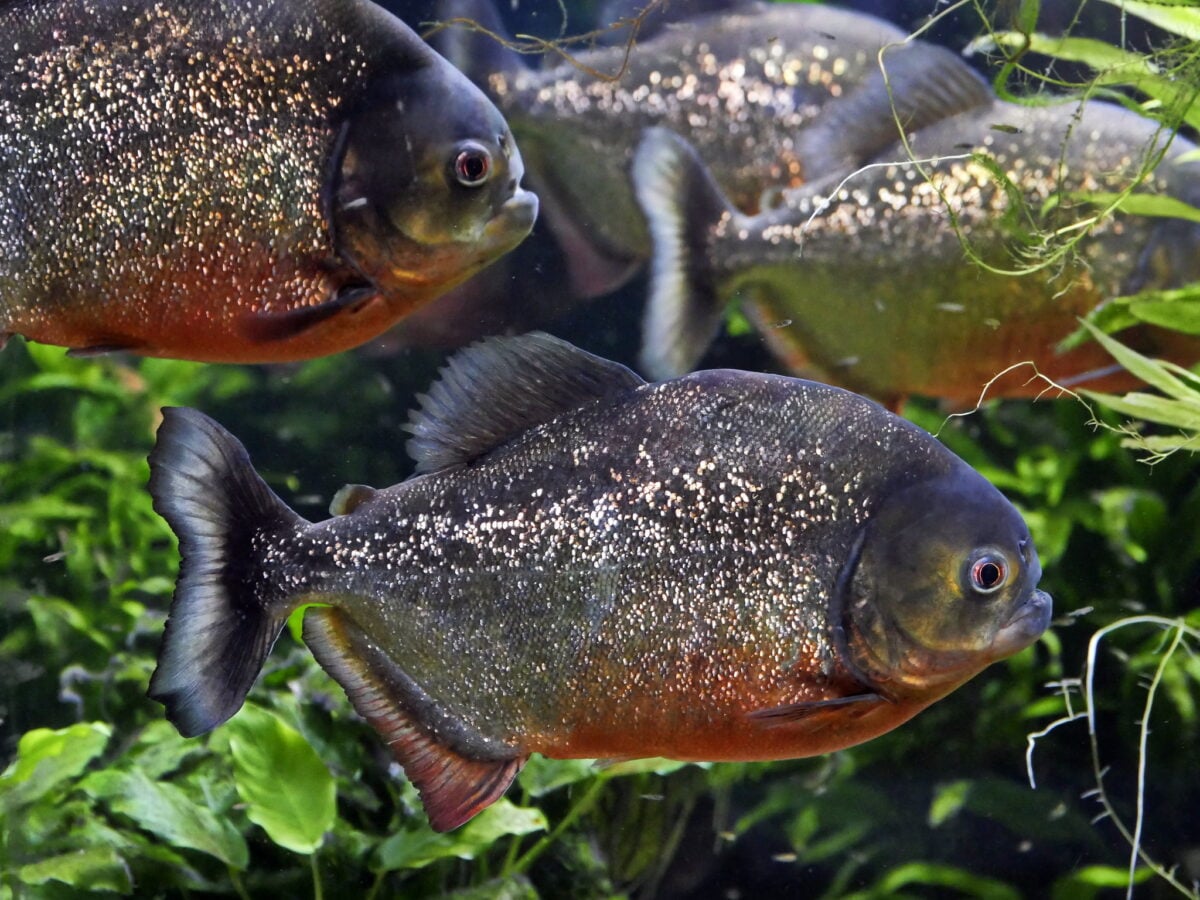
Piranhas suffer from a reputation problem — movies portray them as aquatic berserkers that reduce everything to skeletons in seconds. The reality is more nuanced and somehow more unsettling.
Most piranha species are primarily scavengers that prefer fruit to flesh. But during the dry season, when water levels drop and food becomes scarce, their behavior shifts dramatically. Hundreds of piranhas concentrate in small pools, and their feeding strategy becomes genuinely disturbing: they attack in coordinated waves, with each fish taking a precisely measured bite before retreating to let the next wave attack.
The victim dies from shock and blood loss rather than being consumed alive, but watching the process unfold feels like observing a biological assembly line designed by someone with a very dark sense of humor.
Spectacled Caiman
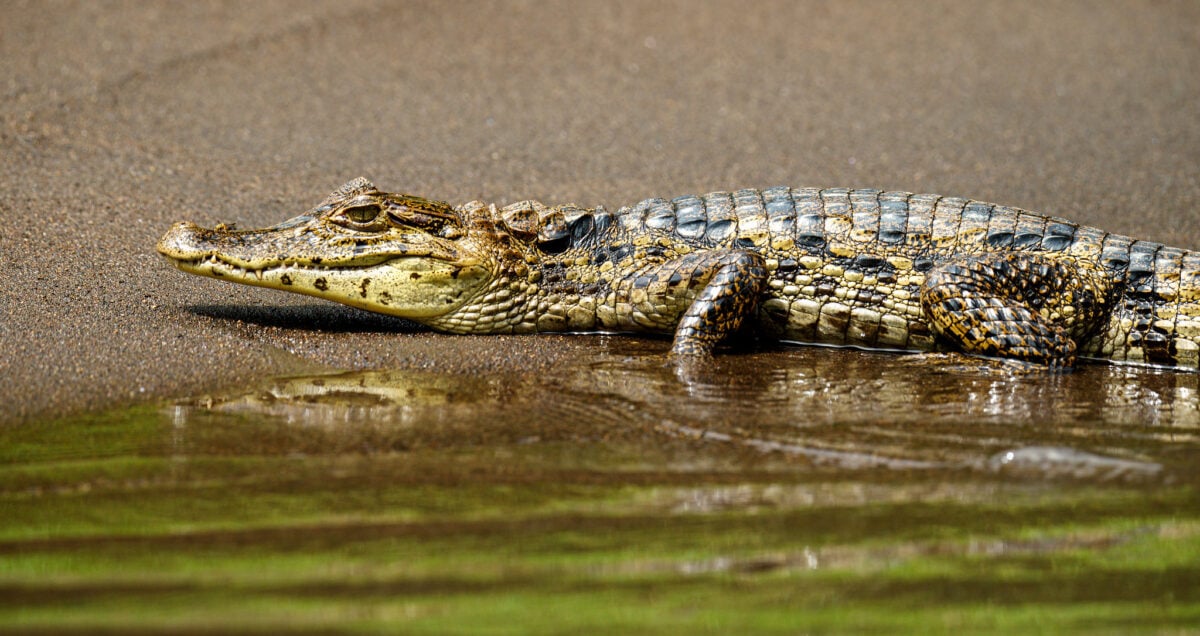
Spectacled caimans practice a hunting philosophy that could be summarized as “aggressive patience.” They float motionless at the water’s surface, looking like floating logs until something ventures close enough to drink or cross the water.
The attack unfolds faster than human eyes can follow — one moment there’s a peaceful river scene, the next moment something is being dragged underwater in a death roll that generates enough force to disorient prey instantly. Caimans don’t chew their food; they simply hold it underwater until it drowns, then position it correctly and swallow it whole.
There’s something deeply unsettling about a predator that kills through applied patience rather than violence.
Harpy Eagle
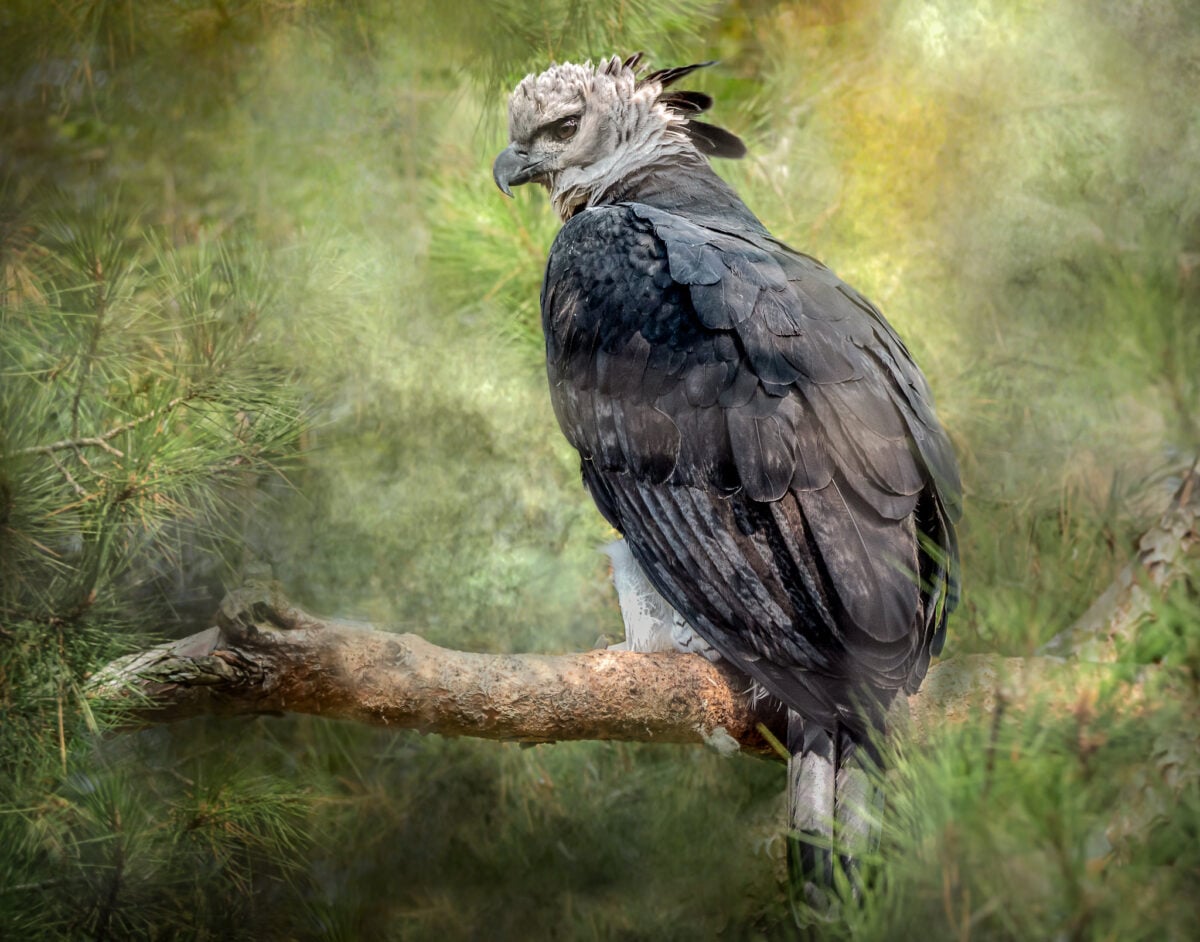
Harpy eagles are what happens when evolution decides that regular eagles need an upgrade to handle rainforest hunting conditions. Their talons are larger than grizzly bear claws, and their flight through dense canopy foliage borders on supernatural — they navigate between branches at high speed with the precision of a fighter pilot threading through obstacles.
But it’s their prey selection that sets them apart from other raptors. Harpy eagles specialize in hunting sloths and monkeys — prey that lives exclusively in treetops and has evolved specifically to avoid ground-based predators.
The eagle simply bypasses all those evolutionary defenses by attacking from above with enough force to kill instantly. A harpy eagle strike generates more impact force per square inch than a sledgehammer, which explains why their preferred prey rarely has time to realize it’s being hunted.
Vampire Bat
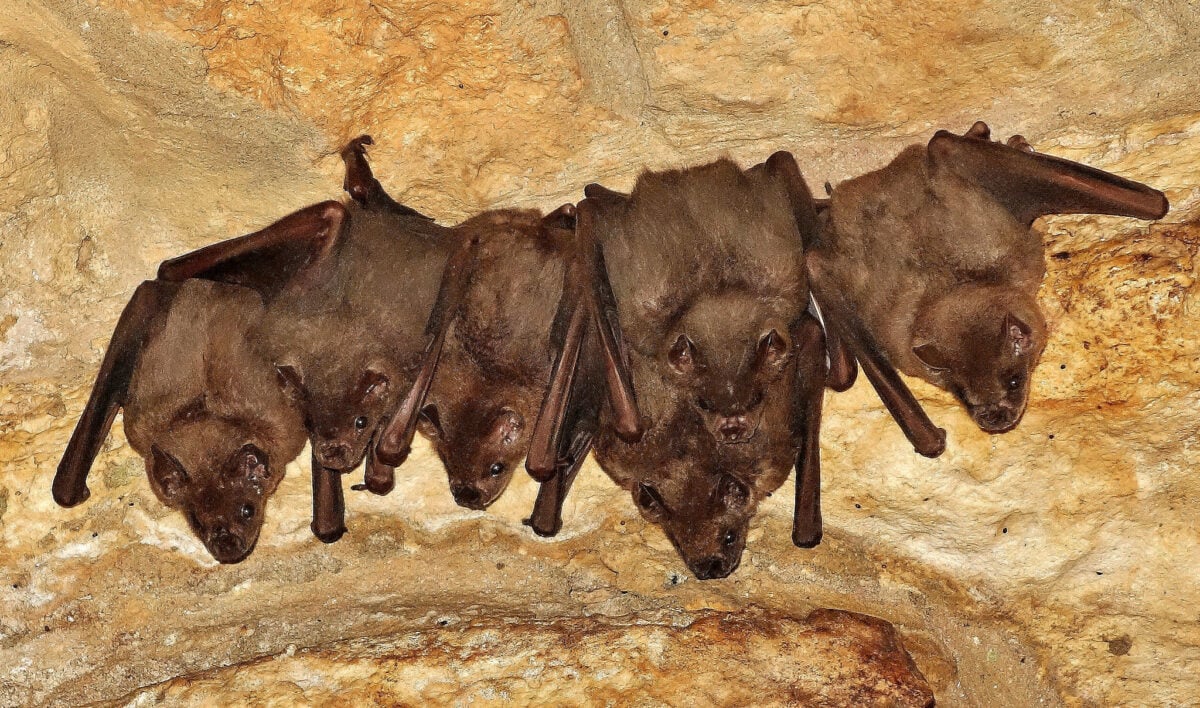
Vampire bats have mastered a form of predation so specialized that it seems almost like performance art. They don’t kill their prey — they form ongoing relationships with them.
A vampire bat will return to the same host animal repeatedly, feeding just enough to survive while keeping the host alive and healthy. The feeding process involves anticoagulants so effective that the injury continues wounding for hours after the bat finishes feeding.
But here’s the genuinely weird part: vampire bats share blood with other bats that had unsuccessful hunting nights, essentially operating a social safety net based on regurgitated blood. They’ve turned predation into a sustainable resource management system, which suggests a level of forward thinking that makes most human economic planning look impulsive.
Bringing It All Together
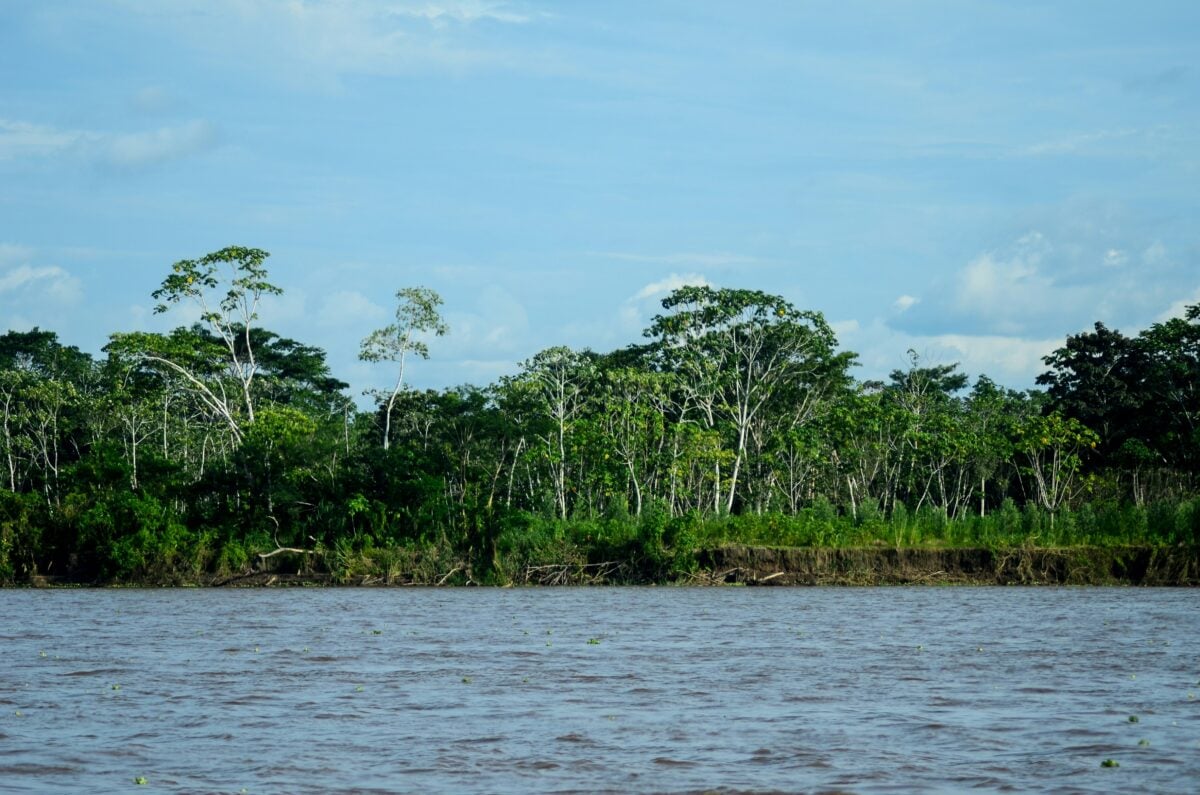
The Amazon Basin functions as evolution’s testing ground for hunting strategies too strange for anywhere else. These predators succeeded not by becoming bigger or faster than their competition, but by becoming weirder. They developed approaches so unconventional that prey species never evolved appropriate defenses.
That’s what makes the Amazon genuinely unsettling — not the individual predators, but the realization that this ecosystem rewards the kind of creative problem-solving that would never occur to you until it was too late to matter.
More from Go2Tutors!

- The Romanov Crown Jewels and Their Tragic Fate
- 13 Historical Mysteries That Science Still Can’t Solve
- Famous Hoaxes That Fooled the World for Years
- 15 Child Stars with Tragic Adult Lives
- 16 Famous Jewelry Pieces in History
Like Go2Tutors’s content? Follow us on MSN.



